作者: admin

  • Dubai Courts to close payment operations on December 31, 2025

    Dubai Courts to close payment operations on December 31, 2025

    Dubai Courts has officially declared a temporary suspension of all in-person payment processing services on December 31, 2025, in observance of New Year’s Eve celebrations. The closure will affect both morning and evening operational periods, marking a strategic pause to accommodate the extensive festivities planned throughout the emirate.

    While traditional payment counters will remain inactive during this period, the judiciary body emphasized that digital payment channels will maintain uninterrupted service. Litigants and legal representatives can continue to process court fees and settlements through the official Dubai Courts website, ensuring minimal disruption to judicial proceedings.

    This operational adjustment reflects Dubai’s continued commitment to digital transformation in its judicial services. The announcement, made on December 25, 2025, provides ample notice for court users to plan their transactions accordingly, either utilizing the electronic platforms or scheduling in-person payments outside the specified closure window.

    The digital payment infrastructure has become increasingly sophisticated, building upon previous innovations such as Abu Dhabi’s pioneering adoption of AE Coin digital currency for judicial services. This stablecoin, regulated by the UAE Central Bank, represents the region’s progressive approach to integrating blockchain technology into governmental operations, though Dubai Courts’ current electronic systems utilize more conventional digital payment methods.

  • My grandfather encouraged me to play for Algeria, says Luca Zidane

    My grandfather encouraged me to play for Algeria, says Luca Zidane

    In a heartfelt revelation that bridges family legacy and international football, Luca Zidane has detailed the profound familial encouragement behind his decision to represent Algeria on the global stage. The son of French football icon Zinedine Zidane, Luca made the significant switch from French junior teams to Algeria’s senior squad at age 27, a choice he attributes to deep-rooted cultural ties and his grandfather’s unwavering support.

    Zinedine Zidane, celebrated for leading France to 1998 World Cup and Euro 2000 glory, fully endorsed his son’s autonomous decision. Luca recounted his father’s advice: ‘Be careful, this is your choice. I can give you advice, but the final decision is yours.’ This paternal guidance came after outreach from Algeria’s coach and federation president, which solidified Luca’s commitment to honor his Algerian heritage.

    The goalkeeper, who plays for Spain’s Granada CF after beginning his career at Real Madrid, has become Algeria’s first-choice keeper. His father witnessed his competitive debut for the Desert Foxes in their 3-0 Africa Cup of Nations victory over Sudan, where Luca made a crucial save to preserve a narrow lead.

    Luca emphasized that his grandfather’s pride remains a driving force, stating that each international call-up prompts celebratory calls from his elder relative. In a poignant tribute, Luca has opted to wear ‘Zidane’ on his national team jersey—a departure from his club custom of using ‘Luca’—specifically to honor his grandfather’s legacy and their shared Algerian identity.

  • Quiz of the Year 2025, Part 2: What did Katy Perry sing on that all-female space flight?

    Quiz of the Year 2025, Part 2: What did Katy Perry sing on that all-female space flight?

    As the seasonal transition from spring to summer unfolded, several notable events captured international attention. Mark Carney unexpectedly guided Canada’s Liberal Party to a remarkable electoral triumph, while Britain’s Prince Harry disclosed to the BBC his earnest desire to mend fractured relationships within the Royal Family. Simultaneously, football icon David Beckham received prestigious royal recognition through knighthood honors.

    These developments, however, represent merely a fraction of the significant occurrences that shaped the global landscape during this period. The second installment of our comprehensive four-part annual quiz now challenges participants to assess their recollection of world events from April through June. This carefully curated assessment features 52 thought-provoking questions corresponding to each week of the year, compiled by quizmaster Ben Fell.

    For those seeking additional intellectual engagement, the publication offers access to part one covering January through March, alongside an extensive archive of historical quizzes spanning diverse topics including space tourism developments, Katy Perry’s cultural influence, evolving trends in pop music, United States current affairs, and broader musical phenomena.

  • Abu Dhabi: Five suffocate after using firewood, charcoal heating in homes

    Abu Dhabi: Five suffocate after using firewood, charcoal heating in homes

    Abu Dhabi police authorities have issued a critical public safety alert following multiple incidents of carbon monoxide poisoning from traditional heating methods. Five individuals required emergency medical attention after using firewood and charcoal heaters in poorly ventilated residential spaces during recent colder weather.

    Major General Mohammed Suhail Al Rashdi, Director of the Criminal Security Sector at Abu Dhabi Police, confirmed that rapid emergency response prevented fatalities in these cases. The incidents highlight a persistent public health challenge as some residents continue using traditional heating methods despite widespread availability of modern alternatives.

    Brigadier Saeed Humaid bin Dalmouj Al Dhaheri, Director of Al Ain Police Directorate, elaborated on the dangers: ‘The practice of lighting fires using firewood or charcoal inside enclosed spaces presents severe risks, particularly when safety measures are neglected.’ He specifically warned against overnight use of such heaters and sleeping in proximity to them due to dual threats of suffocation and fire hazards.

    Police recommendations include operating traditional heaters exclusively outdoors or ensuring they are equipped with specialized exhaust systems to direct smoke outside. Authorities emphasized the necessity of maintaining adequate ventilation in all living spaces and completely extinguishing heating devices outside residential areas after use.

    The warning comes during a period of increased heating needs in the region, with officials urging residents to prioritize modern, safe heating solutions over traditional methods that pose significant health and safety risks.

  • Saudi Arabia: 5-year jail, 10 million riyal fine for importing, making fake pesticides

    Saudi Arabia: 5-year jail, 10 million riyal fine for importing, making fake pesticides

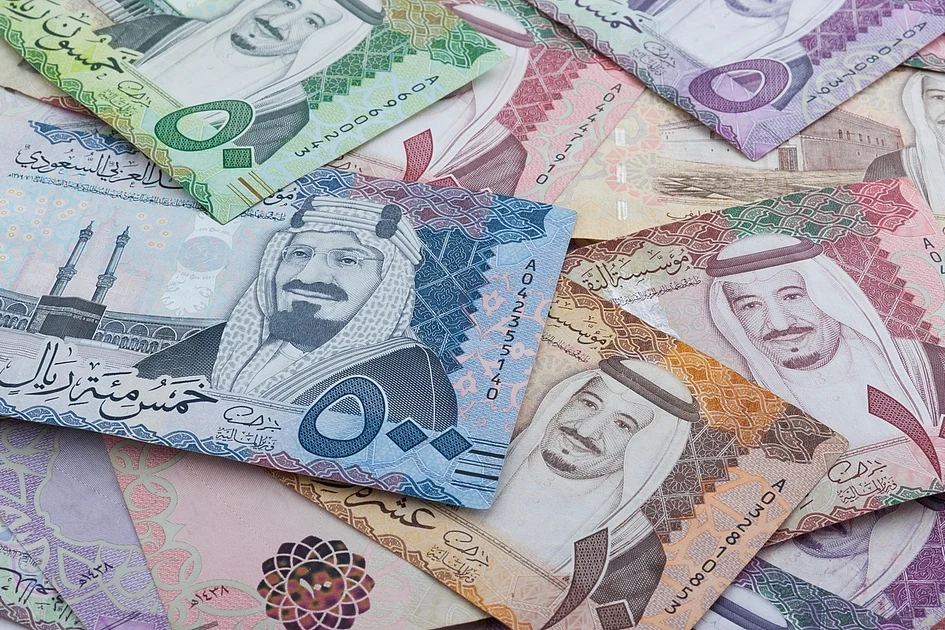
    Saudi Arabia has unveiled stringent legislative amendments targeting the manufacturing and importation of prohibited or counterfeit pesticides, introducing penalties among the most severe globally for agricultural violations. The Kingdom’s Ministry of Environment, Water and Agriculture has advanced a proposal to overhaul penalty provisions within the Gulf Cooperation Council’s Pesticides Law framework.

    Under the proposed regulations, violators face imprisonment for up to five years and financial penalties reaching 10 million Saudi riyals (approximately $2.67 million). The Public Prosecution retains authority to double these sanctions for repeat offenses occurring within a three-year timeframe.

    The legislative framework incorporates a tiered enforcement approach. Initial violations that cause no demonstrable harm to human health, animal welfare, plant life, or environmental systems will trigger official warnings and grace periods for compliance. However, violations resulting in documented damage will face immediate criminal prosecution through specialized courts.

    Additional consequences include mandatory destruction of confiscated materials by certified chemical disposal firms or repatriation to country of origin—with all associated costs borne by the violator. Regulatory authorities may impose temporary operational suspensions of up to six months or permanent facility closures for egregious violations. Affected parties retain rights to appeal through the Administrative Court’s established judicial procedures.

    This regulatory strengthening reflects Saudi Arabia’s escalating commitment to environmental protection and agricultural safety within its Vision 2030 diversification initiatives, signaling heightened vigilance against hazardous materials entering its supply chains.

  • England wins the toss and sends Australia in to bat in the 4th Ashes test

    England wins the toss and sends Australia in to bat in the 4th Ashes test

    MELBOURNE, Australia — Under overcast skies at a capacity Melbourne Cricket Ground, England captain Ben Stokes made a bold tactical decision by winning the toss and electing to bowl first in the pivotal fourth Ashes test on Friday. The move came as Australia, having already retained the urn following three consecutive victories, fielded an all-pace attack featuring recalled quicks Jhye Richardson and Michael Neser.

    Weather conditions appeared to favor England’s strategy, with a maximum temperature of 18°C (65°F) and considerable cloud cover creating an environment conducive to swing and seam bowling. The pitch itself showed a noticeable green tinge, prompting Stokes to remark at the toss about the “nice coverage of grass” and emphasizing that execution would be paramount.

    The match represents England’s final opportunity to salvage pride in the series after suffering defeats in the first three tests within just eleven days of play. The visitors’ campaign suffered a significant setback with the confirmed absence of star bowler Jofra Archer for the remainder of the series, including the fifth test scheduled for Sydney in January.

    England’s lineup features two notable changes: 22-year-old Jacob Bethell, capped four times previously, replaces the omitted Ollie Pope, while Gus Atkinson fills the void left by Archer’s injury.

    Australia’s lineup remains formidable with Travis Head and Jake Weatherald opening the batting, followed by the prolific middle order of Marnus Labuschagne, Steve Smith, and Usman Khawaja. The hosts’ bowling arsenal, now strengthened by Richardson and Neser joining Mitchell Starc and Scott Boland, presents a formidable challenge to England’s batting order.

    The tactical decision to bowl first represents a high-risk approach for England, banking on their pace attack to exploit the favorable conditions and finally gain an early advantage against their dominant hosts.

  • Abu Dhabi to allow pets in some restaurants, hotels under new law

    Abu Dhabi to allow pets in some restaurants, hotels under new law

    In a significant policy shift, Abu Dhabi has officially amended its municipal regulations to permit companion animals in designated hospitality venues across the emirate. The Department of Municipalities and Transport (DMT) announced the regulatory changes on December 25, 2025, marking a departure from previous restrictions that exclusively allowed certified service animals in food establishments.

    The amendments to Chairman’s Decision No. (4) of 2018, established under Law No. (2) of 2012, specifically enable hotels and restaurants holding tourism licenses to welcome pets alongside their owners. The revised legislation defines companion animals as domesticated pets that typically accompany owners outside residential settings, primarily encompassing cats and dogs.

    Under the new framework, participating establishments must implement specific zoning arrangements to accommodate animal companions. The regulations mandate designated pet-friendly areas, preferably in open-air environments such as outdoor terraces or balcony sections. For indoor accommodations, venues are required to create appropriately enclosed zones that comply with established health and safety protocols while ensuring animal welfare standards.

    The regulatory update emphasizes the importance of maintaining equilibrium between pet owners’ privileges and general public comfort. Establishments choosing to implement pet-friendly policies must ensure that their animal accommodation provisions do not compromise overall hygiene standards or disrupt the dining experience of other patrons. This balanced approach aims to foster a harmonious environment for all guests while progressively expanding pet accessibility in the emirate’s hospitality sector.

    The policy revision reflects Abu Dhabi’s ongoing efforts to modernize urban regulations in line with evolving societal trends and international best practices regarding animal companionship in public spaces.

  • US defense policy act fuels Taiwan tensions

    US defense policy act fuels Taiwan tensions

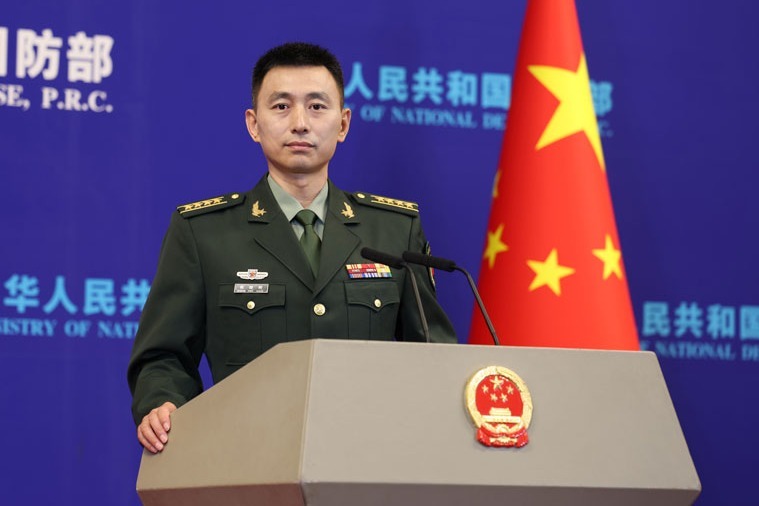
    China has issued a stern condemnation of the United States’ recently enacted National Defense Authorization Act for Fiscal Year 2026, characterizing the legislation as a severe violation of Chinese sovereignty that dangerously escalates tensions surrounding Taiwan. The forceful response came during a press briefing by China’s Ministry of National Defense spokesperson Zhang Xiaogang on Thursday.

    The controversial defense bill, signed into law by President Donald Trump last week, contains multiple China-specific provisions including approximately $1 billion allocated for the ‘Taiwan Security Cooperation Initiative’ – a program designed to enhance weapons sales to Taiwan. Chinese officials maintain that this constitutes blatant interference in China’s internal affairs and represents a serious breach of established diplomatic protocols.

    Zhang accused the United States of reneging on its commitments by intensifying military support for Taiwan, warning that such actions would inevitably embolden separatist forces and push cross-strait relations toward potential conflict. ‘Attempts to use Taiwan to contain China are doomed to fail, and seeking independence through force will only lead to self-destruction,’ Zhang stated emphatically.

    The defense spokesman specifically criticized Taiwan’s Democratic Progressive Party authorities for what he characterized as sacrificing Taiwanese interests to serve American strategic objectives. Zhang singled out regional leader Lai Ching-te, describing him as ‘an instigator of war’ for his policies of military expansion and alignment with US interests.

    Concurrently, Xu Dong, spokesperson for the Foreign Affairs Committee of China’s National People’s Congress, expressed ‘strong dissatisfaction and firm opposition’ to the US legislation. Xu warned that continued implementation of the act’s China-related provisions would compel Beijing to take ‘resolute measures’ to protect its sovereignty and development interests.

    Chinese officials urged the US to recognize the extreme sensitivity of Taiwan-related matters, adhere strictly to the one-China principle, and handle cross-strait issues with maximum caution. The coordinated responses from both defense and legislative bodies underscore China’s escalating concerns over what it perceives as increasingly provocative US actions regarding Taiwan.

  • India’s solar boom faces a hidden waste problem

    India’s solar boom faces a hidden waste problem

    India’s remarkable transformation into a global solar energy leader is confronting an emerging environmental challenge: the impending tidal wave of solar panel waste. Having ascended to become the world’s third-largest solar producer within just a decade, the nation now faces the complex task of managing the lifecycle of its renewable infrastructure.

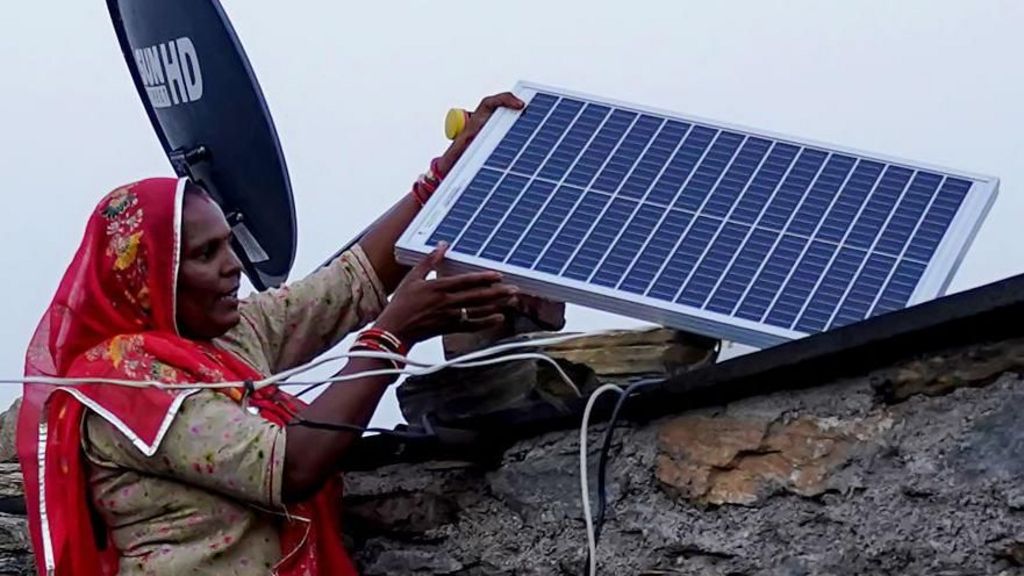
    The solar revolution has visibly transformed India’s landscape, with vast utility-scale parks and millions of rooftop installations feeding power into the national grid. Government statistics reveal nearly 2.4 million households have adopted solar technology through subsidy programs, significantly reducing reliance on coal-fired generation despite thermal power still dominating over half of installed capacity.

    While solar energy generation itself produces minimal emissions, the disposal of decommissioned panels presents significant environmental risks. Solar modules contain potentially toxic materials including lead and cadmium that can contaminate soil and water systems if improperly handled. With panels typically lasting 25 years, the first major wave of installations from the mid-2010s will begin reaching end-of-life within the next decade.

    Current estimates suggest India has already accumulated approximately 100,000 tonnes of solar waste, with projections indicating this could swell to 600,000 tonnes by 2030 and exceed 11 million tonnes by 2047. A comprehensive study by the Council on Energy, Environment and Water (CEEW) calculates that managing this volume would require nearly 300 dedicated recycling facilities and an investment approaching $500 million over the next two decades.

    The regulatory framework remains underdeveloped. Although India brought solar panels under e-waste management rules in 2022, making manufacturers responsible for collection and recycling, enforcement remains inconsistent. This is particularly problematic for distributed rooftop installations, which constitute 5-10% of capacity but are significantly more challenging to track and process.

    Environmental expert Sai Bhaskar Reddy Nakka warns: “Solar power creates an illusion of clean energy for two decades, but without serious recycling planning it risks leaving behind a graveyard of modules rather than an environmental legacy.”

    Despite these challenges, the situation presents substantial economic opportunities. Efficient recycling could reclaim 38% of materials for new panel production by 2047 while preventing 37 million tonnes of carbon emissions from virgin material extraction. Markets already exist for glass and aluminum components, while precious metals including silicon, silver and copper can be recovered for reuse across industries.

    Energy analyst Rohit Pahwa notes: “As waste volumes increase, so will demand for companies specializing in processing these materials.” Currently, most recycling focuses on low-value components through basic methods, with precious metals frequently lost or damaged during extraction.

    Experts emphasize that the coming decade will be decisive for India’s renewable ambitions. Building a regulated, self-sustaining recycling ecosystem requires urgent action—including integrating waste management into business models, raising consumer awareness, and ensuring manufacturers and profiteers assume responsibility for end-of-life processing. Without these measures, today’s clean energy triumph risks becoming tomorrow’s environmental burden.

  • Indonesians raise white flags as anger grows over slow flood aid

    Indonesians raise white flags as anger grows over slow flood aid

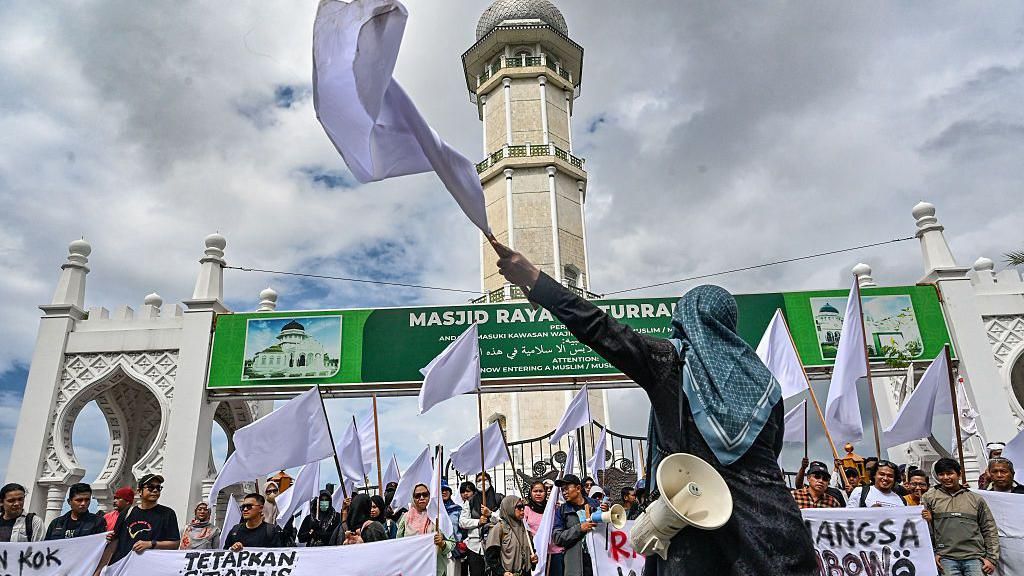
    In Indonesia’s Aceh province, a sea of white flags has emerged as a powerful symbol of desperation following catastrophic November floods. The disaster, triggered by an unusual cyclone, claimed over 1,000 lives across Sumatra with Aceh accounting for nearly half the fatalities. Despite widespread destruction that displaced hundreds of thousands, survivors face critical shortages of clean water, food, electricity, and medical supplies.

    The crisis has exposed deepening tensions between local authorities and President Prabowo Subianto’s administration. North Aceh Governor Ismail A Jalil emotionally pleaded for recognition of the devastation, while Prabowo has refused international assistance, asserting Indonesia can handle the disaster independently. His government has declined to declare a national disaster—a move that would unlock emergency funds and streamline relief operations.

    Protesters in Banda Aceh have transformed the white flag from a surrender symbol to an international distress call. ‘They are a signal to grab attention about the terrible conditions in Aceh,’ explained rally participant Husnul Khawatinnissa. The demonstrations highlight growing frustrations with what critics describe as reactive and disorganized governance.

    The situation evokes painful memories of the 2004 tsunami, with residents noting that despite that disaster’s greater scale, relief arrived more promptly. The current administration has allocated 60 trillion rupiah ($3.6 billion) for reconstruction, but many communities remain isolated with destroyed infrastructure.

    Analysts suggest Prabowo’s refusal of foreign aid represents a political calculation prioritizing sovereignty perceptions over practical crisis management. This stance has drawn criticism from researchers who note the government appears increasingly out of touch with ground realities. Meanwhile, flood survivors like Rindu Majalina describe fighting ‘like zombies’ for scarce supplies, highlighting the human toll of the political impasse.