作者: admin

  • China’s Xinjiang nears full e-commerce coverage in rural areas

    China’s Xinjiang nears full e-commerce coverage in rural areas

    Northwest China’s Xinjiang Uygur Autonomous Region has achieved a groundbreaking milestone in digital inclusion, with e-commerce services now reaching approximately 99% of rural communities. This accomplishment stems from a comprehensive infrastructure network featuring fully operational county-level commercial service centers, logistics distribution hubs, and township-level logistics stations.

    According to official data from the regional commerce department, coverage rates have reached unprecedented levels with 96.56% of townships equipped with commercial centers and 98.92% of villages benefiting from convenience stores. This extensive network has effectively bridged the urban-rural divide, facilitating seamless movement of industrial goods to countryside areas while enabling efficient distribution of agricultural products to urban markets.

    The transformation follows China’s 2023 three-year national action plan for county-level commerce development, initiated by the Ministry of Commerce and eight supporting government agencies. From 2021 to 2025, Xinjiang secured 548 million yuan (approximately $78 million) in central government funding, supporting nearly 400 development projects. This investment resulted in the construction or modernization of 255 county-level comprehensive commercial service centers, representing a 45.7% increase compared to 2021 infrastructure levels.

    Li Xuan, Deputy Director of Xinjiang’s Regional Department of Commerce, emphasized the region’s commitment to further activating county-level markets and unlocking rural consumption potential. “Through continued policy guidance and financial support, we will enhance the county commercial system to boost integrated urban-rural development and comprehensive rural revitalization,” Li stated, highlighting the strategic importance of e-commerce infrastructure in regional economic planning.
  • Trump shares list of countries with immigrant welfare rates; why was India excluded?

    Trump shares list of countries with immigrant welfare rates; why was India excluded?

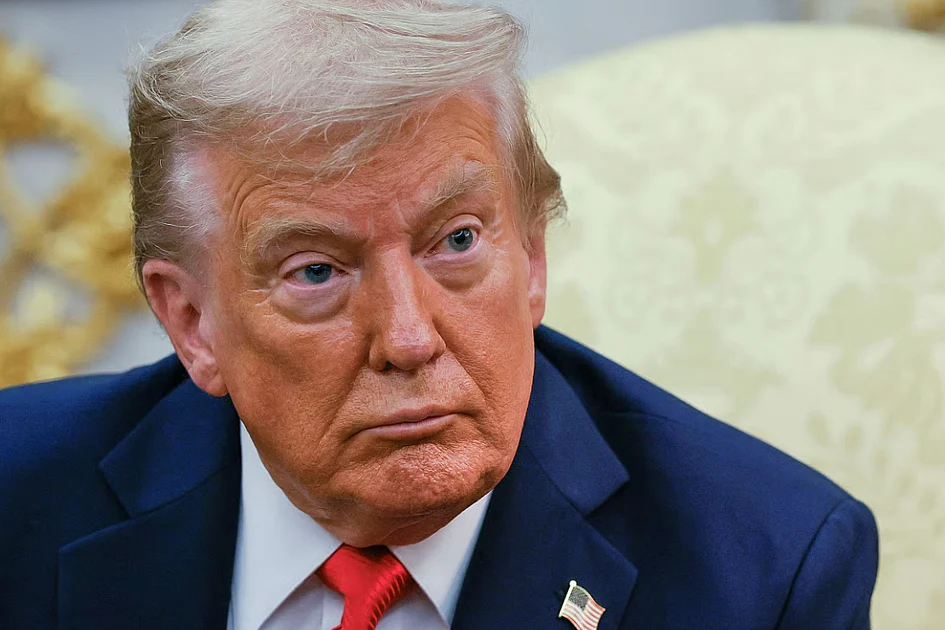
    Former US President Donald Trump has ignited online discourse after publishing a controversial chart on his Truth Social platform detailing welfare dependency rates among immigrant households from approximately 120 countries. The January 4 post highlighted nations with both high and low utilization rates of public assistance programs, including housing support, food assistance, and health insurance.

    Notably absent from the comprehensive list was India, despite the inclusion of neighboring South Asian nations such as Bangladesh, Pakistan, Nepal, and other major countries like China. This omission prompted immediate questioning across social media platforms, with many Indian users seeking clarification regarding the exclusion criteria.

    While the chart provided no explicit explanation for India’s absence, demographic data suggests Indian immigrant households typically demonstrate exceptionally low welfare dependency rates, likely falling below the statistical threshold for inclusion. According to Pew Research Center analyses, Indian immigrants represent one of the highest-earning demographic groups in the United States.

    The 2023 statistics reveal striking economic indicators: Indian-headed households reported median annual personal earnings of $85,300, significantly surpassing the overall Asian demographic average of $52,400. Among full-time, year-round workers, this disparity widened further with Indian workers recording median earnings of $106,400 compared to $75,000 for the broader Asian demographic.

    Furthermore, poverty levels within the Indian immigrant community stand at just 6 percent—notably lower than the 10 percent average across Asian populations in the United States. These economic indicators provide context for the demographic’s limited engagement with public assistance programs.

    The publication aligns with Trump’s established immigration policy stance, characterized by restrictive measures including mass deportation initiatives and the deployment of federal troops to urban centers. In November 2025, the former president announced intentions to ‘permanently pause’ migration from what he termed ‘third-world’ countries, asserting such measures would allow ‘US systems to fully recover.’

    Additionally, Trump has declared that beginning in 2025, federal benefits and subsidies would be exclusively reserved for US citizens, further reinforcing his administration’s approach to immigration and welfare reform.

  • BNW Developments accelerates construction through a strategic partnership with China Railway No. 4 Engineering Group

    BNW Developments accelerates construction through a strategic partnership with China Railway No. 4 Engineering Group

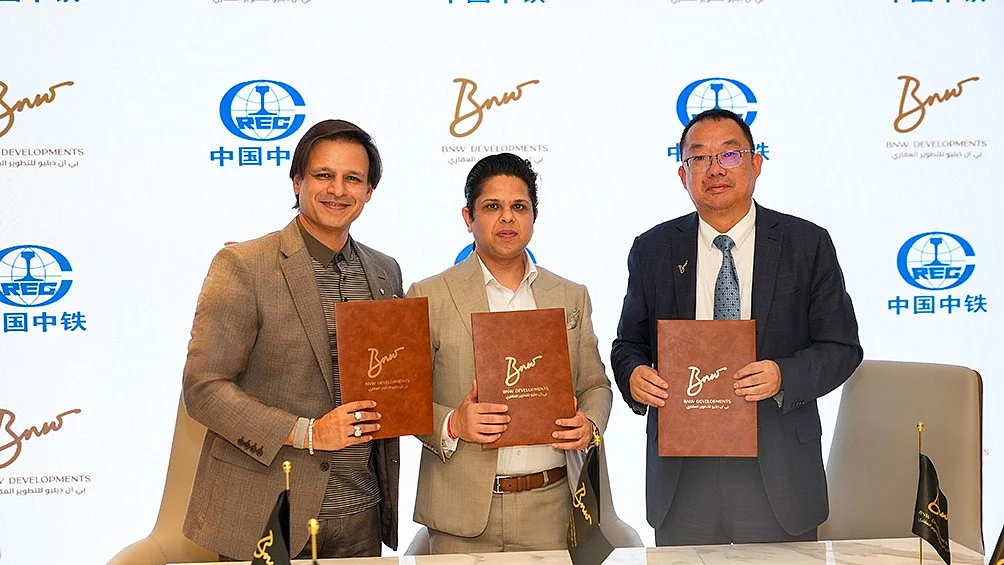
    In a significant move to accelerate its luxury real estate portfolio, Ras Al Khaimah-based developer BNW Developments has entered into a strategic construction partnership valued at approximately one billion dirhams ($272 million) with China Railway No. 4 Engineering Group (CREC4), a subsidiary of Fortune 500 infrastructure giant China Railway Group Limited.

    The collaboration marks BNW’s latest initiative to strengthen its execution capabilities following previous construction agreements and rapid mobilization of on-ground teams across its development pipeline. With enabling works and foundational activities on earlier projects nearing completion, the partnership positions BNW to leverage CREC4’s global engineering expertise and disciplined delivery frameworks to scale upcoming waterfront developments to international standards.

    BNW Chairman Ankur Aggarwal emphasized the strategic importance of the alliance, stating: “We are in an execution-driven phase with singular focus on disciplined, on-time delivery. China Railway Group brings deep engineering capabilities, robust governance systems, and proven international experience, including established operations in the UAE. This partnership represents one of several global construction alliances we are activating to support our growth with speed, quality, and credibility.”

    Managing Director Dr. Vivek Anand Oberoi reinforced the company’s commitment to quality, noting: “We consciously collaborate with globally recognized contractors whose track records demonstrate engineering integrity and adherence to international standards. CREC4’s capabilities align closely with our vision of developing enduring, design-led projects.”

    CREC4 Middle East & Eastern Europe General Manager Gang Li commented: “This partnership enables us to apply our global project management expertise and advanced construction methodologies to BNW’s luxury developments. We are committed to ensuring efficient implementation, rigorous quality control, and delivery that meets investor and end-user expectations.”

    China Railway No. 4 Engineering Group brings extensive experience from large-scale infrastructure projects across China and more than 30 international markets. BNW Developments currently manages a development pipeline exceeding 32 billion dirhams in Gross Development Value, with a portfolio that includes Aqua Arc, Taj Wellington Mews, Pelagia, FashionTV Acacia, Aquino, and Tonino Lamborghini Residences Ras Al Khaimah. The company is evaluating additional global construction alliances as part of its long-term execution strategy.

  • Which countries could be in Trump’s sights after Venezuela?

    Which countries could be in Trump’s sights after Venezuela?

    The foreign policy approach of US President Donald Trump’s second administration is rapidly materializing through a series of confrontational actions and territorial ambitions across the Western Hemisphere. In a dramatic escalation, US forces conducted a nighttime raid on Caracas, successfully extracting Venezuelan President Nicolás Maduro and his wife from their heavily fortified compound. This operation marks the most significant implementation of what Trump has rebranded the “Donroe Doctrine” – an updated version of the 1823 Monroe Doctrine asserting American supremacy throughout the Americas.

    The administration’s ambitions extend beyond Venezuela to territorial acquisition. President Trump has publicly expressed interest in acquiring Greenland, citing national security concerns about Russian and Chinese naval presence in the region. The vast Arctic territory, currently under Danish sovereignty, possesses substantial rare earth mineral deposits crucial for technology and military applications, areas where China currently dominates global production. Greenland’s strategic position also offers future access to emerging Arctic shipping routes as polar ice continues to melt. Greenlandic Prime Minister Jens Frederik Nielsen dismissed annexation fantasies while remaining open to diplomatic dialogue conducted through proper channels.

    Simultaneously, Trump has intensified pressure on Colombia following the Venezuelan operation, directly warning President Gustavo Petro to “watch his ass.” The administration alleges Colombia’s left-wing leadership enables drug cartels to flourish, resulting in October sanctions against Petro. Aboard Air Force One, Trump characterized Colombia as being “run by a sick man who likes making cocaine and selling it to the United States,” hinting at potential future operations.

    The administration’s focus extends beyond the hemisphere to Iran, where Trump issued stark warnings amid ongoing anti-government protests. He threatened severe consequences if Iranian authorities responded with violence against demonstrators, despite Iran falling outside the Donroe Doctrine’s theoretical scope. This follows previous strikes on Iranian nuclear facilities and continued coordination with Israeli Prime Minister Benjamin Netanyahu, who reportedly discussed potential new strikes against Iran during recent meetings.

    Closer to home, tensions with Mexico persist over drug trafficking and immigration. Trump renamed the Gulf of Mexico the “Gulf of America” by executive order and continues criticizing Mexican efforts to stem drug flows. While Mexican President Claudia Sheinbaum has rejected any US military action on Mexican soil, Trump maintains that “something” must be done about powerful cartels.

    Regarding Cuba, just 90 miles from Florida, Trump suggested military intervention might be unnecessary as the nation appears “ready to fall” due to economic collapse. With Venezuela historically supplying approximately 30% of Cuba’s oil, Maduro’s capture severely jeopardizes Havana’s energy security. Secretary of State Marco Rubio, son of Cuban immigrants, reinforced that Cuban officials should take Trump’s statements seriously regarding potential regime change.

  • Ratcliffe revolution fails to halt Man Utd decline

    Ratcliffe revolution fails to halt Man Utd decline

    The dismissal of manager Ruben Amorim by Manchester United has starkly highlighted the absence of meaningful progress under co-owner Jim Ratcliffe’s much-heralded new era. Amorim becomes the latest managerial casualty unable to reverse the club’s prolonged decline, which has persisted since the legendary Sir Alex Ferguson’s departure in 2013 after securing the club’s 20th league title.

    Ratcliffe, a British billionaire and lifelong United supporter, acquired a minority stake in February 2024, assuming control of football operations. His arrival was met with widespread optimism from a fanbase weary of the Glazer family’s ownership, which retains majority control. However, initial hopes for a swift return to domestic and European prominence have been severely diminished.

    Despite Ratcliffe’s earlier public assurances against ‘knee-jerk reactions’ and granting Amorim a three-year mandate, the manager was axed after just 14 months. This decision followed a run of poor form, including just one win in their last five Premier League home games, and reported internal disagreements with football director Jason Wilcox over tactics and transfers.

    The club’s on-pitch performance remains deeply concerning. The 2024/25 season concluded with a humiliating 15th-place finish—the club’s worst since 1974—resulting in missing European qualification for only the second time in 35 years. While showing a marginal improvement this season, Amorim left with the team 17 points adrift of league leaders Arsenal.

    Ratcliffe’s critique of previous transfer policies has yet to be vindicated by his own recruitment. High-profile signings like Joshua Zirkzee and Manuel Ugarte have failed to make a significant impact. A costly new forward line of Benjamin Sesko, Matheus Cunha, and Bryan Mbeumo, assembled last summer, has collectively managed a paltry 12 league goals, further straining the club’s finances which are now constrained by sustainability regulations.

    Compounding fan frustration, Ratcliffe has implemented controversial measures off the pitch, including raising ticket prices and instituting severe job cuts in a bid to restore financial order. Ambitious plans for a new 100,000-seat stadium to replace Old Trafford, touted to be the ‘world’s greatest,’ face major uncertainties regarding their timeline and feasibility.

    While the ambitions for Manchester United’s revival under Ratcliffe are clear, both strategically and infrastructurally, the tangible results remain elusive, leaving the club’s storied legacy in a state of continued uncertainty.

  • 83 still in hospital after Swiss fire tragedy

    83 still in hospital after Swiss fire tragedy

    Swiss authorities continue to investigate the catastrophic New Year’s Eve blaze at Le Constellation bar in Crans-Montana that claimed 40 lives and injured 116 people. As of Monday, 83 victims remain hospitalized with severe injuries, while the process of identifying all casualties has been completed.

    The tragedy unfolded in the early hours of Thursday when celebratory sparklers attached to champagne bottles ignited sound insulation foam in the basement ceiling of the popular Alpine establishment. The incident has exposed significant safety violations, including the presence of 26 teenagers among the deceased—eight of whom were under 16, directly contravening local laws prohibiting minors from alcohol-serving venues after 10:00 pm without guardian supervision.

    International repercussions continue as five Italian teenagers, including three 16-year-old boys and two girls aged 15 and 16, were repatriated via military aircraft from Sion Airport. Italian Ambassador Gian Lorenzo Cornado, present during the solemn ceremony, stated unequivocally that ‘this tragedy could have been avoided through prevention and common sense,’ citing ‘numerous shortcomings in safety and prevention’ at the venue.

    The victims represented 19 nationalities, with Swiss nationals comprising the majority of those killed and injured. The deceased included 19 foreign passport holders: nine French and six Italian citizens among them. Those injured encompassed 23 French, 11 Italian, four Serbian, and two Polish nationals, with additional casualties from Australia, Belgium, Bosnia-Herzegovina, Congo-Brazzaville, Czech Republic, Finland, Luxembourg, Philippines, and Portugal.

    The most critically injured have been transferred to specialized burn centers across Switzerland and internationally. Meanwhile, emotional tributes continue to grow outside the destroyed establishment, where flowers, candles, and messages of sympathy create a makeshift memorial.

    Switzerland has declared Friday a national day of mourning, with church bells scheduled to toll across the country at 2:00 pm (1300 GMT) followed by a moment of silence. French President Emmanuel Macron is expected to attend commemorative ceremonies honoring the victims.

  • Indian woman found dead in US; embassy extends consular support

    Indian woman found dead in US; embassy extends consular support

    Authorities in Columbia, Maryland, have launched an international investigation following the tragic discovery of 27-year-old Indian national Nikitha Godishala deceased in her apartment. The case has triggered coordinated efforts between U.S. and Indian authorities as the prime suspect, identified as Godishala’s former boyfriend, has reportedly fled the United States.

    According to Howard County Police Department, the suspect initially reported Godishala missing earlier this week before departing the country shortly thereafter. Investigators have obtained arrest warrants charging the individual with first and second-degree murder, initiating coordination with federal agencies for potential international apprehension.

    The Indian Embassy in Washington has confirmed active engagement with both local authorities and Godishala’s family, providing comprehensive consular assistance including documentation support and legal coordination. In an official statement, embassy officials emphasized their commitment to monitoring investigative developments while maintaining communication with relevant agencies.

    Godishala, described by community members as a young professional pursuing educational and career opportunities in the United States, had established connections within the Indian diaspora community. The incident has sparked renewed concerns regarding the safety of Indian nationals abroad, prompting embassy officials to issue advisories encouraging vigilance among Indian citizens in the U.S.

    Local authorities have characterized the investigation as ongoing, emphasizing the importance of interjurisdictional cooperation given the international dimensions of the case. Police officials noted that consular coordination will remain essential throughout judicial proceedings, with updates to be provided in accordance with established legal protocols and investigative requirements.

    The victim’s family has requested privacy during this difficult period as legal processes unfold. Both U.S. and Indian authorities have reaffirmed their commitment to pursuing justice through proper legal channels, underscoring the importance of bilateral cooperation in addressing transnational criminal matters.

  • China, ROK should strengthen economic ties, forge prospects for win-win cooperation: Chinese vice-premier

    China, ROK should strengthen economic ties, forge prospects for win-win cooperation: Chinese vice-premier

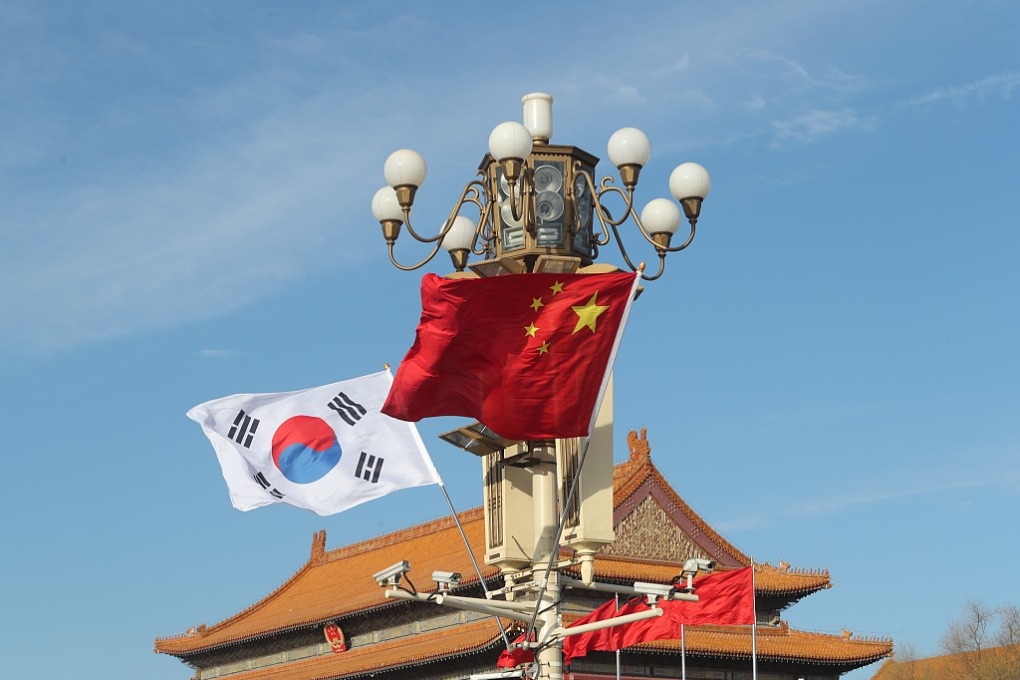
    Chinese Vice-Premier He Lifeng has called for strengthened economic collaboration between China and South Korea, emphasizing the creation of new win-win cooperation prospects. The senior official, who also serves on the Political Bureau of the Communist Party of China Central Committee, delivered these remarks while co-hosting a bilateral business forum in Beijing with South Korean President Lee Jae-myung.

    Speaking before approximately 400 government and business representatives from both nations, Vice-Premier He highlighted the importance of implementing the strategic consensus reached by both countries’ leadership. He articulated China’s commitment to advancing the quality and upgrading of mutual economic and trade cooperation under this guidance.

    ‘China will unswervingly pursue high-standard opening-up policies,’ He affirmed, extending welcomes to enterprises from South Korea and other nations to invest and establish operations within China’s market. He emphasized that such participation would enable international businesses to benefit from China’s ongoing development opportunities.

    In reciprocal remarks, President Lee acknowledged the substantial deepening of ROK-China cooperation across multiple sectors in recent years. The South Korean leader expressed his nation’s willingness to enhance mutually beneficial collaboration with China, noting that such strengthened ties would generate greater benefits for both countries’ populations.

    The high-level forum was jointly organized by the China Council for the Promotion of International Trade and the Korea Chamber of Commerce and Industry, representing a significant platform for bilateral economic dialogue. The event’s substantial attendance reflected the importance both nations place on their economic partnership amid evolving global economic dynamics.

  • Eyeing its own security, Europe muted as Trump ousts Maduro

    Eyeing its own security, Europe muted as Trump ousts Maduro

    European leaders have responded with measured caution to President Donald Trump’s military operation in Venezuela that resulted in the capture of strongman Nicolás Maduro. While avoiding outright condemnation of an action critics label a violation of Venezuelan sovereignty, key European figures emphasized the importance of international law.

    German Chancellor Friedrich Merz described the legal dimensions of the intervention as “complex,” while British Prime Minister Keir Starmer characterized developments as a “fast-moving situation.” The European Union acknowledged the potential for democratic transition in Venezuela following Maduro’s ouster but carefully avoided endorsing Washington’s assertion that it would now administer the country.

    Spanish Prime Minister Pedro Sánchez delivered the strongest rebuke among European leaders, stating the intervention clearly “violates international law.” Spain maintains deep historical and cultural ties to Latin America.

    The generally restrained response reflects Europe’s strategic calculation to preserve cooperation with the Trump administration on more pressing security concerns, particularly regarding Ukraine. European diplomats privately acknowledge their dependence on U.S. support for Kyiv’s defense against Russian aggression.

    The Venezuela operation has heightened European anxieties about Trump’s broader geopolitical ambitions. Most alarmingly, Trump reiterated his interest in acquiring Greenland, citing U.S. national security interests, despite vehement objections from Denmark, which governs the autonomous territory.

    Analysts from the German Marshall Fund warn that the Venezuela intervention sets a dangerous precedent that could legitimize powerful nations imposing their will on neighboring territories, creating potential implications for Taiwan, Ukraine, and Moldova.

    The European Council on Foreign Relations suggests European nations face an inevitable choice between accommodating or resisting Washington’s ambitions, noting that both approaches carry significant costs for transatlantic relations.

  • Why does Trump want Greenland and what do its people think?

    Why does Trump want Greenland and what do its people think?

    In a dramatic escalation of geopolitical tensions, former and current U.S. President Donald Trump has renewed his campaign to acquire Greenland, citing urgent national security concerns. The controversial proposition has been met with firm resistance from both Greenland’s autonomous government and Denmark, creating an unprecedented rift between the NATO allies.

    Following a military operation in Venezuela that resulted in the capture of President Nicolás Maduro, Trump intensified his calls for American control over the strategic Arctic territory. ‘We require Greenland from the standpoint of national security,’ Trump asserted to journalists. ‘The region is overwhelmingly strategic. Presently, Russian and Chinese vessels dominate the surrounding waters.’

    Greenlandic Prime Minister Jens Frederik Nielsen delivered a sharp rebuke, characterizing Trump’s annexation ambitions as pure ‘fantasy’ and demanding an end to the pressure campaign. Danish Prime Minister Mette Frederiksen reinforced this position, declaring that the United States possesses no legitimate claim to any territory within the Danish realm.

    This territorial dispute represents a reactivation of Trump’s 2019 offer to purchase the island, which Denmark previously dismissed as nonsensical. Since returning to the White House in January 2025, Trump has not excluded military options, alarming European partners. The administration has further provoked Copenhagen through high-level diplomatic maneuvers, including Vice-President JD Vance’s visit to Greenland in March 2025, where he accused Denmark of inadequate investment in territorial defense.

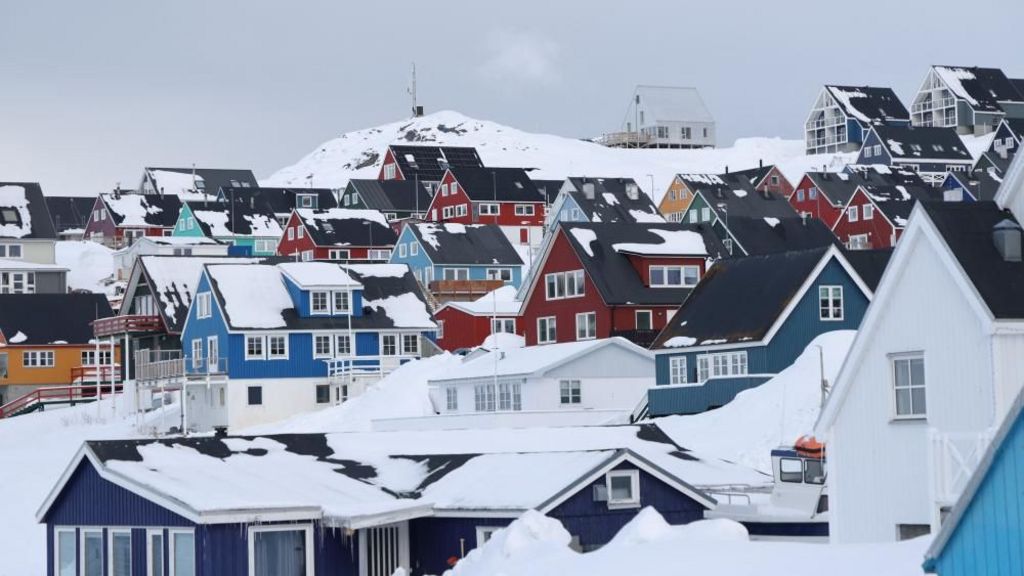
    The appointment of special envoy Jeff Landry in late 2025, who openly advocates for Greenland’s incorporation into the United States, ignited fresh diplomatic hostilities. The world’s largest non-continental island possesses growing geopolitical significance due to its position in the rapidly changing Arctic region, where melting ice caps are unlocking access to substantial deposits of rare earth minerals, uranium, and iron ore.

    While Trump maintains that his interest is purely security-driven, historical context reveals deeper motivations. The U.S. military has maintained a continuous presence in Greenland since World War II, when American forces preemptively invaded following Nazi Germany’s occupation of Denmark. The Pituffik Space Base (formerly Thule Air Base) remains a critical component of America’s missile defense system, with experts noting its vital role in intercepting potential Russian nuclear strikes via the polar route.

    Historical archives reveal that American attempts to acquire Greenland date back to 1867, when Secretary of State William H. Seward pursued acquisition shortly after securing Alaska from Russia. Another substantial offer of $100 million was presented in 1946, equivalent to approximately $1.2 billion today, but rejected by Danish authorities.

    Despite Greenland’s colonial history and current status as a semi-autonomous Danish territory, polling indicates strong local support for eventual independence—though overwhelmingly opposed to American annexation. As one resident emphatically told BBC correspondent Fergal Keane: ‘Greenland belongs to Greenlanders. Trump can visit but that’s it.’

    The escalating confrontation represents one of the most significant diplomatic challenges to transatlantic relations in modern history, testing the resilience of NATO alliances and international norms regarding territorial sovereignty.