作者: admin

  • Bondi victims’ families demand national probe into antisemitism

    Bondi victims’ families demand national probe into antisemitism

    Families of the Bondi Beach massacre victims have issued a forceful demand for a comprehensive national investigation into Australia’s antisemitism crisis and systemic security failures. The appeal comes exactly two weeks after the December 14th terrorist attack that claimed 15 lives during a Hanukkah celebration in Sydney.

    Seventeen grieving families collectively addressed Prime Minister Anthony Albanese through an open letter, insisting on the immediate establishment of a Commonwealth Royal Commission. They seek examination of critical breakdowns in law enforcement, intelligence operations, and policy frameworks that enabled the deadly assault. The perpetrators, identified as father-son duo Sajid and Naveed Akram, specifically targeted the Jewish community event, leaving dozens wounded in what authorities have classified as an antisemitic terrorist act.

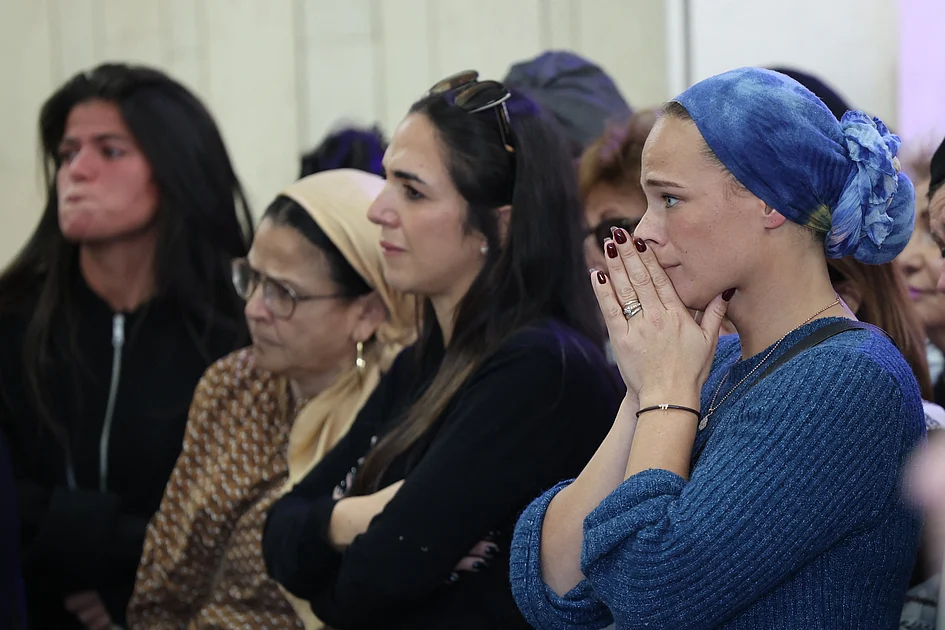
    The families articulated their demand with emotional intensity: “We need to know why clear warning signs were ignored, how antisemitic hatred and Islamic extremism were allowed to dangerously grow unchecked, and what changes must be made to protect all Australians going forward.” They emphasized that their lost loved ones—parents, spouses, children, and grandparents—were celebrating the festival of light and joy in a public space that should have guaranteed safety.

    Prime Minister Albanese has maintained resistance to federal-level inquiries, advocating instead for immediate action rather than “years for answers.” He expressed profound sympathy for the families while emphasizing his priority to “build unity and social cohesion” during this challenging period. The government has proposed a state-level royal commission led by New South Wales, where the tragedy occurred, alongside potential reforms to firearm regulations and hate speech laws.

    Home Affairs Minister Tony Burke reinforced the administration’s position, warning that a national commission could inadvertently platform extremist voices and revisit traumatic antisemitic incidents from recent years—a move he deemed counterproductive to national unity and security.

    The victims’ families, supported by prominent Jewish community leaders and legal experts, dismissed these responses as insufficient. Alex Ryvchin, co-CEO of the Executive Council of Australian Jewry, asserted that only a royal commission possesses the necessary coercive powers to uncover the truth and implement preventive measures. The families concluded their plea with a powerful statement: “You owe us answers. You owe us accountability. And you owe Australians the truth.”

    Regarding the perpetrators, 50-year-old Sajid Akram—an Indian national who entered Australia on a 1998 visa—was fatally shot by police during the attack. His Australian-born son Naveed, 24, remains in custody facing multiple charges including terrorism, 15 counts of murder, and planting an explosive device with intent to harm. He has not yet entered a formal plea.

  • Missing Texas teen believed to be in ‘imminent danger’

    Missing Texas teen believed to be in ‘imminent danger’

    A comprehensive multi-agency search operation continues in Bexar County, Texas for 19-year-old Camila ‘Cami’ Mendoza Olmos, who vanished under mysterious circumstances during her routine morning walk on Christmas Eve. Law enforcement authorities have expressed serious concerns about her immediate safety, suggesting she could be facing ‘imminent danger’ with potential scenarios including kidnapping, human trafficking, or voluntary disappearance.

    The disappearance has triggered an extensive response involving local deputies, specialized investigators, search-and-rescue teams, aerial drones, and cadaver dogs. The FBI has joined the investigation, providing additional resources to local authorities. Despite nearly a week of intensive searching, investigators have uncovered minimal evidence beyond a single surveillance video showing a woman matching Mendoza Olmos’s description searching through her vehicle trunk before apparently departing on foot.

    Notably, the young woman left behind critical personal items including her mobile phone, raising additional concerns among investigators. Only her car keys and possibly her driver’s license were with her at the time of disappearance. Sheriff Javier Salazar confirmed that immigration authorities have no record of detaining Mendoza Olmos, eliminating one potential explanation for her absence.

    The case has drawn emotional responses from family members, with her aunt Nancy Olmos making public appeals on social media: ‘Cami needs us. By the grace of Jesus Christ, we will find you, Cami.’ The investigation remains active with authorities pursuing all possible leads, including the possibility that the case might extend beyond national borders.

  • Alaa Abd el-Fattah pushes back against calls to revoke his UK citizenship

    Alaa Abd el-Fattah pushes back against calls to revoke his UK citizenship

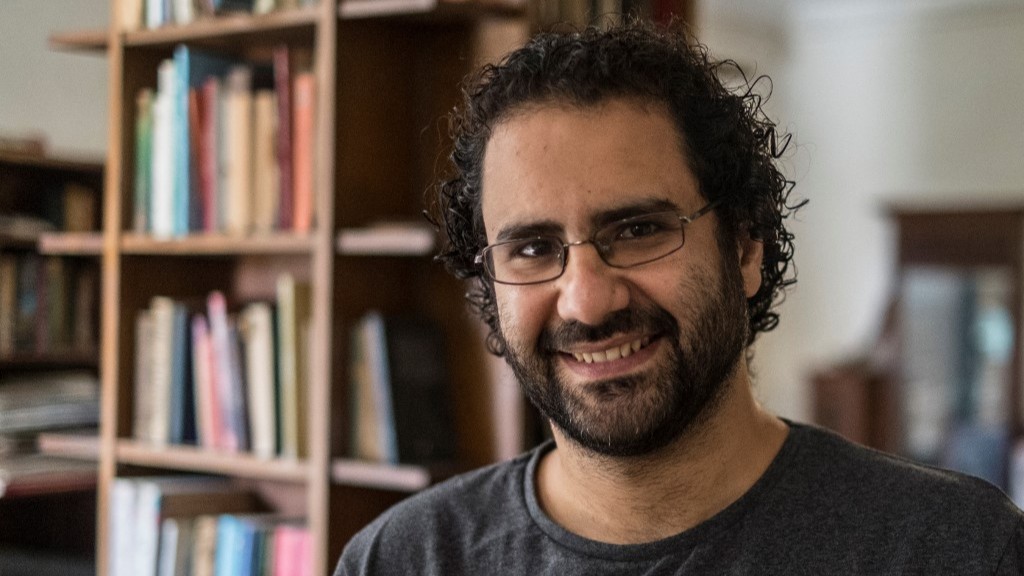
    British-Egyptian political activist Alaa Abd el-Fattah has issued a formal response to UK politicians demanding the revocation of his citizenship, following their citation of controversial social media posts from 2010. The 44-year-old prominent figure of Egypt’s 2011 Arab Spring uprising, recently released from imprisonment and reunited with his family in Britain, finds himself at the center of a new political storm.

    Opposition politicians, including Reform UK leader Nigel Farage and Conservative Party leader Kemi Badenoch, have highlighted decade-old posts allegedly containing antisemitic content and calls for violence against Zionists, police, and British forces in Iraq. Farage has reportedly escalated the matter by filing a report with the Metropolitan Police’s counterterrorism unit, while Badenoch has publicly advocated for stripping Abd el-Fattah’s citizenship through the Daily Mail.

    In a detailed statement addressing the controversy, Abd el-Fattah expressed being ‘shaken’ by the attacks so soon after his family reunion. While acknowledging that some posts appear ‘shocking and hurtful’ when viewed out of context, he offered an unequivocal apology, characterizing the messages as ‘expressions of a young man’s anger and frustrations’ during regional conflicts including the wars on Iraq, Lebanon, and Gaza, alongside rising police brutality against Egyptian youth.

    The activist vehemently denied allegations of homophobia and Holocaust denial, explaining that controversial tweets were actually intended to ridicule such positions rather than endorse them. He noted having ‘paid a steep price’ for his public support of LGBTQ rights in Egypt and emphasized his secular, non-religious background despite some British media outlets incorrectly labeling him an ‘alleged Islamist extremist.’

    Abd el-Fattah’s political journey includes significant involvement in the 2011 Arab Spring demonstrations that ousted Hosni Mubarak, followed by imprisonment after Abdel Fattah el-Sisi’s 2013 military coup. Despite being pardoned and released earlier this year, his history includes multiple arrests and sentences totaling years of detention on charges human rights organizations describe as politically motivated.

    Human rights advocates have raised alarms about the potential consequences of this campaign. Ahmed Attalla of the Egyptian Front for Human Rights warned that forced return to Egypt could subject Abd el-Fattah to ‘yet another cycle of arbitrary detention’ through fabricated charges, noting that the case is being instrumentalized by right-wing groups and pro-government media in Egypt. The situation highlights broader concerns about Egypt’s human rights record, where Freedom House ranks the country 18th out of 100 for political freedom, and Human Rights Watch documents ‘wholesale repression’ of peaceful dissent.

    The UK Home Office has not responded to inquiries regarding potential deportation proceedings, leaving the activist’s legal status in uncertainty amid what Attalla describes as ‘an increasingly unstable global environment’ and rising far-right influence.

  • Palestinians ‘drowning’ as rain and wind uproot more Gaza tents

    Palestinians ‘drowning’ as rain and wind uproot more Gaza tents

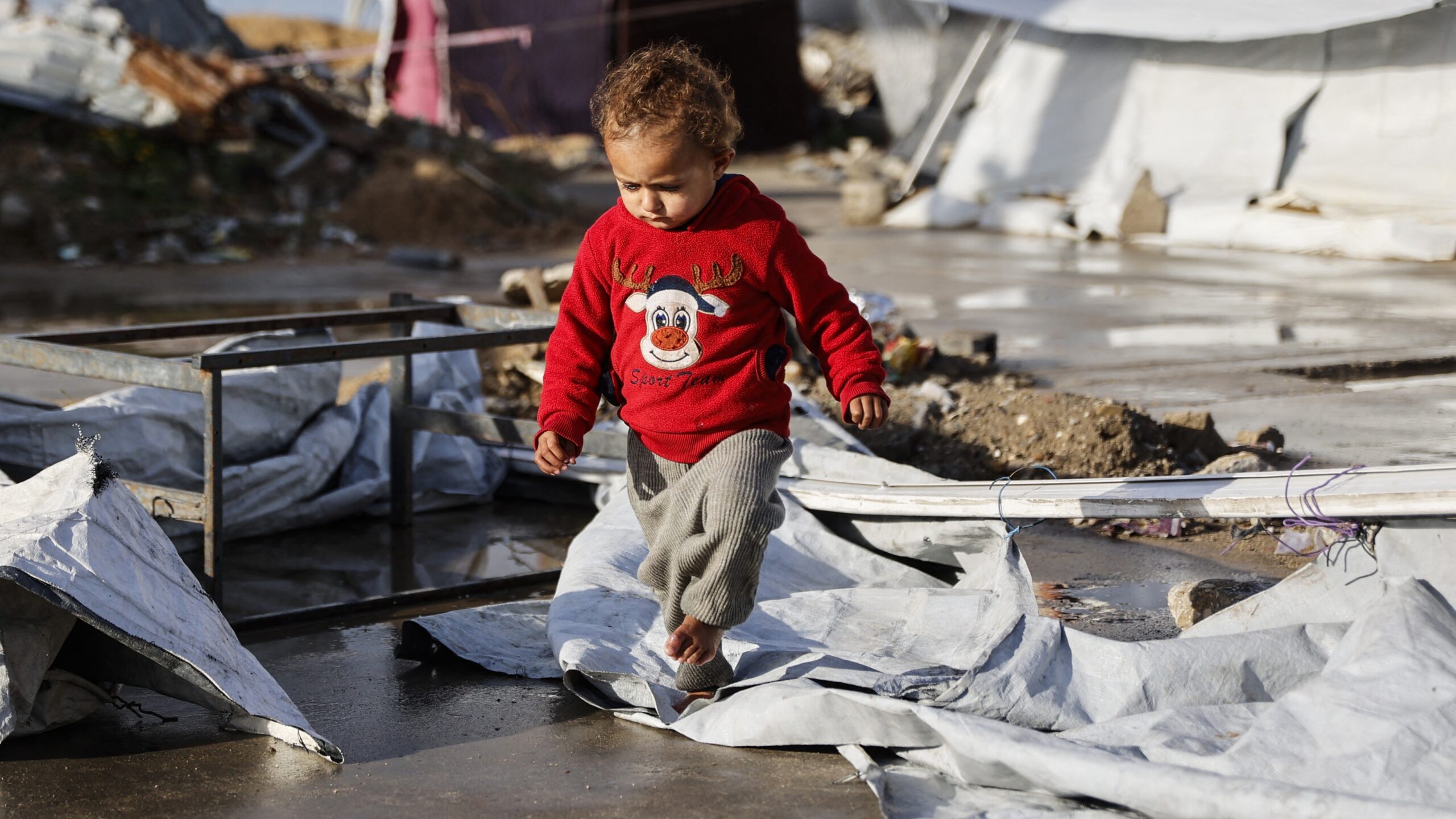
    Severe winter weather has plunged Gaza into unprecedented humanitarian crisis as torrential rains and gale-force winds ravage the besieged territory. The catastrophic conditions have claimed multiple young lives and destroyed tens of thousands of makeshift shelters, compounding the devastation wrought by two years of conflict.

    Tragic fatalities continue to mount amid the extreme weather. Two-month-old Arkan Firas Musleh succumbed to hypothermia on Monday, while seven-year-old Atta Mai drowned after falling into a flooded well near Gaza City. Since the rainy season began earlier this month, at least three children have died from exposure and 17 others perished in structural collapses triggered by severe storms.

    The Shelter Cluster reports over 42,000 tents and temporary shelters suffered damage between December 10-17 alone, displacing approximately 250,000 vulnerable individuals. Civil defense spokesperson Mahmoud Basal revealed that 90% of tents have been either swept away or inundated by floodwaters, while more than 110 residential buildings have experienced partial collapses.

    Amro Akram, a 20-year-old displaced in Khan Younis, described the unbearable conditions: ‘We are drowning. The sound of children suffering in the rain is unbearable. A person feels powerless to help.’ After his own tent was destroyed earlier this month, Akram sought refuge in his sister’s shelter, which also flooded on Monday.

    The humanitarian crisis is intensified by Israel’s blockade, which has restricted vital supplies. The Gaza-based Government Media Office alleges Israel has failed to meet its ceasefire agreement obligations, allowing only approximately 20,000 trucks entry since October instead of the mandated 48,000. This shortage has created critical deficits in food, medicine, water, and fuel, paralyzing hospitals, bakeries, and sanitation facilities.

    The UN Relief and Works Agency characterized the situation as ‘man-made’ despite the natural origin of Storm Byron, noting that ‘months of war and displacement have forced people in Gaza to live amid collapsing ruins.’ With nearly 90% of Gaza’s infrastructure already destroyed during the conflict and 71,000 Palestinians killed, the territory now faces what officials describe as ‘a slow death’ from compounded humanitarian failures.

  • EAC warns Israel move to recognize Somaliland threatens stability of the Horn of Africa

    EAC warns Israel move to recognize Somaliland threatens stability of the Horn of Africa

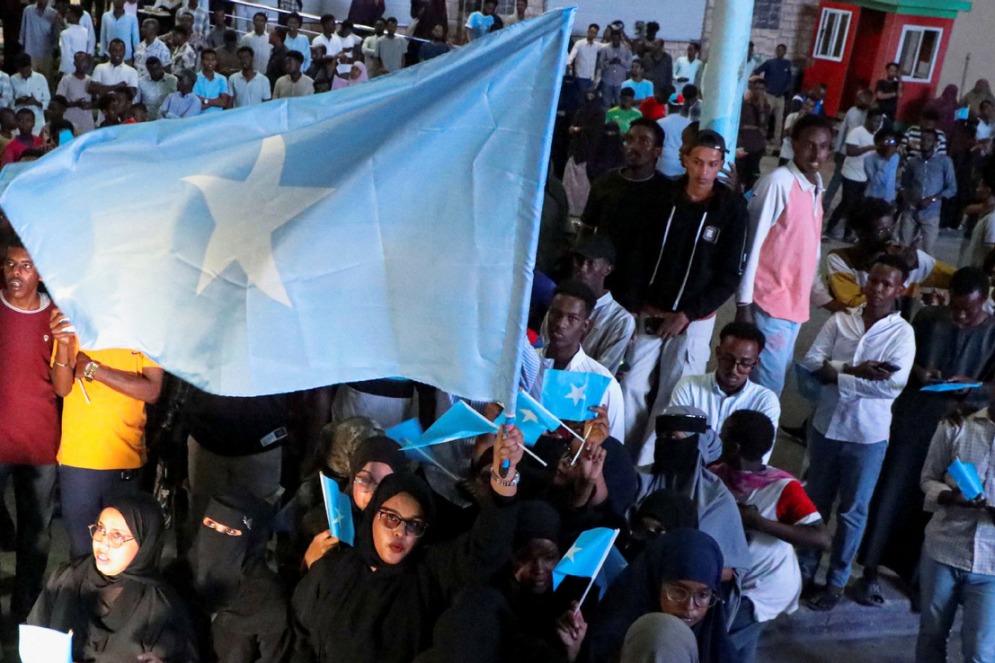
    The East African Community (EAC) has issued a stern warning that Israel’s groundbreaking recognition of Somaliland as an independent sovereign state poses significant risks to stability throughout the Horn of Africa. In an official statement released Sunday from its Secretariat headquarters in Arusha, Tanzania, the seven-nation regional bloc firmly rejected Israel’s diplomatic move and reaffirmed its unwavering support for Somalia’s territorial integrity.

    The EAC, comprising Rwanda, Kenya, Tanzania, Uganda, South Sudan, Burundi, and the Democratic Republic of Congo, emphasized its recognition of Somalia as a unified sovereign state within its internationally established borders. The regional organization explicitly urged all parties to respect established international legal frameworks governing state sovereignty and territorial integrity.

    This declaration aligns with the African Union’s consistent position on Somali unity. On Friday, African Union Commission Chairperson Mahmoud Ali Youssouf expressed profound concern regarding recent developments surrounding Somaliland, reiterating the continental body’s unequivocal opposition to any initiatives recognizing the breakaway region’s sovereignty. Youssouf emphasized that Somaliland remains constitutionally part of the Federal Republic of Somalia.

    These diplomatic responses came after Israel’s December 26 announcement that it had formally recognized Somaliland as an independent state—marking the first time any United Nations member nation has granted such recognition to the region that declared independence from Somalia in 1991. The EAC cautioned that such unilateral recognition moves could substantially complicate both political landscapes and security dynamics throughout the volatile region.

  • UAE scientists discover cause of extreme summer heat in Arabian Gulf

    UAE scientists discover cause of extreme summer heat in Arabian Gulf

    Scientists at NYU Abu Dhabi’s Mubadala ACCESS Center have made a groundbreaking discovery identifying the precise climatic mechanisms responsible for extreme summer temperatures in the Arabian Gulf. Their research, published in late December 2025, reveals how specific atmospheric conditions combine to create dangerous marine heatwaves that threaten the region’s fragile ecosystems.

    The study demonstrates that marine heatwaves occur when two major wind systems undergo simultaneous shifts: the weakening of northwesterly Shamal winds coincides with the strengthening of the Indian summer monsoon. This atmospheric combination increases humidity over the Gulf, creating conditions that trap heat at the ocean surface and elevate sea temperatures to critical levels.

    Unlike other ocean systems where marine heatwaves typically form under clear skies and intense sunlight, the Arabian Gulf’s extreme temperatures develop under humid, hazy conditions. The research further establishes connections between Gulf warming and large-scale climate patterns, particularly noting that extreme warming is more probable during La Niña events—when the tropical Pacific Ocean cools—and when the North Atlantic Oscillation enters a weakened phase.

    Dr. Zouhair Lachkar, senior scientist at NYU Abu Dhabi and lead study author, emphasized the unexpected nature of their findings: ‘Our research reveals surprising mechanisms driving marine heatwaves in this region, challenging conventional understanding of oceanic heating patterns.’

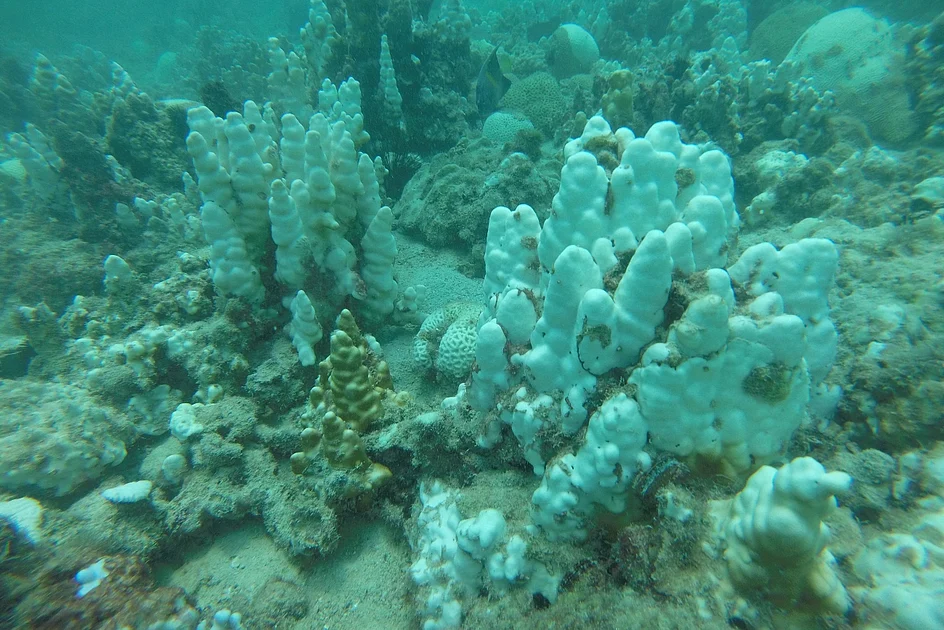
    The practical implications are substantial, as this discovery enables forecasting of extreme conditions two to three months in advance. This advanced warning system provides crucial time for authorities to implement protective measures for vulnerable marine ecosystems, including coral reefs and fisheries that face catastrophic bleaching and disruption during temperature extremes.

    Dr. John Burt, co-director of the Mubadala ACCESS Center and senior study author, highlighted the research’s significance: ‘These predictive capabilities allow marine managers and policymakers to proactively monitor and safeguard vulnerable ecosystems, aligning with our mission to produce regionally relevant research with global impact.’

    As climate change intensifies the frequency and severity of extreme weather events, this research represents a critical advancement in developing localized, data-driven forecasting tools to protect biodiversity, fisheries, and coastal communities throughout the Arabian Gulf region.

  • Trump says the US ‘hit’ a facility along shore where he says alleged drug boats ‘load up’

    Trump says the US ‘hit’ a facility along shore where he says alleged drug boats ‘load up’

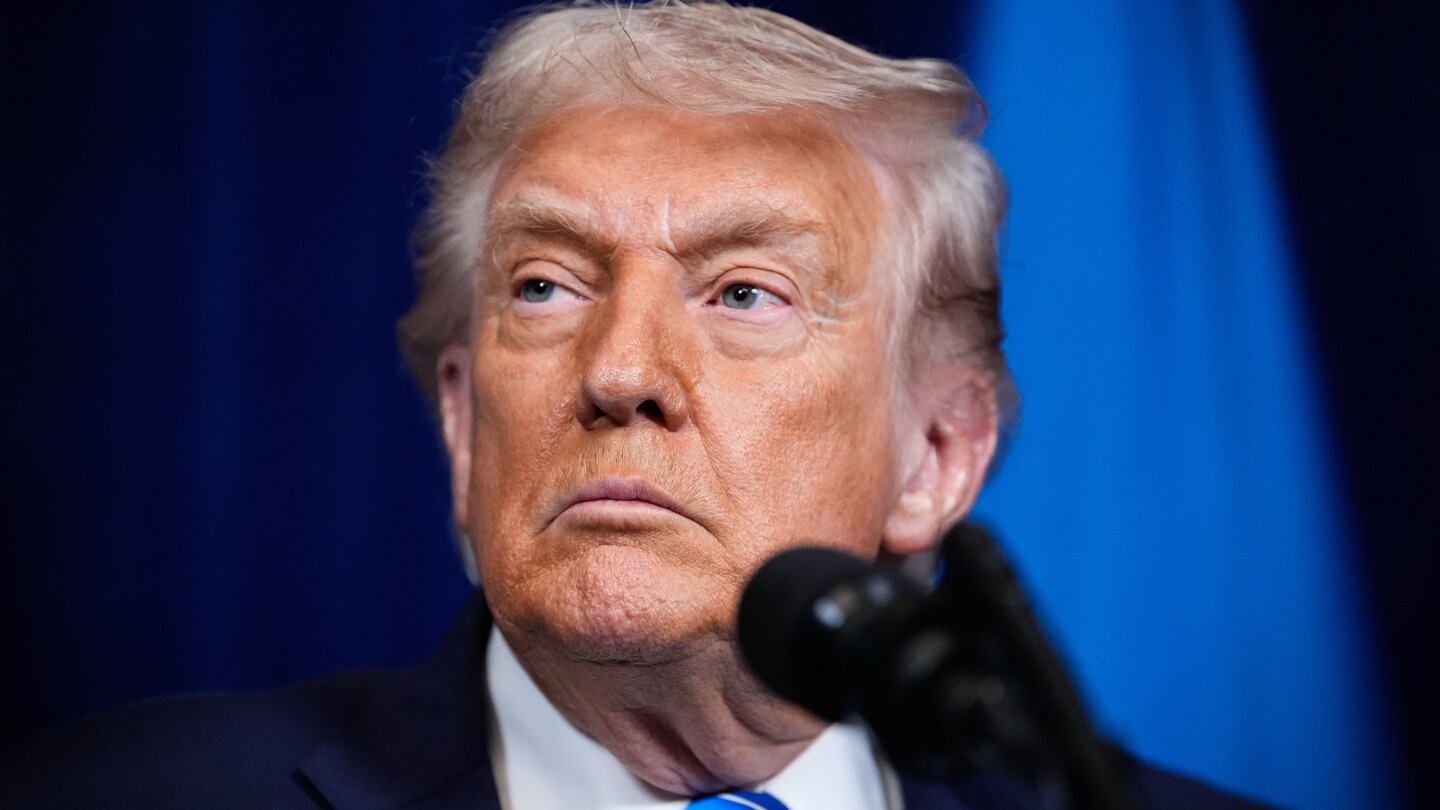
    PALM BEACH, Fla. — President Donald Trump has revealed that United States forces targeted a dock facility along Venezuela’s shoreline as part of an intensified pressure campaign against narcotics trafficking networks. The disclosure came during an exchange with reporters on Monday while meeting with Israeli Prime Minister Benjamin Netanyahu in Florida.

    Trump described the targeted site as a major implementation zone where vessels suspected of transporting illicit drugs were loaded. “There was a major explosion in the dock area where they load the boats up with drugs,” the president stated. “They load the boats up with drugs, so we hit all the boats and now we hit the area.”

    The operation represents a significant escalation in the Trump administration’s anti-narcotics initiative, marking a transition from intercepting vessels in international waters to conducting strikes on coastal infrastructure. This strategic shift aligns with Trump’s repeated warnings about potential land-based operations in South America targeting drug cartels.

    According to administration figures, U.S. forces have conducted at least 30 strikes since early September, resulting in 107 casualties. Just on Monday, the military reported another strike in the eastern Pacific Ocean that killed two individuals aboard a suspected drug-smuggling vessel.

    Despite Trump’s assertions, the administration provided limited operational details. The president declined to specify whether U.S. military or CIA assets executed the dock strike or confirm its precise location within Venezuela. “I know exactly who it was, but I don’t want to say who it was,” Trump remarked during the briefing.

    The Pentagon redirected inquiries to the White House, which had not responded to requests for clarification at the time of reporting. Venezuelan government officials similarly remained silent regarding Trump’s claims.

    This escalation occurs alongside other pressure measures including naval deployments, regional military buildup, and the seizure of oil tankers. Administration officials characterize these actions as part of an “armed conflict” with drug cartels aimed at stemming narcotics flow into the United States.

    Venezuelan President Nicolás Maduro maintains that the true objective behind U.S. operations is regime change. This perspective finds support in recent comments by White House chief of staff Susie Wiles, who told Vanity Fair that Trump intends to continue military actions until Maduro ‘cries uncle.’

  • Ukraine denies drone attack on Putin’s residence

    Ukraine denies drone attack on Putin’s residence

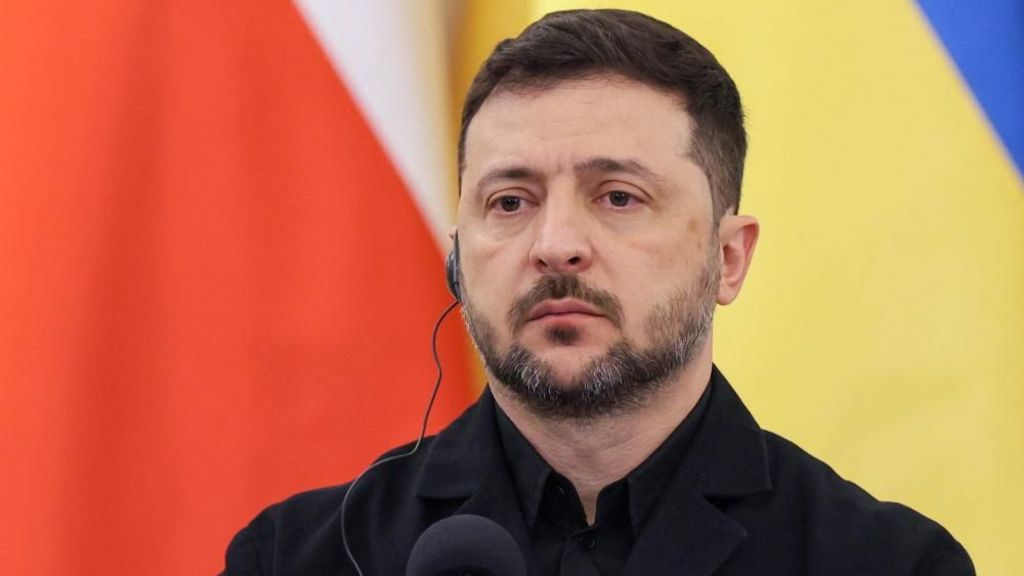
    Ukrainian President Volodymyr Zelensky has categorically refuted Russian allegations that Ukraine targeted one of President Vladimir Putin’s residences with drone strikes. The denial comes after Russian Foreign Minister Sergei Lavrov asserted that Kyiv had deployed 91 long-range unmanned aerial vehicles (UAVs) against Putin’s state residence in the Novgorod region overnight.

    Lavrov stated through official channels that Russian air defense systems successfully intercepted and eliminated all purported drones, resulting in no casualties or structural damage. However, he declared that Russia would reassess its negotiating stance in peace talks, citing what he termed the ‘final degeneration of the criminal Kyiv regime’ into ‘state terrorism.’

    The allegations emerge amidst heightened diplomatic activity, following substantial US-Ukraine discussions in Florida where President Trump and Zelensky advanced revised peace terms. Zelensky characterized the security guarantees offered by the United States—spanning 15 years—as nearly finalized, with Trump indicating approximately 95% completion. Outstanding issues reportedly include territorial disputes and the status of the Russian-occupied Zaporizhzhia nuclear facility, while the Donbas region remains a point of contention.

    Zelensky dismissed Moscow’s claims as ‘typical Russian lies’ designed to justify continued aggression against Ukraine and undermine recent diplomatic progress. He emphasized the critical importance of international vigilance, urging global leaders not to remain silent amid what he described as Russian attempts to sabotage peace efforts.

    The White House confirmed that President Trump subsequently held a ‘positive call’ with Putin, adding complexity to the evolving diplomatic landscape as all parties navigate accusations and counter-accusations.

  • Shandong connects 1,000 MW offshore solar project to the grid

    Shandong connects 1,000 MW offshore solar project to the grid

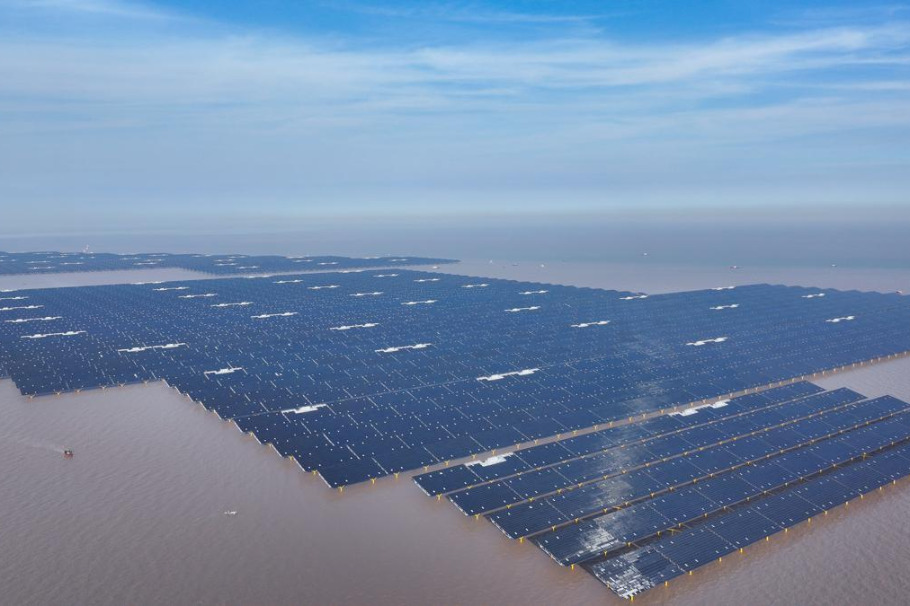
    In a landmark development for China’s renewable energy sector, Shandong province has successfully connected a massive 1,000-megawatt offshore photovoltaic project to the national grid. The groundbreaking achievement, completed on December 29, 2025, in Kenli district of Dongying, represents a significant advancement in the country’s clean energy infrastructure.

    The offshore solar installation demonstrates China’s growing technological prowess in harnessing marine-based renewable resources. Unlike traditional land-based solar farms, this maritime project utilizes specialized floating photovoltaic technology designed to withstand challenging oceanic conditions while maximizing energy capture from abundant sunlight.

    This project’s successful grid integration marks a critical step in China’s broader strategy to diversify its energy mix and reduce dependence on fossil fuels. The 1,000 MW capacity is sufficient to power approximately 400,000 households annually while preventing significant carbon dioxide emissions that would otherwise be produced by conventional power plants.

    Shandong province, with its extensive coastline and favorable solar conditions, has emerged as a strategic hub for China’s offshore renewable energy expansion. The Kenli district project serves as a model for future large-scale marine photovoltaic developments, combining innovative engineering with sustainable energy production.

    The achievement reflects China’s accelerating transition toward carbon neutrality goals and positions the country as a global leader in offshore solar technology implementation. Industry experts anticipate that this successful demonstration will catalyze further investments in marine renewable energy projects along China’s coastline and potentially influence global offshore solar development strategies.

  • Top political advisor meets Chinese Buddhist delegates

    Top political advisor meets Chinese Buddhist delegates

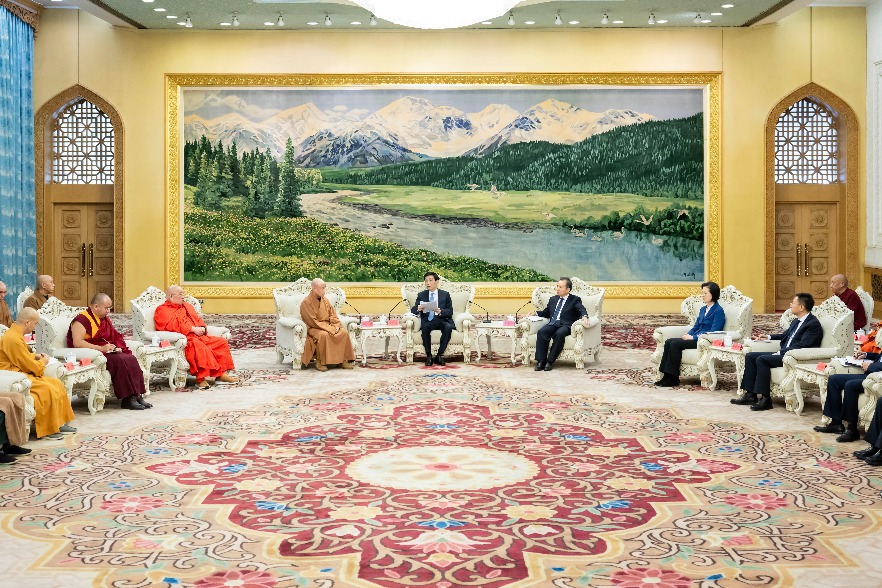
    BEIJING – Wang Huning, Chairman of the Chinese People’s Political Consultative Conference (CPPCC) National Committee, convened with delegates from the Buddhist Association of China during their 11th national congress in Beijing this week. The high-level meeting emphasized the strategic alignment of religious practices with national development objectives.

    As a senior member of the Communist Party of China Central Committee’s Political Bureau Standing Committee, Wang articulated the necessity of implementing the Party’s fundamental religious policies. He called upon Buddhist leaders and adherents to actively contribute to China’s comprehensive modernization initiatives, highlighting the role of religious communities in national progress.

    Wang directed the association to strengthen internal governance through rigorous oversight and enhanced legal awareness. He emphasized the imperative for clerical personnel to maintain strict adherence to both national laws and traditional monastic disciplines, ensuring proper faith practices and conduct.

    The political advisor further encouraged the Buddhist community to develop talent well-versed in both religious teachings and China’s rich cultural heritage. He advocated for expanded international exchanges on Buddhist matters, promoting cultural diplomacy through religious channels.

    The congress itself marked a significant organizational milestone, featuring the adoption of revised constitutional documents and updated religious regulations. Delegates elected a new leadership team to guide the association’s activities in coming years, signaling a fresh chapter for organized Buddhism in China.