作者: admin

  • Indian TV comic Kapil Sharma to open ‘Kap’s Cafe’ in Dubai tomorrow

    Indian TV comic Kapil Sharma to open ‘Kap’s Cafe’ in Dubai tomorrow

    Renowned Indian comedian and television host Kapil Sharma is expanding his culinary venture with the inauguration of ‘Kap’s Cafe’ in Dubai on December 31, 2025. The establishment, inspired by the set design of his popular Netflix program ‘The Kapil Sharma Show’, will open its doors from 4 PM to midnight on New Year’s Eve, offering patrons a vibrant dining experience to celebrate the occasion.

    The Dubai location follows the successful launch of Sharma’s first international cafe in Surrey, Canada, replicating its distinctive aesthetic featuring soft green and light pink color schemes that create both cozy and visually appealing environments designed for social media engagement. While the complete menu remains undisclosed, the Canadian location offers a fusion of Indian and Western cuisine, ranging from traditional vada pav to contemporary pasta dishes, accompanied by an extensive selection of coffees, teas, and matcha beverages.

    Sharma announced the Dubai opening through an Instagram video that showcased the city’s iconic skyline before transitioning to the cafe’s interior, where the comedian appeared personally greeting customers with warm hospitality. The social media reveal generated significant excitement among his international fanbase.

    The expansion occurs despite a security incident at the Canadian location earlier this year, where unidentified assailants fired shots at the establishment, damaging windows. Law enforcement authorities subsequently apprehended an Indian national with previous employment history in Dubai’s service industry allegedly connected to the planning of the attack. The incident highlighted the challenges of maintaining security for high-profile celebrity ventures while not deterring Sharma’s international expansion plans.
  • Junta leader is declared the winner of Guinea’s presidential election

    Junta leader is declared the winner of Guinea’s presidential election

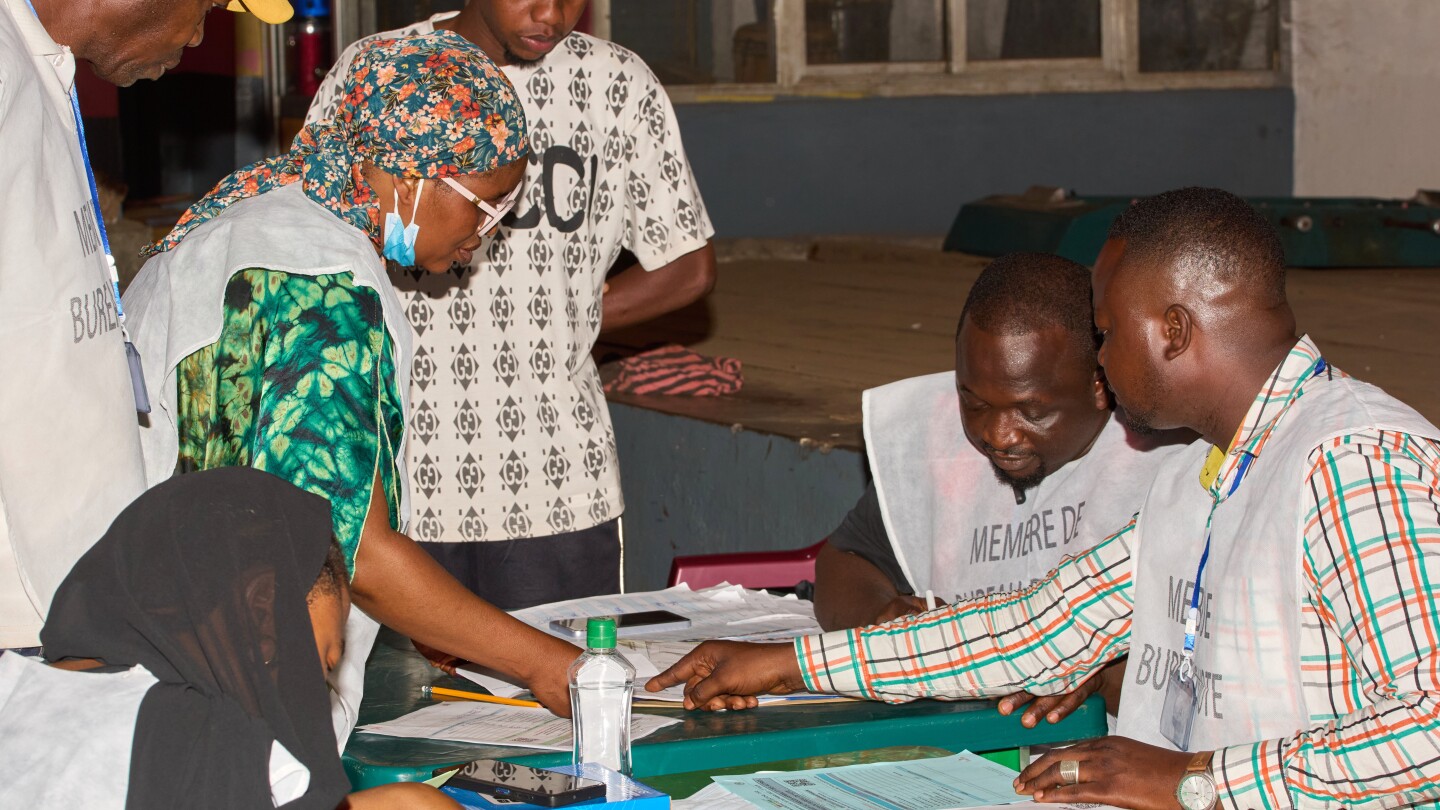
    CONAKRY, Guinea — General Mamdi Doumbouya, the military leader who seized power in a 2021 coup, has been proclaimed the winner of Guinea’s presidential election according to partial results released Tuesday evening. The electoral authority reported Doumbouya secured 86.72% of tallied votes in the nation’s first electoral process since the military takeover.

    The election, widely perceived as an effort to legitimize Doumbouya’s continued rule, culminated a four-year transition period following his ouster of President Alpha Condé. Pre-election analysis accurately predicted the junta leader’s victory amid a significantly weakened opposition landscape. Critics note the systematic suppression of dissent resulted in the dissolution of over 50 political organizations and the exclusion of major opposition figures through technical disqualifications or forced exile.

    Yéro Baldé, a former education minister under Condé’s administration, trailed distantly with 6.51% of votes. Electoral officials reported substantial voter participation, with 80.95% of the registered 6.7 million electorate casting ballots.

    Doumbouya’s candidacy marked a reversal of his initial post-coup commitment that military officers would abstain from electoral politics. A September referendum facilitated this political U-turn by permitting military participation and extending presidential terms from five to seven years.

    Despite Guinea’s substantial mineral wealth and 15-million population, approximately half of citizens endure poverty and record food insecurity according to World Food Program assessments. The junta has prioritized the Simandou iron ore project—a predominantly Chinese-owned mining initiative at the world’s largest iron deposit—as central to economic revitalization. After decades of delays, production commenced last month, with authorities anticipating thousands of jobs and expanded investments in education and healthcare.

    Guinea joins multiple West African nations experiencing coups or attempted power seizures since 2020, where military leaders have capitalized on public dissatisfaction with security deterioration, economic underperformance, and contested elections. The region witnessed additional military interventions in Guinea-Bissau and Benin since November.

  • NYE 2026 in Dubai: Road closures in JBR revealed, to remain open for pedestrians

    NYE 2026 in Dubai: Road closures in JBR revealed, to remain open for pedestrians

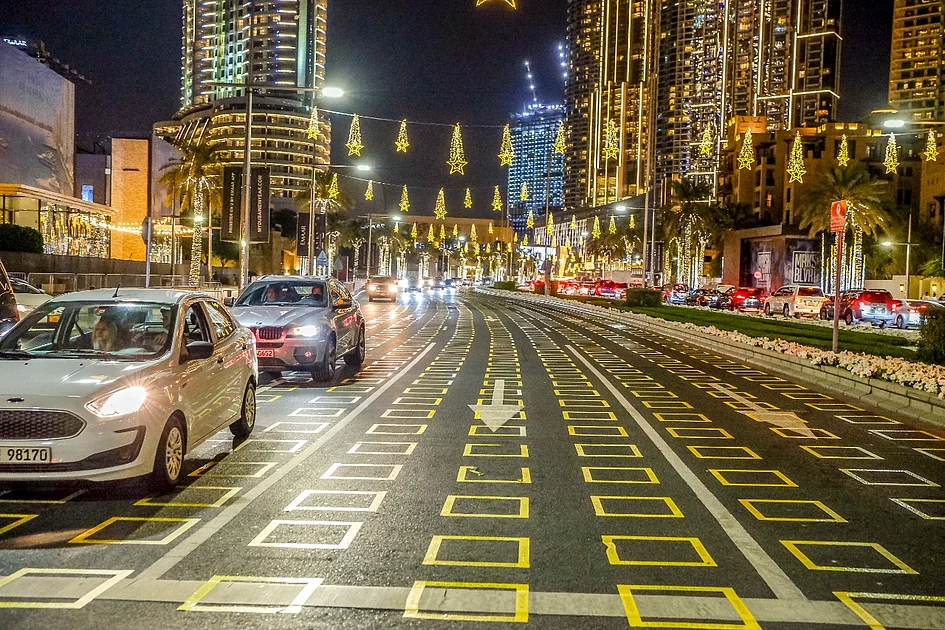
    Dubai’s Roads and Transport Authority (RTA) has implemented an extensive traffic management strategy for New Year’s Eve 2026 celebrations, transforming the Jumeirah Beach Residence (JBR) area into an exclusive pedestrian zone. The meticulously planned arrangements will see King Salman Bin Abdulaziz Al Saud Street closed to general traffic from 4pm on December 31st, permitting only taxi access during initial phases before implementing complete vehicle restrictions between 11pm and 1am.

    The waterfront destination at JBR’s The Beach promises spectacular fireworks viewing opportunities for residents and visitors, with its prime location near Dubai Marina and Jumeirah Lakes Towers offering panoramic coastal vistas. As Bluewaters Island approaches maximum capacity, authorities will enact temporary access restrictions based on real-time crowd conditions to ensure public safety.

    Complementing the road closures, Dubai’s public transportation system will operate extended services to accommodate revelers. Both Red and Green Metro lines will run continuously for 43 hours commencing at 5am on December 31st through midnight on January 2nd, 2026—marking an all-night operational schedule during peak celebration periods. The RTA strongly advises utilizing metro and tram services when traveling to JBR destinations.

    Comprehensive traffic control measures will be implemented citywide, including partial closures along Sheikh Zayed Road beginning early evening. These coordinated efforts form part of Dubai’s broader strategy to manage anticipated large-scale attendance while maintaining smooth traffic flow and enhancing pedestrian safety during one of the city’s most anticipated annual events.

  • Natural gas accounts for 70% of portfolio output: Mubadala Energy COO

    Natural gas accounts for 70% of portfolio output: Mubadala Energy COO

    Mubadala Energy has revealed that natural gas constitutes approximately 70% of its production portfolio, according to Chief Operating Officer Adnan Bu Fateem. The announcement came as the company characterized 2025 as a transformative year for its international growth initiatives.

    The state-owned energy company has strategically positioned natural gas as a cornerstone of its investment philosophy, recognizing it as a critical transitional fuel with lower emissions compared to more carbon-intensive alternatives. This approach forms part of a broader strategy that seeks to balance global energy security requirements with ongoing energy transition objectives.

    Bu Fateem detailed the company’s recent geographic diversification, highlighting their entry into the United States market through investment in the Caturus natural gas and LNG portfolio. This strategic move provides Mubadala Energy with comprehensive exposure across the entire gas value chain within one of the world’s largest energy markets. The expansion complements the company’s existing assets across the Middle East, Southeast Asia, and Russia.

    Operational progress continues across key projects, with significant advancements reported at the Tangkulo gas field in Indonesia. Meanwhile, production levels remain consistent at the flagship Pegaga project in Malaysia, demonstrating operational stability in the region.

    Environmental performance metrics show substantial progress, with the company achieving a 36.5% reduction in Scope 1 and 2 greenhouse gas emissions. Additionally, Mubadala Energy’s community engagement programs have positively impacted over one million beneficiaries throughout the past decade, underscoring the company’s commitment to sustainable development alongside commercial operations.

    The COO emphasized that Mubadala Energy’s investment model prioritizes long-term stability and returns across diverse geographic regions, creating a resilient portfolio capable of weathering market volatility while contributing to global energy needs.

  • Somaliland recognition draws global criticism

    Somaliland recognition draws global criticism

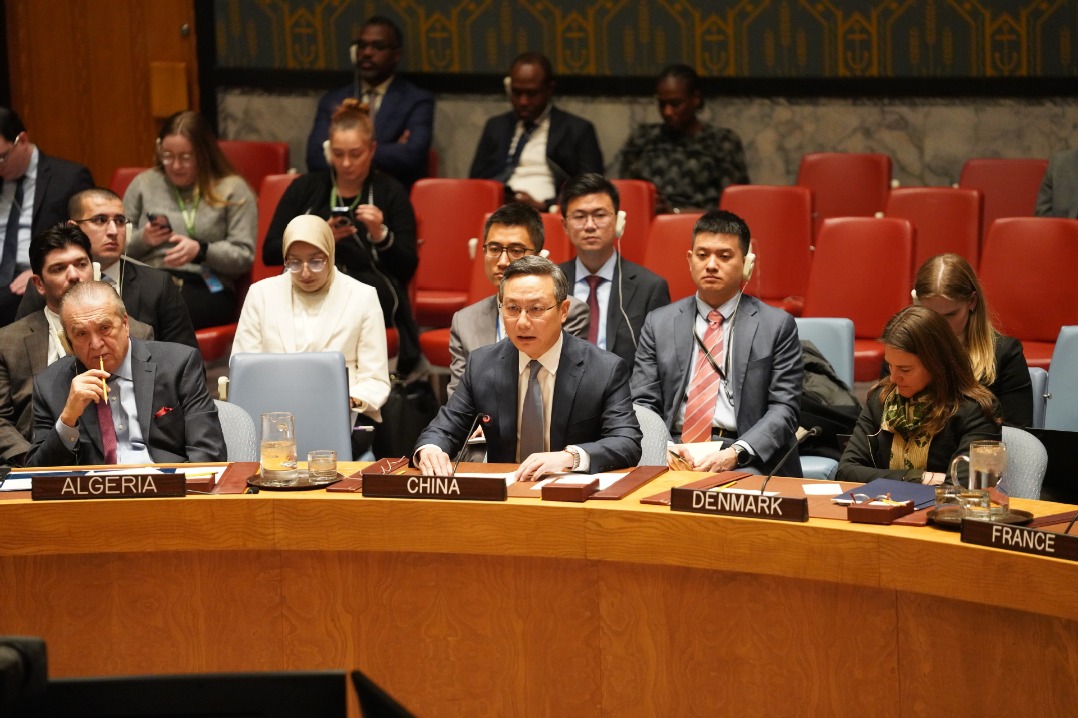
    A diplomatic firestorm has erupted at the United Nations Security Council following Israel’s controversial decision to formally recognize Somaliland as an independent sovereign state. The December 26th announcement has drawn vehement opposition from numerous nations and international organizations, with warnings that this unilateral action threatens to destabilize the already volatile Horn of Africa region.

    Somalia’s government has condemned the recognition as a “flagrant assault” on its territorial unity, asserting its absolute commitment to maintaining national sovereignty. The move has triggered a coordinated international response, with Egypt, Jordan, Saudi Arabia, Turkey, and Djibouti joining in formal rejections. Major regional blocs including the African Union, European Union, Organization of Islamic Cooperation, and Arab League have unanimously reaffirmed their support for Somalia’s territorial integrity.

    UN Assistant Secretary-General for Political Affairs Khaled Khiari briefed the Security Council, emphasizing that no external actor possesses the authority to alter Somalia’s territorial configuration. He characterized Somalia’s position as “non-negotiable,” with the government declaring any recognition of Somaliland’s independence “null and void” under international law.

    The diplomatic confrontation escalated as Somalia’s representative, speaking for Algeria, Guyana, and Sierra Leone, accused Israel of violating multiple international statutes including the UN Charter and African Union principles. The representative warned that this “act of aggression” aimed to encourage Somalia’s fragmentation and urged universal condemnation from UN member states.

    Beyond official channels, public outrage has manifested in Mogadishu, where hundreds of protesters gathered chanting “Somalia is indivisible” and “Somaliland is Somalia.” The recognition has raised concerns about potential proxy conflicts, with Somalia emphasizing it will not permit foreign military bases that could exacerbate regional tensions.

    Despite declaring independence in 1991, Somaliland has never achieved international recognition, with the global community consistently maintaining that Somalia’s territorial integrity remains essential for regional stability. South Africa joined the criticism, warning that Israel’s move violates the principle of respecting inherited borders and risks creating a “domino effect of instability” across the continent.

  • UAE announces withdrawal of its forces from Yemen following Saudi criticism

    UAE announces withdrawal of its forces from Yemen following Saudi criticism

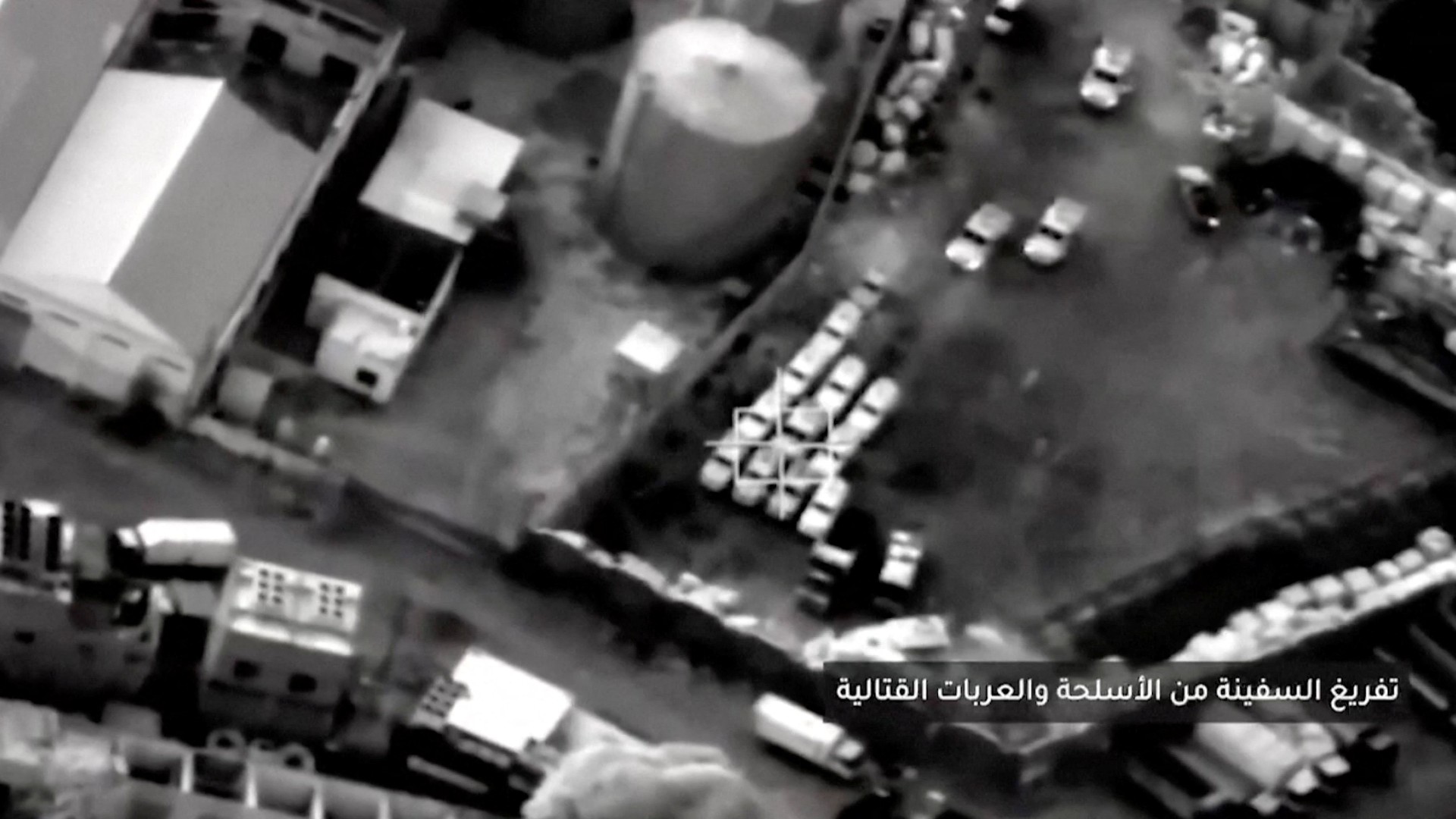
    In a significant escalation of tensions between Gulf allies, the United Arab Emirates has declared the complete withdrawal of its remaining military personnel from Yemen. This decision comes mere hours after Saudi Arabia conducted airstrikes against UAE-backed forces and issued an unprecedented public condemnation of Abu Dhabi’s activities in the protracted conflict.

    The Emirati Defense Ministry stated formally that ‘in light of recent developments’ it was terminating the presence of its ‘remaining counterterrorism personnel in Yemen of its own volition.’ While emphasizing that the majority of UAE forces had concluded their operational role in 2019, the ministry noted that specialized teams had remained engaged in counter-terrorism efforts alongside international partners until now.

    This dramatic development follows Tuesday morning’s Saudi airstrikes targeting the Southern Transitional Council (STC) in the port city of Mukalla. Riyadh justified these strikes by claiming the targeted weapons and vehicles arriving from Fujairah, UAE, ‘constituted an imminent threat.’ STC representatives contested this account, asserting the strikes hit civilian infrastructure instead.

    Subsequently, Saudi Arabia’s foreign ministry published a strongly worded statement expressing disappointment with UAE actions it claimed were ‘pressuring’ the STC to conduct military operations along Saudi Arabia’s southern border regions. The kingdom explicitly declared such activities a direct threat to its national security and regional stability, emphasizing that ‘any threat to its national security is a red line.’

    Yemen expert Mohammed al-Basha clarified that the UAE had already withdrawn most military hardware six years ago, with current presence consisting primarily of rotating advisory, intelligence, and counter-terrorism personnel rather than large-scale combat forces. The UAE has backed the STC since 2017 through comprehensive support including funding, military assistance, and training, though analysts note Abu Dhabi maintains it doesn’t control the group’s political objectives.

    In response to Saudi actions, the UAE expressed surprise and rejected Riyadh’s account, stating the strike occurred without coalition consultation and that the targeted shipment contained vehicles for UAE forces rather than weapons. Abu Dhabi denounced the Saudi statement as containing ‘fundamental inaccuracies’ and categorically rejected implications of directing Yemeni military operations.

    The escalating rift emerges amid ongoing power struggles within Yemen’s anti-Houthi leadership. Presidential Leadership Council head Rashad al-Alimi called for Emirati forces to withdraw and canceled a joint defense agreement with the UAE, though STC officials immediately challenged his authority to make such decisions unilaterally.

  • Indian FM to attend Bangladesh ex-PM Zia’s state funeral

    Indian FM to attend Bangladesh ex-PM Zia’s state funeral

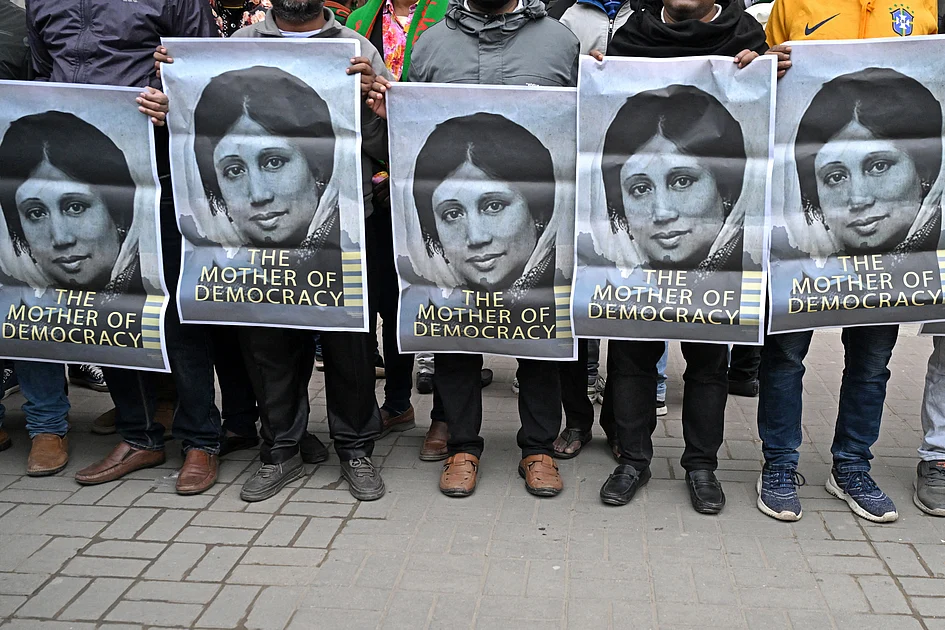
    India’s External Affairs Minister Subrahmanyam Jaishankar will travel to Dhaka on Wednesday to attend the state funeral of former Bangladeshi Prime Minister Khaleda Zia, marking the highest-level Indian diplomatic visit since the 2024 political upheaval that transformed bilateral relations between the neighboring nations.

    The funeral ceremony for Zia, Bangladesh’s first female prime minister who passed away Tuesday at age 80, is anticipated to draw massive public gatherings in the capital city. India’s Ministry of External Affairs confirmed Jaishankar will officially represent both the Indian government and its citizens during the solemn proceedings.

    This diplomatic mission occurs against the backdrop of significantly strained India-Bangladesh relations following the 2024 overthrow of former Prime Minister Sheikh Hasina, who sought refuge in India and remains there despite repeated extradition requests from Dhaka. In November, a Bangladeshi court sentenced Hasina to death in absentia for her alleged role in authorizing lethal force against mass protests.

    The geopolitical landscape has been further complicated by India’s expressed concerns regarding minority treatment in Bangladesh and the upcoming February 12, 2026 elections—the first since the widespread uprising. These elections position Zia’s Bangladesh Nationalist Party (BNP) as a potential frontrunner, with her recently returned son Tarique Rahman, ending 17 years of exile, emerging as a probable prime ministerial candidate should the party secure majority control.

    Notably, Indian Prime Minister Narendra Modi extended condolences while expressing hope that Zia’s “vision and legacy will continue to guide our partnership,” signaling diplomatic outreach despite ongoing tensions. The situation remains delicate as Nobel Peace Prize laureate Muhammad Yunus, Bangladesh’s interim leader, has accused India of exaggerating violence scale during the unrest period.

  • NRIs in UAE: How to invest in digital gold in India

    NRIs in UAE: How to invest in digital gold in India

    Financial experts are issuing urgent warnings to Non-Resident Indians in the UAE regarding the substantial risks associated with digital gold investments through unregulated online platforms. Unlike government-approved securities, these e-gold products operate entirely outside the regulatory oversight of India’s Securities and Exchange Board (SEBI), leaving investors vulnerable to significant financial losses without access to protective mechanisms.

    The regulatory gap means investors cannot seek recourse through SEBI’s complaint channels if transactions go awry. Instead, financial advisors strongly recommend regulated alternatives such as Gold Exchange Traded Funds (ETFs) offered by mutual funds or Electronic Gold Receipts (EGRs) traded on formal stock exchanges through SEBI-registered intermediaries.

    Meanwhile, India’s economic outlook for 2026 appears robust despite global uncertainties. The Asian Development Bank projects 6.5% growth for India, slightly below the Reserve Bank of India’s 7.3% forecast for fiscal year 2025-26. This growth is fueled by rising domestic consumption, manufacturing expansion, and recent reductions in Goods and Services Tax.

    In parallel developments, India’s Global Capability Centers (GCCs) are experiencing unprecedented growth, creating approximately 300,000 new technical jobs annually. Multinational corporations have established over 1,800 GCCs across major Indian cities, with hiring rates surpassing traditional IT services companies by fourfold. Specialized fields like artificial intelligence, product engineering, and cybersecurity are witnessing particularly high demand.

    The Mumbai Metropolitan Region Development Authority recently partnered with a global property firm to develop Asia’s largest GCC by 2029, expected to generate 30,000 skilled positions. Maharashtra’s proactive GCC policy aims to attract high-value operations that promote sustainable economic development through green energy initiatives and skilled employment generation.

  • Miners clash with police in Bolivia as protests over fuel subsidies enter second week

    Miners clash with police in Bolivia as protests over fuel subsidies enter second week

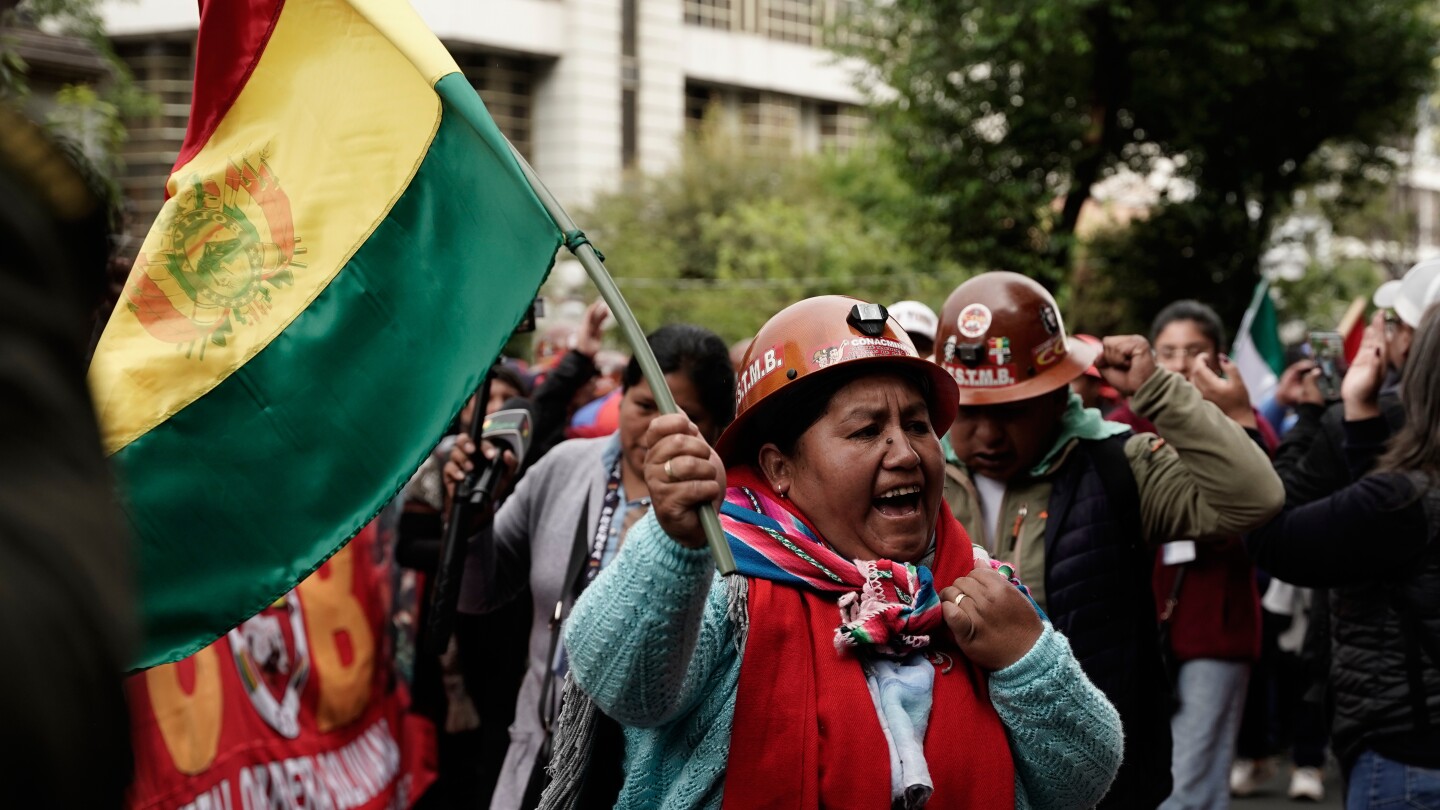
    LA PAZ, Bolivia — Bolivia’s political landscape remains volatile as miners and protesters continued their aggressive demonstrations for an eighth consecutive day against President Rodrigo Paz’s sweeping economic reforms. The capital city witnessed dramatic scenes as protesters detonated dynamite sticks and launched fireworks toward police forces, who responded with tear gas and rubber bullets to maintain security around the congressional square.

    The core of the discontent stems from Paz’s recent decree eliminating longstanding fuel subsidies, a move that has nearly doubled gasoline prices from 53 cents to $1 per liter. The protests, initially led by state-owned miners, have gained support from teachers’ unions and Indigenous groups, indicating growing opposition from constituencies traditionally aligned with the ousted Movement for Socialism party.

    President Paz, who took office in November after October’s election, has embarked on a significant policy shift characterized by his “capitalism for all” platform. Beyond the subsidy cuts, his reforms include enabling the central bank to borrow without legislative approval and implementing measures to address Bolivia’s severe U.S. dollar shortage.

    Despite the unrest, Paz has moved swiftly to improve international relations, particularly with the United States, by agreeing to exchange ambassadors after a 17-year diplomatic hiatus. The administration maintains these economic measures are necessary to attract foreign investment and stabilize the nation’s economy, though they continue to face staunch resistance from workers’ unions who fear increased national debt and economic hardship for future generations.

  • Strong winds in UAE: NCM issues orange alert for rough seas

    Strong winds in UAE: NCM issues orange alert for rough seas

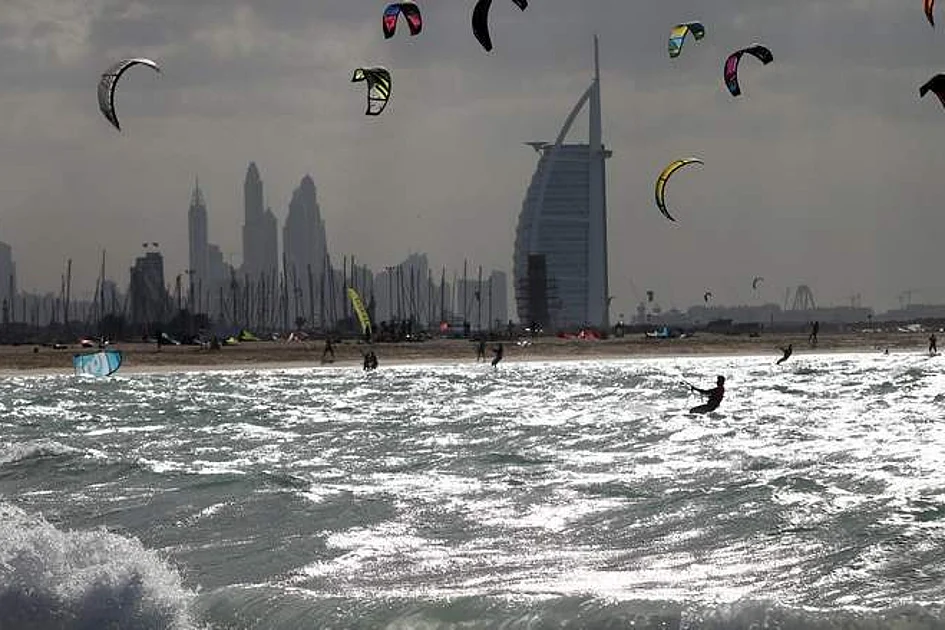
    The United Arab Emirates is experiencing a significant meteorological event as the National Centre of Meteorology (NCM) issued weather alerts for strong winds exceeding 80km/h and dropping temperatures affecting New Year’s Eve celebrations. The weather authority reported exceptionally high wind velocities on December 30, with Mabreh Mountain recording gusts of 83.8km/h, while Alfarfar and Dhadna regions experienced winds of 78.8km/h and 74.8km/h respectively. These figures substantially exceed the country’s typical wind patterns, where light to moderate winds average 30km/h and strong winds rarely surpass 60km/h.

    The NCM has implemented a multi-tiered alert system, including orange and yellow warnings for hazardous marine conditions expected to persist until just after midnight on December 31. Simultaneously, temperatures are forecast to drop significantly, with internal areas anticipated to reach minimum temperatures of 10°C on both December 30 and 31, creating unusually chilly conditions for seasonal celebrations.

    The combination of high-velocity winds and low temperatures is generating multiple environmental impacts. Maritime activities face dangerous conditions with rough seas, while terrestrial effects include reduced horizontal visibility due to blowing dust and sand. Authorities have issued specific safety recommendations for residents, advising avoidance of direct exposure during dusty conditions, securing residential openings, and exercising heightened caution while driving.

    The meteorological department continues to monitor the situation closely, providing ongoing updates as the unusual weather pattern affects the region during the holiday period.