作者: admin

  • Who is El Gerente, the accused mastermind of deadly ambush, arrested by UAE

    Who is El Gerente, the accused mastermind of deadly ambush, arrested by UAE

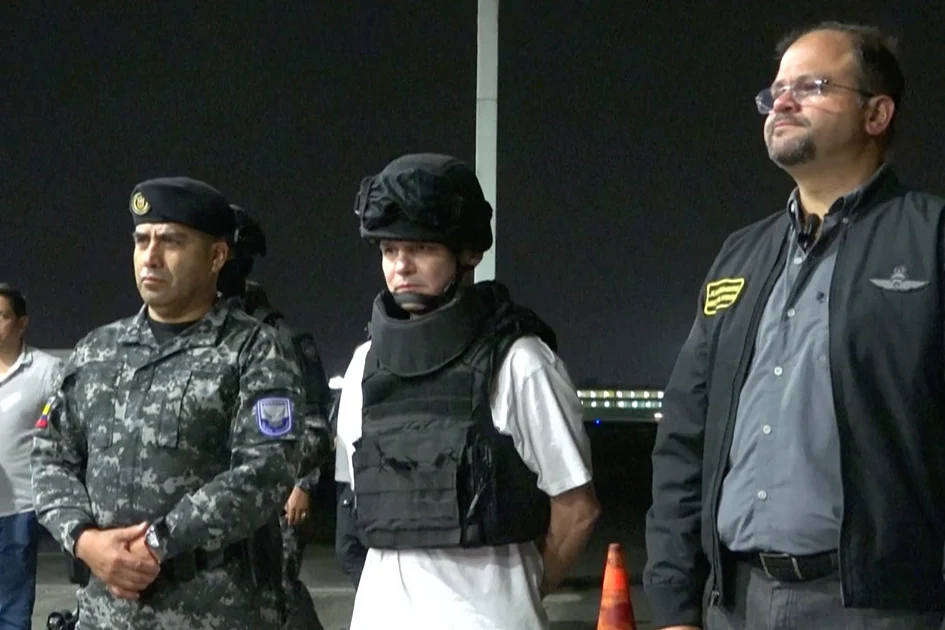
    In a significant breakthrough for international law enforcement collaboration, United Arab Emirates authorities have captured Roberto Carlos Alvarez Vera, the elusive Ecuadorian criminal mastermind known as ‘El Gerente’ (The Manager). The arrest concludes an intensive manhunt for the alleged leader of the Comandos de la Frontera criminal network, who operated along the volatile Ecuador-Colombia border region.

    The UAE’s apprehension of Alvarez Vera followed judicial cooperation between the two nations, with extradition proceedings already initiated to return the high-value target to Ecuador. Ecuadorian President Daniel Noboa confirmed the revocation of Alvarez Vera’s temporary bail status and announced his impending transfer to face justice in his home country.

    According to Ecuadorian security agencies, Alvarez Vera built his criminal empire from dissident factions of Colombia’s disbanded FARC guerrilla movement. The organization allegedly evolved into a sophisticated cartel-like operation involved in drug trafficking, arms smuggling, illegal mining operations, and complex money laundering schemes. Investigators have linked him to an extensive network of front companies and financial structures designed to conceal proceeds from criminal activities.

    The most severe allegation against Alvarez Vera concerns his alleged orchestration of a deadly ambush on May 9 in Orellana province’s remote Alto Punino area. Armed assailants attacked an Ecuadorian military patrol conducting operations against illegal mining, resulting in the deaths of eleven soldiers—one of the deadliest assaults on the country’s armed forces in recent history. Prosecutors assert the ambush was designed to protect the group’s drug trafficking and mining interests in the Amazon region.

    Both governments have emphasized that this case demonstrates their shared commitment to combating transnational organized crime and upholding the rule of law. The successful operation highlights the importance of maintaining effective communication channels between central authorities to strengthen judicial cooperation and bilateral relations on global security matters.
  • Authorities investigating damage to undersea telecom cable in Gulf of Finland

    Authorities investigating damage to undersea telecom cable in Gulf of Finland

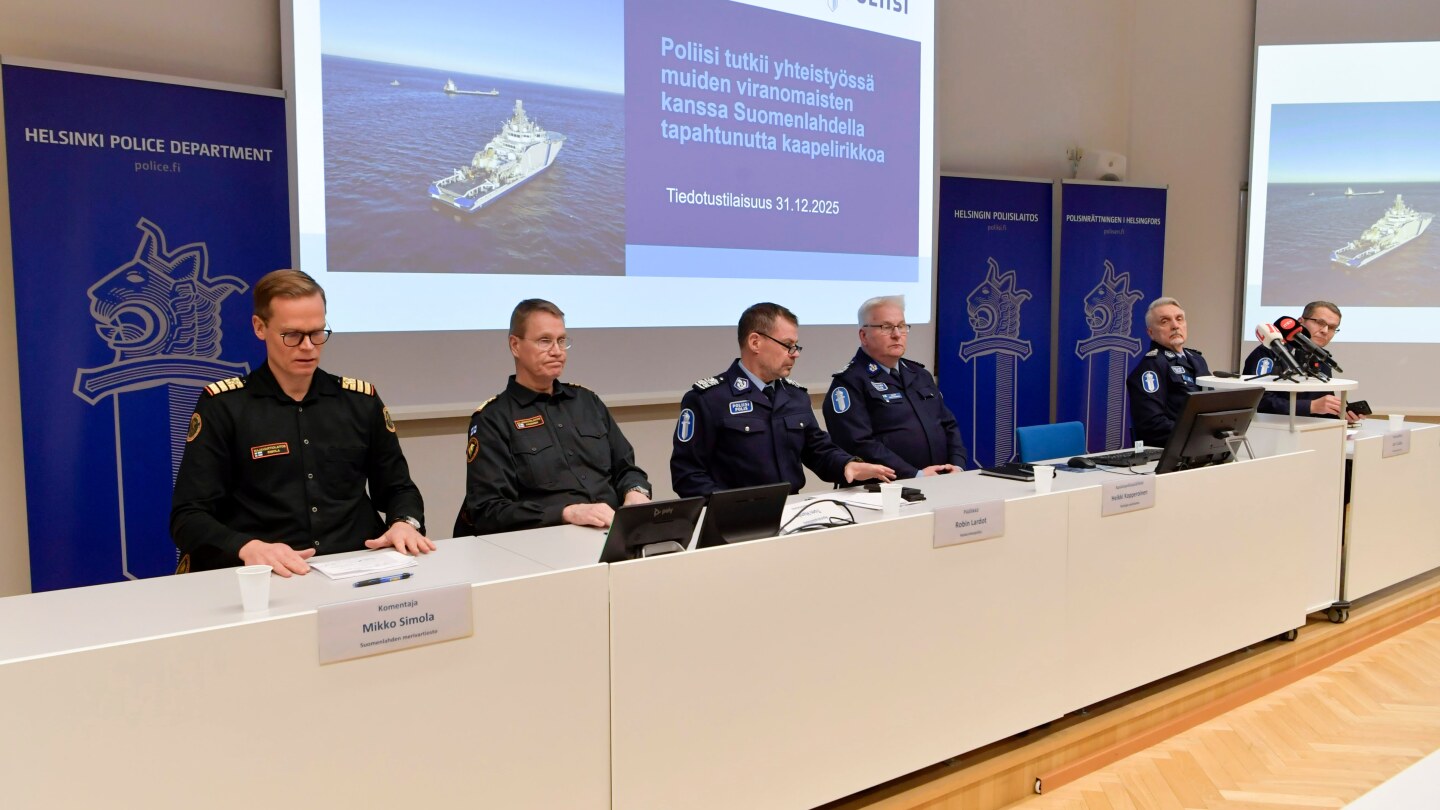
    A significant incident involving damage to critical underwater telecommunications infrastructure has triggered a multinational response in the Baltic Sea region. Early Wednesday, authorities discovered damage to a submarine cable operated by telecommunications provider Elisa in the Gulf of Finland between Helsinki and Tallinn.

    Finnish Border Guard officials executed a swift response, seizing and inspecting a vessel suspected of involvement in the incident. The ship was identified within Finland’s exclusive economic zone with its anchor deployed at the time of discovery. The actual cable damage occurred within Estonia’s exclusive economic zone, elevating the incident to matters of international jurisdiction.

    Helsinki law enforcement has launched a comprehensive criminal investigation encompassing potential charges of aggravated criminal damage, attempted aggravated criminal damage, and aggravated interference with telecommunications infrastructure. The case represents a serious breach of critical undersea assets that form the backbone of regional communications networks.

    Finnish President Alexander Stubb addressed the situation through social media platform X, stating: “Finland is prepared for security challenges of various kinds, and we respond to them as necessary.” This declaration underscores the seriousness with which Nordic authorities are treating the incident.

    Estonian and Finnish authorities are currently coordinating their response to determine whether to pursue separate criminal proceedings or initiate a joint prosecution. This bilateral cooperation highlights the transnational nature of underwater infrastructure protection and the shared security concerns between NATO allies in the strategically sensitive Baltic region.

  • China announces it ‘successfully completed’ Taiwan military maneuvers

    China announces it ‘successfully completed’ Taiwan military maneuvers

    The People’s Liberation Army of China announced on New Year’s Eve the successful completion of its two-day “Justice Mission 2025” military exercises in waters surrounding Taiwan. Senior Captain Li Xi, spokesperson for the PLA’s Eastern Theater Command, stated that the operations had thoroughly evaluated the integrated joint combat capabilities of Chinese forces while demonstrating heightened alert status against perceived separatist activities.

    The drills, characterized by their substantial scale and strategic positioning, represented Beijing’s latest assertion of its territorial claims over the self-governed island. While official announcements provided minimal operational details beyond rousing promotional videos accompanied by martial music, the exercises concluded amid heightened regional tensions during the final days of 2025.

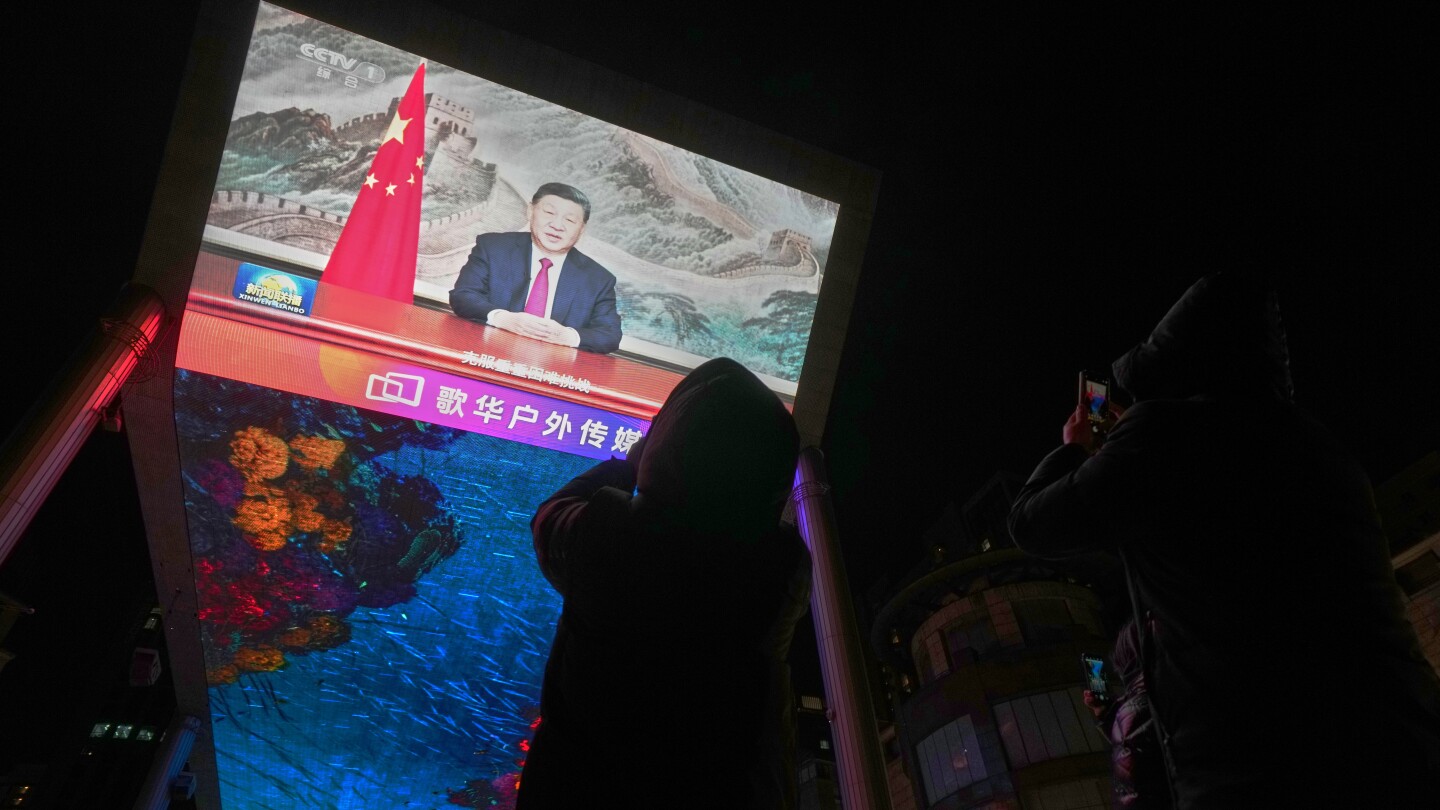
    Chinese President Xi Jinping indirectly referenced the Taiwan situation in his annual New Year’s address, emphasizing the “blood and kinship” bonds between Chinese people across the Strait and declaring national reunification as “an unstoppable trend of the times.”

    The military maneuvers drew significant international concern, with Japan’s Foreign Ministry characterizing them as tension-escalating actions and reaffirming its preference for peaceful resolution through dialogue. This response followed earlier statements by Japan’s prime minister suggesting potential military intervention should Taiwan face direct attack.

    The United States faced Chinese criticism following its December announcement of a substantial arms sales package to Taiwan, potentially representing the largest such military aid package if approved by Congress. Philippine Defense Minister Gilberto C. Teodoro Jr. expressed deep concern about China’s actions, noting their implications for regional stability in the broader Indo-Pacific community.

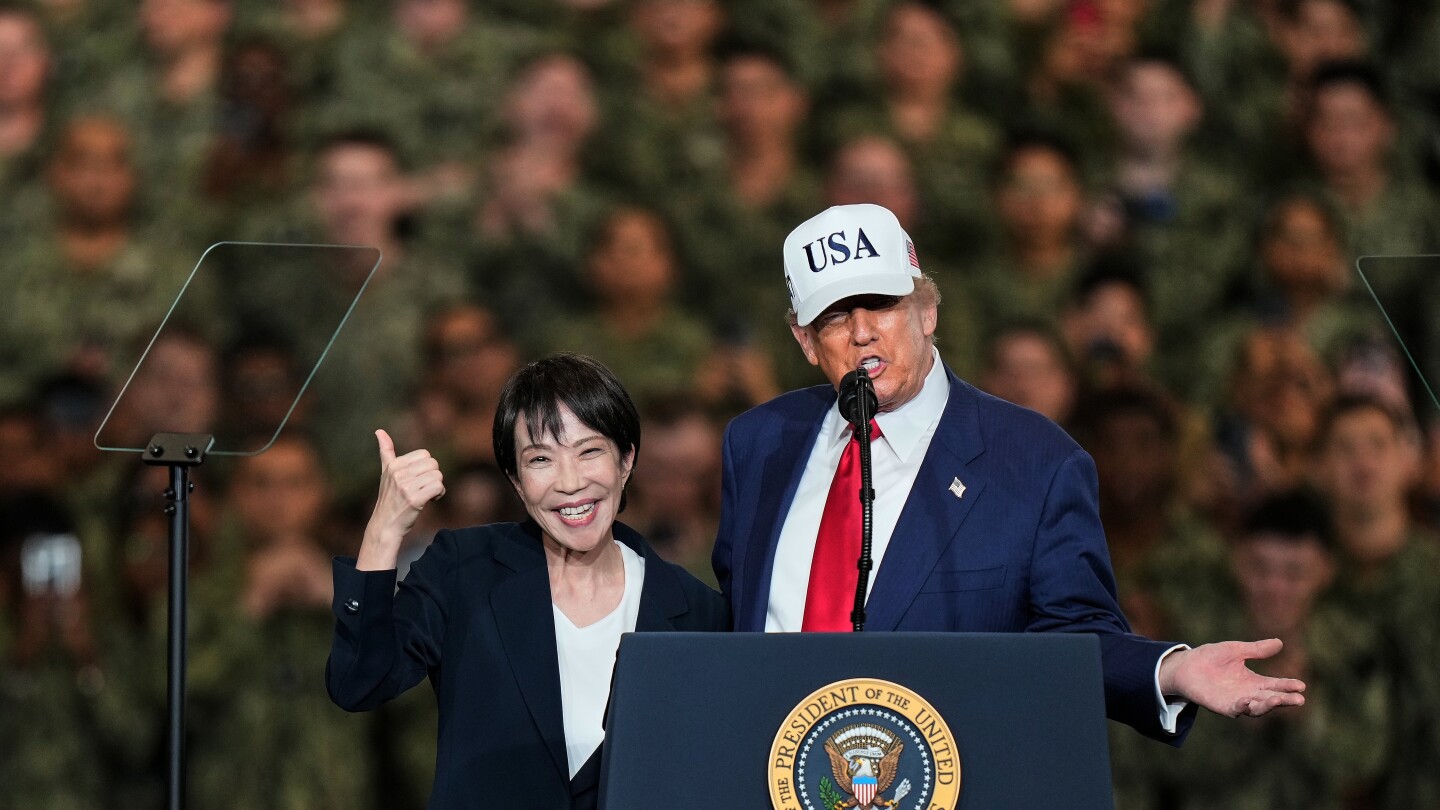
    Despite the heightened tensions, former U.S. President Donald Trump downplayed concerns, citing his positive relationship with Xi Jinping and noting China’s long history of conducting naval exercises in the area.

  • Pacifist Japan has slowly transformed from exclusively self-defense to a military buildup

    Pacifist Japan has slowly transformed from exclusively self-defense to a military buildup

    Japan is accelerating a historic shift in its defense posture, embarking on an ambitious military modernization program that includes doubling annual arms spending to counter perceived threats from China. This strategic pivot occurs as Prime Minister Sanae Takaichi, known for her hawkish security views, assumes leadership amid increasing pressure from the United States for greater military cooperation in Asia.

    The government maintains that Japan remains committed to peaceful principles while building a more self-reliant defense capability to deter Chinese aggression. However, Beijing and other critics argue these developments represent a fundamental departure from Japan’s postwar pacifist constitution. Tensions escalated when Takaichi suggested that Chinese military action against Taiwan could justify Japanese intervention—a significant break from previous leaders’ strategic ambiguity.

    Japan’s constitutional transformation has evolved over decades. Article 9 of the U.S.-drafted 1947 constitution originally renounced war and prohibited maintaining military forces. The creation of the Self-Defense Forces in 1954 began a gradual reinterpretation of these restrictions. A landmark change occurred in 2014 under Prime Minister Shinzo Abe, who reinterpreted Article 9 to allow collective self-defense, enabling Japan to use force if allies are attacked.

    Recent Chinese military activities have intensified Tokyo’s concerns. In December, Chinese aircraft locked targeting radars on Japanese planes during carrier drills near southwestern Japan. Two Chinese carriers were also spotted operating near Iwo Jima—the first such occurrence—demonstrating Beijing’s expanding military reach near disputed territories.

    Takaichi’s administration recently approved a record defense budget exceeding 9 trillion yen ($58 billion) for the coming year, focusing on developing strike-back capabilities with cruise missiles and unmanned systems. The government plans to further relax arms export restrictions and promote defense industry cooperation with allies like the UK, Italy, and Australia through joint projects including next-generation fighter jets.

    A government-commissioned panel has even proposed developing nuclear submarines for extended deterrence—a controversial suggestion for the only nation to suffer atomic bombings. While Japan officially maintains its three non-nuclear principles, Defense Minister Shinjiro Koizumi acknowledged considering all options for new submarines, indicating continued evolution in Japan’s security posture.

  • Heavy police presence in Sydney for New Year’s celebrations after Bondi attack

    Heavy police presence in Sydney for New Year’s celebrations after Bondi attack

    Sydney ushered in the New Year under an unprecedented security blanket, with thousands of heavily armed police patrolling the streets in a direct response to the recent Bondi Beach mass shooting. The heightened security measures, described as a rare sight for Australia, included officers authorized to carry high-grade assault rifles while monitoring massive crowds gathered for the iconic harbor fireworks display.

    Authorities deployed over 2,500 officers across the city as hundreds of thousands of spectators flocked to Sydney Harbour. The visible police presence, particularly officers carrying long-arm weapons in public spaces, was acknowledged by New South Wales Premier Chris Minns as potentially ‘confronting’ for citizens. Despite the tightened security, official celebrations proceeded with a poignant pause at 11:00 PM local time for a minute’s silence honoring the 15 victims killed in the December 14th attack that targeted Sydney’s Jewish community during a Hanukkah festival.

    The Sydney Harbour Bridge was illuminated in white light as a symbol of peace during the commemorative moment. While urging residents not to let the ‘horrible criminal terrorist event’ alter their way of life, Premier Minns emphasized the necessity of the security measures, stating, ‘We want people to be safe in our community.’ The celebration marked the beginning of global New Year’s festivities, with Sydney traditionally leading the international chain of events from Dubai to London and New York.

  • China sees continued improvement in women’s health in 2024: statistical report

    China sees continued improvement in women’s health in 2024: statistical report

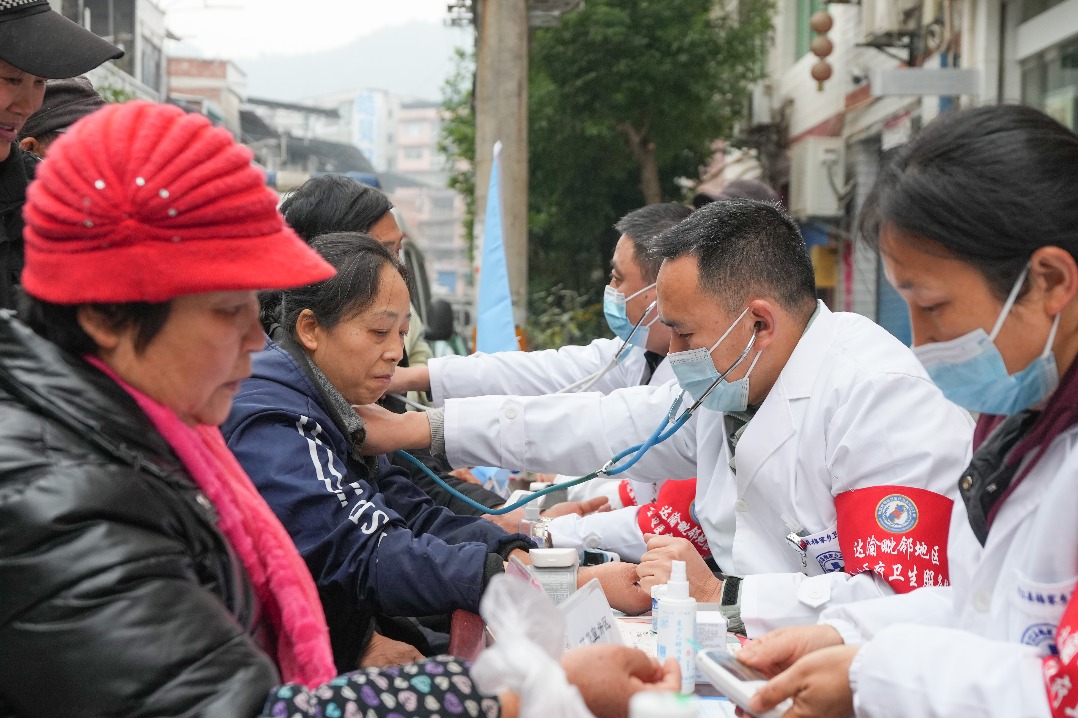
    China has demonstrated substantial progress in women’s healthcare during 2024, according to the latest statistical monitoring report released by the National Bureau of Statistics. The comprehensive data reveals notable improvements across multiple health indicators, particularly in maternal care and preventive health services.

    The maternal mortality rate has reached a record low of 14.3 per 100,000, representing a significant 5.3 percent reduction compared to 2023 figures. This achievement forms part of the ongoing implementation progress of the China National Program for Women’s Development (2021-2030), which establishes comprehensive targets for women’s welfare enhancement.

    Preventive healthcare measures have similarly shown positive trends, with the premarital health checkup rate climbing to 77.1 percent—an increase of 0.5 percentage points year-on-year. This upward trajectory indicates growing public engagement with proactive health management practices.

    A pivotal development in 2024 has been the introduction of a nationwide evaluation framework designed to optimize medical institutions’ capabilities in managing high-risk pregnancies. This initiative has facilitated the establishment of a tiered, efficiently coordinated emergency response system specifically tailored for pregnant women requiring critical care. The enhanced medical infrastructure ensures rapid intervention capabilities and comprehensive treatment protocols for obstetric emergencies, substantially strengthening safety measures for expectant mothers throughout the country.

    The systematic improvements reflect China’s continued commitment to advancing women’s healthcare standards through policy implementation, infrastructure development, and preventive health initiatives aligned with national development goals.

  • US stock market ends 2025 on a high note after volatile year

    US stock market ends 2025 on a high note after volatile year

    Financial markets navigated a year of remarkable volatility in 2025, concluding with substantial gains despite significant policy-driven disruptions. The initial shockwaves from President Donald Trump’s sweeping global trade tariffs in spring sent major indices teetering on the brink of bear market territory. The S&P 500 nearly entered a 20% decline from its peak during this period, while both the Nasdaq Composite and Russell 2000 briefly plunged into bear markets.

    The market landscape transformed dramatically by summer as investor confidence surged. A powerful rally emerged, fueled by robust corporate earnings and escalating enthusiasm for artificial intelligence investments. The S&P 500 is poised to finish the year with an impressive 17% gain, marking its third consecutive year of double-digit increases. The technology-heavy Nasdaq Composite led the charge with a 21% annual advance, while the Russell 2000 index of smaller companies registered a solid 12% year-to-date increase.

    According to Deutsche Bank equity strategist Parag Thatte, ‘Strong earnings growth in corporate America has been a key driver of the stock market rally since the tariff-driven whiplash in the spring.’ This recovery occurred despite persistent economic anxieties, with investors continually ‘climbing the wall of worry’ according to Robert Edwards, chief investment officer at Edwards Asset Management.

    The AI investment phenomenon produced both spectacular gains and growing concerns. Technology behemoths including Nvidia, Apple, Microsoft, Amazon, and Alphabet—collectively representing nearly 30% of the S&P 500—significantly outperformed the broader market. However, mounting fears of an AI bubble have emerged throughout Silicon Valley as valuations soared and companies continued massive spending on artificial intelligence infrastructure.

    Geopolitical tensions, tariff uncertainties, and expectations of interest rate cuts drove substantial safe-haven demand throughout 2025. Gold prices skyrocketed approximately 70% annually, while Bitcoin failed to maintain momentum despite early administration support for digital assets, ending the year slightly negative after sharp declines from October peaks.

    Economic indicators presented a mixed picture: the US economy accelerated to a 4.3% annual growth rate in the third quarter—the strongest performance in two years—while unemployment simultaneously rose to a four-year high of 4.6% in November.

    Looking toward 2026, analysts anticipate continued market strength alongside significant uncertainties. Leadership transitions at the Federal Reserve, ongoing tariff negotiations, and concerns about overvalued equities across multiple sectors create potential headwinds. Vanguard analysts project relatively subdued annualized returns of 3.5%-5.5% for US stocks over the coming decade, suggesting investors should temper expectations compared to recent exceptional performance.

  • New Zealand’s Auckland kicks off 2026 celebrations with fireworks

    New Zealand’s Auckland kicks off 2026 celebrations with fireworks

    AUCKLAND, New Zealand — While Auckland became the world’s first major city to welcome 2026 with its traditional Sky Tower fireworks display, New Year’s Eve celebrations across the Asia-Pacific region unfolded under markedly subdued circumstances, with several nations scaling back festivities in response to recent tragedies.

    New Zealand’s largest city proceeded with its five-minute pyrotechnic spectacle despite rainy conditions, launching 3,500 fireworks from the 240-meter (787-foot) Sky Tower—the country’s tallest structure. The celebration positioned Auckland 18 hours ahead of New York’s Times Square ball drop. However, numerous smaller community events across New Zealand’s North Island were canceled due to forecasts predicting rain and potential thunderstorms.

    The most profound shift in celebration tone occurred in Sydney, Australia, where authorities implemented unprecedented security measures following the nation’s deadliest mass shooting in three decades. The December 14 attack at a Hanukkah celebration in Bondi Beach, which left 15 dead and 40 wounded, cast a pall over festivities. Thousands gathered at Sydney Harbor under the watch of heavily armed police—a first for the annual event—while officials projected menorah images onto bridge pylons and observed a minute of silence for victims. New South Wales Premier Chris Minns characterized the continued celebration as an act of defiance against terrorism.

    Elsewhere in the region, Indonesia significantly scaled back celebrations in solidarity with communities devastated by catastrophic floods and landslides that claimed over 1,100 lives on Sumatra island one month prior. Jakarta replaced its typical fanfare with prayer ceremonies, while Makassar officials urged residents to embrace reflection over revelry. Bali canceled concerts and fireworks in favor of traditional cultural performances.

    Hong Kong likewise abandoned its iconic Victoria Harbor fireworks display following a November factory fire that killed 161 people, opting instead for a musical performance and light projection countdown. Meanwhile, Japan and South Korea maintained their traditional bell-tolling ceremonies, providing continuity amid regional changes to New Year’s observances.

  • China puts two technology demonstration satellites into orbit

    China puts two technology demonstration satellites into orbit

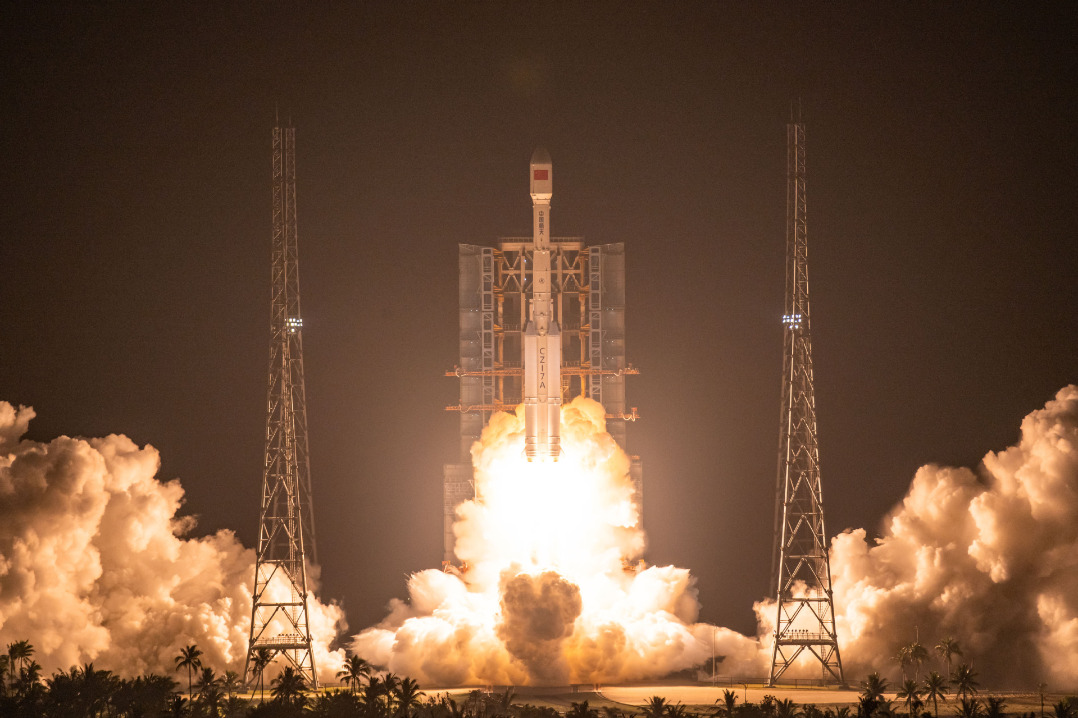
    China has marked a significant milestone in its space technology program with the successful deployment of two advanced demonstration satellites. The launch occurred at 6:40 AM on December 31, 2025, utilizing a Long March 7A carrier rocket that ascended from the Wenchang Space Launch Center in Hainan province.

    The mission, orchestrated by China Aerospace Science and Technology Corp (CASC), delivered the Shijian 29A and Shijian 29B satellites into their predetermined orbits. These sophisticated spacecraft represent cutting-edge advancements in space-based technology, with both satellites specifically designed to demonstrate innovative methodologies for space-based target detection systems.

    The Shijian 29A satellite was developed by the Shanghai Academy of Spaceflight Technology, a subsidiary of CASC, while its counterpart, Shijian 29B, was engineered by the Innovation Academy for Microsatellites, operating under the Chinese Academy of Sciences. This collaborative effort highlights China’s integrated approach to space technology development.

    The Long March 7A rocket, manufactured by the China Academy of Launch Vehicle Technology, boasts impressive technical specifications with a liftoff weight of 573 metric tons and a core-stage diameter of 3.35 meters. This launch vehicle demonstrates substantial payload capacity, capable of delivering spacecraft weighing up to 7 tons to geosynchronous transfer orbit.

    This mission represents China’s 93rd space endeavor of the year and the 623rd overall flight of the Long March rocket series, underscoring the nation’s consistent and growing presence in space technology development and orbital operations.

  • More Chinese cities add artificial hearts to medical insurance coverage

    More Chinese cities add artificial hearts to medical insurance coverage

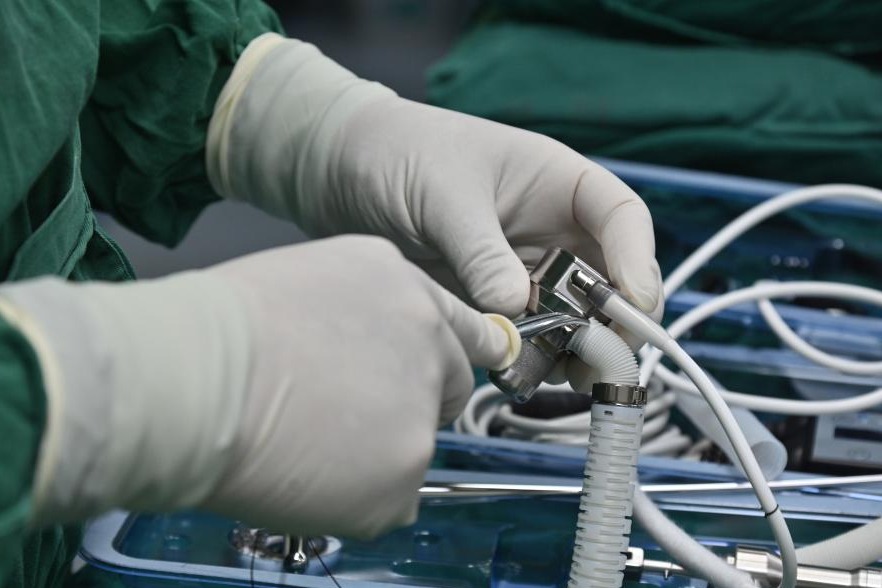
    Tianjin has joined a growing number of Chinese cities implementing groundbreaking healthcare coverage for artificial heart implantation procedures, marking a significant advancement in cardiovascular treatment accessibility. The policy shift follows national guidelines issued by China’s National Healthcare Security Administration (NHSA) in March that established standardized pricing and coverage for ventricular assist devices.

    The transformative impact of this policy is exemplified by 69-year-old Sun Jucai, who became Tianjin’s first beneficiary after receiving an artificial heart implant in November. Diagnosed with dilated cardiomyopathy, Sun had endured severe heart failure symptoms that left him breathless during simple conversation. Following successful surgery at TEDA International Cardiovascular Hospital using a domestically developed device, Sun has experienced remarkable recovery and now describes the procedure as ‘a second chance at life.’

    Financially, the coverage represents a dramatic reduction in patient burden. Previously costing over 1 million yuan ($142,150), artificial heart implantation now costs approximately 700,000 yuan after insurance reimbursement. ‘The medical insurance covered most of the consumables and surgical expenses, greatly easing my financial burden,’ Sun confirmed after his recent discharge.

    This expansion addresses a critical healthcare challenge: China’s estimated 16 million chronic heart failure patients, with numbers continuing to rise. For advanced-stage patients, conventional treatments offer limited relief, and heart transplantation remains constrained by donor shortages. Artificial hearts have emerged as a viable alternative, though cost previously placed them beyond reach for most citizens.

    Notably, Tianjin’s policy eliminates regional barriers, allowing patients from across China to seek treatment and receive reimbursement within the city. This development follows similar implementations in other major regions including Beijing and Guangdong Province.

    Healthcare experts anticipate broader implications from this policy shift. Dr. Liu Xiaocheng, President of TEDA International Cardiovascular Hospital, notes that ‘approving reimbursement for this life-saving but costly technology will help speed up the development and wider use of artificial hearts in China.’

    The expansion reflects China’s ongoing commitment to healthcare system development, maintaining approximately 95% enrollment in basic medical insurance with some 20 billion reimbursements processed between 2021 and 2024 according to NHSA statistics.