作者: admin

  • Poll findings indicate Taiwan people’s ‘strong dissatisfaction’ with DPP authorities: mainland spokeswoman

    Poll findings indicate Taiwan people’s ‘strong dissatisfaction’ with DPP authorities: mainland spokeswoman

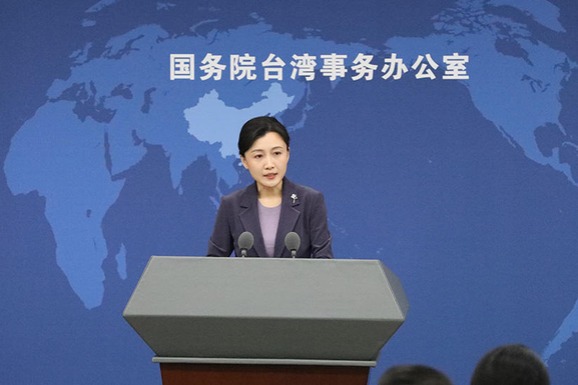
    BEIJING — A recent opinion survey conducted in Taiwan has revealed profound public dissatisfaction with the ruling Democratic Progressive Party (DPP) administration, according to statements from a mainland spokesperson on Wednesday. Zhang Han, spokeswoman for China’s State Council Taiwan Affairs Office, addressed these findings during a media briefing, highlighting growing discontent among Taiwan residents regarding the island’s current political leadership.

    The poll results, which indicate that more than half of Taiwan’s population perceives the DPP as untrustworthy, incompetent in governance, and plagued by corruption, were presented as evidence of widespread disillusionment. Zhang characterized these findings as reflecting public outrage toward what she described as the DPP’s neglect of citizen welfare, persistent pursuit of separatist agendas, intense political infighting, suppression of opposition voices, and subservience to foreign interests at the expense of Taiwan’s autonomy.

    Since assuming office, Taiwan’s leader Lai Ching-te has allegedly intensified cross-strait tensions through what Zhang characterized as provocative separatist policies and deliberate efforts to undermine economic cooperation between Taiwan and mainland China. The spokesperson further accused the administration of squandering public funds on unnecessary military expenditures while allegedly engaging in corrupt practices that benefit foreign arms dealers and political elites.

    Zhang expressed concern that these policies have pushed Taiwan toward increased instability and potential conflict. She concluded by urging Taiwan compatriots to recognize what she termed the destructive nature of DPP leadership and to consciously distance themselves from separatist activities, emphasizing the importance of cross-strait unity and peaceful development.


  • UK’s Queen Camilla recalls assault in 1960s as she campaigns against domestic violence

    UK’s Queen Camilla recalls assault in 1960s as she campaigns against domestic violence

    LONDON — In a groundbreaking public disclosure, Queen Camilla has revealed her personal encounter with sexual assault for the first time, utilizing her royal platform to address the pervasive issue of violence against women. The Queen Consort shared her harrowing experience during a BBC interview on Wednesday, detailing how she fought off an attacker while traveling by train as a teenager in the 1960s.

    Camilla recounted the traumatic incident: “I was immersed in my book when suddenly this man assaulted me. I instinctively fought back with everything I had,” she told the BBC. The aftermath revealed visible signs of the struggle, with her mother immediately noticing disheveled hair and a missing coat button upon her arrival home.

    Despite the fury the attack provoked, Camilla maintained silence for decades until hearing similar stories from other women. This collective sharing inspired her to break her own silence, particularly given domestic violence’s longstanding status as a taboo subject that obscures the severity of the crisis.

    “I realized that if I possess even a modest platform, I should use it to amplify this crucial message,” Camilla stated. “While my capabilities are limited, I can facilitate conversations and bring people together to address this epidemic.”

    The Queen made these revelations during a meeting with the surviving family members of Louise Hunt, 25, her sister Hannah, 28, and their mother Carol, 61—all murdered by Louise’s former partner near London in July 2024. Camilla specifically praised John Hunt, a former racing commentator, and his daughter Amy for their advocacy work against domestic violence.

    While this marks Camilla’s first public discussion of her assault, the incident was previously documented in Valentine Low’s recent publication “Power and the Palace.” According to Low’s account, which originated from Camilla’s conversation with former Prime Minister Boris Johnson, the Queen successfully defended herself by striking her attacker with her shoe before reporting the incident to authorities at Paddington Station, leading to the man’s arrest.

  • Xi emphasizes strong start for 15th Five-Year Plan period

    Xi emphasizes strong start for 15th Five-Year Plan period

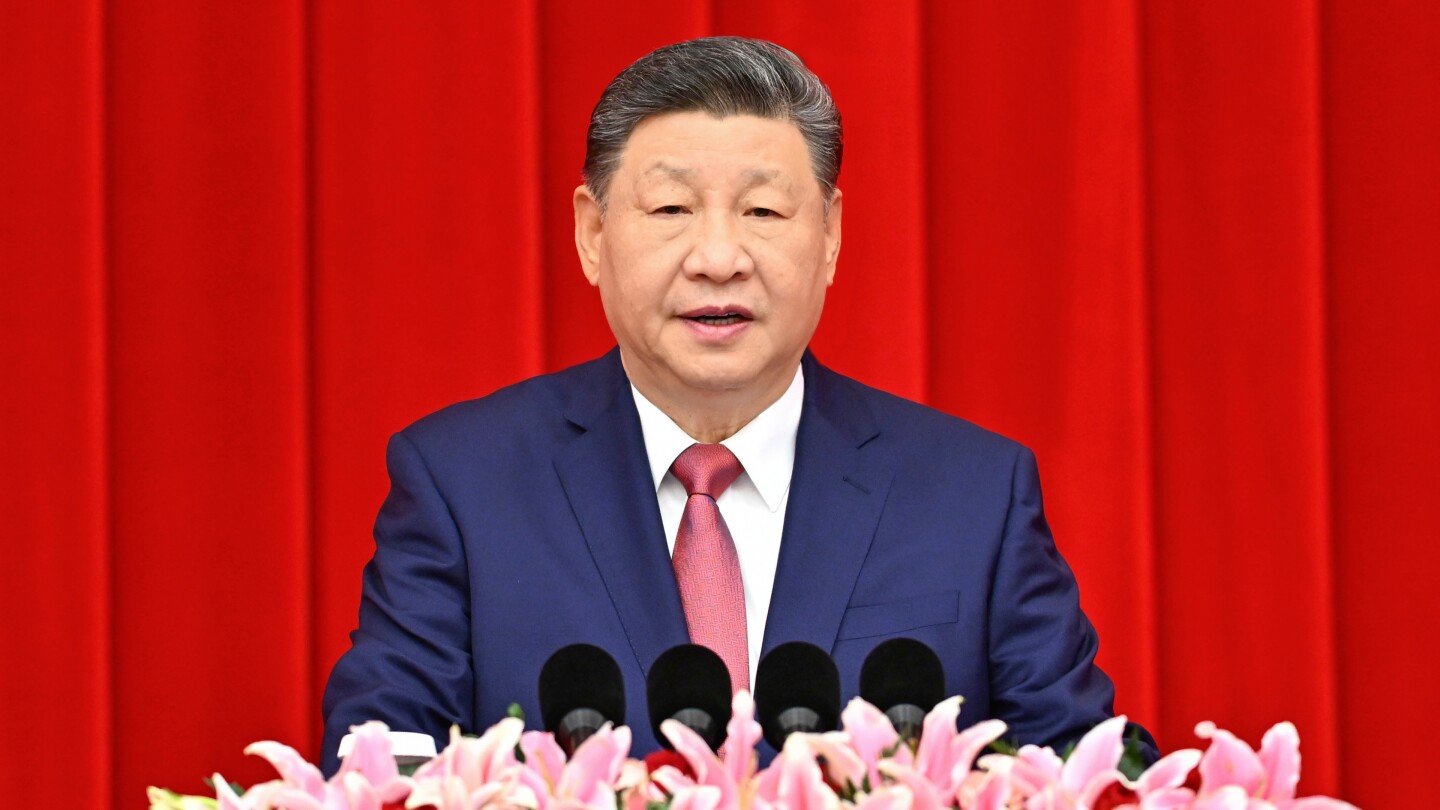
    Chinese President Xi Jinping has issued a decisive call for the nation to secure a powerful commencement to its 15th Five-Year Plan period (2026-2030). The directive was delivered during his address at a New Year gathering convened by the National Committee of the Chinese People’s Political Consultative Conference (CPPCC) in Beijing on Wednesday.

    Speaking as the General Secretary of the Communist Party of China Central Committee and Chairman of the Central Military Commission, Xi emphasized the critical importance of strategic implementation from the outset of the new development cycle. The gathering, which brought together leadership from China’s top political advisory body, served as a platform to outline priorities for the upcoming year and the broader five-year framework.

    The 15th Five-Year Plan represents a cornerstone policy document that will chart China’s economic and social development trajectory through the second half of this decade. Xi’s address signals the administration’s commitment to maintaining policy continuity while addressing both domestic priorities and global challenges.

    The CPPCC meeting, traditionally held to mark the transition into the new year, took on added significance this year as it precedes the formal implementation of the development blueprint. Xi’s remarks underscored the interconnected nature of political consensus, economic planning, and national advancement goals.

    This development occurs against the backdrop of China’s ongoing efforts to balance economic growth with structural reforms, technological innovation, and sustainable development objectives. The strong start called for by the leadership indicates an accelerated timeline for policy rollout and implementation mechanisms as China positions itself for the next phase of national rejuvenation.

  • Saudi Arabia and UAE bank on different military strengths in Yemen rivalry

    Saudi Arabia and UAE bank on different military strengths in Yemen rivalry

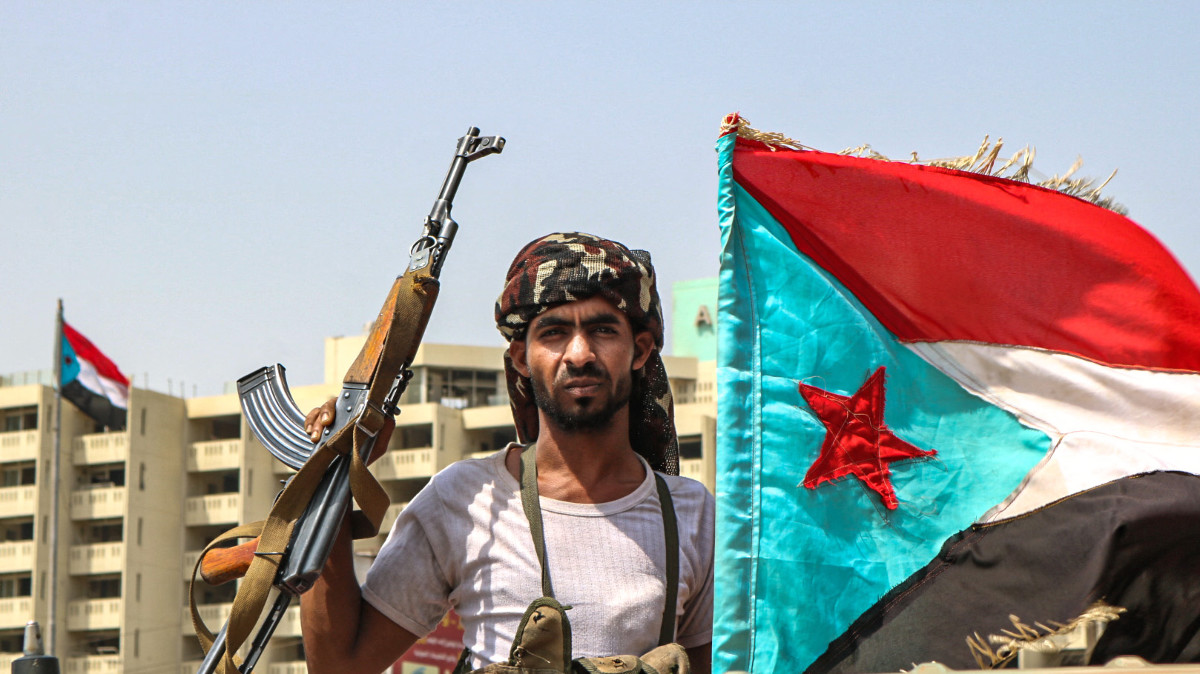
    A significant rupture has emerged within the Gulf coalition in Yemen, as Saudi Arabia conducted precision airstrikes targeting forces aligned with its former partner, the United Arab Emirates. The bombing of the port of al-Mukalla, which Riyadh claims interdicted a UAE-linked weapons shipment destined for the separatist Southern Transitional Council (STC), marks an unprecedented escalation between the two regional powers.

    The confrontation stems from the STC’s recent offensive against Saudi-backed government troops, an action Saudi authorities allege was fueled by Emirati pressure and support. The Saudi foreign ministry condemned these moves as ‘highly dangerous’ and a violation of the coalition’s founding principles. In a swift response, the UAE’s foreign ministry rebuked the accusations and subsequently announced a ‘comprehensive assessment’ of its role, culminating in a decision to formally end its military mission in Yemen.

    Diplomatic sources revealed to Middle East Eye that the Saudi strikes surprised both Emirati leadership and U.S. officials, indicating a severe breakdown in communication. Analysts now assess the strategic advantages each nation brings to the potential conflict. While the UAE commands an extensive network of proxy militias estimated at up to 200,000 fighters, Saudi Arabia holds superior control over key logistical channels—airspace, maritime routes, and land border crossings—which could severely restrict Emirati efforts to rearm allies like the STC.

    Experts including Mohammed al-Basha and Hesham Alghannam note that Saudi Arabia is leveraging international legitimacy, economic influence, and hard-learned lessons from its previous campaign against the Houthis. The open desert terrain in southern Yemen, unlike the northern mountains, gives the Saudi air force a distinct advantage against STC forces.

    The underlying tensions, simmering for years, have been exacerbated by Saudi Arabia’s independent negotiations with the Houthi rebels, a process that sidelined the UAE. This fissure has created a complex multi-front conflict, with analysts warning that the Iran-aligned Houthis may emerge as the primary beneficiaries of the intra-Gulf rivalry. The situation presents a volatile landscape where previous alliances have shattered, raising the specter of prolonged instability and a reconfiguration of power dynamics throughout Yemen and the broader region.

  • Bangladesh to give state funeral for ex-PM Khaleda Zia; 3-day mourning period declared

    Bangladesh to give state funeral for ex-PM Khaleda Zia; 3-day mourning period declared

    Bangladesh has initiated three days of national mourning to honor former Prime Minister Khaleda Zia, who passed away Tuesday at age 80. The government will conduct an elaborate state funeral ceremony on Wednesday afternoon, with prayers scheduled outside the national parliament building in Dhaka.

    As the first female prime minister of this South Asian nation of 170 million people, Zia pioneered women’s leadership in Bangladeshi politics. Her educational stipend programs for girls transformed opportunities for female students nationwide. Despite significant health challenges and political imprisonment in recent years, Zia remained politically active until her final days, with nomination papers filed on her behalf for upcoming February elections just hours before her death.

    The current interim government under Nobel laureate Muhammad Yunus acknowledged Zia as “a great guardian” of the nation, recognizing her role in repeatedly restoring democratic governance. Security forces have been extensively deployed throughout the capital, with flags flying at half-mast as the country prepares for anticipated large public gatherings.

    Zia’s son, Tarique Rahman, recently returned from 17 years abroad and is viewed as a potential prime ministerial candidate should their Bangladesh Nationalist Party secure victory in the upcoming elections. The funeral will see diplomatic representation from regional powers, with both Indian and Pakistani foreign ministers attending—marking significant diplomatic engagements since the overthrow of Zia’s longtime rival, Sheikh Hasina, last year.

    Zia’s body will be laid to rest beside her late husband, President Ziaur Rahman, who was assassinated in 1981. Her political career spanned decades, featuring both historic achievements and intense rivalry with Hasina’s Awami League, which continues to operate from exile after Hasina’s recent conviction and forced departure from power.

  • China’s Xi hails nation’s technological progress and renews promise to take back Taiwan

    China’s Xi hails nation’s technological progress and renews promise to take back Taiwan

    In his nationally televised New Year’s Eve address, Chinese President Xi Jinping celebrated China’s technological breakthroughs across multiple strategic sectors while firmly reiterating Beijing’s position on Taiwan reunification. The presidential speech, broadcast through state media channels, emphasized China’s progress in artificial intelligence, semiconductor development, military technology, and space exploration.

    Visual accompaniments to the address featured humanoid robots performing martial arts demonstrations and newly operational hydropower projects, symbolizing the nation’s technological modernization. “We sought to energize high-quality development through innovation,” President Xi stated, acknowledging public contributions to China’s economic expansion throughout the previous five-year planning cycle.

    The address coincided with heightened military activity near Taiwan, where China conducted two days of exercises involving rocket launches, aircraft sorties, and naval deployments. These demonstrations responded to anticipated United States arms sales to the self-governed island.

    President Xi framed the Taiwan matter through emotional rhetoric, asserting: “We Chinese on both sides of the Taiwan Strait share a bond of blood and kinship. The reunification of our motherland, a trend of the times, is unstoppable.”

    Taiwanese President Lai Ching-te denounced the military maneuvers while committing to responsible management of cross-strait relations, pledging neither escalation nor provocation. The address also highlighted China’s growing global diplomatic presence, referencing high-level international events hosted throughout the past year.

    This speech arrives as China prepares to formulate its next five-year economic plan, scheduled for discussion at March’s legislative session, with increased emphasis on technological self-reliance amid tightening U.S. export controls on advanced semiconductors and related technologies.

  • Greece and Cyprus are welcoming 2026 without the bang

    Greece and Cyprus are welcoming 2026 without the bang

    In a groundbreaking shift from tradition, Greece and Cyprus are revolutionizing their New Year’s celebrations by embracing silent fireworks and drone technology. Starting in 2026, the capital cities of Athens and Nicosia will replace conventional explosive displays with innovative low-noise pyrotechnics and sophisticated light shows, marking a significant departure from centuries-old practices.

    Athens Mayor Haris Doukas characterizes this transition as signaling ‘a new era in New Year celebrations,’ emphasizing the commitment to spectacular visual experiences without auditory disturbance. The initiative specifically addresses concerns for vulnerable populations including elderly residents, infants, individuals with autism, and those experiencing post-traumatic stress disorder, while also prioritizing animal welfare given pets’ heightened auditory sensitivity.

    Nicosia has implemented even more comprehensive changes, completely eliminating traditional fireworks from municipal events after evaluating their negative impacts. Municipal authorities describe this as part of a broader modernization effort aligning with European sustainability trends and environmental objectives.

    Technologically, these quiet fireworks utilize reduced black powder charges to minimize explosive reports while maintaining vibrant visual effects through specialized pellet dispersion systems. Though not entirely novel—having been incorporated into landmark displays like the Eiffel Tower and London Eye—their municipal adoption represents a significant cultural shift.

    Cris Matthews of Quietworks, a UK-based pyrotechnics specialist, notes that low-noise alternatives require enhanced creativity and planning, particularly excelling in smaller-scale events like weddings and private gatherings.

    The transition faces cultural challenges in regions where private firework usage and celebratory gunfire remain entrenched traditions, especially during Orthodox Easter celebrations. While most Athenian suburbs will maintain conventional displays temporarily, the capital’s center will feature Acropolis-focused visual spectacles combining lighting effects and drone formations.

    Nicosia has fully embraced drone technology, citing its creative versatility, minimal noise output, zero chemical emissions, and eliminated fire risks. This technological shift coincides strategically with Cyprus assuming the European Union’s rotating presidency on January 1, with plans to incorporate EU symbolism throughout the year’s celebrations.

    The municipality’s official statement emphasizes their ‘overarching objective to set an example by prioritizing safer, greener, and more sustainable alternatives,’ definitively moving away from traditional fireworks whenever possible.

  • 2025 is nearly over: Meet UAE residents who ‘hacked’ their New Year resolutions

    2025 is nearly over: Meet UAE residents who ‘hacked’ their New Year resolutions

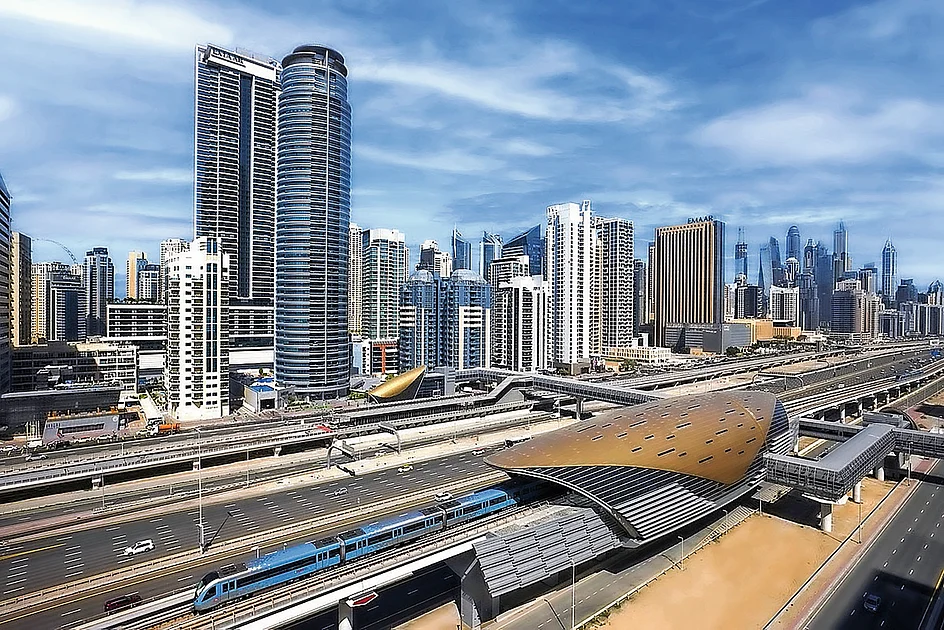
    As 2025 concludes, a distinctive cohort of UAE residents has demonstrated remarkable success in maintaining their New Year’s resolutions through innovative psychological approaches and behavioral adaptations. Contrary to conventional resolution patterns that typically fade by February, these individuals have implemented sustainable methodologies that transformed their annual commitments into lasting lifestyle changes.

    Dubai-based comedian and rapper Amy Roko pioneered an unconventional technique by employing microhabits and narrative romanticization. Rather than establishing overwhelming objectives, she formulated minimal daily targets—such as merely touching the gym door—which frequently evolved into complete workout sessions. Her psychological strategy involved framing ordinary activities within dramatic contexts, imagining herself as a K-drama character during routine tasks like hydration.

    The resolution fulfillment methodology extended beyond physical fitness. Marketing executive Alifa Barnes adopted an intentionality-based framework, consistently evaluating whether her actions represented conscious choices or automatic reactions. This mindfulness practice enabled more deliberate decision-making while eliminating counterproductive guilt associated with temporary setbacks.

    Content creator Aastha Kurup developed a quarterly evaluation system instead of annual pressure, allowing for adaptable goal management across multiple domains including career development, education, and creative pursuits. This approach prevented the common psychological trap of abandoning yearly objectives after minor deviations.

    Behavioral psychologist Dr. Katherine Iscoe provided academic perspective, criticizing traditional resolutions as “apologies for perceived inadequacies” rather than genuine self-improvement mechanisms. She emphasized that sustainable transformation originates from self-respect and value alignment rather than external validation seeking.

    These successful cases illustrate a paradigm shift in personal development methodology, emphasizing psychological flexibility, micro-achievements, and value congruence over rigid, outcome-focused resolution structures that historically demonstrated high failure rates.

  • UAE experts reveal which investments paid off in 2025, why they may win next year too

    UAE experts reveal which investments paid off in 2025, why they may win next year too

    The investment landscape of 2025 demonstrated a decisive shift toward stability and tangible value, with analysts identifying clear patterns in what delivered superior returns. According to financial experts across the United Arab Emirates, investors consistently favored cash-generating, real-economy assets capable of weathering geopolitical tensions, inflationary pressures, and fluctuating interest rates.

    Gold emerged as the standout performer, earning the title ‘asset of the year’ due to its hedging capabilities against global uncertainty and substantial central bank acquisitions. Waleed Dhaduk, Chief Executive of Gutmann Capital, noted that the most successful investments combined defensiveness, predictable cash flows, and exposure to structural growth themes. Beyond precious metals, Dubai’s commercial real estate market, downstream industrials, and selective emerging-market exposures delivered robust returns. Even cash holdings proved surprisingly lucrative, benefiting from elevated EIBOR rates that rewarded conservative portfolio strategies.

    Remco Coerman, Founder and CEO of Epic Edges Group, observed that 2025 ‘rewarded utility over fashion,’ with energy infrastructure, agricultural production, defense industries, and physical assets like land and logistics in emerging markets significantly outperforming. This trend reflected a fundamental shift in investor psychology from ‘what can grow fastest’ to ‘what functions when systems falter,’ driving capital toward recession-resistant projects.

    Technology sectors, particularly artificial intelligence companies and Asian semiconductor firms, delivered genuine earnings growth backed by global demand. Defense-related businesses experienced renewed interest as government spending priorities evolved. Cryptocurrencies maintained their position as strong multi-year performers despite characteristic volatility, with growing institutional participation expanding their role in diversified portfolios.

    Tajinder Virk, Co-Founder and CEO of Finvasia Group, identified three structural forces driving 2025 outperformance: geopolitical hedging boosting precious metals, theme concentration in equity markets focused on AI and infrastructure, and structural demand in the UAE fueled by population growth, business relocations, and capital formation.

    Looking toward 2026, experts anticipate continued emphasis on quality and diversification rather than speculative optimism. Markets will premium businesses supported by durable cash flows and realistic valuations. Disciplined allocations favoring Grade A Dubai office space, investment-grade credit/sukuk, high-quality global equities, and gold are expected to outperform. Themes of food security, energy infrastructure, and strategic commodities will intensify as investors prioritize assets independent of cheap money policies.

    For UAE-based investors, the consensus emphasizes balancing strong local fundamentals with global exposure across precious metals, credit markets, emerging economies, and regulated digital assets. Those considering cryptocurrency exposure should focus on infrastructure-led themes like tokenization and compliant platforms aligned with UAE regulations.

    The definitive lesson from 2025 remains clear: disciplined allocation and risk management outweigh chasing previous winners. As 2026 approaches, the assets that maintain their value during challenging conditions will likely continue their dominance.

  • What to know about the mystery of Malaysia Airlines Flight 370 as the search resumes

    What to know about the mystery of Malaysia Airlines Flight 370 as the search resumes

    A decade after one of aviation’s most perplexing disappearances, the search for Malaysia Airlines Flight MH370 has officially recommenced, rekindling hopes for resolution. On Wednesday, Malaysian authorities confirmed that Ocean Infinity, a U.S. marine robotics firm, has initiated a new underwater search operation utilizing advanced technology and revised data analysis.

    The Boeing 777 vanished on March 8, 2014, during its routine flight from Kuala Lumpur to Beijing with 239 passengers and crew aboard. After its final communication at 39 minutes into the flight, the aircraft’s transponder ceased transmission. Military radar tracked an unexpected reversal over the Andaman Sea, while satellite data indicated the plane continued flying for hours before presumably crashing into the remote southern Indian Ocean due to fuel exhaustion.

    Previous multinational search efforts, including the largest underwater operation in history covering 120,000 square kilometers, yielded minimal results. Only a few fragments—notably a wing flaperon discovered on Réunion Island in 2015—have been confirmed as wreckage from the missing aircraft. The absence of bodies, substantial debris, or definitive explanations has perpetuated the mystery.

    Theories regarding the disappearance range from mechanical failure and cabin depressurization to deliberate intervention. Malaysian investigators in 2018 eliminated suspicion of passengers and crew but acknowledged possible “unlawful interference” given the intentional severance of communications.

    The passenger manifest represented global diversity, with individuals from China, the United States, Indonesia, France, Russia, and other nations. Among them were technology professionals, artists, families with children, and two Iranians traveling on stolen passports.

    The current search, operating under a “no-find, no-fee” agreement worth $70 million upon success, will focus on a targeted 15,000-square-kilometer area identified through enhanced debris drift studies and technological advancements. Initially paused in April due to adverse weather conditions, the operation will resume intermittently from December 30 for 55 days in zones deemed most probable for locating wreckage.

    Ocean Infinity has collaborated with numerous experts to refine search parameters but has not disclosed whether new evidence prompted the revised approach. The immense challenges of searching the deep, volatile Indian Ocean—where depths average 4 kilometers—continue to complicate recovery efforts.