作者: admin

  • What we know about the Switzerland ski resort fire

    What we know about the Switzerland ski resort fire

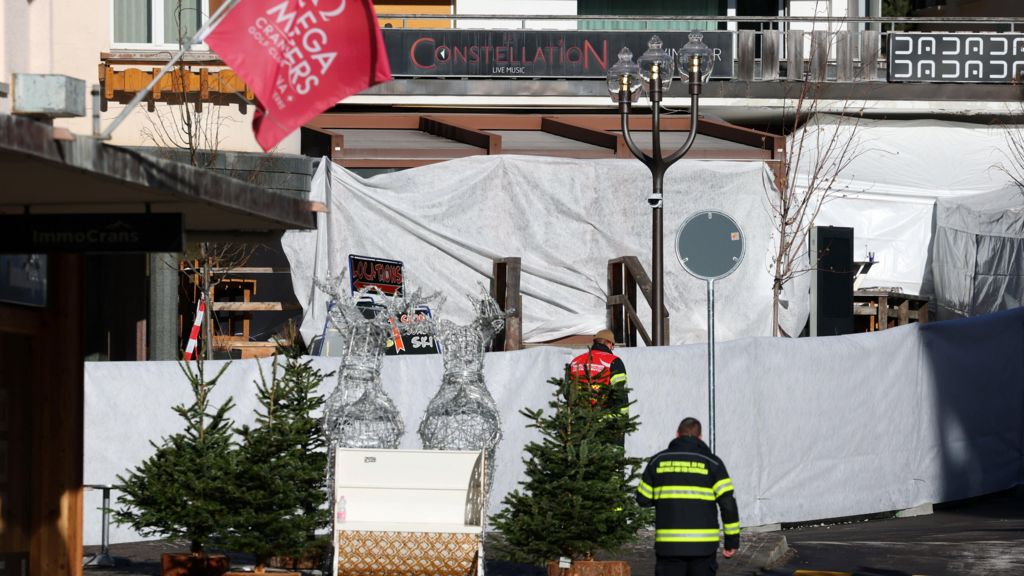
    A catastrophic fire has engulfed a popular alpine nightclub in Switzerland’s Crans-Montana ski resort during New Year’s celebrations, resulting in one of Europe’s deadliest nightlife disasters in recent history. The blaze erupted at approximately 01:30 local time (00:30 GMT) on January 1, 2026, at Le Constellation bar, a well-established venue known for attracting both locals and international tourists.

    Swiss authorities have confirmed a devastating human toll, with preliminary estimates indicating approximately forty fatalities and over one hundred individuals sustaining injuries, predominantly severe burns. The scale of the emergency required an unprecedented response, including the deployment of ten medical helicopters, forty ambulances, and 150 emergency personnel to the scene. Medical facilities in the Valais region reported their intensive care units at full capacity as they struggled to treat the influx of critically injured patients.

    Chief Prosecutor Beatrice Pilloud has categorically ruled out criminal intent, stating the incident is being treated as a tragic accident with “no question of any attack.” Initial police reports mentioning a possible explosion have been revised, with investigators now focusing on accidental causes, including speculation about pyrotechnics potentially triggering the blaze. The exact ignition source remains undetermined as forensic experts continue their examination.

    The international dimension of the tragedy emerged as authorities confirmed victims hailed from multiple nationalities, reflecting Crans-Montana’s status as a premium winter destination during the peak holiday season. The UK Embassy and Italian Foreign Ministry both acknowledged the incident, with Rome officially citing Swiss police casualty figures. A dedicated helpline (+41 848 112 117) has been established for concerned families seeking information about loved ones.

    Le Constellation, described as a spacious but unpretentious establishment capable of accommodating up to 300 patrons, featured a dual-level layout with a football viewing area upstairs and a large dance floor and bar downstairs. The timing proved particularly tragic as the venue would typically be filled to capacity with revelers celebrating the new year, though the exact attendance at the time of the incident remains unknown.

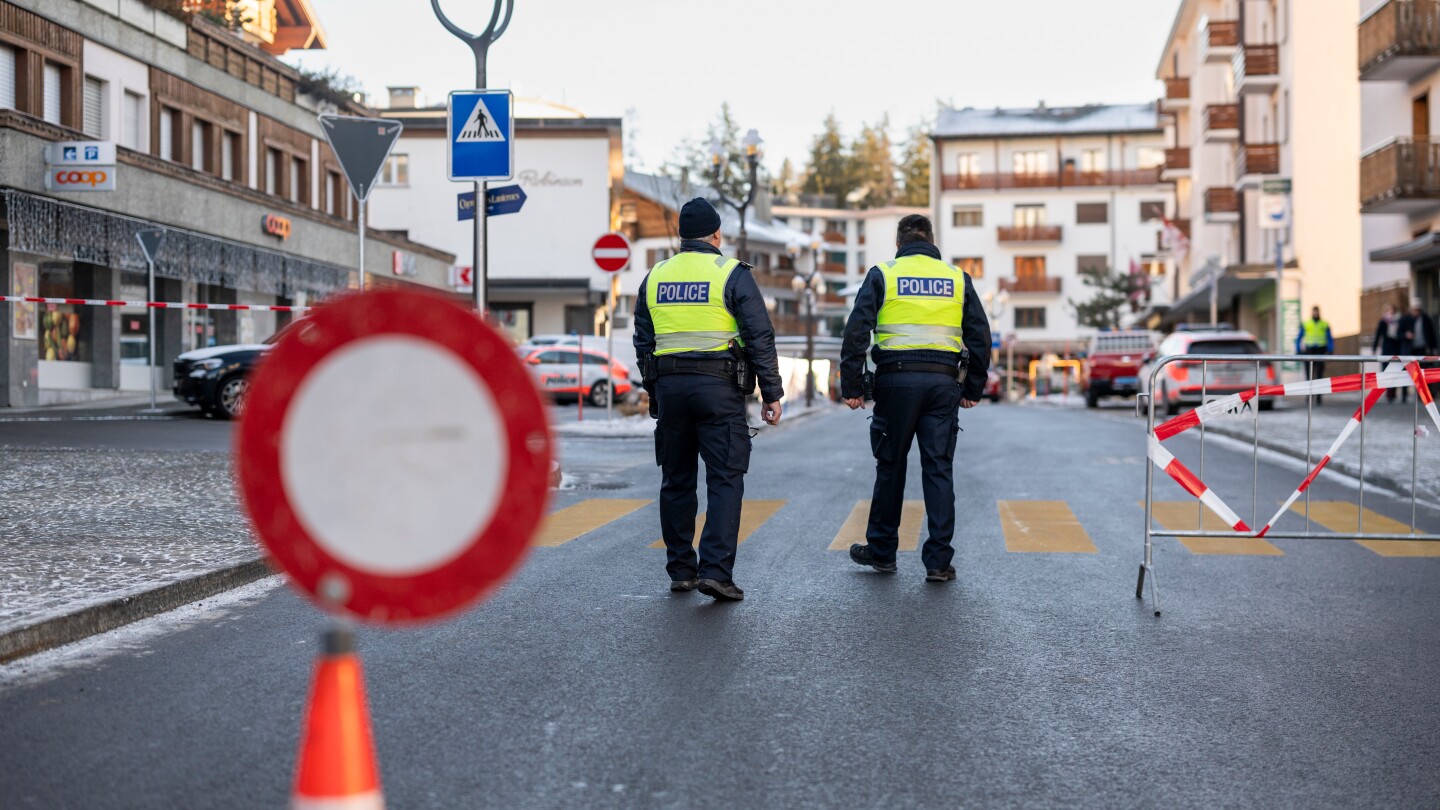
    Regional Police Commander Frédéric Gisler detailed the emergency response, noting that the first responders arrived rapidly after smoke was detected emanating from the building. The operation has now transitioned to the complex process of victim identification and family notification, with Swiss authorities pledging to return remains to families as swiftly as possible.
  • Cash machines in Bulgaria issue euros for the first time after joining the currency union

    Cash machines in Bulgaria issue euros for the first time after joining the currency union

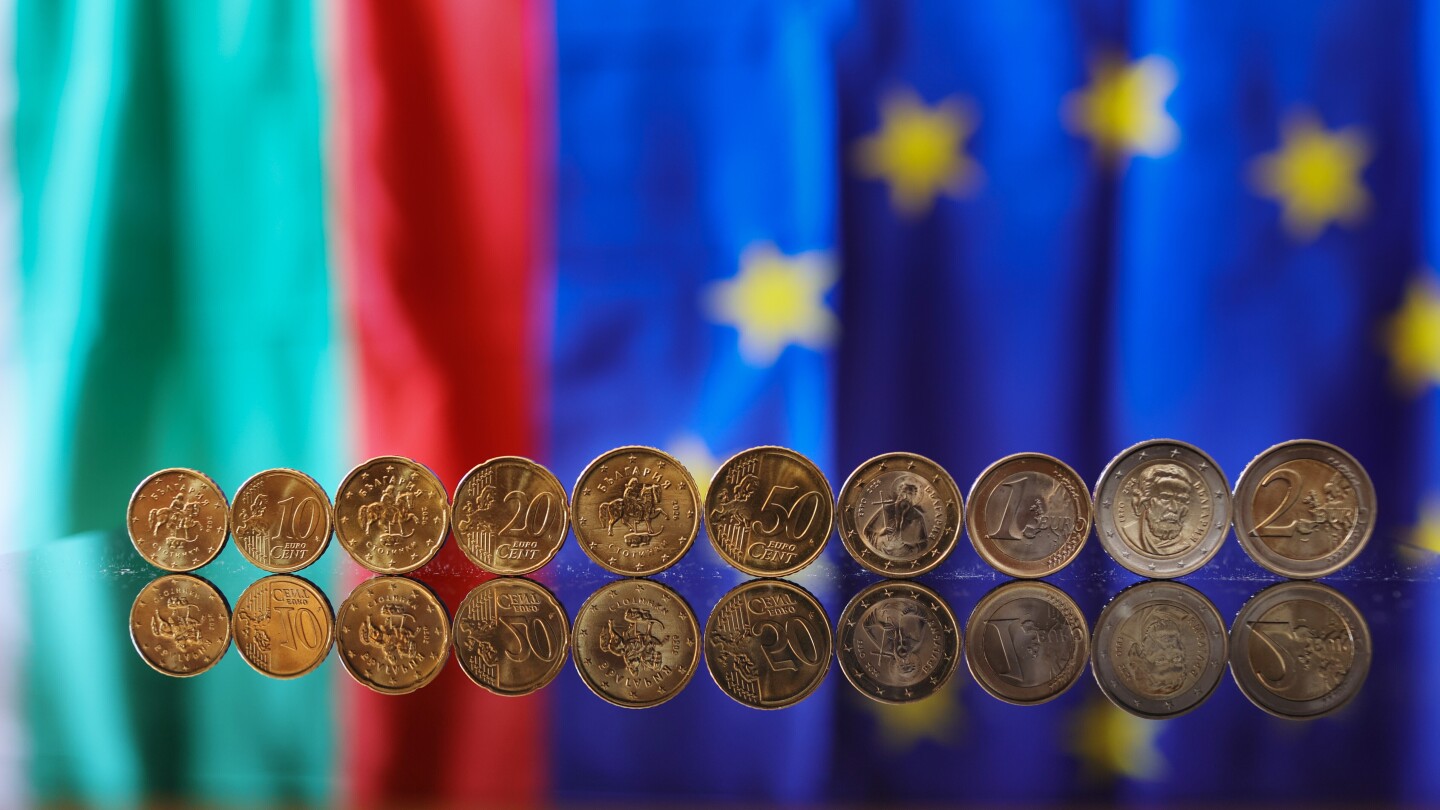
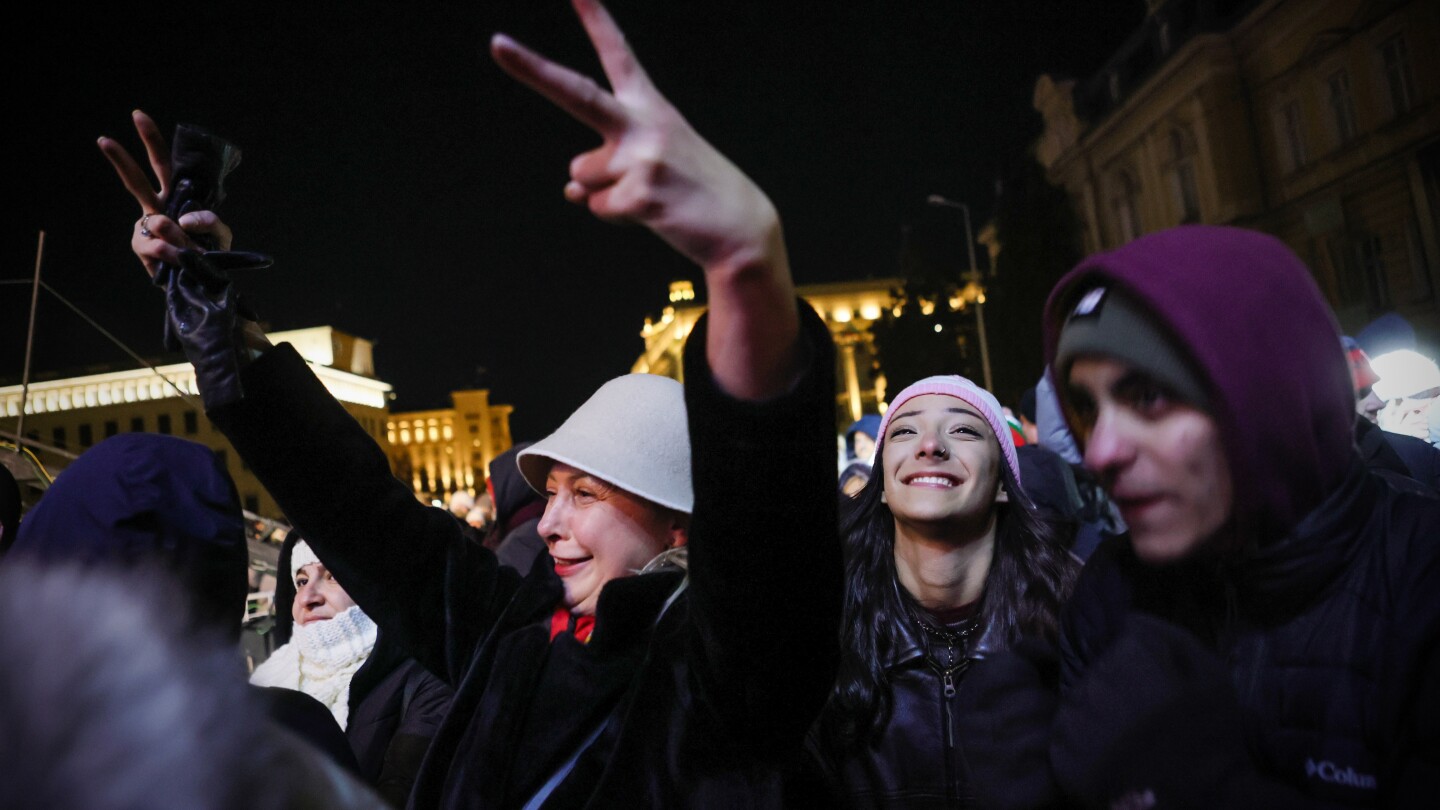
    SOFIA, Bulgaria — Bulgaria marked a significant economic milestone Thursday as it formally adopted the euro, becoming the 21st member of the European single-currency union. For the first time, Bulgarian citizens withdrew euro banknotes from ATMs across the capital city, initiating the transition from their national currency, the lev.

    While the lev will remain in circulation for cash transactions throughout January, all change will be exclusively provided in euros. This monetary integration represents the latest step in Bulgaria’s economic evolution since joining the European Union in 2007 as one of its most economically challenged members. The transition underscores the nation’s continued integration into European structures following its shift from a Soviet-style command economy to market democracy after 1989.

    The historic currency adoption occurs against a backdrop of political instability. The conservative-led government resigned earlier this month following widespread anti-corruption protests, leaving the country without an approved budget for the upcoming year. This political vacuum has hampered critical reforms and delayed access to EU support funds.

    Public sentiment remains mixed, with many citizens expressing concerns about potential price increases and economic uncertainty. Nationalist and pro-Russian factions have amplified these fears, suggesting the euro adoption could erode national identity and exacerbate poverty. Despite these challenges, Bulgaria successfully reduced inflation to 2.7% this year to meet EU convergence criteria, following Croatia’s similar transition in 2023.

  • A look at some of the worst fires in bars, nightclubs and music venues

    A look at some of the worst fires in bars, nightclubs and music venues

    A devastating fire erupted at a bar in the Swiss ski resort of Crans-Montana during New Year’s celebrations, resulting in dozens of presumed fatalities and approximately 100 injuries according to official reports. The tragedy has drawn attention to a global pattern of similar nightlife venue disasters spanning decades.

    The incident echoes multiple historical catastrophes including the 2025 Pulse club fire in North Macedonia that killed 63 revelers due to pyrotechnic flames, and Istanbul’s 2024 Masquerade nightclub blaze that claimed 29 lives during renovations. Other notable tragedies include Spain’s 2023 Murcia nightclub complex fire (13 deaths), Indonesia’s 2022 Sorong nightclub incident (19 deaths), and Cameroon’s Liv’s Nightclub explosion (17 fatalities).

    Historical precedents reveal disturbing similarities in safety failures. The 2016 Oakland Ghost Ship warehouse fire killed 36 people trapped in illegally constructed spaces, while Romania’s 2015 Colectiv nightclub pyrotechnics disaster caused 64 deaths. Brazil’s 2013 Kiss nightclub tragedy claimed over 200 lives due to toxic fumes from burning soundproofing foam.

    Further examination shows recurring patterns: Russia’s 2009 Lame Horse fire (152 deaths) from indoor fireworks, Thailand’s 2009 Santika club blaze (67 deaths) post-countdown celebrations, and China’s 2008 King of Dancers incident (44 deaths) combining fireworks and stampedes. Argentina’s 2004 Cromagnon Republic fire (194 deaths) involved flammable ceiling foam ignition, mirroring the 2003 Station nightclub disaster in Rhode Island (100 deaths) where band fireworks ignited toxic foam.

    The chronology extends to earlier decades including the 1942 Cocoanut Grove fire in Boston (492 deaths) that revolutionized US fire safety codes, and Mississippi’s 1940 Rhythm Night Club tragedy (209 deaths) where boarded windows prevented escape. This historical context underscores persistent safety challenges in entertainment venues worldwide despite technological advancements and regulatory improvements.

  • UN faces turbulent year amid conflicts and calls for reform

    UN faces turbulent year amid conflicts and calls for reform

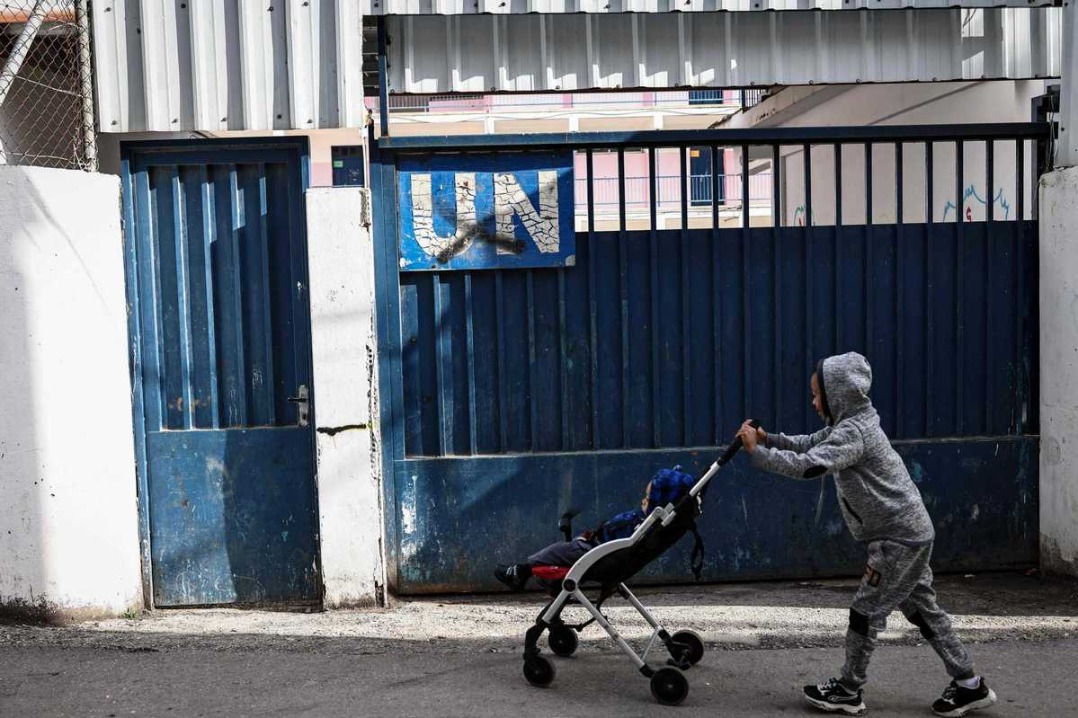
    The United Nations headquarters in New York witnessed a year of profound turbulence as the organization grappled with escalating global conflicts, deepening humanitarian emergencies, and intensifying geopolitical fractures. The multilateral system faced unprecedented strain throughout 2025, testing the institution’s capacity to maintain international peace and security.

    The Palestinian situation emerged as a dominant concern, culminating in the 80th UN General Assembly’s adoption of the ‘New York Declaration’ on September 12. This resolution, crafted through Franco-Saudi collaboration and supported by 142 nations, demanded an immediate ceasefire, prisoner releases, and the establishment of a sovereign Palestinian state. This diplomatic achievement coincided with a wave of recognitions, with the UK, Canada, Australia, and numerous other states formally acknowledging Palestinian statehood. By late September, an overwhelming 157 of 193 member states had extended recognition.

    November marked a significant breakthrough when the Security Council finally endorsed a US-proposed Gaza ceasefire plan after two years of deadlock. The resolution authorized an International Stabilization Force to support reconstruction efforts, representing a notable shift from previous American vetoes that had blocked similar measures. China’s UN ambassador Fu Cong emphasized the urgency, stating: ‘Gaza already faces famine with rapidly spreading disease. As a permanent member, the US must support the council’s duties rather than undermine UN authority.’

    The organization simultaneously confronted internal challenges, including a deepening liquidity crisis exacerbated by reduced contributions from the United States and other Western donors. President Donald Trump’s extended General Assembly speech criticized the UN’s operational framework, accusing the organization of funding migratory assaults on Western nations.

    Structural reform gained momentum with the December launch of the Group of Friends of Global Governance, comprising 43 founding members. China championed reforms that would enhance developing nations’ representation and reflect contemporary geopolitical realities. Ambassador Fu articulated this vision: ‘We must uphold the UN Charter’s principles, advance international relations democratization, and strengthen developing countries’ voice in global affairs.’

    The reform debate intensified when China opposed Japan’s Security Council aspirations, with Fu declaring Japan ‘totally unqualified’ following Prime Minister Takaichi’s comments regarding a potential ‘Taiwan contingency.’ China subsequently submitted formal objections to the Secretary-General reaffirming Taiwan as China’s internal affair.

    As the year concluded amidst ongoing conflicts, Secretary-General António Guterres delivered a poignant New Year’s message urging global leaders to ‘choose people and planet over pain,’ acknowledging that ‘chaos and uncertainty surround us’ as the world stands at a critical crossroads.

  • US military says five killed in latest strike on alleged drug boats

    US military says five killed in latest strike on alleged drug boats

    The US Southern Command has confirmed a new series of lethal maritime engagements as part of its intensified counter-narcotics operations. On Wednesday, US forces conducted strikes on two vessels allegedly involved in drug trafficking, resulting in the deaths of five individuals aboard. This action follows another targeted operation just one day prior, where US military assets engaged what they described as a three-vessel narco-trafficking convoy, killing at least three people.

    These recent strikes represent the latest escalation in a controversial campaign that began on September 2nd, with over thirty vessels targeted and more than 110 fatalities recorded to date. The operations extend across international waters in the Caribbean and eastern Pacific regions, areas known for narcotics smuggling routes.

    The Trump administration has framed these operations as part of a non-international armed conflict against drug traffickers. However, this characterization has drawn scrutiny from legal experts who question its compliance with international laws governing armed conflict. Particularly controversial is the emergence of ‘double-tap’ strike patterns, where targets are engaged multiple times in quick succession.

    The initial September attack has come under particular congressional scrutiny after revelations that US forces struck the same vessel twice. Two survivors who had been clinging to the hull following the first strike were killed in the second engagement, raising concerns about potential violations of rules of engagement.

    In its most recent statement regarding the December 30th convoy engagement, US Southern Command reported that several individuals abandoned their vessels before subsequent engagements sank the boats. The command stated that the US Coast Guard was immediately notified to search for survivors, with Reuters reporting an anonymous US official confirming eight individuals were being sought. The current status of these survivors remains unknown.

    The military justification for these strikes rests on intelligence claims that targeted vessels were transiting known narco-trafficking routes and engaged in illegal activities, though concrete evidence of drug cargo has not been publicly provided despite repeated insistences from Southern Command.

  • Bulgaria is joining the euro. Here’s what it means for consumers and businesses

    Bulgaria is joining the euro. Here’s what it means for consumers and businesses

    Bulgaria marks a historic economic transition on January 1st as it becomes the 21st nation to adopt the euro, culminating a seventeen-year journey since joining the European Union in 2007. The long-anticipated move positions the Balkan nation firmly within the Eurozone’s economic framework, though implementation occurs against a backdrop of significant public apprehension.

    The currency conversion establishes a fixed exchange rate of 1.95583 lev to the euro, with dual pricing displays mandated during the transition period. Banking institutions will automatically convert accounts to euros, while physical lev currency remains temporarily acceptable for payments with euro change returned. The Bulgarian Central Bank will facilitate fee-free exchanges until June 30th, with indefinite conversion services thereafter.

    Economically, membership promises substantial benefits including estimated annual savings of 1 billion levs for cross-border traders through eliminated exchange costs. Bulgarian citizens gain practical advantages for travel and online shopping within the Eurozone, while the nation secures representation on the European Central Bank’s governing council.

    The transition requires surrendering certain monetary policy instruments, though Bulgaria previously relinquished this autonomy by pegging the lev to the euro. Adoption mandates compliance with strict EU convergence criteria regarding inflation, debt levels, and exchange rate stability.

    Despite governmental enthusiasm, recent Eurobarometer surveys reveal persistent public skepticism with 53% of Bulgarians opposing the change. Concerns primarily focus on anticipated price inflation during conversion and symbolic loss of national sovereignty. Experts attribute these apprehensions to broader economic anxieties and institutional distrust rather than ideological opposition, exacerbated by disinformation campaigns allegedly linked to Russian interests.

    ECB President Christine Lagarde acknowledges natural pre-adoption uncertainties while predicting minimal inflationary impact (0.2-0.4%) based on previous transitions. Historical data suggests public opinion typically shifts favorably post-implementation, with average approval increasing by 11 percentage points once citizens experience practical benefits.

    The adoption strengthens European economic integration despite Bulgaria’s challenges with corruption rankings and income levels that remain among the EU’s lowest. This expansion represents another step in the Eurozone’s evolution since the 2010-2015 debt crisis, with enhanced regulatory mechanisms now safeguarding against previous vulnerabilities.

  • UAE becomes world’s 4th largest state investor with Dh10.75 trillion assets

    UAE becomes world’s 4th largest state investor with Dh10.75 trillion assets

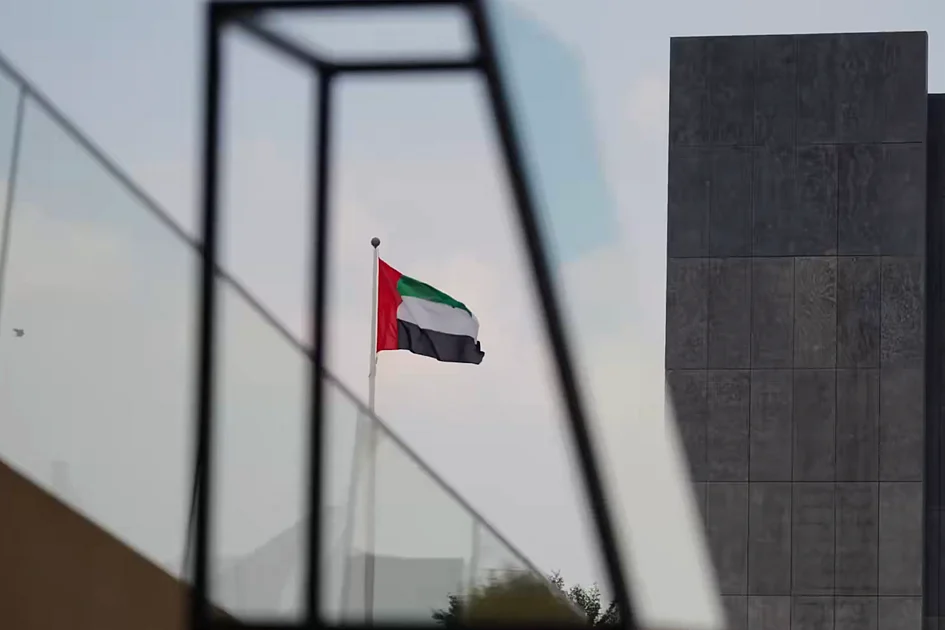
    The United Arab Emirates has solidified its position as a global financial powerhouse, ranking as the world’s fourth-largest state investor with approximately $2.93 trillion (Dh10.75 trillion) in managed assets according to Global SWF’s 2026 Annual Report. This remarkable achievement places the UAE behind only the United States ($13.2 trillion), China ($8.22 trillion), and Japan ($3.84 trillion) in sovereign investment rankings, while surpassing Norway’s $2.27 trillion in assets.

    The nation’s investment architecture is dominated by several massive sovereign entities. Leading the portfolio is the Abu Dhabi Investment Authority with $1.18 trillion in assets, followed by the Investment Corporation of Dubai ($429 billion), Mubadala Investment Company ($358 billion), ADQ ($251 billion), Emirates Investment Authority ($116 billion), Dubai Investment Fund ($80 billion), and Dubai Holding ($72 billion).

    This financial milestone comes alongside Abu Dhabi’s recent recognition as the world’s wealthiest city in Global SWF’s First City Ranking in October 2024, where it surpassed Oslo with $1.7 trillion in assets managed by funds headquartered within the city, earning it the title ‘Capital of the Capital’.

    The UAE also emerged as the fifth-largest recipient of sovereign investment globally in 2025, attracting $9.9 billion—a significant increase from $7.9 billion in 2024. This positions the country behind the United States ($131.8 billion), United Kingdom ($25.8 billion), Germany ($18.8 billion), and Canada ($17.7 billion) in foreign sovereign investment.

    Globally, state-owned investors reached unprecedented scale throughout 2025, capitalizing on financial market rallies and pursuing major cross-sector deals while developing innovative investment strategies and partnerships. Sovereign wealth funds alone achieved a historic milestone by exceeding $15 trillion in assets for the first time in December 2025. Combined with public pension funds and central banks, these entities now manage approximately $60 trillion in global assets and reserves, with projections suggesting this figure could approach $80 trillion by 2030.

    Geographic distribution of these assets shows Asia holding over one-third of the total, followed by North America (26%), Europe (19%), and the MENA region (15%). Analysts anticipate sovereign wealth funds will outpace the growth of public pension funds and central banks in coming years, potentially increasing the relative weight of Asian and MENA regions while North American and European growth may stabilize.

  • Dubai South to draw more end-users as DWC expansion creates more jobs

    Dubai South to draw more end-users as DWC expansion creates more jobs

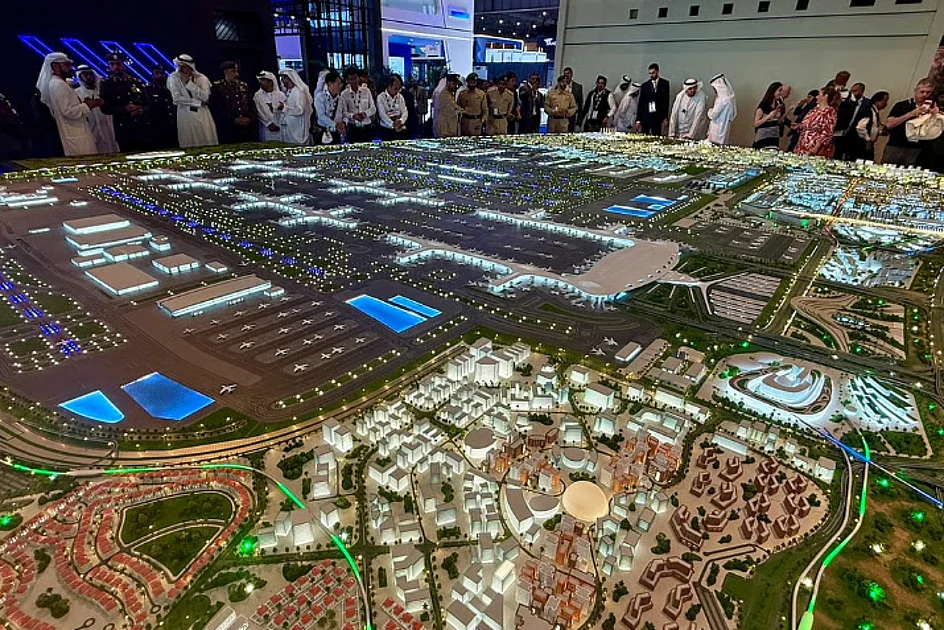
    Dubai South’s residential communities are positioned to attract substantial end-user demand as infrastructure development around Al Maktoum International Airport accelerates, creating unprecedented employment opportunities and housing needs. Industry analysts confirm that southern Dubai communities maintain competitive affordability compared to established urban centers, driving increased buyer interest.

    According to Metropolitan Premium Properties’ Deputy Director Himanshi Trivedi, areas combining infrastructure investment, lifestyle appeal, and long-term value will experience strongest demand. “Dubai South will continue attracting end-users and investors due to affordability and airport-led growth,” Trivedi stated, highlighting the region’s strategic advantages.

    The ongoing development of Al Maktoum International Airport, slated to become the world’s largest aviation facility upon its 2032 opening, is projected to generate residential requirements for over one million residents. Dubai World Central (DWC) has been master-planned as a self-sufficient urban center featuring comprehensive amenities including educational institutions, healthcare facilities, retail destinations, and recreational spaces—critical factors for permanent residents rather than speculative investors.

    Market data from Betterhomes indicates heightened developer focus on Dubai Investment Park, Jumeirah Village Circle, Dubai South Residential District, Al Furjan, and Town Square communities. This shift responds to growing demand stimulated by airport relocation plans and associated economic expansion.

    Range International Properties Senior Consultant Humaira Vaqqas anticipates a fundamental market transformation beginning in 2026, noting: “The area is expected to shift from investor-driven to end-user-focused, particularly for families and professionals employed nearby.” Vaqqas emphasized that infrastructure development and improved connectivity will enhance livability for long-term residents.

    The airport expansion is projected to generate thousands of direct and indirect employment opportunities across aviation, logistics, hospitality, and support sectors. This employment surge, coupled with comparatively affordable property prices and larger unit sizes, makes Dubai South particularly attractive for first-time buyers and families seeking value beyond established urban corridors.

    Rising rental rates across Dubai may further incentivize long-term tenants working in proximity to purchase properties rather than continue renting. Strong government backing and comprehensive urban planning provide buyers confidence in the area’s sustainable development and future value appreciation potential.

  • Visual displays illuminate art district’s New Year celebration

    Visual displays illuminate art district’s New Year celebration

    Beijing’s iconic 798 Art District transformed into a breathtaking digital canvas on New Year’s Eve, welcoming 2026 with an innovative celebration that merged cutting-edge technology with industrial heritage. The “Start New Year with Art” event attracted numerous visitors and local residents who engaged with interactive installations, including signature boards bearing messages like “Hi, My Dear Beijing” and “Happy New Year.

    Breaking from traditional single-countdown formats, this year’s celebration featured multiple synchronized countdown points distributed throughout the former industrial complex. The architectural centerpiece—the 100-meter-tall No 6 Chimney—became a dynamic display tower illuminated by digital fireworks that captivated audiences and drew collective gazes skyward.

    The event presented a sophisticated integration of digital art projections against the backdrop of preserved industrial structures, creating a striking contrast between historical architecture and contemporary visual technology. A massive 400-square-meter screen installed at one of the district’s main plazas showcased diverse artistic performances, including demonstrations of intangible cultural heritage.

    Beyond the visual spectacle, the celebration extended into the commercial sphere with over 50 restaurants and creative art retailers remaining open throughout the evening, offering visitors a comprehensive cultural and culinary experience that extended well into the new year.

  • BBC reports from the scene of Swiss resort bar fire

    BBC reports from the scene of Swiss resort bar fire

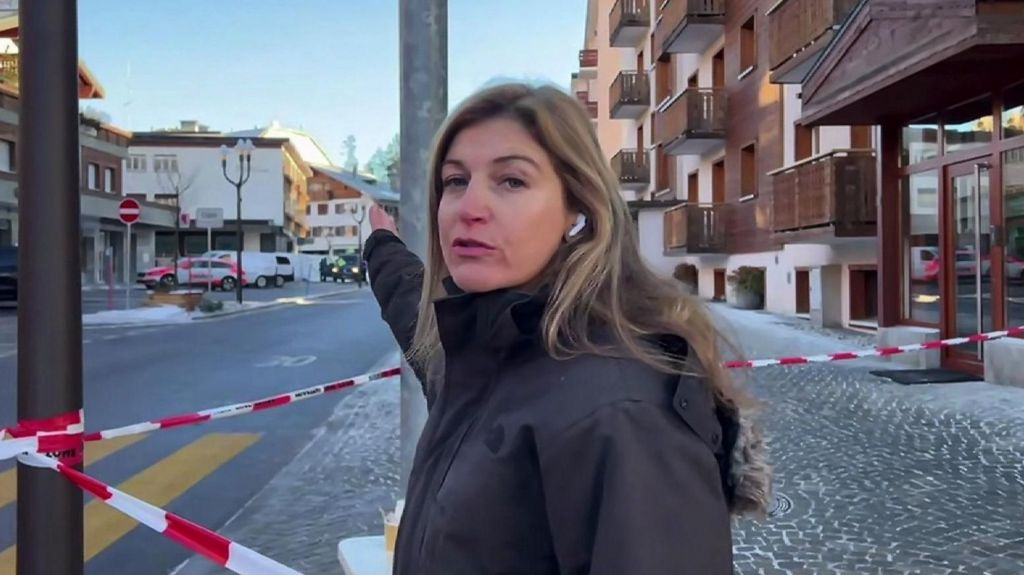
    A devastating fire erupted at a popular Swiss alpine resort during New Year’s Eve festivities, resulting in what authorities fear to be dozens of fatalities. The blaze tore through a crowded bar area where revelers had gathered to welcome the new year, transforming celebrations into tragedy within moments.

    Emergency responders from multiple jurisdictions rushed to the scene amid chaotic conditions, battling both the flames and challenging winter weather. Witnesses described scenes of panic as smoke rapidly filled the establishment, with some patrons attempting to escape through windows and emergency exits.

    The resort, located in the picturesque Alps region, typically draws international visitors during the holiday season. Local authorities have launched a comprehensive investigation into the fire’s origins while international assistance has been offered to help identify victims and support grieving families.

    This incident represents one of Europe’s most significant fire tragedies in recent years, raising urgent questions about safety protocols in seasonal entertainment venues. The Swiss government has announced plans for a nationwide review of fire safety standards at public gathering places following the catastrophic event.