作者: admin

  • Xiamen-Jinmen ferry route marks 25 years

    Xiamen-Jinmen ferry route marks 25 years

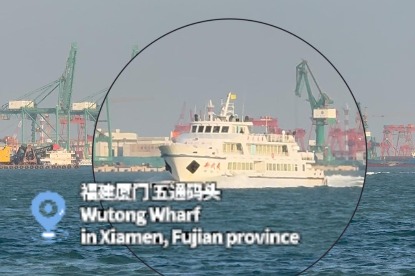
    The Xiamen-Jinmen ferry route, affectionately dubbed the ‘marine shuttle,’ commemorates its 25th anniversary of continuous operation this January. Since its inaugural journey on January 2, 2001, this critical maritime corridor has facilitated over 23 million passenger trips between mainland China’s Fujian province and the Taiwanese island of Jinmen.

    The route has earned its reputation as an essential transportation link through its exceptional operational efficiency. With a sailing duration of approximately thirty minutes, frequent daily departures, and affordable pricing structure, the service has become the preferred choice for cross-strait travelers. The implementation of intelligent customs clearance systems has further streamlined the journey, reducing processing times and enhancing the overall passenger experience.

    This maritime connection represents more than mere transportation infrastructure—it symbolizes the enduring cultural and economic ties between the coastal city of Xiamen and the Jinmen islands. The ferry service has played a pivotal role in fostering people-to-people exchanges, facilitating business interactions, and strengthening familial bonds across the Taiwan Strait.

    The anniversary highlights the route’s transformation into a model of cross-strait connectivity, demonstrating how practical cooperation can benefit communities on both sides. Its quarter-century of successful operation stands as testament to the importance of maintaining and developing transportation links that serve both practical needs and broader relationship-building objectives.
  • Drones could save vaccine wastage in rural Rwanda

    Drones could save vaccine wastage in rural Rwanda

    A groundbreaking initiative led by the University of Birmingham is transforming vaccine distribution in remote regions of Africa through innovative drone technology. Research indicates that approximately 25% of vaccine doses in certain African areas are currently discarded due to temperature control failures during storage and transportation.

    Professor Chris Green, who divides his time between the NHS and the University of Birmingham, alongside PhD researcher Gilbert Rokundo from the Rwanda Biomedical Centre, has pioneered a solution using Rwanda’s established drone delivery infrastructure. The country already utilizes commercial drone services for transporting blood and medical supplies to inaccessible regions.

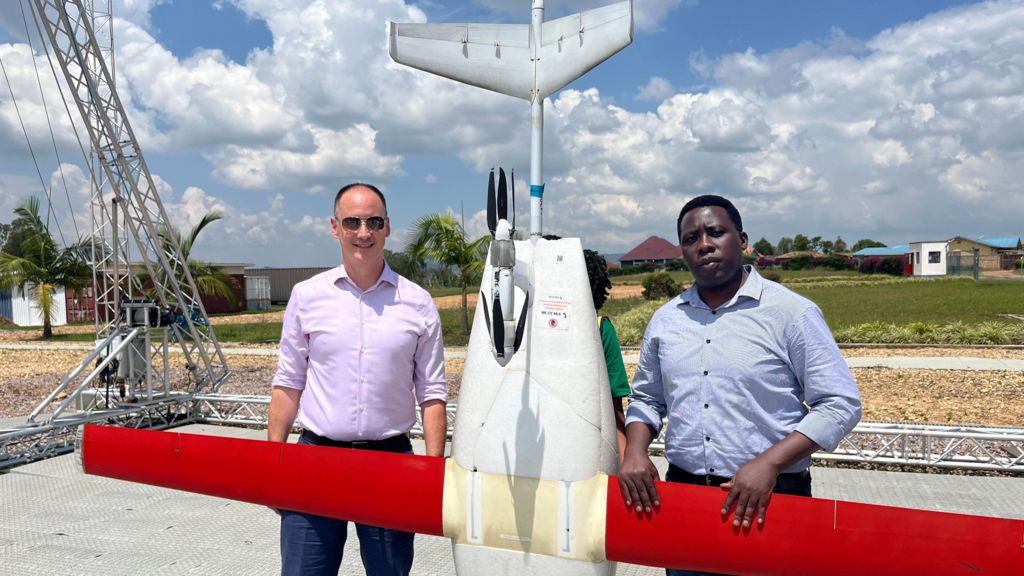
    The research demonstrates how fixed-wing drone aircraft, launched via catapult systems, can deliver temperature-sensitive vaccines from centralized storage facilities to remote clinics within 45 minutes anywhere in Rwanda. Medical staff simply text or email requests as patients arrive for immunization, with vaccines arriving via parachute-dropped shoebox-sized packages before registration processes are complete.

    This approach has dramatically reduced on-site vaccine storage needs by up to 90% in participating clinics while maintaining uninterrupted immunization services. The drones complete their missions by returning to stations where they are captured by wires between two towers, refueled, and prepared for subsequent flights.

    Although still in early data analysis stages, the project shows significant promise for expanding vaccine accessibility while reducing waste across developing regions with challenging terrain and unreliable infrastructure.

  • A fire in an Swiss ski resort bar has left about 40 people dead

    A fire in an Swiss ski resort bar has left about 40 people dead

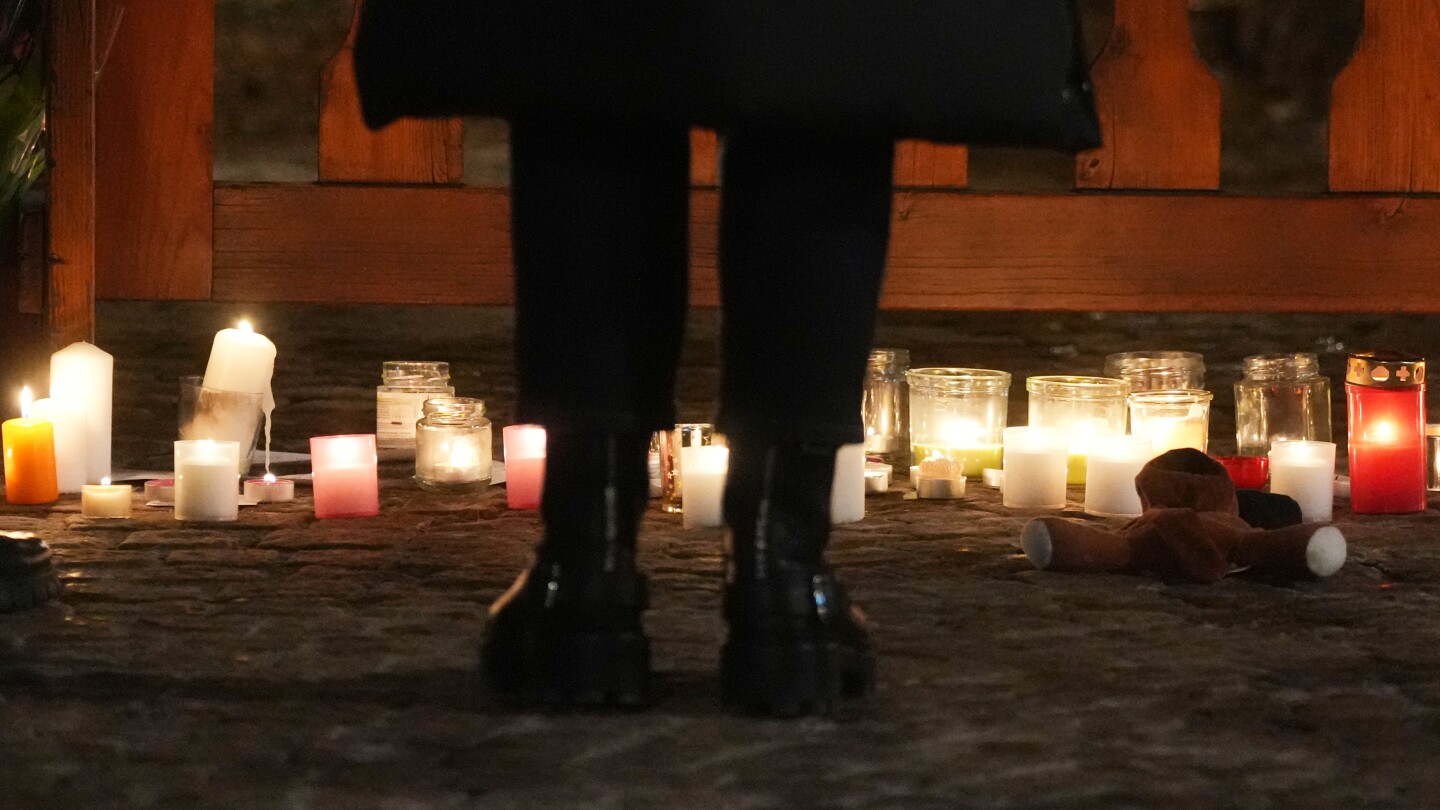
    CRANS-MONTANA, Switzerland — A festive New Year’s celebration at Le Constellation bar in the prestigious Crans-Montana ski resort descended into unimaginable tragedy when a rapidly spreading fire engulfed the crowded venue shortly after midnight Thursday. The catastrophic blaze resulted in approximately 40 fatalities and left 115 individuals with serious injuries, marking one of Switzerland’s most devastating modern disasters.\n\nEyewitness accounts describe scenes of chaos and desperation as revelers fought to escape the inferno. Sixteen-year-old Parisian Axel Clavier recounted his narrow escape after forcing a window open with a table. \”I felt like I was suffocating,\” Clavier told The Associated Press, noting he lost personal belongings but survived while one of his friends perished in the flames.\n\nInitial witness testimonies suggest the fire may have originated from celebratory sparklers attached to Champagne bottles. Two women interviewed by French broadcaster BFMTV described seeing bartenders engaging in festive displays with lit candles in bottles before flames suddenly spread upward, causing the wooden ceiling to collapse.\n\nThe subsequent panic triggered a deadly crowd surge as patrons attempted to flee the basement nightclub through a narrow staircase and single exit. Witnesses reported people smashing windows to escape, with some sustaining grave injuries in the process. Distraught parents rushed to the scene searching for their children amid the chaos.\n\nValais Canton authorities have launched a comprehensive investigation into the tragedy. Police commander Frédéric Gisler confirmed ongoing efforts to identify victims, acknowledging the community remains \”devastated.\” Attorney General Beatrice Pilloud emphasized that while the cause remains undetermined, there is \”no question of any kind of attack\” and no suspects have been identified.\n\nThe resort town, situated in the heart of the Swiss Alps approximately 5 kilometers from Sierre—site of another tragic incident in 2012—typically bustles with winter sports enthusiasts. Authorities have urged caution to prevent additional accidents that could strain overwhelmed medical resources.\n\nSwiss President Guy Parmelin, addressing the nation on his first day in office, praised emergency responders confronted with \”scenes of indescribable violence and distress,\\” calling for unity and dignity in the face of tragedy.

  • Kim’s daughter visits family mausoleum, promoting her potential status as heir in North Korea

    Kim’s daughter visits family mausoleum, promoting her potential status as heir in North Korea

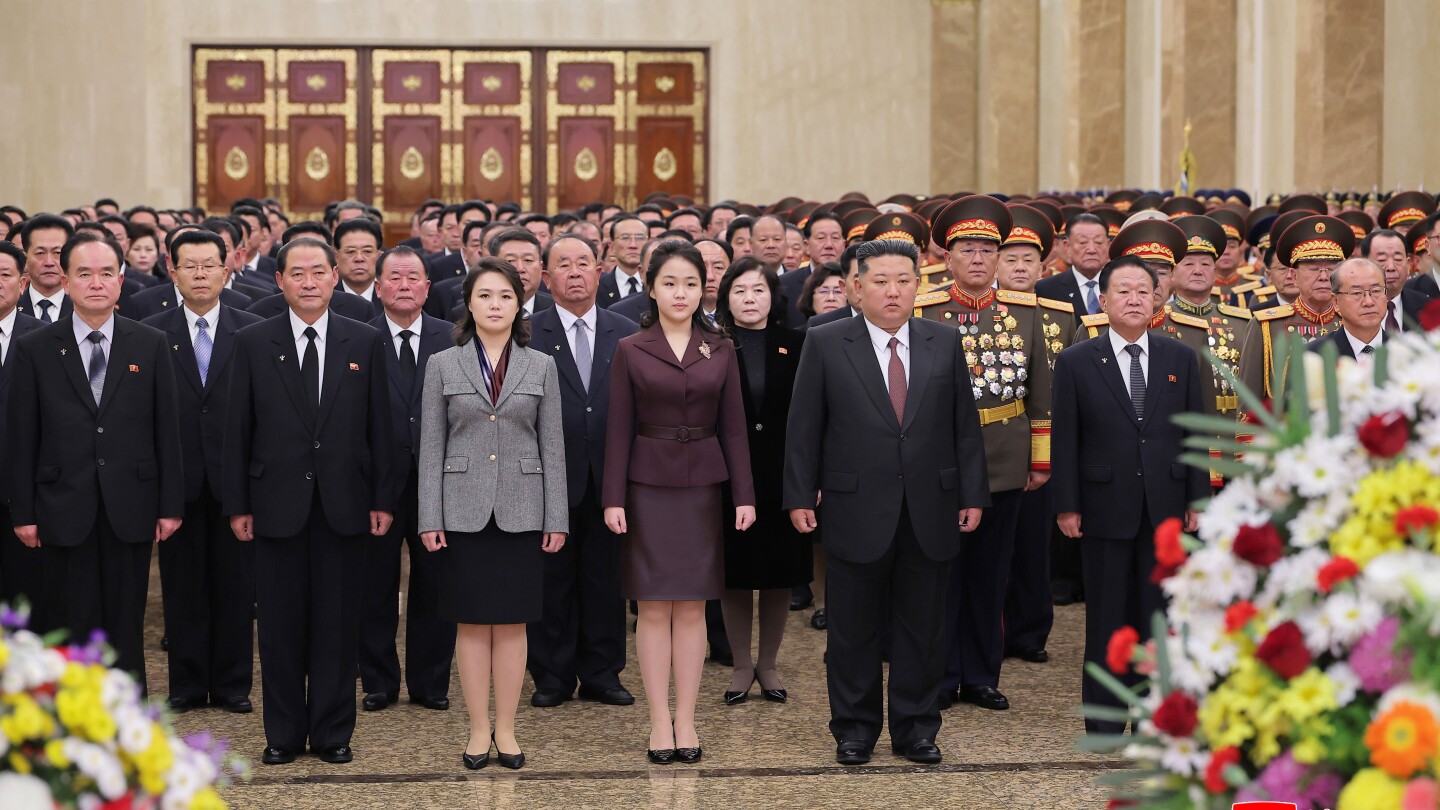
    In a significant political gesture, Kim Ju Ae, the approximately 13-year-old daughter of North Korean leader Kim Jong Un, has made her inaugural visit to the Kumsusan Palace of the Sun—the sacred mausoleum housing the embalmed remains of her grandfather and great-grandfather. The New Year’s Day event, documented extensively by state media, showed the teenager standing alongside her parents in the front row and performing deep bows at the revered site.

    Analysts interpret this carefully orchestrated appearance as a strategic move to bolster her legitimacy within the ruling dynasty. Cheong Seong-Chang of South Korea’s Sejong Institute noted that the palace ‘symbolizes the legitimacy of the North Korean regime,’ making her presence there ahead of the upcoming Workers’ Party congress particularly meaningful.

    The timing fuels ongoing speculation about her political future. Some experts suggest Kim Jong Un might appoint his daughter to the powerful position of first secretary—the party’s second-highest office—during the forthcoming congress. Others contend her youth makes such a high-profile appointment improbable, suggesting instead a more gradual introduction through lower-level positions.

    Kim Ju Ae has steadily grown her public profile since her November 2022 media debut, accompanying her father to military parades, missile tests, and even a diplomatic visit to Beijing. Recent displays of familial affection, including a New Year’s cheek kiss, further emphasize her privileged position within the leadership structure.

    While South Korea’s intelligence agency has identified her as the probable successor, debate persists among outside experts who cite Kim Jong Un’s relatively young age and North Korea’s profoundly patriarchal power structures as complicating factors. The upcoming party congress, the first in five years, is expected to address policy priorities and leadership reshuffling, potentially providing clearer signals about the country’s succession plans.

  • Shares climb in Asia, and South Korea’s Kospi hits a record close, in an upbeat start to 2025

    Shares climb in Asia, and South Korea’s Kospi hits a record close, in an upbeat start to 2025

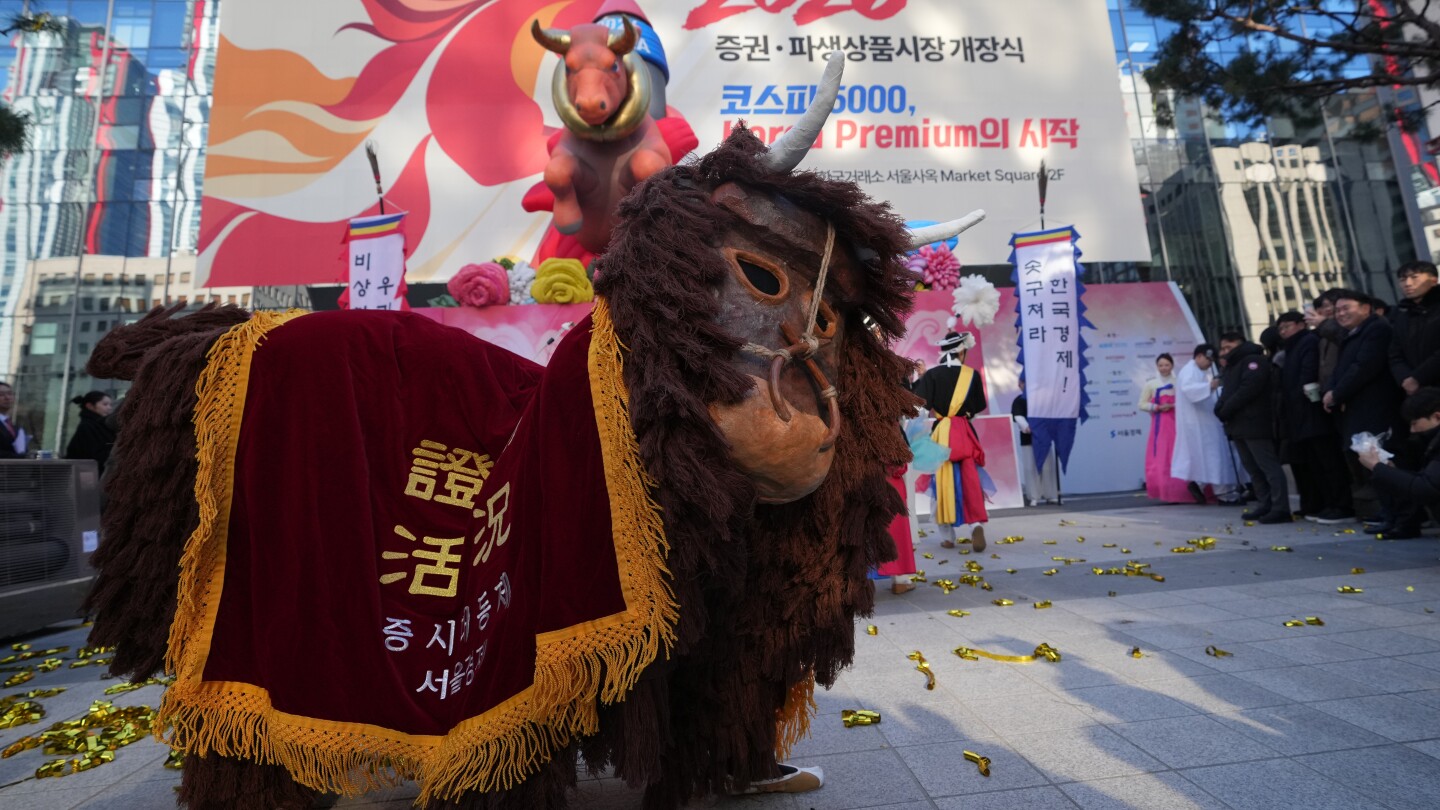
    Asian financial markets launched 2026 with substantial gains, propelled by sustained optimism surrounding artificial intelligence infrastructure demands. South Korea’s benchmark Kospi index closed Friday at an unprecedented peak of 4,309.63, marking a 2.3% surge. This performance was largely driven by semiconductor giants Samsung Electronics and SK Hynix, which soared 7.2% and 4% respectively, reflecting investor confidence in AI-related chip manufacturing.

    Hong Kong’s Hang Seng index demonstrated remarkable strength with a 2.6% advance to 26,283.53, powered by robust technology sector performance. E-commerce leader Alibaba climbed 3.7%, while Baidu—developer of the Ernie chatbot—jumped 9.5% following its announcement to spin off its AI chip unit Kunlunxin for a potential Hong Kong listing in early 2027, pending regulatory approvals.

    Regional markets showed broad positivity with Australia’s S&P/ASX 200 edging 0.2% higher to 8,727.30, Taiwan’s Taiex gaining 1.3%, and India’s Sensex adding 0.6%. Trading remained suspended in Tokyo, Shanghai, Bangkok, and Wellington markets.

    This bullish opening continues 2025’s exceptional performance where the S&P 500 achieved 39 record highs with a 16.4% annual gain, while the Nasdaq and Dow Jones posted advances of 20.4% and 13% respectively. Market analysts attribute this sustained growth to AI-driven profit expectations, Federal Reserve interest rate reductions, and stabilized trade policies.

    Commodity markets mirrored equity enthusiasm with silver rebounding 4% after a previous session decline, having gained over 140% throughout 2025. Gold advanced 1% following its 63.7% annual increase, while U.S. benchmark crude oil rose to $57.88 per barrel amid broader market optimism.

  • Japan’s emperor and his family greet New Year well-wishers

    Japan’s emperor and his family greet New Year well-wishers

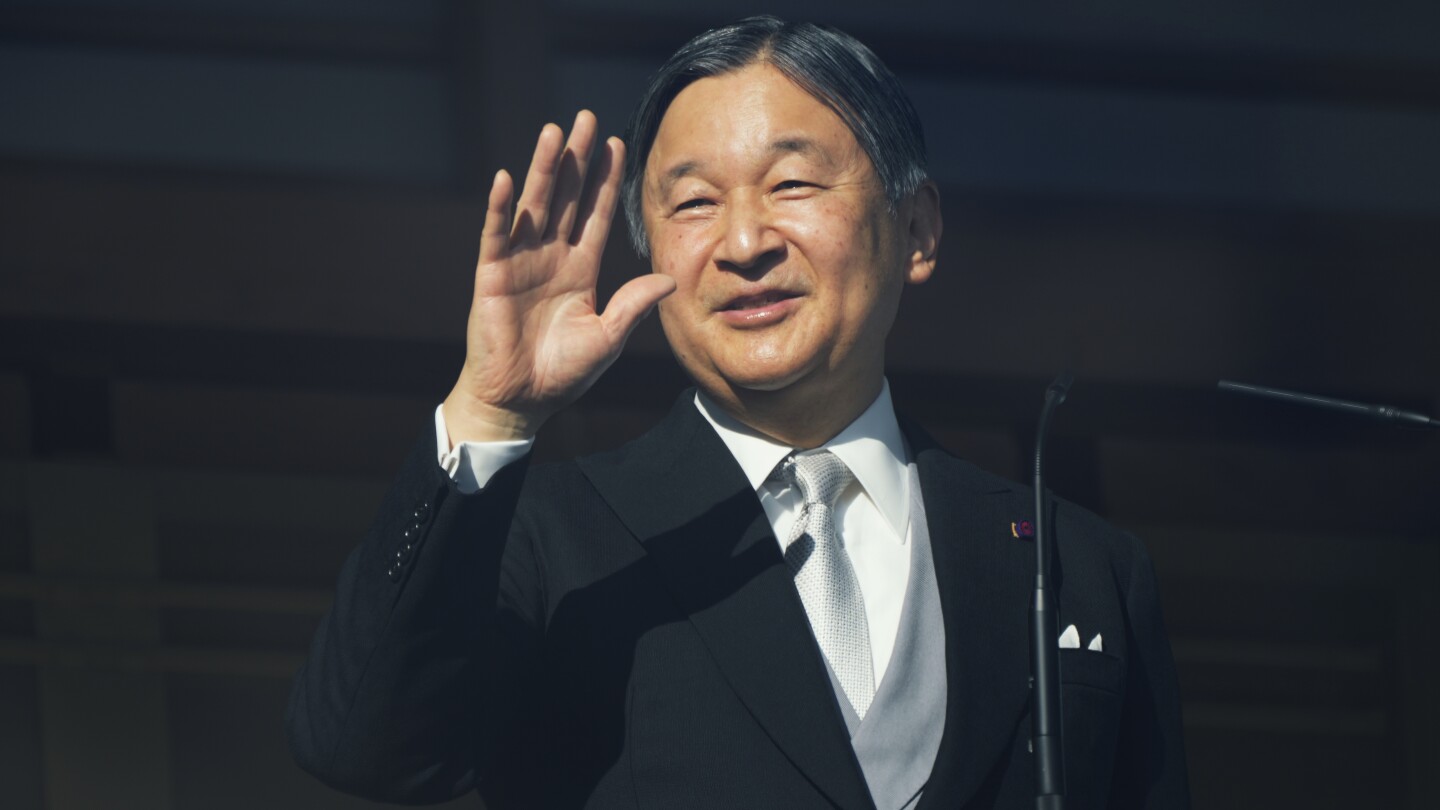
    TOKYO — Emperor Naruhito of Japan delivered a poignant message of peace during the Imperial Palace’s annual New Year greeting ceremony on Friday, marking a significant moment of public engagement for the world’s oldest continuous monarchy. The Emperor, accompanied by Empress Masako and senior royal family members, addressed thousands of flag-waving well-wishers who braved winter temperatures to gather at the palace’s typically restricted grounds.

    The appearance carried particular significance as Naruhito referenced the 80th anniversary of World War II’s conclusion in his pre-released statement. ‘I profoundly believe in the critical importance of persistent efforts toward dialogue among peoples,’ the Emperor emphasized, ‘striving to enhance mutual understanding to construct a peaceful world.’ This message resonated against the backdrop of ongoing global conflicts and domestic challenges.

    The event marked a return to normalcy after recent cancellations, including last year’s absence due to the devastating Noto Peninsula earthquake and previous years impacted by pandemic restrictions. The full imperial contingent present included Princess Aiko, the imperial couple’s only child, whose presence highlighted ongoing national discussions regarding male-only succession laws. Also drawing attention was Emperor Emeritus Akihito, who abdicated in 2019, making a rare public appearance alongside Empress Emerita Michiko.

    Beyond geopolitical concerns, the Emperor addressed recent natural disasters affecting Japan, including earthquakes, severe weather events, and wildfires, expressing solidarity with affected communities. The ceremony represented both tradition and evolution for the Chrysanthemum Throne, balancing ceremonial pageantry with contemporary relevance in modern Japanese society.

  • Japan PM joins fight for more female toilets in parliament

    Japan PM joins fight for more female toilets in parliament

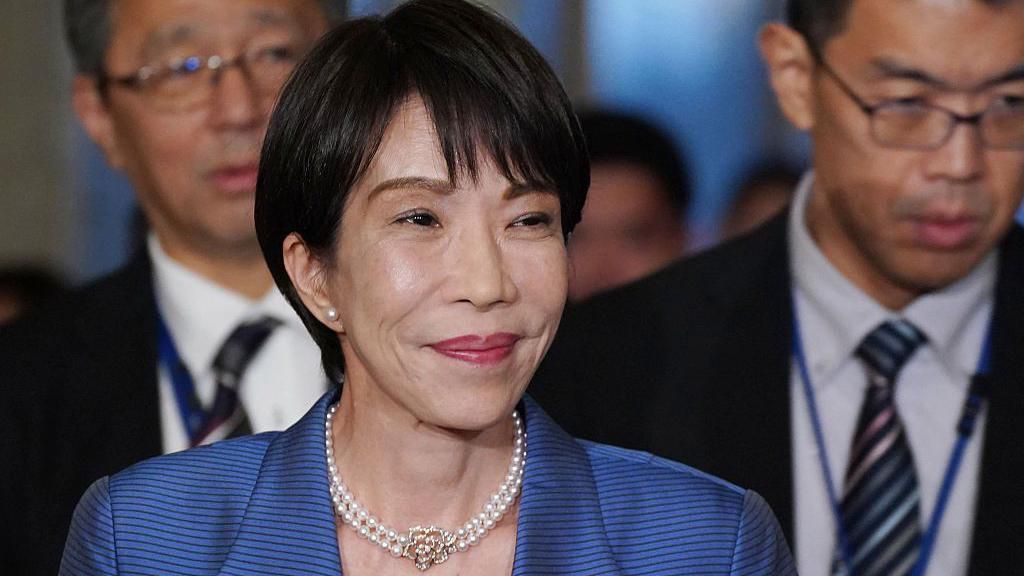
    In a landmark move highlighting infrastructure gender gaps, approximately 60 female Japanese parliamentarians including Prime Minister Sanae Takaichi have formally requested expanded women’s restroom facilities within the National Diet building. This initiative comes following October 2024’s historic election that seated 73 women in the 465-member Lower House, surpassing the previous record of 54 set in 2009.

    The petition reveals significant disparities: while male legislators enjoy access to 12 restrooms containing 67 stalls and urinals throughout the parliamentary complex, female members share merely nine restrooms with only 22 total cubicles. Most critically, just one women’s facility with two stalls serves the crucial plenary chamber area where legislators gather for major sessions.

    Opposition lawmaker Yasuko Komiyama of the Constitutional Democratic Party detailed the practical consequences: ‘Long queues consistently form before plenary sessions commence, prompting some colleagues to abandon restroom use entirely beforehand.’ The situation compounds as female staff and visitors must share these inadequate facilities.

    This infrastructure deficiency originates from the building’s 1936 construction, predating women’s suffrage (granted 1945) and the first female parliamentarians (1946). The sprawling structure encompasses over 53,000 square meters but remains structurally unchanged despite evolving demographic realities.

    Komiyama framed the issue symbolically: ‘I want to raise my voice preparing for when women exceed 30% parliamentary representation.’ Lower House committee chair Yasukazu Hamada has reportedly expressed willingness to consider the proposal, acknowledging alignment with broader gender equity goals.

    Despite a governmental target for 30% female leadership across sectors by 2020 (later extended to 2030), women currently hold just 16% of Lower House seats. Prime Minister Takaichi—who appointed only two other women to her 19-member cabinet despite Nordic-level representation pledges—now supports addressing this fundamental equity issue.

    The parliamentary restroom shortage mirrors nationwide patterns where queues for women’s public facilities remain commonplace. Former Prime Minister Shigeru Ishiba previously committed to enhancing women’s restroom infrastructure for a society where ‘women can live with peace of mind,’ indicating cross-party recognition of this persistent challenge.

  • UAE citizens travelling to Georgia must have health, accident insurance under new rule

    UAE citizens travelling to Georgia must have health, accident insurance under new rule

    Beginning January 1, 2026, Emirati citizens planning travel to Georgia must obtain both health and accident insurance coverage that meets specific regulatory requirements. The UAE Ministry of Foreign Affairs (Mofa) has instituted this new mandate, which will apply to all citizens departing for Georgia on or after the effective date.

    The insurance documentation must satisfy three critical criteria: Policies must remain valid throughout the entire duration of stay, be issued in either English or Georgian languages, and provide coverage of no less than 30,000 Georgian Lari. The regulations permit policies from reputable international insurance providers, Georgian insurance companies, or coverage obtained through airline carriers.

    Notably, the requirement exempts holders of diplomatic, special, and mission passports from this insurance mandate. This regulatory change emerges as the UAE maintains its position as holder of the world’s most powerful passport for the seventh consecutive year according to the 2025 Passport Index by Arton Capital. The insurance requirement underscores the growing importance of comprehensive travel protection even for citizens of nations with strong international mobility privileges.

  • Trump says health is ‘perfect’ amid ageing concerns

    Trump says health is ‘perfect’ amid ageing concerns

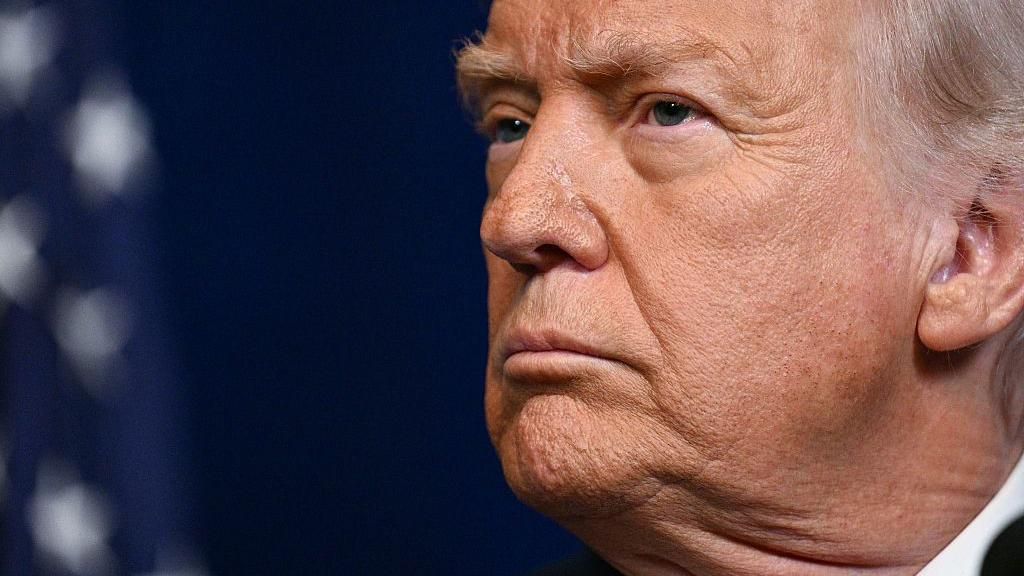
    In a remarkably transparent interview with The Wall Street Journal, former President Donald Trump disclosed unconventional health management approaches that contradict standard medical advice. The 79-year-old, who holds the distinction of being the oldest inaugurated president in American history, revealed he consistently exceeds recommended aspirin dosage, employs cosmetic solutions to conceal bruising, and avoids structured exercise regimens due to personal preference.

    Trump acknowledged taking 325mg of aspirin daily—significantly above the 81mg dose commonly recommended by physicians—citing blood thinning benefits despite recognizing the medication contributes to his susceptibility to bruising. ‘They say aspirin is good for thinning out the blood, and I don’t want thick blood pouring through my heart,’ Trump explained, adding his reluctance to alter a quarter-century routine due to superstition.

    The interview included a correction regarding his recent medical examination. Contrary to his previous public statements, Trump confirmed he underwent a CT scan rather than an MRI at Walter Reed National Medical Center in October. His physician, Navy Capt. Sean Barbabella, provided documentation confirming the CT scan was administered to eliminate cardiovascular concerns and revealed no abnormalities.

    Regarding visible signs of aging that have sparked public discussion, Trump offered alternative explanations. He characterized closed eyes during meetings as ‘relaxing’ rather than sleeping, and attributed photographic evidence of drowsiness to poorly timed blinking captures. For hand bruising, he revealed carrying makeup for quick coverage when his hands get ‘whacked’—a process he claims takes approximately ten seconds.

    Trump expressed frustration with ongoing public scrutiny of his health, which he repeatedly described as ‘perfect.’ He rejected medical advice to wear compression socks for diagnosed chronic venous insufficiency, instead opting for more frequent movement from his desk to address leg swelling. His only acknowledged physical activity remains golf, as he finds treadmill exercise ‘boring’ and unsuitable for his preferences.

    Despite these unconventional approaches, Trump’s physician affirmed in an official statement that the former president maintains ‘exceptional health and [is] perfectly suited to execute his duties as Commander in Chief.’

  • UAE President, Emir of Qatar discuss regional developments in phone call

    UAE President, Emir of Qatar discuss regional developments in phone call

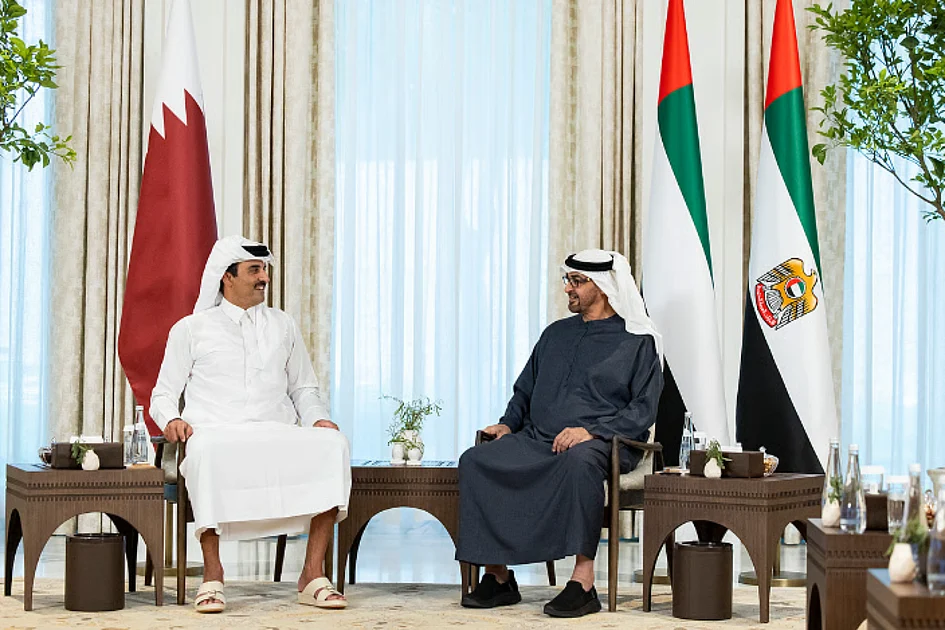
    In a significant diplomatic engagement, UAE President Sheikh Mohamed bin Zayed Al Nahyan and Qatari Emir Sheikh Tamim bin Hamad Al Thani convened via telephone on January 1, 2026, marking a pivotal moment in Gulf cooperation. The high-level discussion focused on reinforcing bilateral relations and exploring enhanced collaborative frameworks between the two nations.

    The leaders conducted comprehensive talks addressing regional geopolitical developments and matters of shared concern, signaling a coordinated approach to Middle Eastern affairs. This exchange represents continued diplomatic normalization following the resolution of the Gulf diplomatic crisis that previously affected regional relations.

    Official communications from both governments emphasized the constructive nature of the dialogue, which aimed at identifying mutual benefits for their respective populations. The conversation reflects ongoing efforts to strengthen Gulf Cooperation Council unity amid complex regional dynamics, including security challenges and economic opportunities.

    This diplomatic exchange follows recent regional developments that necessitate coordinated leadership responses. Both leaders expressed commitment to maintaining open channels of communication and regular high-level consultations to address evolving situations in the Middle East.