作者: admin

  • Defense ministry rebuffs criticism over drills around Taiwan

    Defense ministry rebuffs criticism over drills around Taiwan

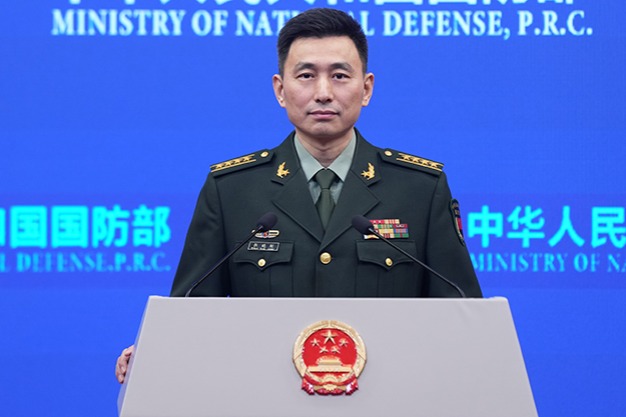
    China’s Ministry of National Defense has firmly rejected international criticism of its recent military exercises around Taiwan, characterizing them as necessary measures to counter separatist activities and foreign interference. Defense spokesman Zhang Xiaogang stated that the ‘Justice Mission 2025’ drills conducted by the People’s Liberation Army’s Eastern Theater Command were designed to test integrated joint combat capabilities while demonstrating military readiness to preserve territorial integrity.

    The exercises, which drew concern from Western governments including the United States, Japan, Australia, and the European Union, were described by Zhang as ‘completely legitimate, necessary and beyond reproach.’ He emphasized that Taiwan constitutes an inalienable part of Chinese territory and that related matters remain exclusively internal affairs permitting no external intervention.

    Zhang identified ‘Taiwan independence’ separatism and its external supporters as the primary threats to regional stability, asserting that provocative actions crossing established red lines would inevitably trigger resolute countermeasures. While affirming China’s commitment to peaceful development, he clarified that peace would not be exploited as pretext to restrain legitimate responses to separatist challenges.

    The spokesman urged international actors to adhere to the one-China principle and cease support for pro-independence elements in Taiwan. He additionally called on Taiwanese residents to recognize the dangers posed by current leadership policies and prioritize safeguarding their security interests.

    The Ministry concluded that Chinese armed forces would maintain heightened combat readiness to defeat any independence movements, counter foreign interference, and protect national sovereignty through continued demonstration of operational capabilities.
  • Director of Swiss hospital describes the rush to treat the injured from Alpine resort bar fire

    Director of Swiss hospital describes the rush to treat the injured from Alpine resort bar fire

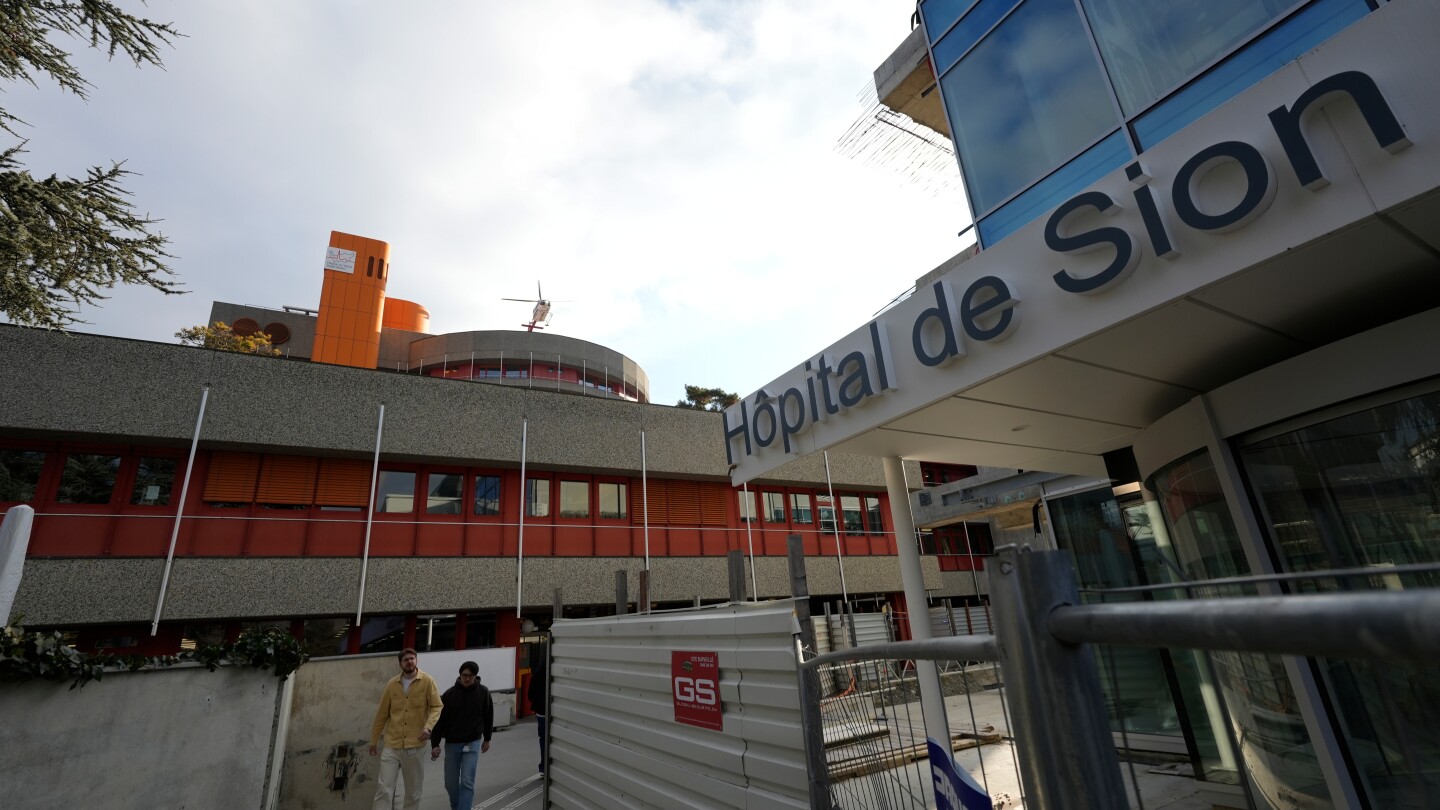
    SION, Switzerland — The regional hospital in this Alpine city found itself at the epicenter of a catastrophic medical emergency when dozens of severely burned young revelers arrived following a devastating fire at Le Constellation bar in Crans-Montana during New Year’s Eve celebrations.

    Despite being accustomed to handling winter sports injuries, medical staff at Sion Hospital faced an unprecedented challenge as they received approximately 80 seriously injured patients within a mere three-hour window. The victims, predominantly teenagers and young adults with an average age of 20, presented complex burn injuries that required immediate and specialized care.

    Hospital General Director Eric Bonvin described the extraordinary response from medical personnel, many of whom abandoned their holiday celebrations to voluntarily assist overwhelmed colleagues. “Many people came spontaneously, even those who were on holiday or having a night out,” Bonvin noted, highlighting the dedication of staff who worked while uncertain whether their own relatives might be among the casualties.

    The medical complexities extended beyond visible burns, with many patients suffering from inhaled superheated air that caused internal airway burns—a particularly devastating injury pattern. Bonvin explained the diagnostic challenges: “Burns are not necessarily apparent initially because nerve endings are destroyed and feelings are lost. The person is primarily in a state of shock, and at those moments, every minute counts.

    The hospital, though lacking a specialized burn unit, mobilized all available resources, opening every surgical operating room and maximizing intensive care capacity. Despite these efforts, the facility quickly reached maximum occupancy, necessitating transfers to other medical centers. By Friday, approximately 30 critically injured patients remained under care at Sion Hospital.

    Bonvin tempered his sobering medical assessment with cautious optimism, noting that the youth of most victims could significantly enhance recovery prospects. However, he emphasized that those with severe burns face months of intensive treatment and a long, arduous rehabilitation process.

    The psychological impact on both victims and caregivers has been profound, with Bonvin acknowledging the trauma of treating young patients from a popular local establishment where many staff members likely knew attendees personally.

  • Delhi flights disrupted, as smog, dense fog lower AQI to ‘very poor’

    Delhi flights disrupted, as smog, dense fog lower AQI to ‘very poor’

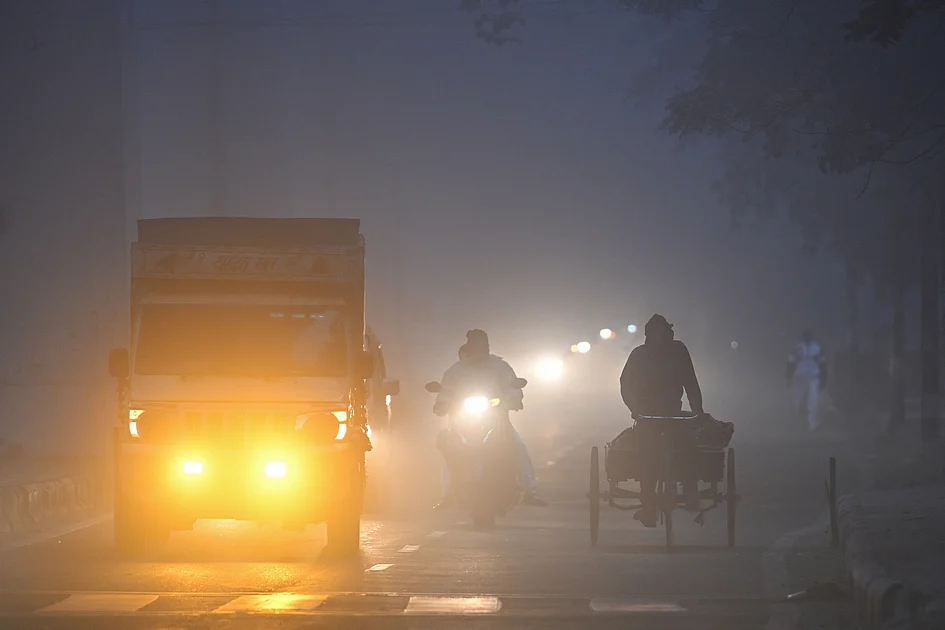
    A severe combination of toxic smog and dense fog enveloped New Delhi on Friday, January 2nd, 2026, creating hazardous conditions that significantly disrupted air travel and daily life. The capital’s Indira Gandhi International Airport experienced substantial flight delays and cancellations as visibility dropped dramatically across the city.

    Airline IndiGo had proactively issued a travel advisory on January 1st, warning passengers of anticipated disruptions. The carrier preemptively canceled several early-morning flights to minimize passenger inconvenience. Travelers were strongly advised to verify their flight status via official channels before heading to the airport, with airline teams actively monitoring conditions and assisting affected customers.

    The environmental crisis was quantified by the Central Pollution Control Board, which recorded an overall Air Quality Index (AQI) of 348 at approximately 8 a.m.—a reading that borders the ‘very poor’ and ‘severe’ classification. Monitoring stations throughout Delhi consistently reported AQI levels ranging from 219 to 348, indicating widespread dangerously poor air quality.

    Despite the challenging conditions, Republic Day preparations continued with security personnel and parade participants persevering through the low visibility at India Gate. The India Meteorological Department reported temperatures around 11°C alongside persistent dense fog, with forecasts suggesting improving conditions beginning Saturday. The combination of extreme pollution and cold wave conditions significantly disrupted morning routines for residents across multiple areas of the national capital.

  • Zelensky names spy chief to head presidential office

    Zelensky names spy chief to head presidential office

    Ukrainian President Volodymyr Zelensky has undertaken a significant leadership reshuffle by appointing military intelligence chief Kyrylo Budanov as his new Chief of Staff. The decision comes just over a month after former aide Andriy Yermak resigned amidst a widening corruption scandal that has shaken the Ukrainian government.

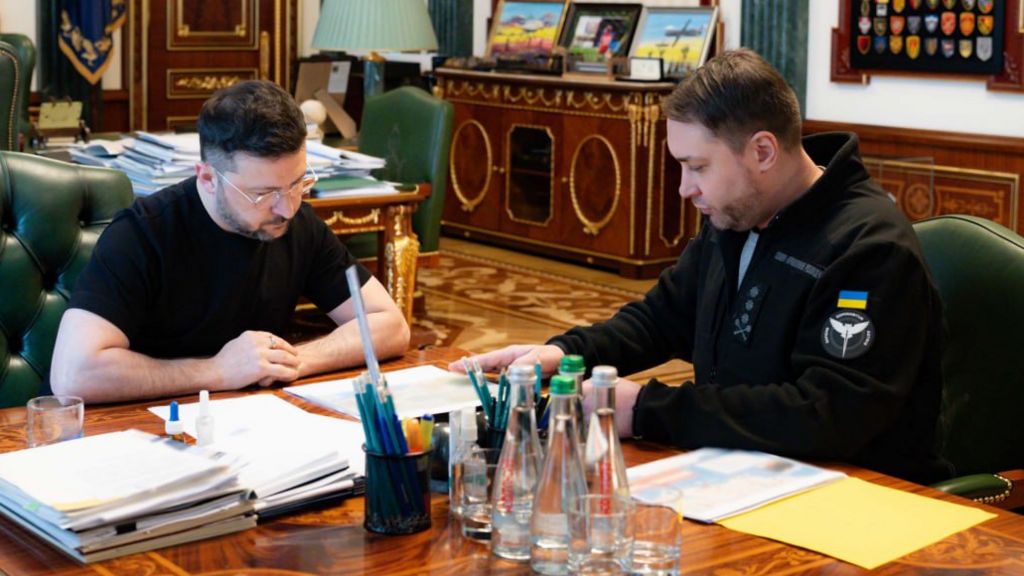
    Zelensky announced the strategic appointment through social media, emphasizing Ukraine’s critical need for enhanced security focus during ongoing hostilities with Russia. The president published an official photograph showing his meeting with Budanov at the presidential office in Kyiv, signaling confidence in his new top advisor.

    Budanov, 39, previously headed Ukraine’s HUR military intelligence agency, where he directed numerous successful operations against Russian forces. His expertise in security matters and defense strategy positioned him as a natural successor during this period of heightened military tensions.

    Yermak’s November departure followed a raid on his Kyiv residence by anti-corruption authorities, though he has not been formally accused of wrongdoing. His exit represented a substantial political setback for Zelensky, particularly as Yermak had wielded considerable influence throughout Russia’s full-scale invasion and led Ukraine’s negotiation team in crucial talks with the United States.

    The leadership change occurs against the backdrop of a major corruption investigation involving alleged embezzlement of approximately $100 million in Ukraine’s energy sector. Anti-corruption agencies have uncovered an extensive scheme involving kickbacks and influence peddling within state-owned enterprises, including nuclear energy provider Enerhoatom.

    This scandal has weakened Zelensky’s domestic standing and complicated Ukraine’s diplomatic position during sensitive negotiations regarding a US-led peace proposal. European allies have supported Kyiv’s efforts to revise terms initially perceived as favoring Russia, while Russian officials have amplified corruption allegations to undermine Ukraine’s international credibility.

    Zelensky has instructed Budanov to immediately review and update key strategic documents concerning Ukraine’s defense foundations, reflecting the administration’s renewed commitment to security priorities amid ongoing conflict and internal challenges.

  • Pakistan sentences journalists, YouTubers and ex-military officers to life over inciting violence

    Pakistan sentences journalists, YouTubers and ex-military officers to life over inciting violence

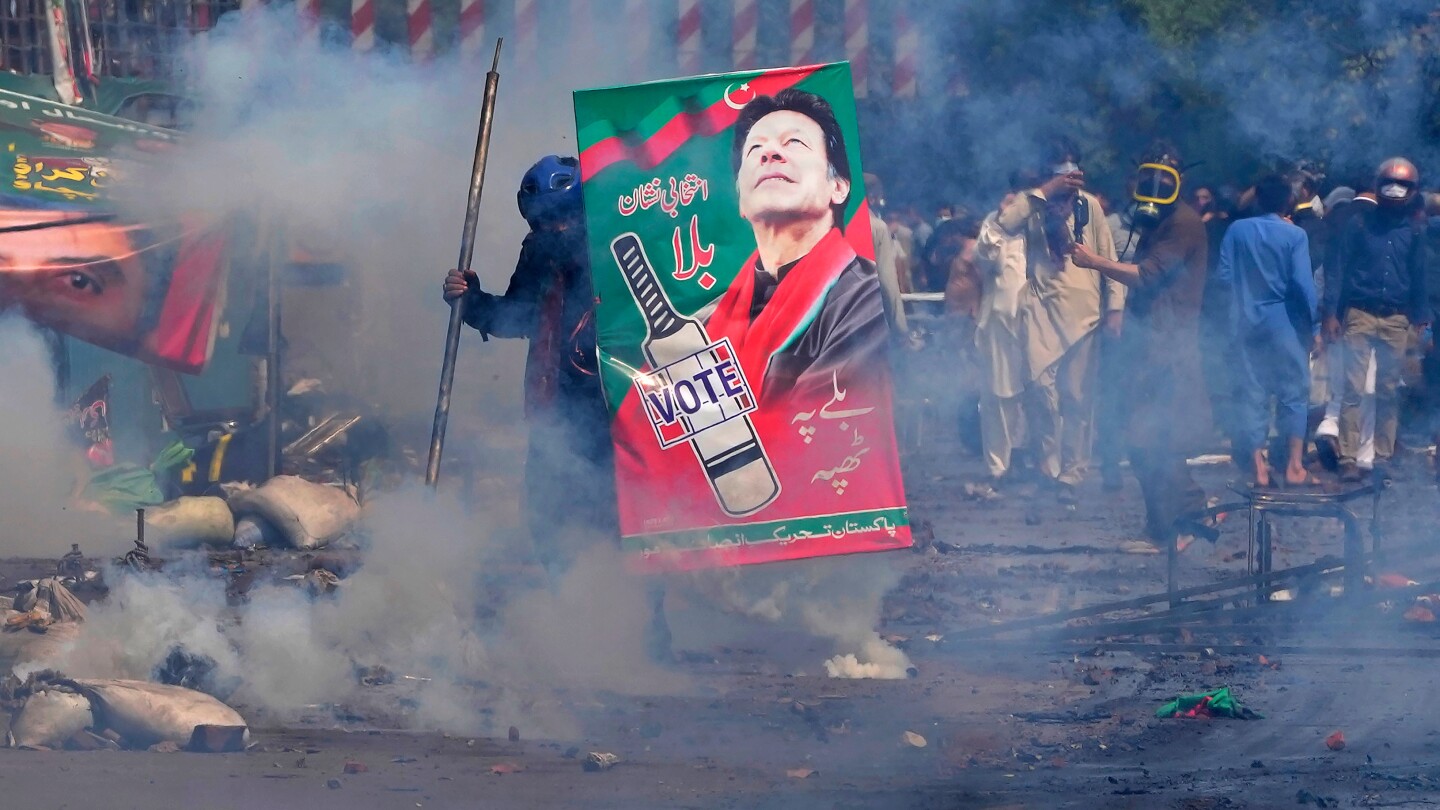
    An anti-terrorism court in Islamabad has delivered a landmark verdict, sentencing seven individuals—including three prominent journalists, two YouTubers, and two retired military officers—to life imprisonment for their roles in instigating widespread violence during May 2023 riots. The convictions stem from coordinated efforts to spread hatred against state institutions following the arrest of former Prime Minister Imran Khan on corruption charges.

    Presiding Judge Tahir Abbas Sipra conducted the trial in absentia, as all convicted individuals had previously fled Pakistan to avoid prosecution. The convicted parties include former editor Shaheen Sehbai, journalists Sabir Shakir and Moeed Pirzada, digital content creators Wajahat Saeed Khan and Haider Raza Mehdi, alongside retired army officers Adil Raja and Akbar Hussain.

    The court found that these individuals, known for their vocal support of Imran Khan, systematically incited violent demonstrations that targeted military installations and government property. The May 2023 unrest witnessed thousands of Khan’s supporters attacking strategic facilities, including the ransacking of a senior army officer’s residence and damaging the state-run Radio Pakistan building.

    Prosecutors established that the convicted parties exploited their media platforms to encourage mob violence after Khan repeatedly attributed his 2022 ouster to a conspiracy involving the United States and Pakistan’s military establishment—allegations denied by all parties involved.

    In response to the verdict, Sabir Shakir—formerly a prominent television host on ARY TV—denounced the ruling as “political victimization” during an interview with The Associated Press. Shakir revealed he had traveled to Saudi Arabia for pilgrimage prior to the riots and subsequently sought political asylum in Britain, anticipating what he described as “fabricated cases” upon potential return to Pakistan.

    The court has granted a seven-day window for appeals while directing authorities to apprehend the convicted individuals should they return to Pakistan. This case unfolds against growing concerns from human rights organizations and journalist unions about shrinking freedom of expression in Pakistan, though the government maintains that media professionals must adhere to ethical standards and journalistic principles.

  • China slashes hundreds of tariffs in strategic trade war twist

    China slashes hundreds of tariffs in strategic trade war twist

    China has unveiled a precisely calibrated tariff reduction strategy that reveals its strategic economic priorities for the coming years. Effective January 1, 2026, Beijing will lower import duties on 935 specific items below Most-Favored-Nation rates, representing not broad trade liberalization but rather a targeted approach to secure critical inputs for industrial advancement.

    The timing follows the fragile stabilization in U.S.-China relations established during the October Busan summit between Presidents Xi Jinping and Donald Trump. Recognizing this diplomatic truce as temporary, China is utilizing this window to accelerate acquisition of technologies it cannot yet produce domestically at scale.

    Analysis of the tariff list reveals three core strategic priorities: technological self-sufficiency, green energy transition, and public health security. Notable inclusions include “intelligent bionic robots,” “bio-aviation kerosene,” artificial blood vessels, and advanced diagnostic kits. The robotics focus particularly addresses China’s demographic challenges through accelerated automation of its shrinking workforce.

    This approach represents a fundamental shift in addressing industrial “involution”—the destructive domestic competition plaguing sectors like electric vehicles. Rather than simply producing more, China aims to produce with greater sophistication by facilitating imports of advanced materials and “black mass” for battery recycling, moving industries up the value chain.

    Diplomatically, the policy maintains zero-tariff treatment for 43 least-developed countries and preferential rates for 34 RCEP trading partners. This dual-purpose strategy anchors Global South nations firmly within China’s economic orbit while creating asymmetric trade relationships that contrast with more contested Western relations.

    The tariff adjustments implement the “high-quality development” mandate of the 15th Five-Year Plan, prioritizing “new quality productive forces” in integrated circuits, aerospace, and biomedicine. Healthcare technology imports have become strategically crucial for maintaining social stability during China’s painful economic transition away from real estate dependence.

    This supply-side transformation represents an investment in the state’s industrial “hardware,” betting that technological advancement will eventually generate high-paying jobs to revive the middle class. The international community should interpret these measures as China’s sophisticated response to decoupling pressures—a “strategic openness” ensuring it remains an indispensable global supply chain node through selective import facilitation rather than comprehensive closure.

  • Russia accuses Ukraine of killing 27 people in New Year attack in occupied Kherson

    Russia accuses Ukraine of killing 27 people in New Year attack in occupied Kherson

    Russian-installed authorities in occupied Kherson have alleged that Ukrainian forces conducted a deadly drone strike on a civilian New Year’s celebration, resulting in significant casualties. According to Vladimir Saldo, the Moscow-appointed regional governor, three unmanned aerial vehicles targeted a coastal cafe and hotel in the village of Khorly, killing at least 27 people and injuring over 30 others.

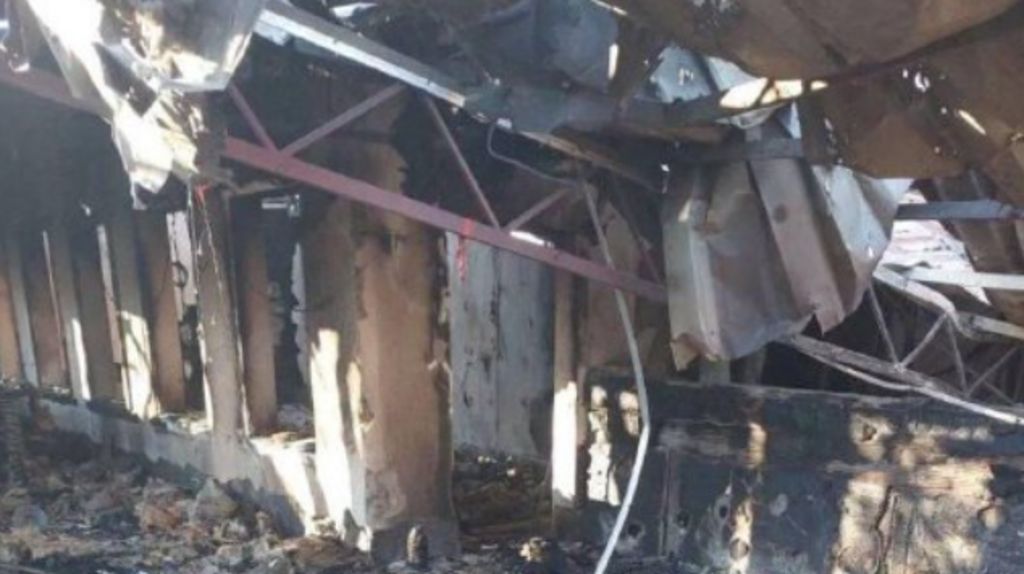
    Russian state media circulated photographs showing extensive structural damage to a three-story building identified as the former ‘Ukrainian House,’ now operating as ‘Buganova’s Cafe.’ One image depicted what appeared to be a body covered by a sheet beneath collapsed roofing materials.

    Ukrainian officials declined to directly address the specific allegations but maintained their adherence to international humanitarian law. A defense forces source quoted by AFP confirmed a military strike occurred but asserted it targeted a closed military gathering rather than civilian facilities.

    The United Nations Human Rights Monitoring Mission in Ukraine acknowledged awareness of the incident and committed to verifying reports of civilian harm in future documentation.

    This incident occurs amid heightened tensions following recent mutual accusations of provocative actions. Russia’s Investigative Committee has launched a formal probe into the attack, while the foreign ministry accused President Zelensky of attempting to intimidate populations in annexed territories.

    The diplomatic context remains complex, with Zelensky recently suggesting a US-brokered agreement with Russia was ‘90% ready’ in his New Year address. Meanwhile, Ukraine’s foreign intelligence service has counter-accused Russia of preparing large-scale provocations with human casualties to undermine peace negotiations.

  • Chauffeur Service UAE launches new luxury transport platform in Dubai

    Chauffeur Service UAE launches new luxury transport platform in Dubai

    Dubai’s premium transportation sector has entered a new era with the official launch of Chauffeur Service UAE’s sophisticated ground mobility platform. This comprehensive system, introduced on January 2, 2026, represents a strategic enhancement to the city’s luxury transport infrastructure, specifically engineered to meet the exacting requirements of business travelers, VIP clients, and discerning visitors.

    The innovative platform features an extensive fleet of meticulously maintained premium vehicles operated by professionally trained chauffeurs. Service offerings encompass hourly rental arrangements, airport transfer solutions, corporate travel programs, inter-emirate long-distance journeys, and specialized event transportation. The operation is bolstered by round-the-clock booking assistance and customer support services.

    Company leadership emphasized the platform’s significance in addressing growing market demands. ‘This initiative marks a substantial advancement for luxury transportation in Dubai,’ stated the CEO. ‘Current market trends indicate increasing preference for chauffeur services that deliver exceptional comfort, absolute discretion, and operational excellence.’

    The revamped system employs a structured vehicle allocation methodology supported by licensed drivers and pre-scheduled routing protocols, aligning with Dubai’s established transportation regulations. Centralized dispatching mechanisms ensure punctual pickups and route consistency across all service categories, maintaining stringent quality and safety standards throughout the customer journey from initial booking to final destination.

    As a Dubai-based enterprise, Chauffeur Service UAE maintains its commitment to safety, professionalism, and reliability while supporting the emirate’s positioning as an international business and tourism destination. This development reflects the expanding market for premium mobility solutions within the region’s transportation ecosystem.

  • Israel confirms ban on 37 NGOs in Gaza, orders them to cease operations by March 1

    Israel confirms ban on 37 NGOs in Gaza, orders them to cease operations by March 1

    Israel has officially revoked the operating licenses of 37 international humanitarian organizations in Gaza, mandating complete cessation of their activities by March 1, 2026. The decision comes after these agencies failed to meet a December 31, 2025 deadline to comply with new security and transparency regulations imposed by Israel’s Ministry of Diaspora Affairs and Combating Antisemitism.

    The controversial regulatory framework, introduced in March 2025, required non-governmental organizations to provide comprehensive documentation including detailed staff information, funding sources, and operational structures. Israeli authorities maintain these measures are essential to prevent terrorist infiltration into humanitarian operations. Minister Amichai Chikli stated: ‘Humanitarian assistance is welcome—the exploitation of humanitarian frameworks for terrorism is not.’

    Among the affected organizations are prominent international groups including Doctors Without Borders (MSF), Norwegian Refugee Council, World Vision International, and Oxfam. The ministry specifically accused MSF of employing two individuals with alleged ties to Palestinian militant groups Jihad and Hamas—claims MSF strongly denies, asserting they ‘would never knowingly employ people engaging in military activity.’

    The United Nations and multiple humanitarian organizations have condemned the move as a dangerous precedent that violates international humanitarian principles. UNRWA chief Philippe Lazzarini warned this represents a ‘weaponization of bureaucracy’ that undermines the fundamental principles of neutrality, independence, and impartiality in humanitarian work.

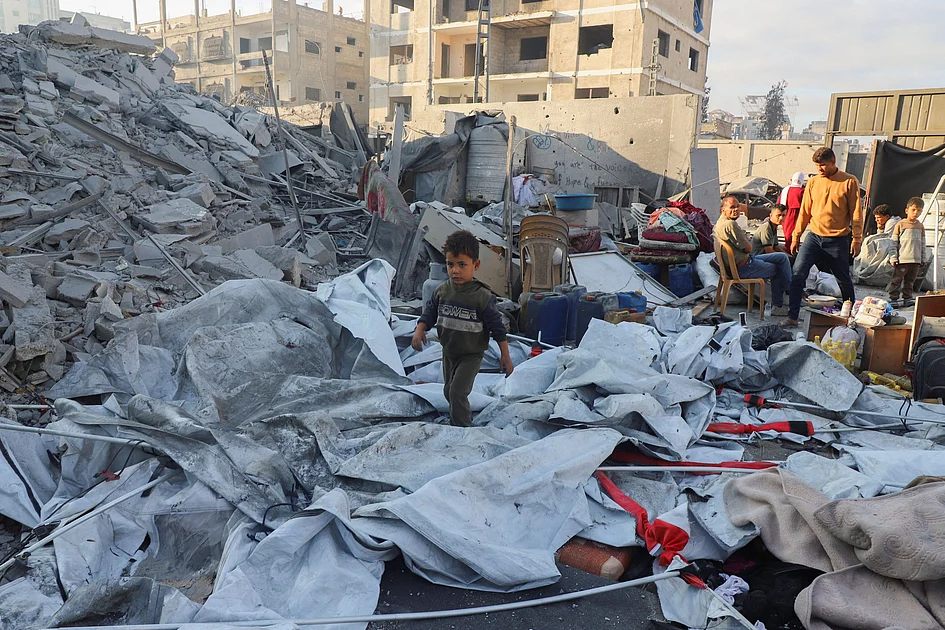
    With Gaza’s population already facing catastrophic conditions—where approximately 80% of buildings have been damaged or destroyed and 1.5 million residents remain displaced—the removal of these aid agencies threatens to exacerbate one of the world’s most severe humanitarian crises. The decision has drawn international criticism, with foreign ministers from ten nations including France and Britain urging Israel to guarantee humanitarian access to the besieged territory.

  • Footage shows partygoer trying to put out flames as blaze takes hold

    Footage shows partygoer trying to put out flames as blaze takes hold

    A deeply unsettling video has surfaced, documenting the initial moments of a fire emergency at a social gathering. The footage depicts a lone individual’s desperate and frantic efforts to combat rapidly spreading flames using what appears to be a piece of clothing or fabric. In a stark and alarming contrast, the scene is underscored by the persistent soundtrack of party music, suggesting the event continued unabated. Simultaneously, several attendees can be seen passively recording the escalating danger on their mobile phones rather than assisting or evacuating. This incident raises profound questions about public safety protocols at private events and the modern bystander response in crisis situations, where documentation sometimes precedes intervention. The chilling visual evidence serves as a critical case study for emergency preparedness and crowd behavior psychologists.