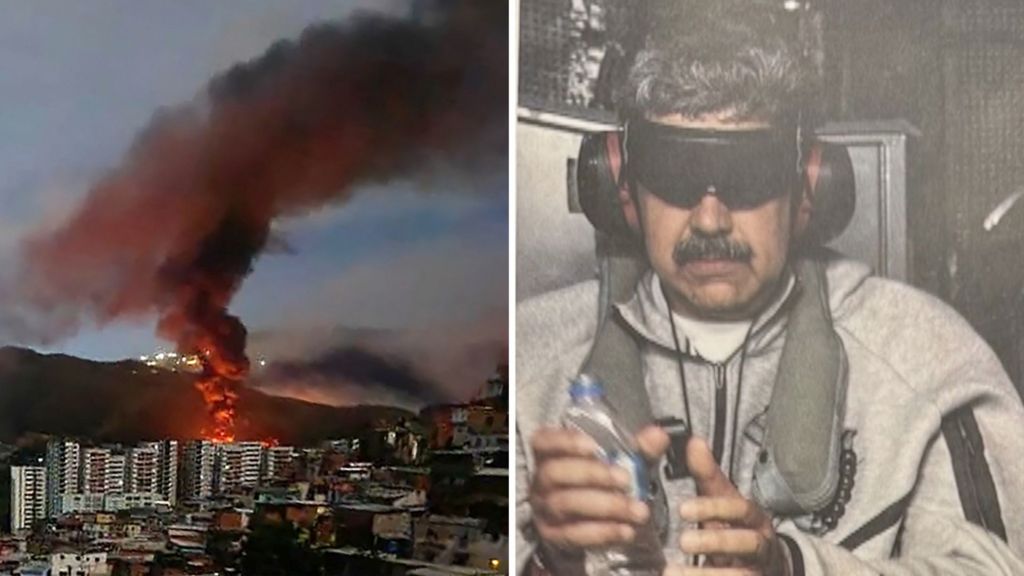
In a dramatic escalation of international tensions, the United States has initiated direct military action against Venezuela, culminating in the reported capture of the nation’s leader, Nicolas Maduro. President Donald Trump confirmed the operation, declaring that the U.S. would subsequently “run” the South American country. This intervention marks a significant turning point in the long-standing political and economic crisis that has plagued Venezuela, representing the most direct foreign involvement in the nation’s sovereignty to date. The strikes, which targeted key strategic locations, were justified by the U.S. administration as a necessary measure to restore democracy and alleviate a severe humanitarian crisis. The international community is now watching closely, with reactions ranging from strong support to vehement condemnation, as this action sets a profound precedent for international law and foreign policy. The unfolding situation raises critical questions about the future of Venezuelan governance, the regional balance of power in Latin America, and the broader implications for global diplomatic norms.
作者: admin
-
EU urges de-escalation in Venezuela
The European Union has issued urgent calls for de-escalation following significant military developments in Venezuela. European Council President Antonio Costa expressed profound concern regarding the escalating situation, emphasizing the EU’s position through a formal statement released on social media platform X.
Costa articulated the Union’s firm stance, advocating for peaceful resolution mechanisms that strictly adhere to international legal frameworks and the foundational principles of the United Nations Charter. The EU leadership reaffirmed its commitment to supporting democratic processes and inclusive political solutions within the South American nation.
Concurrently, EU Foreign Policy Chief Kaja Kallas engaged in high-level diplomatic communications, including discussions with US Secretary of State Marco Rubio. Kallas confirmed that safeguarding European citizens in Venezuela remains the bloc’s paramount priority, with coordination efforts underway through the EU’s diplomatic mission in Caracas.
The diplomatic developments follow explosive reports from Caracas, where Venezuelan authorities condemned what they characterized as ‘military aggression’ by the United States. Witness accounts described substantial aerial activity and detonations across the capital city throughout Saturday.
These events culminated in extraordinary claims from US President Donald Trump, who announced that American forces had successfully captured Venezuelan President Nicolas Maduro along with his spouse, subsequently transporting them out of the country. The EU’s statements notably refrained from explicit commentary on these specific allegations while maintaining consistent emphasis on diplomatic resolution and international law compliance.
-
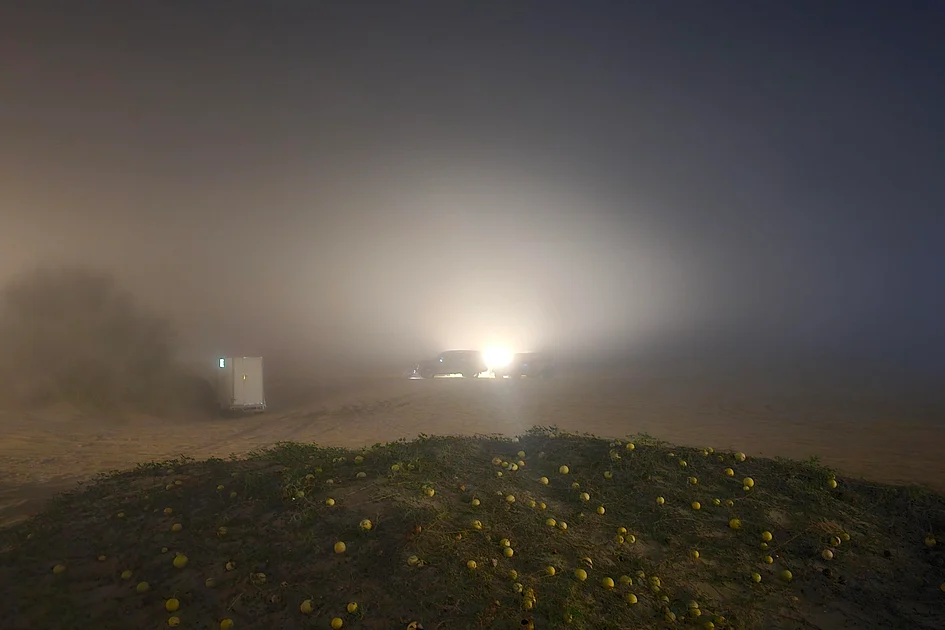
Thick fog at Dubai’s Half Desert turns camping nights into rare, unreal experiences
An extraordinary meteorological event transformed Dubai’s Half Desert into an ethereal landscape as unusually dense fog enveloped the region in the early hours of January 3, 2026. What began as a typical clear night for desert campers rapidly evolved into a rare atmospheric phenomenon that reduced visibility to near-zero conditions, creating both magical experiences and significant travel challenges.
According to eyewitness accounts, the fog system began developing around 1:30 AM, gradually obscuring sand dunes and access roads with an impenetrable white blanket. Mohammed Ardashir, an Iranian resident camping with friends, described the surreal transformation: ‘The desert appeared completely enveloped in clouds. We could scarcely see the adjacent tents, creating an almost supernatural atmosphere that defied our typical desert expectations.’
While some adventurers embraced the unusual conditions as a unique natural spectacle, others prioritized safety considerations. Mantuf Khan and his camping group made the cautious decision to depart around 4:30 AM, navigating desert roads at reduced speeds below 30 km/h with hazard lights activated. ‘The driving conditions became exceptionally challenging with virtually no visibility beyond our immediate vicinity,’ Khan reported. ‘All vehicles maintained extended following distances and extreme caution.’
Local desert caretaker Shahnawaz Khan provided meteorological context, noting that such dense fog formations represent characteristic winter weather patterns typically occurring during December and January. However, the intensity and duration of this particular event distinguished it from ordinary seasonal occurrences, potentially persisting throughout the weekend according to historical weather patterns.
The phenomenon generated contrasting responses among desert visitors. Those who remained described an exceptionally tranquil environment where the typical auditory landscape became muffled and transformed. The experience of observing fog movement around traditional camping arrangements while consuming warm beverages created unexpectedly peaceful moments despite the unusual circumstances.
This event highlights the dynamic intersection between desert tourism and natural weather variability in the UAE region, demonstrating how environmental conditions can rapidly alter recreational experiences while emphasizing the importance of safety preparedness during winter camping expeditions.
-
Pets, planes and a ‘fortress’: inside Trump’s raid on Maduro
In a meticulously orchestrated covert operation spanning several months, US forces successfully captured Venezuelan leader Nicolas Maduro in a dramatic nighttime raid that culminated years of escalating tensions between Washington and Caracas. Codenamed “Operation Absolute Resolve,” the mission unfolded with surgical precision, combining advanced surveillance, military might, and strategic deception.
US intelligence agencies had maintained constant surveillance on Maduro since August, meticulously tracking his movements, dietary habits, and even his pets. According to Joint Chiefs Chairman General Dan Caine, American operatives built an intricate profile of the Venezuelan leader’s routines despite his efforts to frequently change locations as tensions with Washington mounted.
The military operation involved months of precise planning, including the construction of a replica house identical to Maduro’s residence for training purposes. By early December, US forces stood ready, awaiting optimal conditions including favorable weather patterns. President Trump revealed he initially ordered the mission four days prior to execution but delayed for perfect operational circumstances.
At 10:46 pm Washington time on Friday, President Trump gave the final authorization, offering the troops “Good luck and Godspeed” before more than 150 military aircraft launched from both land and sea bases. The mission core involved helicopters flying at merely 100 feet above ocean surface, supported by fighter jets providing air cover while US satellite and cyber capabilities disabled Venezuelan radar systems.
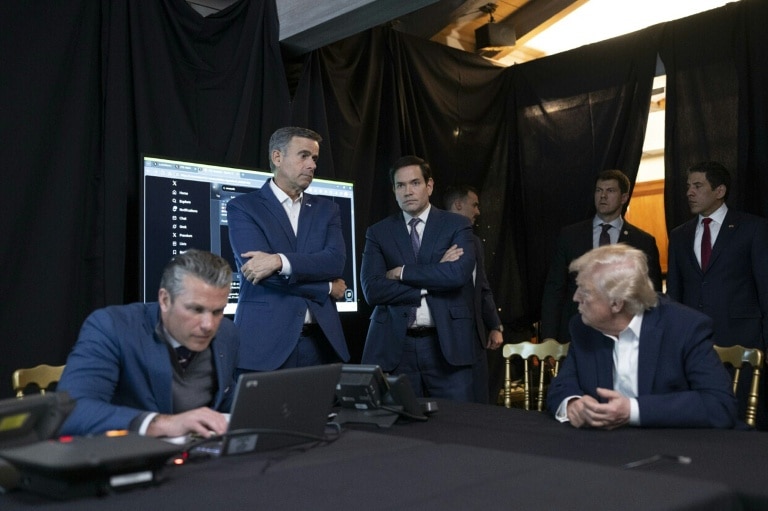
The operation reached its climax as explosions rocked Caracas just before 2 am local time, with US forces specifically targeting Venezuelan air defenses to enable the extraction team’s approach. President Trump monitored the entire operation via live feed from a makeshift situation room at his Mar-a-Lago resort, accompanied by top administration officials including Pentagon chief Pete Hegseth, Secretary of State Marco Rubio, and CIA director John Ratcliffe.
Describing Maduro’s compound as “a fortress” with steel doors and security rooms, Trump noted that specialized equipment including massive blowtorches had been prepared though ultimately proved unnecessary. The Venezuelan leader and his wife surrendered without significant resistance and were taken into custody facing US drugs and terrorism charges. Both were transported to the USS Iwo Jima by 3:29 am, with President Trump announcing the successful operation on Truth Social at 4:21 am Washington time.
The first visual confirmation of Maduro’s capture emerged through Trump’s social media channels, showing the former leader blindfolded, handcuffed, wearing ear protectors and a Nike tracksuit—a stark image marking the conclusion of one of the most sophisticated special operations in recent history.
-
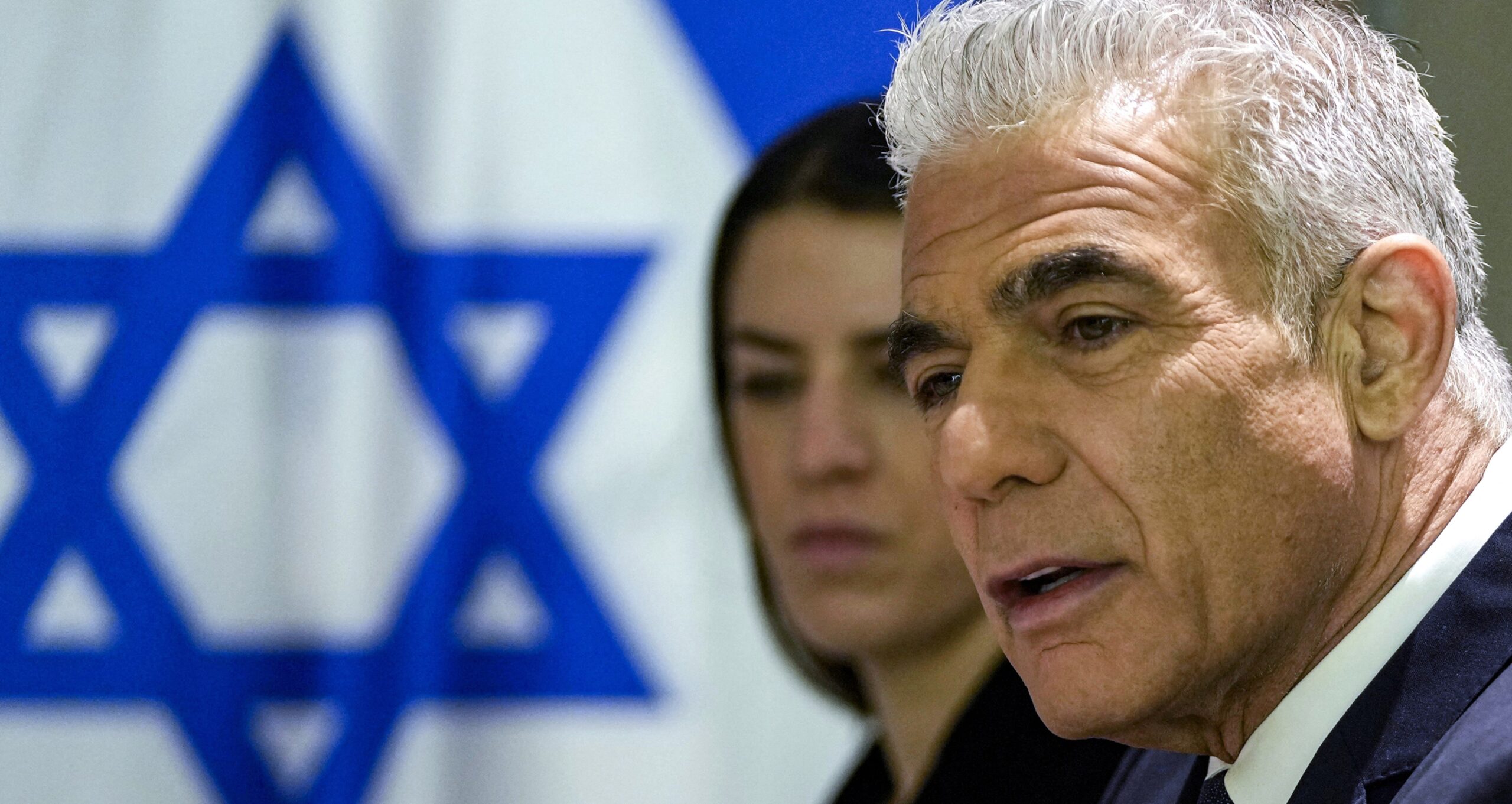
Israel’s opposition leader urges Iran to ‘pay close attention’ to Venezuela
In a significant escalation of diplomatic rhetoric, Israeli opposition leader Yair Lapid issued a stark warning to Iranian leadership, urging them to “pay close attention to what is happening in Venezuela.” This statement, delivered via social media platform X, appeared to reference the recent U.S. military operation that resulted in the capture of Venezuelan President Nicolas Maduro.
The comments emerged amidst widespread international condemnation of the United States’ intervention in the oil-rich South American nation, with numerous global officials decrying the action as a violation of international law. Iran, a key ally of Venezuela, was among the first nations to condemn the U.S. operation, characterizing it as a “flagrant violation of Venezuela’s national sovereignty and territorial integrity.”
The Iranian foreign ministry released an official statement asserting that “the US military attack on Venezuela constitutes a clear violation of the fundamental principles of the United Nations Charter and the basic rules of international law.” The ministry further warned that American military aggression could trigger global consequences, emphasizing Venezuela’s “inherent right to defend its national sovereignty, territorial integrity, and right to self-determination.”
In contrast to the international criticism, Israel expressed support for Maduro’s removal. Israeli Foreign Minister Gideon Sa’ar stated on X: “Israel welcomes the removal of the dictator who led a network of drugs and terror and hopes for the return of democracy to the country and for friendly relations between the states.”
The geopolitical tensions escalated further when former U.S. President Donald Trump threatened potential intervention in Iran amid domestic protests, declaring: “If Iran shoots and violently kills peaceful protesters, which is their custom, the United States of America will come to their rescue. We are locked and loaded and ready to go.”
Iran’s Supreme National Security Council Secretary Ali Larijani responded with a warning that U.S. intervention “corresponds to chaos in the entire region and the destruction of US interests,” likely referencing Iranian capabilities to target American military bases in the region.
Meanwhile, Israeli Prime Minister Benjamin Netanyahu, following meetings with Trump, publicly advocated for renewed military action against Iran, accusing Tehran of “exporting terrorism not only to every part of the Middle East, but to Venezuela” and alleging Iranian collaboration with the Maduro regime.
-
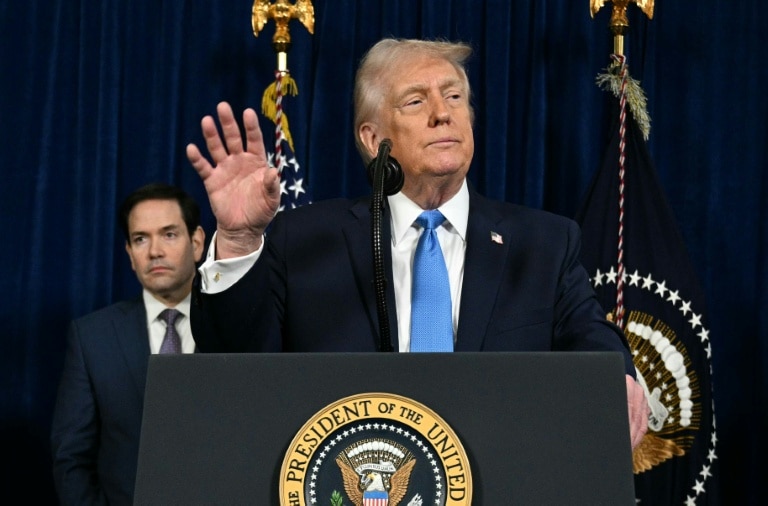
Trump takes huge political gamble in Venezuela regime change
President Donald Trump’s administration finds itself navigating treacherous political waters following a high-stakes military operation in Venezuela that successfully captured leader Nicholas Maduro. The daring special forces mission, involving helicopter deployments, aerial bombardments, and naval support, concluded without American casualties—a tactical victory that nonetheless ignited immediate controversy across the U.S. political spectrum.
The operation represents a striking departure from Trump’s longstanding isolationist rhetoric. For years, the president championed his ‘America First’ doctrine, criticizing foreign entanglements and famously denouncing the Iraq invasion as “a stupid thing.” This ideological foundation of his MAGA movement now faces its most significant test as the administration justifies intervention in Venezuela.
Democratic leaders launched swift condemnations, with Senator Chuck Schumer labeling the mission “reckless” and Iraq veteran Senator Ruben Gallego declaring it “illegal.” Meanwhile, Trump’s Republican allies mounted a vigorous defense. House Speaker Mike Johnson called the action “decisive and justified,” while Senator Tom Cotton praised the president and military personnel for the “incredible operation.”
Yet beneath surface unity, cracks appear within Trump’s base. Conservative Senator Mike Lee initially questioned the constitutional justification before being reassured the operation merely executed an arrest warrant. More significantly, MAGA firebrand Marjorie Taylor Greene delivered a scathing critique, challenging the administration’s narcotics trafficking justification and drawing uncomfortable parallels between Venezuelan regime change and Russian or Chinese aggression. Her conclusion—”Boy were we wrong”—signals potential disillusionment among Trump’s core supporters who believed they voted to end foreign interventions.
The administration now confronts complex questions about legal authority, strategic consistency, and political fallout that may reverberate through the upcoming election cycle.
-
Yemen presidency says Saudi-backed forces retake key province
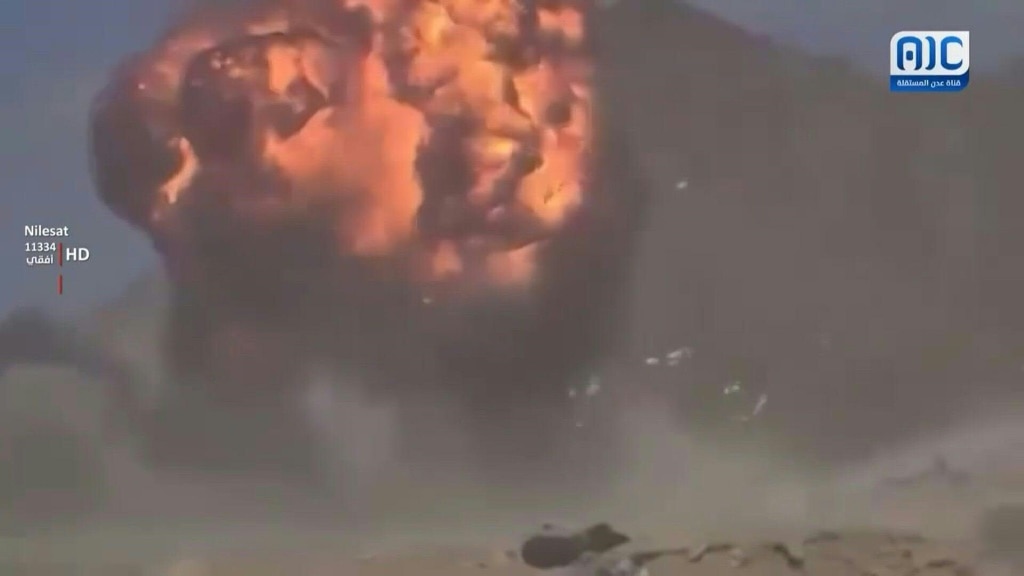
In a significant escalation of intra-coalition tensions, Saudi-backed forces have successfully reclaimed control over Yemen’s resource-rich Hadramawt province following intense military confrontations with UAE-supported separatists. The operation, which commenced on Friday, marks a dramatic reversal in the ongoing power struggle between Gulf allies whose competing interests have fractured Yemen’s anti-Houthi alliance.
Rashad al-Alimi, head of Yemen’s Presidential Leadership Council, confirmed that National Shield forces achieved ‘record success’ in retaking all military and security positions throughout the strategic border province. The development comes just months after the UAE-backed Southern Transitional Council (STC) had captured the region, creating a direct confrontation between the oil-rich Gulf powers.
Military officials reported that neighboring Mahra province similarly switched allegiance back to Saudi-backed forces without resistance, with separatist flags being replaced by Yemeni national banners. The transition occurred amid intensified Saudi airstrikes targeting STC positions, including a Friday attack on Al-Khasha military camp that resulted in 20 casualties according to separatist sources.
Eyewitness accounts from Mukalla described security breakdowns and looting as STC forces retreated, with residents observing military vehicles transporting household appliances amid the withdrawal. Satellite imagery and local reports confirmed Saudi warplanes conducted intensive strikes on STC camps at Barshid, though exact casualty figures remain unverified.
Diplomatic efforts intensified simultaneously, with Saudi Arabia issuing calls for a conference in Riyadh to unite southern factions. The foreign ministry emphasized the need for ‘just solutions to the southern cause’ through dialogue. Both the STC and UAE subsequently expressed willingness to engage in talks, while Egypt, Qatar, Kuwait, and Bahrain voiced support for negotiated settlements that preserve Yemen’s territorial integrity.
The developments occur against the STC’s announced two-year transitional plan toward potential independence, including proposed referendums and dialogue with northern Houthi rebels. STC president Aidaros Alzubidi warned that immediate independence declarations would follow if southern Yemen faced further attacks or dialogue failed.
This military realignment underscores the complex fragmentation of Yemen’s conflict, where the Saudi-led coalition continues battling Houthi rebels in the north while its constituent members fight proxy wars in the south, complicating peace efforts after nearly a decade of civil war.
-
Ukraine’s allies in Kyiv for talks on plan to end war
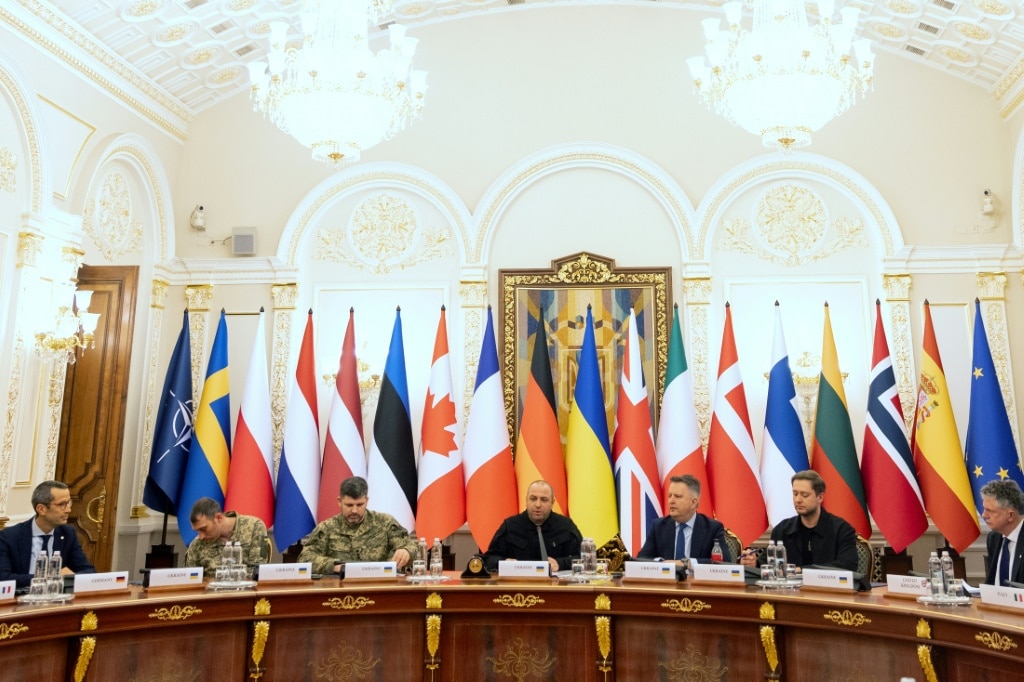
Senior security officials from fifteen nations, including key European powers and international bodies, convened in Kyiv this Saturday for high-stakes discussions on a United States-mediated strategy to terminate the ongoing Russo-Ukrainian war. The assembly marks the inaugural diplomatic gathering of the new year, with participants from Britain, France, Germany, NATO, and the European Union in attendance.
The dialogue, which Ukrainian Chief Negotiator Rustem Umerov detailed via Telegram, centered on foundational documents outlining potential security guarantees and methodologies for implementing a peace formula. A subsequent European leadership summit is anticipated in France early next week to advance these multilateral efforts.
These intensified diplomatic initiatives unfold against a backdrop of persistent military aggression. Recent days have witnessed lethal strikes in multiple regions, including Kharkiv and Kherson, resulting in civilian casualties. Moscow and Kyiv remain fundamentally divided over territorial sovereignty, with Russia currently occupying approximately twenty percent of Ukraine’s landmass and insisting on complete dominion over the eastern Donbas region as a non-negotiable condition for any settlement.
Ukrainian President Volodymyr Zelensky issued a firm declaration during a Saturday press briefing, emphasizing that absent a diplomatic breakthrough compelling Russian withdrawal, Ukraine would steadfastly continue its defensive campaign. He explicitly rejected any agreement that would compromise territorial integrity or fail to establish durable deterrence against future invasions.
The geopolitical landscape is further complicated by parallel international crises, notably a large-scale U.S. military engagement in Venezuela, which diverted some attention from the proceedings. Meanwhile, President Zelensky has initiated significant restructuring within Ukraine’s leadership and regional governance, signaling a strategic consolidation as the conflict extends into another year of devastating warfare.
-
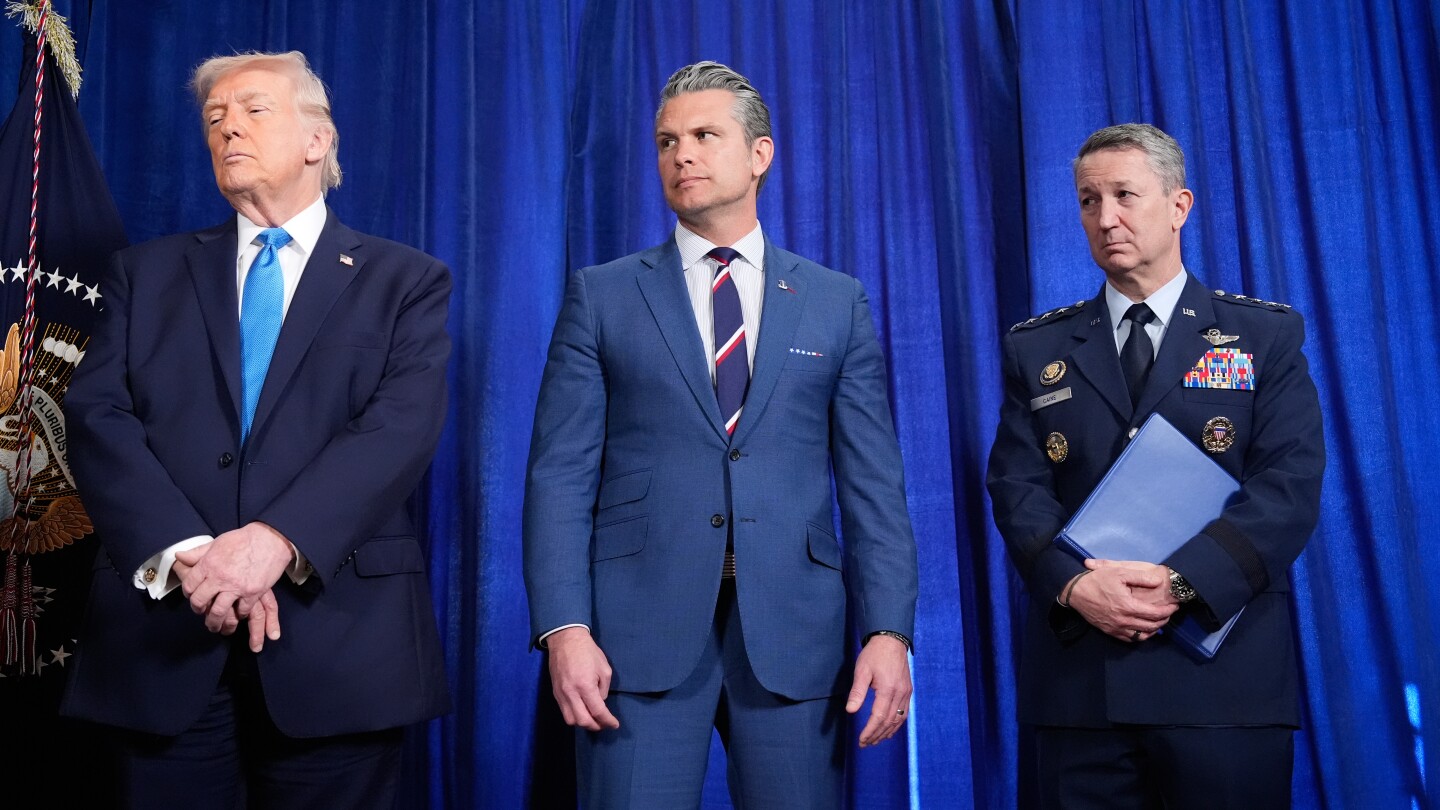
Capture of Maduro and US claim it will run Venezuela raise new legal questions
The Trump administration’s dramatic seizure of Venezuelan President Nicolás Maduro has ignited fierce debate among legal scholars and policymakers regarding the legality of aggressive U.S. actions in South America. Maduro was captured during a midnight operation involving U.S. forces in Caracas and transported via warship to face narcoterrorism conspiracy charges in New York—an extraordinary maneuver that legal experts characterize as historically unprecedented.
This development represents the culmination of months of escalating military engagement in the region, including 35 documented boat strikes against alleged drug trafficking vessels resulting in over 115 fatalities since September, alongside multiple seizures of Venezuelan oil tankers. According to former Navy attorney Mark Nevitt, now at Emory University School of Law, the operation lacks any recognizable legal foundation absent an existing extradition treaty.
The administration’s justification hinges on a controversial memorandum obtained by The Associated Press in October, which designates Venezuelan drug cartels as unlawful combatants and frames drug trafficking as an armed conflict requiring military response. This novel interpretation significantly expands presidential war powers without congressional authorization—a constitutional concern compounded by the fact that lawmakers from both parties have grown increasingly uneasy about military actions in Venezuela.
Historical parallels to the 1989 Panama invasion and capture of Manuel Noriega reveal critical distinctions: unlike Panama, where U.S. national security interests were directly threatened by control of the Panama Canal and safety of American citizens, no similar justification exists for Venezuela. While federal courts traditionally defer to executive authority on national security matters, Notre Dame Law School professor Jimmy Gurule emphasizes that “great deference does not mean absolute deference and unfettered authority to do anything.”
Congressional leaders were notified only after operations commenced, prompting bipartisan calls for greater oversight. The Senate prepares to vote on a war powers resolution that would restrict military action against Venezuela without legislative approval. Democratic lawmakers warn that bypassing international law sets dangerous precedents that authoritarian regimes could exploit, potentially undermining global stability and America’s moral authority.
As Secretary of State Marco Rubio acknowledged the impossibility of pre-operation consultations due to its sensitive nature, the administration faces mounting scrutiny over its legal rationale and long-term strategic implications for international relations and constitutional balance of powers.
-
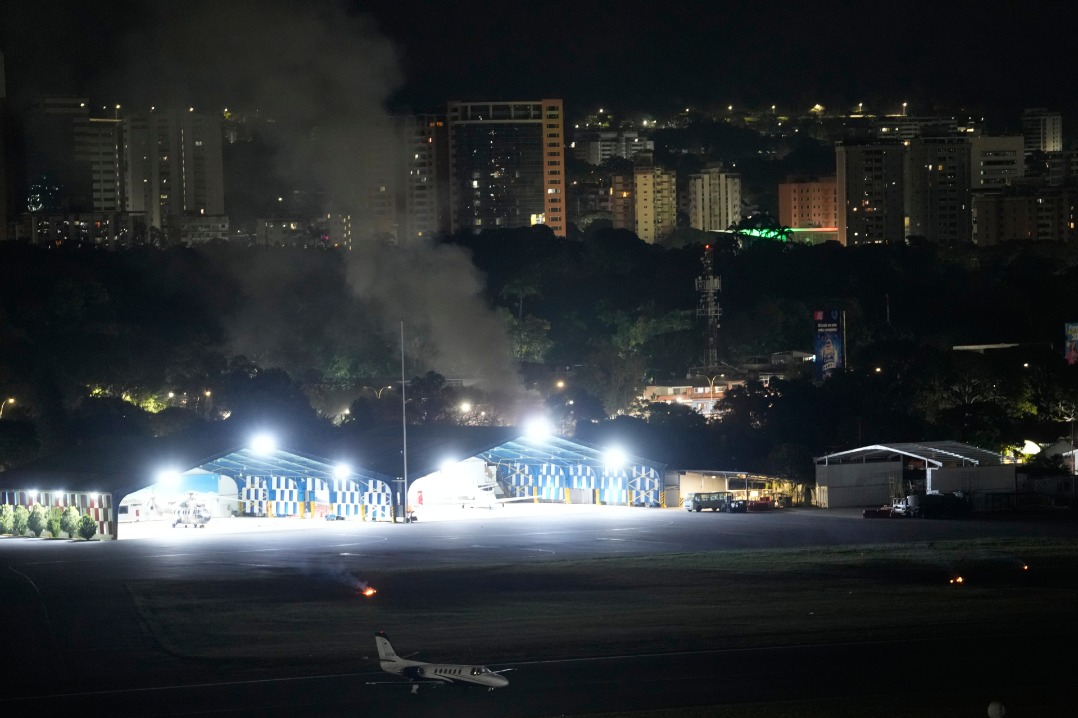
Iran strongly condemns US attack on Venezuela
TEHRAN – Iran’s Foreign Ministry issued a forceful condemnation on Saturday against United States military operations targeting Venezuela, characterizing the actions as an egregious violation of Venezuela’s national sovereignty and territorial integrity.
In an official statement released through government channels, Iranian officials labeled the offensive as an unwarranted act of aggression that fundamentally contravenes established principles within the United Nations Charter and established international legal frameworks that prohibit the use of military force against sovereign nations.
The condemnation follows confirmation from U.S. President Donald Trump via his Truth Social platform that American forces had conducted extensive strikes against Venezuelan targets, resulting in the apprehension and extraction of Venezuelan President Nicolas Maduro and his spouse from the country.
Iran’s diplomatic corps emphatically reaffirmed Venezuela’s legitimate right to defend its national interests and exercise self-determination, simultaneously calling upon the global community to execute its legal and ethical obligations by immediately terminating what Iranian authorities characterized as an American-led invasion operation.
This diplomatic confrontation emerges amidst escalating tensions between Tehran and Washington. The previous day, Iranian leadership had declared it would vehemently resist any foreign interference in its domestic affairs, responding to President Trump’s warnings that the U.S. would intervene if Iran took action against peaceful demonstrators.
Current civil unrest in multiple Iranian cities, triggered by the dramatic devaluation of the national currency, has further complicated the geopolitical landscape between the two nations.