作者: admin

  • ‘Calculated collision’: How Sharjah police rescued driver from cruise control failure

    ‘Calculated collision’: How Sharjah police rescued driver from cruise control failure

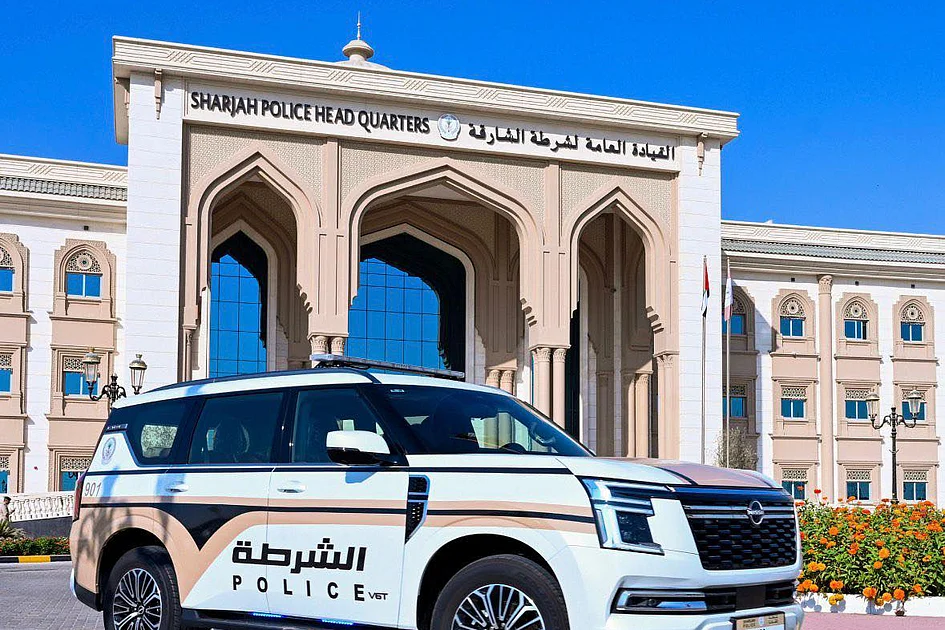
    Sharjah Police demonstrated exceptional emergency response capabilities on Friday afternoon by successfully rescuing a motorist experiencing critical cruise control failure. The incident occurred when the driver reported complete loss of speed control while traveling at 80 km/h from Ahmed Bin Hadid Roundabout toward Sheikh Mohammed Bin Zayed Road.

    At precisely 3:11 PM, the Operations Room received the distress call from the driver who found himself unable to disengage the malfunctioning cruise control system. Immediate deployment of the nearest traffic patrol initiated a carefully orchestrated rescue operation.

    According to Lieutenant Colonel Marzouq Khalfan Al-Naqbi, Director of the Patrols Department, officers executed a precisely calculated intervention strategy. The patrol vehicle positioned itself ahead of the disabled car, maintaining consistent speed before initiating a controlled, minimal-impact collision. This tactical maneuver successfully reduced the vehicle’s velocity and disengaged the cruise control system without causing injuries or significant damage.

    The operation followed established safety protocols that prioritize occupant protection and road safety. Police authorities emphasized the importance of proper emergency procedures during such technical failures, recommending drivers maintain steering control, activate hazard lights, attempt system cancellation through stop buttons, and gradually apply brakes if possible. Most critically, authorities stressed the necessity of immediately contacting emergency services at 999 for professional assistance rather than attempting risky self-resolution measures.

  • Iran protests: What is driving the unrest?

    Iran protests: What is driving the unrest?

    Iran has been plunged into a state of escalating civil unrest as merchant strikes originating in Tehran’s historic Grand Bazaar have rapidly transformed into nationwide protests, resulting in violent confrontations with security forces and multiple casualties.

    The initial demonstrations emerged Sunday in central Tehran near key commercial districts, quickly spreading to over thirty urban centers. The protests have claimed at least seven lives with dozens injured, marking a significant escalation from economic discontent to broader political opposition against the ruling authorities.

    Economic instability served as the primary catalyst, with the Iranian rial experiencing catastrophic devaluation. The currency has plummeted from approximately 55,000 rials to the US dollar in 2018 to a staggering 1.45 million rials currently—a decline accelerated by recent regional conflicts, international sanctions targeting Iran’s energy exports, and widespread banking restrictions.

    Additional economic pressures include the government’s introduction of a three-tiered gasoline pricing system and a proposed budget increasing taxes on businesses while projecting reduced oil revenues. These measures exacerbated existing frustrations over inflation and economic management.

    Tehran’s bazaar merchants, historically influential in Iranian politics, initiated the strikes in a tradition dating back to the Constitutional Revolution of 1905-1911. Their actions created political space for broader public participation, with protests particularly concentrated in western and southwestern regions home to ethnic minorities.

    The government response has included economic concessions such as tax breaks and subsidized currency access, the resignation of Central Bank governor Mohammad Reza Farzin, and the shutdown of state offices under the pretext of weather conditions. Universities have transitioned to online instruction to prevent campus gatherings.

    Despite these measures, demonstrations have continued with significant violence reported in cities including Kuhdasht and Azna. The situation has drawn international attention, with former US President Donald Trump threatening intervention if protesters are harmed—a statement Iranian authorities have characterized as foreign interference.

    Security forces including riot police and Basij paramilitary units maintain heavy deployment across multiple cities, with pro-government media accusing protesters of acting as foreign pawns. The unrest echoes previous anti-government movements while demonstrating distinct geographical patterns of resistance outside the capital.

  • Littler masterclass seals back-to-back world titles

    Littler masterclass seals back-to-back world titles

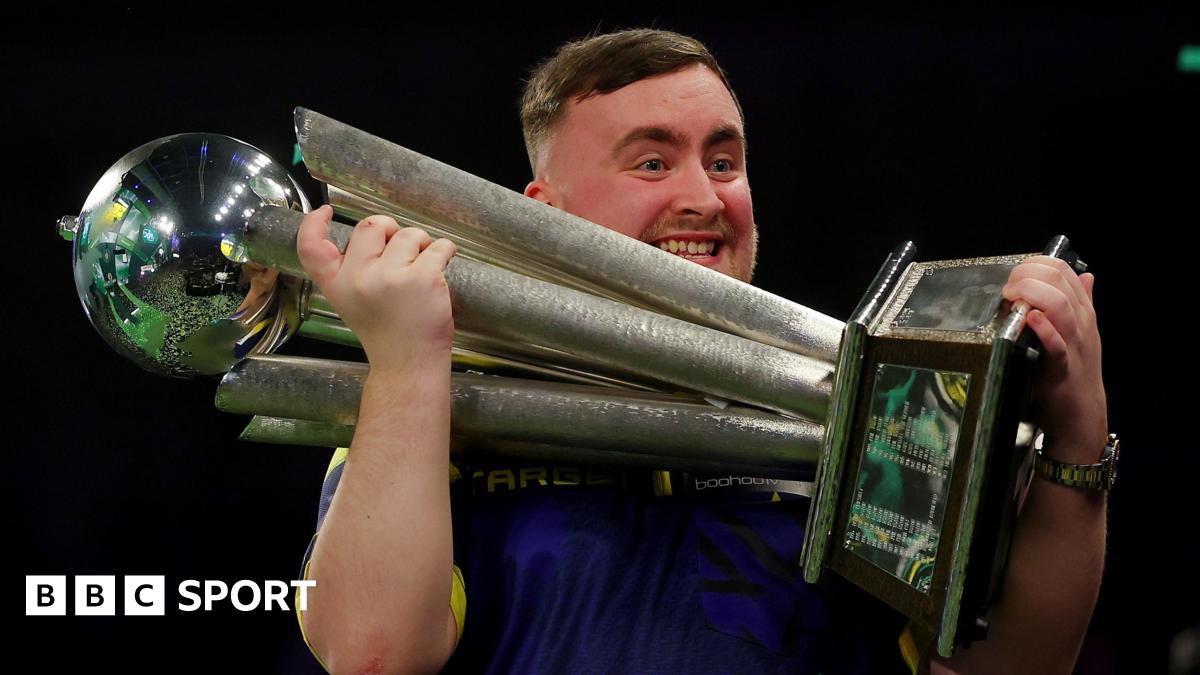
    English darts prodigy Luke Littler has cemented his status as a sporting phenomenon with a spectacular 7-1 triumph over Dutch contender Gian van Veen, claiming his second consecutive PDC World Championship title at Alexandra Palace. The 18-year-old sensation delivered a masterclass performance that places him among the most elite company in professional darts history.

    Littler’s dominant victory makes him only the fourth player ever to achieve consecutive world championships, joining the legendary trio of Phil Taylor, Adrian Lewis and Gary Anderson. This remarkable second title in just his third appearance at the prestigious tournament positions Littler behind only Taylor (14 titles) and Michael van Gerwen (3 titles) in the all-time PDC championship rankings.

    The young champion demonstrated extraordinary precision throughout the final match, maintaining an average exceeding 107 for extended periods and finishing with an impressive 106.02 average. His clinical performance left Van Veen, who managed a respectable but insufficient 100 average, struggling to compete. Littler capped his victory with a spectacular 147 checkout before unleashing an emotional roar to the capacity crowd that had supported him throughout the contest.

    Emotions overflowed as Littler secured the £1 million prize and received the Sid Waddell Trophy from Olympic cycling legend Sir Chris Hoy. The teenager’s immediate declaration that ‘we’ve got to keep adding more titles’ signals his ambition to pursue Taylor’s seemingly insurmountable record of 14 championships.

    Van Veen, who will rise to world number three and make his Premier League debut following his final appearance, started strongly with a 116 checkout to claim the opening set. However, Littler’s response was devastating – answering with checkouts of 145, 127 and a spectacular maximum 170 ‘big fish’ checkout that shifted momentum irrevocably in his favor.

    The Dutchman acknowledged Littler’s superiority, stating: ‘Luke wasn’t in the mood to give me any more chances. He played phenomenally. That’s why he’s world number one by a margin now and back-to-back world champion.’ Littler’s tournament statistics further underscore his dominance, with a championship-high 73 maximum 180s, including 16 during the final match.

  • Who is captured Venezuelan President Maduro?

    Who is captured Venezuelan President Maduro?

    Former U.S. President Donald Trump has asserted that American forces conducted military strikes in Venezuela and successfully captured the nation’s sitting president, Nicolás Maduro. The controversial statement, which lacks official confirmation from current U.S. authorities, represents a significant escalation in rhetoric regarding Washington’s approach to the Venezuelan government.

    Venezuela has been embroiled in a prolonged political crisis since Maduro’s disputed re-election in 2018, which many nations including the United States deemed illegitimate. The Trump administration maintained a policy of maximum pressure against Maduro’s regime, recognizing opposition leader Juan Guaidó as the legitimate interim president and imposing severe economic sanctions.

    This alleged claim of military intervention, if verified, would mark a dramatic turning point in hemispheric relations and international law. However, multiple international news agencies and government channels have not corroborated Trump’s assertion, leaving the validity of the statement in question. Regional security analysts suggest such an operation would require substantial military resources and would likely provoke strong responses from Venezuela’s international allies, including Russia and China.

  • Venezuelans in Florida rejoice over Maduro’s fall, fret over future

    Venezuelans in Florida rejoice over Maduro’s fall, fret over future

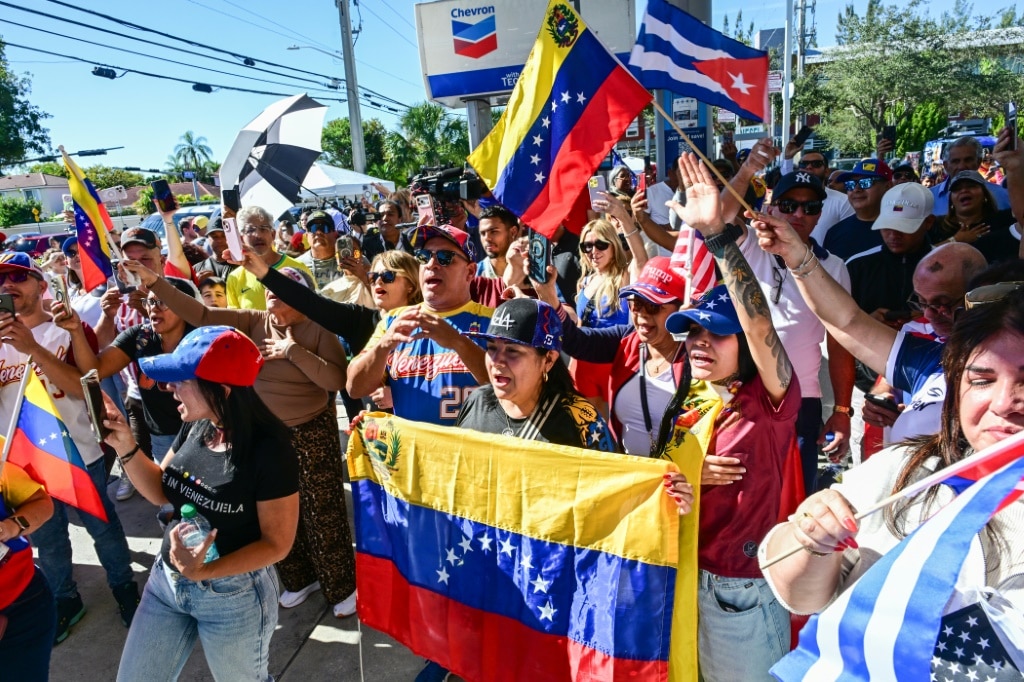
    Venezuelan expatriates in Florida experienced a wave of emotional whiplash this weekend as celebrations over Nicolas Maduro’s dramatic capture by U.S. forces gave way to apprehension about their homeland’s political future. The community in Doral—where Venezuelans constitute over 40% of the population—initially erupted in spontaneous celebration upon learning of the pre-dawn military operation that apprehended the controversial leader.

    The scenes outside El Arepazo restaurant reflected both catharsis and anxiety. Douglas Zarzalejo, a 55-year-old who fled Venezuela eleven years ago, captured the prevailing sentiment: “We woke to news that justice finally prevailed, yet we recognize our nation’s recovery has merely begun.” Many waved Venezuelan flags and embraced strangers, their celebrations representing years of pent-up frustration with Maduro’s administration, which they blame for transforming an oil-rich nation into an economic catastrophe characterized by widespread shortages and political repression.

    President Trump’s subsequent remarks at Mar-a-Lago tempered the initial euphoria. His announcement that the U.S. would administer Venezuela temporarily and his endorsement of Maduro’s vice president, Delcy Rodriguez, as a cooperative partner generated concern. More startling was his dismissal of opposition leader Maria Corina Machado, whom the diaspora considers their legitimate representative. This contradicted international consensus that Edmundo Gonzalez Urrutia—Machado’s substitute candidate—had rightfully won the 2024 election.

    The emotional complexity was palpable. Liz Vivas, 39, wept while recalling her husband who disappeared after criticizing Maduro’s government in 2018. “Though I never received closure,” she stated, “I finally feel justice has been served.” Yet others like Raul Chavez expressed reservations: “I possess conflicting emotions. While desperately wanting freedom for Venezuela, I equally value its independence from foreign control.”

    The developments reveal a diaspora torn between gratitude for Maduro’s removal and skepticism about America’s subsequent intentions, particularly regarding Venezuela’s oil resources. The community now watches anxiously to see whether this intervention will yield genuine self-determination or merely substitute one form of external influence for another.

  • Trump says US will ‘run’ Venezuela and ‘fix oil infrastructure’

    Trump says US will ‘run’ Venezuela and ‘fix oil infrastructure’

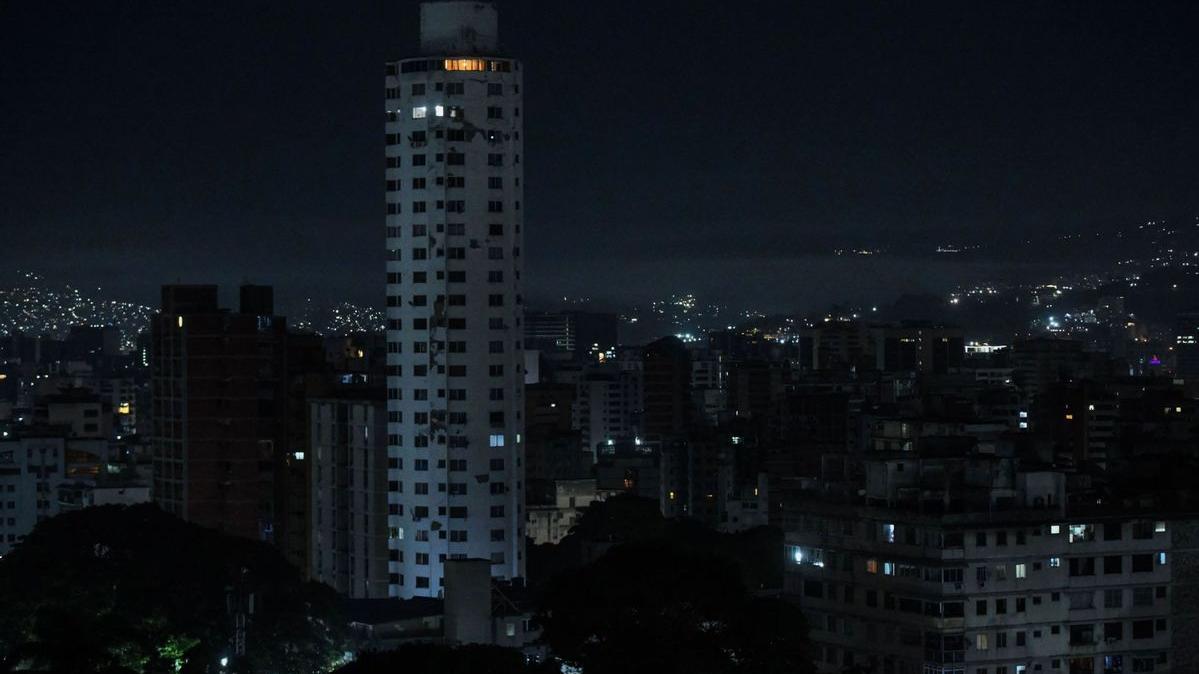
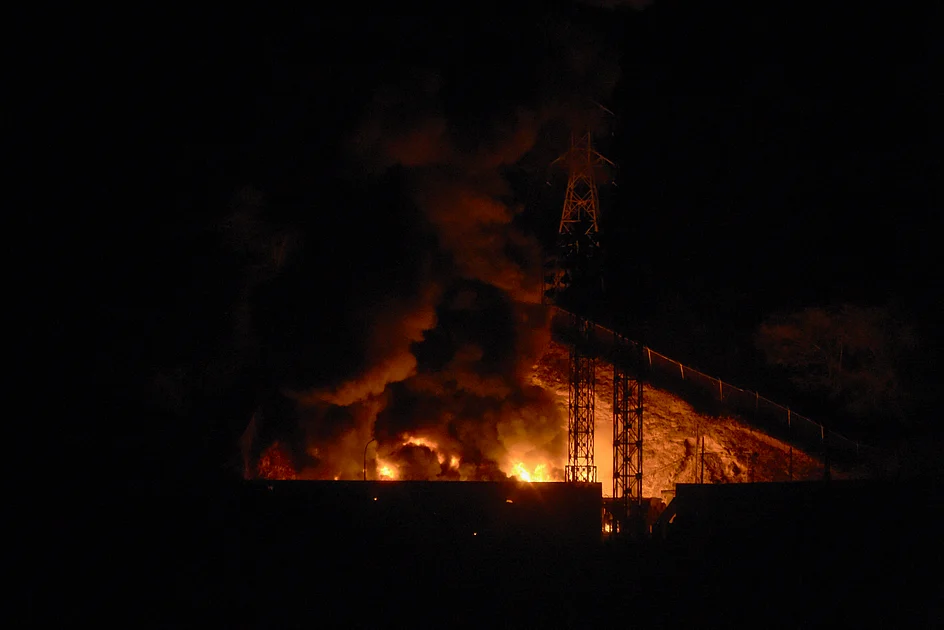
    In an unprecedented military escalation, United States forces have executed a large-scale strike on Venezuelan territory resulting in the capture and extraction of President Nicolas Maduro and First Lady Cilia Flores. The operation, conducted on Saturday, marks a dramatic turning point in the ongoing political confrontation between the two nations.

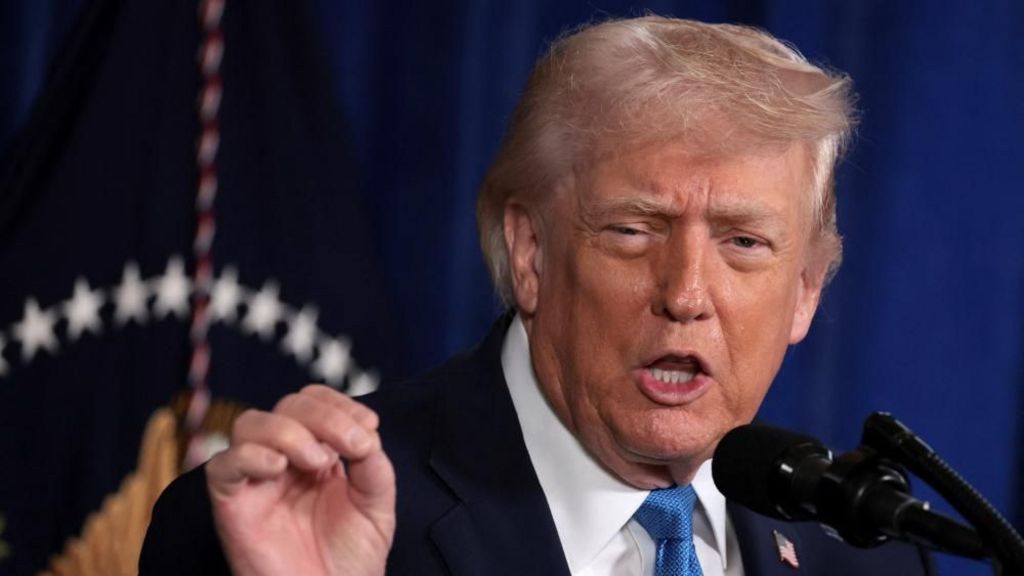
    President Donald Trump announced that the United States would assume control of Venezuela’s governance until what he described as a “safe, proper and judicious transition” could be guaranteed. Trump specifically highlighted plans for American oil corporations to rehabilitate Venezuela’s deteriorated petroleum infrastructure, stating that these companies would “start making money for the country” through substantial multi-billion dollar investments.

    The legal foundation for the intervention stems from indictments issued by the Southern District of New York, charging Maduro and his wife with narcotics and weapons offenses. U.S. Attorney General Pam Bondi declared that both would face justice within American judicial institutions, though specific trial details remain undisclosed.

    Venezuela has responded by declaring a nationwide state of emergency and condemning the military incursion as unlawful aggression. Vice President Delcy Rodríguez, despite Trump’s claims of her cooperation, appeared on state television to affirm Maduro as Venezuela’s sole legitimate leader and pledge governmental resistance.

    The geopolitical context reveals deeper complexities: Venezuela possesses approximately 303 billion barrels of crude oil reserves, representing roughly 20% of global petroleum resources according to U.S. Energy Information Administration data. The Trump administration has framed its Caribbean military operations as counter-narcotics initiatives, conducting over 30 strikes since September against alleged drug trafficking vessels, though independent verification of these claims remains unavailable.

    International observers note that while Venezuela serves as a transit route for narcotics, counter-narcotics experts consistently rank it as a minor participant in global drug trafficking networks. The current crisis represents the most severe escalation in hemispheric relations in recent decades, with uncertain implications for regional stability and international law.

  • China issues urgent warning against travel to Venezuela

    China issues urgent warning against travel to Venezuela

    In response to escalating security concerns, China’s Foreign Ministry and its diplomatic mission in Venezuela have issued an urgent advisory urging Chinese nationals to postpone all non-essential travel to the South American nation. This decisive warning comes following significant military actions by the United States against Venezuelan targets on Saturday, which have dramatically intensified security risks throughout the country.

    The advisory specifically directs Chinese citizens and organizations currently residing in Venezuela to maintain heightened vigilance regarding local security developments. Authorities emphasize the critical need for enhanced personal safety measures and comprehensive emergency preparedness protocols. The notice explicitly recommends avoiding all unnecessary travel and steering clear of conflict zones and other sensitive areas that might present immediate dangers.

    In the event of emergencies, Chinese nationals are instructed to immediately contact local law enforcement authorities while simultaneously seeking consular assistance from the Chinese Embassy in Venezuela. The diplomatic mission has activated its emergency response mechanisms to provide necessary support to affected citizens.

    The travel warning reflects growing international concern over Venezuela’s deteriorating security landscape following recent military developments. While the advisory doesn’t specify an expected duration for these security precautions, it represents one of the most serious travel warnings issued by Chinese authorities regarding Venezuela in recent years, underscoring the gravity of the current situation.

  • Venezuela could now define Trump’s legacy – and America’s place in the world

    Venezuela could now define Trump’s legacy – and America’s place in the world

    In a dramatic escalation of foreign policy, President Trump has announced the United States will directly administer Venezuela following the successful capture of President Nicolás Maduro and his wife during a nighttime military operation in Caracas. The unprecedented move marks a significant departure from Trump’s previous non-interventionist rhetoric and positions America as the temporary governing authority of the South American nation.

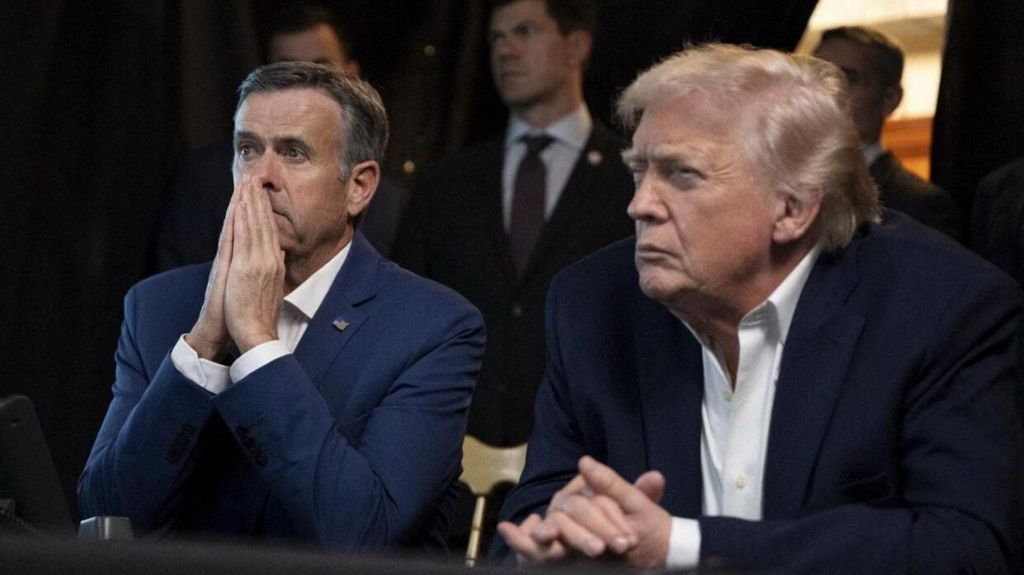
    Flanked by CIA Director John Ratcliffe at his Mar-a-Lago resort, Trump revealed that Secretary of State Marco Rubio and Secretary of Defence Pete Hegseth would lead a collaborative effort with Venezuelan representatives to oversee the country’s transition. “We are going to run the country until such time as we can do a safe, proper and judicious transition,” the president declared during a Saturday morning press conference.

    This bold intervention represents a stark contradiction to Trump’s campaign promises against “forever wars” and his frequent criticisms of nation-building endeavors. The administration now faces the formidable challenge of reconstructing a nation plagued by economic collapse and decades of political instability, while simultaneously justifying the legal basis for Maduro’s capture on weapons and cocaine trafficking charges.

    Trump expressed unwavering confidence in the mission’s success, citing his administration’s “perfect track record of winning.” He outlined plans to engage American energy corporations in rebuilding Venezuela’s deteriorated industrial infrastructure, framing the effort as mutually beneficial for both nations. When questioned about potential military deployment, Trump remained noncommittal, noting “We’re not afraid of boots on the ground…we had boots on the ground last night.

    The operation has ignited intense domestic and international debate. Congressional Republicans largely supported the action, with House Speaker Mike Johnson describing it as “decisive and justified” against a “criminal regime.” However, dissenting voices within Trump’s own party, including Congresswoman Marjorie Taylor Greene, condemned the intervention as a betrayal of his non-interventionist platform.

    Internationally, China’s foreign ministry issued a statement expressing shock and condemning what it characterized as a reckless attack on sovereign territory. The move raises concerns about potential geopolitical ramifications, particularly regarding how other global powers might justify their own military actions based on this precedent.

    Trump rebranded the nineteenth-century Monroe Doctrine as the “Donroe Doctrine,” asserting that the operation demonstrates “American dominance in the Western Hemisphere will never be questioned again.” He framed the intervention as advancing “America First” priorities by ensuring regional security and securing stable oil resources, while designating the Western Hemisphere as America’s “home region.”

    As the administration assumes responsibility for governing Venezuela, questions remain about the practical implementation of this unprecedented undertaking and its long-term implications for international relations and global power dynamics.

  • Venezuelans wonder who’s in charge as Trump claims contact with Maduro’s deputy

    Venezuelans wonder who’s in charge as Trump claims contact with Maduro’s deputy

    BUENOS AIRES, Argentina (AP) — Venezuela has been plunged into a profound constitutional crisis following the dramatic capture of President Nicolás Maduro by U.S. military forces. The operation has triggered urgent questions about legitimate leadership and the nation’s political future, creating widespread uncertainty among citizens and officials alike.

    In a stunning development, former U.S. President Donald Trump unexpectedly endorsed Maduro’s vice president, Delcy Rodríguez, as a potential successor despite her history of facing U.S. sanctions for undermining Venezuelan democracy. Trump revealed that Rodríguez had engaged in extensive discussions with Secretary of State Marco Rubio, during which she allegedly expressed willingness to cooperate with American objectives.

    “She’s essentially willing to do what we think is necessary to make Venezuela great again,” Trump told reporters, simultaneously dismissing opposition leader Maria Corina Machado—the 2024 Nobel Peace Prize laureate—as lacking sufficient support to govern effectively.

    Rodríguez responded to these developments with defiant rhetoric on state television, demanding Maduro’s immediate release and condemning the U.S. operation as a flagrant violation of international law. Flanked by senior civilian officials and military commanders, she emphatically declared: “There is only one president in this country, and his name is Nicolás Maduro.”

    The situation remains highly fluid with no visible U.S. administration presence in Venezuela. Constitutional provisions requiring a new election within thirty days of presidential absence now face extraordinary complications due to the military intervention and questions about the government’s legitimacy.

    Venezuelan military leaders projected unwavering defiance, with Defense Minister Gen. Vladimir Padrino López asserting “They have attacked us but will not break us.” Interior Minister Diosdado Cabello appeared in combat gear, urging citizens to defend national sovereignty against what he characterized as “rats” who would “regret what they did.”

    Rodríguez’s complex profile includes strong connections to Wall Street and Republican oil interests, having previously engaged with figures including Blackwater founder Erik Prince and Trump special envoy Richard Grenell. Unlike many Maduro associates facing U.S. criminal indictments, Rodríguez and her brother Jorge—who leads the Maduro-controlled National Assembly—have avoided legal prosecution while maintaining leftist credentials rooted in their father’s tragic death in police custody during the 1970s.

    The opposition movement, led by Machado, maintains that retired diplomat Edmundo González—widely believed to have won the disputed 2024 presidential election—should immediately assume constitutional authority. Machado pledged to restore order, free political prisoners, and reclaim democratic governance, asserting readiness to “assert our mandate and take power.”

    With military forces traditionally serving as Venezuela’s ultimate political arbiter, Rodríguez faces significant challenges in consolidating authority. Experts emphasize that the resolution will depend heavily on the current state of military capabilities and which officials were detained during the operation.

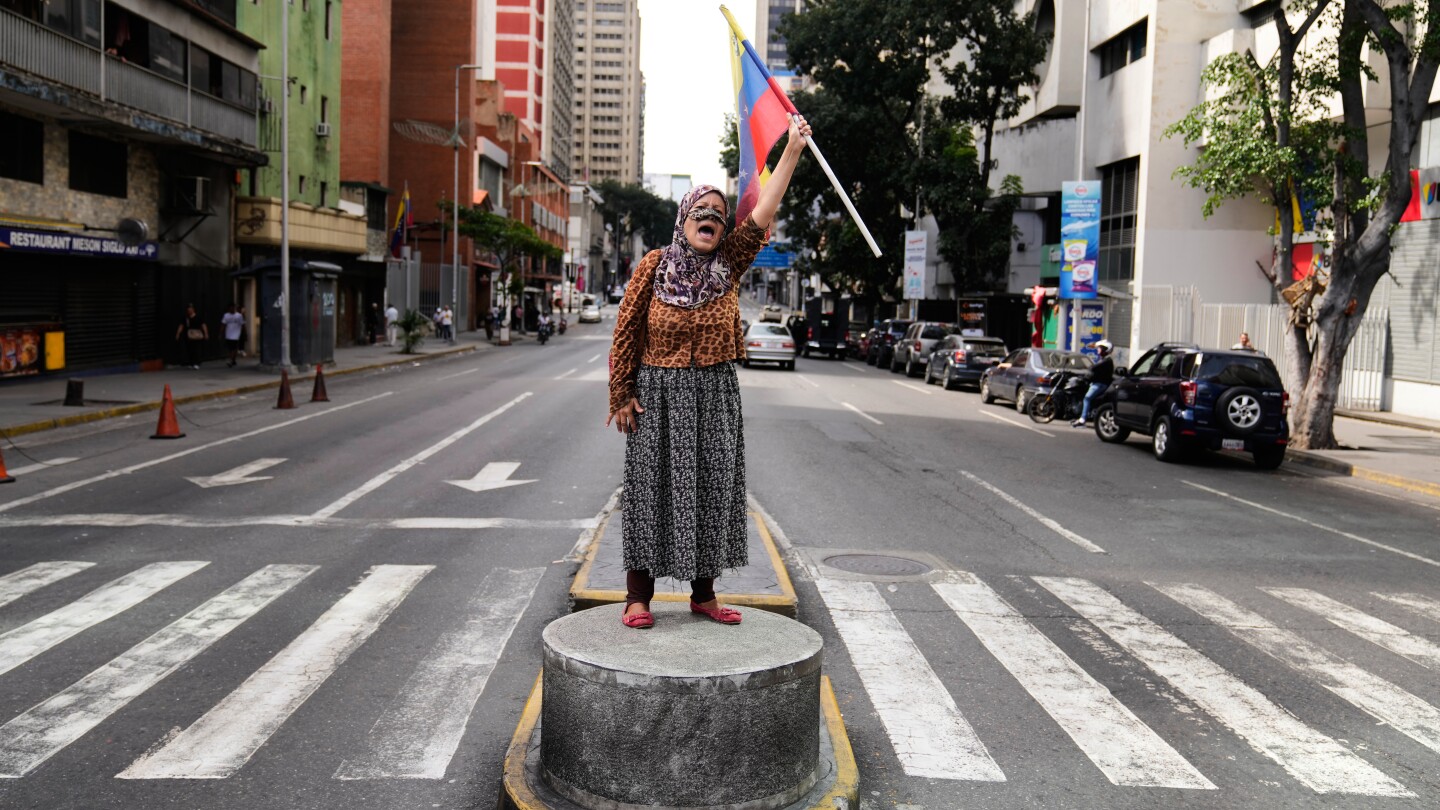
    Venezuelan citizens expressed widespread shock and confusion, with many speculating on social media about possible mistaken identity in Trump’s comments regarding the two prominent female political figures.
  • Explainer: Why did the US strike Venezuela, and why does it matter?

    Explainer: Why did the US strike Venezuela, and why does it matter?

    In a dramatic escalation of long-standing tensions, United States military forces conducted airstrikes against multiple Venezuelan military installations on January 3rd, 2026, including targets within the capital region of Caracas. The operation, characterized by former President Donald Trump as a “large-scale strike” against a “narco-terrorist regime,” represents the most significant direct military confrontation between the two nations in modern history.

    The Trump administration has formally justified the intervention as a counter-narcotics measure, alleging that the government of Nicolás Maduro has systematically facilitated cocaine shipments from Venezuela to the United States. In a controversial social media announcement, Trump further claimed that Maduro and his wife, Cilia Flores, were apprehended during the operation and subsequently transported out of the country. Venezuelan authorities, however, have declared a national emergency while vehemently denying these capture claims and demanding verifiable proof of the leaders’ status.

    This crisis culminates months of escalating hostilities that began with a US naval interdiction operation in the Caribbean in September 2025. The subsequent expansion of American military assets throughout the region, coupled with the seizure of a Venezuelan oil tanker and restrictive measures against sanctioned vessels, has severely strained Venezuela’s already crippled economy.

    Washington’s accusations extend beyond general drug trafficking, specifically indicting Maduro as the leader of the ‘Cartel of the Suns’—an alleged network involving high-ranking Venezuelan military and political figures. These charges, initially filed by the US Justice Department in 2020, have been consistently dismissed by Caracas as politically motivated fabrications designed to orchestrate regime change.

    Analysts suggest that while counter-narcotics provides the public justification, the conflict is fundamentally rooted in geopolitical competition. Venezuela’s strategic alliances with Russia, China, and Iran, combined with its vast petroleum reserves, have long positioned it as a focal point of US foreign policy concerns in Latin America. The operation is viewed by many as an attempt to curb growing foreign influence and reassert regional dominance.

    Domestically, the strikes have received notable support among Venezuelan diaspora communities, particularly in electorally critical states like Florida. Recent polling indicates significantly higher support for military intervention among Venezuelans abroad (64%) compared to those within the country (34%).

    The global implications are substantial, with energy markets monitoring the situation closely. Any prolonged disruption to Venezuela’s oil production capacity could trigger fluctuations in worldwide crude prices, potentially affecting economic stability and inflation rates across international markets.