作者: admin

  • Australian children eligible for three days of subsidised early education and child care from January 5

    Australian children eligible for three days of subsidised early education and child care from January 5

    In a landmark social policy shift, Australia’s Albanese government has enacted sweeping childcare reforms effective January 1st, eliminating work requirements that previously restricted subsidized early education access. The “3 Day Guarantee” initiative ensures all Australian children qualify for three days of subsidized childcare weekly, irrespective of parental employment status—directly countering the previous administration’s Activity Test that mandated parental work or study for benefits beyond minimal levels.

    Education Minister Jason Clare framed the policy as fundamental educational equity, stating: “No one blinks when you say every child has a right to go to school. The same has got to be true for early education.” The reforms are projected to extend subsidized learning access to approximately 100,000 additional families nationwide.

    The $430 million four-year commitment preserves additional provisions for vulnerable demographics: families caring for Aboriginal or Torres Strait Islander children, those demonstrating 48+ hours fortnightly participation, or those qualifying for medical/disability exemptions remain eligible for 100 hours of fortnightly subsidized care per child.

    Complementing this initiative, the government has pledged $1 billion to the Building Early Education Fund targeting “childcare deserts”—predominantly remote and regional areas lacking adequate facilities. Early Childhood Education Minister Jess Walsh emphasized geographic and socioeconomic equity, noting the reforms prevent exclusion “based on parents’ work or study activity.”

    This policy transformation occurs amid heightened national scrutiny of childcare safety standards following recent abuse allegations, prompting parallel reforms including a National Educator Register. Treasurer Jim Chalmers characterized the investment as fulfilling election commitments through budgetary reallocation, asserting the government prioritized “things that matter most” by redirecting savings from reduced “wasteful spending.”
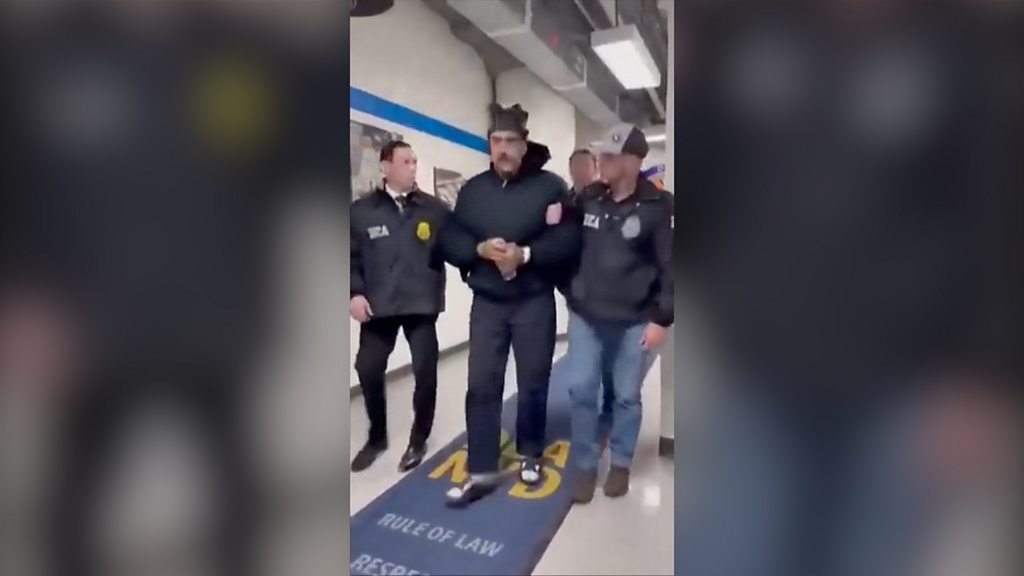
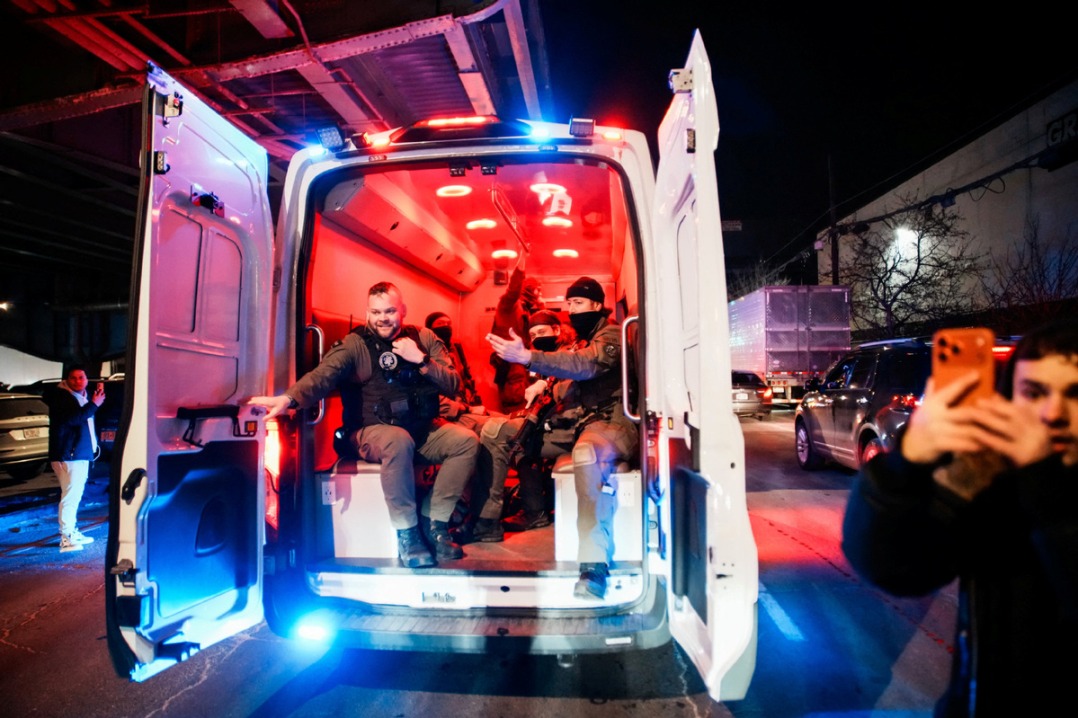
  • Video shows Maduro’s arrival in US and journey into custody

    Video shows Maduro’s arrival in US and journey into custody

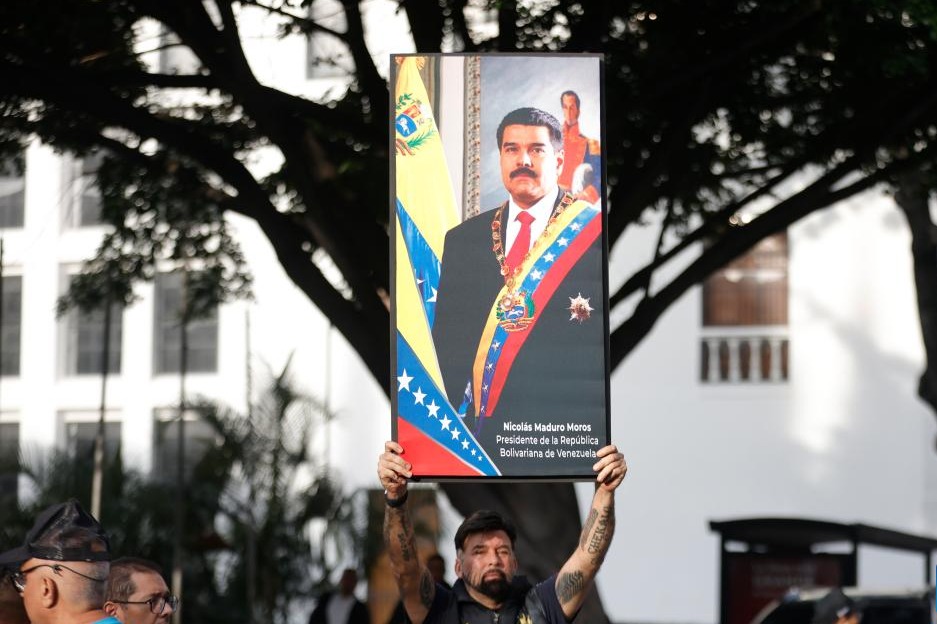
    In an unprecedented geopolitical development, Venezuelan President Nicolás Maduro has been transferred to United States custody following his capture during American military operations this past Saturday. Video documentation has emerged showing Maduro’s arrival on US soil and his subsequent processing by law enforcement authorities in New York.

    The operation represents a significant escalation in the ongoing tensions between Washington and Caracas, which have persisted through multiple administrations. Maduro, who has led Venezuela since 2013, faces numerous charges in US courts, including allegations of drug trafficking, corruption, and human rights violations.

    This extraordinary event marks one of the most dramatic moments in US-Latin American relations in recent decades, with potential ramifications for regional diplomacy, international law, and the principle of sovereign immunity. The transfer of a sitting head of state to another country’s jurisdiction without extradition proceedings establishes a remarkable precedent in international relations.

    Analysts are closely monitoring reactions from Venezuela’s political allies, including Russia, China, and Cuba, who have consistently supported Maduro’s government. The situation continues to develop as legal experts examine the complex jurisdictional questions raised by this unprecedented action.

  • Maduro to be held at detention center in New York

    Maduro to be held at detention center in New York

    In an unprecedented geopolitical development, Venezuelan President Nicolas Maduro and First Lady Cilia Flores have been transported to the Metropolitan Detention Center in Brooklyn, New York, following their capture during a large-scale American military operation in Venezuela. The dramatic events unfolded early Saturday morning, marking one of the most significant international incidents in recent history.

    According to multiple intelligence reports and verified video evidence, the military aircraft transporting the Venezuelan leadership touched down at Stewart Air National Guard Base in Newburgh, New York, approximately at 5:00 PM EST (2200 GMT) on Saturday. The operation represents a dramatic escalation in the ongoing tensions between the United States and the Venezuelan government.

    The United States Department of Justice has unsealed a comprehensive indictment detailing serious charges against President Maduro and several associates. The allegations include narco-terrorism conspiracy, cocaine importation conspiracy, and multiple weapons-related charges involving machine guns and destructive devices. Legal proceedings are scheduled to commence next week in the US District Court for the Southern District of New York.

    The extraordinary military action has triggered immediate international backlash and domestic criticism. New York City Mayor Zohran Mamdani revealed he had directly contacted President Donald Trump to express vehement opposition to what he characterized as an unlawful pursuit of regime change that violates both federal and international statutes. Demonstrators gathered outside the Newburgh air base to protest the US intervention in Venezuela.

    Meanwhile, in Caracas, Venezuelan Vice President Delcy Rodriguez convened an emergency session of the National Defense Council, demanding the immediate release of the detained leadership. The session was broadcast nationally on state television, signaling the Venezuelan government’s determination to maintain continuity of governance amid the crisis.

  • People protest outside US Embassy in Mexico City

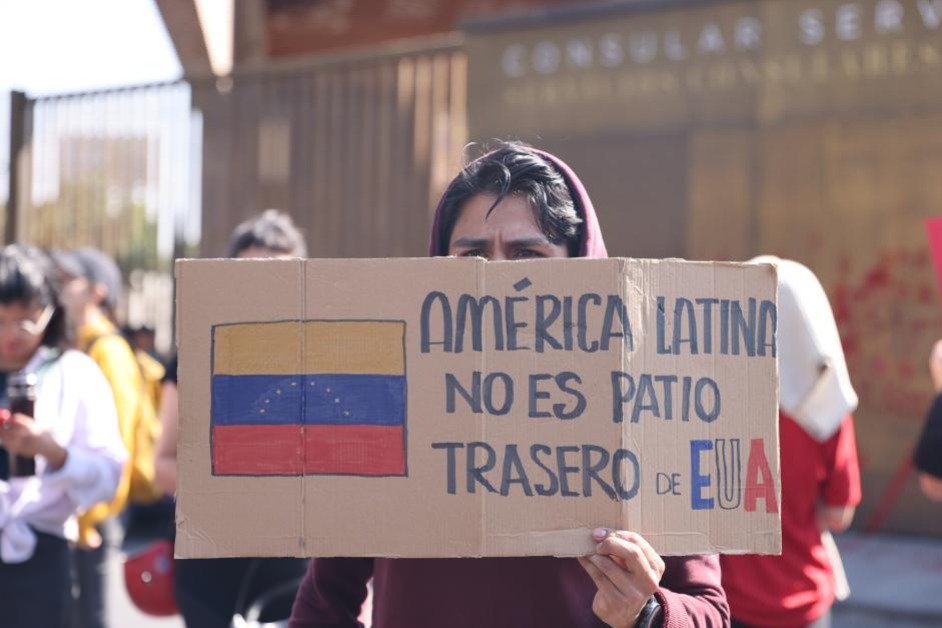
    People protest outside US Embassy in Mexico City

    China Daily Information Co (CDIC) has established stringent copyright protection protocols for all content published across its digital platforms. The comprehensive policy explicitly prohibits unauthorized republication or utilization of any materials—including textual content, photographs, and multimedia information—without obtaining prior written authorization from CDIC.

    The copyright notice, which applies to content dating back to 1994, underscores the company’s commitment to intellectual property protection in the digital landscape. The policy further specifies technical recommendations for optimal user experience, suggesting browsers with 1024*768 resolution or higher for accessing their digital properties.

    CDIC maintains additional regulatory compliance through officially registered publishing licenses, including multimedia online publication authorization 0108263 and registration number 130349. These certifications demonstrate the organization’s adherence to China’s digital content management regulations.

    Beyond content protection measures, the platform provides information regarding corporate operations including advertising opportunities, employment prospects for both general and expatriate positions, and various contact channels for stakeholder engagement. The company also maintains active presence across multiple social media platforms, encouraging authorized content sharing through proper channels.

  • People protest in support of Venezuela outside US Embassy in Colombia

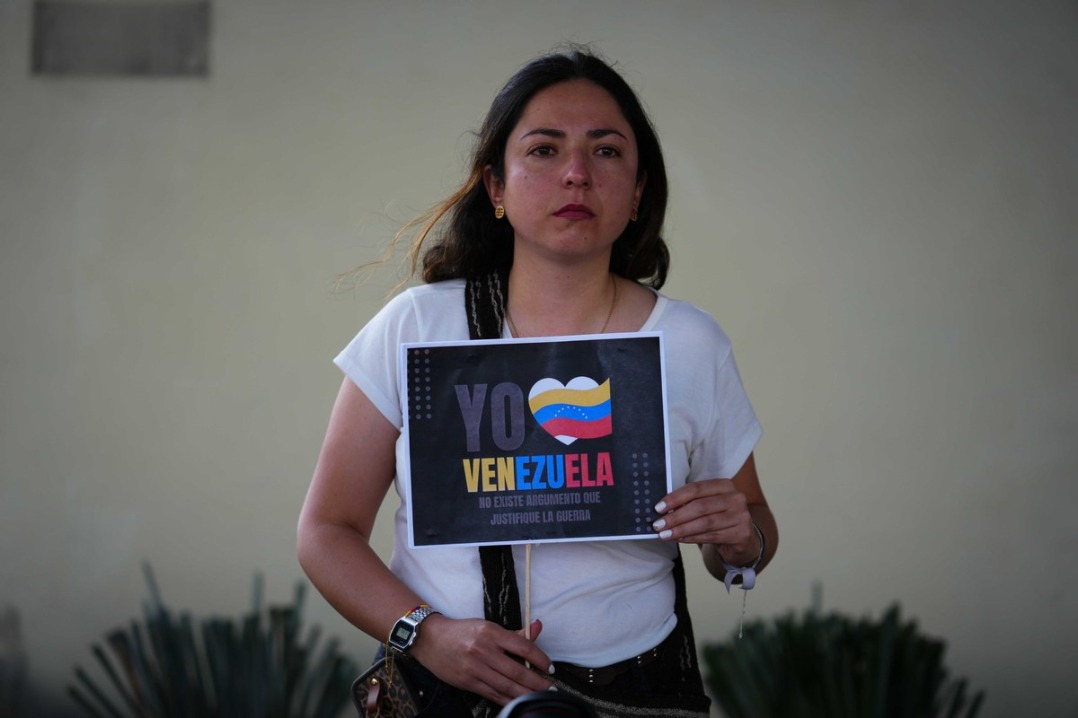
    People protest in support of Venezuela outside US Embassy in Colombia

    BOGOTA, COLOMBIA – January 3, 2026, witnessed significant demonstrations outside the United States Embassy in Colombia’s capital, as protesters gathered to express solidarity with Venezuela following a dramatic military escalation. The protests emerged in direct response to early morning operations conducted by US military forces against Venezuelan targets, which reportedly resulted in the capture and extraction of Venezuelan President Nicolas Maduro.

    Demonstrators, carrying signs and Venezuelan flags, congregated in Bogota to condemn what they characterized as an act of international aggression. The gathering reflected deep-seated regional tensions and differing ideological alignments within South America regarding the Venezuelan political crisis. Photographic evidence from the scene captured emotionally charged moments, including a woman holding a placard that articulated the protesters’ demands for sovereignty and non-intervention.

    This development marks a severe intensification of the longstanding political confrontation between the United States and Venezuela, potentially altering the geopolitical landscape of Latin America. The embassy protests underscore how international conflicts can galvanize diaspora communities and sympathetic groups across borders, transforming diplomatic premises into focal points for political expression.

  • ‘I can’t believe it’ – Joy and uncertainty in Florida’s ‘Little Venezuela’

    ‘I can’t believe it’ – Joy and uncertainty in Florida’s ‘Little Venezuela’

    In the predawn hours of Saturday, a seismic shift in Venezuelan politics unfolded as U.S. special forces executed a dramatic operation to capture President Nicolás Maduro from his compound. The event triggered spontaneous celebrations across Miami’s Venezuelan diaspora, particularly in Doral where over 40% of residents claim Venezuelan heritage.

    For Rosana Mateos, a Florida resident since 2012, the news realized years of recurring dreams about Maduro’s downfall. “My husband woke me saying they caught Maduro. I couldn’t believe it,” she recounted, describing the emotional moment she learned of the development many Venezuelan exiles had long anticipated.

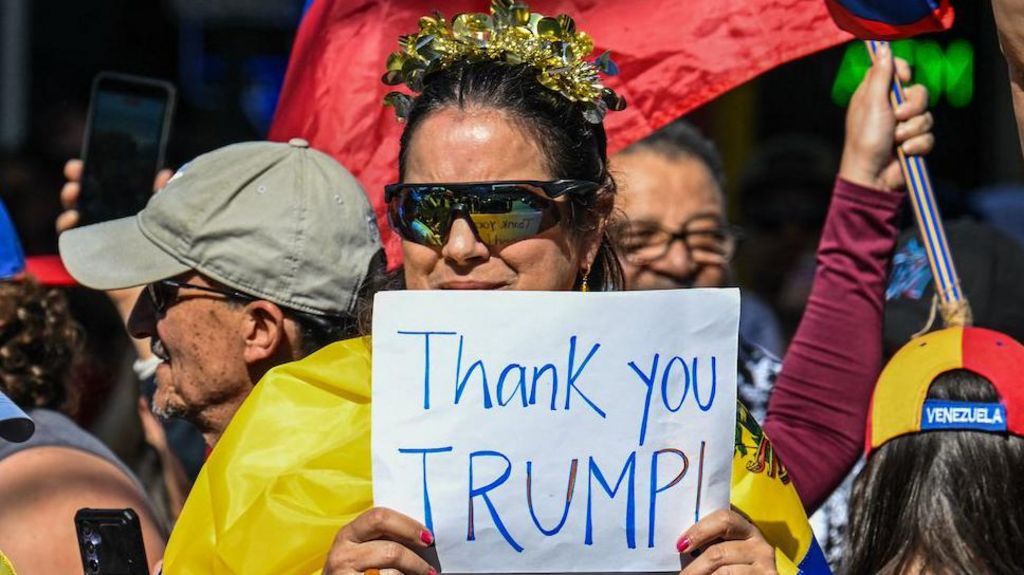
    The epicenter of celebrations emerged at El Arepazo restaurant, where hundreds gathered by noon with flags, music, and car horns creating a festival atmosphere. Bryan Marquez, who emigrated just two years ago from Tachira state, struggled to articulate his emotions: “We suffered under them. It was humiliating. That’s why so many of us left.”

    Many attendees credited U.S. President Donald Trump for enabling their longed-for political change. “It’s an indescribable feeling,” Marquez added. “He’s really helped us… I don’t know what to say, except thank you.”

    Yet beneath the celebrations simmered uncertainties about Venezuela’s political future. Trump’s press conference remarks created confusion, particularly his statement that the U.S. “is going to run Venezuela through a team that’s working with the people,” and his dismissal of opposition leader María Corina Machado’s governing capabilities.

    Mateos expressed strong objections to any continued involvement of Maduro regime figures: “We do not accept a government of Delcy Rodriguez, or anyone that was part of the Maduro regime. They are dirty and corrupt.”

    Some analysts within the community suggested Trump might need to maintain temporary oversight. “Donald Trump will have to do it for now,” commented marketing professional Elkin, who predicted the U.S. president would “move Venezuela towards a more inclusive transition.”

    The events marked both a culmination of exile aspirations and the beginning of new political uncertainties for Venezuela’s future.

  • Chinese capital declares major victory against air pollution

    Chinese capital declares major victory against air pollution

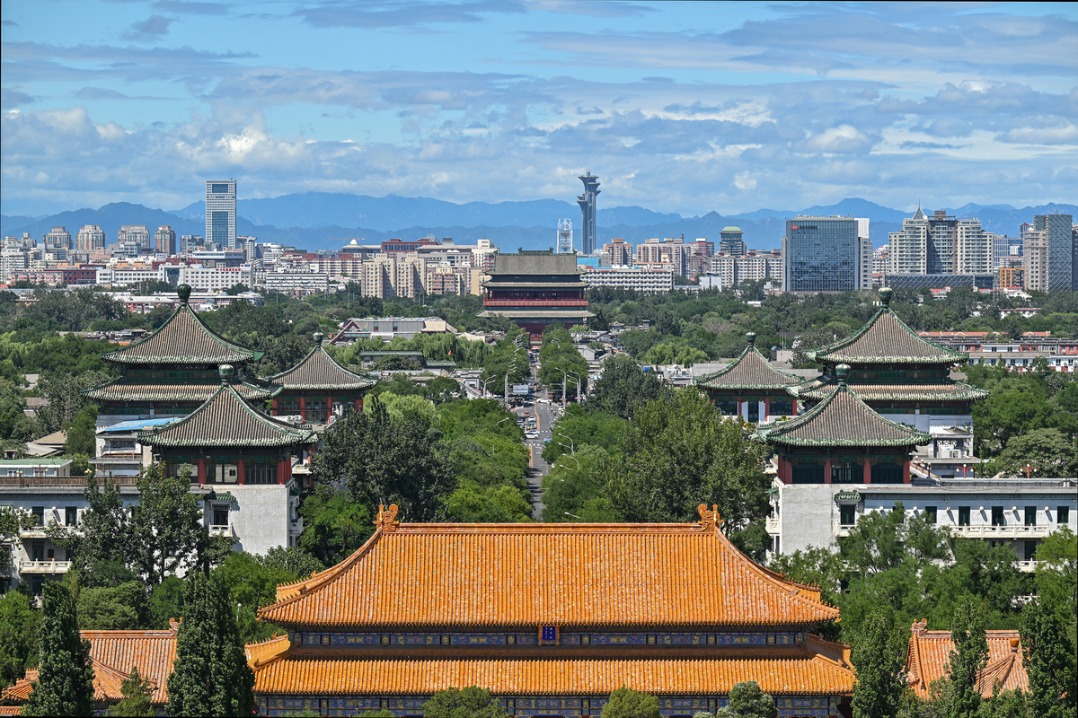
    Beijing has announced a monumental environmental turnaround, declaring near-elimination of heavy air pollution following a decade-long campaign. Official data released Sunday by the Beijing Municipal Ecology and Environment Bureau reveals the capital experienced merely one day of heavy pollution throughout 2025—a dramatic 98.3% decrease from the 58 heavily polluted days recorded in 2013.

    The watershed achievement extends to particulate matter levels, with the city’s annual average PM2.5 concentration dropping to 27.0 micrograms per cubic meter. This marks the first time Beijing’s fine particulate pollution has dipped below the 30-microgram threshold since systematic monitoring began.

    The transformation represents a stunning reversal from 2013, when Beijing’s air quality reached crisis levels with PM2.5 concentrations averaging 89.5 micrograms per cubic meter. During that period, suffocating smog episodes regularly blanketed the city, posing substantial public health risks and challenging urban development.

    Authorities attribute this environmental success to the comprehensive ‘Blue Sky Defense War’ initiative—an unprecedented multi-year program implementing stringent emissions controls, industrial restructuring, energy transition measures, and enhanced environmental regulations. The systematic approach targeted pollution sources across transportation, manufacturing, energy production, and construction sectors.

    This air quality milestone positions Beijing among the few megacities globally to achieve such rapid pollution reduction, setting a benchmark for urban environmental governance and demonstrating the effectiveness of coordinated policy action against atmospheric pollution.

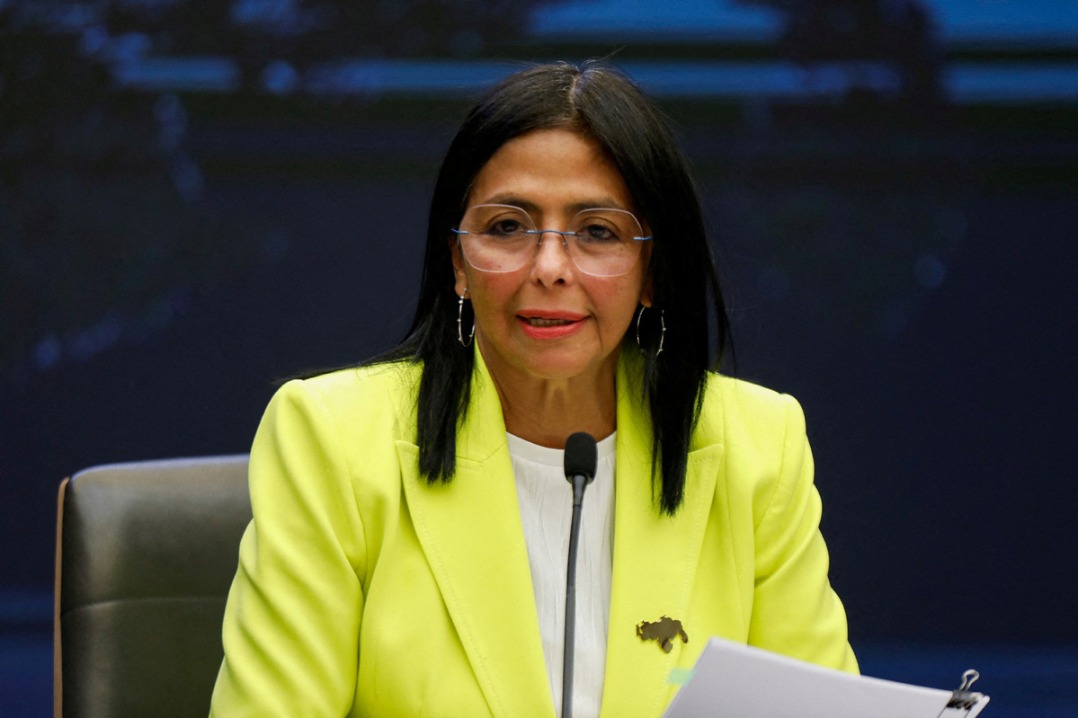
  • Venezuela’s top court orders VP Delcy Rodriguez to be acting president: media

    Venezuela’s top court orders VP Delcy Rodriguez to be acting president: media

    In a significant political development, Venezuela’s Supreme Court has officially designated Vice President Delcy Rodríguez as the nation’s acting president. This judicial directive comes amid heightened political tensions and follows recent military actions by foreign powers in the South American country.

    The appointment, reported by multiple media outlets on January 4, 2026, represents a constitutional response to the extraordinary circumstances facing the Venezuelan government. Rodríguez, who previously served as Venezuela’s vice president, now assumes the highest office temporarily through judicial mandate rather than electoral process.

    This transition occurs against the backdrop of captured former president Nicolás Maduro, whose detention resulted from recent international military operations targeting Venezuela’s leadership. The Supreme Court’s intervention demonstrates the continuing functioning of Venezuela’s judicial institutions despite external pressures and internal political challenges.

    Rodríguez’s ascension to acting president marks a critical juncture in Venezuela’s ongoing political crisis, which has drawn international attention and involved multiple foreign governments. The judicial order provides constitutional continuity while the nation navigates complex geopolitical tensions and domestic uncertainty.

    The development follows statements from Rodríguez herself, who previously affirmed Maduro as ‘the only president’ of Venezuela, indicating the complex political calculations underlying this judicial appointment. International observers are closely monitoring how this transition will affect regional stability and diplomatic relations.

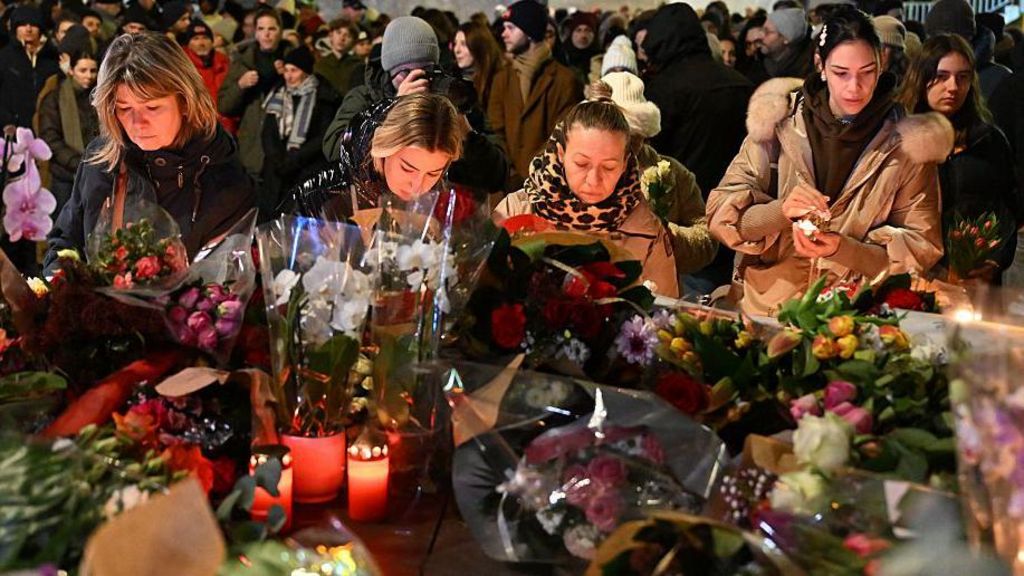
  • Police identify 16 more victims of Swiss bar fire

    Police identify 16 more victims of Swiss bar fire

    Authorities in Switzerland have confirmed the identities of 16 additional victims from the catastrophic New Year’s fire at Le Constellation bar in the upscale ski resort of Crans-Montana. The latest identifications reveal the youngest victim was a 14-year-old Swiss girl, with nine of the deceased being under 18 years old. The multinational group includes citizens from Switzerland, Italy, Romania, Turkey, and France.

    This development brings the total number of identified fatalities to 24, with eight Swiss victims having been identified and returned to their families on Saturday. All eight were aged between 16 and 24, according to official statements.

    The death toll from the devastating incident stands at least 40 people, with an additional 119 injured. Many victims and those still considered missing are teenagers, reflecting the bar’s popularity with the resort’s younger crowd where the legal drinking age is 16.

    A criminal investigation is underway targeting the bar’s French owners, identified in media reports as Jacques and Jessica Moretti. They face potential charges of manslaughter by negligence, bodily harm by negligence, and arson by negligence, according to the Valais regional prosecutor’s office.

    Preliminary investigations indicate the fire likely originated from sparklers on bottles being carried too close to the ceiling during New Year’s celebrations. Video evidence from inside the venue appears to capture the moment the ceiling covering ignited.

    Lead prosecutor Beatrice Pilloud confirmed investigators are examining whether the acoustic foam installed on the ceiling was compliant with regulations and potentially contributed to the rapid spread of flames.

    The identification process has been painstakingly slow due to the severity of burns suffered by many victims, as noted by Italian ambassador to Switzerland Gian Lorenzo Cornado.

    Among those potentially affected is Charlotte Niddam, a teenager who previously attended two schools in the United Kingdom—Immanuel College in Hertfordshire and the Jewish Free School in northwest London. Italian media has identified 16-year-old junior golfer Emanuele Galeppini as one of the confirmed victims, with the Italian Golf Federation paying tribute to the ‘young athlete who carried with him passion and authentic values.’

    Police have stated they will not release further details about identified victims out of respect for their grieving families.

  • US faces domestic criticism over military operation in Venezuela

    US faces domestic criticism over military operation in Venezuela

    Washington, D.C. – January 4, 2026: The United States faces mounting domestic criticism following a controversial military operation that resulted in the capture and extradition of Venezuelan President Nicolas Maduro and First Lady Cilia Flores. The pre-dawn strikes on Saturday targeted key military installations in Caracas, including Fort Tiuna and La Carlota Air Base, culminating in the apprehension of the Venezuelan leaders who were subsequently transported to New York for federal processing.

    The operation has triggered a constitutional confrontation between the executive and legislative branches, with Democratic lawmakers leading charges of illegal warfare and executive overreach. Senator Tim Kaine condemned the action as “an unauthorized military attack” that represents “a sickening return to hemispheric domination policies.” Kaine announced plans to force a Senate vote on the War Powers Resolution as early as Tuesday, seeking to constrain presidential military authority.

    Congressional criticism extended beyond partisan lines, with Representative Thomas Massie questioning the legal foundation: “If this operation were constitutionally sound, authorities wouldn’t reference a 1934 firearm law to justify arresting a foreign leader.” The administration faces accusations of misleading Congress about operational objectives, with Senator Andy Kim stating officials “lied to Congress about goals in Venezuela.”

    The political discourse reveals divergent perspectives on the operation’s motivations. Multiple lawmakers and social media commentators allege resource-driven intentions, with Representatives Alexandria Ocasio-Cortez and Mark Pocan characterizing the action as prioritizing “might over right” for oil access. Conservative commentator Ana Navarro rejected Trump’s assertion that the US should “manage” Venezuela, calling the concept “insane” and “completely unhinged.”

    While most Republican lawmakers supported the operation as a decisive strike against narco-terrorism, significant intra-party objections emerged. Senator Mike Lee demanded clarification on constitutional justification, and Representative Marjorie Taylor Greene criticized selective foreign intervention, questioning why similar actions aren’t taken against Mexican cartels.

    The captives arrived at Stewart Air National Guard Base before transfer to Brooklyn’s Metropolitan Detention Center. New York City Mayor Zohran Mamdani, briefed on detention plans, declared the capture “an act of war and violation of federal and international law.”

    Social media platforms amplified public skepticism, with users across Reddit, X, and YouTube drawing parallels to historical resource conflicts and questioning the drug trafficking justification. The digital discourse reflects widespread skepticism about official narratives, with many commentators interpreting the operation as a pretext for securing energy resources rather than addressing narcotics trafficking.