作者: admin

  • How the Monroe Doctrine factors into US arrest of Venezuela’s Nicolás Maduro

    How the Monroe Doctrine factors into US arrest of Venezuela’s Nicolás Maduro

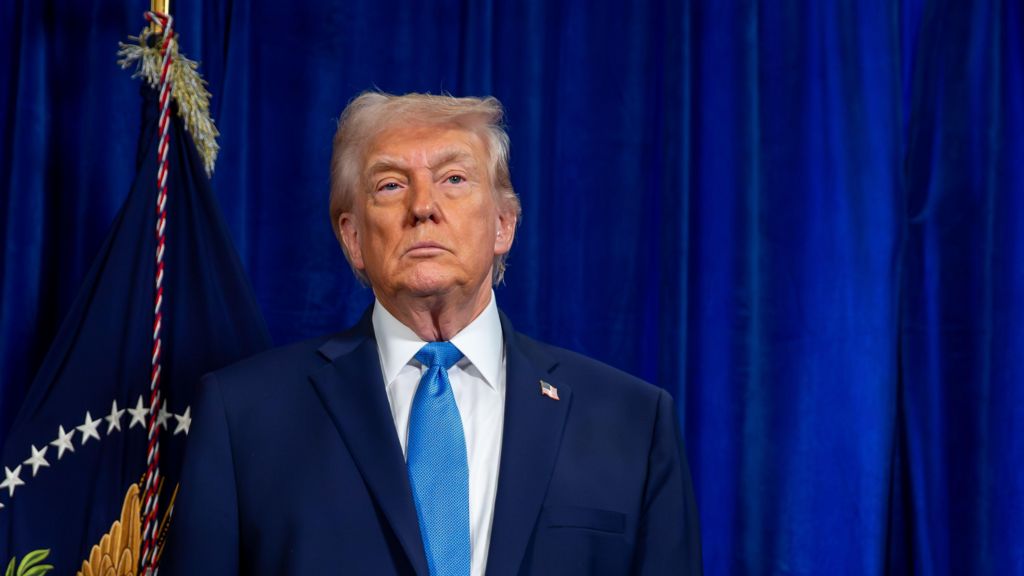
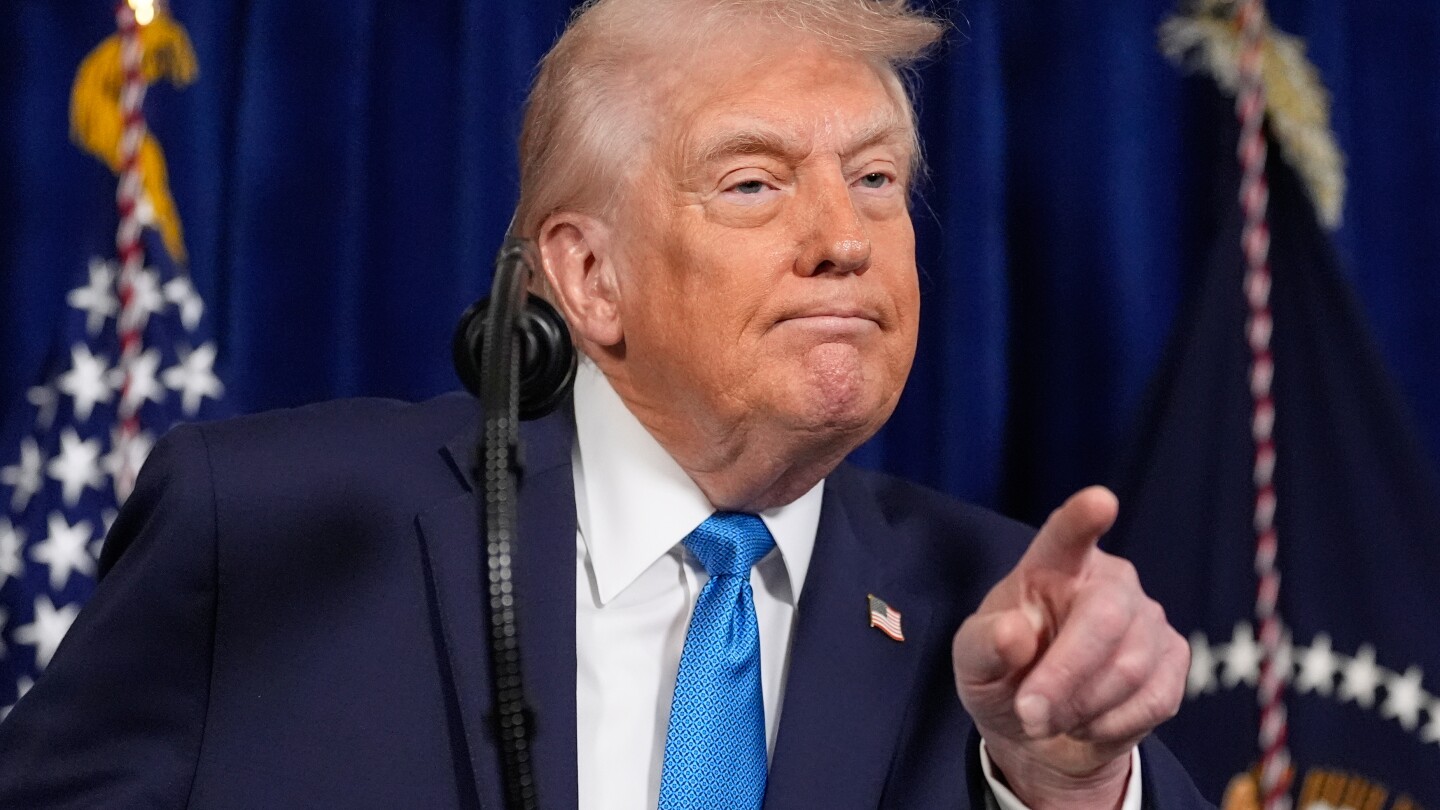
    In a significant foreign policy address, President Donald Trump has invoked the 200-year-old Monroe Doctrine to rationalize recent U.S. military operations targeting Venezuelan leader Nicolás Maduro. The historical principle, originally articulated by President James Monroe in 1823 to deter European interference in the Western Hemisphere, has been reinterpreted by multiple administrations throughout American history to justify regional interventions.

    During recent remarks, Trump not only referenced the doctrine but humorously suggested some now call it ‘the Don-roe Doctrine,’ signaling his administration’s distinctive approach to hemispheric policy. This revival of Monroe-era principles coincides with the Trump administration’s assertion that Washington would ‘run’ Venezuela until a suitable replacement for Maduro is established.

    Historical experts note profound connections between current policy and historical applications. Jay Sexton, University of Missouri history professor and author of ‘The Monroe Doctrine: Empire and Nation in Nineteenth-Century America,’ emphasizes that ‘Venezuela has been the pretext or trigger for a lot of corollaries to the Monroe Doctrine,’ citing instances dating back to the late 1800s.

    The administration’s newly articulated approach—dubbed the ‘Trump Corollary’ in official national security documents—represents the latest evolution of this enduring foreign policy framework. ‘Under our new national security strategy,’ Trump declared, ‘American dominance in the Western Hemisphere will never be questioned again.’

    This modern interpretation follows historical precedents including Theodore Roosevelt’s ‘Big Stick’ diplomacy and Cold War-era applications against Soviet influence. Professor Gretchen Murphy of the University of Texas observes that Trump’s usage aligns with historical patterns where the doctrine ‘legitimate[s] interventions that undermine real democracy, and ones where various kinds of interests are served, including commercial interests.’

    However, experts warn that prolonged engagement in Venezuela may create political complications within Trump’s base. Sexton notes that unlike ‘hit-and-run’ operations such as strikes on Iranian nuclear facilities, Venezuela engagement ‘is going to be potentially quite a mess and contradict the administration’s policies on withdrawing from forever wars.’

    The White House’s December national security strategy explicitly frames military operations against drug trafficking and migration flows as implementing this renewed hemispheric dominance, marking a significant reimagining of America’s regional military presence despite isolationist tendencies within the administration’s coalition.
  • Trump wants Venezuela’s oil. Will his plan work?

    Trump wants Venezuela’s oil. Will his plan work?

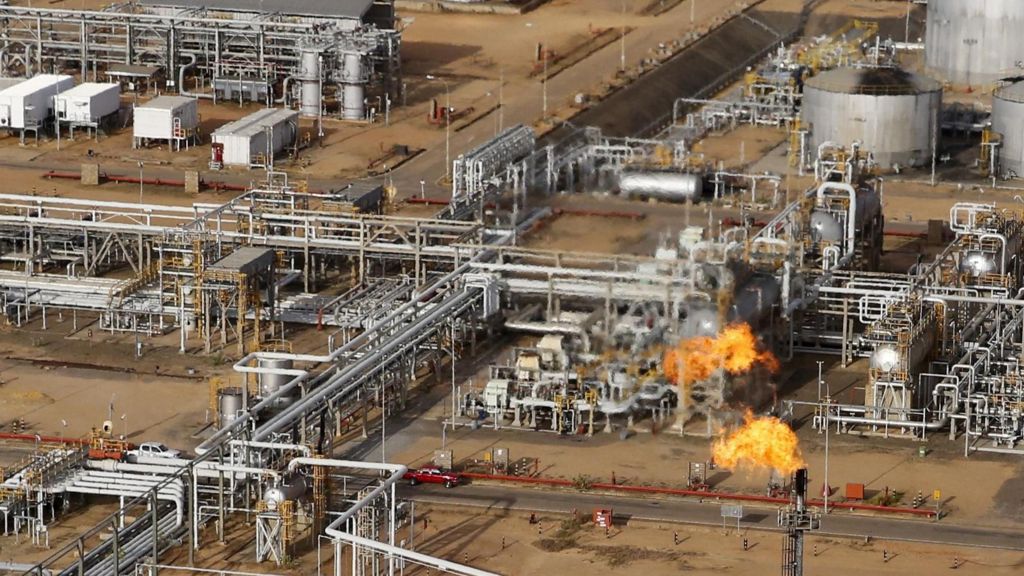
    In a bold geopolitical maneuver, former President Donald Trump has declared intentions to harness Venezuela’s vast oil reserves following the capture of President Nicolás Maduro, proposing to fundamentally “run” the nation’s energy sector. His strategy envisions injecting billions of American corporate investments to revitalize the country’s crippled oil infrastructure, which he describes as “badly broken,” and ultimately generate revenue for Venezuela.

    Venezuela possesses the world’s largest proven crude oil reserves, estimated at 303 billion barrels. However, current production tells a different story. Output has plummeted to a mere 860,000 barrels per day as of November, a stark decline from historical levels and representing less than 1% of global oil consumption. This collapse is largely attributed to decades of state mismanagement, underinvestment, and sweeping U.S. sanctions initially imposed in 2015 over human rights allegations.

    Energy analysts and economists are casting significant doubt on the feasibility of Trump’s plan. Callum Macpherson, Head of Commodities at Investec, identifies infrastructure decay as the primary obstacle. Homayoun Falakshahi, a senior commodity analyst at Kpler, emphasizes that legal and political stability are paramount; no drilling agreements can be secured until a new, stable government succeeds Maduro. This would leave companies gambling billions on the future political climate.

    The financial and temporal scale of the challenge is monumental. Experts at Capital Economics, including Group Chief Economist Neil Shearing, warn that restoring Venezuela’s former output would require tens of billions of dollars and potentially up to a decade of work. Consequently, any impact on global oil supply and prices in the near future would be negligible. Shearing further notes that even a return to production levels of 3 million barrels per day would not place Venezuela among the world’s top ten oil producers.

    Currently, Chevron stands as the sole U.S. oil producer operating in Venezuela, doing so under a special license granted during the Biden administration. The company, responsible for approximately 20% of the country’s extraction, has stated its focus remains on employee safety and regulatory compliance. While other major firms have remained publicly silent, analysts suggest internal discussions are undoubtedly underway, weighing the enormous resource potential against the profound political and investment risks.

  • Dubai completes 60% of Oud Metha, Al Asayel roads project as 2026 begins

    Dubai completes 60% of Oud Metha, Al Asayel roads project as 2026 begins

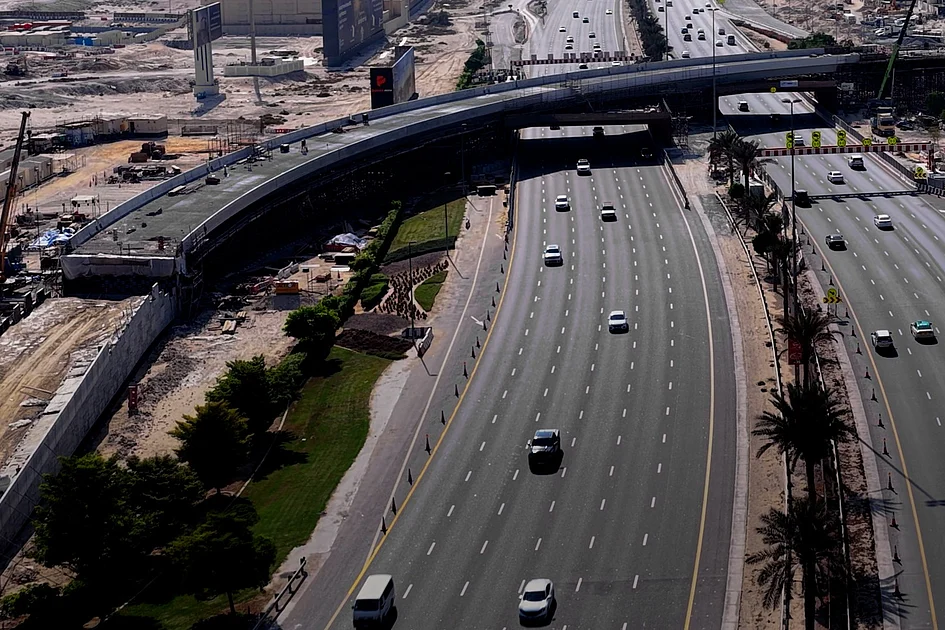
    Dubai’s Roads and Transport Authority (RTA) has announced significant progress on the Oud Metha Road and Al Asayel Street development project, with 60% of construction completed as of January 2026. This critical infrastructure initiative forms part of the broader Sheikh Rashid Corridor Development Project aimed at enhancing urban connectivity across multiple districts.

    The comprehensive development encompasses four major intersections featuring an extensive network of bridges spanning 4.3 kilometers and roads extending 14 kilometers. Current construction milestones reveal 70% completion of bridges facilitating traffic flow from Al Asayel Street to Al Khail Road northbound toward Business Bay Crossing, with anticipated opening scheduled for the first quarter of 2026.

    Key infrastructure enhancements include a tunnel serving traffic from Dubai-Al Ain Road toward Al Wasl Club Street, which has reached approximately 60% completion. Remaining road widening operations and associated bridge constructions are progressing toward a third-quarter 2026 operational deadline.

    The project’s four upgraded intersections represent engineering marvels:

    1. Oud Metha Road-Sheikh Rashid Road Intersection: Enhanced with additional left-turn slip ramps and expanded right-turn lanes, increasing capacity to 4,000 vehicles hourly

    2. Oud Metha Road-Al Asayel Street Intersection: Features two new bridges connecting Al Asayel Street to Al Khail Road via Al Wasl Club Street, with capacities reaching 3,600 vehicles hourly

    3. Al Wasl Club Street-Al Khail Road Intersection: Includes a new two-lane bridge and upgraded access roads with dedicated parking solutions

    4. Zabeel Palace Street Intersection: Incorporates a single-lane vehicle tunnel and expanded bridge capacity from 2,200 to 3,300 vehicles hourly

    Upon full completion, the project will serve over 420,000 residents across Zabeel, Al Jaddaf, Oud Metha, Umm Hurair, Latifa Hospital, and Al Wasl Club districts. Transportation efficiency will dramatically improve, with Oud Metha Road capacity increasing by 50% to 15,600 vehicles hourly and journey times reduced from 20 minutes to just 5 minutes—representing a 75% improvement in traffic flow.

  • ‘Stunned’: Dubai billionaire questions implications of US action in Venezuela

    ‘Stunned’: Dubai billionaire questions implications of US action in Venezuela

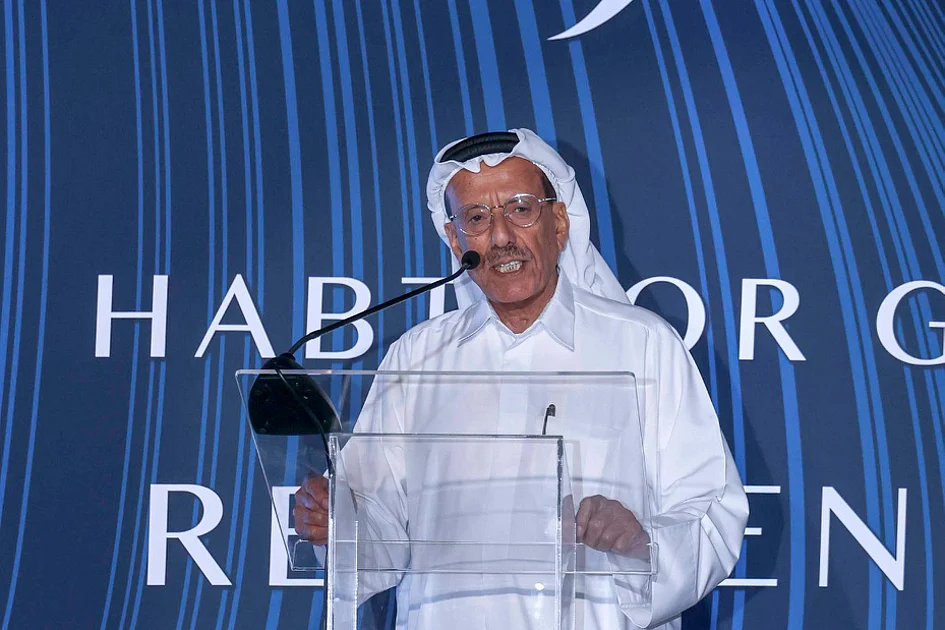
    Prominent Dubai billionaire Khalaf Al Habtoor has expressed profound shock and condemnation following the United States’ military intervention in Venezuela and the subsequent arrest of President Nicolás Maduro. The chairman of Al Habtoor Group publicly questioned the ethical and legal foundations of unilateral action against a sovereign nation, sparking international discourse about state sovereignty and global power dynamics.

    In a strongly worded statement disseminated through social media platforms, Al Habtoor challenged the justification behind President Donald Trump’s announcement that the US would assume control of Venezuela’s governance and natural resources. The Emirati business magnate raised fundamental questions about international law, asking whether national sovereignty had become ‘a mere detail’ in global politics and expressing concern about the precedent set by such actions.

    Al Habtoor emphasized that this situation transcends political disagreement, representing instead a critical ethical and humanitarian issue. He called attention to the implications for Venezuela’s population of approximately 30 million people, whose national leadership was determined through external intervention rather than democratic processes.

    The billionaire philanthropist, known for his outspoken commentary on global affairs, further questioned the international community’s response and the United Nations’ position regarding what he characterized as a violation of established international norms. He warned that this breach of sovereignty could establish dangerous precedents with unpredictable consequences for global stability.

    Beyond his business accomplishments, Al Habtoor has established himself as a vocal commentator on social and political matters, regularly hosting discussions in Dubai on contemporary issues. His previous engagements include proposing a reconstruction plan for Gaza in October 2025 and advocating for social policies encouraging marriage among Emirati youth.

  • New Year holiday sees 142 million domestic tourism trips

    New Year holiday sees 142 million domestic tourism trips

    China’s tourism sector demonstrated remarkable vitality during the recent New Year’s Day holiday period, with official data revealing substantial economic activity across domestic destinations. According to statistics released by the Ministry of Culture and Tourism, the three-day holiday commencing Thursday witnessed approximately 142 million domestic tourist excursions nationwide.

    The holiday period, which spanned from January 1 to January 3, 2026, generated approximately 84.8 billion yuan (equivalent to $12.13 billion) in tourism revenue, signaling a robust recovery in domestic consumption patterns. The figures underscore China’s continuing shift toward domestic tourism as a primary economic driver within the service sector.

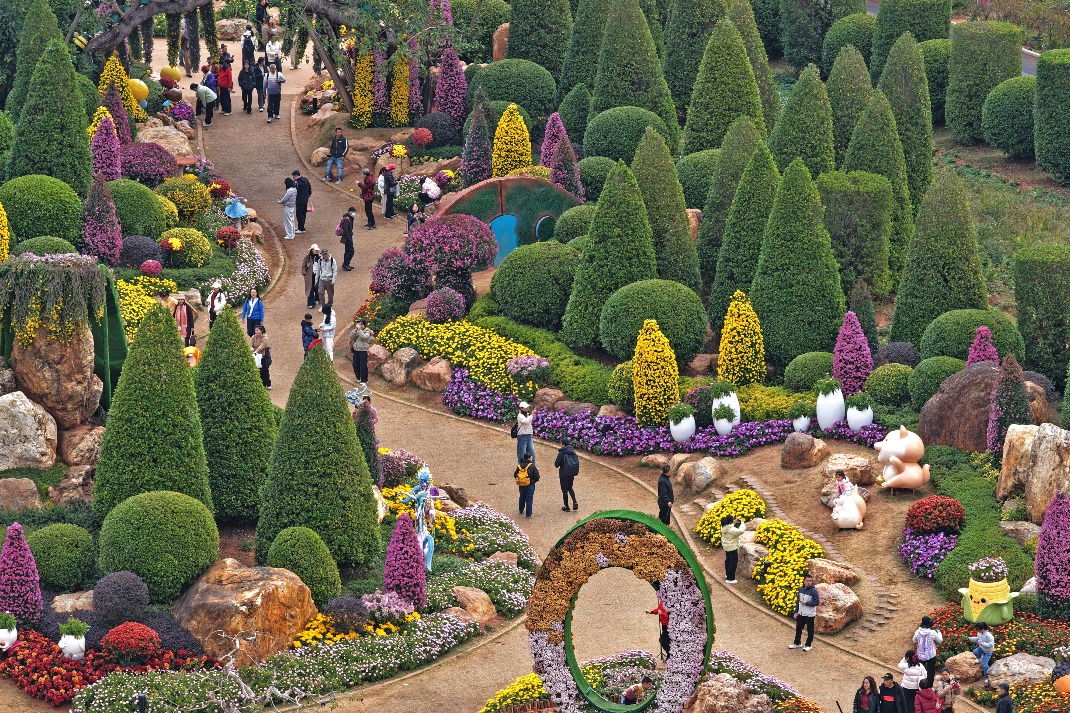
    Across the country, citizens engaged in diverse leisure activities, from cultural experiences to natural sightseeing. In Nanning, capital of South China’s Guangxi Zhuang Autonomous Region, visitors flocked to scenic areas to admire chrysanthemum displays, as captured in aerial drone photography on January 3. The imagery revealed vibrant crowds enjoying floral exhibitions and other holiday attractions.

    The tourism surge occurred alongside increased mobility nationwide, with reports indicating nearly 20% growth in daily passenger trips throughout the holiday period. Additionally, border authorities recorded approximately 6.62 million cross-border trips, reflecting renewed international travel interest following recent developments in travel policies.

    Industry analysts suggest these numbers represent not only pent-up travel demand but also the effectiveness of government initiatives promoting domestic tourism and cultural consumption. The data provides encouraging indicators for China’s broader economic outlook as the country continues to implement measures stimulating domestic demand and supporting service industry recovery.

  • Tyson Fury comes out of retirement again

    Tyson Fury comes out of retirement again

    In a move that surprises few within the boxing community, British heavyweight icon Tyson Fury has officially declared his intention to return to the ring in 2026, reversing his retirement stance yet again. The 37-year-old pugilist, known as the ‘Gypsy King,’ made the announcement via his Instagram account on Sunday, signaling an end to his brief hiatus following a controversial defeat to Oleksandr Usyk in December 2024.

    Fury’s career has been characterized by dramatic retirements and unexpected comebacks. His latest Instagram post captured his characteristic bravado: ‘2026 is that year. Return of the mac. Been away for a while but I’m back now, 37 years old and still punching. Nothing better to do than punch men in the face and get paid for it.’

    The British boxer’s history of retirement U-turns began after his April 2022 victory over Dillian Whyte, when he initially claimed to be leaving the sport, only to return months later. His most recent retirement announcement after the Usyk loss was met with skepticism from boxing analysts, given his pattern of behavior.

    Fury’s comeback plans face complications due to recent tragedies in the boxing world. A anticipated all-British showdown against Anthony Joshua appears unlikely following a devastating car crash in Nigeria that killed two of Joshua’s team members and left the former champion injured. With Joshua potentially sidelined, Fury may pursue a trilogy fight against reigning champion Usyk or challenge WBO titleholder Fabio Wardley.

    A victory against either champion would cement Fury’s legacy alongside Muhammad Ali as only the second three-time world heavyweight champion in boxing history. The announcement comes after Fury expressed outrage over judges’ decisions in his two losses to Usyk, his only professional defeats in 37 contests.

  • 6.62m cross-border trips recorded over New Year’s holiday

    6.62m cross-border trips recorded over New Year’s holiday

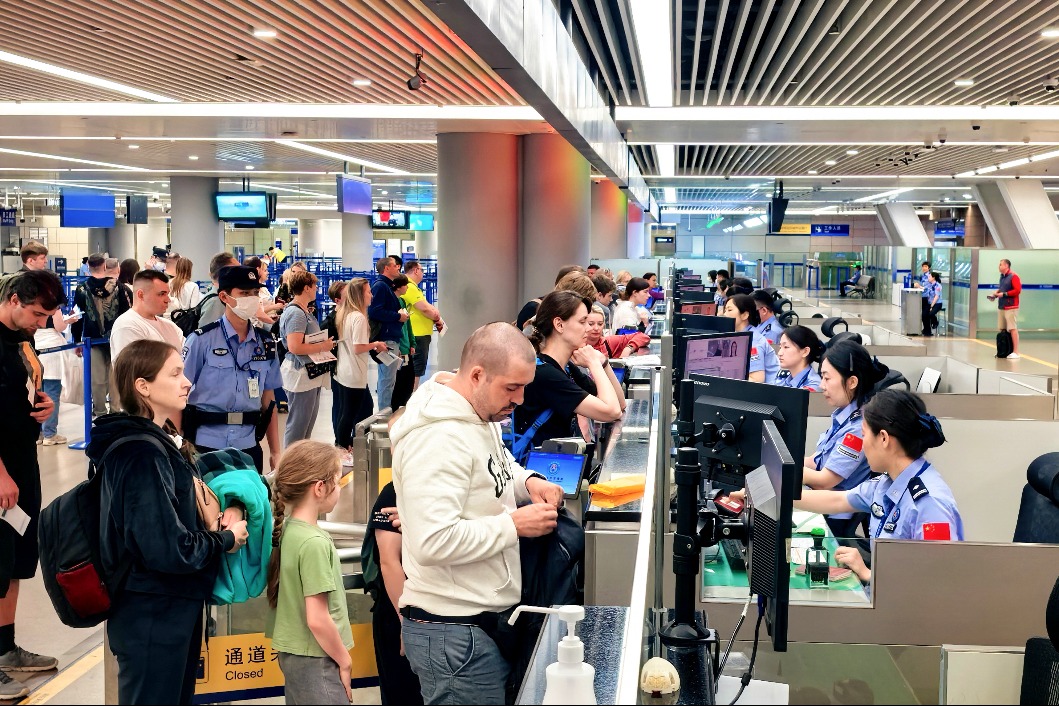
    China’s National Immigration Administration reported a substantial surge in cross-border mobility during the recent New Year holiday period, with total trips reaching 6.62 million between Thursday and Saturday. The three-day holiday period demonstrated remarkable recovery in international travel, averaging approximately 2.21 million daily crossings—a significant 28.6 percent increase compared to the same period last year.

    Travel patterns revealed distinct demographic trends among travelers. Mainland Chinese residents accounted for the majority of crossings at 3.36 million trips, representing a substantial 39.1 percent year-on-year increase. Residents from Hong Kong, Macao, and Taiwan regions followed with 2.42 million trips, marking a 15.9 percent growth. Foreign nationals contributed 828,000 crossings, showing a robust 29.8 percent increase from previous year figures.

    Notably, visa-free entry policies facilitated 292,000 foreign national entries, demonstrating a 35.8 percent surge that highlights China’s increasingly open border policies. The transportation sector similarly experienced growth, with authorities inspecting 283,000 inbound and outbound flights, vessels, trains, and vehicles—an 11.4 percent increase year-on-year.

    The data reflects both restored travel confidence and China’s ongoing efforts to normalize cross-border movement following global travel disruptions. The statistics indicate not only returning tourism and business travel but also suggest strengthening international connections across multiple transport modalities.

  • New clashes in Iran as protests enter second week: rights groups

    New clashes in Iran as protests enter second week: rights groups

    Iran has entered a critical phase of civil unrest as nationwide protests triggered by economic grievances continue into their second consecutive week. According to documentation by international human rights organizations, fresh violent confrontations erupted over the weekend between demonstrators and state security forces across multiple provinces.

    The protest movement, initially catalyzed by merchant strikes in Tehran’s historic bazaar on December 28, has now expanded to affect at least 40 urban centers across 23 of Iran’s 31 provinces. Current estimates indicate a minimum of 12 fatalities, including both protesters and security personnel, since the demonstrations began.

    Significant unrest has been documented in western regions with substantial Kurdish and Lor minority populations. The Norway-based Hengaw rights organization reported Revolutionary Guards opening fire on protesters in Ilam province’s Malekshahi county on Saturday, resulting in four confirmed deaths among the Kurdish minority. Parallel reports from Iran Human Rights NGO corroborated these figures while indicating approximately 30 additional casualties.

    Verified footage circulated by monitoring groups shows disturbing images of bloodied casualties and aggressive security responses. Iranian state media has presented alternative narratives, with Fars news agency characterizing events as ‘riot suppression’ and reporting two assailants killed during attempted police station stormings.

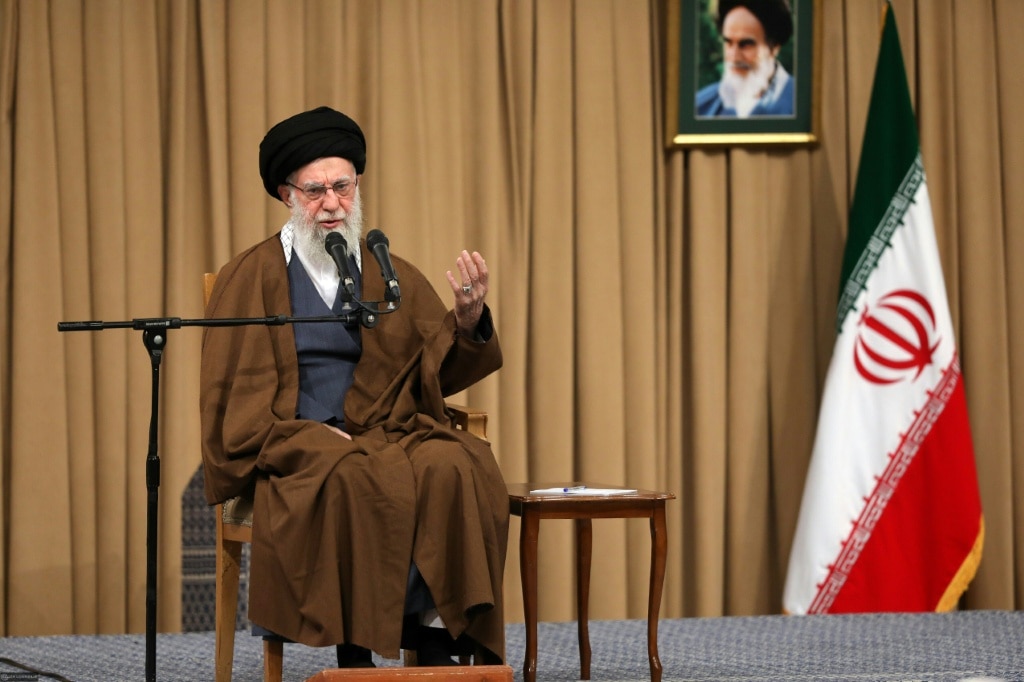
    This represents the most substantial challenge to Tehran’s authority since the 2022-2023 Mahsa Amini protests, though current demonstrations haven’t yet achieved comparable scale. The unrest presents particular concerns for Supreme Leader Ayatollah Ali Khamenei’s administration, coming shortly after June’s direct military exchanges with Israel that damaged nuclear infrastructure.

    International responses have emerged alongside the escalating domestic situation. United Nations special rapporteur Mai Sato warned against repeating the violent suppression witnessed during previous protests. The United States issued statements through former President Trump suggesting readiness to respond if protesters are harmed, while Israeli Prime Minister Netanyahu expressed solidarity with Iranian demonstrators.

    Tehran has responded to international comments with defiance, with Foreign Minister Abbas Araghchi labeling external statements as ‘reckless’ and emphasizing military readiness against potential intervention. Domestically, officials have acknowledged economic concerns while simultaneously warning against destabilization, reflecting the government’s attempt to balance conciliation with control.

  • Bowen: Trump’s action could set precedent for authoritarian powers across globe

    Bowen: Trump’s action could set precedent for authoritarian powers across globe

    In an unprecedented demonstration of military force, former President Donald Trump has orchestrated the capture and imprisonment of Venezuelan leader Nicolás Maduro, declaring American authority over the South American nation until a “safe, proper and judicious transition” can be implemented. The operation, executed without American casualties, represents the most assertive application of the Trump doctrine of hemispheric dominance.

    Speaking from his Mar-a-Lago estate, Trump revealed that U.S. forces had successfully detained Maduro and established operational control over Venezuela. Secretary of State Marco Rubio reportedly secured cooperation from Venezuelan Vice-President Delcy Rodríguez, who allegedly stated her willingness to comply with American demands. While Trump acknowledged potential “boots on the ground” deployments, specifics regarding governance mechanisms remained undefined.

    This intervention revives concerns about America’s troubled history with forced regime change. Analysts from the International Crisis Group had previously warned that Maduro’s removal could trigger violent power struggles among armed factions. Historical parallels with Iraq, Afghanistan, and Haiti suggest nation-building efforts frequently yield instability rather than democracy.

    Trump explicitly reframed American foreign policy through his “Donroe Doctrine”—an enhanced version of the Monroe Doctrine asserting permanent U.S. dominance throughout the Western Hemisphere. He issued blunt warnings to regional leaders, including Colombia’s President Gustavo Petro and implied future actions regarding Mexico and Cuba.

    The operation’s economic motivations emerged clearly as Trump detailed plans to extract Venezuela’s mineral wealth, promising reimbursement for the United States alongside benefits for Venezuelans. This resource-focused approach echoes previous attempts to leverage Ukrainian natural resources for American gain.

    Internationally, the action constitutes a flagrant violation of the United Nations Charter, drawing condemnation from China and raising concerns among European allies struggling to balance support for international law with diplomatic relations. The precedent established—that powerful nations may militarily intervene against leaders they deem criminal—potentially empowers authoritarian regimes worldwide.

    Senator Mark Warner warned that China might cite similar justification for actions against Taiwan, while Russia could employ parallel logic regarding Ukraine. The erosion of international norms threatens global stability, suggesting continued turbulence as nations recalibrate their strategies in response to Trump’s assertion of unilateral power.

  • DAMAC marks Sheikh Mohammed’s 20 years as Ruler with citywide drone tribute

    DAMAC marks Sheikh Mohammed’s 20 years as Ruler with citywide drone tribute

    Dubai’s iconic skyline served as the canvas for an extraordinary tribute on January 4th, 2026, as DAMAC Group commemorated the 20th anniversary of Sheikh Mohammed bin Rashid Al Maktoum’s accession as Ruler of Dubai. The renowned real estate developer orchestrated a citywide celebration honoring two decades of unprecedented urban transformation and visionary governance.

    Hussain Sajwani, founder and chairman of DAMAC Group, expressed profound admiration for Sheikh Mohammed’s leadership legacy. “His Highness has established Dubai as a global paradigm of ambition, opportunity, and superior quality of life,” Sajwani stated. “Beyond the physical transformation of our skyline, his vision has fundamentally elevated human potential, fostered unprecedented opportunities, and positioned knowledge and innovation as cornerstones of national development.”

    The anniversary festivities featured two meticulously choreographed drone displays that illuminated the evening sky at 6:45 PM and 9:30 PM. These aerial performances were strategically positioned at Jumeirah Beach Residence and other prominent locations across Dubai, creating a visual symphony visible throughout the city.

    DAMAC further amplified the celebratory atmosphere by deploying commemorative banners across its most distinguished properties. This architectural tribute encompassed Safa One, DAMAC Tower by Paramount, DAMAC Lagoons, DAMAC Hills, DAMAC Hills 2, DAMAC Heights, and the distinctive Cavalli Tower.

    As a pioneering force in Dubai’s luxury real estate sector, DAMAC has evolved in parallel with the city’s remarkable growth trajectory. The company’s portfolio of residential, lifestyle, and mixed-use developments embodies the emirate’s global aspirations and ambitious spirit. These anniversary celebrations reinforce DAMAC’s ongoing dedication to supporting Dubai’s future vision—a future characterized by innovation, excellence, and groundbreaking concepts.

    The drone tribute not only celebrated past achievements but also symbolized the continuing partnership between private enterprise and visionary leadership in shaping Dubai’s ongoing narrative of success and global significance.