作者: admin

  • Two dead after unauthorized crossing of Aoshan Mountain

    Two dead after unauthorized crossing of Aoshan Mountain

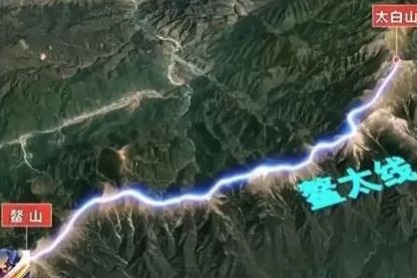
    A perilous unauthorized mountain crossing expedition has culminated in tragedy, with two fatalities confirmed among a group of five individuals who circumvented safety protocols on Shaanxi province’s Aoshan Mountain. Local authorities in Taibai county reported the devastating outcome on Tuesday, following an intensive multi-day search and rescue operation.

    The ill-fated journey commenced in the early hours of January 2nd, when the hikers deliberately evaded the established climbing monitoring outpost at approximately 2:00 AM. The situation turned critical on January 3rd when police received an emergency alert regarding the group’s loss of contact during their unauthorized traverse. According to official reports, one member managed to descend the mountain independently that morning while the remaining four continued missing.

    Taibai county immediately activated its emergency response protocol, deploying a coordinated rescue mission comprising four professional rescue teams alongside local residents. The operation achieved its first success on January 4th with the safe recovery of one individual found in satisfactory physical condition.

    As the search intensified, authorities escalated the operation on January 5th at 4:30 AM, deploying helicopter assets to access the mountain’s treacherous terrain. Later that afternoon, rescue teams located the remaining two individuals, both deceased. Preliminary investigations indicate one victim had suffered a fatal fall from a cliff face.

    Aoshan Mountain presents formidable challenges even for experienced mountaineers, featuring hazardous topography, rapidly changing weather patterns, and protected natural zones. Local authorities have reiterated that unauthorized crossings remain strictly prohibited, emphasizing the extreme dangers posed by such reckless endeavors. The incident serves as a sobering reminder of the critical importance of adhering to mountain safety regulations and monitoring systems designed to protect visitors.
  • US abduction of Maduro fuels political debate in Iran

    US abduction of Maduro fuels political debate in Iran

    The political crisis surrounding Venezuela has ignited intense discourse within Iran, generating widespread analysis across state media and Persian-language social platforms. Beyond Tehran’s formal condemnation of the U.S. involvement with President Nicolás Maduro, the situation has prompted serious examination of Iran’s own geopolitical vulnerabilities and international standing.

    This reaction underscores the deep-rooted political and economic alliance between Tehran and Caracas, particularly their energy collaboration developed despite comprehensive U.S. sanctions. While government-aligned media outlets vehemently criticized Washington’s actions, more reformist-leaning publications focused on the implications for Iran’s domestic and foreign policy challenges.

    The timing amplified the debate’s significance, coinciding with recent anti-establishment protests in Iran that began on December 28th in Tehran over economic conditions before spreading to other cities. The convergence of events gained additional gravity when U.S. President Donald Trump threatened to support Iranian protesters if security forces employed violence against them.

    On Sunday, Iranian newspapers prominently featured the Venezuela situation. Hafte Sobh, a pro-government daily, evoked Gabriel García Márquez’s ‘News of a Kidnapping’ to frame its coverage, asserting that U.S. objectives included controlling energy flows, containing China and Russia, and weakening Iran’s international position.

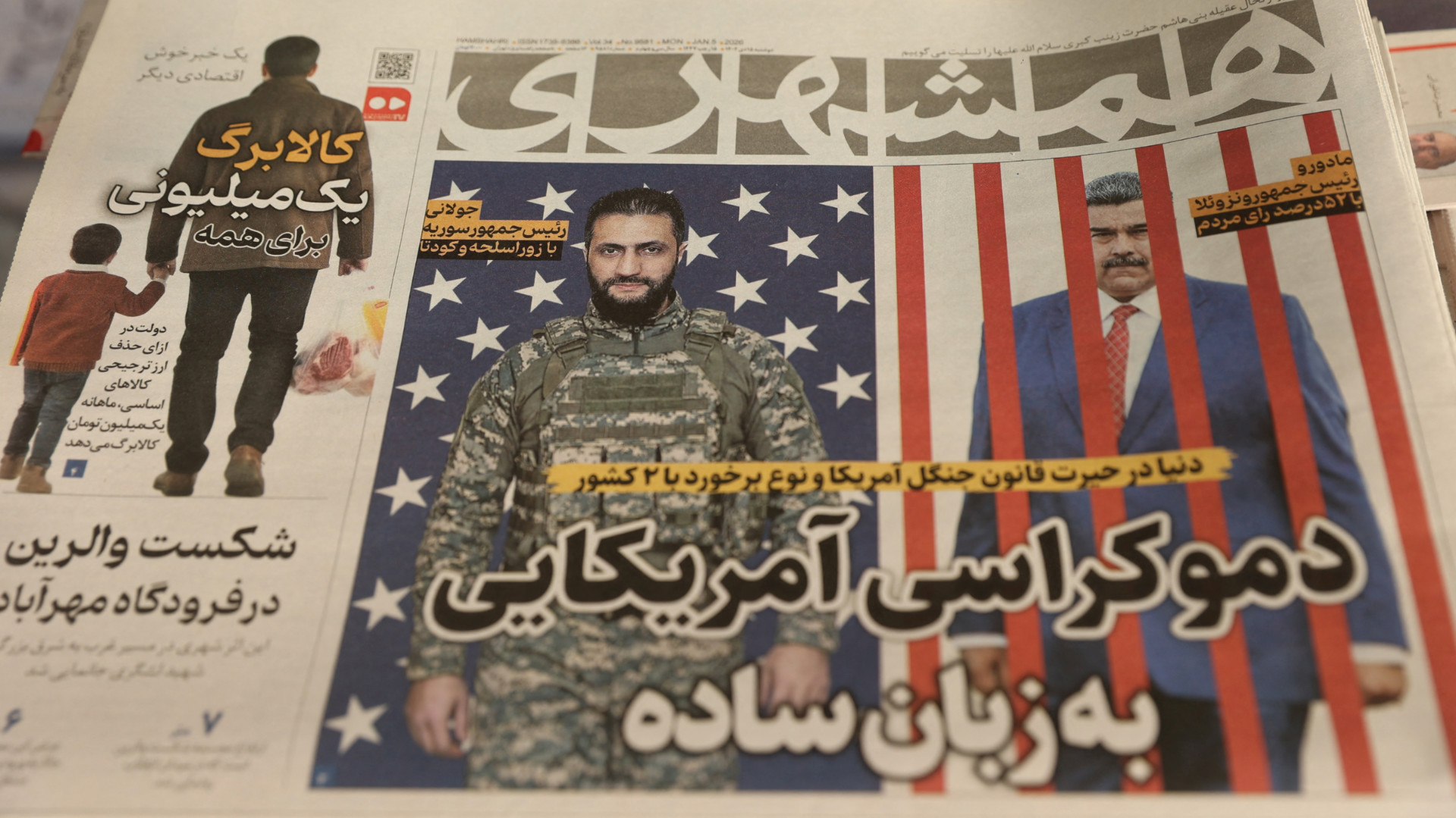
    Hamshahri, aligned with Tehran’s ultra-conservative mayor, published comparative photographs of Maduro and Syrian President Bashar al-Assad to highlight Washington’s treatment of both leaders. Meanwhile, conservative daily Farhikhtegan depicted Trump wearing a pirate’s hat under the headline ‘Chief of Thieves,’ characterizing the events as recalling ‘the darkest moments of military intervention in Latin American history.’

    Reformist publications struck a more cautionary tone. Etemad analyst Hassan Beheshtipour emphasized the critical importance of national unity and public support for leadership, warning that ‘ignoring domestic reforms and inefficient management can pave the way for foreign intervention.’ Arash Maleki in Hammihan was more direct, questioning whether Iran should ‘push the reset button based on national interest’ to overcome historical challenges with the United States.

    The Iran-Venezuela relationship, dating back decades and peaking during the presidencies of Mahmoud Ahmadinejad and Hugo Chávez, included significant trade, energy cooperation, and joint projects. In 2020, Iran sent five oil tankers carrying 1.5 million tonnes of fuel to Venezuela, with reports suggesting payment was made in gold.

    Social media has become a battleground between Iranian authorities and their opponents. Reza Pahlavi, son of Iran’s last shah, expressed solidarity with Venezuela’s opposition while drawing parallels with Iran’s situation. Government supporters countered by highlighting Iran’s military capabilities as a deterrent, arguing ‘Iran will never be Venezuela’ due to its missile power, Revolutionary Guard, and Basij paramilitary forces.

    Analyst Ali Asghar Zargar reinforced this perspective, noting Iran’s distinct position in resources, power, and military capability, suggesting any crisis in the Strait of Hormuz could trigger global consequences that would deter similar U.S. action against Iran. Nonetheless, some conservative commentators renewed calls for Iran to acquire nuclear weapons, with Yousef Azizi arguing that nuclear deterrence would prevent such vulnerabilities for mid-level powers in global struggles.

  • Accused scam boss Chen Zhi arrested in Cambodia, extradited to China: Phnom Penh

    Accused scam boss Chen Zhi arrested in Cambodia, extradited to China: Phnom Penh

    In a significant transnational law enforcement operation, Cambodian authorities have extradited Chinese-born business magnate Chen Zhi to China following his arrest in Phnom Penh. The development comes months after the United States Justice Department unsealed indictments identifying Chen as the alleged mastermind behind one of Asia’s most extensive cybercrime networks operating under the guise of legitimate business conglomerate Prince Holding Group.

    According to Cambodia’s Interior Ministry, the extradition operation conducted on Tuesday included two additional Chinese nationals—Xu Ji Liang and Shao Ji Hui—and was executed within the framework of international cooperation against transnational crime. The ministry’s statement revealed that Chen’s Cambodian citizenship had been formally revoked by royal decree in December 2023, paving the way for his transfer to Chinese authorities after months of joint investigative work.

    US prosecutors allege that Chen presided over a sophisticated criminal enterprise that operated forced labor compounds across Cambodia, where victims were coerced into executing elaborate cryptocurrency investment scams known as ‘pig butchering’ schemes. These operations, which targeted victims globally, reportedly generated billions in illicit profits through carefully orchestrated confidence tricks that built trust with targets before absconding with their funds.

    The international investigation gained momentum in October when US and British authorities imposed sanctions on Chen and his organization, followed by a series of asset confiscations across multiple jurisdictions. According to court documents, the scheme involved approximately 127,271 bitcoin seized by US authorities—valued at over $11 billion at current prices—with Chen facing up to 40 years imprisonment if convicted on wire fraud and money laundering conspiracy charges in the United States.

    The case has drawn attention to Cambodia’s problematic relationship with large-scale cybercrime operations, with experts noting that dozens of scam centers employing tens of thousands of people—both willing participants and trafficked victims—operate throughout Southeast Asia. Notably, Chen had maintained high-level political connections in Cambodia, serving as an advisor to both current Prime Minister Hun Manet and his predecessor father Hun Sen, highlighting the complex interplay between business, politics, and alleged criminal enterprises in the region.

    Prince Group has consistently denied all allegations, maintaining its operations were legitimate across real estate, financial services, and consumer businesses in more than 30 countries. Chinese authorities had not issued immediate commentary on the extradition as of late Wednesday.

  • President Petro’s clash with Trump over Venezuela backs Colombia into a corner

    President Petro’s clash with Trump over Venezuela backs Colombia into a corner

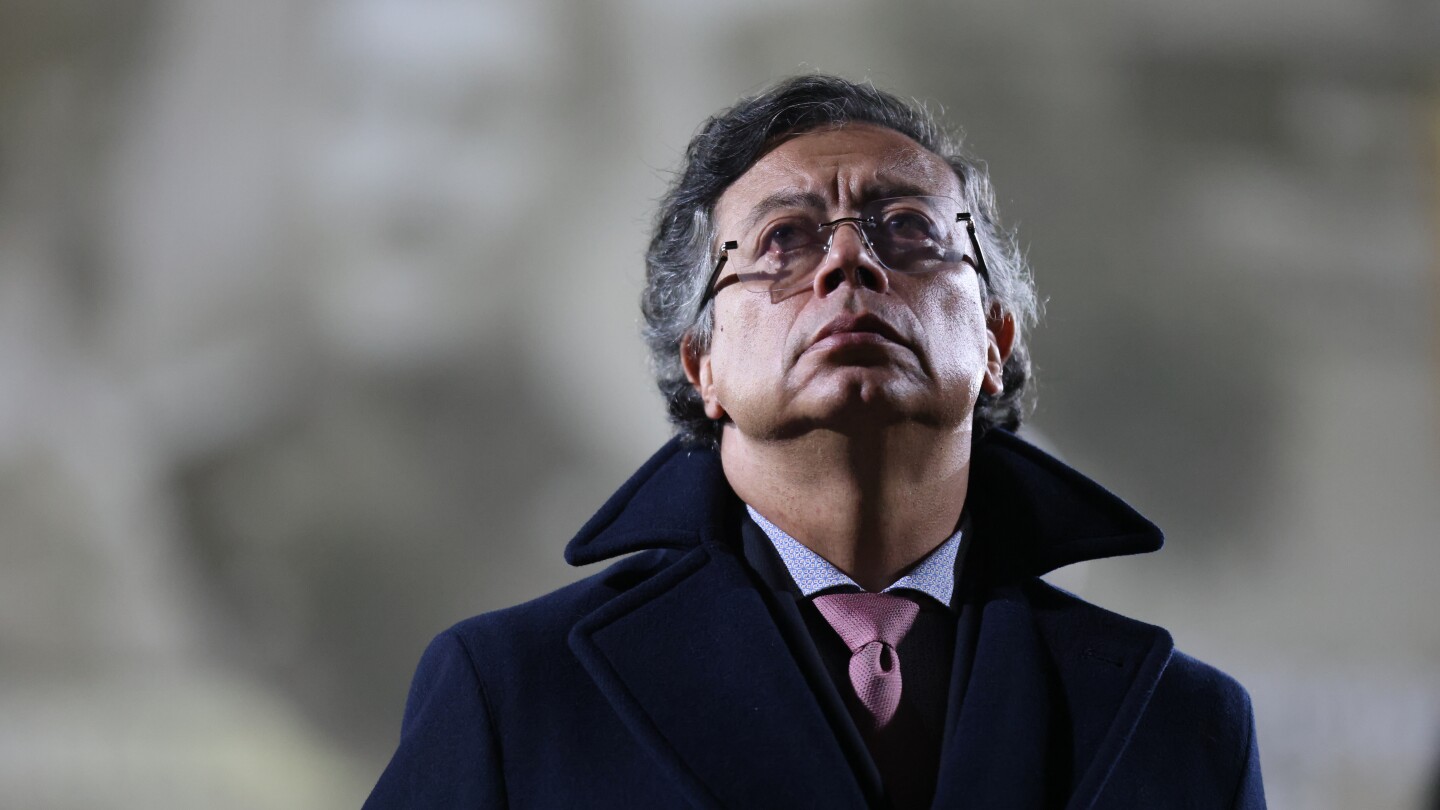
    BOGOTÁ, Colombia — Colombian President Gustavo Petro has launched an unprecedented diplomatic offensive against the United States following its military operation to capture Venezuelan leader Nicolás Maduro, creating the most severe bilateral crisis in decades between the traditional allies.

    The left-wing leader condemned Washington’s actions as an “abhorrent violation of Latin American sovereignty” and drew historical parallels to Nazi Germany’s 1937 bombing of Guernica, Spain. In a dramatic escalation, Petro called for street protests to defend national sovereignty and convened emergency meetings with both the United Nations and Organization of American States.

    The confrontation places Colombia in an increasingly precarious position. As America’s staunchest regional partner for thirty years, Colombia now balances maintaining crucial security cooperation against Petro’s political imperative to challenge Washington. The country remains central to U.S. counternarcotics strategy as the world’s primary cocaine producer, with experts noting Colombia provides vital intelligence for Caribbean drug interdiction efforts.

    Michael Shifter of the Inter-American Dialogue think tank observed: “People are trying to tell Trump: ‘Look, you can punish Petro to the extent possible, but you don’t want to punish the country. That undermines the fight against drugs and is going to be harmful for the United States.’ But Trump is completely unpredictable.”

    The animosity between leaders has been brewing for months. Petro has turned back U.S. military deportation flights, criticized drug interdiction methods as “murder,” and clashed with Trump over Gaza and immigration policies. Trump has responded by revoking Petro’s visa, imposing sanctions on his administration, threatening punitive tariffs, and labeling him a “lunatic” and “international drug leader.”

    Despite the rhetoric, analysts consider actual military action against Colombia—a democratic nation unlike Venezuela—highly improbable. However, Trump’s increasing militaristic language about Latin America has caused growing alarm in Bogotá. Defense Minister Pedro Sánchez sought to reassure citizens that security cooperation continues uninterrupted, noting Washington has provided approximately $14 billion in assistance over two decades.

    Foreign Minister Rosa Villavicencio confirmed Colombia is pursuing diplomatic solutions while preparing for “the possibility of aggression against our country by the United States,” highlighting the nation’s “highly trained, very well prepared army” that has long received U.S. training.

  • Japan ex-governor sent over 1,000 inappropriate texts, probe finds

    Japan ex-governor sent over 1,000 inappropriate texts, probe finds

    A comprehensive investigation has revealed disturbing details about the conduct of former Fukui Prefecture Governor Tatsuji Sugimoto, who resigned last month amid sexual harassment allegations. The probe, conducted by legal experts, found that the 63-year-old politician sent more than 1,000 sexually suggestive text messages to staff members during his tenure.

    The investigation, which included examinations of approximately 6,000 official communications and face-to-face interviews with 14 officials, uncovered a pattern of systematic harassment. Messages contained explicit content such as ‘I won’t say anything about a physical relationship’ and ‘Do you like sexual things?’, creating a hostile work environment for multiple victims.

    Beyond digital misconduct, the report documented several instances of alleged physical violations, including inappropriate touching of thighs and buttocks. Although Sugimoto denied these physical allegations to investigators, the legal team concluded that his behavior potentially constitutes criminal offenses under Japan’s laws against non-consensual indecent acts.

    Notably, the investigation found that even after apologizing to victims, Sugimoto repeatedly resumed his inappropriate messaging, which may additionally violate Japan’s anti-stalking legislation. The report emphasized that despite his resignation and expressions of remorse, Sugimoto bears ‘grave responsibility’ for his actions.

    This case highlights Japan’s ongoing struggle with gender equality issues, as the country ranked 118th among 148 nations in the World Economic Forum’s 2025 gender gap index. While the global #MeToo movement has seen limited traction in Japan, high-profile cases like that of Shiori Ito, whose documentary about her alleged rape recently screened in Japan, continue to draw attention to systemic problems in Japanese workplace culture and accountability structures.

  • Berlin power outage highlights German vulnerability to sabotage

    Berlin power outage highlights German vulnerability to sabotage

    Berlin emerges from its most severe post-war blackout as power gradually returns to the final households following a five-day electricity disruption. The unprecedented outage, triggered by a suspected arson attack on critical power infrastructure, paralyzed southwest Berlin during freezing temperatures, affecting approximately 100,000 residents across tens of thousands of properties including schools, hospitals, and care facilities.

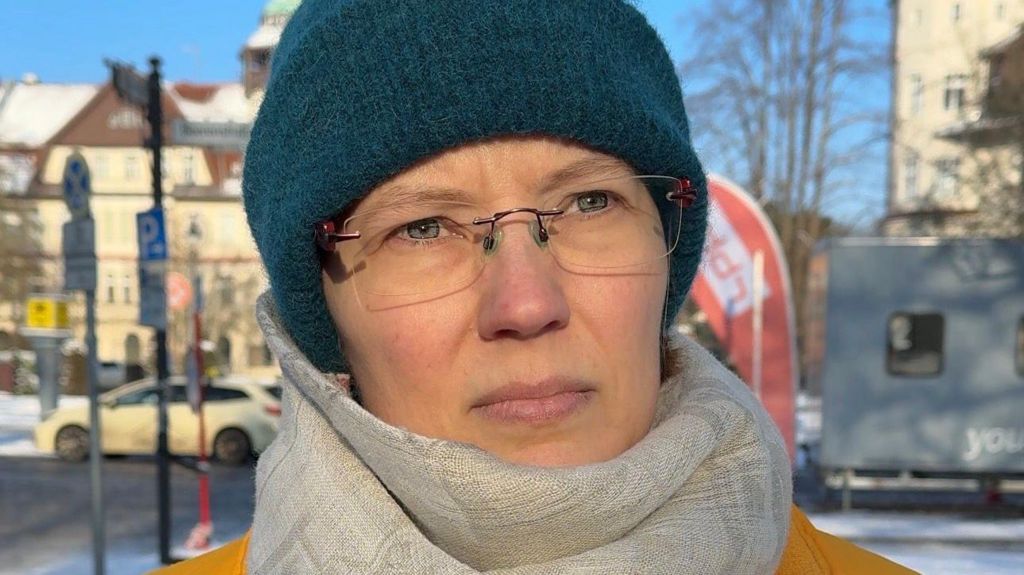
    The crisis has unveiled stark realities about urban resilience as citizens resorted to emergency measures. Families like Lena’s depended on battery-powered radios for information updates while cooking on camping stoves and preventing water pipes from freezing. Elderly residents including 79-year-old Reinhold adopted extreme cold-weather adaptations, sleeping in woolen hats and multiple layers despite sub-zero conditions.

    Authorities attribute the disruption to a deliberate attack on cables near the Lichterfelde gas-fired power plant early Saturday. The far-left militant Vulkangruppe (Volcano Group) claimed responsibility through a statement criticizing the fossil fuel industry, though expressing limited sympathy for affluent neighborhoods while apologizing to less wealthy residents. Subsequent contradictory statements appeared on Indymedia, with purported founders distancing themselves from recent actions.

    German federal prosecutors are investigating the incident as terrorism, considering charges including sabotage, arson, and disruption of public services. Fire service spokesman Adrian Wentzel confirmed restoration efforts proceeded on a ‘step-by-step basis’ with resources drawn from across Germany.

    This incident represents the latest in a series of infrastructure attacks attributed to left-wing extremists active since 2011. The scale and duration exceeded September’s similar outage, reigniting debates about Germany’s vulnerability to sabotage. The crisis has accelerated parliamentary consideration of the ‘Kritis’ bill, presented in November, which establishes minimum protection standards for critical infrastructure after years of development.

  • US says it will discuss Greenland ownership with Denmark next week

    US says it will discuss Greenland ownership with Denmark next week

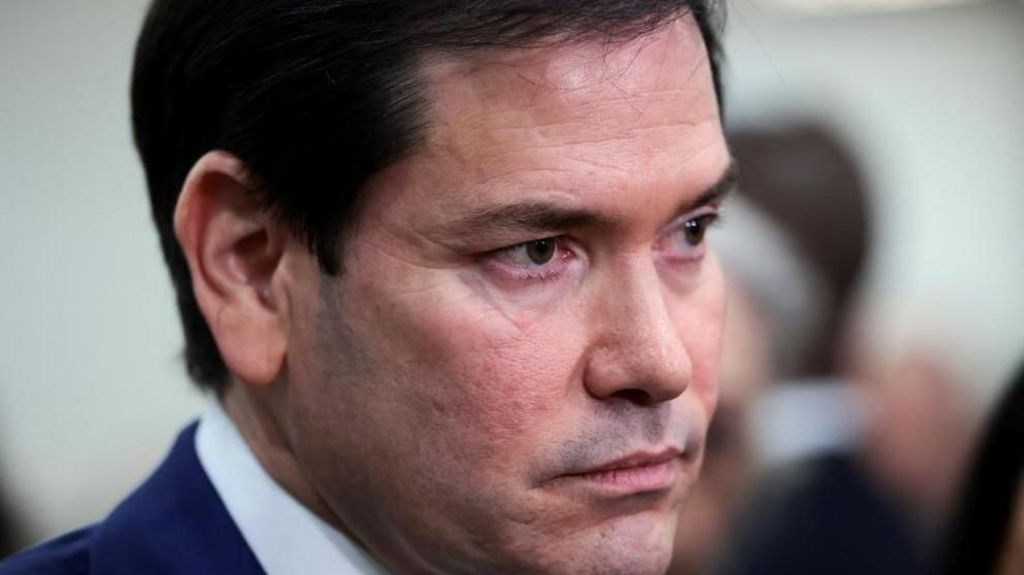
    U.S. Secretary of State Marco Rubio has confirmed upcoming diplomatic negotiations with Denmark following controversial statements from the White House regarding potential acquisition of Greenland. The announcement comes amidst heightened international tensions after President Donald Trump’s administration openly discussed military options for obtaining the strategically significant Danish territory.

    Rubio addressed journalists Wednesday following a classified Senate briefing, emphasizing that while military action remains a constitutional presidential option for national security threats, diplomatic resolution remains the preferred approach. “As a diplomat, which is what I am now, we always prefer to settle it in different ways,” Rubio stated, referencing the recent military intervention in Venezuela that saw American forces seize President Nicolás Maduro.

    The Trump administration maintains that Greenland’s geographic position makes it vital to U.S. security interests. However, Denmark has responded unequivocally that any aggressive action would effectively terminate NATO’s military alliance framework.

    European powers have rallied behind Denmark, with French Foreign Minister Jean-Noël Barrot announcing that Rubio had explicitly “ruled out the possibility of an invasion” during their telephone consultation. Barrot is scheduled to convene with German and Polish counterparts to discuss the Arctic territory’s strategic implications.

    In a powerful show of solidarity, seven European nations—France, the United Kingdom, Germany, Italy, Poland, Spain, and Denmark—issued a joint declaration affirming that “Greenland belongs to its people, and only Denmark and Greenland can decide on matters concerning their relations.” The statement emphasized collective security through NATO mechanisms while invoking UN Charter principles of sovereignty and territorial integrity.

    The situation escalated when Katie Miller, spouse of senior presidential advisor Stephen Miller, shared a social media post depicting Greenland adorned with American flag colors captioned “SOON.” Her husband subsequently declared Greenland’s incorporation into the United States as “the formal position of the US government.”

    Local Greenlandic residents expressed alarm, with 27-year-old Inuit Morgan Angaju from Ilulissat describing the experience as “terrifying to listen to the leader of the free world laughing at Denmark and Greenland and just talking about us like we’re something to claim.”

  • Watch: ‘I want a president who’s involved’- Michiganders weigh in on Maduro’s seizure

    Watch: ‘I want a president who’s involved’- Michiganders weigh in on Maduro’s seizure

    Residents of Michigan’s Detroit metropolitan area have expressed diverse viewpoints regarding U.S. foreign policy toward Venezuela, particularly the American government’s stance on removing President Nicolás Maduro from power. The BBC conducted street interviews capturing the spectrum of public opinion in this critical Midwestern state. Several interviewees emphasized their desire for presidential engagement in international matters, with one citizen stating, ‘I want a president who’s involved,’ highlighting the expectation of active American leadership in global affairs. The interviews reveal divided perspectives on the appropriate approach to Venezuela’s political crisis, with some supporting interventionist policies while others advocate for diplomatic solutions. These responses come amid ongoing tensions between the U.S. and Venezuela, where Maduro’s government faces recognition challenges from Western nations. The vox populi format provides ground-level insights into how American citizens perceive their government’s role in mediating international power struggles and administering foreign policy decisions that carry significant geopolitical implications.

  • Trump threats against Greenland pose new, potentially unprecedented challenge to NATO

    Trump threats against Greenland pose new, potentially unprecedented challenge to NATO

    BRUSSELS — The North Atlantic Treaty Organization (NATO) faces an unprecedented internal crisis as former U.S. President Donald Trump’s renewed interest in acquiring Greenland threatens to destabilize the alliance’s core principles. This development presents a peculiar challenge for an organization traditionally focused on external threats, now potentially confronting an armed confrontation involving its most powerful member.

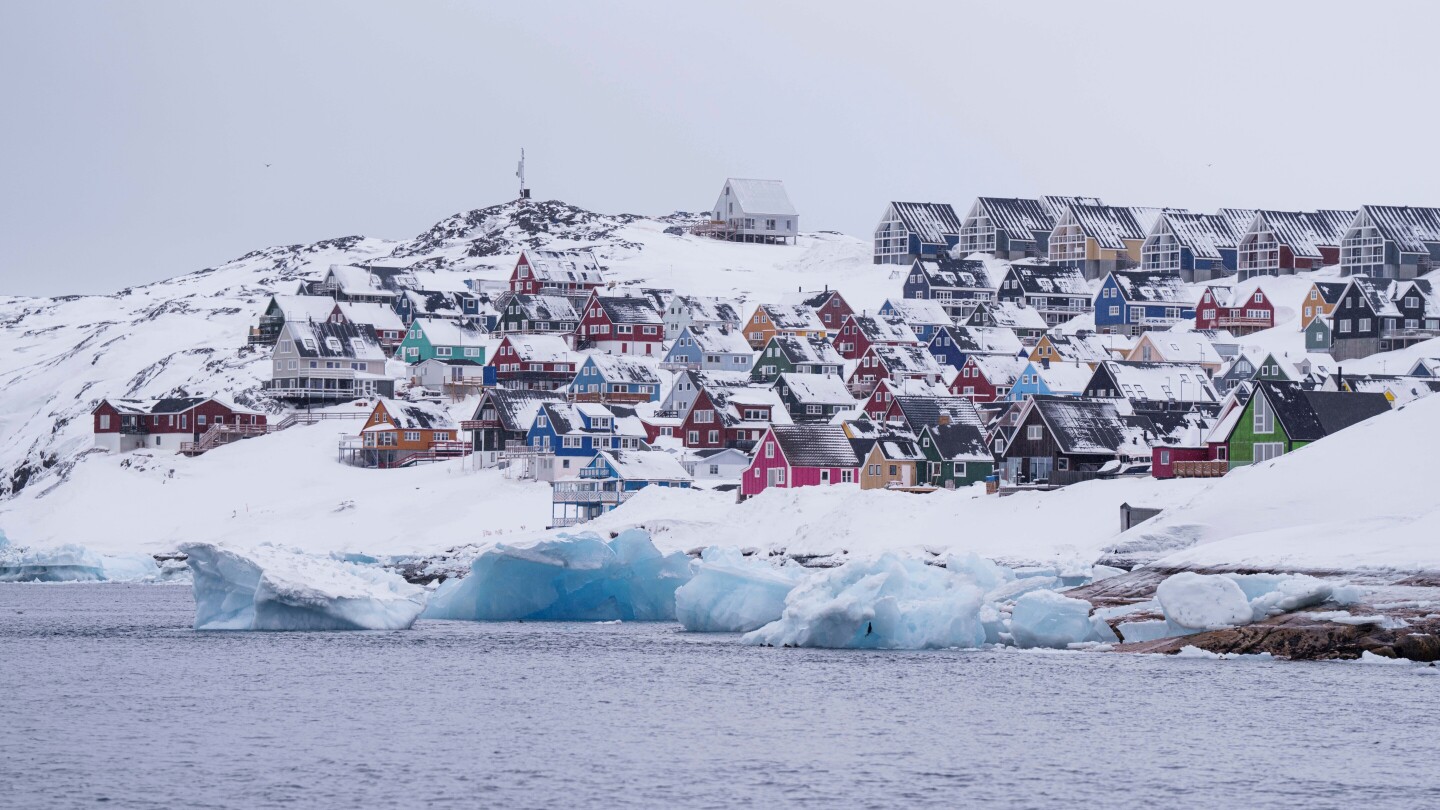
    The White House has confirmed the administration is evaluating various ‘options’ regarding Greenland, including potential military action to secure control over the mineral-rich Arctic territory. This semi-autonomous region under Danish sovereignty holds significant strategic importance, particularly for North American defense operations since World War II.

    NATO’s fundamental security guarantee—Article 5 of its founding treaty—which mandates collective defense against external aggression, contains no provisions for conflicts between member states. This structural vulnerability becomes critically relevant as the United States contemplates actions against territory belonging to NATO ally Denmark.

    European leaders including those from Britain, France, Germany, Italy, Poland, and Spain have issued a joint statement affirming that ‘It is for Denmark and Greenland, and them only, to decide on matters concerning Denmark and Greenland.’ Canada has similarly expressed support for Danish sovereignty.

    Defense analysts characterize the situation as a ‘low-probability, high-consequence event’ that challenges NATO’s political cohesion. Maria Martisiute of the European Policy Center warned that when a leading member undermines another, it damages ‘NATO’s cohesion and credibility, and it serves only our adversaries such as Russia and China.’

    The timing proves particularly problematic as NATO attempts to maintain unity in supporting Ukraine against Russian aggression. This internal distraction emerges despite recent achievements, including NATO members’ agreement to increase defense spending following Trump’s demands—a development that Secretary-General Mark Rutte recently credited to Trump’s influence.

    Danish Prime Minister Mette Frederiksen has warned that any U.S. attempt to seize Greenland could signify the end of NATO, drawing parallels to Trump’s earlier authorization of a raid targeting Venezuelan leader Nicolás Maduro. NATO officials remain cautiously neutral, with one anonymous representative stating the alliance ‘does not speculate on hypotheticals’ while acknowledging the Arctic’s importance for collective security.

    This peculiar geopolitical scenario tests NATO’s resilience at a moment when Russian aggression requires unwavering alliance unity, potentially creating openings for adversaries to exploit internal divisions.

  • Pakistan eyes defence pact with Bangladesh, sale of JF-17 jets

    Pakistan eyes defence pact with Bangladesh, sale of JF-17 jets

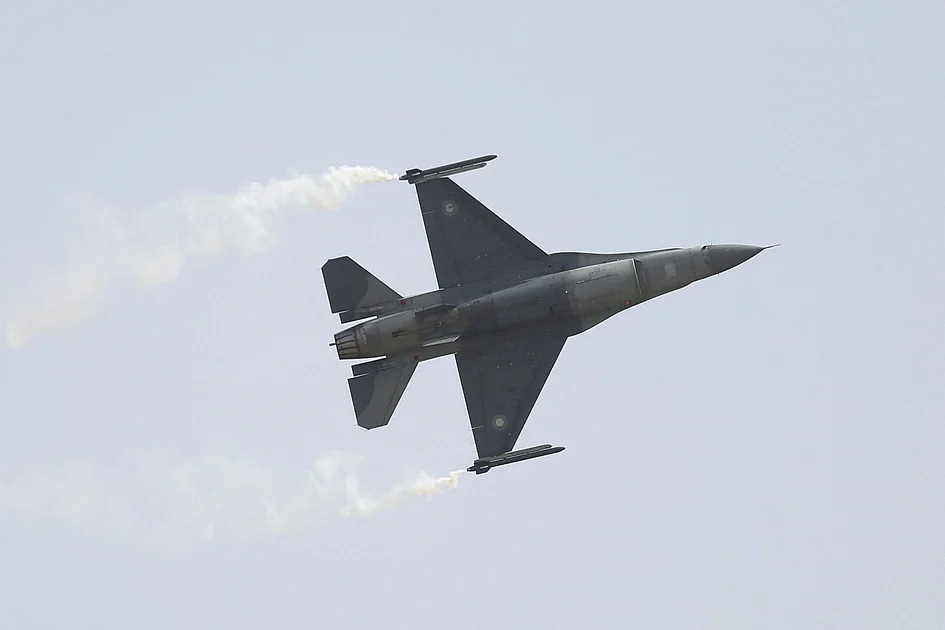
    Pakistan and Bangladesh are advancing toward a significant defense partnership, with negotiations underway for the procurement of JF-17 Thunder fighter jets and enhanced military cooperation. The discussions between Air Chief Marshal Zaheer Ahmed Baber Sidhu of Pakistan and his Bangladeshi counterpart Hasan Mahmood Khan in Islamabad mark a pivotal moment in bilateral relations, signaling a strategic realignment in South Asia.

    The potential arms deal includes not only the multi-role combat aircraft jointly developed by Pakistan and China but also accelerated delivery of Super Mushshak trainer aircraft accompanied by comprehensive training and long-term support systems. This military diplomacy occurs against the backdrop of Pakistan’s efforts to expand its weapons export portfolio following recent combat successes against India.

    This warming of ties follows substantial political changes in Bangladesh, where the departure of Prime Minister Sheikh Hasina in August 2024 after mass protests fundamentally altered Dhaka’s international relationships. The subsequent deterioration of Bangladesh-India relations has created opportunities for renewed Pakistan-Bangladesh engagement, including the resumption of direct trade for the first time since the 1971 liberation war.

    With Bangladesh preparing for February 12 general elections under interim leadership of Nobel laureate Muhammad Yunus, political analysts suggest a potential government role for previously banned political elements with historical connections to Pakistan. Meanwhile, Pakistan’s defense establishment views its growing weapons industry as both a strategic asset and economic opportunity, with Defense Minister Khawaja Asif boldly claiming that defense exports could potentially eliminate Pakistan’s need for IMF support within six months.

    The JF-17 Thunder has emerged as a centerpiece of Pakistan’s defense export strategy, with previous agreements including sales to Azerbaijan and a substantial $4 billion weapons pact with the Libyan National Army, demonstrating Pakistan’s growing presence in the international arms market.