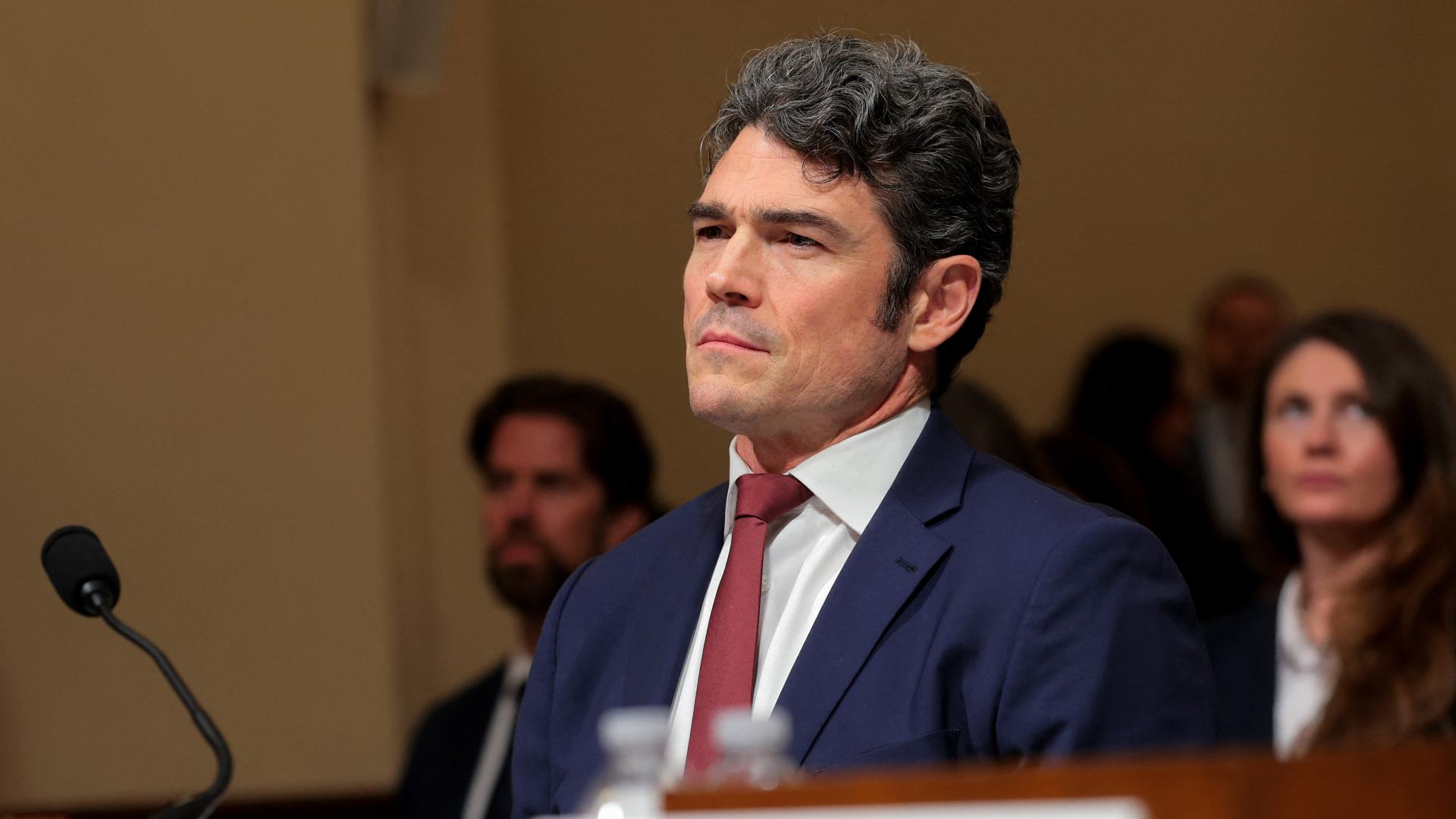
A significant political and security controversy has erupted in Washington following the resignation of Joseph Kent, the former Director of the National Counterterrorism Center (NCTC). The FBI has initiated an investigation into Kent for allegedly disclosing classified information, a probe that reportedly began prior to his very public departure.
作者: admin
-
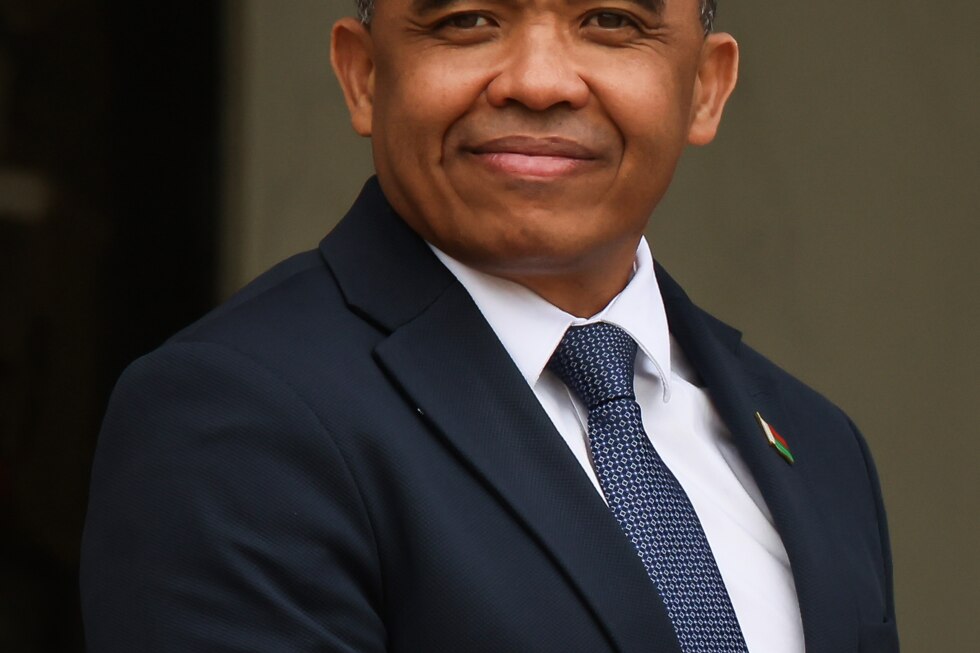
Madagascar’s president orders lie detector tests for candidates applying to be government ministers
ANTANANARIVO, Madagascar — In an unprecedented move to combat governmental corruption, Madagascar’s current military leadership has announced that all prospective cabinet ministers must undergo mandatory polygraph examinations. President Michael Randrianirina, who assumed power following last October’s coup, revealed on Thursday that the nation has procured specialized lie detection equipment and trained personnel to administer these tests.
Randrianirina, formerly a colonel in an elite army unit, articulated that the screening process aims to identify individuals with minimal corruption tendencies rather than demanding absolute purity. “Our objective is to discern between corrupt elements and those capable of genuine assistance,” he stated. “We are not seeking candidates who are completely untainted, but rather those demonstrating at least 60% integrity.”
The political transition occurred after extended civil unrest primarily driven by young citizens frustrated with inadequate public services and limited opportunities in the poverty-afflicted nation of approximately 32 million people. Randrianirina deposed former President Andry Rajoelina amid these widespread demonstrations.
In a significant governmental overhaul last week, the military leader dismissed the entire cabinet and dissolved the existing administration. This was followed by Sunday’s appointment of a new prime minister. The revised selection protocol mandates that polygraph results will determine advancement to subsequent interview stages with both the president and prime minister.
Randrianirina has concurrently committed to reestablishing democratic processes, pledging to conduct fresh elections within a two-year timeframe from his assumption of power.
-

Nigel Farage says Sadiq Khan attempted ‘dominance’ over ‘our culture’ by praying in public
A significant interfaith gathering in London’s Trafalgar Square has ignited a heated political controversy, pitting Reform Party leader Nigel Farage against London Mayor Sadiq Khan. The event, organized by the Ramadan Tent Project and billed as “the biggest iftar in the western world,” brought together diverse religious communities including Christians, Jews, Hindus, Sikhs, and atheists for communal prayers and breaking of the Ramadan fast.
During a Reform rally in Essex, Farage displayed footage of Muslim congregational prayers at the event, drawing audible boos from supporters. The Reform leader characterized the gathering as “a group of people headed up by the ghastly Sadiq Khan attempting dominance over our capital city and over our culture.” Farage framed the event as a challenge to Britain’s Judeo-Christian foundations, vowing “we will not put up with this anymore” to enthusiastic applause.
The controversy escalated when Conservative shadow justice secretary Nick Timothy previously described mass ritual prayer in public places as “an act of domination” and “straight from the Islamist playbook”—comments that prompted Prime Minister Keir Starmer to declare such rhetoric “utterly appalling” and indicative of Conservative “problems with Muslims.”
Mayor Khan responded with emotional intensity, expressing being “heartbroken, sad, and angry” while questioning “who will it be tomorrow? Jewish people? Hindu people?” He emphasized Britain’s Christian tradition of loving thy neighbor and highlighted the historical precedent of numerous religious celebrations in Trafalgar Square, including Diwali, Hanukkah, and Passion of Christ performances.
Reform Party deputies reinforced Farage’s position, with Richard Tice questioning the event’s “gender inclusivity” despite photographic evidence showing mixed gender participation and the common practice of separate prayer areas in various religious traditions. Party member Sarah Pochin visited the square to film condemnation of what she termed a “domineering show of religious authority.”
The Ramadan Tent Project clarified their mission to “bring communities together and spread the spirit of Ramadan,” offering events open to “the vulnerable, homeless, those in need of community, and anyone wishing to share food and faith.”
-

Guizhou cherry blossoms draw increasing numbers of international visitors
The cherry blossom orchards of Gui’an New Area in Guizhou province have transformed into an international tourism phenomenon, with the current seasonal bloom attracting unprecedented numbers of international visitors. Spanning approximately 1,600 hectares, the breathtaking landscape of pink-and-white blossoms now blankets hillsides and lakeshores, creating a visual spectacle that social media users have compared to “video game graphics” for its surreal beauty.
According to Rong Xiaoxiao, chairman of a local travel agency, the first international flower-viewing tour groups arrived in late February, marking the beginning of what has become a remarkable tourism surge. His company projects hosting more than 50 foreign tour groups comprising over 1,200 international visitors throughout March, with cherry blossom viewing appearing in 83% of all travel itineraries.
The visitor demographics demonstrate significant diversification beyond traditional Asian markets. While maintaining strong numbers from Singapore and Malaysia, Guizhou’s cherry blossoms are now drawing substantial interest from European nations including the United Kingdom and Germany, alongside growing Southeast Asian representation from Thailand. Most notably, the destination has witnessed a sharp increase in long-haul travelers from North America and other European countries, indicating its rising status on the global tourism map.
This ecological attraction represents a successful case study in nature-based tourism development, showcasing how regional natural assets can drive international visitor engagement while promoting sustainable tourism practices. The phenomenon underscores China’s growing appeal as a diverse tourism destination beyond its urban centers, with seasonal natural events gaining recognition alongside cultural and historical attractions.
-

Top scientist urges global collaboration on brain-computer interface development
In a significant prelude to the upcoming Zhongguancun Forum, Dr. Luo Minmin, a prominent figure in neuroscience and Director of the Chinese Institute for Brain Research, has issued a compelling appeal for international cooperation in brain-computer interface (BCI) technology development. The forum will serve as the platform for unveiling China’s latest neural research achievement—the Beinao-2 model.
During an exclusive interview, Dr. Luo provided a comprehensive overview of the global BCI landscape, noting distinct regional specializations. “The United States possesses considerable historical depth in this domain, while European researchers are achieving remarkable breakthroughs,” he observed. “China’s research ecosystem demonstrates particular strength in advancing invasive BCI methodologies.”
The renowned scientist emphasized the transformative potential of BCI systems in restoring functionality to individuals affected by paralysis and stroke victims, characterizing the need for breakthrough solutions as both urgent and morally imperative.
Representing a public research institution, Dr. Luo articulated a vision that transcends commercial competition. He framed BCI development as a shared scientific challenge requiring collective intelligence. “Rather than engaging in proprietary competition, research communities across Europe, the United States, and China should combine expertise to create superior solutions that benefit humanity universally,” he asserted. Dr. Luo concluded with a powerful call to action, urging the global brain science community to consolidate efforts in delivering revolutionary treatments to patients worldwide.
-
New study challenges a site that’s key to how humans got to the Americas
A groundbreaking archaeological study has ignited intense scholarly debate by challenging the established timeline of human settlement in the Americas. For over four decades, Chile’s Monte Verde site has stood as the most significant evidence of early human presence in the Western Hemisphere, with previous research dating artifacts and footprints to approximately 14,500 years ago.
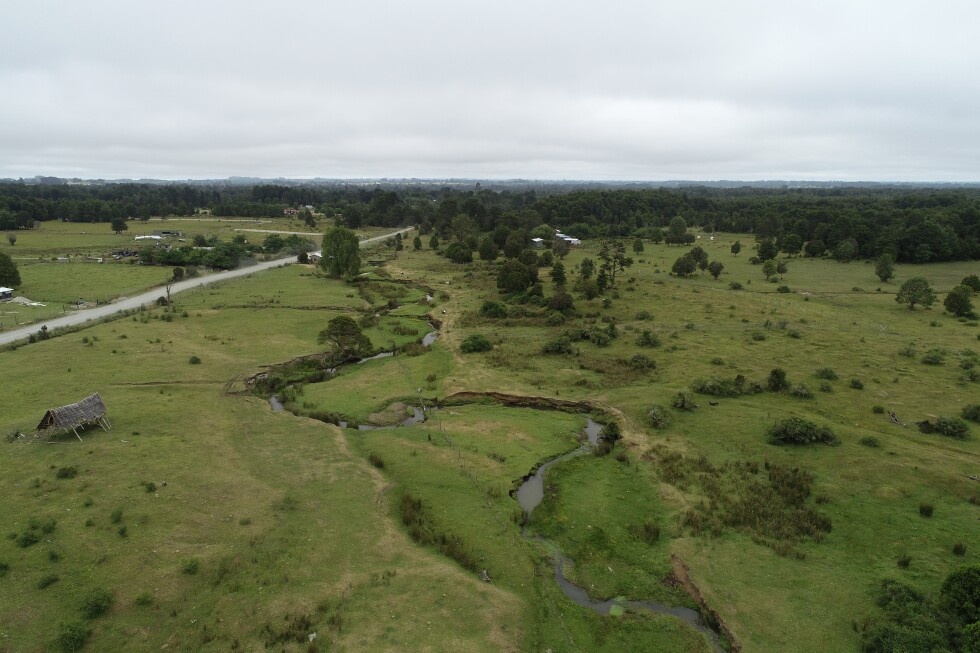
Published in the prestigious journal Science, the controversial new research presents a radically different interpretation of the site’s geology. Through extensive sediment sampling and analysis along the Chinchihuapi Creek adjacent to Monte Verde, researchers identified a volcanic ash layer dating back approximately 11,000 years. This geological marker suggests that any materials found above this stratum—including the famous wooden tools and structural remains—must be younger than previously believed.
Lead researcher Claudio Latorre of Chile’s Pontifical Catholic University stated, ‘Our comprehensive reinterpretation of the site’s geology concludes that Monte Verde cannot be older than 8,200 years.’ The research team proposes that landscape transformations, including stream erosion that mixed geological layers, may have caused earlier dating inaccuracies.
The scientific community has responded with significant skepticism. Several prominent archaeologists, including those involved in the original excavations, have raised substantial objections to the methodology and conclusions. Michael Waters of Texas A&M University commented that the study ‘provides, at best, a working hypothesis not supported by the presented data.’
Critics highlight that the new analysis examined areas surrounding rather than directly within the protected archaeological site, where geology may differ substantially. They further note the absence of evidence that the volcanic ash layer uniformly covered the entire landscape. Most importantly, opponents question how the study accounts for directly dated artifacts from the site—including a crafted mastodon tusk tool and fire-hardened digging implements—that consistently yield dates around 14,500 years old.
Tom Dillehay of Vanderbilt University, who led the initial Monte Verde excavations, emphasized that the new interpretation ‘disregards a vast body of well-dated cultural evidence.’
The dating of Monte Verde carries profound implications for understanding human migration patterns. The site’s original dating helped overturn the long-standing ‘Clovis first’ theory of human arrival in the Americas. A revised timeline could reopen fundamental questions about migration routes—whether early humans traveled through ice-free corridors, along coastal waterways, or via combined land-and-sea routes.
As the scientific debate continues, researchers acknowledge that further independent analyses of early settlement sites will be essential for resolving these fundamental questions about human history in the Americas.
-

The body of an American student who went missing in Barcelona has been found, police in Spain say
BARCELONA — Spanish authorities have recovered the body of James ‘Jimmy’ Gracey, a 20-year-old University of Alabama student from Illinois, concluding a multiday search operation along Barcelona’s coastline. The discovery was made Thursday by police divers near the area where the honors student was last seen early Tuesday morning.
Gracey, visiting Spain during spring break with friends, became separated from his group approximately at 3 a.m. Tuesday outside the popular Shoko nightclub situated along Barcelona’s beachfront district. According to family members residing in Elmhurst, Illinois, the student never returned to his accommodation, prompting concern among traveling companions.
Catalonia’s regional police confirmed the positive identification through official channels while emphasizing their ongoing investigation into the precise circumstances surrounding the death. The recovery of Gracey’s mobile phone prior to locating his body had initially alerted authorities to potential foul play.
In response to the tragedy, the Gracey family issued a heartfelt statement requesting privacy and spiritual support: ‘We are profoundly grateful for the kindness extended to our family during this devastating period. We have chosen to temporarily step away from media engagements to focus on mutual support and healing.’
The University of Alabama community mourns the loss of the distinguished student, describing him as an academically gifted individual who served as chaplain within the Theta Chi fraternity. University representatives confirmed they are providing direct assistance to the grieving family.
Despite Barcelona’s reputation as a generally secure tourist destination attracting millions annually, this incident has raised questions about safety protocols in nightlife districts. The city’s beaches and adjacent entertainment establishments remain popular among international visitors, with petty theft typically representing the most common tourist concern.
Family members remembered Gracey as ‘an exceptional older brother and role model’ whose Catholic upbringing and academic dedication characterized his Midwestern values. International travel safety advocates may reexamine protocols for American students visiting European destinations following this tragic outcome.
-

US states sue Trump over his move to scrap greenhouse gases ruling
A formidable alliance comprising 23 states alongside 17 major cities, counties, and state agencies has initiated a significant legal challenge against the Trump administration. The lawsuit, filed in the U.S. Court of Appeals, contests the administration’s recent revocation of the pivotal 2009 “endangerment finding”—a foundational scientific determination from the Obama era that formally classified greenhouse gases as a public health threat. This landmark ruling had served as the legal bedrock for numerous federal regulations designed to reduce emissions from vehicles, power plants, and other industrial sources.
New York State Attorney General Letitia James, leading the coalition that includes jurisdictions such as New York City, Los Angeles, Chicago, and the Pennsylvania Department of Environmental Protection, condemned the administration’s action. “The climate crisis is here, and it is already reshaping the way we live. Instead of helping Americans face our new reality, the Trump administration has chosen denial, repealing critical protections,” James stated. This legal move follows a separate but similar challenge filed by several environmental organizations last month.
The administration’s repeal, touted by President Trump as a major achievement against what he termed the Democratic Party’s “radical” energy policies, represents the latest effort in a prolonged campaign to dismantle Obama-era climate initiatives. EPA Administrator Lee Zeldin characterized the deregulation as “the single largest act of deregulation in the history of the United States of America.”
The plaintiffs argue that overturning the endangerment finding directly violates statutory provisions within the Clean Air Act. The legal petition emerges against a backdrop of broader environmental policy shifts under the current administration, including the withdrawal from the Paris Climate Accord and the rollback of automobile fuel economy standards. The Environmental Protection Agency has not publicly responded to requests for comment regarding the litigation.
-
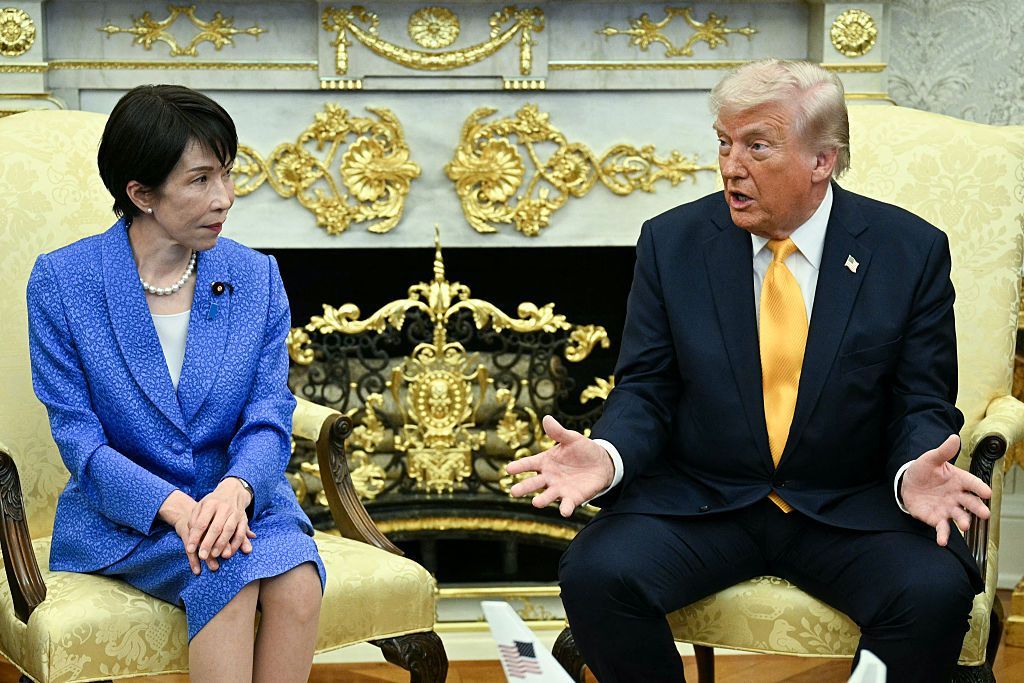
Trump compares attack on Iran to Pearl Harbor in meeting with Japanese PM
During a high-level diplomatic engagement with Japanese Prime Minister Shinzō Abe, U.S. President Donald Trump invoked historical parallels to justify his administration’s controversial decision-making process regarding military action against Iran. When questioned about his failure to consult international allies prior to authorizing a strike against Iranian military commander Qassem Soleimani, President Trump referenced the 1941 Pearl Harbor attack as a comparative example of strategic surprise in military operations.
The discussion revealed significant tensions in traditional alliance structures, with the Japanese leadership expressing particular concern about the implications of unilateral action in the highly volatile Middle East region. Prime Minister Abe, whose nation maintains diplomatic relations with Iran, emphasized the importance of multilateral consultation in matters of global security.
This exchange highlights growing apprehensions among U.S. allies regarding the administration’s foreign policy approach, which increasingly prioritizes decisive action over diplomatic coordination. The Pearl Harbor comparison drew immediate criticism from historians and political analysts who noted the fundamental differences between a surprise attack on a military installation and a targeted strike against a foreign official.
The meeting occurred amid escalating tensions in the Persian Gulf and raised questions about the future of international cooperation in conflict prevention and resolution. The administration’s stance suggests a potential shift in how the United States engages with its traditional partners on matters of national security and military intervention.
-

Asylum claim denied for the family of the boy in a bunny hat detained with his father, lawyer says
MINNEAPOLIS — In a pivotal immigration case that has captured national attention, a United States immigration judge has rejected the asylum petition filed by the family of Liam Conejo Ramos, the five-year-old child whose photograph in a bunny hat and Spider-Man backpack became symbolic of recent immigration enforcement actions in Minneapolis. Immigration Judge John Burns issued a deportation order directing the family’s return to Ecuador, according to their legal representation.
The child and his father, Adrian Conejo Arias, were apprehended by federal immigration officers in a Minneapolis suburb on January 20. Following their detention, they were transferred to a Texas detention facility where they remained for ten days until a judicial order secured their release.
Legal counsel for the family has immediately filed an appeal against the judge’s determination. Danielle Molliver, the family’s attorney, expressed profound disappointment with the ruling, characterizing it as ‘misguided.’ She affirmed their commitment to pursuing all available legal avenues to challenge the decision, though she acknowledged that the appellate process could extend over several years.
Meanwhile, Liam has resumed attendance at his suburban Minneapolis school. However, both he and his father continue to experience significant psychological distress stemming from their detention experience, with their attorney noting they remain ‘scared’ about potential outcomes.
The initial arrests occurred during a large-scale immigration operation that deployed thousands of federal officers across the Minneapolis region. These operations triggered sustained public protests and were marked by the fatal shooting of two American citizens by federal agents.
Controversy emerged when community members and school officials alleged that immigration officers utilized Liam as ‘bait’ by instructing him to knock on his residence’s door to prompt his mother’s appearance outside. The Department of Homeland Security has vehemently denied these allegations, labeling them an ‘abject lie.’ Government officials maintain that the child’s father attempted to flee on foot, leaving the boy unattended in a vehicle parked in their driveway—an assertion the father disputes.
The central legal dispute concerns Adrian Conejo Arias’s immigration status. Federal authorities contend he entered the United States illegally in December 2024, while the family’s legal team asserts he entered lawfully while seeking asylum, which they argue permits his continued presence in the country during the adjudication process.