
It has been nearly 30 years since legendary hip-hop artist Tupac Shakur was gunned down in a Las Vegas drive-by shooting, one of the most high-profile unsolved murders in modern American cultural history. But this long-stalled case is finally approaching a courtroom milestone, leaving many asking why justice has taken three decades to begin. On September 7, 1996, Shakur was riding as a passenger in a car driven by Death Row Records founder Suge Knight after attending a boxing match at the MGM Grand Hotel in Las Vegas. A white Cadillac pulled alongside their vehicle, and an occupant inside opened fire, striking the rapper four times. Shakur succumbed to his injuries six days later, on September 13, 1996, leaving behind a groundbreaking musical legacy and a case that confounded investigators for generations. For nearly 27 years, no formal charges were filed in connection with the killing, leading to countless conspiracy theories, speculative investigations, and public frustration over the lack of accountability. The break in the case came in 2023, when Las Vegas police secured an indictment against Duane Keith “Keffe D” Davis, a former South Side Compton Crips gang leader who has long been linked to the shooting in public accounts and investigations. To date, Davis remains the only person ever to face formal criminal charges for Shakur’s killing. Multiple factors have contributed to the decades-long delay in bringing the case to trial. For years, investigators faced a wall of silence from potential witnesses, many of whom were affiliated with street gangs and feared retaliation for cooperating with law enforcement. Additionally, the original investigation was hampered by limited forensic technology available in the 1990s, as well as the chaotic, high-profile nature of the case that led to a flood of false tips and misinformation. Prosecutors have also noted that the passage of time itself created procedural hurdles, as evidence degraded and key witnesses died before they could give formal testimony. In recent years, however, new investigative techniques, renewed public pressure, and a shift in willingness from some potential witnesses to cooperate have allowed prosecutors to move forward with the case. The upcoming trial has reignited widespread interest in Shakur’s legacy and the circumstances of his death, with hip-hop fans, legal analysts, and cultural commentators alike waiting to see if the case will finally bring a close to one of the music industry’s most enduring unsolved mysteries.
作者: admin
-

US women in politics spark conversation about balancing family and career
Two prominent American women from opposite ends of the political spectrum have reignited a long-simmering national debate about the unique struggles women face when building high-demand careers while planning for or raising a family, shining a bright light on systemic gaps in U.S. workplace policy that disproportionately disadvantage working mothers.
This week, progressive Democratic Congresswoman Alexandria Ocasio-Cortez announced she had begun the process of egg freezing, sharing step-by-step documentation of her daily at-home hormone injections on social media to demystify the procedure for other professional women. Just days earlier, White House Press Secretary Karoline Leavitt, a conservative appointee in the Trump administration, revealed she would step down from her high-profile role to prioritize time with her young family, including her newborn infant.
Leavitt framed her decision as a deeply personal choice, explaining that since returning to work after her daughter’s birth, she had come to recognize she could not simultaneously meet the relentless demands of the White House press secretary role and be the fully present parent her two young children deserved. Her announcement and Ocasio-Cortez’s reproductive planning came on the heels of similar shared experiences from other women in public office, including California Democratic Representative Sara Jacobs, who has already completed two rounds of egg freezing to delay childbearing while building her congressional career.
Jacobs opened up about the grueling logistical and physical challenges of the procedure, describing how she would dash up to her Capitol Hill office between legislative sessions to administer hormone shots during her treatment. The 37-year-old lawmaker noted the process, which typically costs upwards of $10,000 and is rarely covered by U.S. health insurance plans, brought significant physical side effects: body aches, extreme hormonal swings that felt like going through puberty and menopause simultaneously. Still, she called the decision empowering, saying it gave her greater agency to choose when to fit children into her demanding career that requires weekly cross-country travel between California and Washington D.C.
When Jacobs first began her egg freezing journey in 2021, she said the topic was almost never discussed among lawmakers in the halls of Congress. Today, just a small fraction of sitting members of Congress are mothers to children under 18, and only a tiny handful have ever given birth while holding office.
The conversations sparked by these high-profile women have pulled back the curtain on a broader systemic issue: the United States remains the only industrialized nation in the world that does not require employers to offer paid parental leave. Data from the U.S. Bureau of Labor Statistics confirms that fewer than one in four U.S. workers have access to employer-sponsored paid family leave, while more than 120 countries across the globe — including every European nation — mandate paid maternity leave for working women.
Shifting demographic trends have only amplified these challenges. A 2025 report from the U.S. Centers for Disease Control and Prevention shows the average age of mothers giving birth in the U.S. rose from 28.7 to 29.6 between 2016 and 2023, as more women delay childbearing to build their careers, while a growing share choose not to have children at all.
Interviews with professional women across a range of fields illustrate the uneven playing field for working mothers, even for those with significant privilege. Michele Heisler, a professor of internal medicine at the University of Michigan and medical director for the nonprofit Physicians for Human Rights, gave birth to her first child after returning to medical school at age 30, and carried her second child during her third year of training. Heisler said she only been able to advance in her high-profile career because she could afford childcare support like nannies and had a partner who shared domestic work equally. Without that equal division of labor, she noted, child rearing almost always falls disproportionately on women, forcing them to step back from their career ambitions. She relies on a flexible schedule that often requires working late into the night and waking as early as 5 a.m. to complete research, so she can prioritize time with her children during the day.
Seema Patel, an associate professor of law at UC Law San Francisco and a former workers’ rights attorney, echoes that experience. Like Heisler, she completes most of her academic work after her three children, now ages 13, 11, and 7, go to bed, so she does not miss key moments with them while they are young. Even with access to partial maternity leave and a supportive partner, she says the constant balancing act between career advancement and active parenting remains an unresolved challenge. “How can I do that while also being there for my kids and attentive to them? I don’t have an answer,” she said.
Patel, who previously worked for San Francisco’s Office of Labor Standards Enforcement — the first local U.S. government to pass a mandate requiring paid parental leave for private sector workers — points out that lower-wage working parents face far greater barriers than women in professional roles like hers. Most low-income workers have no access to paid leave at all, leaving them with impossible choices between keeping their jobs and bonding with a new child.
Jacobs points to a root cause of the systemic issue: most U.S. workplaces, including the federal government, were designed by and for men who traditionally had stay-at-home spouses to manage all domestic and childcare responsibilities. Even the U.S. Congress does not offer its own members paid parental leave, she notes. “It’s going to take a lot of work for us to create a society where the domestic work is really shared equally between women and men,” she said.
For now, egg freezing has given Jacobs a safety net, allowing her to delay childbearing until she can navigate the logistical challenges of raising a child while serving in Congress that requires half her time away from her home state. “I hope to be able to do that one day, but I just haven’t figured the time is right just yet,” she said.
-
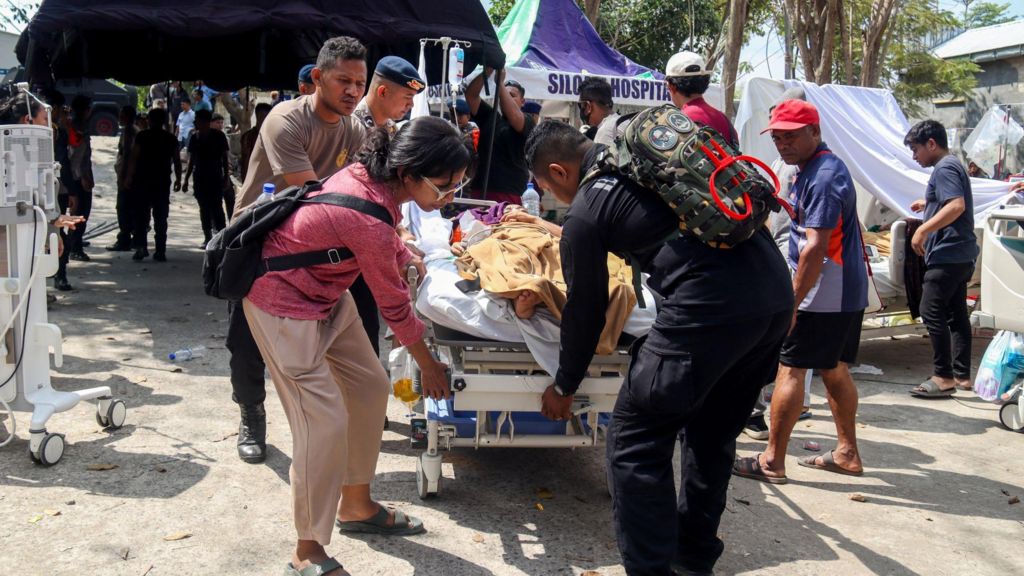
Rescuers search for survivors of powerful Indonesia earthquake
Indonesia is grappling with the aftermath of a powerful 7.7-magnitude earthquake that hit the island of Flores just before 5 a.m. local time on Saturday, claiming the lives of at least 47 people and leaving dozens more injured, according to official updates from the country’s disaster management agencies.
Indonesia’s Meteorology, Climatology, and Geophysical Agency confirmed the quake originated at a depth of 15 kilometers, roughly 1,000 kilometers northeast of the popular tourist island of Bali. Tremors from the powerful seismic event were felt as far west as Bima Regency and Bima City, with the worst damage concentrated across multiple districts in East Nusa Tenggara province. As of preliminary counts, 24 fatalities were recorded in Manggarai, 17 in East Manggarai, three in Sikka, and one each in Ngada, Ende, and West Manggarai. At least two people sustained critical injuries, while 11 others suffered minor harm.
In the hours after the initial quake, dozens of aftershocks rippled through the region, worsening structural damage. Early assessments confirm more than 150 private homes have been severely destroyed, alongside dozens of schools, multiple healthcare clinics, places of worship, government offices, and other public infrastructure. Footage captured at the port in Maumere, Flores’ largest urban center, shows large sections of concrete breaking away from the terminal building and falling onto passengers waiting for an inter-island ferry. When the ship’s gangway collapsed during the tremor, several people were thrown into the surrounding sea.
Emanuel Melkiades Laka Lena, governor of East Nusa Tenggara province, told reporters that most victims were killed in their sleep as crumbling buildings and rubble collapsed on them. For many residents, the early-morning jolt threw them abruptly out of bed. Arnold Welianto, a resident of the coastal village Talibura in Sikka district, recalled waking in a panic and rushing to check on his child. Speaking to the BBC, he added that many local residents immediately fled to higher inland ground after noticing the sea had receded, a common warning sign of an incoming tsunami.
Authorities initially issued a nationwide tsunami warning following the quake, prompting roughly 2,000 people in at-risk coastal areas to evacuate on their own. The warning was lifted roughly three hours later after monitoring detected no significant abnormal sea level changes. Despite the cancelled tsunami alert, secondary hazards including landslides have blocked road access to multiple remote mountain villages, slowing down damage assessments and rescue deployments.
Search-and-rescue teams have worked around the clock to pull survivors trapped under collapsed rubble. In Ruteng, one of the hardest-hit urban areas, emergency workers have set up a temporary field medical tent outside the main local hospital to treat injured patients who cannot be accommodated inside the damaged facility. The country’s National Disaster Management Agency (BNPB) reported that as of Sunday, more than 10,500 emergency aid packages have arrived at regional base operations, with more supplies en route to remote communities.
Officials note that full assessments of the disaster’s scale will take time, as much of the affected region is made up of rugged, remote mountain terrain with limited transportation infrastructure. Adding to the sense of urgency, a separate 6.9-magnitude earthquake struck the opposite end of Indonesia just days later, a stark reminder of the country’s location along the Pacific Ring of Fire, a geologically active zone where three major tectonic plates meet. Thousands of seismic events are recorded across Indonesia every year, ranging from minor tremors to major destructive quakes.
In the latest public advisory, BNPB has urged all residents in affected areas to remain calm, avoid coastal lowlands as a precaution, and steer clear of any buildings that show visible signs of structural damage following the quake.
-
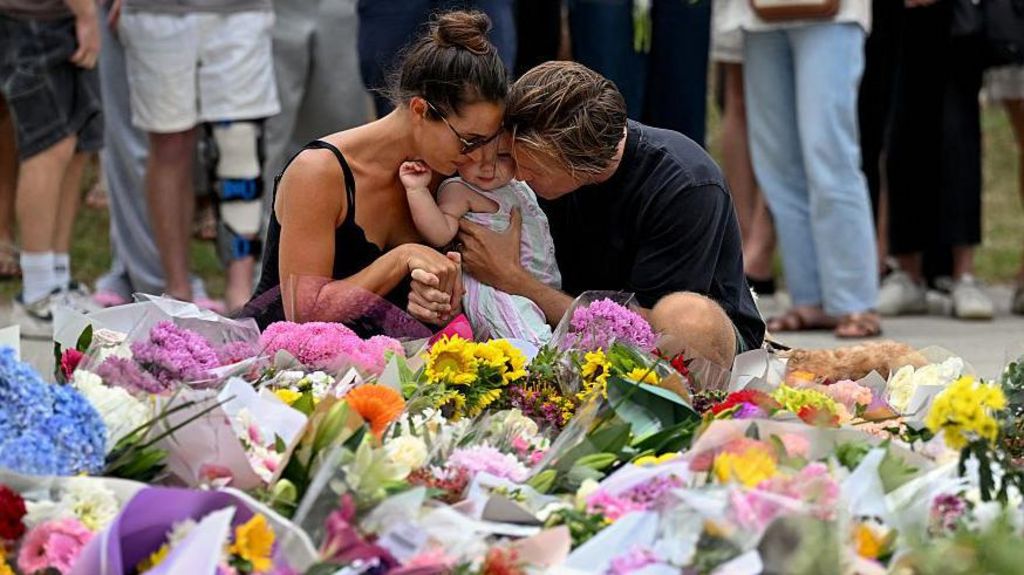
Australian state to launch gun buyback after Bondi Beach attack
Eight months after a devastating antisemitic terror attack that left 15 people dead near Sydney’s iconic Bondi Beach, Australia’s most populous state is moving forward with landmark gun control reform, launching the nation’s first post-attack voluntary firearm buyback program to get unregulated and illegal weapons off community streets. The coordinated initiative, backed by joint funding from the New South Wales (NSW) state government and the federal Australian government, will open for submissions starting November 2, offering generous cash payouts to gun owners who surrender eligible weapons for safe destruction.
The attack that prompted this reform unfolded on December 14 last year, during public Hanukkah celebrations held steps from Bondi Beach, one of Australia’s most visited tourist landmarks. Among the 15 victims were a 10-year-old child and a Holocaust survivor, a tragedy that shook the nation and spurred immediate promises of sweeping gun law changes across the country. Initial plans for a nationwide buyback were derailed by delays over funding logistics and implementation frameworks, leaving NSW to step forward as the first Australian jurisdiction to launch a cash-for-guns scheme in response to the attack.
Under the new reforms already enacted by the NSW government, individual gun owners are capped at a maximum of four firearms, with limited exceptions for farmers and competitive sport shooters who are permitted to hold up to 10 weapons. Additionally, the validity term for gun licenses has been cut from five years to just two years. This buyback program is specifically targeted at owners who hold more weapons than the new legal limit, as well as individuals who no longer hold an active license for their firearms.
NSW Premier Chris Minns laid out the goals of the initiative during comments Saturday, emphasizing that the program’s core aim is to reduce the overall number of unregulated firearms in the state. “We want those guns handed in, compensated for, and safely destroyed,” Minns said, adding that officials project hundreds of thousands of weapons could be surrendered through the voluntary scheme.
The program will roll out in two separate phases to streamline processing. The first phase, kicking off in early November, will cover standard eligible firearms including handguns, shotguns, and rifles, with payout amounts scaled to the type of weapon surrendered. For example, a surrendered revolver will net owners a maximum payout of AU$1,000, while an air rifle will earn AU$450. The second phase, scheduled to launch early next year, will handle higher-value firearms assessed at over AU$3,000, with payouts capped at AU$10,000 per weapon.
To support stakeholders adjusting to the new regulatory framework, the initiative also includes financial support for businesses and licensed gun dealers affected by the reforms, with eligible businesses able to claim up to AU$25,000 in adjustment grants.
Australian Prime Minister Anthony Albanese reaffirmed the federal government’s commitment to preventing a repeat of the Bondi attack, backing the NSW program as a key step toward broader national change. “We must do everything we can to make sure the antisemitic terrorist attack in Bondi doesn’t happen again,” Albanese said. “That includes meaningful nationwide gun reform.”
In the days after the attack, mourners from across Sydney and the country flocked to Bondi Beach to lay flowers and tributes to the victims, as national conversations around gun control and rising antisemitism intensified. Today’s policy action marks the most concrete legislative change to emerge from those conversations so far, with officials framing it as a critical step to protect Australian communities.
-

Gig economy workers guaranteed new minimum pay rate and accident insurance
Starting this Monday, hundreds of thousands of Australian gig economy food delivery workers will see long-overdue pay increases and foundational workplace protections, after a once-in-a-decade regulatory agreement secured endorsement from the Fair Work Commission. The historic reforms, the product of years of negotiations between the Transport Workers Union (TWU), industry giants Uber Eats and DoorDash, and the Australian government, will roll out across every food delivery platform operating in the country, marking the first time gig workers classified as independent contractors have received formal minimum standards protections.
Under the agreed framework, a new minimum safety net pay structure modeled on the metered system long used in the taxi industry will take effect. Pay is counted from the moment a delivery worker accepts an order through to the completion of the drop-off, with guaranteed hourly rates between AU$31.30 and AU$32.00, adjusted based on whether the worker uses a car, motorbike, or bicycle. If a worker’s total earnings fall below this minimum threshold over a pay period, the platforms are required to cover the difference within three weeks. Beyond base pay, the new rules also grant workers access to mandatory accident insurance, formal representation rights, a seat at the table in sector-wide decision-making, and structured dispute resolution processes for unfair treatment.
TWU National Secretary Michael Kaine emphasized that the reforms correct decades of systemic exploitation that left gig workers without basic safeguards. Since the gig economy first expanded into Australia, Kaine explained, federal and state governments rolled out the red carpet for platform companies, allowing them to avoid longstanding labor protections by classifying workers as independent contractors. For years, data collected by the union showed that off-peak hourly earnings could drop as low as AU$11 an hour, well below Australia’s mandatory minimum wage, even as peak-hour earnings could exceed the new AU$32 threshold. Workers also faced arbitrary dismissal via automated algorithms, with no avenue for appeal when chatbots deactivated their accounts without cause. Most critically, Kaine noted, these poor working conditions created deadly pressure: 25 Australian food delivery riders have died in road accidents since 2017, a crisis driven by underpaying that forces workers to rush and take unnecessary risks to make ends meet. “The more you pay workers on the road, the less risks they take,” Kaine said, adding that the new rules will allow consumers to enjoy the convenience of food delivery without endangering the lives of the workers providing the service.
Industry experts frame the reforms as a global trailblazer in gig economy regulation. Associate Professor Alex Veen of the University of Sydney explained that the policy framework, a decade in development, was finalized after the Albanese government passed regulatory reform in 2024 that opened the door for the Fair Work Commission to set standards for independent contractors. Prior to the changes, the commission had no authority to set rules for gig workers, as they were not legally classified as employees. Veen noted that Australia’s sectoral approach, which allows tailored minimum standards for different types of platform work, sets a new global benchmark for gig worker protection. “This is the first ever minimum standards order issued for this workforce, after years of collaboration across government, unions, and platform companies,” Veen said.
Both major platforms have welcomed the reforms and committed to not passing extra costs onto consumers. A DoorDash spokesperson noted that the biggest outcome of the changes is long-term regulatory certainty for both businesses and workers, adding that the company plans to offset any increased labor costs through operational efficiency improvements rather than price hikes. “We are not planning price increases as a result of this order as the current rates included in the order are set at a sustainable level,” the spokesperson said. Ed Kitchen, managing director of Uber Eats for Australia and New Zealand, echoed this commitment, saying the company would prioritize internal efficiency gains to protect affordability for consumers and partner restaurants. Kaine added that years of below-market wages allowed platforms to pad their profit margins, meaning companies have room to absorb the new pay costs without raising consumer prices. If platforms do choose to increase prices, Kaine said, most consumers would likely accept a small premium to guarantee workers fair pay and safe working conditions.
-
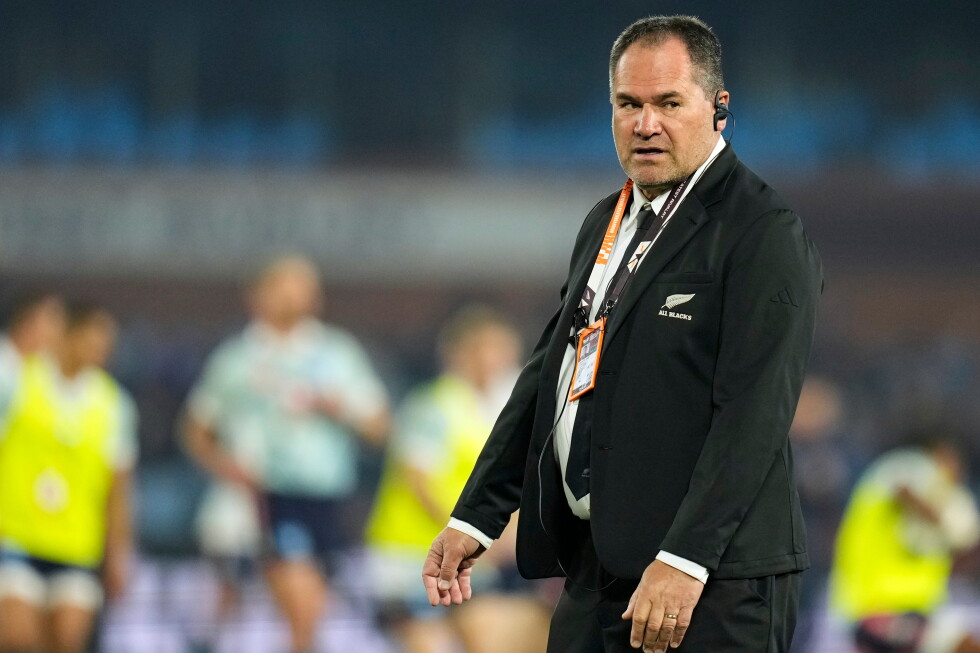
All Blacks sweating on McKenzie’s ankle ahead of South Africa test opener
As the All Blacks prepare to kick off their highly anticipated test series against South Africa next weekend, New Zealand’s national rugby union side is waiting anxiously on fitness updates for starting fullback Damian McKenzie, who picked up an ankle injury earlier this week during a tour match against the Sharks.
The team wrapped up their final warm-up fixture this past Saturday at Pretoria’s iconic Loftus Versfeld stadium, securing a lopsided 50-19 victory over the Bulls. In a post-match press conference, All Blacks head coach Dave Rennie delivered an update on the squad’s injury list, offering a more optimistic outlook for two other injured backs: scrumhalf Cam Roigard (calf strain) and winger Will Jordan (back issue).
Both players have yet to take the field on the South African tour, alongside rested captain Ardie Savea, who only arrived in the country this past Thursday after being given time off ahead of the test series. Rennie noted that the coaching staff remains confident Roigard and Jordan will be cleared to play next week, saying, “Both of them we want to have a full week of training. They’re ticking enough boxes.”
While the outlook is less certain for McKenzie, who twisted his ankle in Tuesday’s clash with the Sharks, Rennie still holds out hope the star fullback will be available for the opening test. “Damian we’re less confident about but still think he’s a good chance to play in the weekend,” Rennie said. “Hopefully he can train well on Tuesday. The expectation is all three of those guys will be available.” If all three pass fitness tests, they are all set to start in the first test against the Springboks at Johannesburg’s Ellis Park next Saturday.
Injury replacement flyhalf Richie Mo’unga, who joined the squad late this past Friday following an injury to another player, will not be considered for selection in the first test, Rennie confirmed. Mo’unga’s first appearance for the All Blacks since the 2023 Rugby World Cup is scheduled to come three days after the opening test, when the side faces the provincial Lions side.
The injury crisis has opened the door for other players to claim starting spots, most notably winger Josh Moorby. Moorby got the start in the side’s last test against Ireland last month, and his chances of holding the number 11 jersey have risen sharply after Caleb Clarke was forced to cut his tour short with a season-ending shoulder injury. Rennie also highlighted strong recent performances from loose forwards Peter Lakai and Anton Segner following the Bulls win.
Rennie explained that several starting positions for the first test were still up for grabs heading into the final warm-up, and the team’s performance against the Bulls would factor heavily into final selection calls. “We’ve got a plan around selection and there were a handful of positions that were going to be decided on tonight’s performance,” he said.
The match against the Bulls marked the All Blacks’ first game at high altitude on the tour, and Rennie said the challenging conditions will better prepare his side for the tests ahead. “We’ve not had a game at altitude and we worked really hard in those circumstances and we’ll be better for it,” he added. “We know the quality we come up against next week is three, four, five fold. We’ve played reasonably well on tour and we know we need to up the ante.”
Codie Taylor, who has served as tour captain in Savea’s absence, praised the forward pack’s steady improvement throughout the warm-up fixtures, particularly the scrum – an area that has been dominated by the Springboks in recent encounters between the two sides. “From where we started with the Stormers and built our way through these club games I feel like we’ve made some great strides as a forward pack,” Taylor said. “By no means are we the finished product … and it will be even tougher next week. But we can be really happy and confident with the steps we’re taking.”
-
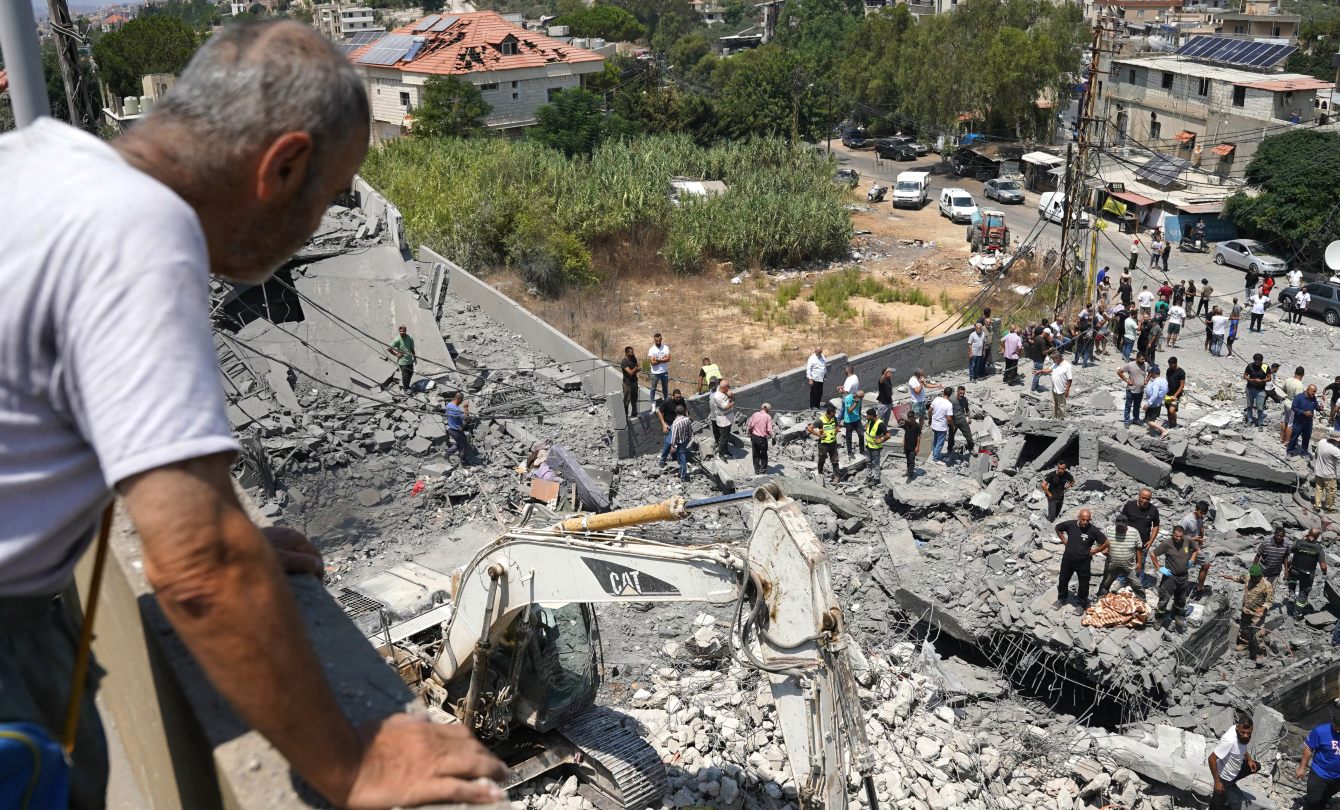
Deadly Israeli strikes kill nine in southern Lebanon as tensions escalate
In a sudden escalation of cross-border violence early Saturday, pre-dawn Israeli air strikes targeting multiple towns and villages across southern Lebanon have left at least nine people dead and more than a dozen injured, according to Lebanese state media reports. Multiple local outlets have confirmed the details of the deadliest bombardment the region has seen since a US-brokered truce framework took effect in June.
The deadliest single strike hit a residential home on the outskirts of Ansar, a community located in Lebanon’s southern Nabatieh district, where seven people lost their lives. Al Jazeera’s on-the-ground reporting confirmed that children and multiple members of a single family were among the fatalities, a revelation that has deepened widespread anxiety among already displaced local residents. A second Israeli strike in the nearby town of Deir al-Zahrani killed an additional two people and wounded several more. Beyond these two fatal attacks, Lebanese media documented widespread artillery fire and additional strikes across other southern Lebanese areas, including Ali al-Taher Heights near Nabatieh al-Fawqa, Kfar Tebnit, and Zawtar al-Sharqiya. The overwhelming intensity of the overnight bombardment forced hundreds of civilian residents to flee their homes in search of safer ground, local reports confirmed.
The Israeli Defense Force issued a statement justifying the operation, claiming the strikes targeted Hezbollah military infrastructure in the Nabatieh and Ansar regions. The military added that the attacks were launched in direct response to prior hostile actions against Israeli soldiers. This narrative has been firmly rejected by top Lebanese political leaders, who have condemned the strikes as unlawful attacks on innocent civilians.
Lebanese Prime Minister Nawaf Salam labeled the sudden escalation across Nabatieh, Ansar, Deir al-Zahrani and surrounding villages “extremely dangerous” in an official statement, arguing the attacks are actively undermining international and diplomatic efforts to stabilize the border region. “The seven people killed in the Israeli strike on Ansar are not ‘military infrastructure’, and the children and women killed in it are not military targets,” Salam emphasized. He added that any responsibility for addressing potential military infrastructure on Lebanese territory, should it exist, falls exclusively to the Lebanese state through its official army and other state institutions. “Its presence does not give Israel the right to violate Lebanese territory or put civilians at risk,” Salam said.
Lebanese President Joseph Aoun also joined in condemning the attacks, noting that the escalation in Nabatieh and its surrounding areas constitutes a repeated violation of the existing truce framework designed to reduce hostilities and protect civilian populations. Aoun pointed out that the Ansar strike killed an entire family, framing the escalation as “a clear message” intended to undermine ongoing negotiations and US-led efforts to fully implement the June border agreement.
Hezbollah, the Lebanese armed group that has been at the center of the border dispute, issued a vow that all Israeli attacks will be met with an “appropriate” response. The group also called on Lebanese national authorities to abandon what it described as “humiliating” negotiations with Israel. “Israel must clearly understand that its attacks, violations and attempts to impose a fait accompli cannot continue, and will be met with an appropriate response,” Hezbollah said in its statement. The group added that Lebanese authorities “must not insist on continuing along the humiliating path of direct negotiations and providing the enemy with free concessions.”
The latest outbreak of deadly violence comes even after a significant reduction in cross-border hostilities followed a June memorandum of understanding between the United States and Iran, and a subsequent US-sponsored truce agreement between Lebanon and Israel. The terms of the framework call for Hezbollah’s full disarmament, the gradual withdrawal of Israeli forces from occupied southern Lebanese territory, and the deployment of the Lebanese army across southern border areas. However, major disagreements over the implementation of the deal have stalled progress for weeks.
Just two days before Saturday’s strikes, Israeli Defense Minister Israel Katz stated that Israel would not withdraw from the territory it currently controls in southern Lebanon until Hezbollah is fully disarmed and what he categorized as the threat posed by the group is eliminated. A day before the strikes, Hezbollah leader Naim Qassem criticized Lebanese authorities over their handling of the agreement’s implementation, accusing officials of placing unfair pressure on the Lebanese army while Israeli attacks continue unabated. “How can you accept this ongoing humiliation of the Lebanese army, exposing it to bombardment and Israeli pressures, instead of acting as its protectors?” Qassem asked.
Diplomatic observers note that Saturday’s Ansar strike ranks among the deadliest single Israeli attacks in Lebanon since the June agreement first brought a reduction in large-scale hostilities, and it has thrown new doubt on the future of the fragile truce process. As of Saturday afternoon, no new diplomatic breakthrough has emerged to de-escalate the situation, with both sides holding firm to conflicting positions and violence threatening to spiral further.
-
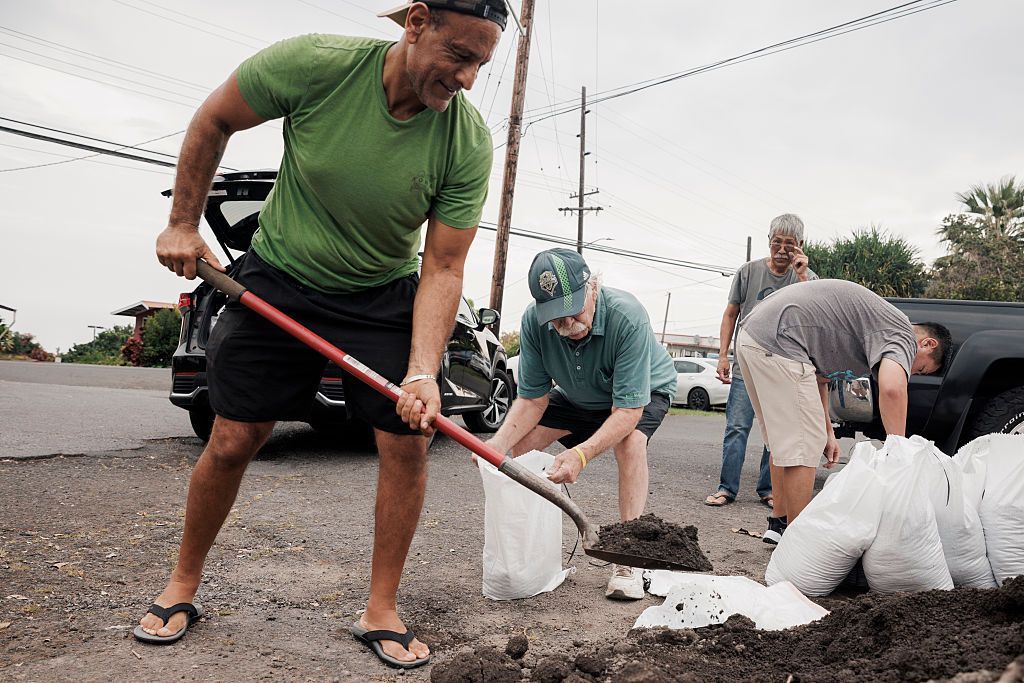
Hawaii braces for potential first direct hit by a hurricane in 34 years
Three decades after the last devastating hurricane struck the Hawaiian archipelago, the entire state is on high alert as Category 1 Hurricane Lala churns toward its shores, poised to deliver the first direct hurricane landfall the region has seen since 1992.
After intensifying from a tropical system to reach hurricane strength on Saturday, Lala currently carries sustained maximum winds of 75 miles per hour (120 kilometers per hour), according to official meteorological assessments. Forecasters warn that the storm could bring catastrophic impacts to the state’s largest island, the Big Island, if its worst-case trajectory plays out: extreme rainfall totaling up to 25 inches (63 centimeters) and a dangerous 3-foot storm surge that threatens coastal communities.
The National Weather Service (NWS) has issued a full hurricane warning for the entire Big Island, while neighboring Maui County, Oahu, Kauai, and Niihau remain under active tropical storm warnings as the system progresses. State and local officials have emphasized that Lala brings potential life-threatening hazards, including fast-moving flash floods and destructive mudslides across sloped and low-lying areas. The storm is projected to either make landfall along the southern tip of the Big Island on Saturday or pass within just a few miles of the coast, before continuing its westward track across the Pacific. Notably, historical records cited by the Associated Press show that no hurricane has made direct landfall on the Big Island in the 155 years since modern record-keeping began.
As the weekend progresses, forecasters expect Lala to gradually weaken back to tropical storm strength after passing the Big Island, with its center tracking just south of Hawaii’s other major populated islands. Still, state officials are urging caution across all islands.
Hawaii Governor Josh Green issued an urgent alert to residents via the social platform X, warning that the archipelago should prepare for “an incredible amount of water” over the coming days. “Damaging winds, heavy rain, flash flooding and dangerous surf are possible across the state through the weekend,” Green’s statement read.
The approaching storm has already severely disrupted travel to and from the islands. Flight tracking data from flightaware.com shows widespread flight cancellations across Big Island’s two primary airports: 40 percent of all scheduled flights have been grounded at Ellison Onizuka Kona International, the island’s largest air hub, while 80 percent of flights have been called off at Hilo International.
For the southeastern region of the Big Island, the NWS has issued its most severe rainfall and flooding forecast. “Major rainfall flooding may prompt many evacuations and rescues,” the agency said, noting that rivers and small tributaries across the area “may rapidly overflow their banks in multiple places.”
Officials have repeatedly urged residents to complete their emergency preparations well ahead of the storm’s arrival. Social media posts from local Facebook community boards show residents scrambling to stock up on supplies, fill sandbags to reinforce their homes against flooding, and confirm whether local grocery and hardware stores remained open in the early hours of Saturday.
Hawaii County’s Civil Defense Agency confirmed that public emergency shelters are available in every district across the Big Island, and urged residents to finalize their safety plans immediately. “At this time, you should have completed your storm-ready preparations and focusing on your Sheltering Plan,” the agency announced via X.
The last hurricane to directly strike Hawaii was Hurricane Iniki, a powerful Category 4 storm that made landfall on Kauai’s southern coast in 1992. Iniki left a devastating legacy: six fatalities and an estimated $3 billion in total damage across the state, a memory that has underscored state officials’ urgency as Lala approaches.
-

Díaz thrives and Alaves beats 10-man Getafe 3-0 as La Liga kicks off Europe’s domestic league season
The new European professional soccer season has officially gotten underway, with Spain’s top-flight La Liga beating the continent’s other four major domestic leagues to kick off its campaign on Saturday. This early start comes just four weeks after the Spanish men’s national team lifted the FIFA World Cup trophy, marking a quick turnaround for the country’s top club competition.
The opening matchday delivered two thrilling encounters, starting with Alaves’ dominant 3-0 victory over 10-man Getafe. The game’s turning point came just eight minutes before halftime, when Getafe winger Kiko Femenía was shown a red card following a video review of his dangerous foul. What was initially called a yellow card was upgraded, leaving Getafe to play the entire second half with a numerical disadvantage.
Former Real Madrid forward Mariano Díaz turned in a man-of-the-match performance to power Alaves’ win. He set up Nahuel Tenaglia’s opening headed goal in the 73rd minute, netted the side’s second with a pinpoint shot into the top corner of the net in first-half stoppage? No, stoppage time of the second half, then played provider for Mikel Rodríguez to slot home the final goal in the closing minutes of the match. The result marks a promising opening for Alaves, which finished 14th last season, just one point clear of the relegation zone, even if the squad saw minor off-field drama after full-time: substitute Ángel Pérez was reprimanded by head coach Quique Sánchez Flores for punching the team bench in frustration after being pulled from the game.
For Getafe, the disappointing opening result comes after a strong 2024-25 campaign that saw the Madrid-based club finish seventh and earn a spot in the UEFA Conference League. The side added high-profile reinforcements Enes Unal and Johan Mojica in the summer transfer window, though neither started the match; Unal only made an appearance off the bench in the second half.
The second match of the day delivered a last-gasp comeback for Sevilla, who defeated a crisis-hit Rayo Vallecano 2-1. Gerard “Peque” Fernandez converted a penalty kick deep into second-half stoppage time to secure all three points for the hosts after Sevilla had fought back from an early deficit.
Rayo Vallecano entered the new season mired in off-field administrative turmoil that has forced the club to relocate its opening matches. Safety issues at the team’s home Vallecas stadium mean Rayo must play its first away? No, they were the away side here against Sevilla, and their own first “home” fixture will be held at second-tier Leganes’ ground instead of their usual venue. The off-field instability comes after a breakout season for Rayo, which finished eighth in the league and reached the Conference League final, where it fell to England’s Crystal Palace.
Sevilla, like Alaves, narrowly avoided relegation last season, finishing 13th with just a one-point cushion above the drop, making their opening victory a confidence-boosting start to the new campaign.
Top sides defending champion Barcelona and newly revamped Real Madrid will not begin their title campaigns until next weekend. Many of their key players were part of Spain’s World Cup-winning squad, so they were granted extended post-tournament leave, pushing back their opening matches. Barcelona, which is chasing a third consecutive La Liga title, will travel to face Elche on August 23. Real Madrid, now led by José Mourinho following two straight trophy-less seasons that prompted a squad overhaul, opens its campaign against Espanyol on August 22.
The broader European club season technically got underway earlier this week, when Paris Saint-Germain defeated Aston Villa 2-1 to win the UEFA Super Cup on Wednesday. England’s Premier League, Italy’s Serie A, and France’s Ligue 1 will all kick off their new domestic campaigns next weekend, with Germany’s Bundesliga following a week later.
Three matches were scheduled for Sunday on the La Liga opening matchday, but one has been postponed: the clash between Celta Vigo and Osasuna was called off after an outbreak of harmful fungus was discovered on Celta’s Balaidos stadium pitch. The match has been rescheduled for August 27, a move that has drawn criticism from Osasuna over the rearranged date. The two remaining Sunday fixtures will see Racing Santander play their first top-flight match in 14 years when they host last season’s third-place finishers Villarreal, while Levante travels to face Espanyol.
-

Liechtenstein changes succession rule to allow women to ascend the throne
On the occasion of its national day, the tiny central European principality of Liechtenstein has announced a historic shift in its royal succession regulations, ending centuries of male-preference inheritance to introduce gender equality for throne access.
Home to just 44,000 residents and tucked between Switzerland and Austria as one of the world’s only doubly landlocked countries, Liechtenstein’s ruling House of Liechtenstein confirmed the change in an official statement. The reform replaces the longstanding system of male primogeniture, which prioritized male heirs over older female siblings, with absolute primogeniture — a framework that grants the first-born child, regardless of gender, the right to inherit the throne.
The adjustment will not reshape the current line of succession. Reigning Prince Hans-Adam II, who has led the principality’s royal family since 1989, will remain succeeded by his eldest child, Hereditary Prince Alois, who has handled nearly all official royal duties on behalf of his father for the past 20 years. The new rule will only apply to future descendants of Alois and his wife Hereditary Princess Sophie, who share four children.
In his public remarks on the reform, Hereditary Prince Alois emphasized the forward-thinking logic behind the change: “With this change in the law, we want to ensure that both the Principality of Liechtenstein and the Princely House are led by the person who has been best prepared for this responsibility.” Unlike most European monarchs whose roles are largely ceremonial, Liechtenstein’s ruling prince retains broad executive political powers, making succession rules a meaningful political as well as symbolic issue.
Liechtenstein is the latest European monarchy to embrace gender-equal succession. The United Kingdom carried out an identical reform back in 2011, updating its own laws to grant eldest daughters equal inheritance rights to the throne alongside eldest sons. The change in Liechtenstein aligns the tiny principality with a growing regional trend toward gender parity in royal institutions.