作者: admin

  • LA to open ticket draw for 2028 Olympics – with seats starting at $28

    LA to open ticket draw for 2028 Olympics – with seats starting at $28

    Los Angeles 2028 Olympic organizers have unveiled an equitable ticketing system centered on accessibility, with registration opening Wednesday for a global random draw. The process, designed to prioritize fairness over financial advantage, will offer one million tickets priced at just $28 alongside numerous options under $100.

    Starting at 07:00 PST (15:00 GMT), sports enthusiasts worldwide can register through mid-March for the opportunity to purchase event admissions. Selected participants will receive April time slots for ticket acquisition, though organizers emphasize that slot assignment doesn’t guarantee availability. The initial purchasing window runs April 9-19, including access to opening and closing ceremonies.

    LA28 chief Allison Katz-Mayfield defended the randomized approach as “the fairest way to ensure that the broadest number of people can get access to tickets,” noting that registration timing provides no competitive advantage. The announcement follows recent criticism of 2026 World Cup pricing, with LA 2028 chairman Casey Wasserman stressing these “Games belong to everyone” and must remain “affordable and inclusive.”

    While most events will occur across Southern California venues, Oklahoma City will host canoeing and softball competitions, with residents of both regions receiving special early purchasing opportunities. The Los Angeles Memorial Coliseum—site of previous Olympic events and ceremonial cauldron lighting—will co-host the 2028 opening ceremony alongside track competitions.

    This marks the first U.S.-hosted Olympics since Atlanta 1996, with Los Angeles leveraging existing infrastructure from its 1932 and 1984 Games. Ticket registration remains open through March 18, maintaining the Paris 2024 benchmark of approximately $28 entry pricing while implementing unprecedented equity measures.

  • Slowdown in Dubai? Property data from 2025 proves analysts wrong

    Slowdown in Dubai? Property data from 2025 proves analysts wrong

    Dubai’s property market has delivered a stunning rebuttal to pessimistic forecasts, achieving unprecedented growth throughout 2025 that has fundamentally reshaped market expectations. According to official data released by the Dubai Land Department, the emirate recorded over 270,000 real estate transactions valued at Dh917 billion, representing a remarkable 20 percent year-on-year increase in volume.

    This exceptional performance directly contradicts projections made by global ratings agency Fitch in 2024, which had anticipated price corrections of up to 15 percent across 2025 due to anticipated supply increases. Instead, the market demonstrated robust growth across all key metrics, with average prices increasing by approximately 7 percent according to DLD figures, while internal data from major agencies showed even stronger appreciation trends.

    Industry leaders emphasize that Dubai’s real estate expansion is fundamentally driven rather than speculative. Lewis Allsopp, Chairman of Allsopp & Allsopp, stated: “All key metrics—transaction volume, pricing, and average prices—show consistent growth. The narrative of a slowdown simply doesn’t align with the actual data.”

    The market’s strength stems from multiple structural factors including sustained population growth, continued inflow of high-net-worth individuals, long-term residency initiatives, and comprehensive infrastructure development. Real estate investments during 2025 exceeded Dh680 billion across 258,600 deals, representing a 29 percent value increase and 20 percent growth in transaction numbers. The investor base expanded significantly to approximately 193,100 participants, including 129,600 new entrants.

    Humaira Vaqqas, Senior Consultant at Range International Properties, noted: “The record transaction volumes demonstrate sustained end-user demand alongside institutional and international investor confidence. The market has evolved into a more transparent and regulated ecosystem, maintaining momentum while avoiding extreme volatility.”

    Looking toward 2026, industry executives express even greater optimism based on sustained demand drivers, affordable project launches, and Dubai’s positioning as a global real estate hub. The market’s performance aligns with the objectives of the Dubai Real Estate Sector Strategy 2033, which aims to increase transaction volume by 70 percent to reach Dh1 trillion.

  • Why UAE’s new civil law does not give automatic financial independence at 15

    Why UAE’s new civil law does not give automatic financial independence at 15

    The United Arab Emirates’ recently enacted Civil Transactions Law has introduced nuanced provisions regarding financial autonomy for minors, drawing significant attention from legal experts and families alike. While much public discourse has centered on the reduction of the age of majority to 18, the legislation contains a more intricate mechanism for younger individuals aged 15 and above.

    Contrary to some initial interpretations, the law does not establish automatic financial independence at age 15. Instead, it creates a carefully regulated judicial pathway through which minors may petition courts for limited authority to manage their assets. This represents a substantial shift from the previous threshold of 18 Hijri years, yet maintains robust protective safeguards.

    Legal specialists emphasize that this provision constitutes a controlled exception rather than a blanket entitlement. Byron James, Partner at Expatriate Law, clarifies that “this creates a supervised pathway for early financial responsibility where it can be demonstrated to serve the minor’s best interests” rather than establishing independence at 15.

    The judicial evaluation process will involve meticulous examination of multiple factors including the minor’s demonstrated maturity, comprehension of financial matters, and the specific nature and value of the assets in question. Courts are expected to adopt a case-by-case approach, granting tailored authorizations that may be limited in scope, duration, or subject matter.

    According to Ahmed Al Mazrouei, a UAE-based civil lawyer, courts will require compelling justification for approval. “Judges will seek genuine necessity—such as inherited assets requiring active management, business interests, or structured investments that cannot be practically handled through a guardian alone,” he explained. The central consideration will be whether granting management authority better serves the minor’s interests than existing arrangements.

    Parental roles undergo transformation rather than elimination under this framework. As James notes, “Parents or guardians are not displaced entirely, but their role becomes supervisory rather than controlling.” The judiciary retains ongoing oversight authority, enabling revocation or restriction of permissions if they cease to benefit the minor.

    Sara Al Hammadi, another legal expert, characterizes the reform as a response to practical circumstances rather than broad empowerment. “This mechanism accommodates specific situations where minors inherit assets, hold shares in family enterprises, or benefit from investment structures,” she stated. The system provides flexibility while maintaining protective measures, ensuring decisions align with long-term financial wellbeing rather than short-term considerations.

    The legislation incorporates multiple safeguards to prevent misuse, familial pressure, or premature financial decision-making, particularly concerning high-value or complex assets. Courts will likely impose conditions such as reporting requirements and transaction limitations, ensuring that the minor’s economic security remains protected throughout the process.

  • Every door tells a story: Dubai displays historic doors that shaped the city

    Every door tells a story: Dubai displays historic doors that shaped the city

    Dubai has launched an extraordinary cultural exhibition showcasing historic doors that serve as tangible narratives of the city’s evolution. ‘Dubai Doors’ at Nad Al Sheba Square presents meticulously preserved teak entryways from the 19th and 20th centuries, each revealing intricate craftsmanship through symmetrical panels, fan-shaped motifs, and diamond carvings. These architectural artifacts feature traditional security elements like domed iron nails and geometric five-pointed stars symbolizing protection, alongside spiritual elements including Arabic calligraphy with Quranic verses that demonstrate the sacred role of homes in historical Emirati society.

    The exhibition, running through January 26, 2026, highlights functional innovations such as ‘roshan’ ventilation openings that provided light and airflow while maintaining privacy. Central stiles display continuous floral chains that blend aesthetic elegance with structural integrity. According to Asem Al Qassim, Director of Architectural Heritage and Antiquities at Dubai Municipality, these doors represent living documents that reveal the social, architectural, and security functions of traditional homes while showcasing local artisans’ exceptional skills.

    Dubai’s urban preservation strategy involves comprehensive mapping of six historic districts, cataloging buildings by age, and codifying authentic architectural elements. This initiative aligns with global UNESCO standards while addressing challenges posed by rapid urbanization. The municipality is integrating traditional materials with modern components like aluminum and PVC without compromising authenticity, while researching historical cooling techniques such as wind towers (Barjeel) and ventilation courtyards for contemporary applications.

    Community engagement forms a crucial component of preservation efforts, with live workshops and Ramadan markets at Deira Souq designed to help youth connect with their cultural identity. These heritage conservation measures constitute a fundamental pillar of the Dubai 2040 Urban Master Plan, ensuring that historic areas like Deira and Bur Dubai remain as living memories rather than mere relics of the past.

  • US-China biotech summit builds bridges for innovative drug partnerships

    US-China biotech summit builds bridges for innovative drug partnerships

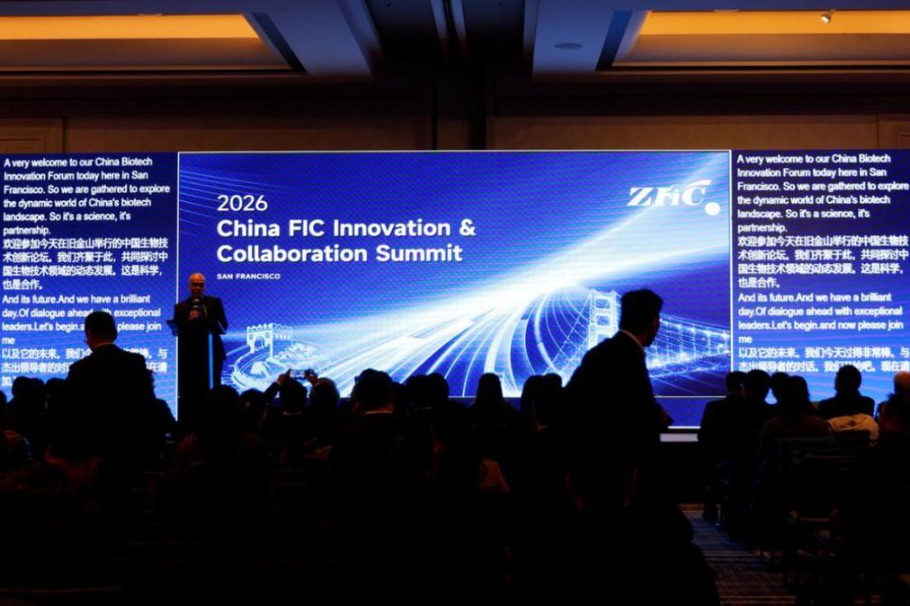
    SAN FRANCISCO – Top pharmaceutical executives and global investors convened at the 2026 China FIC Innovation and Collaboration Summit on Sunday, signaling a new era of cross-border biotechnology cooperation as China’s drug licensing deals surpassed $130 billion in value last year.

    The summit, organized by the Zhongguancun First-in-Class Innovative Drug Strategic Development Alliance, functioned as both a global showcase and launch platform for China’s most promising pharmaceutical innovations. The event specifically aimed to bridge Chinese biotech firms with international industry leaders while stimulating increased multinational investment in China’s rapidly expanding healthcare sector.

    A representative from the Beijing Investment Promotion Service Center described China’s evolution from producing derivative ‘Me-Too’ medications to pioneering transformative ‘First-in-Class’ therapies as evidence of an entirely new innovation ecosystem. She characterized the summit as a ‘vital two-way bridge’ connecting global expertise with Chinese technological advancement.

    China’s pharmaceutical ascendancy rests on several foundational strengths: a unified market of 1.4 billion people with healthcare coverage extending to 1.33 billion citizens provides unprecedented scale for clinical development and commercialization. The country’s regulatory framework now operates in full compliance with International Council for Harmonisation guidelines while balancing innovation incentives with accessibility through volume-based procurement systems.

    Regulatory approvals have accelerated dramatically, with Chinese authorities greenlighting a record 76 innovative drugs in 2025 alone. These streamlined review processes have created clearer pathways for synchronized global drug development and simultaneous international market launches.

    Despite global geopolitical tensions, Chinese Consul General in San Francisco Zhang Jianmin emphasized that economic interdependence remains an undeniable reality. ‘The biopharmaceutical sector depends fundamentally on global supply chains, cross-border clinical research, and international data sharing,’ Zhang noted. ‘Many challenges exceed any single nation’s capabilities – US-China collaboration immeasurably increases our chances of solving humanity’s most pressing health challenges.’

    California State Treasurer Fiona Ma reinforced this collaborative vision, highlighting the state’s substantial healthcare investments through voter-approved bonds for stem cell research, children’s hospitals, and behavioral health services. ‘With AI capabilities and digital connectivity, we must abandon research silos,’ Ma stated. ‘Shared research accelerates discoveries and enhances global health outcomes.’

    Industry veteran Joseph Scheeren of the French National Academy of Pharmacy offered an optimistic assessment: ‘Chinese companies are moving aggressively toward global expansion through partnership deals that position them as worldwide development partners. With sufficient resources and continued commitment, China possesses extraordinary potential in pharmaceutical innovation.’

    The summit revealed significant untapped potential – while China now contributes approximately 30% of the global innovative drug pipeline, only a fraction of these developments have involved international transactions. Nine cutting-edge projects were selected from nearly 30 applications for detailed pitching sessions, spanning multiple therapeutic areas and technological frontiers.

  • US slaps tariffs on Iran partners

    US slaps tariffs on Iran partners

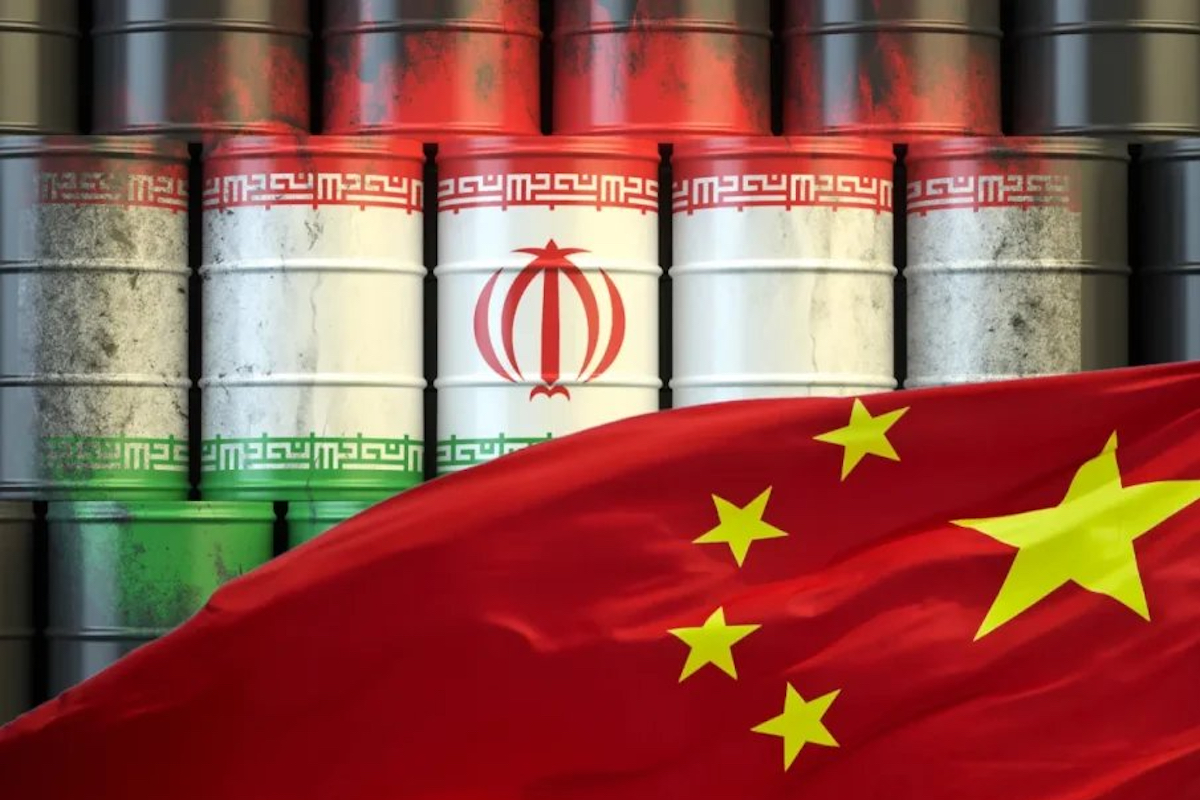
    The United States has dramatically escalated geopolitical tensions by imposing severe economic measures against nations conducting business with Iran. President Donald Trump announced via social media the immediate implementation of a 25 percent tariff on all trade between the US and any country engaging commercially with Iran, coupled with explicit warnings of potential military action.

    This aggressive economic maneuver triggered immediate market reactions, with oil prices climbing significantly due to concerns over disruptions to Iran’s substantial contribution to global oil production. The announcement represents the latest development in an increasingly volatile standoff between Washington and Tehran.

    Iran responded with defiant rhetoric, with Foreign Minister Abbas Araghchi stating the nation maintains “large and extensive military preparedness” and stands ready for conflict if Washington chooses to “test” military options. Despite this posture, Araghchi indicated communication channels remain open while questioning America’s readiness for “fair and just negotiations.”

    China, a significant trading partner with Iran, swiftly condemned the US measures. Foreign Ministry spokeswoman Mao Ning articulated Beijing’s position, emphasizing that “there are no winners in a tariff war” while vowing to “take all necessary measures to safeguard its legitimate rights and interests.” Mao further expressed China’s opposition to interference in internal affairs and use of force in international relations.

    The Pentagon has reportedly presented President Trump with an expanded range of military options against Iran, including potential strikes on nuclear facilities and ballistic missile sites, though narrower options such as cyberattacks are considered more likely according to officials familiar with the planning.

    Meanwhile, the US virtual embassy in Iran urged American citizens to depart immediately via land routes to Armenia or Türkiye, reflecting growing concerns about potential conflict. Domestic unrest in Iran continues as well, with both anti-government protests and massive pro-government demonstrations filling Tehran’s streets, each side blaming external actors for the country’s instability.

  • At least 28 killed after crane collapses on train in Thailand

    At least 28 killed after crane collapses on train in Thailand

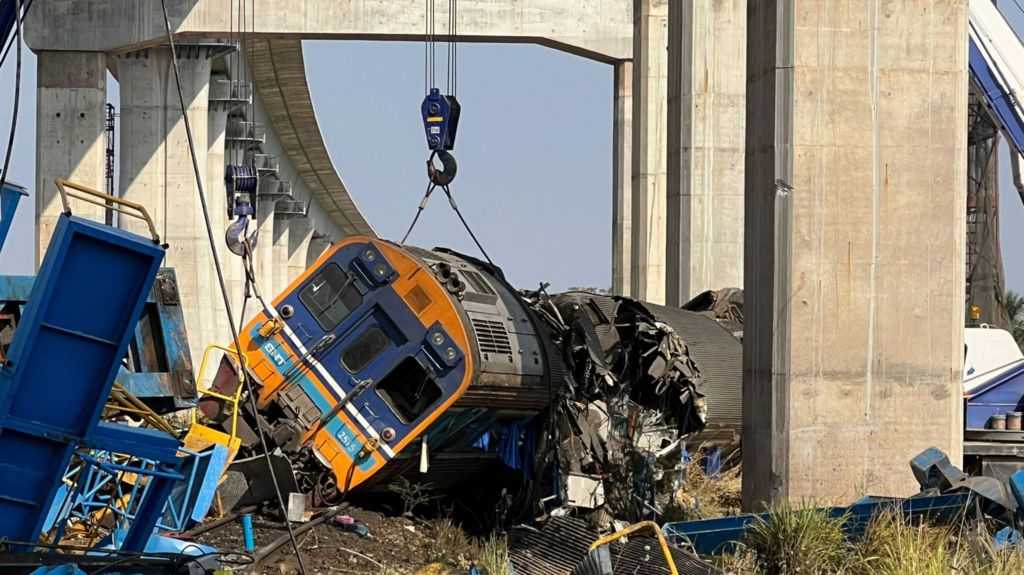
    A catastrophic construction accident in north-eastern Thailand has resulted in significant casualties after a massive crane collapsed onto a moving passenger train. The incident, which occurred at approximately 09:00 local time (02:00 GMT), claimed 28 lives and left 64 people injured, including eight in critical condition. Among the wounded were passengers ranging from a one-year-old infant to an 85-year-old elderly person.

    The train, traveling from Bangkok to Ubon Ratchathani province with 195 passengers onboard, was struck by the falling crane from an elevated railway construction project. The impact derailed the train and crushed multiple carriages, with one carriage catching fire immediately after the collision. Emergency responders worked tirelessly to evacuate all passengers from the mangled wreckage, transporting the injured to regional hospitals for treatment.

    The construction crane was part of a China-backed infrastructure initiative to connect Bangkok with neighboring Laos through a new railway system. This project parallels the existing Chinese-built high-speed line that already operates between Laos and south-western China.

    Thai Prime Minister Anutin Charnvirakul has demanded accountability for the tragedy, stating that ‘accidents like this can only happen due to negligence, skipped steps, deviations from the design, or the use of incorrect materials.’ The government has launched a formal investigation into the incident, which represents the latest in a series of fatal accidents attributed to safety lapses in Thailand’s construction industry. Survivor Thirasak Wongsoongnern, a train staff member, described being thrown into the air along with other passengers upon impact.

    This tragedy highlights ongoing concerns about construction safety standards in Thailand, where weak enforcement of regulations has previously led to similar deadly incidents.

  • New strategy to fight cancer developed

    New strategy to fight cancer developed

    A groundbreaking cancer treatment approach that forces malignant cells to reveal themselves to the body’s immune defenses has been developed by Chinese researchers, potentially overcoming the protective mechanisms that enable cancers to proliferate undetected. The innovative strategy, conceptualized as an ‘intratumoral vaccine,’ represents a significant advancement in immuno-oncology research.

    The pioneering work emerged from a collaborative effort between Shenzhen Bay Laboratory and Peking University, spearheaded by principal investigators Chen Peng, Zhang Heng, and Xi Jianzhong. Their research, documented in the January 7 edition of Nature, outlines a sophisticated methodology that simultaneously dismantles cancer cells’ defensive barriers and marks them for immune recognition.

    This novel approach addresses a critical limitation of existing immunotherapies. While current immune checkpoint blockade treatments attempt to release the biological brakes that restrain T-cells—the immune system’s specialized combat units—they frequently prove ineffective because cancers remain exceptionally adept at evasion. Clinical data indicates more than 60% of non-small cell lung cancer patients and over 70% of melanoma patients in China show minimal response to conventional checkpoint inhibitors.

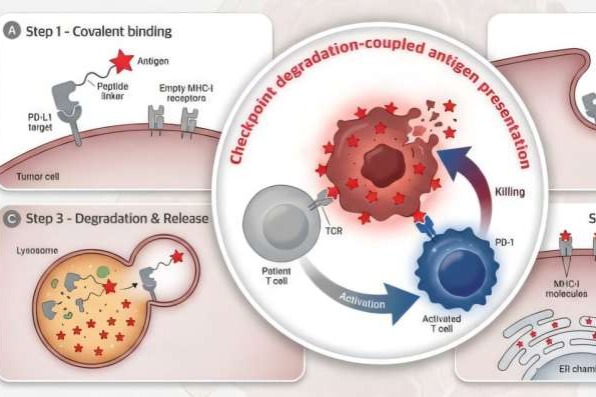
    The newly developed technique leverages the GlueTAC platform, originally established by Chen Peng’s team in 2021 as a generalized system for membrane target elimination. The centerpiece of this breakthrough is the iVAC molecule, which executes two coordinated functions: degrading the PD-L1 protein that cancers employ as an immunological shield, while concurrently delivering viral-antigen markers to tumor cell surfaces.

    This dual-action mechanism essentially tricks the immune system into perceiving cancer cells as virus-infected entities, thereby activating dormant T-cells that already possess viral combat capabilities. The resultant immune response triggers a targeted assault on the identified tumor cells.

    Experimental validation using both animal models and patient-derived organoids—miniature lab-grown human cancer replicas—has demonstrated promising efficacy across multiple cancer types, including colorectal, gastric, and hepatic malignancies. Research teams are currently advancing preparatory work for translational drug development.

    Despite the encouraging results, researchers acknowledge the substantial journey ahead before clinical application. Zhang Heng estimates a three-to-five-year timeline before human trials might commence, noting the considerable financial investment required and inherent uncertainties of medical research. The team maintains an openly collaborative stance, hoping to accelerate development and ultimately benefit cancer patients worldwide.

  • Trump’s Iran tariff threat risks reigniting US-China trade war

    Trump’s Iran tariff threat risks reigniting US-China trade war

    Former President Donald Trump’s proposal to impose 25% tariffs on nations trading with Iran has triggered concerns about renewed economic confrontation between the United States and China. This policy initiative, while ostensibly targeting Tehran, directly challenges Beijing as China remains Iran’s largest trading partner.

    The emerging situation threatens to undermine the fragile diplomatic truce established between the two economic superpowers in late 2023. That interim understanding had temporarily halted years of escalating tariffs, export controls, and retaliatory measures, providing businesses with cautious optimism about stabilizing trade relations.

    Analysts suggest that a 25% tariff represents more than a technical adjustment—it signals a fundamental shift toward using trade policy as an instrument of confrontation rather than negotiation. Market observers recognize the pattern that typically follows such moves: initial warnings hardening into retaliation, ultimately reshaping the entire economic relationship landscape.

    Agricultural sectors would face immediate impact, with American soybean exports to China particularly vulnerable. Previous trade conflicts demonstrated how quickly market access evaporates when politics infiltrates supply chains. However, the implications extend far beyond agriculture, affecting technology, energy, manufacturing, and logistics—all industries dependent on predictable trade flows and stable policy frameworks.

    The maximum pressure strategy behind the tariff threat creates impossible choices for companies forced to balance commercial survival against compliance with shifting political demands. Such conditions discourage long-term investment, accelerate supply chain fragmentation, and weaken global growth foundations.

    Energy markets already reflect mounting tension, as Iran’s role in global oil supply amplifies every policy signal. Layering tariff threats atop existing sanctions raises risk premiums across commodities, potentially driving higher energy costs that filter into inflation and tighten financial conditions worldwide.

    Diplomacy historically provided buffers against such cycles, with trade agreements creating off-ramps and negotiations allowing cooling periods before disputes hardened into prolonged standoffs. Recent signals suggest movement in the opposite direction, with tariffs transitioning from bargaining chips to default responses.

    Both nations face difficult calculations: China must balance resisting external pressure against avoiding domestic perceptions of weakness, while Washington weighs appearing indecisive against reopening trade conflicts that previously inflicted deep damage on global growth.

    Investors recognize familiar patterns in these developments, recalling how earlier tariff escalation cycles began with measures framed as limited before yielding to retaliation rounds that raised barriers and deepened mistrust. The outcomes consistently delivered higher prices, fractured supply chains, and lasting erosion of confidence between major economies.

    Asia stands particularly exposed, with regional supply chains threading through Chinese factories, Southeast Asian ports, and energy corridors dependent on stable global trade rules. Any renewed confrontation sends immediate shockwaves through regional growth, currencies, and capital flows, with consequences extending far beyond the two primary nations involved.

    Political leaders often underestimate how rapidly confidence evaporates under such conditions. Markets move faster than diplomacy, and companies freeze investment plans long before negotiations resume, tightening financial conditions ahead of formal policy changes.

    The world learned painful lessons from earlier tariff escalation cycles. Those lessons now face a fresh decisive test as trade policy increasingly generates instability rather than leverage, potentially reopening wounds that global commerce spent years trying to heal.

  • Fudan’s AI guidelines aid both students, teachers

    Fudan’s AI guidelines aid both students, teachers

    Fudan University has unveiled comprehensive guidelines for generative artificial intelligence implementation in educational settings, marking a significant shift in pedagogical approaches for both faculty and students. The framework redefines educators’ roles from traditional knowledge transmitters to dynamic learning architects and intelligent mentors, while students are encouraged to evolve into collaborative decision-makers working synergistically with AI systems.

    The guidelines empower instructors to leverage AI for creating immersive teaching scenarios, designing progressive problem gradients, generating customized exercises, and enriching classroom examples. This technological integration enables professors to dedicate more attention to facilitating discussions, guiding cognitive processes, and delivering personalized feedback—a strategic adaptation to the rapidly evolving digital landscape.

    For the student population, AI serves as an autonomous learning companion that handles routine cognitive tasks including information retrieval and format organization. This delegation allows learners to concentrate on developing higher-order capabilities such as critical analysis, complex problem-solving, and enhanced emotional intelligence.

    The comprehensive document addresses multiple educational dimensions including classroom innovation, learning methodologies, evaluation systems, administrative management, faculty development, and scientific research. These standards represent China’s latest effort to establish ethical boundaries for generative AI in academic environments, with particular emphasis on academic integrity, usage transparency, and stakeholder accountability.

    This initiative follows similar movements within China’s academic community. In June 2024, East China Normal University and Beijing Normal University jointly released AI usage guidelines limiting AI-generated content to 20% of assignments with mandatory disclosure. Three months later, Tsinghua University established protocols requiring AI use disclosure in thesis work while prohibiting academic misconduct and sensitive data training.

    Fudan University had previously implemented AI regulations for undergraduate theses in late 2024, and the new guidelines reinforce that AI cannot replace fundamental academic activities including topic selection, ethical framework construction, data interpretation, or conclusion formulation.

    According to Lin Wei, Dean of Fudan’s Academic Affairs Office, “The central challenge for universities isn’t whether to adopt generative AI, but how to maintain educational essence amid rapidly expanding technological capabilities.” This perspective aligns with China’s first national guidelines for AI in education issued by the Ministry of Education in November, emphasizing teachers’ primary role supported by AI assistance.

    The guidelines provide specific implementation strategies: teaching teams may use AI to optimize course modules, learning tasks, and activity flows, creating cohesive learning cycles from lecture to reflection. General education courses can employ AI to generate interdisciplinary cases enhancing real-world relevance, while specialized courses benefit from AI’s ability to track field advancements and update materials. Practical courses leverage AI for designing programming environments, virtual simulations, and providing real-time operational feedback.

    Early implementations show promising results. Associate Professor Zhang Hao redesigned semiconductor device physics curriculum using AI methodologies, receiving enthusiastic student response. Professor Wang Yanjin from the School of Stomatology developed AI virtual patients with diverse personalities, allowing students to simulate clinical interactions and deepen pathological understanding through enhanced engagement.