作者: admin

  • Banks warn millions will be hurt by Trump’s 10% cap on credit card interest rates

    Banks warn millions will be hurt by Trump’s 10% cap on credit card interest rates

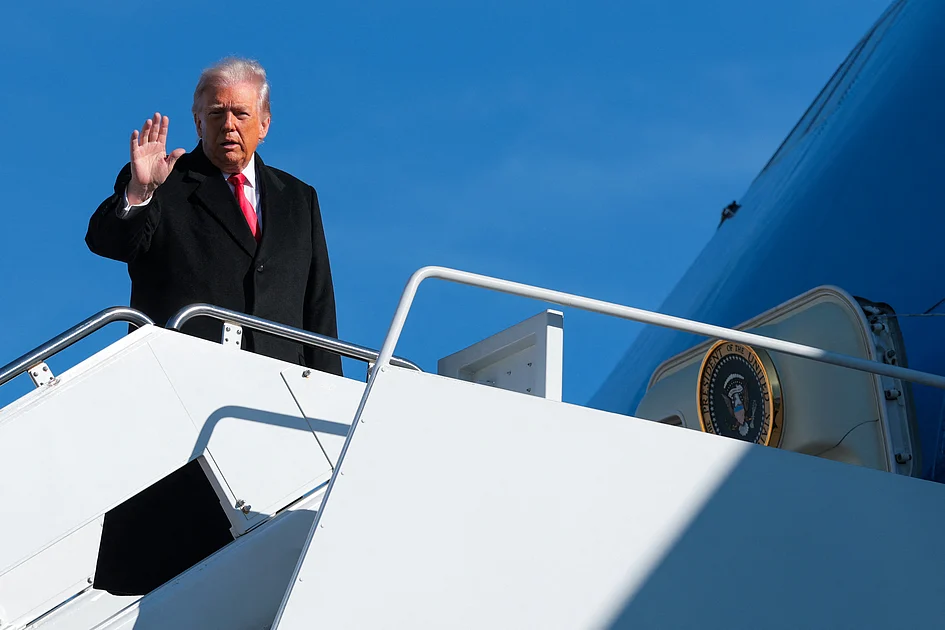
    The U.S. financial sector has issued stark warnings regarding former President Donald Trump’s proposal to impose a 10% cap on credit card interest rates, asserting this measure would trigger severe credit restrictions affecting millions of American households and small businesses. Announced on January 14, 2026, as a response to mounting voter concerns about living costs, the proposed one-year cap scheduled to commence on January 20 has drawn immediate industry backlash.

    Financial institutions and industry coalitions have mobilized to counter the proposal, presenting data suggesting catastrophic consequences for credit accessibility. According to the Electronic Payments Coalition, representing major financial entities and payment networks, approximately 82-88% of open credit card accounts held by consumers with credit scores below 740 would face either complete closure or substantial credit limitations under such a cap.

    Richard Hunt, Executive Chairman of the Electronic Payments Coalition, characterized the proposal as counterproductive, stating: “While a government-mandated price cap might appear superficially appealing, its implementation would produce precisely the opposite of its intended effect—harming families, constraining economic opportunity, and ultimately weakening our national economy.”

    Industry analysts project that the cap would render credit card operations unprofitable for lenders, forcing widespread account closures particularly affecting subprime borrowers. Even consumers with stronger credit profiles would likely encounter increased annual fees, reduced rewards programs, and additional monthly charges as financial institutions seek to offset lost revenue.

    Current market data underscores the significance of high interest rates to industry profitability. The Consumer Financial Protection Bureau reported average APRs reaching 25.2% for general purpose cards and 31.3% for private label cards in 2024—the highest levels recorded since 2015. Concurrently, the proportion of cardholders making only minimum payments reached its highest point in nine years, indicating growing financial strain among consumers.

    Michael Miller, Morningstar analyst, noted the proposal’s uncertain implementation pathway, suggesting congressional action would be required: “President Trump’s statement primarily functions as a symbolic gesture rather than concrete policy. While we consider actual implementation unlikely, the potential consequences for credit card profitability would be dire if enacted.”

    Countervailing research from Vanderbilt University’s Policy Accelerator, published in September 2025, indicates consumers could save approximately $100 billion annually under a 10% cap, though borrowers with credit scores below 760 might experience reduced rewards benefits. Brian Shearer, the center’s competition and regulatory policy director, challenged industry warnings: “Claims regarding massive account closures overlook the substantial profit margins currently enjoyed by credit card issuers. Our analysis indicates significant room for efficiency improvements without compromising access.”


  • Min Jin Lee’s ‘American Hagwon’ to be released in September

    Min Jin Lee’s ‘American Hagwon’ to be released in September

    Acclaimed author Min Jin Lee, celebrated for her million-selling novel “Pachinko,” prepares to launch her highly anticipated new work “American Hagwon” on September 29th. The novel emerges from Lee’s fascination with Korea’s profound cultural emphasis on education, examining why academic achievement occupies such central importance in Korean society.

    Hagwons, the novel’s central theme, represent Korea’s extensive network of for-profit tutoring centers often described as “cram schools.” These institutions provide supplemental education across diverse subjects from language acquisition to musical instruction, serving students of all ages seeking competitive advantages.

    Lee, who describes herself as an “accidental historian,” employs sweeping narrative fiction to investigate historical contexts, contemporary social dynamics, and complex issues of race, gender, and class stratification. “American Hagwon” completes the third installment in her planned quartet exploring Korean and diaspora experiences, following 2007’s “Free Food for Millionaires” and the critically acclaimed “Pachinko”—a National Book Award finalist adapted into Apple TV+’s 2022 series and translated globally.

    The New York Times recognized “Pachinko” as the 15th best novel of the 21st century in its 2024 assessment. Lee’s publisher, Cardinal imprint of Hachette Book Group, characterizes her new work as an examination of shifting societal rules, transforming world orders, and the redefinition of success benchmarks.

    Set across multiple continents including Korea, Australia, and Southern California, “American Hagwon” traces a middle-class Korean family’s journey through displacement caused by the Asian financial crisis and their subsequent efforts to reestablish stability. Publisher Reagan Arthur praises Lee’s ability to capture historical transformations through meticulously crafted characters that resonate deeply with readers.

    Born in Seoul and raised in New York from age seven, Lee’s educational background includes the prestigious Bronx High School of Science, Yale University history studies, and Georgetown University law training. Her methodical writing approach—nicknamed “the turtle” by her father for being “slow but very steady”—involves extensive research, reflection, international travel, and interviews. Lee describes her authorial mission as holding “a mirror to society” and performing what contemporary culture terms a “vibe check” of the current era.

  • Dubai: Gold and silver prices reach new record highs

    Dubai: Gold and silver prices reach new record highs

    Dubai’s precious metals market witnessed a historic surge on Wednesday, January 14, 2026, as gold and silver prices shattered previous records amid escalating global uncertainties and shifting monetary policy expectations. The 24K gold variant climbed dramatically by nearly Dh3 to reach Dh558 per gram during morning trading sessions, while 22K gold followed closely at Dh516.75 per gram. Other gold categories demonstrated parallel upward trajectories, with 21K, 18K and 14K varieties rising to Dh495.5, Dh424.5 and Dh331.25 per gram respectively.

    This remarkable rally extended beyond regional markets, with global spot gold achieving an unprecedented $4,637.81 per ounce—representing a one percent increase—while silver prices breached the psychological $90 barrier for the first time in history, ultimately settling at $91.53.

    Financial experts attribute this surge to a confluence of geopolitical and economic factors. The ongoing tensions between Iran and the United States have significantly bolstered the appeal of safe-haven assets, while recent US Consumer Price Index data for December, which registered at 2.7 percent, aligned with market expectations regarding inflationary trends.

    Vijay Valecha, Chief Investment Officer at Century Financial, identified multiple drivers behind the precious metals rally. ‘Concerns regarding Federal Reserve independence, escalating geopolitical risks, and persistent anticipations of accommodative US monetary policy have collectively fueled this remarkable performance,’ he stated. Valecha further noted that pressure on Federal Reserve Chair Jerome Powell, including reported legal challenges related to congressional testimony, has additionally stimulated gold demand. A weakening US dollar has concurrently enhanced the attractiveness of non-yielding assets like bullion.

    From a technical perspective, Valecha indicated that gold faces immediate resistance near the $4,660 threshold, suggesting potential volatility in upcoming trading sessions as markets continue to digest evolving global economic conditions and geopolitical developments.

  • As global warming melts glaciers, a novel sanctuary in Antarctica is opening to preserve ice samples

    As global warming melts glaciers, a novel sanctuary in Antarctica is opening to preserve ice samples

    ROME (AP) — In a landmark initiative to combat the irreversible loss of glacial archives, scientists have established the world’s first international repository for mountain ice cores within Antarctica’s frozen depths. This pioneering preservation effort aims to safeguard invaluable atmospheric history for future generations as climate change accelerates glacial melt worldwide.

    Ice cores function as natural time capsules, encapsulating millennia of Earth’s atmospheric composition within their frozen layers. With glaciers vanishing at unprecedented rates, researchers have initiated an urgent global mission to extract and preserve these climatic records before they permanently disappear.

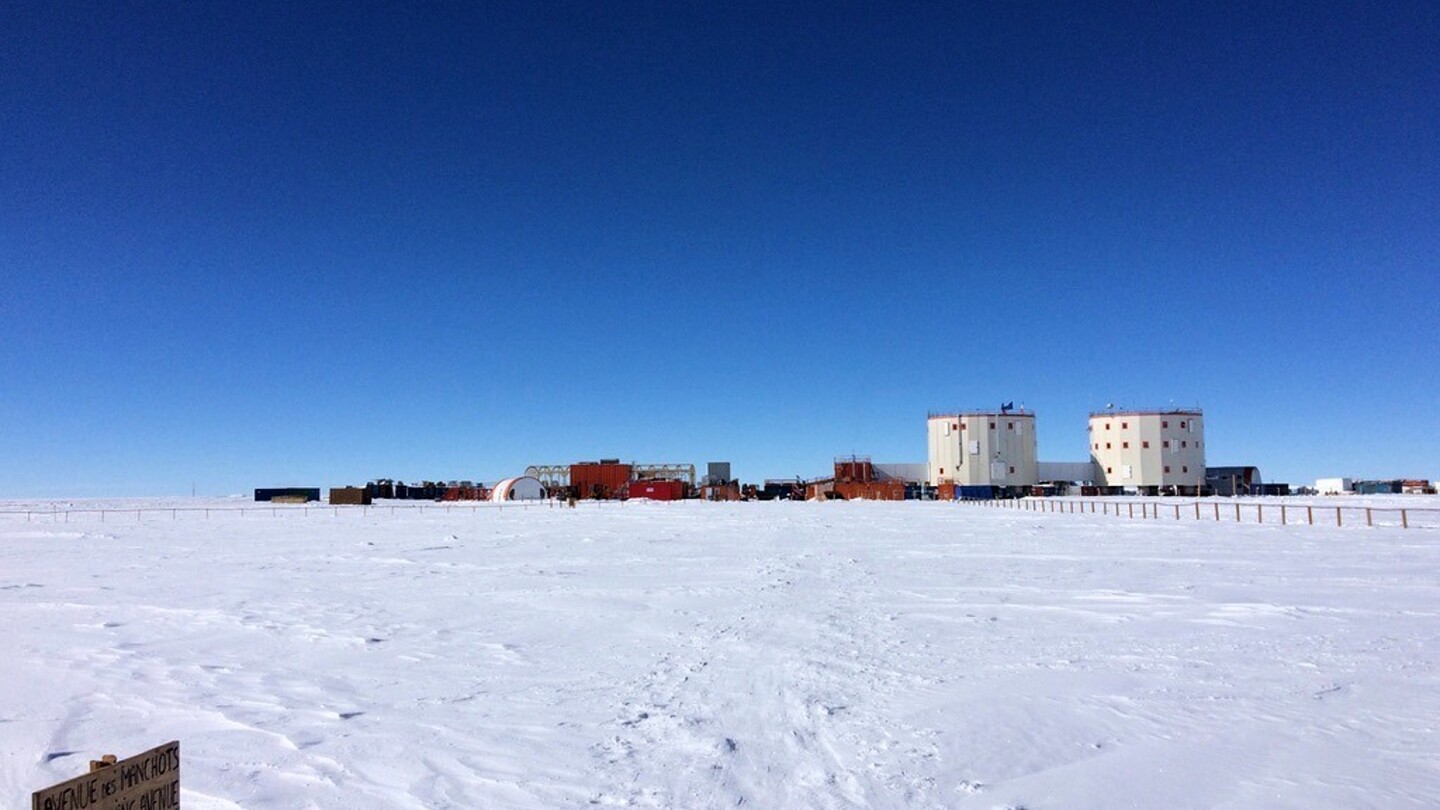
    The inaugural shipment, containing 1.7 tons of meticulously preserved ice cores from Mont Blanc in France and Grand Combin in Switzerland, recently completed a 50-day refrigerated voyage aboard an icebreaker from Trieste, Italy. These foundational samples now reside in a specialized snow cave at Antarctica’s Concordia research station, maintained at a constant -52°C (-61°F) to ensure perpetual preservation.

    The Ice Memory Foundation—a consortium of European research institutions including France’s National Centre for Scientific Research, Italy’s National Research Council, and Switzerland’s Paul Scherrer Institute—officially inaugurated the frozen archive on Wednesday. Since its 2015 launch, the project has identified ten critical glacier sites worldwide for core extraction and future transportation to the Antarctic sanctuary.

    Professor Carlo Barbante, vice chair of the Ice Memory Foundation and professor at Ca’ Foscari University in Venice, emphasized the project’s significance: “By preserving physical samples of atmospheric gases, aerosols, pollutants and dust trapped in ice strata, we ensure future researchers can study past climate conditions using technologies not yet developed.”

    Scientific data reveals the alarming scale of glacial loss: since 2000, glaciers have diminished between 2% and 39% regionally, with approximately 5% of global glacial ice already vanished. This degradation threatens to erase irreplaceable atmospheric records crucial for understanding climate dynamics.

    Celeste Saulo, Secretary-General of the U.N. World Meteorological Organisation, characterized the preserved cores as “critical reference points rather than mere relics” that will enable scientists across generations to comprehend the pace, scale, and mechanisms of environmental transformation.

    The foundation’s decade-long vision includes establishing an international convention to guarantee permanent protection and accessibility of these frozen archives for future scientific inquiry, creating an enduring legacy of Earth’s climatic history amidst rapid environmental change.

  • EU targets Ukraine’s military needs with massive new loan program plus billions in budget support

    EU targets Ukraine’s military needs with massive new loan program plus billions in budget support

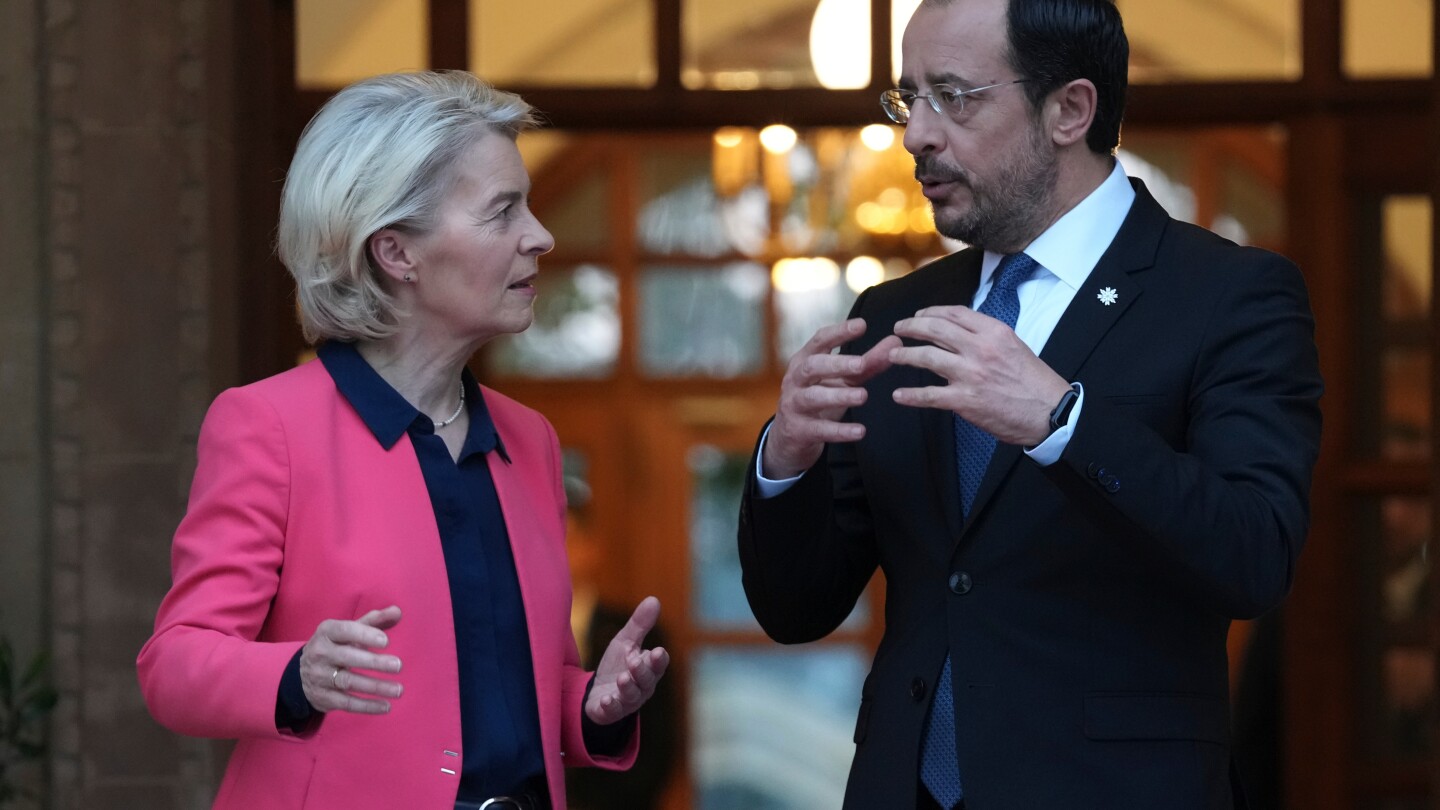
    BRUSSELS — European Commission President Ursula von der Leyen announced Wednesday a comprehensive €90 billion ($105 billion) assistance program for Ukraine, with two-thirds allocated to military requirements and the remainder designated for economic stabilization. The substantial financial package represents the European Union’s strategic commitment to strengthening Ukraine’s defense capabilities while addressing its severe economic challenges.

    The landmark loan arrangement, approved by EU leaders last month, features unprecedented repayment terms: Kyiv will only commence repayment after Russia concludes its military aggression and provides compensation for war-related damages. This condition acknowledges Ukraine’s current financial precarity, with the International Monetary Fund estimating the nation requires €137 billion ($160 billion) through 2027 to maintain basic government functions.

    Von der Leyen emphasized the strategic rationale behind the allocation, stating, “We all want peace for Ukraine, and for that Ukraine must be in a position of strength.” The military component, totaling €60 billion ($70 billion), will primarily procure defense equipment from Ukrainian, EU, and European Economic Area manufacturers, though provisions allow for external acquisitions when necessary for operational effectiveness.

    The remaining €30 billion ($35 billion) will provide direct budget support to prevent governmental collapse, with initial disbursements targeted for April 2024 pending approval by EU member states and the European Parliament. The Commission simultaneously confirmed that portions of military funding could be channeled through NATO procurement mechanisms involving United States defense contractors.

    Critical to the agreement are stringent governance conditions requiring Ukraine to implement comprehensive anti-corruption measures and rule-of-law reforms. “These conditions are non-negotiable for any financial support,” von der Leyen asserted, referencing Ukraine’s historical challenges with institutional corruption. This stipulation follows recent high-profile investigations within President Zelenskyy’s administration, including the resignation of chief negotiator Andrii Yermak amid corruption probes.

    The EU anticipates additional financial contributions from international partners including Britain, Canada, Japan, and Norway to bridge Ukraine’s funding gap, with the IMF preparing complementary loan programs for consideration next month.

  • ‘Grim scene’: BBC on site after crane collapses on train in Thailand

    ‘Grim scene’: BBC on site after crane collapses on train in Thailand

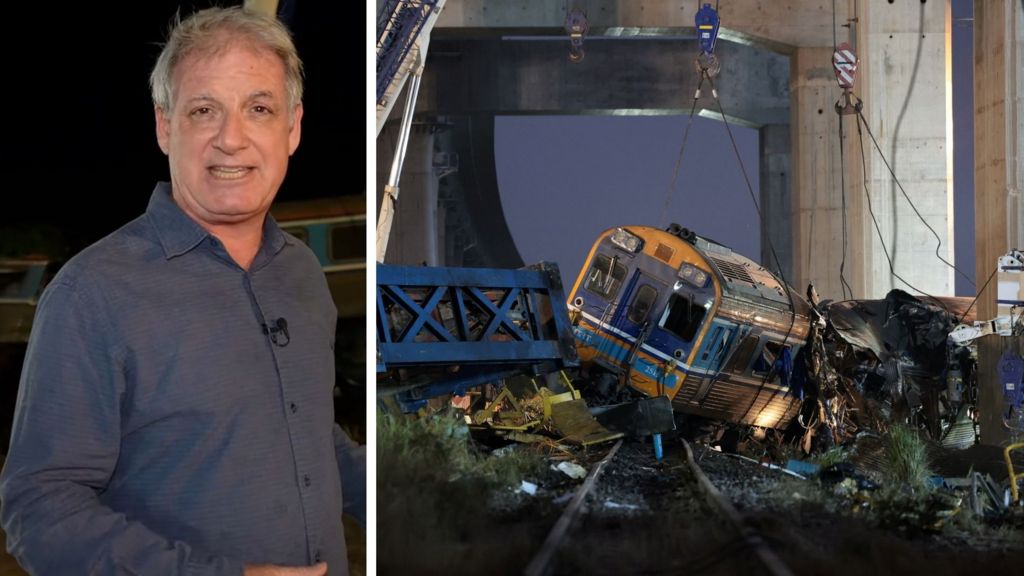
    A catastrophic construction accident has delivered a severe blow to Thailand’s national infrastructure modernization program, as a massive crane collapsed directly onto a passenger train near Bangkok’s central station. Eyewitnesses described scenes of chaos and devastation at the accident site, with emergency services conducting rescue operations amid twisted metal and debris.

    The incident, characterized by BBC correspondent Jonathan Head as ‘grim’ and ‘devastating,’ raises serious questions about construction safety protocols and oversight mechanisms within Thailand’s rapidly expanding transportation network. Preliminary investigations suggest the crane, which was part of ongoing railway improvement projects, suffered a structural failure during operation, though official causes remain under determination by authorities.

    This tragedy represents more than an isolated industrial accident—it strikes at the heart of Thailand’s ambitious efforts to position itself as a regional transportation hub. The psychological impact on public confidence in infrastructure safety could potentially delay future development initiatives and trigger comprehensive safety reviews across all ongoing projects. Transportation officials have pledged full transparency in the investigation while expressing condolences to those affected by this unforeseen disaster.

  • Canadian Prime Minister Mark Carney begins landmark 4-day visit to China to mend ties

    Canadian Prime Minister Mark Carney begins landmark 4-day visit to China to mend ties

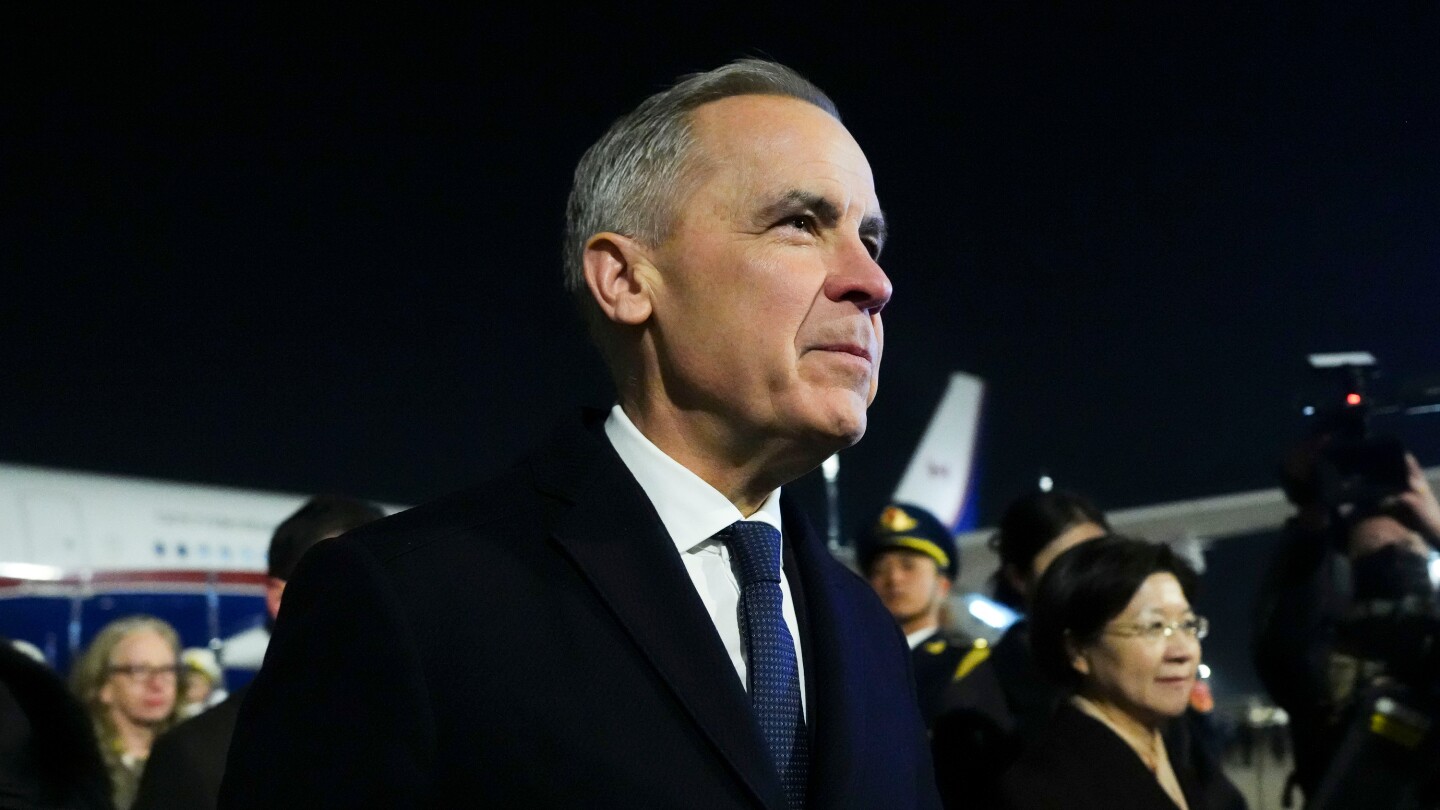
    BEIJING — In a significant diplomatic overture, Canadian Prime Minister Mark Carney commenced a pivotal four-day state visit to Beijing on Wednesday, marking the first official trip by a Canadian leader to China in nearly ten years. The high-stakes mission aims to revitalize strained bilateral relations while signaling Canada’s strategic pivot toward diversifying its international trade partnerships beyond the United States.

    Prime Minister Carney’s itinerary includes substantive meetings with Chinese Premier Li Qiang and President Xi Jinping, underscoring the visit’s importance to both nations. The diplomatic engagement occurs against the backdrop of shifting global economic dynamics and Canada’s explicit commitment to expand non-U.S. trade relationships over the coming decade.

    Canadian Foreign Affairs Minister Anita Anand, accompanying Carney, emphasized the necessity of this strategic reorientation: “We are acutely aware that the global economic landscape has undergone fundamental transformation. Our objective to double non-U.S. trade within ten years reflects Canada’s deliberate effort to cultivate diversified trading partnerships.”

    Chinese state media has consistently advocated for Canada to pursue greater “strategic autonomy” from American influence—a position that aligns with Beijing’s broader geopolitical objectives. This perspective gains relevance amid former U.S. President Donald Trump’s adversarial trade measures against Canada, including punitive tariffs and controversial suggestions regarding Canada’s political status.

    The current diplomatic reset follows a prolonged deterioration in Sino-Canadian relations, initially triggered by the 2018 arrest of a Chinese tech executive at America’s request and exacerbated by Canada’s 2024 decision to impose 100% tariffs on Chinese electric vehicles—a move mirroring U.S. trade policy. China responded with retaliatory tariffs on key Canadian exports including canola, seafood, and pork.

    Despite these tensions, Minister Anand expressed cautious optimism regarding ongoing negotiations: “Discussions have been productive. Prime Minister Carney’s presence here demonstrates our commitment to recalibrating the Canada-China relationship.” The two leaders previously met at the Asia-Pacific Economic Cooperation summit in South Korea last October, laying groundwork for this week’s comprehensive dialogue.

    Analysts observe that Beijing perceives an opportunity to weaken Western alliances amid changing U.S. foreign policy approaches, though Chinese leadership remains pragmatic about the potential extent of diplomatic realignment.

  • Algerian student explores TCM wisdom in Hefei

    Algerian student explores TCM wisdom in Hefei

    In a remarkable cross-cultural educational journey, 22-year-old Algerian student Kerbouche Abdeldjalil is immersing himself in the ancient wisdom of Traditional Chinese Medicine (TCM) at Anhui University of Chinese Medicine in Hefei. The sophomore pharmacy major, who began his studies in September 2024, represents a growing trend of international students seeking alternative medical knowledge from Eastern traditions.

    Abdeldjalil’s fascination with nature’s healing properties first emerged during his biotechnology studies in Algeria, where he developed a particular interest in phytotherapy. This curiosity about ancestral healing methods naturally evolved into a dedicated pursuit of TCM’s comprehensive medical system after he passed rigorous entrance examinations.

    The young scholar has embraced numerous immersive experiences since arriving in Hefei, including educational tours through the university’s specialized museums that showcase TCM’s rich historical tapestry. His academic curriculum has introduced him to foundational practices including acupuncture, cupping therapy, and moxibustion, alongside philosophical concepts like yin and yang that form the theoretical bedrock of Chinese traditional medicine.

    What most captivates Abdeldjalil about TCM is its holistic approach to healthcare—the fundamental philosophy that views the human body as an interconnected system requiring comprehensive treatment rather than isolated symptom management. This perspective aligns with his initial interest in plant-based therapies while offering a more structured theoretical framework and practical application.

    Abdeldjalil’s educational journey exemplifies the globalizing landscape of medical education, where ancient healing traditions transcend cultural boundaries and attract international students seeking diverse medical knowledge. His experience in Hefei demonstrates how traditional medical systems can bridge cultural divides while contributing to the global healthcare dialogue.

  • China completes new round of bulk medical supply purchases

    China completes new round of bulk medical supply purchases

    Chinese health authorities have successfully concluded the sixth iteration of their national bulk procurement initiative for high-value medical consumables, marking another significant step in the country’s healthcare cost containment strategy. The National Healthcare Security Administration unveiled the results of this latest procurement round, which encompassed 12 distinct medical device categories including drug-coated balloons and urological intervention products.

    The comprehensive bulk purchasing scheme incorporated 440 medical products from 202 manufacturers, strategically incorporating major suppliers that hospitals routinely depend upon. This approach ensures both diversity and stability in the supply chain for essential medical equipment. Health officials emphasized that the program successfully maintains quality standards while achieving substantial cost reductions.

    Since its inception, China’s centralized procurement mechanism has expanded dramatically, now covering 142 types of medical consumables across nine major categories. The program spans multiple clinical specialties including cardiology, orthopedics, peripheral vascular surgery, ophthalmology, otolaryngology, and urology, demonstrating the government’s comprehensive approach to healthcare affordability.

    Patients are anticipated to benefit from the latest procurement round beginning approximately May 2026, when the newly negotiated devices will become available at significantly reduced prices. China’s bulk procurement strategy represents a cornerstone of the nation’s healthcare reform efforts, regularly leveraging centralized purchasing power to negotiate favorable terms for both medical equipment and pharmaceuticals. This systematic approach continues to play a pivotal role in making quality healthcare more accessible and affordable for the Chinese population.

  • Trump warns of ‘very strong action’ if Iran executes protesters

    Trump warns of ‘very strong action’ if Iran executes protesters

    In a significant escalation of tensions, former US President Donald Trump has issued a stark warning to Iranian authorities regarding their handling of widespread protests. Trump declared that the United States would implement “very strong action” should Iran proceed with threatened executions of demonstrators, though he provided no specific details about potential measures.

    The confrontation emerges amid one of the most substantial challenges to Iran’s clerical leadership in years. According to human rights organizations, the government crackdown has likely resulted in thousands of fatalities during protests that have persisted for multiple nights across the nation. Iran Human Rights (IHR), a Norway-based NGO, has confirmed 734 deaths, including nine minors, while cautioning that the actual toll is probably substantially higher due to reporting limitations.

    Iranian officials have responded defiantly to international pressure. The country’s UN mission characterized American warnings as part of a longstanding “playbook” rooted in regime change fantasies, asserting that such tactics would “fail again.” Tehran prosecutors have indicated they will pursue capital charges of “moharebeh” (waging war against God) against some detained protesters.

    The situation on the ground remains tense despite government claims of restored control. Verified social media footage shows bodies lined up in morgues near Tehran, with distraught families searching for missing relatives. While international phone connections were partially restored Tuesday, internet access remains severely restricted after a five-day blackout that rights groups say masks the true scale of the crackdown.

    European nations have joined the international condemnation, with France, Germany, the UK, and the European Union summoning Iranian ambassadors. EU Chief Ursula von der Leyen described the rising casualties as “horrifying” and promised additional sanctions against those responsible.

    Analysts note these protests represent perhaps the most serious challenge to the Islamic Republic in recent history, both in scale and explicitly political nature. However, experts caution against predicting the immediate collapse of the system, citing the regime’s extensive repressive capabilities and the resilience of institutions like the Revolutionary Guard Corps.