作者: admin

  • Iran calls on UN to condemn Trump’s incitement to overthrow government

    Iran calls on UN to condemn Trump’s incitement to overthrow government

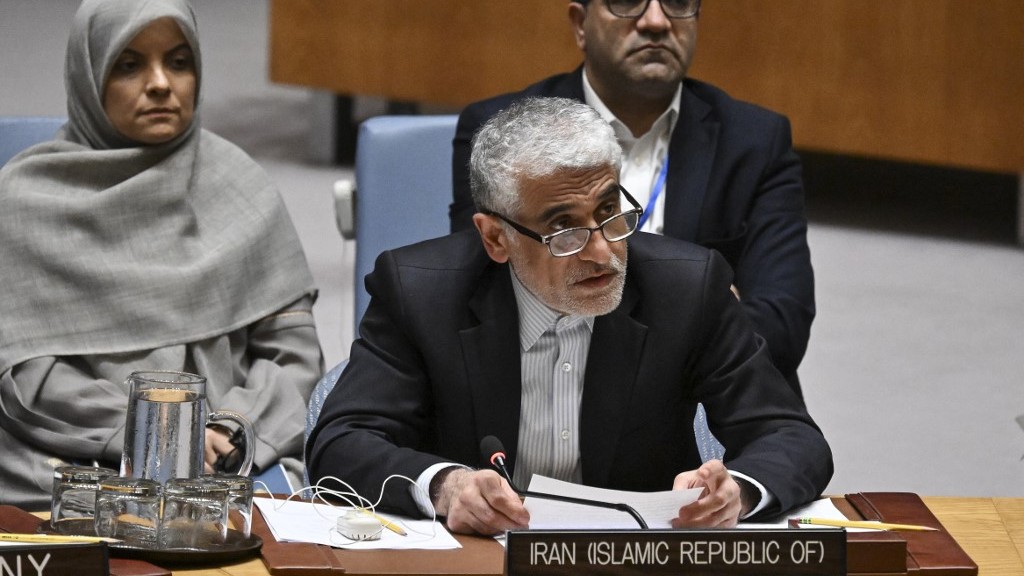
    Iran’s United Nations mission has formally requested the Security Council to denounce what it characterizes as Washington’s intensifying campaign to destabilize the nation. This diplomatic move comes in direct response to former U.S. President Donald Trump’s public exhortation on social media urging Iranian protesters to seize state institutions.

    Ambassador Amir Saeid Iravani submitted an urgent communiqué late Tuesday asserting that Trump’s Truth Social post constituted explicit encouragement of political destabilization and incitement to violence. The diplomatic correspondence emphasized that such statements directly threaten Iran’s sovereignty, territorial integrity, and national security.

    Trump’s provocative message, posted January 13, 2026, declared: ‘Iranian Patriots, KEEP PROTESTING – TAKE OVER YOUR INSTITUTIONS!!! … HELP IS ON ITS WAY.’ When subsequently questioned by journalists regarding the nature of this promised assistance, the former president offered no clarification, stating only that he would ‘have to figure that out.’

    Ambassador Iravani contextualized these remarks within recent hostilities against Iran, specifically referencing the failed 12-day military aggression in June 2025 that reportedly resulted in approximately 1,000 Iranian casualties. The ambassador’s letter attributed direct legal responsibility to both the United States and Israel for civilian deaths during this conflict.

    The Iranian mission’s Twitter account simultaneously amplified these allegations, characterizing U.S. policy toward Iran as fundamentally rooted in regime change strategies employing sanctions, threats, and engineered unrest as pretexts for military intervention.

    Iran’s formal request to the United Nations includes demands for unequivocal condemnation of U.S. incitement to violence, cessation of destabilizing policies, and compliance with international legal obligations. The appeal further seeks warnings against potential military aggression.

    This diplomatic offensive coincides with revelations from former Israeli Defense Minister Yoav Gallant, who acknowledged the necessity for ‘strategic patience’ in pursuing regime change in Iran while operating with an ‘invisible hand.’ Gallant, currently subject to an International Criminal Court arrest warrant for alleged war crimes, emphasized the importance of background influence during ongoing protests that commenced in Iran on December 28.
  • Paid study spaces gaining popularity among China’s dream-seeking youth

    Paid study spaces gaining popularity among China’s dream-seeking youth

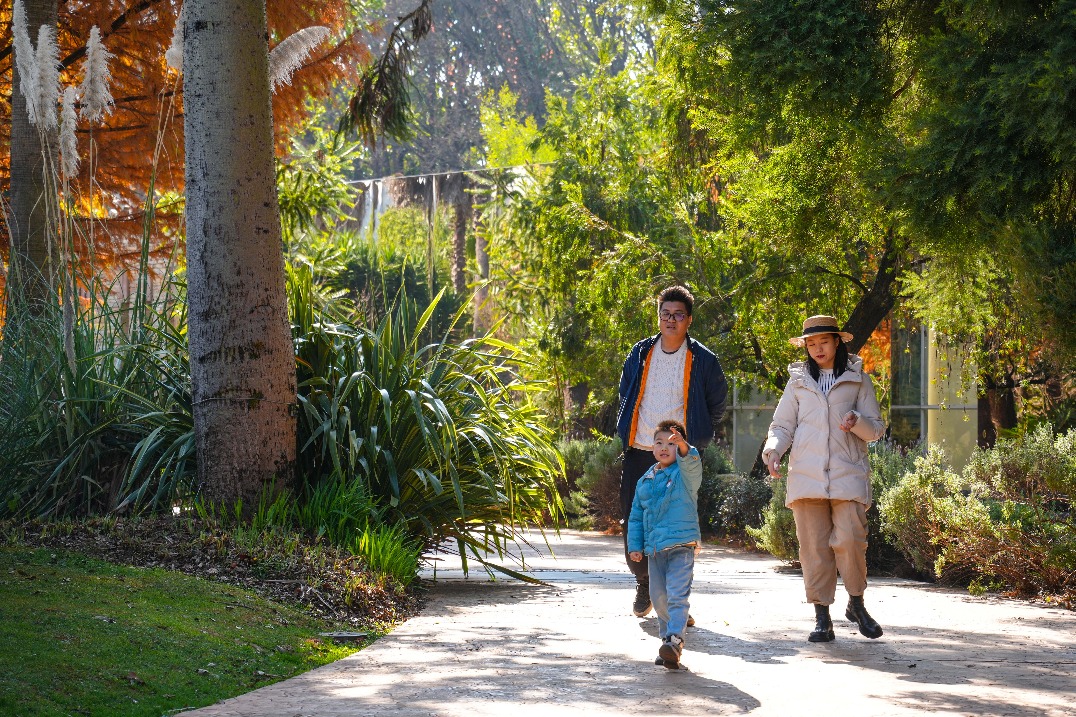
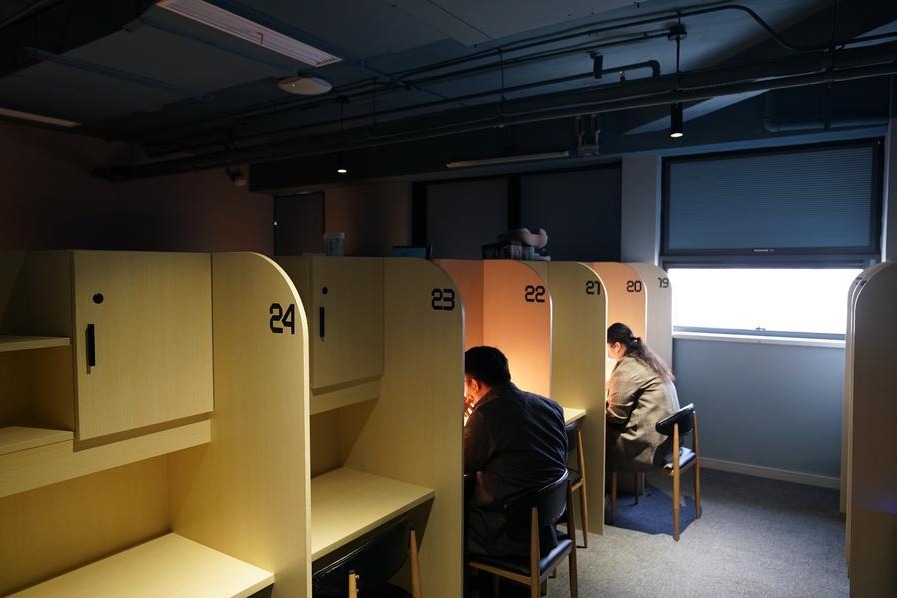
    Across urban China, a quiet revolution in learning is unfolding within the walls of specialized paid study spaces that have become essential sanctuaries for the nation’s ambitious youth. These meticulously designed environments offer much more than mere quiet—they provide structured havens for concentrated study amid increasingly competitive academic and professional landscapes.

    The phenomenon represents a sophisticated market response to growing educational pressures. Modern study rooms feature sound-proofed cubicles, ergonomic furniture, optimized lighting systems, and amenity-rich spaces complete with printers, beverage stations, and rest zones. Flexible membership options cater to diverse needs, ranging from hourly access to comprehensive annual packages.

    Industry pioneer Zhongxiang Study Room exemplifies this rapid expansion. Since its 2023 establishment in Hebei province, the chain has grown to encompass over 60 corporate locations and 100 franchised outlets, serving approximately 140,000 registered users while generating roughly 10 million yuan ($1.4 million) in annual revenue. According to company director Meng Yulong, over half their clientele consists of postgraduate and civil service examination candidates.

    Beyond commercial success, these spaces fulfill deeper sociological needs by creating environments of mutual dedication. ‘The collective determination becomes genuinely contagious,’ noted Wang Pan, a regular at Beijing’s Chenxi Study Room. Unwritten protocols govern behavior—phone conversations remain outside, cleanliness is maintained, and inspirational messages adorn bulletin boards, fostering what users describe as a powerful ‘shared journey’ of improvement.

    Industry analysts estimate approximately 100,000 such facilities nationwide, representing an annual market value exceeding 10 billion yuan. With average monthly passes costing 400 yuan and venues typically containing 50 seats, the business model demonstrates significant economic viability while addressing urban youth’s need for distraction-free environments unavailable at home or in crowded public libraries.

    The trend reflects broader societal shifts toward continuous skill development. Many users represent career changers like Xiao Peng, who transitioned from bioengineering to computer science studies, or professionals like Tianjin’s A Lan, who left high-pressure technology sector employment to pursue civil service examinations in these dedicated spaces.

    According to Nankai University expert Zhang Zhihong, ‘These environments demonstrate young people’s self-motivated adaptability and highlight growing demand for concentration-friendly spaces that support personal development—a need both commercial operators and public services should address.’

    The movement aligns with national initiatives promoting reading culture and lifelong learning, complementing upgraded public libraries and community reading spaces. As China’s latest five-year development plan emphasizes educational advancement, these study rooms have evolved into integrated learning hubs that may eventually offer complimentary basic access alongside premium services.

    As midnight approaches in Beijing’s Changping district, the lights at Chenxi Study Room continue illuminating rows of determined learners—their silent dedication punctuated only by turning pages and keyboard clicks, embodying China’s next generation of dream-chasers investing in their futures through concentrated effort and mutual inspiration.

  • Sales of a powerful Nvidia AI chip to China gets the greenlight, with conditions

    Sales of a powerful Nvidia AI chip to China gets the greenlight, with conditions

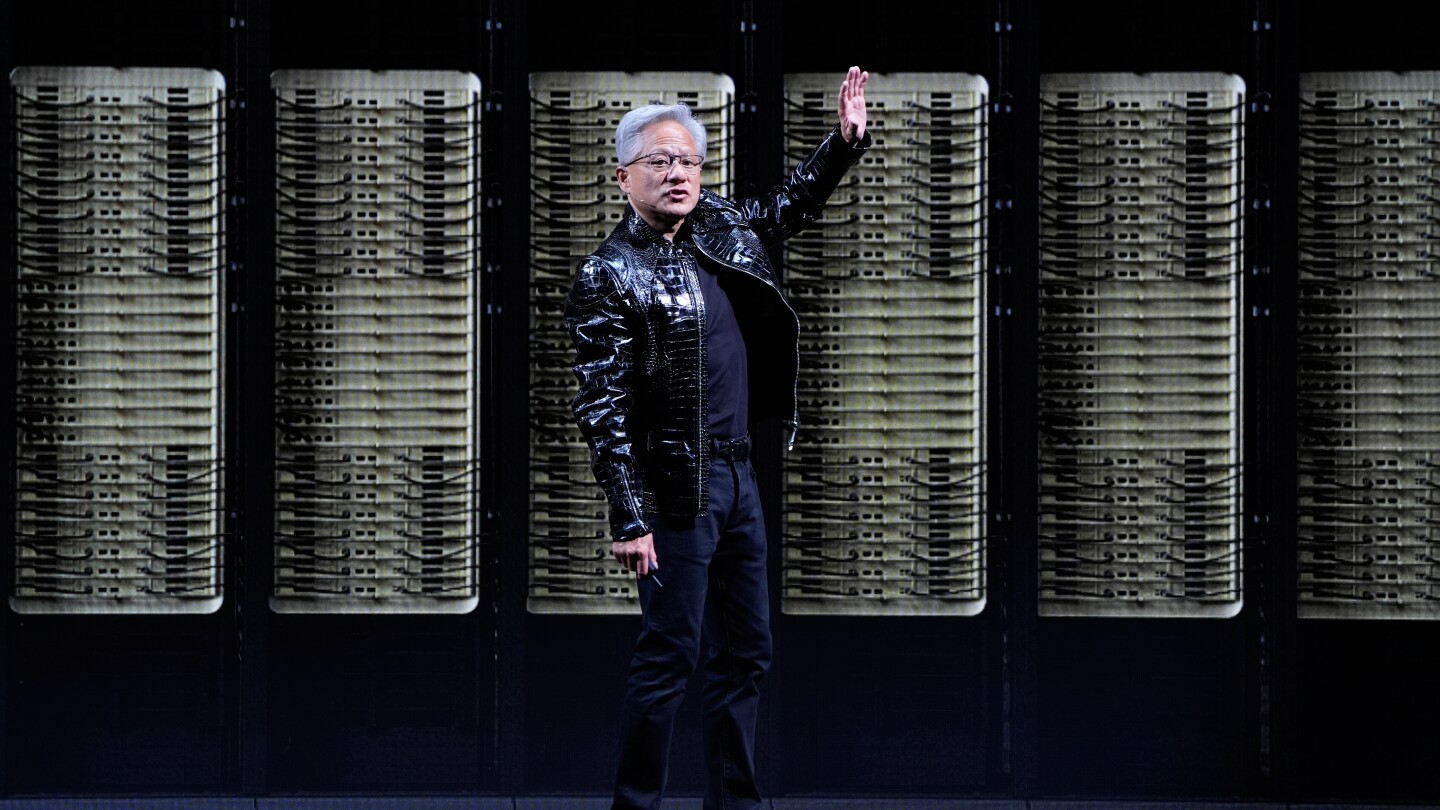
    The Trump administration has authorized Nvidia to export its H200 artificial intelligence chips to Chinese buyers under newly established security protocols, marking a significant shift in semiconductor trade policy. The Commerce Department’s Bureau of Industry and Security unveiled regulations that effectively lower export barriers while implementing specific safeguards.

    Under the revised framework, Nvidia must guarantee adequate domestic supply within the United States prior to any international shipments. Additionally, all H200 chips destined for Chinese markets will require comprehensive third-party verification. The policy explicitly prohibits military applications and caps China’s import volume at 50% of chips sold to American customers.

    Nvidia expressed approval of the decision, stating: “We applaud President Trump’s decision to allow America’s chip industry to compete to support high-paying jobs and manufacturing in America. Offering H200 to approved commercial customers, vetted by the Department of Commerce, strikes a thoughtful balance that is great for America.”

    The approval excludes Nvidia’s most advanced Blackwell and upcoming Rubin architectures, which remain under export restrictions. This development follows August negotiations where Nvidia and AMD agreed to allocate 15% of their Chinese semiconductor revenues to the U.S. government as part of their export licensing arrangement.

    Democratic legislators have raised national security concerns, arguing that these exports could potentially enhance China’s military capabilities, cyber warfare effectiveness, and manufacturing sector. The decision reflects Nvidia CEO Jensen Huang’s growing influence within administration circles, though experts caution about potential technology transfer risks that could advance China’s AI development programs.

  • France bans 10 British ‘far-right activists’ over anti-migrant activity

    France bans 10 British ‘far-right activists’ over anti-migrant activity

    France has officially banned ten British far-right activists from entering its territory following their involvement in operations targeting migrant vessels along the northern coastline. The French Interior Ministry announced the measure on Wednesday, identifying the individuals as members of the group ‘Raise the Colours’.

    According to official statements, these activists engaged in systematic searches and destruction of small boats intended for Channel crossings, alongside conducting propaganda activities. The ministry became aware of these operations in December 2025, determining they posed significant risks to public order and security.

    The banned individuals participated in efforts specifically designed to appeal to British citizens, encouraging them to join a movement aimed at stopping migratory patterns across the Channel. French Interior Minister Laurent Nuñez emphasized on social media platform X that France’s commitment to rule of law remains absolute, stating that violent actions or hate incitement have no place within French territory.

    Raise the Colours issued a response maintaining that their activities have always been peaceful and lawful, denying support for violence or illegal actions. The group claimed they had not received formal notification of the ban but understood it targeted specific individuals rather than the organization collectively. They describe themselves as a grassroots movement promoting unity and patriotism, primarily known for UK flag-raising campaigns and documenting illegal Channel crossing activities.

    Recent Home Office statistics reveal that 41,472 migrants crossed the Channel in 2025, marking a 13% increase from 2024 and the highest number since 2022 when nearly 46,000 made the journey. Small boat crossings have become the predominant method of illegal entry into the UK since 2020, prompting increased bilateral cooperation. In November 2025, after months of diplomatic pressure from British authorities, France agreed to begin intercepting small boats in the Channel.

  • Canadian University Dubai showcases cross-cultural designs at Hong Kong Fashion Gala

    Canadian University Dubai showcases cross-cultural designs at Hong Kong Fashion Gala

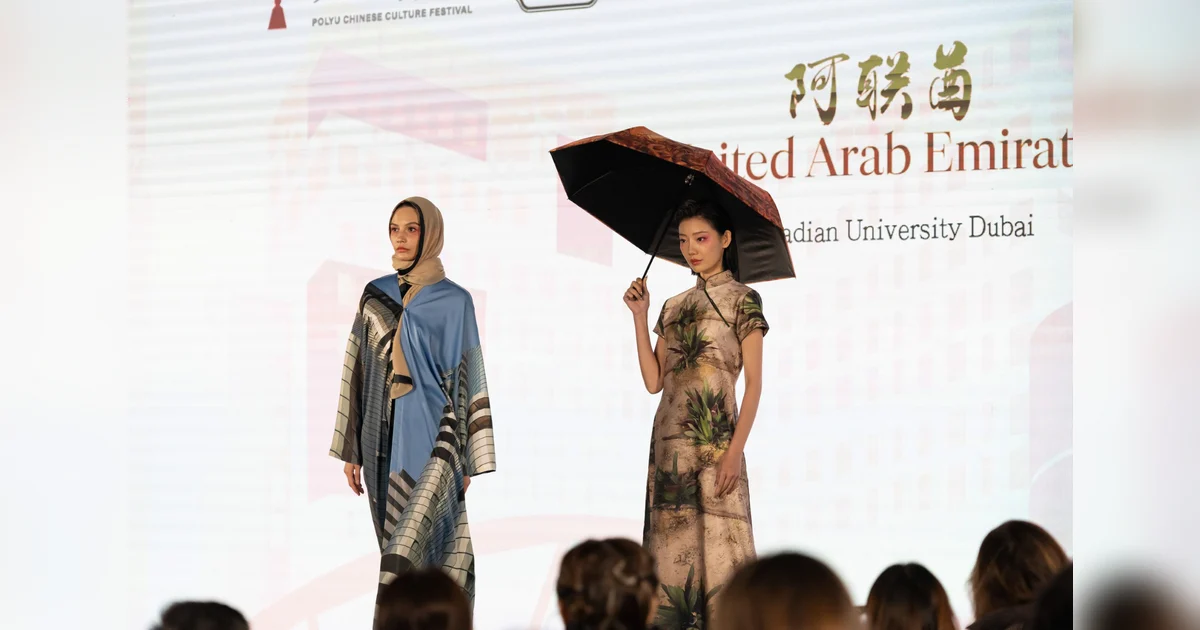
    In a remarkable fusion of architecture, culture, and fashion, Canadian University Dubai (CUD) has presented groundbreaking cross-cultural designs at Hong Kong’s Belt & Road Fashion Gala. The showcase, part of the Chinese Culture Festival, featured innovative garments developed through a collaboration with international artist Charlie Koolhaas and her ongoing Foto-Couture project.

    The collection transformed elements of Dubai’s built environment into wearable archives, with two distinctive outfits serving as the creative centerpiece. The first design, ‘Reflected Futures — The Sheikh Zayed Line,’ reimagines the traditional abaya as a modern symbol of cultural identity. Printed with Koolhaas’s photograph of Dubai’s iconic Al Attar Tower, the garment transforms architecture into an embodied repository of memory, representing the merging of global modernism with regional expression.

    The second creation, ‘The Irrigated Desert,’ draws inspiration from the Chinese qipao while incorporating imagery of Dubai’s irrigated desert plants. Printed on silk satin, the design serves as a metaphor for hybridity, connecting desert cultivation techniques with the qipao’s history of cultural reinvention. The pattern reflects water’s crucial role in shaping life in the UAE, from ancient falaj irrigation systems to contemporary technological networks.

    Artist Charlie Koolhaas emphasized the project’s interdisciplinary nature, noting how the collaboration created space for dialogue across creative disciplines. ‘This collaboration offered me the opportunity to cross-pollinate my practice in photography, architecture, and fashion within a design-focused academic context,’ she stated.

    Dean Massimo Imparato highlighted the global perspective behind the initiative, explaining that ‘The dialogue between UAE national and international participants enriched the project with a spectrum of cultural insight and creative intelligence.’ The project involved participants from over 30 countries and regions, reflecting CUD’s position as a global hub for innovative design education.

    Arash Behforooz, creative designer at CUD, assisted in translating Koolhaas’s concepts into clear visual directions using AI-enabled workflows. ‘This project shows how design, technology, and cultural storytelling can come together to shape new creative possibilities,’ he concluded.

    The exhibition demonstrates how academic institutions can serve as cross-disciplinary platforms where heritage becomes an active driver of innovation, positioning traditional garments as contemporary expressions of cultural identity and global connectivity.

  • Underage assault in Inner Mongolia: four detained, one gets correctional education

    Underage assault in Inner Mongolia: four detained, one gets correctional education

    Local authorities in Wuyuan County, Inner Mongolia Autonomous Region, have imposed disciplinary measures against five female students involved in the physical assault of a 13-year-old peer. The incident, which occurred on January 11, 2026, prompted official intervention after video evidence circulated widely across social media platforms.

    According to police reports, the altercation began with a personal conflict between the victim, identified only by her surname Liu, and a 14-year-old instigator surnamed Fu. The situation escalated when Fu invited four other girls to accompany them to a secluded area within a building complex. There, the group subjected Liu to sustained verbal harassment, physical violence, and threats while bystanders recorded the incident.

    Medical examinations confirmed that Liu sustained cutaneous injuries and soft tissue contusions requiring medical attention. The regional public security bureau subsequently initiated formal proceedings under China’s public security administration protocols.

    Four of the perpetrators, all aged 14, have received administrative detention and financial penalties. The fifth individual, aged 13, is undergoing mandatory corrective education programming designed to address juvenile behavioral issues. Officials emphasized that all measures were implemented in strict accordance with China’s legal framework governing minor offenses.

  • Mal raises $230 million to launch the world’s first AI-native Islamic digital bank

    Mal raises $230 million to launch the world’s first AI-native Islamic digital bank

    In a landmark development for financial technology, Mal has successfully closed a $230 million initial funding round to establish the world’s first AI-native Islamic digital bank. The investment was spearheaded by BlueFive Capital, with participation from various strategic investors and family offices, representing one of the most substantial early-stage financings in the digital banking sector.

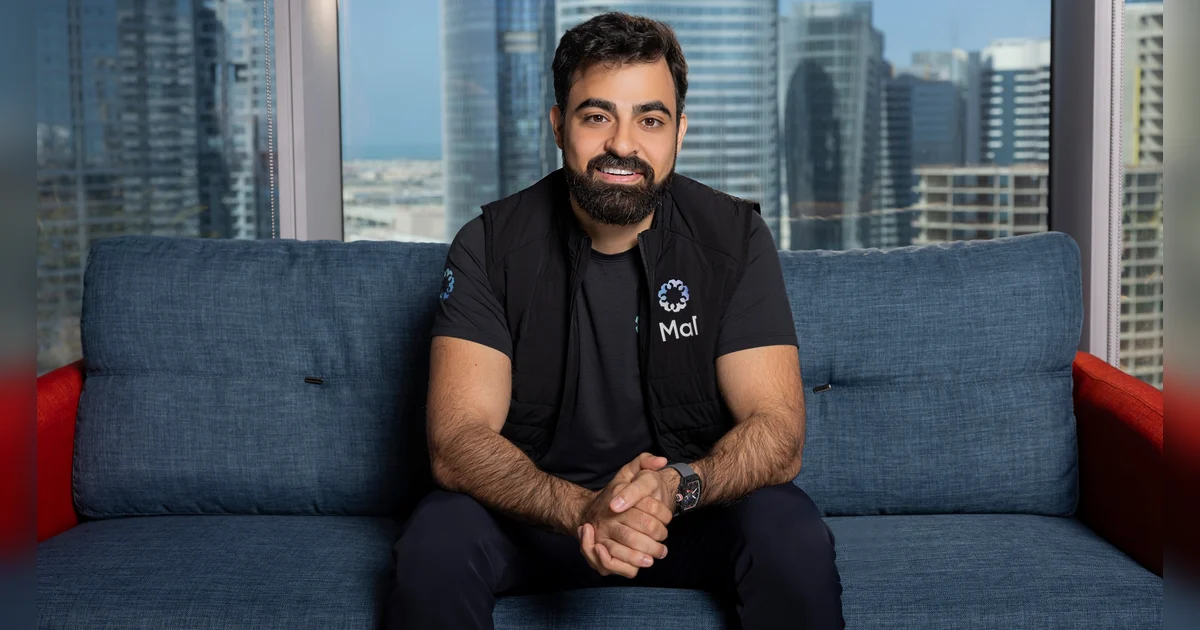
    Founded by UAE-based serial fintech entrepreneur Abdallah Abu-Sheikh, Mal is positioned to address the financial needs of the global Muslim population exceeding two billion people, along with other underserved communities worldwide. The platform, currently in advanced development with a planned 2026 launch, will operate as a mobile-first financial institution built entirely on artificial intelligence infrastructure.

    ‘Islamic finance represents a $7 trillion market without a dominant global banking leader,’ stated Abu-Sheikh. ‘Mal intends to bridge this gap by delivering cutting-edge fintech solutions that prioritize inclusivity for every underserved community worldwide.’

    The substantial funding will accelerate product development, secure necessary regulatory approvals across multiple jurisdictions, and execute an ambitious market entry strategy. While headquartered in Abu Dhabi, Mal has assembled an executive team featuring former senior leaders from Revolut and Nubank, combining expertise from two of the most successful digital banking ventures globally.

    Mal’s operational strategy involves a phased rollout commencing in the United Arab Emirates, followed by expansion into key markets throughout the Middle East and Asia. The platform will offer localized financial products tailored to specific regional socioeconomic conditions while maintaining compliance with Islamic financial principles that prohibit interest charges and promote ethical investing.

    Important to note: Mal currently operates in a pre-launch phase and has not yet obtained banking or financial services licenses in any jurisdiction, though regulatory approval processes are actively underway across multiple markets.

  • China experiences brief warm spell before cold snap returns

    China experiences brief warm spell before cold snap returns

    Meteorological authorities report that much of China is currently experiencing an unusual mid-January warm spell, with temperatures soaring significantly above seasonal averages across vast regions from the northwest to southern territories. The most pronounced warmth has been observed spanning from the Huanghuai area through the Yangtze River basin, where such mild conditions are historically uncommon for this period.

    Urban centers including Hefei in Anhui province and Nanjing in Jiangsu are anticipating daytime highs approaching 20°C, while Hangzhou in Zhejiang and Changsha in Hunan may see thermometers reaching approximately 22°C. The China Meteorological Administration indicates this dry, sunny pattern will persist nationwide for the next 72 hours, with minimal precipitation expected across most regions.

    Despite the daytime warmth, forecasters emphasize that substantial temperature differentials are creating dramatic daily swings. “Many locations will experience variations exceeding 15°C between daytime highs and overnight lows, essentially creating two distinct seasons within a single day,” meteorological officials noted.

    Meanwhile, northern territories continue to brace against persistent cold conditions expected to intensify as new Arctic air masses advance. From Wednesday through Friday, northeastern China, Xinjiang Uygur Autonomous Region, Inner Mongolia Autonomous Region, Gansu province, and sections of North China will encounter temperature declines of 4-8°C, with some areas plummeting more than 10°C. Light to moderate snow is forecast for portions of Xinjiang, Inner Mongolia, and Northeast China.

    The most significant climatic shift is projected to commence this weekend as a powerful cold front sweeps southward, affecting virtually all regions nationwide. Northeastern areas may confront temperatures diving below -30°C, representing a substantial intensification of cold conditions. Current above-average temperatures across other parts of the country will reverse dramatically, falling below seasonal norms. Central and eastern regions should prepare for developing rain and snow events in the coming days.

  • At least 2,571 killed in Iran’s protests, US-based rights group HRANA says

    At least 2,571 killed in Iran’s protests, US-based rights group HRANA says

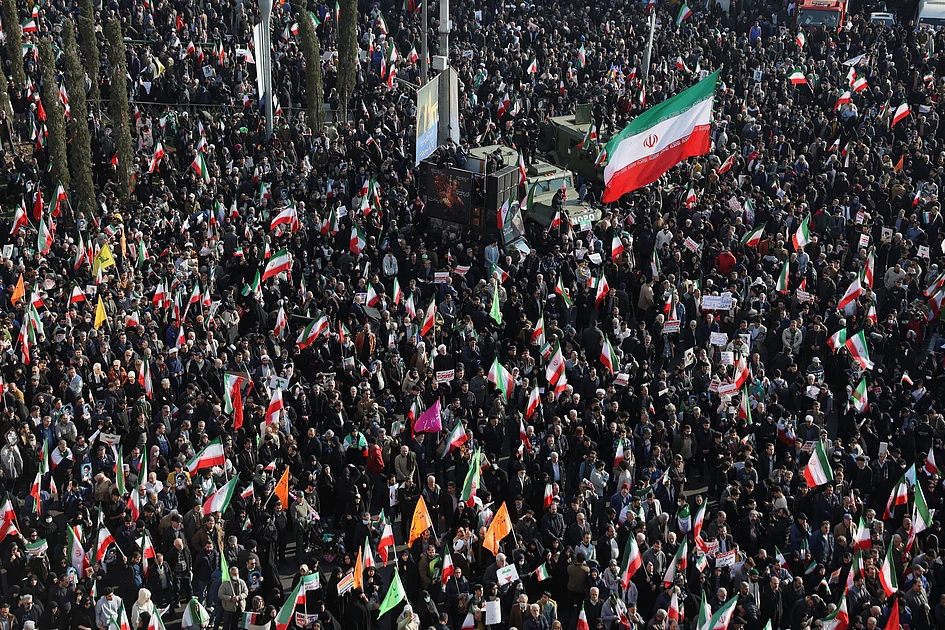
    A comprehensive report from the US-based Human Rights Activists News Agency (HRANA) has documented a staggering death toll of 2,571 individuals during recent protests in Iran, marking the most significant challenge to the country’s clerical leadership in years. The verified figures include 2,403 protesters, 147 government-affiliated personnel, 12 minors under age 18, and nine civilians not participating in demonstrations.

    This disclosure coincides with heightened international tensions as former U.S. President Donald Trump explicitly encouraged continued protests while hinting at potential external intervention. When pressed by journalists to clarify his statement that ‘help is on the way,’ Trump remained ambiguous, suggesting they ‘would have to figure that out’ while previously acknowledging military action among considered options.

    Iranian authorities have responded with counter-accusations, alleging that the United States and Israel have been actively fueling violence within the nation. Government officials attribute the fatalities to ‘terrorist operatives’ receiving foreign guidance to instigate unrest. For the first time since the protests began over two weeks ago, an Iranian official acknowledged approximately 2,000 deaths, though this figure remains substantially lower than HRANA’s documentation.

    The protests initially emerged from widespread economic despair but have evolved into a broader confrontation with Iran’s governance structure. This domestic crisis occurs against a backdrop of intensified international pressure following coordinated Israeli and U.S. military strikes against Iranian targets last year, creating a complex geopolitical scenario with potentially global ramifications.

  • China selects 440 products in latest medical procurement round to ease patient costs

    China selects 440 products in latest medical procurement round to ease patient costs

    In a significant move to alleviate financial pressures on patients, China has concluded its sixth nationwide centralized procurement initiative for high-value medical consumables. The National Healthcare Security Administration (NHSA) announced on Wednesday that 440 medical products from 202 manufacturers have been selected in this latest bidding round.

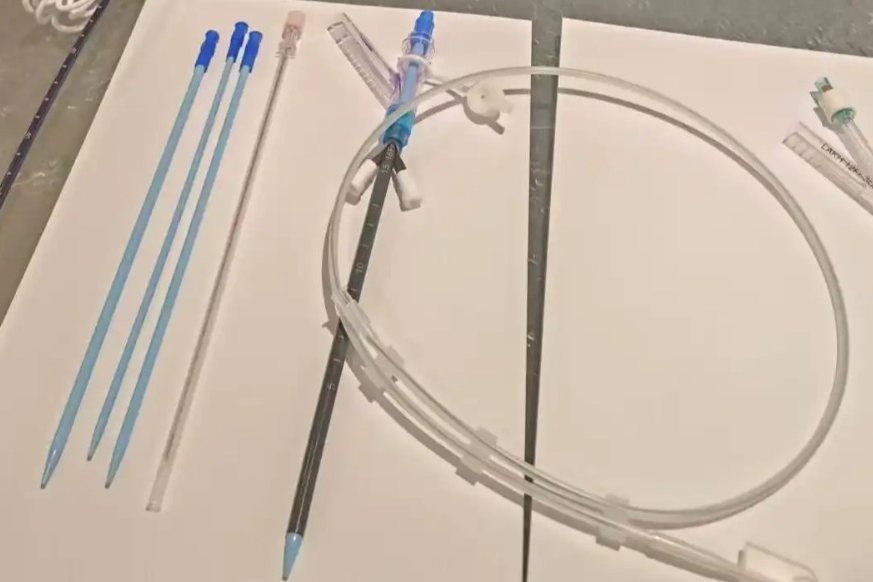
    The procurement program specifically targeted two critical categories: drug-coated balloons for vascular treatments and urological interventional supplies. All 42 drug-coated balloon products from 32 manufacturers successfully entered the selection, complementing previously procured cardiac and peripheral vascular stents to create comprehensive treatment solutions.

    Notably, this round addressed a previous gap in China’s centralized procurement system by including urological intervention devices used for kidney and ureteral stone procedures. Despite the complexity and diversity of these products, 398 items from 170 manufacturers were selected from 454 submitted bids.

    The administration emphasized that the selection criteria prioritized clinical acceptance and reliable supply capabilities while simultaneously encouraging innovation in specialized medical devices. The process incorporated safeguards against excessive competition and unrealistically low bids that could compromise quality.

    Patients are anticipated to benefit from substantially reduced prices starting May 2026, when the procurement agreements take effect. Since initiating the program in 2020, Chinese authorities have now secured 142 types of medical products across nine major categories including cardiology, orthopedics, ophthalmology, and otolaryngology, significantly expanding affordable access to essential medical treatments nationwide.