作者: admin

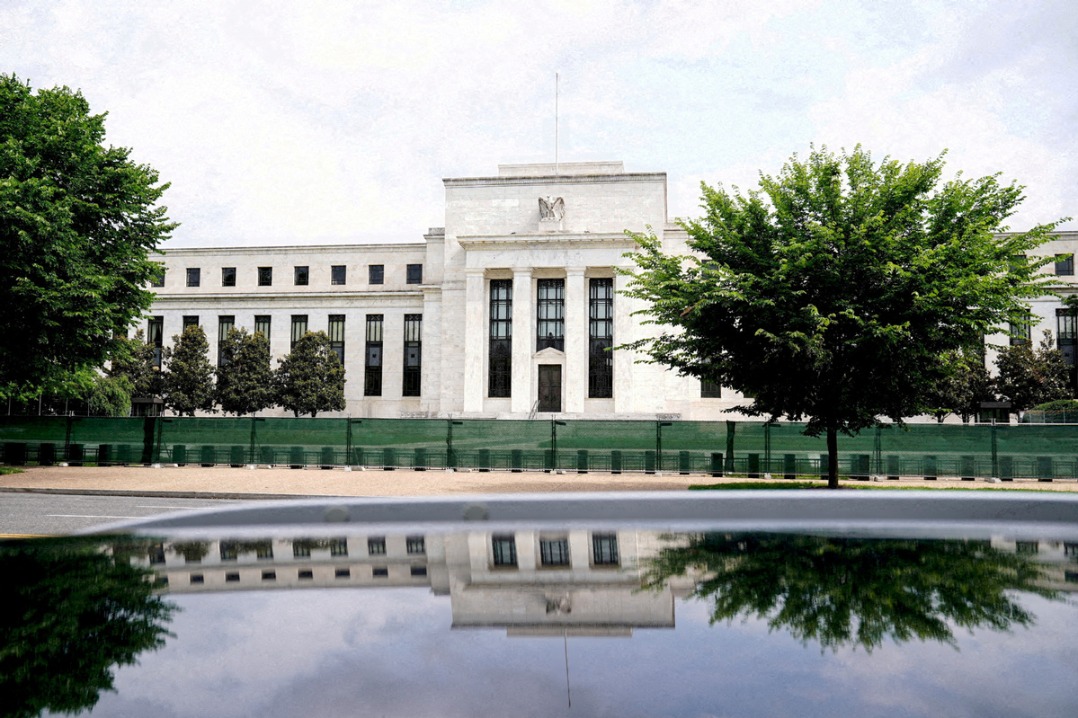
  • US Fed keeps interest rate unchanged at 3.5-3.75 pct

    US Fed keeps interest rate unchanged at 3.5-3.75 pct

    The U.S. Federal Reserve maintained its benchmark interest rate within the 3.5% to 3.75% range during its inaugural policy meeting of 2026, signaling a period of strategic pause as economists assess the nation’s economic trajectory. This decision, announced on Wednesday from the Marriner S. Eccles Federal Reserve Board building in Washington, D.C., represents a continuation of the central bank’s careful approach to monetary policy following several years of economic turbulence and recovery efforts.

    The rate stabilization comes amid mixed economic indicators, with policymakers carefully balancing concerns about inflation against signs of potential economic softening. The federal funds rate, which influences borrowing costs across the economy including mortgages, credit cards, and business loans, remains at its highest level since the pre-2020 period, reflecting the Fed’s ongoing commitment to price stability.

    Financial markets had widely anticipated this decision, with most analysts predicting the Fed would maintain current rates while gathering additional economic data. The central bank’s statement emphasized a data-dependent approach, noting that future decisions would be guided by incoming information about labor market conditions, inflation pressures, and financial developments.

    This meeting marks the first under the Fed’s 2026 calendar and sets the tone for monetary policy in the coming months. Economists will closely monitor subsequent meetings for signals about potential rate adjustments, with many expecting the Fed to maintain its current stance through at least the first quarter unless economic conditions shift substantially.

  • US Fed holds interest rates, defies Trump tantrums

    US Fed holds interest rates, defies Trump tantrums

    In a decisive move demonstrating institutional independence, the U.S. Federal Reserve maintained its benchmark interest rates unchanged during Wednesday’s policy meeting, keeping the target range for the federal funds rate at 3.50% to 3.75%. This decision comes despite mounting pressure from President Donald Trump, who has repeatedly advocated for more aggressive monetary easing.

    The Federal Open Market Committee (FOMC) justified its position by pointing to sustained economic stability and persistently low unemployment figures that indicate a resilient economy requiring no immediate intervention. This marks a significant departure from the central bank’s recent trend of monetary accommodation, having implemented rate reductions during each of its previous three policy meetings amid concerns about a cooling labor market.

    Analysts interpret this steady-handed approach as evidence of the Fed’s commitment to data-driven decision-making rather than political considerations. The decision reflects confidence in current economic conditions and suggests policymakers see no imminent threats to the ongoing expansion that would warrant additional stimulus measures.

    The move highlights the ongoing tension between the executive branch and the independent Federal Reserve, illustrating the institution’s willingness to maintain its traditional separation from political influence despite unprecedented public criticism from the White House.

  • Dubai gold prices gain Dh115 per gram in a month after reaching record high globally

    Dubai gold prices gain Dh115 per gram in a month after reaching record high globally

    Dubai’s gold market witnessed an unprecedented rally as prices soared to record-breaking levels, with 24K gold reaching Dh635.5 per gram on Wednesday evening. This represents a remarkable increase of Dh115.5 per gram within the first month of 2026 alone, significantly outpacing the entire year’s performance of 2025 when prices closed at Dh520 per gram on December 31.

    The precious metal’s surge extended across all variants, with 22K, 21K, 18K, and 14K gold trading at Dh588.5, Dh564.25, Dh483.5, and Dh377.25 per gram respectively. The global benchmark spot gold surpassed the psychological $5,300 milestone before settling at $5,288.26 per ounce at 8pm UAE time.

    Financial analysts attribute this historic rally to multiple converging factors. Alex Kuptsikevich, Chief Market Analyst at FxPro, noted that the collapse of the USD index enabled gold to break through the $5,300 barrier for the first time in history. “Precious metals act as politically neutral assets,” Kuptsikevich explained. “They respond to White House policy but maintain independence from the direct influences that affect stocks, bonds, and the US dollar.”

    The current market dynamics reveal a significant shift in investment patterns. According to experts, gold is benefiting from dual capital movements: flight from US assets and simultaneous outflows from the cryptocurrency market. This contradicts earlier expectations that cryptocurrency would thrive under potential pro-crypto policies, instead demonstrating gold’s enduring appeal as a politically independent store of value.

    Vijay Valecha, Chief Investment Officer at Century Financial, emphasized that sustained central bank purchasing, combined with increasing investor preference for non-dollar assets, continues to drive strong underlying demand. Despite potential short-term corrections due to overbought conditions, the fundamental outlook remains bullish amid persistent geopolitical tensions, trade conflicts between the US and NATO allies with Canada, stalled Russia-Ukraine peace negotiations, and ongoing tariff uncertainties.

    Adding to the complex economic backdrop, US consumer confidence has plummeted to multi-year lows, further enhancing gold’s traditional role as a hedge against economic volatility, bond market fluctuations, and inflationary pressures. This convergence of factors has created ideal conditions for gold’s spectacular performance, establishing it as the preferred safe-haven asset during current global uncertainties.

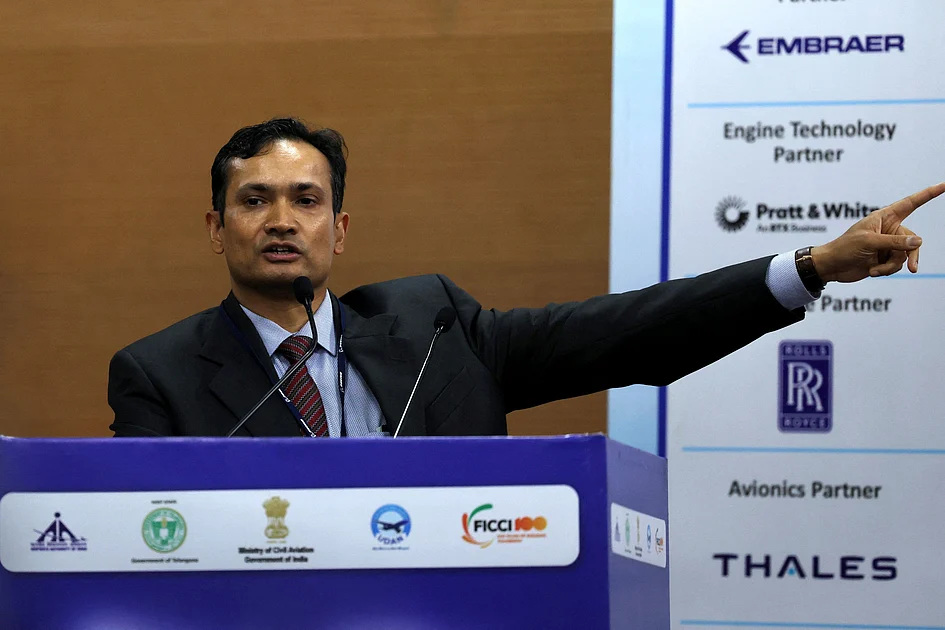
  • Boeing expects India, South Asia to add 3,290 jets over next 20 years

    Boeing expects India, South Asia to add 3,290 jets over next 20 years

    In a significant upward revision of its regional forecast, Boeing has projected that airlines across India and South Asia will require 3,290 new commercial aircraft over the next two decades. This substantial increase from the previous estimate of 2,835 jets reflects the extraordinary transformation of the region into one of the world’s most dynamic aviation markets.

    The aerospace giant attributes this accelerated demand to multiple converging factors: robust economic expansion, rapidly growing middle-class populations, and an unprecedented surge of first-time air travelers. This perfect storm of conditions has created an environment where carriers are aggressively modernizing fleets and expanding capacity while airports undergo comprehensive upgrades.

    According to Boeing’s detailed breakdown, the projected fleet composition reveals 2,875 single-aisle aircraft—the workhorses of regional and domestic routes—alongside 395 wide-body jets destined for international expansion. This strategic allocation underscores the dual growth pattern occurring within the market: intensive domestic network development alongside international route expansion.

    Ashwin Naidu, Boeing’s Managing Director of Commercial Marketing for India and South Asia, emphasized the unique nature of this growth cycle: “While many global aviation markets have reached maturation focused primarily on fleet replacement, India represents the opposite phenomenon—explosive organic expansion that requires both new aircraft and infrastructure development.”

    The company specifically highlighted infrastructure challenges, noting that over 30% of India’s aviation network remains concentrated around Delhi and Mumbai, creating operational bottlenecks that must be addressed to sustain growth. This assessment comes as Boeing itself regains industrial momentum, having delivered the most aircraft in 2025 since 2018 and surpassing Airbus in net orders for the first time in seven years.

    Despite this optimistic outlook, the industry continues to face significant headwinds. Supply chain disruptions persist, limiting manufacturers’ ability to capitalize on strong demand and forcing airlines to allocate substantial resources toward maintaining older aircraft until new deliveries can be completed.

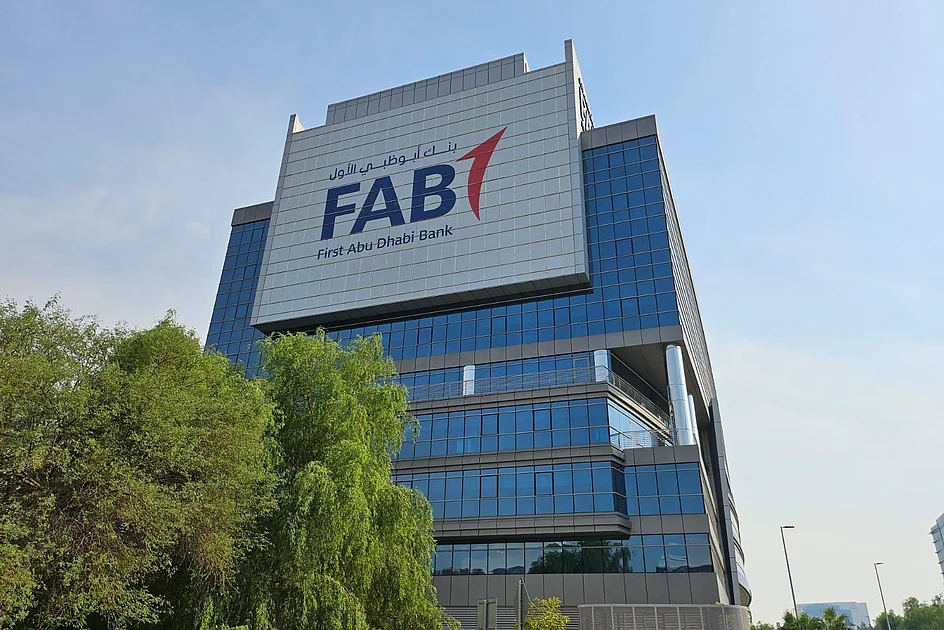
  • First Abu Dhabi Bank posts record Dh21.11b profit as diversified growth powers strong performance

    First Abu Dhabi Bank posts record Dh21.11b profit as diversified growth powers strong performance

    First Abu Dhabi Bank (FAB), the United Arab Emirates’ largest financial institution by assets, announced unprecedented financial results for 2025, achieving a historic net profit of Dh21.11 billion. This represents a remarkable 24 percent surge from the previous year, demonstrating the bank’s exceptional operational performance across its diversified portfolio.

    The bank’s extraordinary performance was fueled by robust client engagement, substantial non-interest income expansion, and strategic execution across all business segments. Pre-tax profits soared even higher, climbing 27 percent to reach Dh25.20 billion, while operating income increased by 16 percent year-on-year to Dh36.68 billion.

    FAB’s balance sheet experienced significant growth, with total assets expanding by 16 percent to Dh1.40 trillion. The institution’s lending portfolio grew by 17 percent to Dh616 billion, while customer deposits increased by 7 percent to Dh841 billion. Notably, the bank’s gross non-performing loans ratio decreased to a record low of 2.2 percent, reflecting stringent risk management practices.

    Sheikh Tahnoon bin Zayed Al Nahyan, FAB’s Chairman, emphasized that these results represent “multiple years of consistent progress in building scale, resilience and long-term value.” He highlighted the bank’s expanding global footprint and its role in facilitating international capital flows between the UAE and key growth markets.

    The bank’s international operations demonstrated particularly strong performance, with international loans growing by 35 percent and deposits increasing by 25 percent. FAB’s overseas franchise now contributes 19 percent of group revenue, with significant advancements in Turkey, India’s GIFT City, and landmark transactions in Nigeria.

    Group CEO Hana Al Rostamani attributed the record performance to both operational excellence and the accelerated implementation of the bank’s artificial intelligence strategy. “2025 marked a transformative acceleration in our AI journey,” she stated, referencing the deployment of Microsoft Copilot to all employees and over thirty enterprise-wide agentic AI applications that enhanced productivity and client experience.

    In recognition of this exceptional performance, the Board recommended a record cash dividend of 80 fils per share, totaling Dh8.84 billion – the highest distribution in FAB’s history.

    The bank demonstrated strength across all business units: Investment Banking & Markets revenue grew 16 percent to Dh11.79 billion, Wholesale Banking revenue increased 11 percent to Dh6.40 billion, and Personal, Business, Wealth & Privileged Client Banking delivered 10 percent revenue growth to Dh12.65 billion.

    Non-interest income emerged as a particularly strong performer, surging 36 percent to Dh16.35 billion and accounting for 45 percent of group revenue. Fees and commissions jumped 28 percent, while FX and investment income climbed 40 percent driven by record trading volumes.

    FAB maintained robust liquidity and capital buffers, with a CET1 ratio of 13.3 percent and liquidity coverage ratio of 154 percent. The bank advanced its sustainable finance agenda, facilitating Dh381 billion in sustainable and transition financing – achieving 76 percent of its 2030 target.

    With this strong financial foundation and clear strategic roadmap, FAB enters 2026 positioned to sustain high-quality performance while deepening international connections and scaling AI-driven transformation across its global operations.

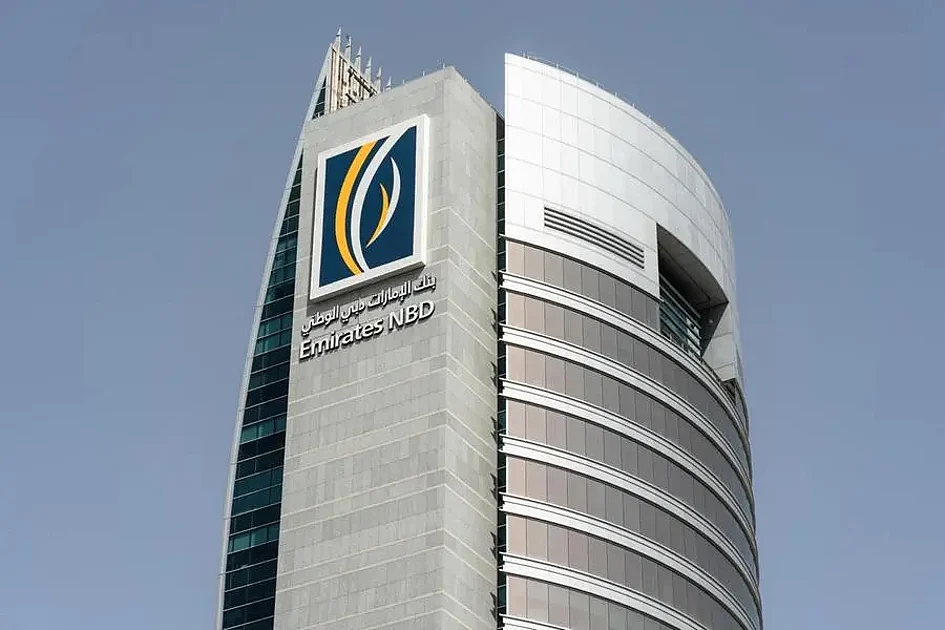
  • Emirates NBD Capital gets merchant banking licence in India, first in Middle East

    Emirates NBD Capital gets merchant banking licence in India, first in Middle East

    In a landmark development for cross-border financial services, Emirates NBD Capital has achieved a significant regulatory milestone by obtaining India’s Category I Merchant Banking license from the Securities and Exchange Board of India (SEBI). This authorization establishes the investment banking division of the Middle Eastern financial giant as the inaugural institution from its region to receive such comprehensive licensure, marking a transformative expansion into one of the world’s most dynamic emerging economies.

    The newly acquired license empowers Emirates NBD Capital to deliver an extensive array of investment banking services within the Indian market. These capabilities encompass full-spectrum capital market operations, including serving as merchant banker and bookrunner for equity offerings such as Initial Public Offerings (IPOs), follow-on offerings, and Qualified Institutional Placements (QIPs). Additionally, the institution can now function as an arranger for domestic debt capital market placements, providing comprehensive financial solutions tailored to the unique requirements of the Indian market.

    This strategic advancement enables Emirates NBD Capital India Private Limited, headquartered in Mumbai, to leverage the bank’s formidable regional investor network. This ecosystem includes sovereign wealth funds, global financial institutions, family offices, and ultra-high-net-worth investors across the Middle East, North Africa, and Türkiye (MENAT) region. The license creates a formalized conduit for channeling Middle Eastern capital into India’s equity and debt markets, where regional participation has historically remained limited despite substantial underlying interest.

    Hitesh Asarpota, Chief Executive Officer of Emirates NBD Capital, characterized the development as a pivotal milestone for both the investment banking division and the broader Emirates NBD Group. He emphasized that the expanded capabilities would complement the bank’s existing offerings while delivering enhanced value to clients. Asarpota further highlighted the institution’s strategic positioning to facilitate regional liquidity into Indian capital markets, solidifying Emirates NBD’s role as a gateway for cross-border financial flows.

    The regulatory approval arrives during an exceptional period of activity within India’s capital markets. The year 2025 witnessed approximately $56 billion in equity capital market volumes, with Indian companies raising nearly $20 billion through IPOs alone. This represents the second consecutive year of record-breaking IPO fundraising, positioning India among the world’s most active equity issuance markets. Current projections indicate sustained robust market conditions extending throughout 2026, presenting substantial opportunities for Emirates NBD Capital to engage with both issuers and investors across forthcoming offerings.

    This strategic expansion significantly deepens the already substantial economic and investment relationship between India and the United Arab Emirates. The bilateral partnership has evolved into a comprehensive strategic alliance encompassing trade, investment, infrastructure development, and financial services integration, with Emirates NBD Capital’s entry representing a sophisticated new dimension in financial market connectivity between the two nations.

  • ECOVIS International President Visits UAE, reinforcing the region’s strategic role

    ECOVIS International President Visits UAE, reinforcing the region’s strategic role

    In a significant move highlighting the Middle East’s escalating importance in global professional services, ECOVIS International President Kay conducted a strategic visit to Dubai, hosted by the network’s UAE member firm ECOVIS JRB. The high-level engagement underscores the region’s transformation into a critical hub for quality-driven advisory services amid rapidly evolving regulatory landscapes.

    The visit served as a platform to reinforce ECOVIS International’s commitment to the UAE and broader Middle Eastern markets, which are undergoing profound structural shifts. President Kay emphasized the region’s deliberate transition from historically low-tax, low-regulation environments toward frameworks prioritizing robust governance, transparency, and systematic compliance. This evolution aligns perfectly with ECOVIS’s global positioning as a mid-market professional services network focused on quality and technical depth.

    During intensive meetings with ECOVIS JRB leadership, including founding partners Salman Rafique (Compliance and Assurance) and Rashmi Rajkumar (Tax and Financial Reporting), discussions centered on aligning quality standards and governance frameworks. Kay emphasized that ground-level engagement in the UAE enables deeper strategic alignment as the market matures into a regional center for cross-border advisory coordination.

    The dialogue highlighted fundamental changes in regional compliance expectations. Rafique noted that businesses can no longer treat compliance as a year-end formality, but must implement consistent systems, documentation, and governance throughout the year. Regulators now demand demonstrable substance, clear audit trails, and accountability—a shift requiring significant operational adaptation.

    Rajkumar addressed the transformative impact of the UAE’s Corporate Tax introduction and digital compliance initiatives, including upcoming e-invoicing requirements. She stressed that real-time, accurate accounting has become the foundation for effective tax compliance and audit readiness, making robust internal processes and digital preparedness critical competitive advantages.

    The visit solidifies ECOVIS International’s recognition of the Middle East as a long-term strategic pillar for growth and influence, while reinforcing ECOVIS JRB’s role in guiding businesses through regulatory complexity with clarity and confidence.

  • Seifert, Santner give New Zealand consolation T20 win over India

    Seifert, Santner give New Zealand consolation T20 win over India

    In a powerful display of cricketing prowess, New Zealand secured a resounding 50-run victory against India in the fourth T20 international held in Visakhapatnam on Wednesday. The win serves as a crucial morale booster for the Kiwis after India had already clinched the five-match series.

    The foundation for New Zealand’s triumph was laid by a spectacular batting performance, culminating in a formidable total of 215-7. Openers Tim Seifert and Devon Conway orchestrated a devastating century partnership, dismantling the Indian bowling attack from the outset. Seifert’s explosive innings of 62 runs off just 36 deliveries set an aggressive tempo, while Conway provided solid support with his 44-run contribution.

    Despite a middle-order stumble that saw key wickets falling to Kuldeep Yadav and Jasprit Bumrah, Daryl Mitchell’s blistering unbeaten 39 from 18 balls provided the late innings surge that pushed New Zealand past the 200-run mark.

    India’s chase never gained substantial momentum as New Zealand’s bowling unit, led by captain Mitchell Santner’s exceptional figures of 3-26, systematically dismantled the home team’s batting lineup. The visitors struck early and often, reducing India to 63-4 and effectively ending their hopes of another successful chase.

    The lone bright spot for India emerged through Shivam Dube’s spectacular counterattack, where he hammered 65 runs from just 23 balls, including seven massive sixes. However, his unfortunate run-out termination proved to be the final turning point as India eventually collapsed for 165 runs in 18.4 overs.

    Both captains acknowledged the match’s significance as essential preparation for the upcoming T20 World Cup, with Santner emphasizing the value of competing against India in their home conditions ahead of the global tournament.

  • ‘Clean slate’: Grant Anderson throws down the challenge to Brisbane’s premiership-winning back five as he fights for starting spot

    ‘Clean slate’: Grant Anderson throws down the challenge to Brisbane’s premiership-winning back five as he fights for starting spot

    Brisbane Broncos’ championship-winning back five faces internal competition as new signing Grant Anderson arrives determined to earn a starting position. The 26-year-old outside back joins the premiers on a two-year deal after four productive seasons with Melbourne Storm, where he emerged as one of the NRL’s most improved players last season with 11 tries from 24 appearances.

    Anderson acknowledges the challenge of breaking into a backline featuring established talents like Reece Walsh, Kotoni Staggs, and Deine Mariner, but remains confident in his abilities. ‘You’re not training every day if you want to play reserve grade,’ Anderson stated during his introductory press conference. ‘That’s not just me – that’s all the other boys here as well. We all want to play NRL and put that Broncos jersey on.’

    The versatile back believes his development at Melbourne, where he played alongside stars including Cameron Munster and Ryan Papenhuyzen, has prepared him for this new challenge. Anderson cited the example of Gehamat Shibasaki, who unexpectedly earned a round one starting spot last season that led to Origin selection and premiership success.

    While recognizing Brisbane’s exceptional depth in outside backs, Anderson views the move as an opportunity for growth. ‘It was just an opportunity to grow my game and to play with the calibre of players here,’ he explained. ‘That really excited me to try and learn again in another system, and hopefully my game can go to another level.’

    The competition for positions reflects the Broncos’ strengthened roster as they prepare to defend their title, with Anderson embracing the challenge of earning his place in the premier squad.

  • Border agents involved in fatal shooting of Alex Pretti placed on leave

    Border agents involved in fatal shooting of Alex Pretti placed on leave

    A fatal shooting by U.S. Customs and Border Protection (CBP) agents in Minneapolis has ignited widespread protests, a fierce political confrontation, and mounting calls for accountability at the highest levels of government. The incident, resulting in the death of 37-year-old ICU nurse Alex Pretti, has placed the Department of Homeland Security’s (DHS) aggressive immigration enforcement tactics under intense scrutiny.

    In a significant development, CBP confirmed that the two agents involved in Saturday’s shooting have been placed on standard administrative leave pending a full investigation. This move follows conflicting initial reports about their status, after a CBP commander had previously stated they were merely reassigned to a different city.

    The official narrative surrounding Pretti’s death has shifted substantially. Preliminary DHS reports to Congress indicate the shooting occurred during a physical altercation when an officer shouted that Pretti possessed a weapon. This account contradicts earlier statements from Homeland Security Secretary Kristi Noem, who labeled Pretti’s actions ‘domestic terrorism’ and claimed he was ‘brandishing’ a firearm. BBC Verify’s analysis of available footage found no visible weapon in Pretti’s hand.

    The tragedy has triggered bipartisan condemnation in Congress, with lawmakers from both parties demanding the removal of Secretary Noem and White House immigration adviser Stephen Miller. Senior House Democrats have threatened to initiate impeachment proceedings against Noem unless she resigns or is dismissed.

    Meanwhile, the political battle over immigration enforcement has intensified. President Trump’s ‘Operation Metro Surge’—which has led to over 3,000 arrests in Minnesota since December—faces mounting legal and political challenges. Minneapolis Mayor Jacob Frey defiantly announced his city would maintain its sanctuary policies, prompting Trump to respond on his Truth Social platform that Frey was ‘PLAYING WITH FIRE.’

    In a related development, federal Judge John Tunheim issued a strongly-worded ruling ordering the government to release all refugees arrested while awaiting permanent residency documents and to return those removed from Minnesota. The judge emphasized that refugees ‘are not committing crimes on our streets, nor did they illegally cross the border.’

    The Minneapolis shooting represents the second controversial agent-involved shooting this month, following the January 7th incident where an ICE agent shot 37-year-old Renee Good, who was also placed on administrative leave.

    As tensions escalate, Attorney General Pam Bondi announced the Justice Department has arrested 16 individuals for allegedly assaulting federal law enforcement officers in Minneapolis, with ‘more arrests to come.’ The situation remains volatile with Congress considering removing DHS funding from must-pass spending legislation to prevent a government shutdown on February 1st.