GE Healthcare, a leading medical device manufacturer, is reportedly considering the sale of a stake in its China unit, according to a Bloomberg News report on September 18, 2025. The potential transaction could value the assets at several billion dollars, though discussions remain in preliminary stages, and no definitive decisions have been reached. A company spokesperson declined to comment on market rumors but reiterated GE Healthcare’s commitment to serving patients in China, one of the world’s largest healthcare markets. The move comes amid growing challenges for U.S. companies in China, including political tensions, intense domestic competition, and slowing economic growth. A recent survey by the American Chamber of Commerce in Shanghai revealed that U.S. companies’ five-year business outlook in China has plummeted to a record low of 41%. GE Healthcare has faced significant hurdles in the region, with a 15% decline in revenue in 2024 attributed to weakened sales and tariff impacts. In July 2025, the company’s CFO indicated plans to shift production capacity to more tariff-friendly locations. Despite these challenges, GE Healthcare’s shares rose 1.4% in premarket trading following the news.
作者: admin
-
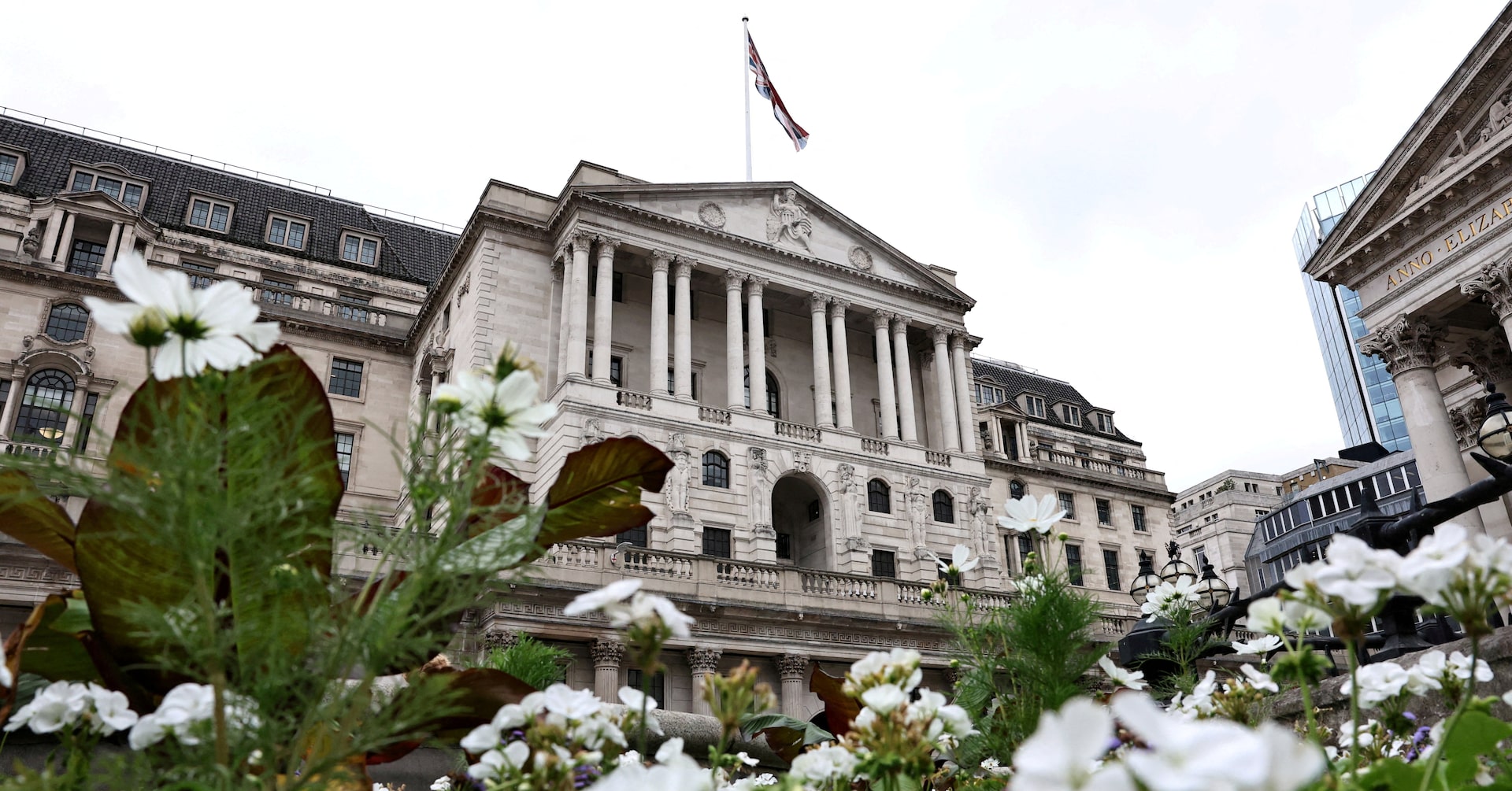
Bank of England slows pace of bond rundown and keeps rates on hold
The Bank of England (BoE) announced a significant shift in its quantitative tightening (QT) strategy on Thursday, reducing the pace of its government bond sales to £70 billion from £100 billion over the next year. This marks the first slowdown since the central bank began unwinding its gilt holdings in 2022. The Monetary Policy Committee (MPC) voted 7-2 in favor of the adjustment, which aims to minimize disruptions in the volatile gilt market. The decision comes as long-dated gilt yields hit their highest levels since 1998 earlier this month, raising concerns about market stability. Governor Andrew Bailey emphasized that while inflation is expected to return to the 2% target by mid-2027, the UK is ‘not out of the woods’ yet. The BoE also maintained its benchmark interest rate at 4%, aligning with market expectations. Future gilt sales will be skewed toward short- and medium-dated bonds, with a 40:40:20 split, compared to the previous even distribution. Economists suggest this move could ease pressure on the UK bond market ahead of the upcoming budget announcement. Sterling weakened slightly against the dollar following the decision, while 30-year gilt yields edged lower. The BoE also revised its third-quarter growth forecast upward to 0.4%, signaling cautious optimism about the economy.
-
Instant view: Nvidia’s $5 billion bet on Intel
In a significant move within the semiconductor industry, Nvidia announced on Thursday a $5 billion investment in Intel, bolstering the struggling U.S. chip foundry. This decision comes weeks after the White House facilitated a deal for the U.S. government to acquire a substantial stake in Intel. The investment marks a pivotal moment for Intel, which has faced challenges in its turnaround efforts despite its storied history in the tech sector. Following the announcement, Intel’s shares surged by 30% in premarket trading. Analysts view Nvidia’s move as less about financial impact and more about strategic influence. Matt Britzman, Senior Equity Analyst at Hargreaves Lansdown, noted that the investment provides Intel with both financial and strategic support, though it falls short of a complete solution for Intel’s foundry business, which continues to struggle against competitors like TSMC. For Nvidia, the investment aligns with U.S. policy objectives, potentially easing restrictions on selling advanced chips to China and signaling a shift in industry dynamics. Art Hogan, Chief Market Strategist at B Riley Wealth, emphasized that while the deal must still pass regulatory approval, it represents a positive step for U.S. manufacturing. The partnership underscores the geopolitical undertones of the semiconductor industry, with both companies aiming to strengthen their positions in a highly competitive market.
-
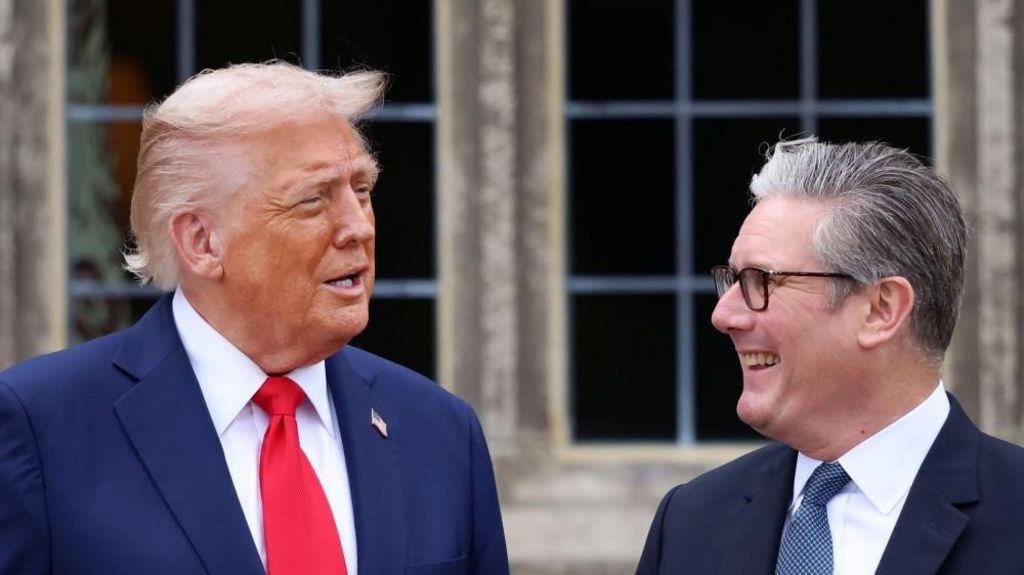
Sarah Smith: Trump visit showed UK’s warm relations – and limited influence
Donald Trump’s recent state visit to the United Kingdom was marked by grandeur, personal connections, and subtle diplomatic maneuvers. While the U.S. president appeared more captivated by his time at Windsor Castle with King Charles and Queen Camilla than his discussions with UK Prime Minister Sir Keir Starmer at Chequers, the visit underscored the enduring strength of the UK-US alliance. The trip, meticulously orchestrated, showcased the ceremonial aspects of diplomacy, from an aerial display by the British Army’s Red Devils to an elaborate banquet at Windsor Castle, which Trump described as the highlight of his journey. Despite the pomp, the visit also revealed the limits of personal rapport in influencing policy. During a joint news conference, Trump and Starmer addressed contentious issues such as UK plans to recognize Palestinian statehood and the dismissal of Peter Mandelson as UK ambassador to the US. While the leaders maintained a cordial tone, it was evident that their fundamental disagreements remained unchanged. Trump’s chief of staff, Susie Wiles, candidly stated that the visit would not alter US policy on trade, tariffs, or international affairs. Nevertheless, Starmer’s adept handling of the relationship ensured that the UK avoided the punitive trade tariffs imposed on other nations and maintained a respectful, if not influential, dialogue with the US president. The visit concluded with a sense of mutual respect, highlighting that while personal connections can ease tensions, they do not necessarily shift geopolitical stances.
-
Poland reports increased drone activity near Belarus border
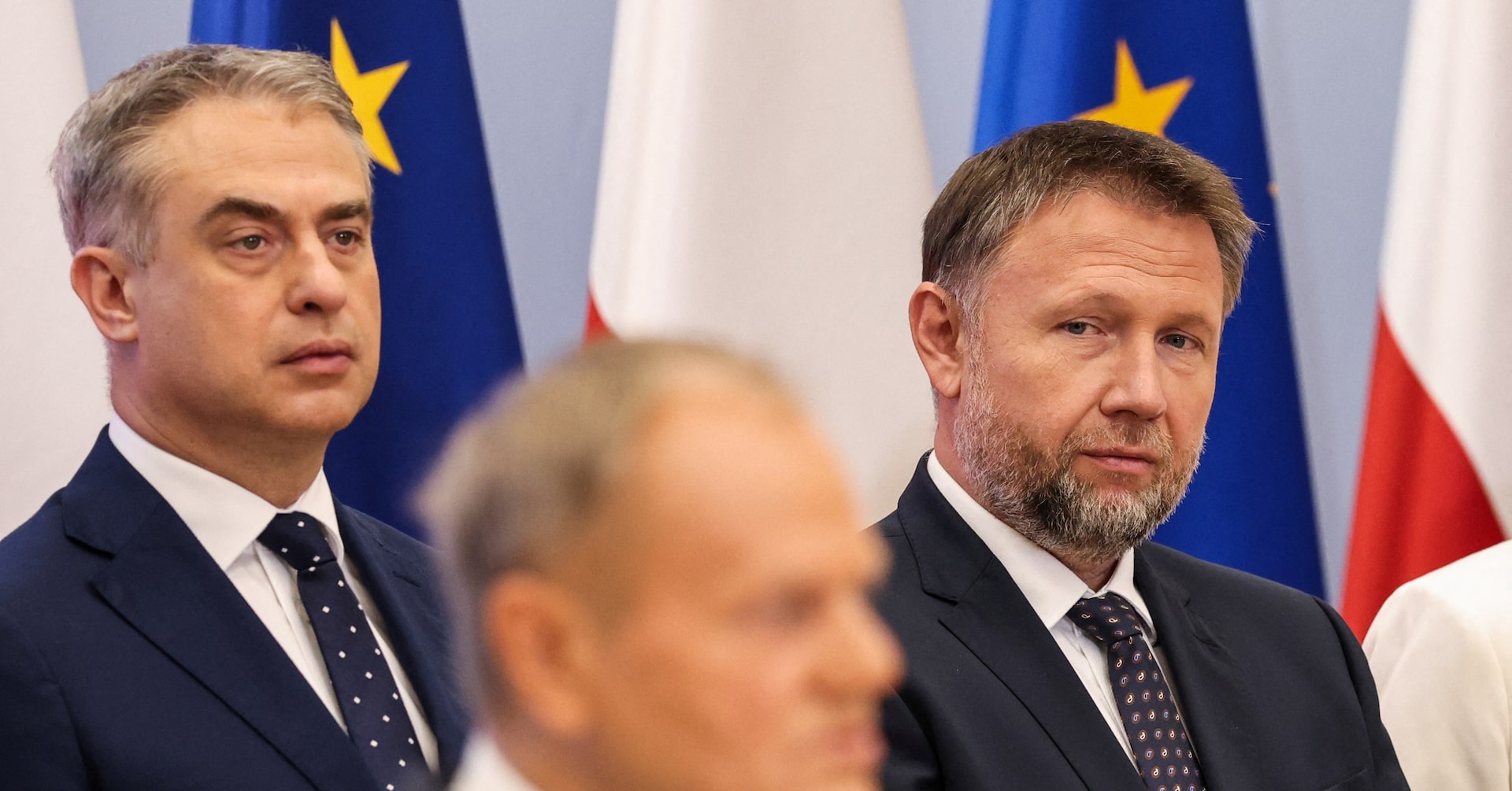
Poland has reported a surge in drone activity near its border with Belarus, intensifying tensions in the region. The announcement came on Thursday, September 18, 2025, following the closure of several border crossings due to ongoing military exercises involving Belarus and its ally, Russia. The ‘Zapad’ (West) war games, which concluded recently, had already raised alarms when approximately 21 Russian drones breached Polish airspace on September 9-10. Interior Minister Marcin Kierwinski, who assumed office in July 2025, stated that the border would remain closed until the situation stabilizes. ‘Last night, the Border Guard observed increased activity by Belarusian and Russian drones attempting to cross Polish airspace,’ Kierwinski said. ‘The situation on the Polish-Belarusian border remains very, very tense.’ While no Polish intervention or drone shootdowns were reported, the heightened activity underscores the strained relations between Poland and Belarus. Belarus has deepened its alliance with Russia, particularly since Moscow’s invasion of Ukraine, allowing Russian troops to transit through its territory. Poland, a staunch supporter of Ukraine, has already closed four of its six road border crossings with Belarus, along with three rail crossings for freight. The ongoing friction continues to strain regional security and diplomatic relations.
-
Britain says first migrant returned to France under ‘one in, one out’ deal
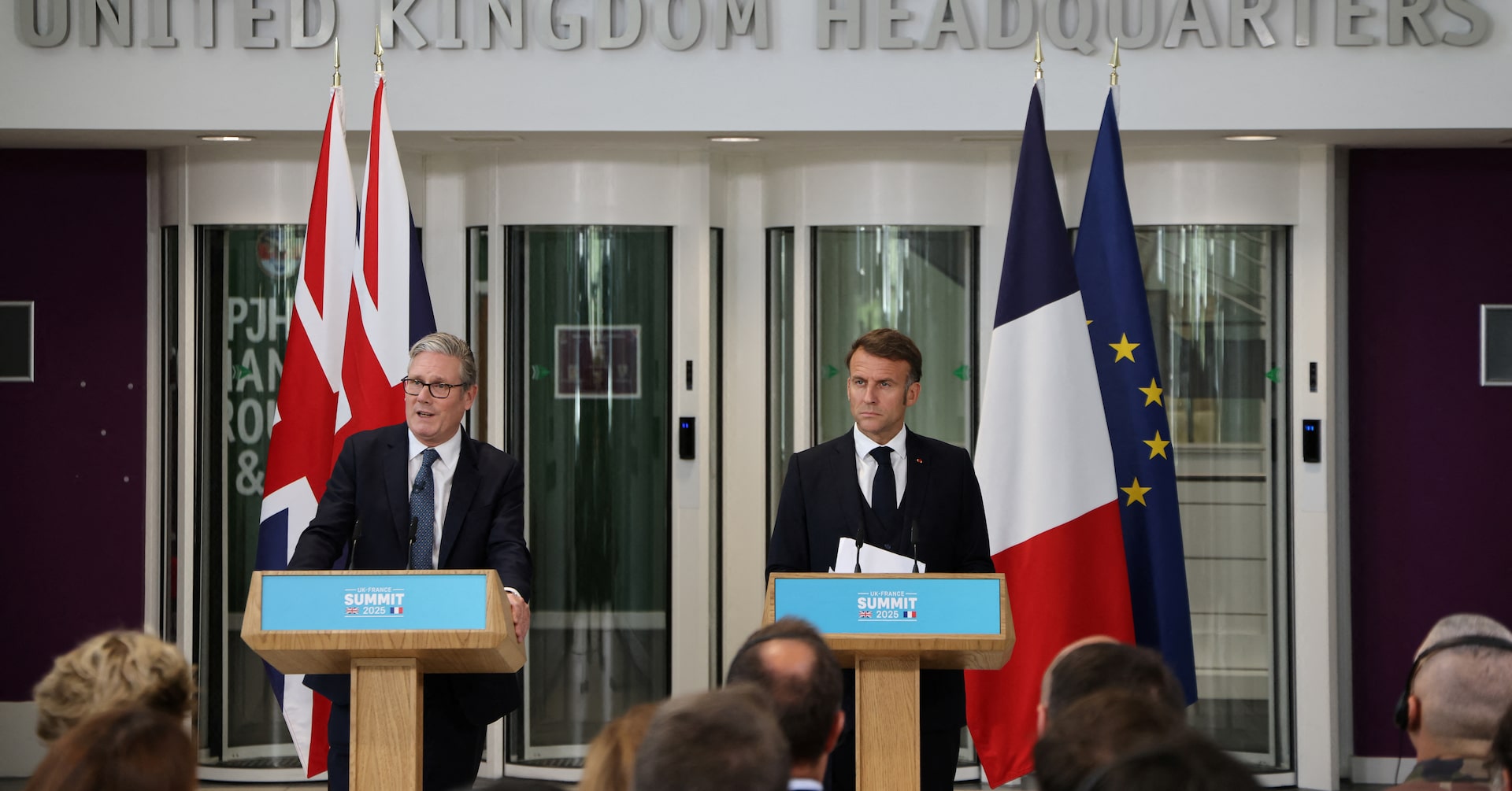
In a significant move to address illegal migration, the United Kingdom has deported its first migrant to France under the newly implemented ‘one in, one out’ agreement. The pilot scheme, agreed upon by British Prime Minister Keir Starmer and French President Emmanuel Macron in July 2025, aims to remove undocumented individuals arriving in small boats to France while accepting an equal number of legitimate asylum seekers with British family ties. The UK’s Home Office confirmed that a man who arrived by small boat in August was removed on a commercial flight, with additional flights scheduled in the coming weeks. Home Secretary Shabana Mahmood emphasized the importance of this step in securing the UK’s borders and deterring illegal crossings. The policy, however, has faced legal challenges, with London’s High Court temporarily halting the removal of one asylum seeker pending a full legal review. Despite these hurdles, the government remains committed to the scheme, reviewing modern slavery legislation to prevent its misuse. Critics, including campaign group Freedom from Torture, argue that the policy lacks compassion and access to legal support, urging a more humane approach to asylum seekers.
-
EU floats plan to use frozen Russian assets for Ukraine loan, bypassing a Hungary veto
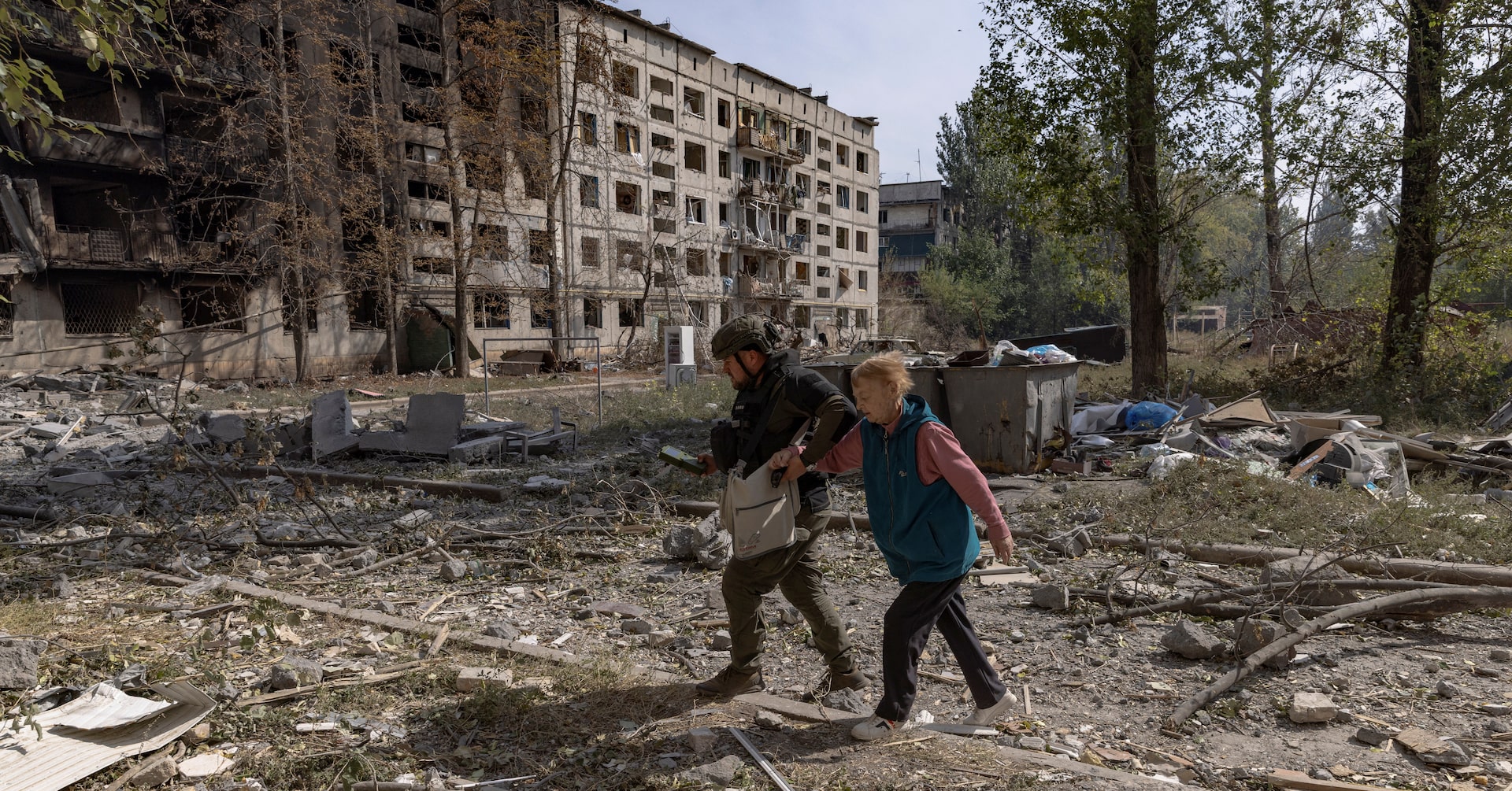
The European Union is actively considering innovative financial strategies to support Ukraine amidst its ongoing conflict with Russia. One such proposal involves leveraging frozen Russian assets to underpin a ‘reparation loan’ aimed at bolstering Ukraine’s wartime finances. This approach seeks to circumvent potential vetoes from Hungary, a member state known for its pro-Moscow stance. European Commission President Ursula von der Leyen recently introduced the concept, emphasizing that the loan would be structured around cash balances linked to Russian central bank assets frozen in the West following Moscow’s invasion of Ukraine. Crucially, the plan avoids seizing these assets, a move that has been a red line for some EU members. The proposed mechanism would involve replacing the frozen Russian assets with zero-coupon bonds issued by the European Commission, guaranteed by either all EU countries or a coalition of willing participants. This strategy aims to ensure that Ukraine would only repay the loan once it receives compensation from Russia for war-related damages. The initiative is still in its preliminary stages, with many details, including the exact amounts, yet to be finalized. However, officials believe that this approach could provide Ukraine with much-needed financial support while minimizing political risks associated with Hungary’s potential veto. The EU has already been using interest from the frozen assets to repay a $50 billion loan extended to Ukraine by G7 countries. Moving forward, the proposed scheme could offer greater investment flexibility and higher returns, further aiding Ukraine’s recovery efforts.
-

Nvidia bets big on Intel with $5 billion stake and chip partnership
In a landmark move, Nvidia has announced a $5 billion investment in Intel, solidifying its position as one of the largest shareholders in the U.S. chipmaker. This strategic partnership, unveiled on September 18 in San Francisco, comes weeks after the U.S. government acquired a 10% stake in Intel, signaling a concerted effort to bolster domestic semiconductor capabilities. The collaboration aims to enhance AI and computing technologies, posing a significant challenge to industry giants like TSMC and AMD. Nvidia’s investment, priced at $23.28 per share, reflects confidence in Intel’s potential despite its recent struggles. The deal excludes Intel’s foundry business but focuses on joint development of PC and data center chips, leveraging Nvidia’s proprietary technology for faster chip-to-chip communication. This alliance could reshape the competitive landscape, particularly in AI servers, where Nvidia and Intel’s combined offerings may outpace rivals like AMD and Broadcom. Intel’s CEO, Lip-Bu Tan, has pledged to streamline operations and align factory capacity with demand. The partnership underscores a broader trend of U.S. tech firms uniting to counter global competition, with Nvidia and Intel poised to drive innovation in the next era of computing.
-
Albania’s Rama starts fourth term as PM, targets EU membership
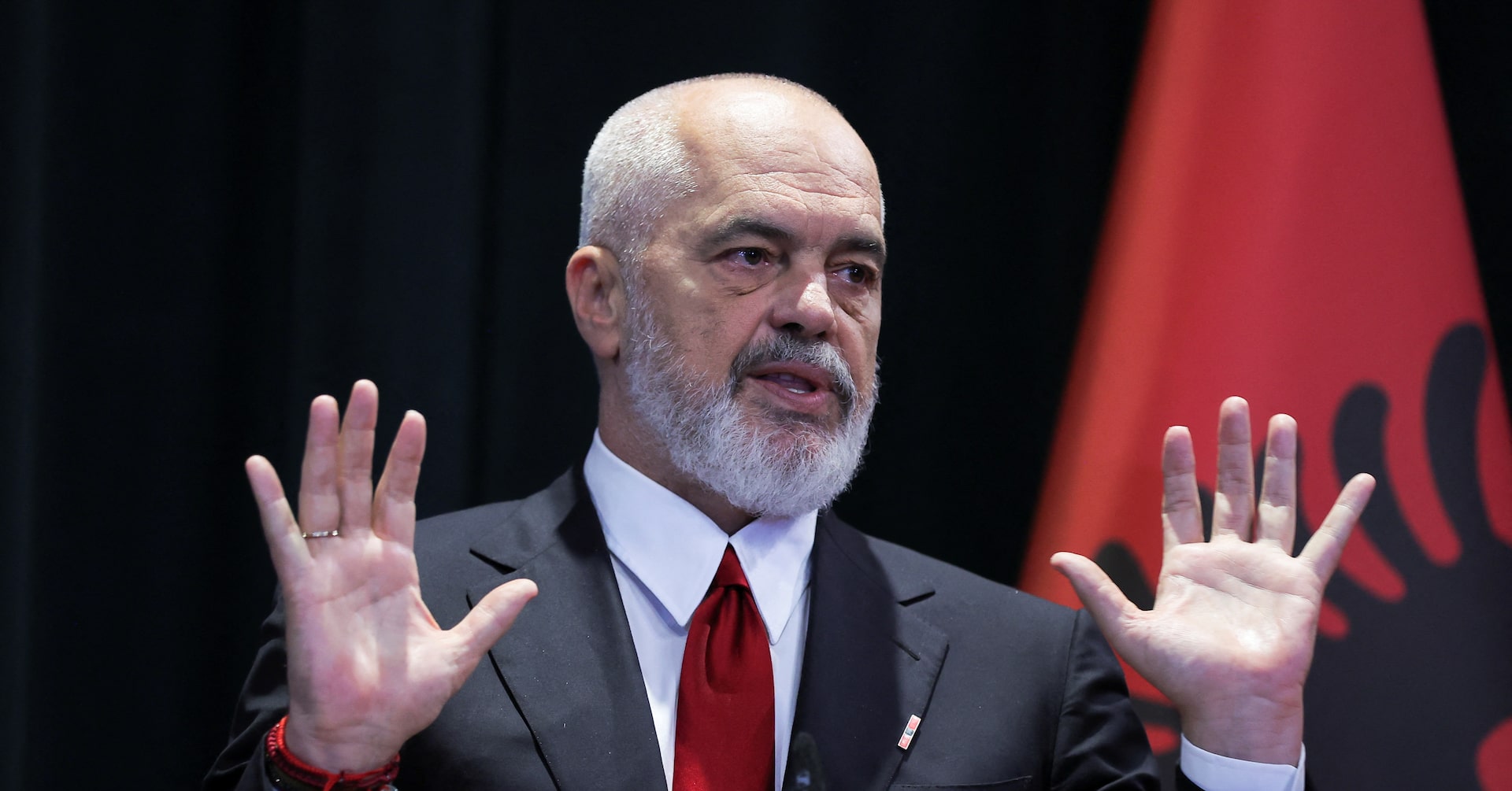
Albania’s Prime Minister Edi Rama has been confirmed for a historic fourth consecutive term by the country’s parliament, solidifying his leadership in the Balkan nation. The Socialist Party leader, who ran unopposed, secured 82 votes in the 140-seat assembly, marking another majority victory following May’s elections. During his address to lawmakers, Rama emphasized his commitment to steering Albania toward European Union membership by 2030, declaring it the cornerstone of his new mandate. ‘European Albania is the guiding compass for every aspect of our program and the metronome for the rhythm of every reform we will undertake,’ he stated. However, Albania’s path to EU integration faces significant hurdles, including widespread corruption and its reputation as a hub for money laundering linked to drug and weapons trafficking. In a bold and controversial move, Rama recently appointed an AI-powered bot named Diella to oversee public tenders, aiming to curb corruption. Diella, introduced via a video address, asserted its role as a facilitator rather than a replacement for human oversight. The opposition has vehemently criticized the appointment, labeling it unconstitutional and potentially exacerbating corruption. Sali Berisha, leader of the Democratic Party, accused Rama’s mandate of being ‘based on crime, corruption, drugs, and the violation of the Constitution.’ The lack of parliamentary debate on the new government further fueled opposition discontent. Despite these challenges, Rama remains steadfast in his vision for Albania’s future within the EU.
-

At least 10 dead in Lagos high-rise office building fire
A devastating fire engulfed a high-rise building in Lagos, Nigeria’s bustling commercial hub, resulting in the deaths of at least ten individuals and leaving 25 others injured. The incident, which occurred on Tuesday, unfolded at the seven-story Afriland Towers, a building housing numerous commercial enterprises. Disturbing footage circulating on social media captured desperate occupants leaping from the third and fourth floors as flames and thick smoke rapidly consumed the structure. Many of the victims were workers trapped inside, unable to escape the inferno. Survivors sustained severe burns, fractures, and respiratory issues from smoke inhalation, while others faced life-threatening trauma from jumping to safety. Witnesses described scenes of chaos and panic, with some individuals too terrified to leap and others resorting to makeshift ladders for rescue. The Lagos State Emergency Management Agency (Lasema) attributed the fire’s origin to the basement, where electrical equipment overheated due to poor maintenance and inadequate ventilation. The agency highlighted critical safety lapses, including the absence of mechanical smoke extraction systems, non-functional public address systems, and insufficient evacuation signage. Additionally, sealed windows and the incapacitation of facility managers exacerbated the crisis. Lasema managed to extinguish the blaze after several hours, but the incident has raised serious concerns about fire safety standards in Nigeria. President Bola Tinubu expressed his condolences to the bereaved families, while the Nigeria Federal Fire Service launched a comprehensive investigation into the causes, promising to implement all recommendations to prevent future tragedies.