作者: admin

  • Europe scrambles to respond to Trump tariff threat

    Europe scrambles to respond to Trump tariff threat

    European leaders are mounting a coordinated response to President Donald Trump’s unprecedented tariff threats, which come as direct retaliation for their opposition to his administration’s renewed interest in acquiring Greenland. The autonomous Danish territory has become the unlikely epicenter of a major diplomatic crisis straining NATO alliances.

    Italian Prime Minister Giorgia Meloni, despite maintaining generally positive relations with Trump, openly criticized the proposed economic measures during her visit to Seoul. ‘I believe that imposing new sanctions today would be a mistake,’ Meloni stated, revealing she had communicated this position directly to the American president hours earlier. While characterizing the situation as partly stemming from ‘understanding and communication’ failures, she emphasized NATO’s crucial role in resolving the escalating dispute.

    Across Europe, condemnation of Trump’s tariff announcement has been swift and unequivocal. British Culture Minister Lisa Nandy confirmed Prime Minister Keir Starmer’s intention to address the matter urgently with the White House, labeling the threatened tariffs as ‘wrong,’ ‘deeply unhelpful,’ and ‘counterproductive.’

    French President Emmanuel Macron advocated for a robust European response, urging deployment of the EU’s previously unused ‘anti-coercion instrument’—a powerful trade mechanism designed to counteract such economic pressure. This tool, often referred to as the EU’s trade ‘bazooka,’ enables restrictions on imports of goods and services.

    The Trump administration has outlined a graduated tariff schedule: implementing 10% tariffs on all imports from eight European nations—Denmark, Norway, Sweden, France, Germany, the United Kingdom, Netherlands, and Finland—beginning February 1, with escalation to 25% by June 1 if Greenland negotiations remain stalled.

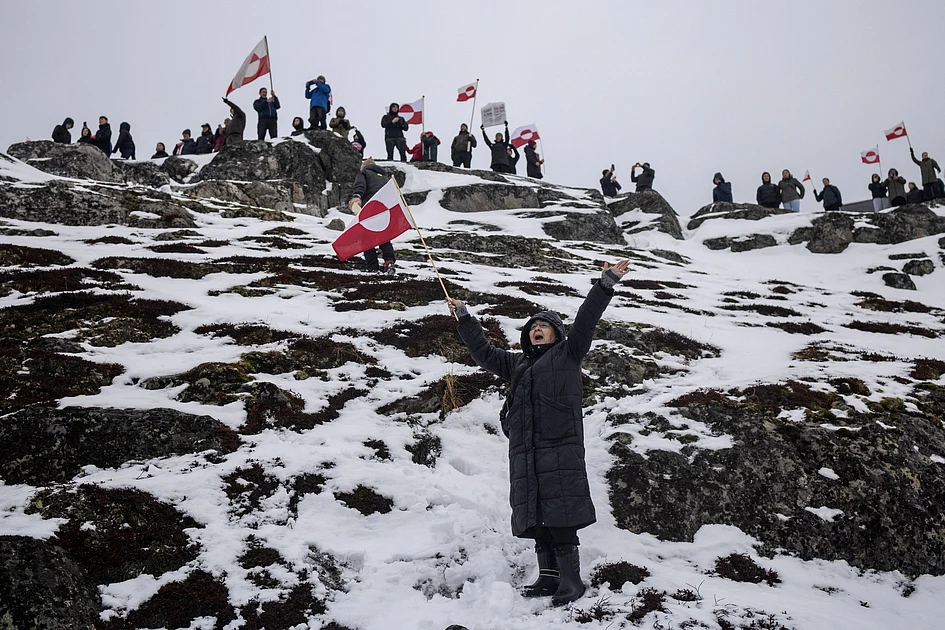
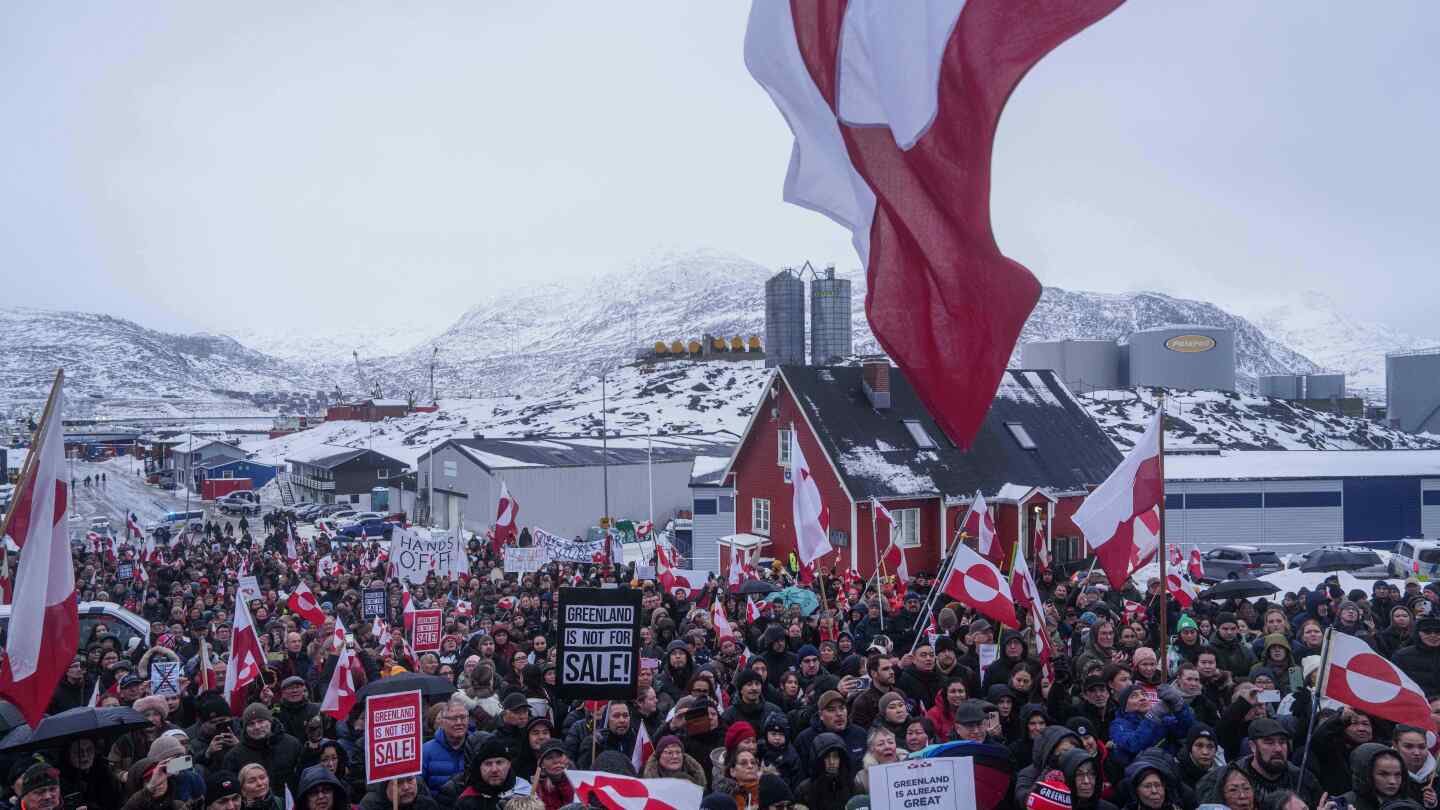
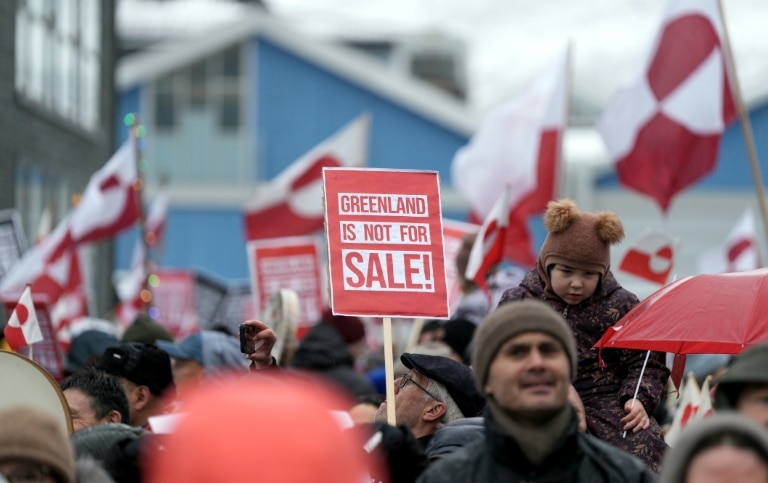
    Civil society has joined governmental opposition, with thousands protesting in Nuuk, Copenhagen, and other Danish cities against potential U.S. annexation. Diplomatic channels are actively engaged, as evidenced by Danish Foreign Minister Lars Lokke Rasmussen’s planned visits to Norway, the UK, and Sweden for Arctic security consultations.

    European officials emphasize the mutual damage of tariff escalation. French Agricultural Minister Annie Genevard noted that American farmers and industrialists would also suffer significant losses, while Dutch Foreign Minister David van Weel condemned Trump’s approach as ‘inexplicable blackmail.’

    The European Union has convened an emergency meeting of ambassadors in Brussels to formulate a unified strategy, with Commission President Ursula von der Leyen and European Council President Antonio Costa warning that these tariffs would ‘undermine transatlantic relations and risk a dangerous downward spiral.’
  • Iran schools to reopen Sunday after one-week closure, media says

    Iran schools to reopen Sunday after one-week closure, media says

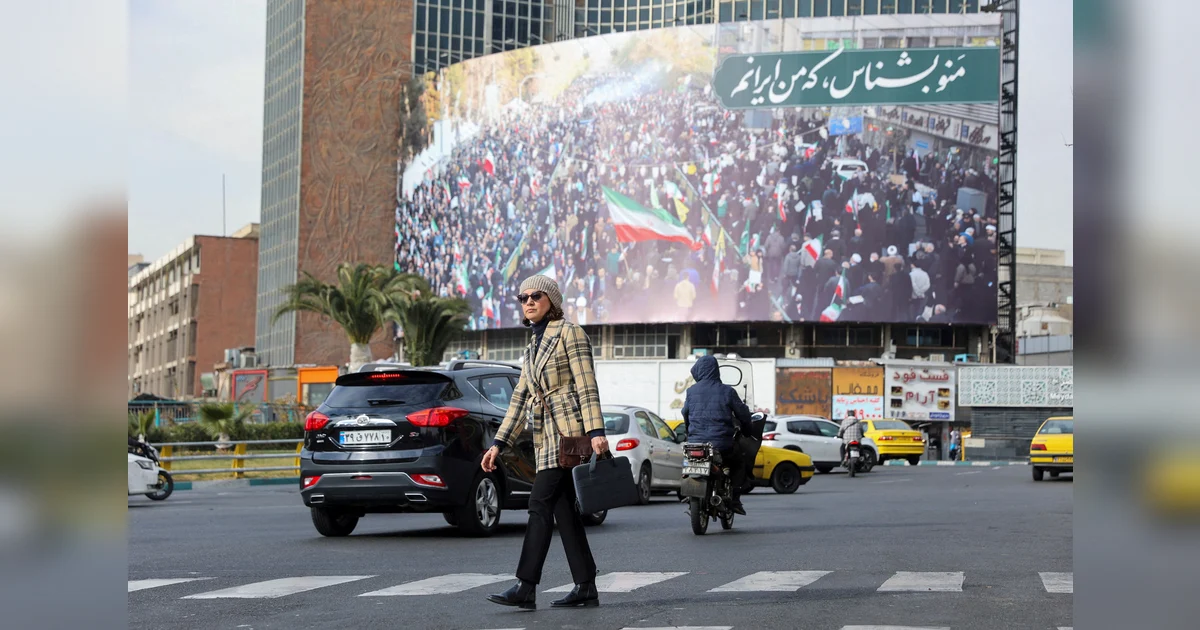
    Educational institutions across Iran are scheduled to resume operations on Sunday following an unprecedented week-long closure during widespread civil disturbances. The shutdown affected numerous cities including Tehran, where authorities implemented the measure in response to escalating anti-government demonstrations that have shaken the nation.

    According to reports from Iran’s semi-official ISNA news agency, academic activities will recommence nationwide after being suspended since January 10th. The agency further indicated that university examinations, previously postponed due to the unrest, have been rescheduled for January 24th.

    The school closures occurred against a backdrop of significant social turmoil, with international observers reporting intense clashes between security forces and protesters. While official Iranian sources have remained largely silent regarding casualty figures, external human rights organizations have circulated unverified reports suggesting potentially thousands of fatalities amid a government-imposed internet blackout that severely limited information flow from the country.

    The restoration of educational services signals authorities’ attempts to normalize operations following one of the most challenging periods of civil disobedience in recent years. The protests, which appear to have been triggered by various socioeconomic and political grievances, represent a significant challenge to the established governance structures.

    International attention remains focused on Iran as diplomatic entities continue to monitor the situation’s development, particularly concerning civil liberties and human rights considerations during periods of civil unrest.

  • At 45, Venus Williams sets record at Australian Open but falls in the 1st round

    At 45, Venus Williams sets record at Australian Open but falls in the 1st round

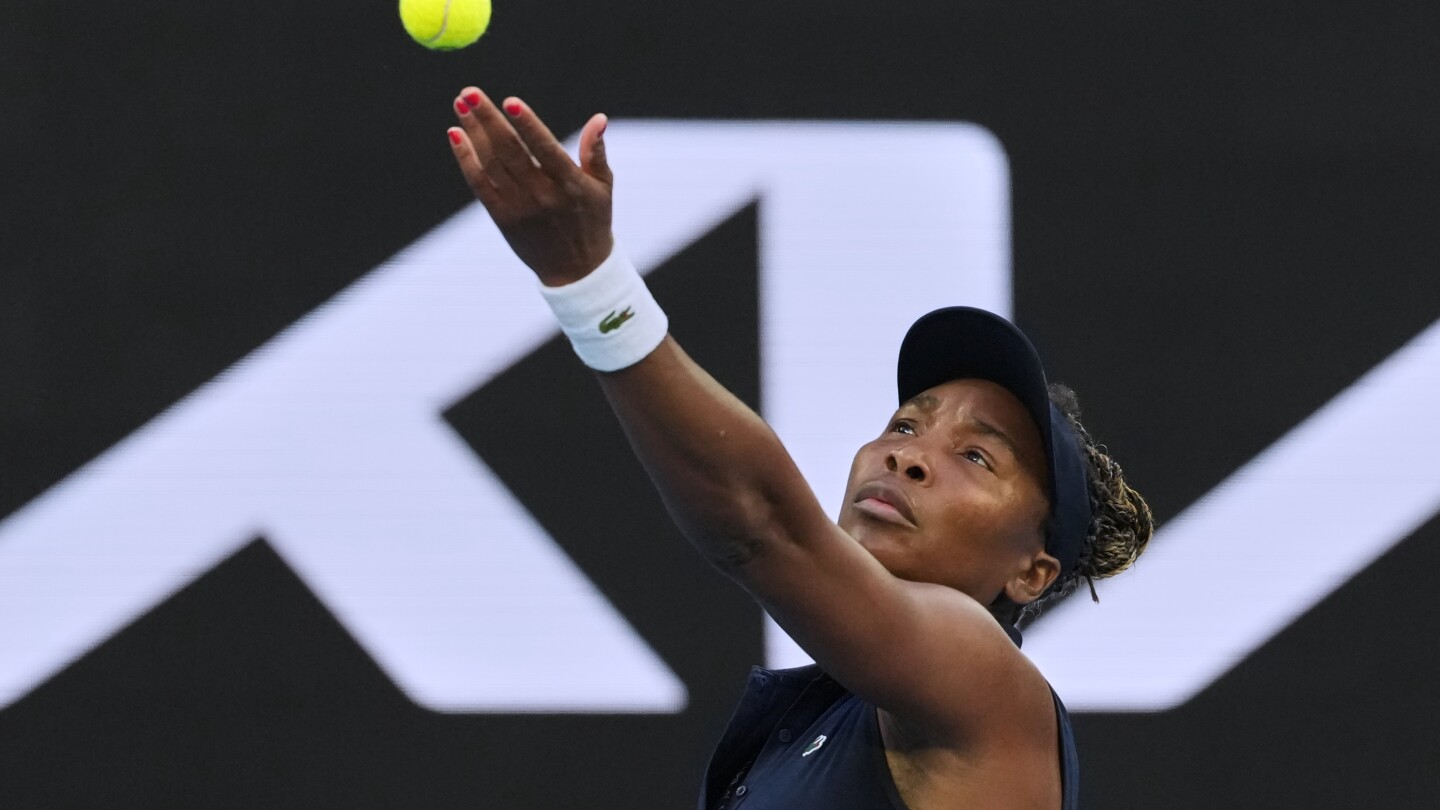
    MELBOURNE, Australia — In a historic moment that transcended the match outcome, Venus Williams became the oldest woman to compete in the Australian Open singles main draw at 45 years old, though her campaign ended in a dramatic first-round defeat against Serbia’s Olga Danilovic.

    The seven-time Grand Slam champion, competing on a wild-card entry while ranked No. 576 worldwide, showcased flashes of her legendary prowess during the 2-hour, 17-minute contest. After splitting the first two sets, Williams surged to a commanding 4-0 lead in the decider before the 68th-ranked Danilovic mounted an extraordinary comeback, winning six consecutive games to secure a 6-7(5), 6-3, 6-4 victory.

    The match reached its climax in a monumental 14-minute, 28-second service game at 4-4 in the third set, where Williams saved two break points and delivered clutch aces before ultimately succumbing to the relentless pressure from her 22-year-old opponent.

    Williams surpassed the previous age record held by Japan’s Kimiko Date, who was 44 during her 2015 Australian Open appearance. This marked Williams’ 22nd appearance at Melbourne Park, where she previously reached finals in 2003 and 2017.

    Despite the defeat, Williams remained characteristically gracious and optimistic. ‘I’m really proud of my effort today because I’m playing better with each match,’ she reflected. ‘It’s super exciting to have played that well and to get myself in that position.’

    Danilovic, visibly awed by the occasion, expressed reverence for her opponent: ‘Playing against Venus Williams is something I can’t take for granted. It was such a pleasure playing against such a legend.’

    Williams now turns her attention to the doubles competition before evaluating her schedule for the remainder of the season, continuing what she describes as a process of ‘relearning’ competitive tennis at the highest level.

  • In their words: European governments criticize Trump’s tariff threats over Greenland

    In their words: European governments criticize Trump’s tariff threats over Greenland

    COPENHAGEN, Denmark — A severe transatlantic rift has emerged following U.S. President Donald Trump’s announcement of impending 10% tariffs targeting eight European nations in retaliation for their stance on Greenland. The unprecedented economic measure, scheduled to commence next month, specifically targets Denmark, Norway, Sweden, France, Germany, the United Kingdom, the Netherlands, and Finland.

    The tariff threat represents a dramatic escalation in tensions over Arctic sovereignty and security arrangements. President Trump characterized the tariffs as retaliation against what he deemed European interference in American control of Greenland, specifically referencing the deployment of symbolic troop contingents to the region. European leaders uniformly rejected this characterization, maintaining their military movements were coordinated responses to Trump’s own calls for enhanced Arctic security through NATO frameworks.

    Diplomatic reactions from affected nations revealed remarkable unity in condemning the U.S. move. Danish Foreign Minister Lars Løkke Rasmussen emphasized transparent cooperation with American allies on Arctic security while implicitly rejecting the tariff justification. Norwegian Prime Minister Jonas Gahr Støre delivered a sharper rebuke, stating unequivocally that ‘threats have no place among allies’ and reaffirming Norway’s recognition of Danish sovereignty over Greenland.

    Swedish Prime Minister Ulf Kristersson denounced the action as ‘blackmail’ and framed it as a broader European Union concern. French President Emmanuel Macron declared that ‘no intimidation or threats will influence us,’ whether in Ukraine, Greenland, or elsewhere. German officials indicated coordinated European responses would be determined at the appropriate time.

    British Prime Minister Keir Starmer condemned the tariffs as ‘completely wrong’ when applied to allies pursuing collective NATO security. Dutch Foreign Minister David van Weel criticized the inappropriate use of trade measures for non-trade disputes, while Finnish President Alexander Stubb warned the tariffs would ‘undermine the transatlantic relationship and risk a dangerous downward spiral.’
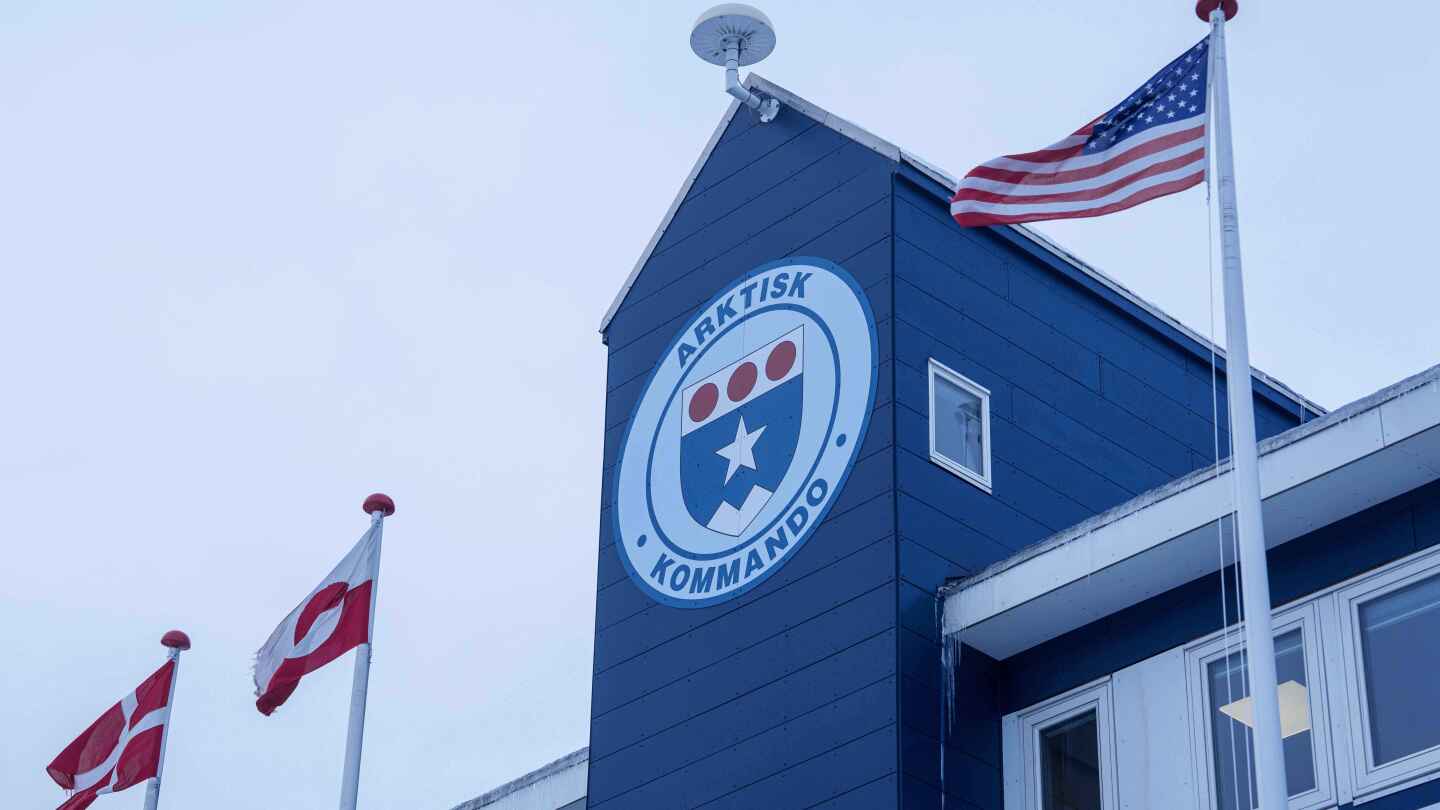
    The collective European response underscores a fundamental disagreement over appropriate conduct among NATO allies and establishes a potentially dangerous precedent for using economic measures to settle geopolitical disagreements within the Western alliance.

  • Trump vows tariffs on eight European nations over Greenland

    Trump vows tariffs on eight European nations over Greenland

    In a significant escalation of transatlantic tensions, former President Donald Trump has declared impending tariff measures against eight European nations in pursuit of his longstanding ambition to acquire Greenland. Through his Truth Social platform on Saturday, Trump announced a 10% import tariff scheduled to take effect February 1st targeting Denmark, Norway, Sweden, France, Germany, the Netherlands, Finland, and Great Britain—all already subject to existing Trump-era tariffs.

    The punitive measures would intensify to 25% by June 1st unless negotiations culminate in U.S. ownership of the autonomous Danish territory. Trump maintains that Greenland’s strategic Arctic positioning and substantial mineral resources render it vital to American security interests, refusing to discount potential military action despite Greenland and Denmark’s consistent assertions that the island is not for sale.

    The announcement triggered immediate diplomatic backlash across Europe. British Prime Minister Keir Starmer condemned the threat via social media, stating tariff imposition against allies pursuing collective NATO security was ‘completely wrong.’ European Commission President Ursula von der Leyen and European Council President Antonio Costa issued identical statements affirming the EU’s ‘full solidarity’ with Denmark and Greenland, warning tariffs risked a ‘dangerous downward spiral’ in transatlantic relations.

    Denmark’s Foreign Minister Lars Lokke Rasmussen expressed surprise at the unilateral declaration, while Cyprus, holding the EU presidency, convened an emergency meeting of ambassadors from all 27 member states. Multiple European officials reiterated that tariff threats should have no place in discussions regarding Greenland’s sovereignty.

    The move potentially jeopardizes tentative trade agreements negotiated between the Trump administration and European partners last year. Trade analysts note the unprecedented approach of targeting specific EU members differently risks fragmenting European unity and could undermine existing trade frameworks.

    Meanwhile, thousands protested in Denmark and Greenland against what they perceive as neo-colonial aggression, demanding respect for Greenland’s self-determination. The escalating situation has raised concerns among NATO members about the alliance’s stability, with some U.S. senators warning the approach damages American interests and strengthens adversaries like China and Russia.

  • Iran’s supreme leader says US-backed ‘sedition’ defeated as schools set to reopen

    Iran’s supreme leader says US-backed ‘sedition’ defeated as schools set to reopen

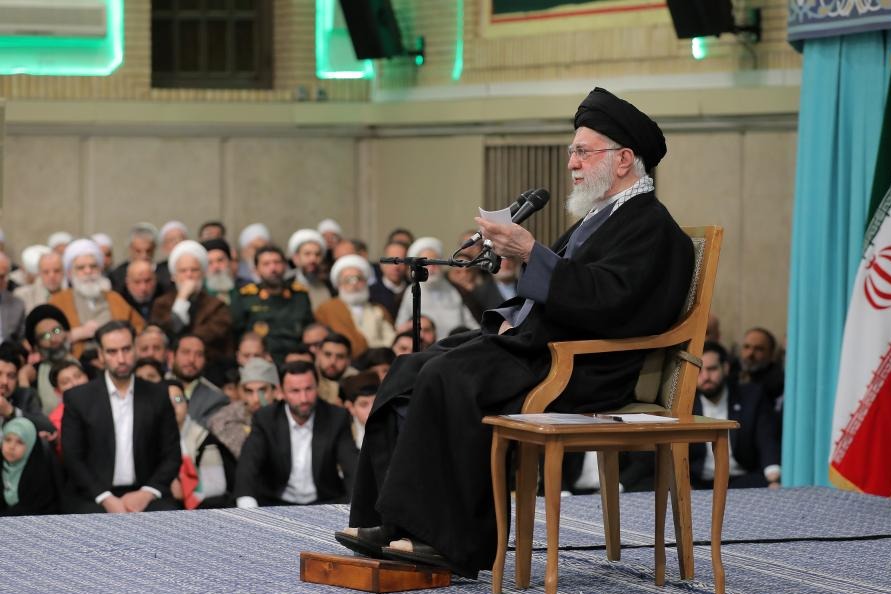
    Iran’s Supreme Leader Ayatollah Ali Khamenei proclaimed a decisive victory against what he characterized as foreign-instigated unrest during a major address on Saturday. Speaking on a significant religious holiday, Khamenei asserted that Iran had successfully extinguished a sedition campaign orchestrated by the United States and Israel.

    The supreme leader delivered sharp criticism against U.S. leadership, specifically targeting former President Donald Trump whom he labeled a ‘criminal’ responsible for instigating violence and destruction during recent nationwide protests. Khamenei accused Trump of direct involvement through public statements and promises of military support to demonstrators.

    While emphasizing that Iran does not seek military confrontation, Khamenei issued a stern warning that Tehran would not hesitate to punish those responsible for the unrest, including both domestic actors and international instigators.

    The address coincided with apparent de-escalation of tensions as Iranian authorities reported the detention of approximately 3,000 individuals connected to the protests that began in late December over economic concerns before turning violent. Iranian media confirmed the restoration of SMS services nationwide and announced the reopening of educational institutions following a week-long closure.

    In regional developments, Lebanon’s Hezbollah movement expressed firm solidarity with Iran through a televised address by deputy leader Naim Qassem, who characterized Iran as a ‘stronghold of resistance’ against American global domination efforts.

    The Iranian Foreign Ministry separately condemned what it described as ‘meddlesome’ statements from G7 nations regarding Iran’s internal affairs, demanding an immediate cessation of interference in the country’s sovereign matters.

  • Europeans reeling as Trump imposes tariffs on 8 countries over Greenland dispute

    Europeans reeling as Trump imposes tariffs on 8 countries over Greenland dispute

    BERLIN (AP) — Transatlantic relations faced severe strain Sunday following President Donald Trump’s unexpected announcement imposing 10% tariffs on eight European nations for resisting U.S. territorial ambitions regarding Greenland. The move has triggered widespread condemnation across European capitals and prompted emergency diplomatic consultations.

    The targeted nations—Denmark, Norway, Sweden, France, Germany, United Kingdom, Netherlands, and Finland—collectively denounced the measures as economically damaging and politically destabilizing. European Council President António Costa and European Commission President Ursula von der Leyen issued a joint statement warning the tariffs “would undermine transatlantic relations and risk a dangerous downward spiral.”

    Trump’s tariff threat, announced Saturday coinciding with mass protests outside the U.S. Consulate in Nuuk, Greenland’s capital, represents an unconventional approach to territorial negotiation. The administration characterizes Greenland as critical to U.S. national security interests, though the semiautonomous territory remains under Danish sovereignty within the NATO alliance framework.

    Legal and logistical complications immediately emerged regarding implementation. The European Union functions as a unified economic zone in trade matters, while targeted nations Norway and Britain operate outside EU trade structures. EU envoys scheduled emergency talks for Sunday evening to coordinate response strategies.

    The announcement generated rare bipartisan criticism within both European and American political spheres. U.S. Senator Mark Kelly (D-Arizona) condemned the move as damaging to international relationships, stating: “The damage this President is doing to our reputation and our relationships is growing, making us less safe.”

    European leaders expressed concern that the confrontation might benefit geopolitical rivals. EU Foreign Policy Chief Kaja Kallas noted that “China and Russia will benefit from the divisions between the U.S. and Europe,” emphasizing that Greenland security concerns should be addressed through NATO mechanisms rather than economic coercion.

    Even Trump’s traditional European allies distanced themselves from the move. French far-right leader Jordan Bardella recommended suspending the EU-U.S. tariff agreement, characterizing the threat as “commercial blackmail.” British political parties across the spectrum, including Trump ally Nigel Farage’s Reform UK, uniformly criticized the measures.

    Danish and Norwegian foreign ministers are scheduled to address the escalating crisis during a Sunday news conference in Oslo, as diplomatic efforts intensify to resolve the unprecedented transatlantic confrontation.

  • Book now or pay more: Umrah packages could reach up to Dh8,000 as Ramadan approaches

    Book now or pay more: Umrah packages could reach up to Dh8,000 as Ramadan approaches

    With Ramadan approaching, travel operators across the UAE are issuing urgent advisories for prospective Umrah pilgrims to secure their packages immediately or face substantial price increases. Industry experts project that costs could escalate dramatically—potentially reaching AED 8,000 for premium air-inclusive packages—as demand intensifies during the holy month.

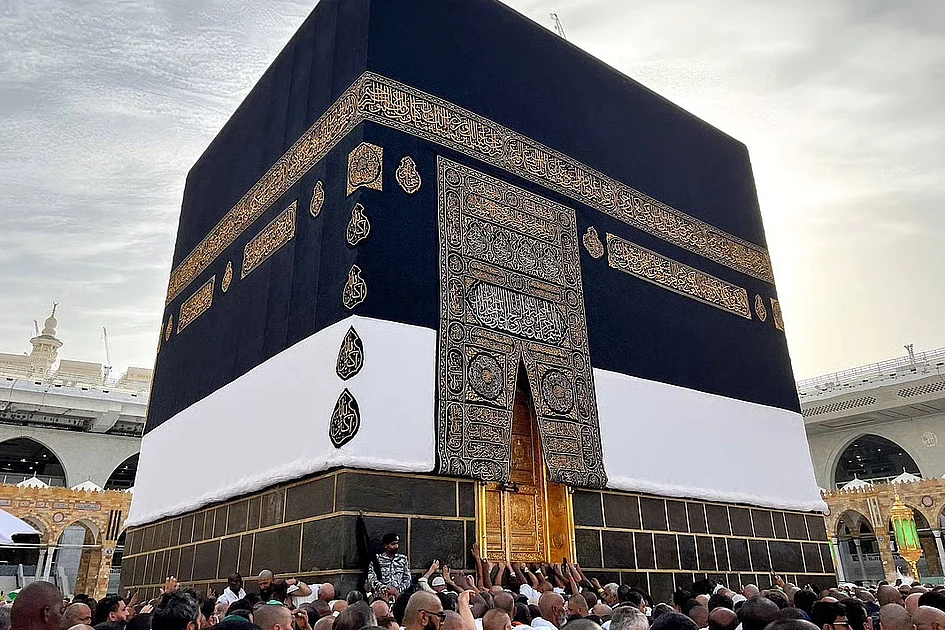
    The annual pilgrimage season follows predictable patterns, with millions of Muslims worldwide journeying to the holy cities of Makkah and Madinah during Ramadan. This concentrated demand creates significant pressure on transportation and accommodation infrastructure, directly impacting pricing structures. Shihab Perwad of Rehan al Jazeera Tourism confirmed that prices are already trending upward, with bus packages currently available at approximately AED 1,200 expected to exceed AED 2,000 as Ramadan nears.

    Air travel packages demonstrate even more pronounced inflation. Qaisar Mahmood from Asaa Travels and Tourism indicated that while current air packages begin at AED 3,500, they are projected to start from AED 5,200 during Ramadan, with premium options potentially reaching AED 8,000 depending on travel dates and hotel specifications. The most significant cost driver appears to be accommodation, particularly hotels within walking distance of the Haram in Makkah, where prices may triple during the final ten days of Ramadan.

    Industry analysis reveals that while flight prices remain relatively stable according to booking platforms, the accommodation sector experiences extraordinary demand-based pricing. Many pilgrims mistakenly focus exclusively on airfare while underestimating the substantial hotel cost increases during peak periods.

    Additional considerations include strict visa deadlines connected to Hajj preparations. Umrah visa applications will cease on March 17, with April 2 marking the final entry date into Saudi Arabia. All pilgrims must depart from Makkah or Madinah by April 18 as authorities commence Hajj preparations, creating compressed timelines that further complicate travel planning.

    Travel operators unanimously recommend early booking, flexible travel dates, and careful consideration of hotel proximity to manage expenses effectively during this high-demand period.

  • New Year babies in UAE: Are families really planning births on January 1?

    New Year babies in UAE: Are families really planning births on January 1?

    Contrary to popular perception and media spotlight, January 1st does not witness a significant surge in childbirths across UAE hospitals, according to medical authorities. While the date carries substantial cultural and emotional weight as a symbol of new beginnings, delivery rooms maintain operational normalcy with staffing levels and birth frequencies comparable to any other day of the year.

    Aster Hospitals recorded 14 deliveries on New Year’s Day this year, a figure consistent with daily averages without indicating a notable spike. Chief Nursing Officer Sarah Illyas clarified that approximately 70% of these births occurred spontaneously, while only 30% resulted from planned procedures. This pattern aligns with observations at NMC Speciality Hospital in Abu Dhabi, which reported no births whatsoever on January 1st of the previous year.

    Medical professionals acknowledge growing patient inquiries about scheduling deliveries for symbolically significant dates, particularly January 1st. Dr. Aysha Salam of Aster Hospital, Mankhool, attributes this trend to the date’s association with fresh beginnings and amplified social media visibility of “special date” births. However, physicians emphasize that medical considerations consistently override personal preferences, with elective procedures generally recommended only after 39 weeks of gestation.

    Dr. Kiran Mehndiratta, Consultant Obstetrics and Gynaecology at NMC Speciality Hospital, notes that while January 1st stands out symbolically, it holds no demographic significance in birth statistics, a phenomenon consistent both within the UAE and globally. Hospital administrators confirm that despite occasional requests for date-specific deliveries, clinical decisions remain guided exclusively by maternal and infant health considerations rather than calendar preferences.

  • How love united a Venezuelan liberator and a shoemaker’s daughter

    How love united a Venezuelan liberator and a shoemaker’s daughter

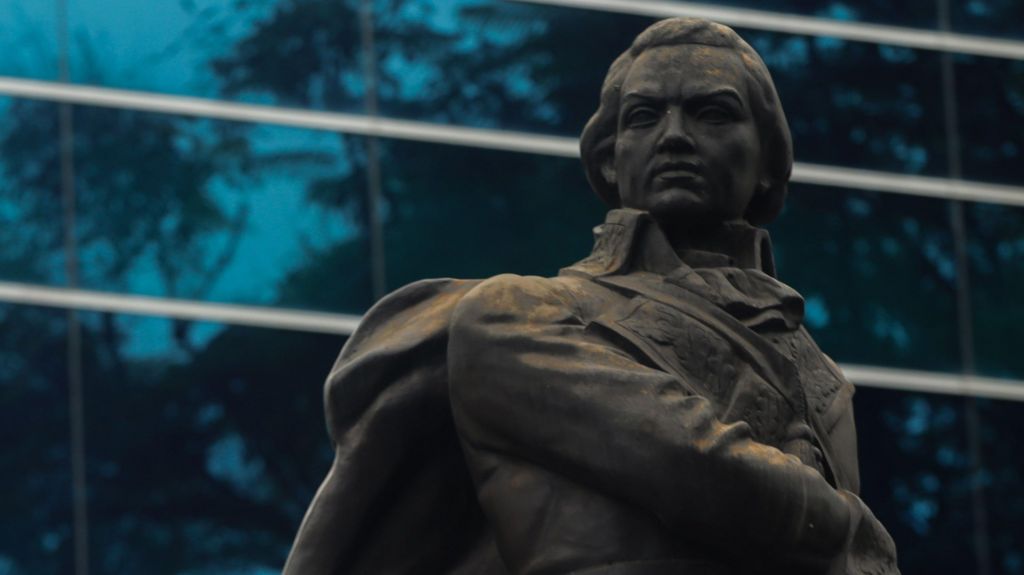
    An extraordinary cross-continental partnership between a Venezuelan revolutionary and a shoemaker’s daughter from rural England played a pivotal role in South America’s independence movements. Francisco de Miranda, celebrated as Venezuela’s ‘First Universal Citizen,’ found an unlikely ally in Sarah Andrews of Market Weighton, East Yorkshire, whose contributions are now being rediscovered through historical research.

    Miranda, born in Caracas in 1750 to wealth and privilege, received extensive education in Venezuela and Madrid before embarking on a remarkable military and diplomatic career. He served in the Spanish army during campaigns in Morocco, engaged with Catherine the Great of Russia, participated in the French Revolution, and witnessed the aftermath of the American Revolution before settling in London in 1798. His primary mission: securing British support for liberating Venezuela from Spanish colonial rule.

    It was in London that Miranda encountered Sarah Andrews, who had traveled from her modest upbringing in Market Weighton—where her family worked as shoemakers and coopers—possibly after being sent to serve in her uncle’s household following her mother’s early death. By 1800, Andrews was managing Miranda’s household and had borne him two sons: Leander (1803) and Francisco (1806).

    When Miranda returned to Latin America to lead independence efforts, Andrews maintained their Fitzrovia residence as a crucial hub for revolutionary planning. The house featured Miranda’s extensive 6,000-volume library—extraordinary for the era—and hosted key figures including Simón Bolívar, who would eventually liberate multiple South American nations.

    Surviving correspondence reveals Andrews as the household’s steadfast administrator, updating Miranda on their children’s development and the political activities within their home. Despite her limited formal education, her letters demonstrate keen observation and dedication to both family and cause.

    Miranda’s revolutionary efforts culminated in Venezuela becoming the first South American nation to declare independence from Spain in 1811, with Miranda briefly leading the new republic. However, Spanish forces ultimately captured and imprisoned him until his death in 1816.

    Andrews outlived her revolutionary partner by three decades, passing away in 1847. Her legacy is commemorated through plaques at London’s Kensal Green cemetery—where Venezuela officially recognizes her contributions—and at All Saints Church in her hometown of Market Weighton, installed by the Venezuelan ambassador to the UK.

    This historical narrative gains contemporary relevance following recent reports of damage at Venezuela’s Generalissimo Francisco de Miranda Air Base during operations targeting current President Nicolás Maduro, highlighting how Miranda’s legacy continues to resonate in modern Venezuelan politics.