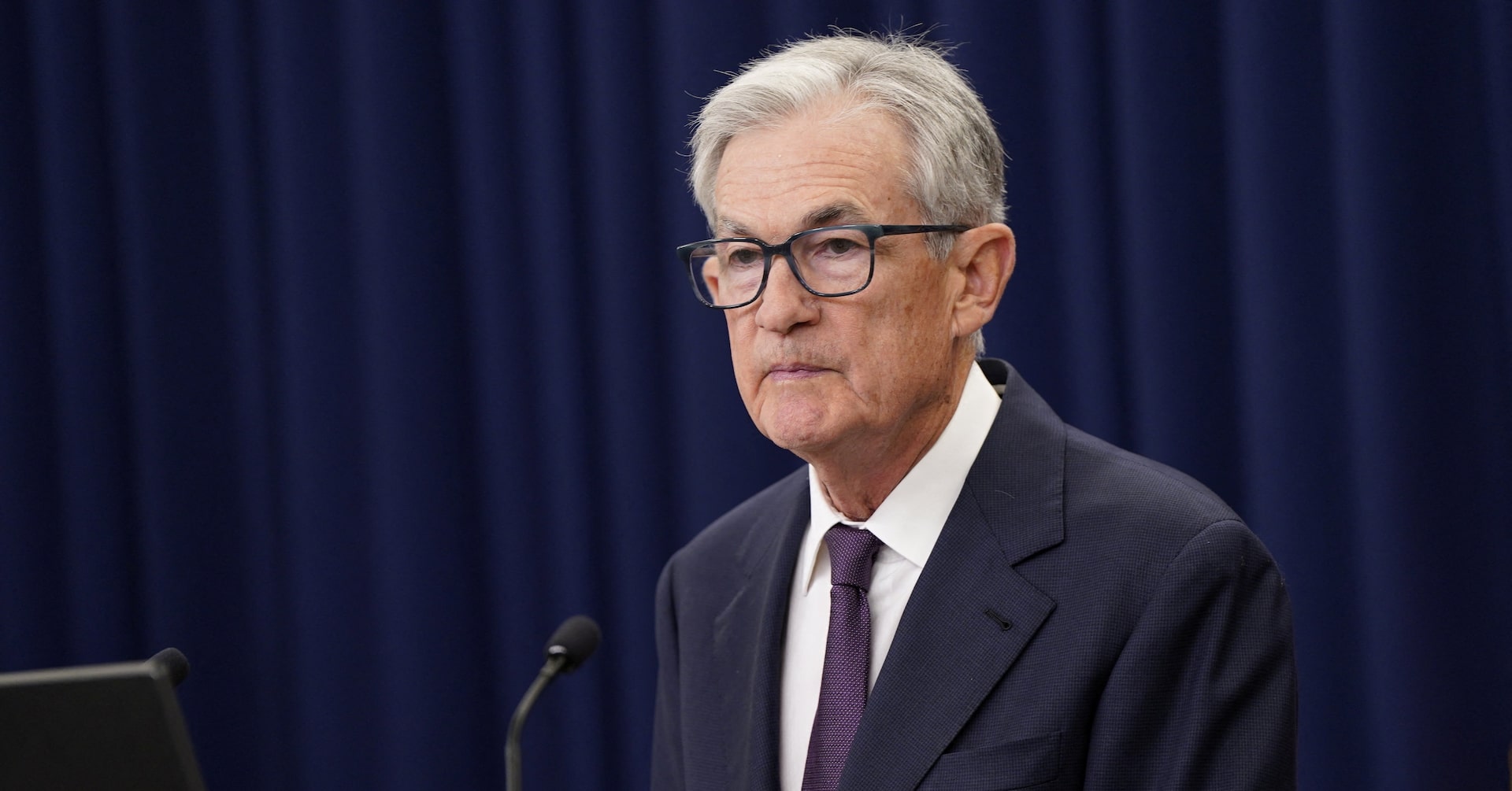
In a significant move to address growing labor market vulnerabilities, the Federal Reserve announced a quarter-percentage-point reduction in its benchmark interest rate on September 17, 2025. This marks the first rate cut since December and signals potential further reductions in the coming months. The decision, which lowers the rate to a range of 4.00%-4.25%, reflects heightened concerns over rising unemployment, particularly among minority groups and younger workers, as well as a declining average workweek and sluggish payroll growth. Fed Chair Jerome Powell emphasized that the softening job market has become a top priority for policymakers, stating, ‘We don’t need it to soften anymore.’ The Fed’s projections indicate two additional rate cuts before the end of the year, though the decision fell short of the more aggressive half-percentage-point cut advocated by newly appointed Fed Governor Stephen Miran, who cast the sole dissenting vote. Miran’s year-end rate projection suggests he supports further significant reductions, potentially bringing the policy rate below 3%. The decision comes amid political tensions, with President Donald Trump’s attempts to influence the Fed through criticism and personnel changes, including an unsuccessful effort to remove Governor Lisa Cook. Despite these pressures, the Fed maintained its independence, with Powell asserting that decisions are driven by data rather than external influences. While inflation remains above the Fed’s 2% target, policymakers prioritized employment risks, reflecting a shift in focus from price stability to labor market health. The announcement briefly buoyed stock markets, though they later closed mixed, while the dollar strengthened modestly. Treasury yields remained stable, and rate futures markets indicated a high probability of another cut at the Fed’s October meeting.
作者: admin
-
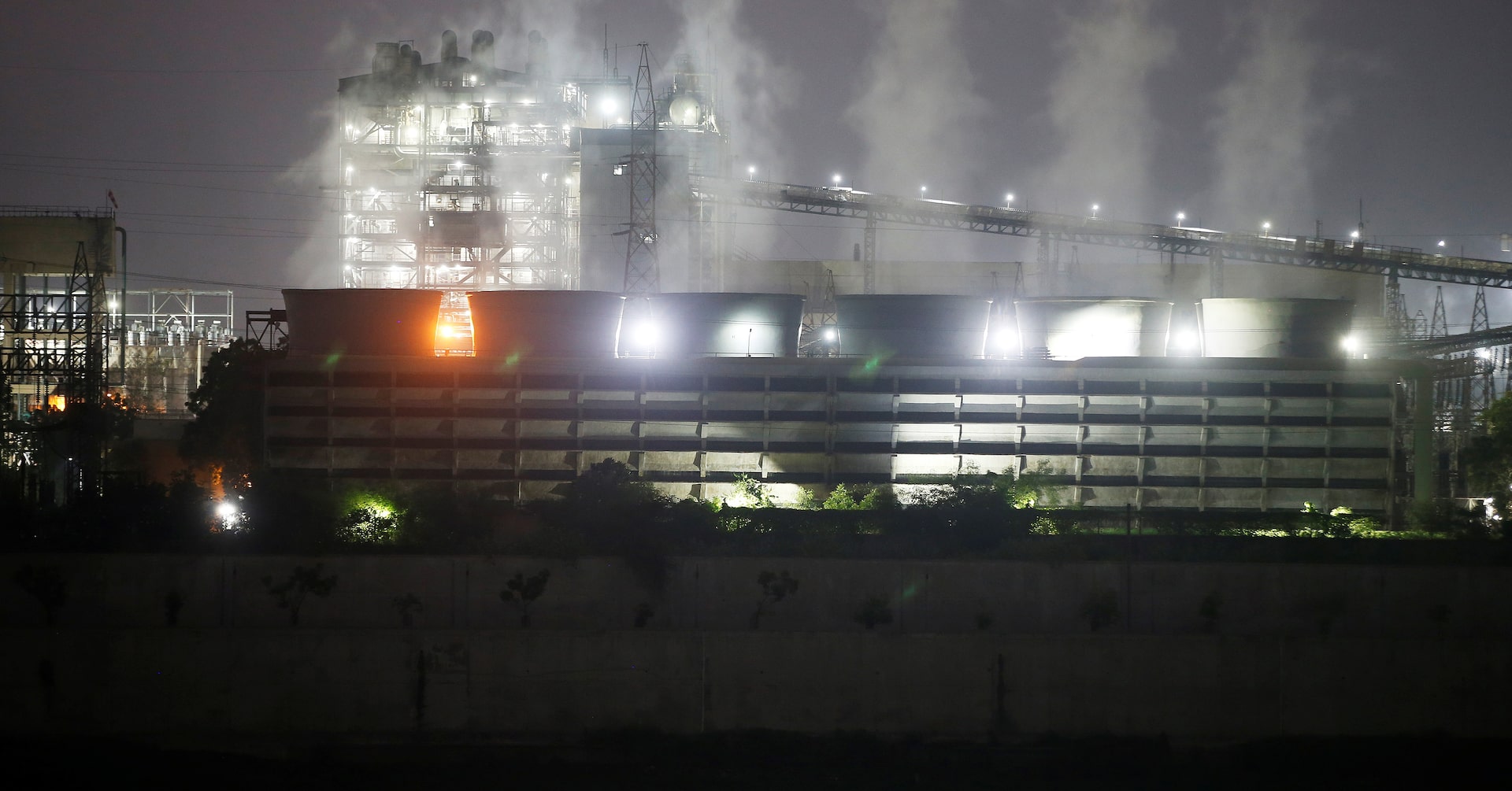
India’s power-sector CO2 emissions fall for second time in over four decades, report says
India’s power sector witnessed a notable 1% decline in carbon dioxide emissions during the first half of 2025, marking only the second such reduction in nearly five decades. This shift was driven by a combination of record-breaking clean energy capacity additions and unusually mild weather, which collectively curbed electricity demand, according to a report by the Centre for Research on Energy and Clean Air (CREA). The Helsinki-based think tank attributed 65% of the drop in fossil fuel generation to slower demand growth, 20% to accelerated clean energy expansion, and 15% to increased hydropower output. The analysis, based on official data from various government ministries, revealed that India added 25.1 gigawatts (GW) of non-fossil capacity in the first six months of 2025—a 69% increase from the previous record. This capacity is sufficient to generate nearly 50 terawatt hours (TWh) annually. Additionally, lower temperatures and above-average rainfall between March and May reduced air conditioning usage, while hydropower output surged. Despite a 9TWh rise in total power generation, fossil fuel generation fell by 29TWh. Oil demand growth also stalled, contributing to the broader emissions slowdown. However, emissions from steel and cement production rose sharply due to increased government infrastructure spending. CREA suggested that India’s power-sector emissions could peak before 2030 if clean energy growth continues and demand remains within projections. Historically, the power sector has accounted for half of India’s emissions growth. The country aims to add 500 GW of clean energy by 2030 as part of its broader climate goals.
-

Peru president signs contract allowing Chevron, Westlawn entry
In a significant move for Peru’s energy sector, President Dina Boluarte announced the formalization of a modified hydrocarbon exploration and exploitation contract on Wednesday, September 17, 2025. The agreement paves the way for U.S. energy giants Chevron and Westlawn to enter the Peruvian market through a consortium operated by Anadarko, a subsidiary of Occidental Petroleum. The consortium will focus on three offshore blocks—Z-61, Z-62, and Z-63—located in Peru’s northern La Libertad region. President Boluarte emphasized that Chevron’s involvement, as the world’s third-largest oil company, underscores Peru’s reputation as a reliable and stable destination for large-scale investments. She expressed optimism that successful exploration could lead to an energy renaissance, fueling decades of economic growth. The consortium’s ownership structure allocates 35% stakes to Chevron and Anadarko, with Westlawn holding the remaining 30%. The initial phase of exploration is backed by a $100 million investment, as previously announced by the government. The contract amendment was signed by executives from the three companies and Perupetro, Peru’s state regulator. Pedro Romero, Occidental Petroleum’s vice president of international exploration, hailed the project as the culmination of years of preparation and the start of a promising new chapter in Peru’s energy landscape.
-

Scammed into scamming
In November 2024, Oly, a 39-year-old IT consultant from East Africa, embarked on what he believed would be a brief vacation in Bangkok, Thailand. However, his journey took a sinister turn when he was abducted and trafficked to a notorious scam center in Myanmar. This incident sheds light on a multibillion-dollar fraud industry thriving in Southeast Asia, fueled by human trafficking and operated by Chinese criminal gangs.
-

Unresolved questions hang over case against Charlie Kirk’s accused killer
In a high-profile court appearance, Tyler Robinson, the 22-year-old suspect in the assassination of conservative activist Charlie Kirk, faced charges of capital murder via video feed from jail in Provo, Utah. The case, which has sparked a political firestorm, continues to raise questions about Robinson’s motives, preparation, and potential accomplices. Prosecutors have yet to provide a comprehensive account of how Robinson planned the attack or what specifically drove him to commit the crime.
-

West Coast states recommend COVID shots for all adults and children, breaking with federal policy
In a notable divergence from federal guidelines, the West Coast Health Alliance, encompassing California, Oregon, and Hawaii, has issued updated recommendations for COVID-19 vaccinations. On Wednesday, the alliance urged all adults and children seeking protection to receive the updated vaccines, particularly emphasizing the importance for children aged six to 23 months and those aged two to 18 with risk factors or no prior vaccination history. This stance contrasts sharply with the U.S. Food and Drug Administration’s (FDA) recent approval, which limited the updated vaccines to individuals with health conditions and those aged 65 and older. The alliance’s recommendations come in response to sweeping changes in federal vaccine policy under Health Secretary Robert F. Kennedy Jr., which included the withdrawal of COVID-19 vaccine recommendations for pregnant women and healthy children in May. These federal shifts have prompted medical organizations and states to establish their own guidelines ahead of the fall immunization campaign, aiming to ensure continued access to vaccines. Typically, the Advisory Committee on Immunization Practices, a federal advisory body to the Centers for Disease Control and Prevention (CDC), provides guidance on vaccine administration post-FDA approval. Notably, the West Coast Health Alliance’s recommendations for respiratory syncytial virus and influenza vaccines align with those of the CDC.
-

Republican lawmaker raises concerns about TikTok divestiture deal
The Republican chair of the House Select Committee on the Chinese Communist Party, Representative John Moolenaar, has expressed significant concerns regarding a proposed U.S.-China framework deal that would transfer TikTok’s U.S. assets to American ownership. Moolenaar highlighted that the deal might still allow Beijing to exert influence over the app’s users through ByteDance’s algorithm and application. This development comes amidst ongoing debates about national security and data privacy concerns associated with the popular social media platform.
-

White House readies executive order on political violence as liberal groups sound warning
The White House is reportedly drafting an executive order aimed at addressing political violence and hate speech, according to a Trump administration official. This move comes in the wake of heightened scrutiny of left-leaning organizations following the assassination of conservative activist Charlie Kirk, a prominent Trump ally. The administration has accused liberal groups of exacerbating societal divisions and inciting violence, while critics argue that the focus on left-wing organizations overlooks the administration’s own controversial actions, including the pardoning of individuals involved in the January 6, 2021, Capitol attack. President Trump has suggested using federal racketeering laws to prosecute groups he claims fund left-wing violence and has even floated the idea of designating some as terrorist organizations. Over 120 nonprofits, including the Ford Foundation and Open Society Foundations, have publicly opposed these efforts, asserting that their charitable work is being mischaracterized. The executive order, which could be unveiled soon, is being finalized by Trump’s top advisers, including White House Deputy Chief of Staff Stephen Miller. This development marks the latest escalation in the Trump administration’s broader campaign to challenge institutions it perceives as adversarial, including withholding federal funds from universities like Harvard and Columbia and investigating Democratic fundraising platforms like ActBlue.
-

Top Russian officer reports advances on all Ukrainian fronts
In a recent development in the ongoing conflict between Russia and Ukraine, General Valery Gerasimov, Chief of the General Staff of the Russian Armed Forces, asserted that Russian troops are advancing on multiple fronts in Ukraine. The Russian Defence Ministry reported that the heaviest fighting is concentrated around Pokrovsk, a key logistics hub in the Donetsk region. Gerasimov claimed that Russian forces are making significant progress in the Donetsk, Zaporizhzhia, and Dnipropetrovsk regions, as well as in the northeastern city of Kupiansk and the eastern town of Yampil. He emphasized that Ukrainian forces, despite deploying their most elite units, have been unable to halt the Russian advance. However, these claims contrast sharply with statements from Ukrainian President Volodymyr Zelenskiy and Ukrainian military officials. Zelenskiy, in an interview with Sky News, stated that recent Russian offensives have largely failed, with Ukrainian forces successfully repelling attacks near Pokrovsk and Kupiansk. A Ukrainian military spokesperson also reported that a Russian attempt to advance on Kupiansk resulted in numerous Russian soldiers being captured. The conflicting narratives highlight the ongoing intensity and complexity of the conflict, with both sides presenting divergent accounts of the battlefield situation.
-
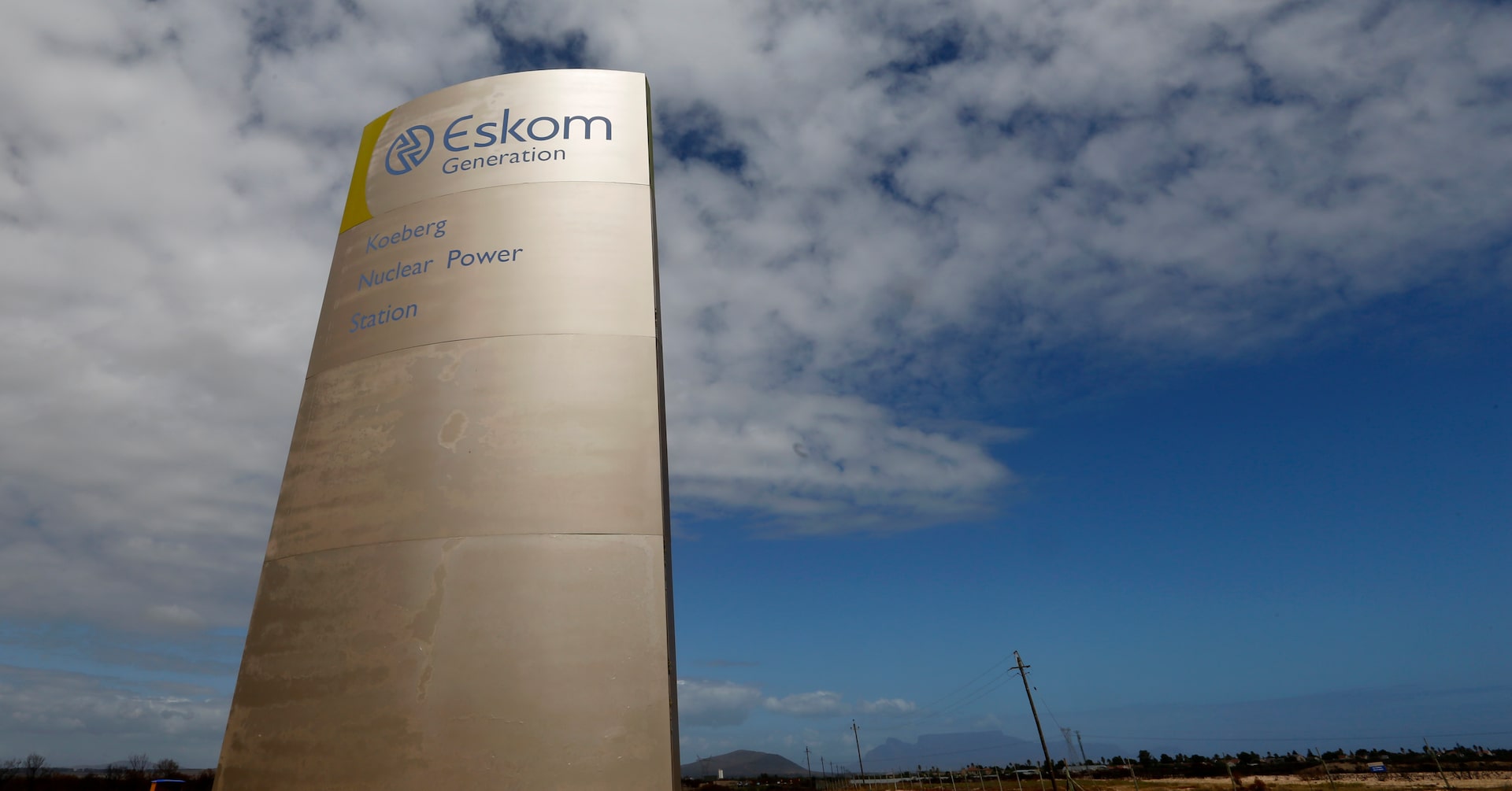
South African court annuls permit for Eskom to build new gas power plant
In a landmark decision, South Africa’s Supreme Court of Appeal has nullified a government permit granted to state utility Eskom for the construction of a 3,000-megawatt natural gas power plant in Richards Bay. The court ruled that the project lacked proper public consultation, rendering the authorization invalid. This ruling mandates Eskom to reapply for the permit after conducting the necessary public participation processes. The proposed plant, part of the government’s strategy to address chronic electricity shortages and reduce reliance on coal, has faced significant opposition from environmental groups. These groups argue that Eskom’s operations have historically caused environmental injustices and pollution in nearby communities. The judgment aligns with previous rulings against energy companies that failed to engage affected communities adequately. Richards Bay, the site of the planned plant, is also set to host South Africa’s first liquefied natural gas import terminal. Environmental advocates have welcomed the court’s decision, emphasizing the need for accountability and sustainable development. Eskom and the Department of Forestry, Fisheries, and the Environment have yet to comment on the ruling.