作者: admin

  • Pakistan accepts invitation to join Trump’s Board of Peace in support of Gaza peace plan

    Pakistan accepts invitation to join Trump’s Board of Peace in support of Gaza peace plan

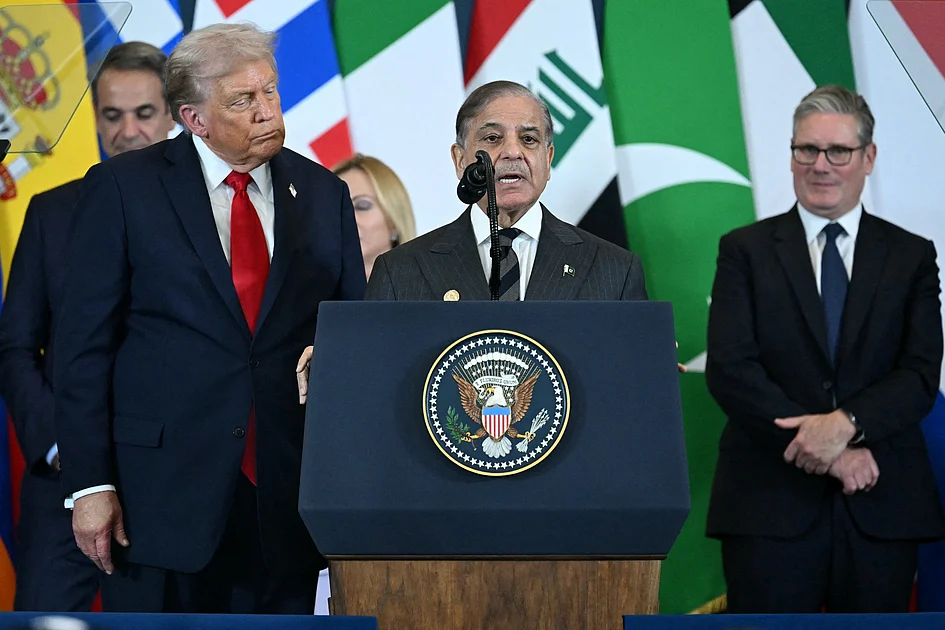
    Pakistan has formally accepted an invitation from former US President Donald Trump to participate in a newly proposed international peace initiative focused on resolving the Gaza conflict. The country’s foreign ministry confirmed its participation in the so-called “Board of Peace” on Wednesday, joining several Arab nations in supporting this diplomatic effort.

    Deputy Prime Minister and Foreign Minister Ishaq Dar announced the decision through an official statement on social media platform X, emphasizing Pakistan’s commitment to the Gaza Peace Plan framework established under UN Security Council Resolution 2803. The South Asian nation’s endorsement specifically backs key elements including a permanent ceasefire arrangement, comprehensive humanitarian assistance delivery, reconstruction efforts for the devastated Gaza Strip, and establishing a clear timeline for Palestinian statehood with East Jerusalem as its designated capital.

    The diplomatic coalition continues to expand with the United Arab Emirates, Bahrain, Morocco, and Egypt all confirming their participation in the US-proposed peace body. This collective engagement represents a significant multilateral approach to addressing one of the world’s most intractable conflicts, with both regional powers and international players converging on a structured peace process.

    The development marks a notable moment in Middle Eastern diplomacy, particularly given Pakistan’s historical stance on Palestinian self-determination and its strategic relationships throughout the Muslim world. The involvement of multiple Arab states alongside Pakistan suggests a broadening consensus around the proposed framework, though details regarding the board’s operational mechanisms, meeting schedule, and specific mandate remain undisclosed.
  • How an Islamist party is gaining ground in Bangladesh, worrying moderates

    How an Islamist party is gaining ground in Bangladesh, worrying moderates

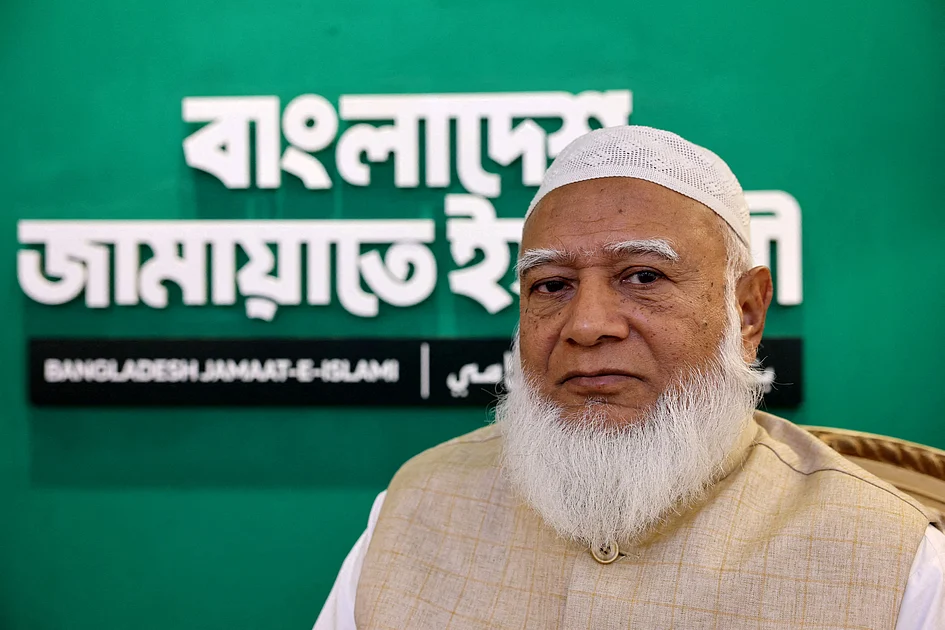
    In a remarkable political transformation, Bangladesh’s historically marginalized Jamaat-e-Islami party is experiencing unprecedented resurgence ahead of February’s parliamentary elections. The Islamist organization, previously banned from electoral politics for over a decade due to its opposition to Bangladeshi independence and conflicts with the secular constitution, has strategically repositioned itself as a viable alternative to established political forces.

    The party’s rehabilitation follows the youth-led uprising that ousted Prime Minister Sheikh Hasina in August 2024, which resulted in approximately 1,400 casualties according to UN estimates. Capitalizing on public disillusionment with traditional parties, Jamaat has emphasized anti-corruption initiatives and welfare programs including medical camps and flood relief operations.

    A December opinion poll by the International Republican Institute revealed Jamaat as Bangladesh’s most ‘liked’ political entity, projecting a highly competitive race with the Bangladesh Nationalist Party. This surge in popularity stems from strategic alliances with groups like the Gen-Z National Citizen Party and outreach to minority communities, including the unprecedented nomination of a Hindu candidate.

    Despite public assurances of women’s rights, the party faces scrutiny for fielding no female candidates for 300 parliamentary seats. Party chief Shafiqur Rahman suggests women might gain representation through 50 proportionally allocated seats post-election, but women’s rights activists dismiss these promises as electoral ploys.

    The political shift has raised concerns among religious minorities and moderates, with reports of increased attacks on Hindu and Sufi sites since Hasina’s departure. Minority community leaders express unprecedented fears about their security under potential Islamist governance, though Jamaat officials deny involvement in religious violence and call for investigations.

    Jamaat has formed a broad network of alliances with other Islamist parties, planning to contest 179 seats while distributing 74 to allies. The party employed international agencies to assess voter sentiment and recruited prominent figures including Mir Ahmad bin Quasem, son of an executed Jamaat leader.

    Analysts note the party’s evolution from a ‘stigmatized force’ to a ‘pragmatic contender’ reflects public anger over abuses during Hasina’s administration. While some speculate about potential foreign policy shifts toward Pakistan, party leadership maintains they will pursue balanced international relations rather than leaning toward any particular nation.

  • Sharjah: Rising property prices make more investors eligible for Golden Visa

    Sharjah: Rising property prices make more investors eligible for Golden Visa

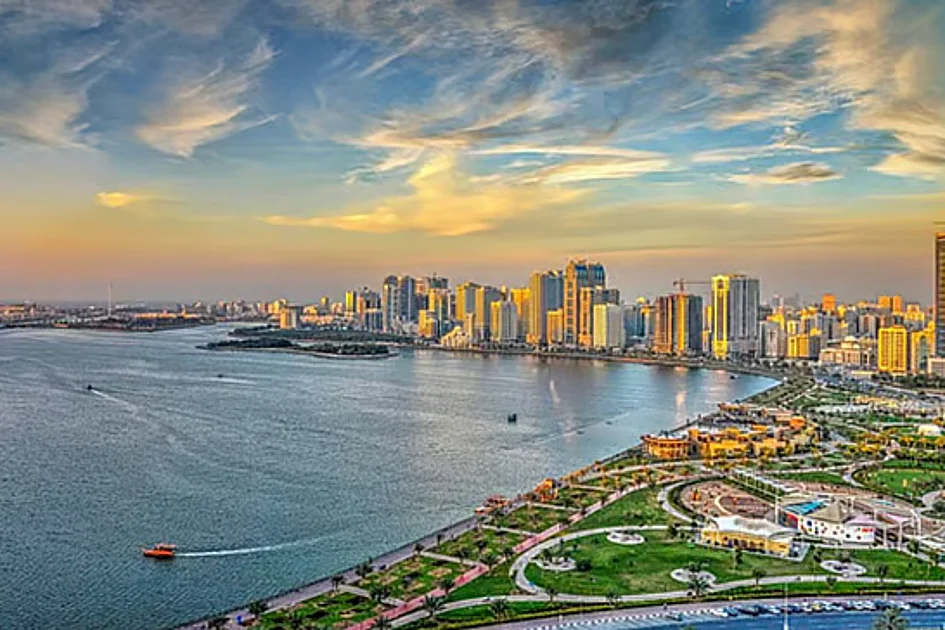
    Sharjah’s real estate sector is experiencing unprecedented growth, with surging property values creating new pathways to long-term residency for foreign investors. Market analysis reveals a remarkable transformation driven by policy shifts and economic dynamics.

    Following the emirate’s landmark 2023 decision to open its property market to all foreign nationals, Sharjah has witnessed double-digit price appreciation, particularly in premium developments. Industry executives report valuations for larger units in prime locations have surpassed the critical AED 2 million threshold, automatically qualifying purchasers for the UAE’s coveted Golden Visa program.

    The market’s robust performance is quantified by official 2026 figures showing record-breaking transaction values of AED 65.6 billion—representing a staggering 64.3% increase from the previous year’s AED 40 billion. Transaction volume similarly surged, with 132,659 recorded deals in 2025 marking a 26.3% year-over-year growth.

    Lamia Al Jewaied, Head of Studies and Research Bureau at Sharjah Real Estate Registration Department, confirms the Golden Visa initiative has become a significant market driver. “We observe substantial demand from investors specifically targeting real estate assets that qualify for long-term residency visas,” she noted during the Acres 2026 exhibition.

    Market analysts identify multiple factors fueling Sharjah’s property boom. Noreen Nasralla, Senior Vice President for Alef Group, highlights “spillover effects from neighboring emirates where escalating prices have pushed budget-conscious investors toward Sharjah’s more affordable options.” The emirate’s strategic proximity to key infrastructure including Sharjah International Airport and the Academic City further enhances its appeal.

    Notably, regulatory provisions allow investors to combine multiple properties to reach the AED 2 million eligibility requirement, expanding accessibility to the residency program. Developers are responding to increased demand for Golden Visa-qualifying units by designing larger apartments ranging from 3,500 to 4,000 square feet, with Raymond Khouzami of Al Thuriah Group reporting “unexpectedly strong demand for spacious residential units.”

  • Congressional committee votes to hold Clintons in contempt over Epstein subpoena

    Congressional committee votes to hold Clintons in contempt over Epstein subpoena

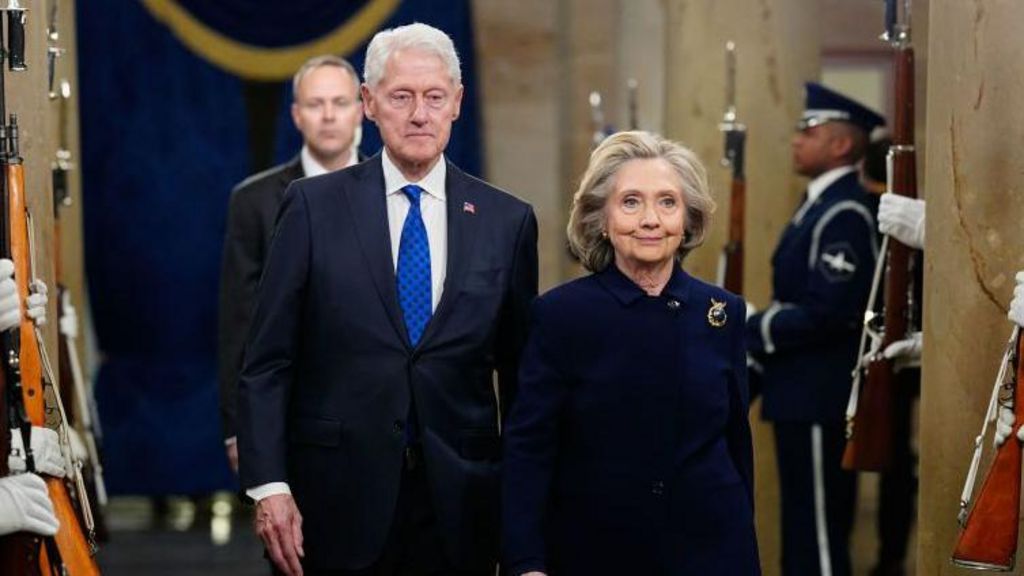
    In a significant escalation of political tensions, the House Oversight Committee has formally moved to hold former President Bill Clinton and former Secretary of State Hillary Clinton in contempt of Congress. The Wednesday vote, which garnered bipartisan support with several Democrats joining Republicans, centers on the Clintons’ refusal to comply with subpoenas issued as part of the committee’s investigation into convicted sex offender Jeffrey Epstein.

    The committee’s contempt measure now advances to the full House of Representatives for consideration. Should it secure approval there, the matter would be referred to the Department of Justice for potential enforcement action, raising unprecedented legal questions about compelling testimony from former first families.

    This investigation seeks testimony regarding the Clintons’ associations with Epstein, who was convicted of sex crimes. Photographic evidence places Bill Clinton in the financier’s company during the 1990s and early 2000s. Notably, no survivors of Epstein’s abuse have accused the former president of wrongdoing, and he has consistently denied any awareness of Epstein’s criminal activities during their acquaintance.

    Legal representatives for the Clintons have vigorously challenged the subpoenas, characterizing them as ‘unenforceable’ while maintaining their clients have cooperated by providing all ‘limited information’ available to them concerning Epstein. The development marks a new chapter in the long-standing political scrutiny of the Clinton family and tests the boundaries of congressional oversight powers.

  • ‘The US destroyed the Kurdish nation’: Fury and betrayal in northeast Syria

    ‘The US destroyed the Kurdish nation’: Fury and betrayal in northeast Syria

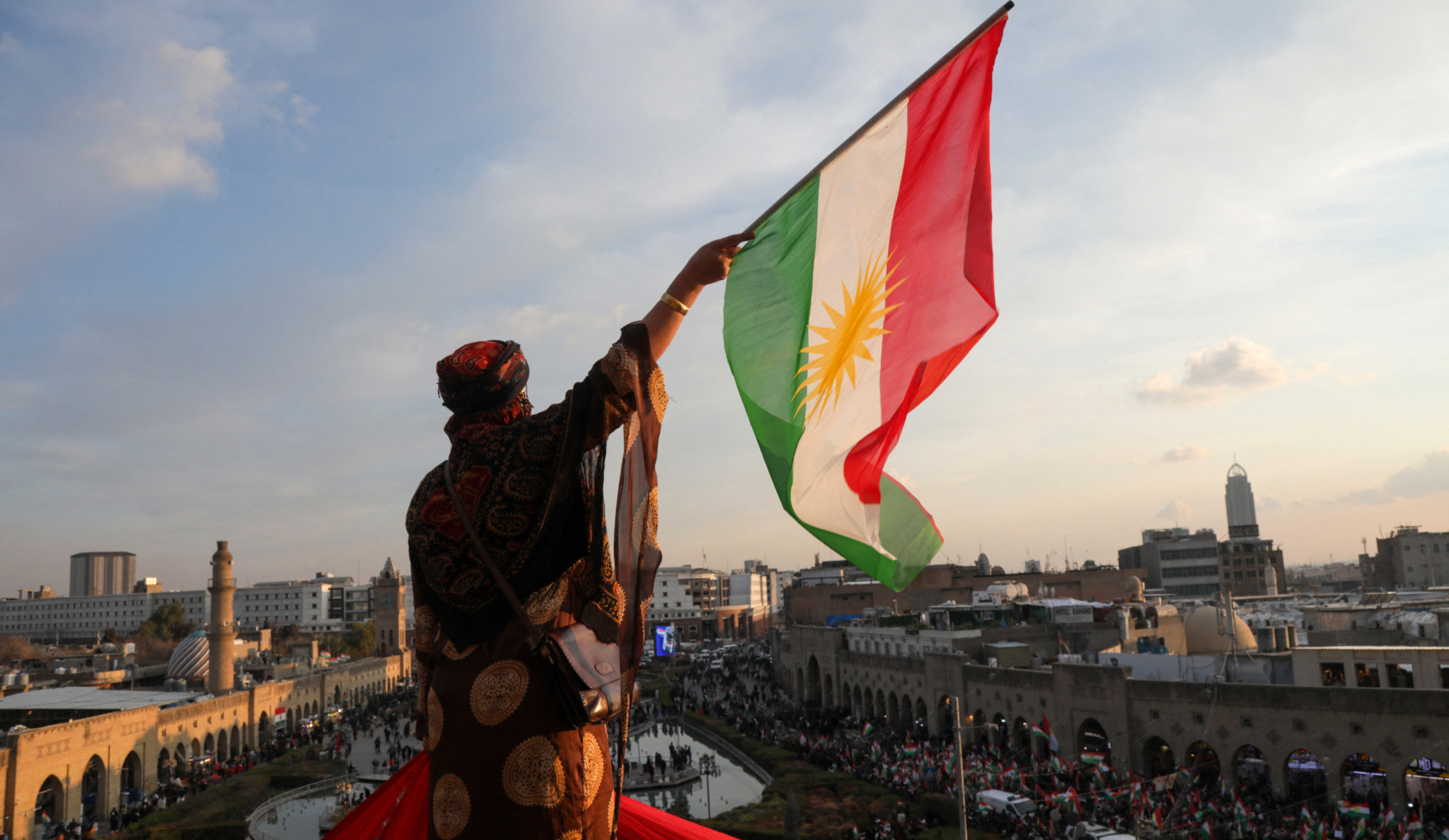
    A wave of cross-border solidarity is sweeping through Kurdish communities as demonstrators gather at the Semalka bridge connecting Iraq and Syria, waving flags and protesting recent military advancements by Damascus. The gatherings represent a unified Kurdish response to a sweeping Syrian government operation that has reclaimed significant territories from the Syrian Democratic Forces (SDF) in northern Syria.

    This display of unity comes amid a dramatic shift in the region’s power dynamics. Syrian President Ahmed al-Sharaa’s administration has announced a four-day ceasefire with Kurdish forces, presenting an ultimatum for their integration into the central state apparatus. This development marks the most substantial redistribution of control since al-Sharaa assumed power in December 2024.

    The geopolitical landscape has transformed considerably since the SDF, previously backed by a US-led coalition, controlled extensive territories across northern and eastern Syria after defeating Islamic State militants. The current withdrawal from predominantly Arab provinces including Raqqa and Deir Ezzor signifies a strategic retreat.

    Washington’s shifting foreign policy priorities under the renewed Trump administration have redirected support toward Damascus, creating palpable anxiety among Kurdish populations. President Trump’s recent comments characterizing Kurdish motivations as primarily financial have further strained relations.

    The ceasefire agreement, brokered by Damascus, offers Kurdish authorities four days to formulate an integration plan for Hasakah province. Syrian forces have pledged non-entry into urban centers including Hasakeh and Qamishli if terms are finalized.

    US Envoy to Syria Tom Barrack declared the SDF’s counter-terrorism role effectively obsolete, asserting Damascus’s readiness to assume security responsibilities. This position was demonstrated practically as Syrian forces took control of the sensitive al-Hol camp housing IS affiliates following Kurdish withdrawals.

    Kurdish civilians express profound mistrust toward both the ceasefire’s stability and American intentions. Many are preparing to relocate to Iraqi Kurdistan, while businesses in border towns like Derik are removing assets amid escalating uncertainty.

    The security situation remains volatile with reported drone strikes and suicide bombings targeting Kurdish-held Qamishli. Kurdish leaders like YPG co-founder Polat Can warn that abandoning Kurdish forces will enable terrorist networks to regenerate, potentially making Syria a renewed terrorism hotspot.

    Can specifically criticized Envoy Barrack for supporting a Syrian government now influenced by former members of Hay’at Tahrir al-Sham, despite its formal dissolution in January 2025. He maintains that while coalition soldiers retain loyalty to Kurdish partners, policymakers perpetuate colonial-era perspectives on the region.

  • Journalists in Jammu and Kashmir asked to sign pledge vowing to keep peace

    Journalists in Jammu and Kashmir asked to sign pledge vowing to keep peace

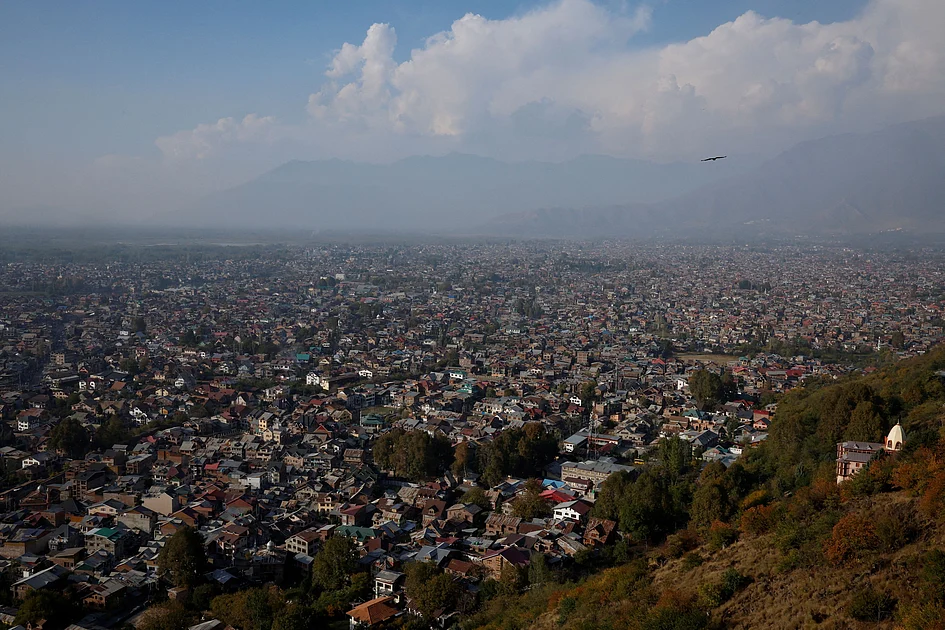
    In a significant development for press freedom in the contested region, Jammu and Kashmir police have compelled multiple journalists to sign a formal commitment vowing not to “disturb peace” through their reporting. This move has sparked immediate concerns among media watchdogs and press freedom advocates.

    According to verified reports, at least three journalists received official summons to police stations in Srinagar, the capital of the federally administered territory. While two journalists confirmed receiving these directives, one assistant editor from the respected Indian Express newspaper notably refused to sign the document despite repeated police summons between January 15-19.

    The situation emerges against the backdrop of India’s 2019 revocation of Jammu and Kashmir’s constitutional autonomy, which was followed by numerous restrictions in the Muslim-majority region. These developments include established guidelines governing how media outlets cover the ongoing insurgency and related security matters.

    The Press Club of Kashmir confirmed in an official statement that multiple members had received either formal summons or informal advisories from authorities requesting they cease reporting on police investigations into religious institutions’ funding and management structures.

    Kunal Majumder, Asia-Pacific coordinator for the Committee to Protect Journalists, characterized these actions as “part of a pattern of intimidation against the media in Jammu and Kashmir,” emphasizing that using police powers to summon journalists over legitimate reporting represents a concerning trend for democratic principles.

    The Srinagar police spokesperson has not yet responded to requests for commentary regarding these developments. Meanwhile, the Indian Express has publicly affirmed its commitment to “uphold and protect the rights and dignity of its journalists” in response to these pressures.

  • Peru’s interim president faces calls for removal over unregistered meetings with Chinese businessmen

    Peru’s interim president faces calls for removal over unregistered meetings with Chinese businessmen

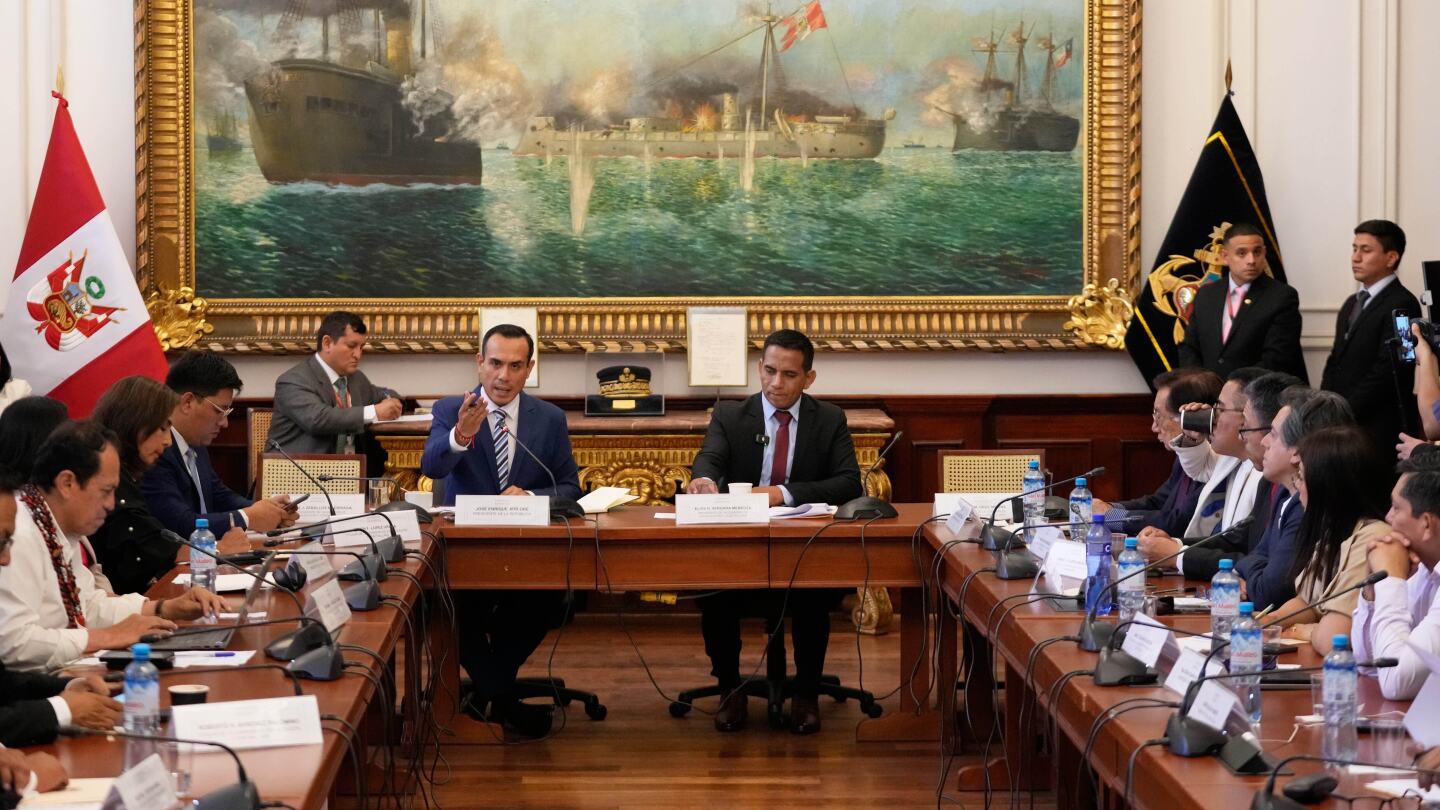
    Peru’s interim President José Jerí appeared before a congressional oversight committee Wednesday to address allegations surrounding undisclosed meetings with Chinese business figures, encounters that have sparked both criminal investigations and mounting demands for his removal from office.

    The political firestorm represents the latest development in Peru’s protracted governmental instability, marking the seventh presidential administration since 2016. The controversy emerges as the nation prepares for general elections amid growing public discontent over escalating violent crime rates.

    Jerí, who assumed power in October following the abrupt impeachment of President Dina Boluarte, faces scrutiny for violating legal protocols requiring Peruvian leaders to formally document all official meetings. The president acknowledged meeting with businessman Yang Zhihua—whom he refers to as ‘Johnny’—first at a restaurant in late December and subsequently at a wholesale store in early January. Jerí characterized these encounters as informal occasions for dining on Chinese cuisine and purchasing candy.

    Surveillance footage from December 26 showed the president arriving at the restaurant with his head concealed beneath a hood while carrying a bag, triggering opposition allegations of potential misconduct. Yang, despite operating both establishments, secured a 2023 concession to develop a hydroelectric facility in the Andes—a project yet to be realized.

    Further complicating matters, Jerí admitted interactions with Ji Wu Xiaodong, another Chinese businessman who accessed the presidential palace on three separate occasions. Notably, Ji Wu was under house arrest and travel restrictions during these visits due to ongoing investigations into his alleged connections to criminal organizations involved in illegal Amazon rainforest logging.

    The interim president defended these meetings as coordination efforts for Peruvian-Chinese Friendship Day (February 1), emphasizing China’s decade-long position as Peru’s primary trading partner. Jerí described Ji Wu as merely ‘serving food’ during their restaurant meeting and claimed his silence during palace visits resulted from limited Spanish proficiency. However, official records indicate Ji Wu maintains registered credentials as a Chinese-to-Spanish translator with Peru’s foreign ministry.

    Peru’s Attorney General’s office has initiated a preliminary investigation into Jerí for suspected influence peddling and illegal lobbying offenses. While the prosecution confirmed the investigation remains confidential, the president has formally communicated his willingness to cooperate with authorities, offering to provide necessary statements and clarifications.

  • UAE: Parkonic to revise on-street parking rules in Discovery Gardens for some tenants

    UAE: Parkonic to revise on-street parking rules in Discovery Gardens for some tenants

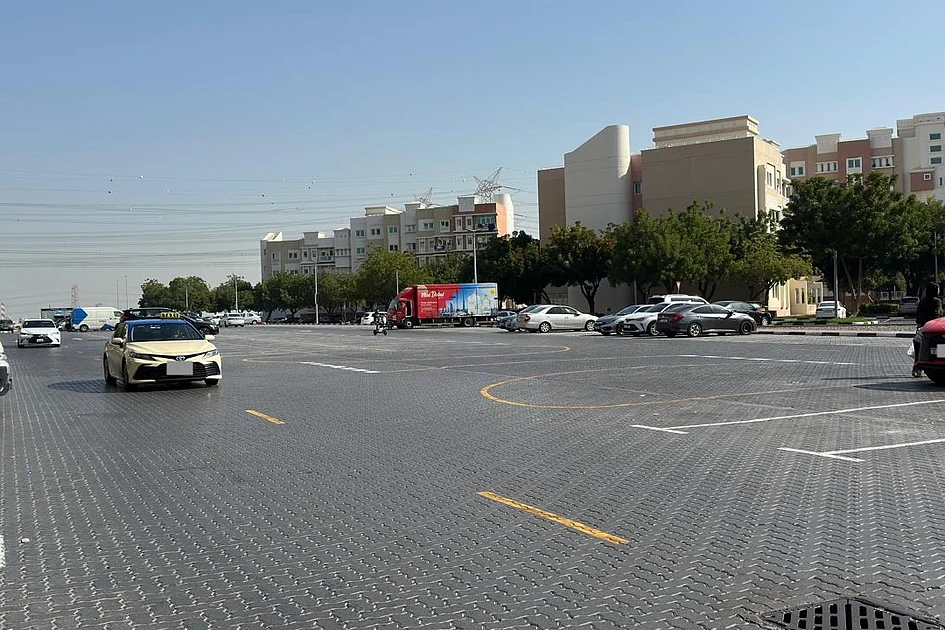
    Dubai’s parking management operator Parkonic has implemented significant revisions to on-street parking regulations specifically affecting residents of the Zen Cluster within Discovery Gardens. The adjustments come following initial confusion regarding eligibility for complimentary parking permits among studio apartment tenants in this distinctive residential zone.

    The Zen Cluster, alternatively referred to as Pink Buildings (Structures 1-20), maintains a unique parking configuration distinct from other Discovery Gardens sectors due to divergent building ownership patterns and architectural design considerations. These particular buildings fall under private ownership rather than Dubai Holding jurisdiction and feature independently managed basement parking facilities.

    Parkonic officials have clarified that the revised approach does not constitute an alteration of fundamental parking entitlements but rather represents an alignment strategy to accommodate capacity limitations. Each residential unit retains eligibility for one complimentary parking tenancy, consistent with the overarching policy framework applied throughout Discovery Gardens. However, due to basement parking capacity constraints that don’t perfectly correspond with unit numbers, Parkonic has coordinated with building management entities to allocate limited on-street parking spaces per structure.

    The allocation breakdown specifies: Buildings 1-6 and 8-10 receive 80 on-street spaces each; Buildings 13-20 obtain 68 spaces; while Building 7 (functioning as hotel apartments) and Buildings 11-12 remain excluded from the on-street allocation program. These supplementary spaces are intended to bridge capacity gaps during the transitional phase, with access governed through building-level registration protocols to ensure equitable distribution and prevent system exploitation.

    Residents who previously registered via PIN authentication will experience temporary disablement of digital parking cards effective January 24, 2026, to facilitate realignment with the new building-specific allocation framework. The operator has emphasized this procedural interruption does not imply rejection or penalty. Furthermore, tenants who purchased paid parking memberships during the transition may qualify for one-time refund consideration, subject to verification and management coordination, with all refund petitions requiring submission before January 30, 2026.

    Tenant responses reflect cautious optimism, with residents expressing relief tempered by practical concerns regarding implementation specifics. The resolution addresses financial anxieties for many tenants for whom the alternative monthly payment of Dh945 would have represented significant economic burden.

  • Middle Eastern leaders including Netanyahu and Sisi line up to join Trump ‘Board of Peace’

    Middle Eastern leaders including Netanyahu and Sisi line up to join Trump ‘Board of Peace’

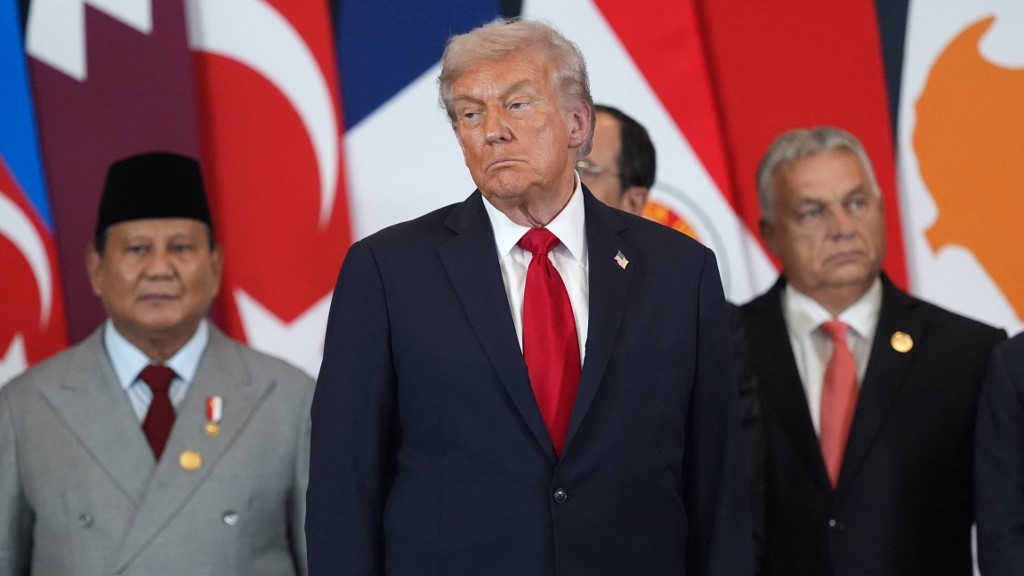
    A significant diplomatic schism is forming within the international community regarding U.S. President Donald Trump’s newly proposed ‘Board of Peace’ initiative. While several Middle Eastern and regional powers have confirmed participation, key European nations are expressing reservations or outright refusing to join the controversial body.

    Egyptian President Abdel Fattah el-Sisi and Turkish President Recep Tayyip Erdogan both confirmed their nations’ involvement on Wednesday, with Turkey’s Foreign Minister Hakan Fidan representing the country at Thursday’s signing ceremony during the World Economic Forum in Davos. This follows Israeli Prime Minister Benjamin Netanyahu’s earlier acceptance of membership.

    The initiative, which would feature Trump as lifetime chairman, requires a $1 billion fee from participating nations for permanent membership, though Turkish officials confirmed the first three years would be fee-exempt. Approximately 50 countries have received invitations, with about 35 reportedly agreeing to join according to sources close to Trump.

    Notable participants include Hungary, United Arab Emirates, Pakistan, Bahrain, Armenia, Morocco, Argentina, Kazakhstan, Uzbekistan, and Belarus. Egypt’s foreign ministry stated its agreement came “after completing the relevant legal and constitutional procedures,” while expressing appreciation for “Trump’s leadership and his commitment to ending the war in Gaza.”

    However, the initiative faces substantial opposition from European powers. France declared it could not give a “favourable response” at this stage, while Norway outright refused participation, citing the board “raises a certain number of questions.” Ukrainian President Volodymyr Zelensky stated he “does not imagine” participating alongside Russia, calling it inconceivable given ongoing conflicts.

    The United Kingdom expressed apprehension about Russia’s potential involvement, noting concern over inviting Russian President Vladimir Putin who “has proven time and again that he is not seriously committed to peace.” Germany confirmed Chancellor Friedrich Merz would not attend the signing ceremony, departing Davos prior to the event.

    The diplomatic tensions coincide with ongoing strains between Europe and the U.S. regarding Trump’s repeated threats to annex Greenland, though he stated at Davos he would not use force in pursuing negotiations for its acquisition.

  • How Ras Al Khaimah airport expanded international flights to 16 countries in 2025

    How Ras Al Khaimah airport expanded international flights to 16 countries in 2025

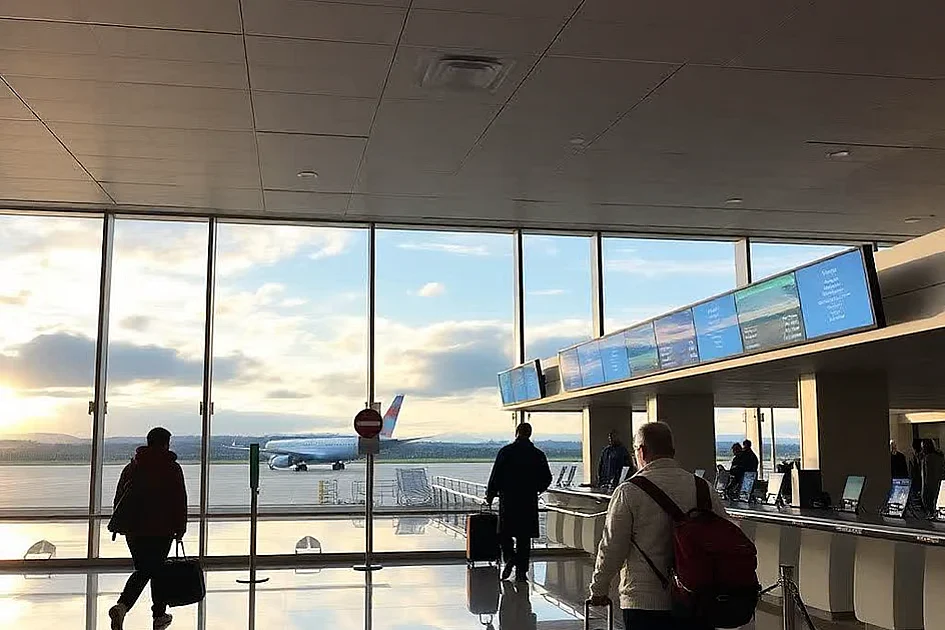
    Ras Al Khaimah International Airport has firmly established itself as a major aviation hub after achieving a monumental operational milestone in 2025. The airport successfully handled over 1.3 million passengers, marking its evolution from a medium-sized facility into a significant player in regional air travel. This remarkable growth represents a 51% surge in passenger traffic compared to previous years, accompanied by substantial expansions in both flight operations and destination networks.

    The airport’s strategic development has yielded an impressive international route map encompassing 16 countries across pivotal markets. Key destinations now include India, Pakistan, Saudi Arabia, Russia, and Egypt, reflecting the airport’s focused approach to connecting emerging economic corridors. This expansion contributed to a 14% increase in served destinations and a 37% growth in flight movements throughout the year.

    Under the leadership of Sheikh Salem bin Sultan Al Qasimi, Chairman of the Ras Al Khaimah Civil Aviation Authority, the airport executed comprehensive infrastructure enhancements. These included terminal facility upgrades, advanced operational systems implementation, and sophisticated passenger experience improvements. The development strategy prioritized seamless travel standards while maintaining rigorous international security protocols.

    Financial performance mirrored operational success, with net profits climbing 29.4% amid the expansion. The airport simultaneously renewed its ISO certifications across multiple domains including environmental management, innovation protocols, business continuity planning, and quality assurance—all without recording any regulatory violations.

    Innovation initiatives formed a core component of the growth strategy, highlighted by the launch of an advanced Drone Management System and strategic partnerships with aviation authorities in Dubai and Fujairah. The airport also achieved recognition as first runner-up in the Arab Award for Social Responsibility and Sustainability among small government entities.

    A particularly groundbreaking achievement involved the successful experimental flight of an electric vertical take-off and landing aircraft developed in partnership with Chinese aerospace company XPENG AEROHT, positioning the airport at the forefront of aviation technology adoption.

    Sheikh Salem attributed these accomplishments to the visionary leadership of Sheikh Saud bin Saqr Al Qasimi, Ruler of Ras Al Khaimah, and the oversight of Sheikh Mohammed bin Saud Al Qasimi, Crown Prince and Chairman of the Executive Council. Their support has enabled the airport to drive innovation while maintaining operational excellence.

    These developments collectively reinforce Ras Al Khaimah International Airport’s strategic position as a growing connectivity hub that actively supports the emirate’s broader economic diversification goals, tourism expansion initiatives, and commercial development objectives.