作者: admin

  • AFL 2026: Marcus Bontempelli, Patrick Cripps named State of Origin captains

    AFL 2026: Marcus Bontempelli, Patrick Cripps named State of Origin captains

    In a landmark moment for Australian Rules Football, two of the AFL’s most revered figures have been bestowed with the prestigious honor of captaining their respective states in the upcoming State of Origin clash. Western Bulldogs icon Marcus Bontempelli will lead Victoria, while Carlton’s inspirational leader Patrick Cripps will captain Western Australia in the first elite-level interstate showdown in over a quarter-century.

    The historic match, scheduled for February 14 at Perth’s Optus Stadium, marks the revival of a cherished football tradition that had been dormant since the late 1990s. Both captains expressed profound reverence for their appointments, recognizing the significance of representing their states in what promises to be a capacity-crowd event.

    Bontempelli, reflecting on the deep historical significance of the Big V jersey, described the captaincy as an eternal honor. ‘There’s a deep history and pride that comes with representing your state,’ the Victorian skipper remarked, emphasizing his anticipation of leading Victoria’s finest footballers onto the field.

    Meanwhile, Cripps, who hasn’t experienced his hometown’s support from the opposing side since his 2013 drafting to Carlton, conveyed special emotional connection to leading Western Australia. The Carlton champion highlighted the unique opportunity to perform before home supporters while wearing state colors, expressing his determination to make the local faithful proud.

    The appointment of these two modern-day greats adds another chapter to their already distinguished careers, connecting them to the rich legacy of state-based football competition that once defined the Australian sporting landscape.

  • Japan records 5th straight yearly trade deficit

    Japan records 5th straight yearly trade deficit

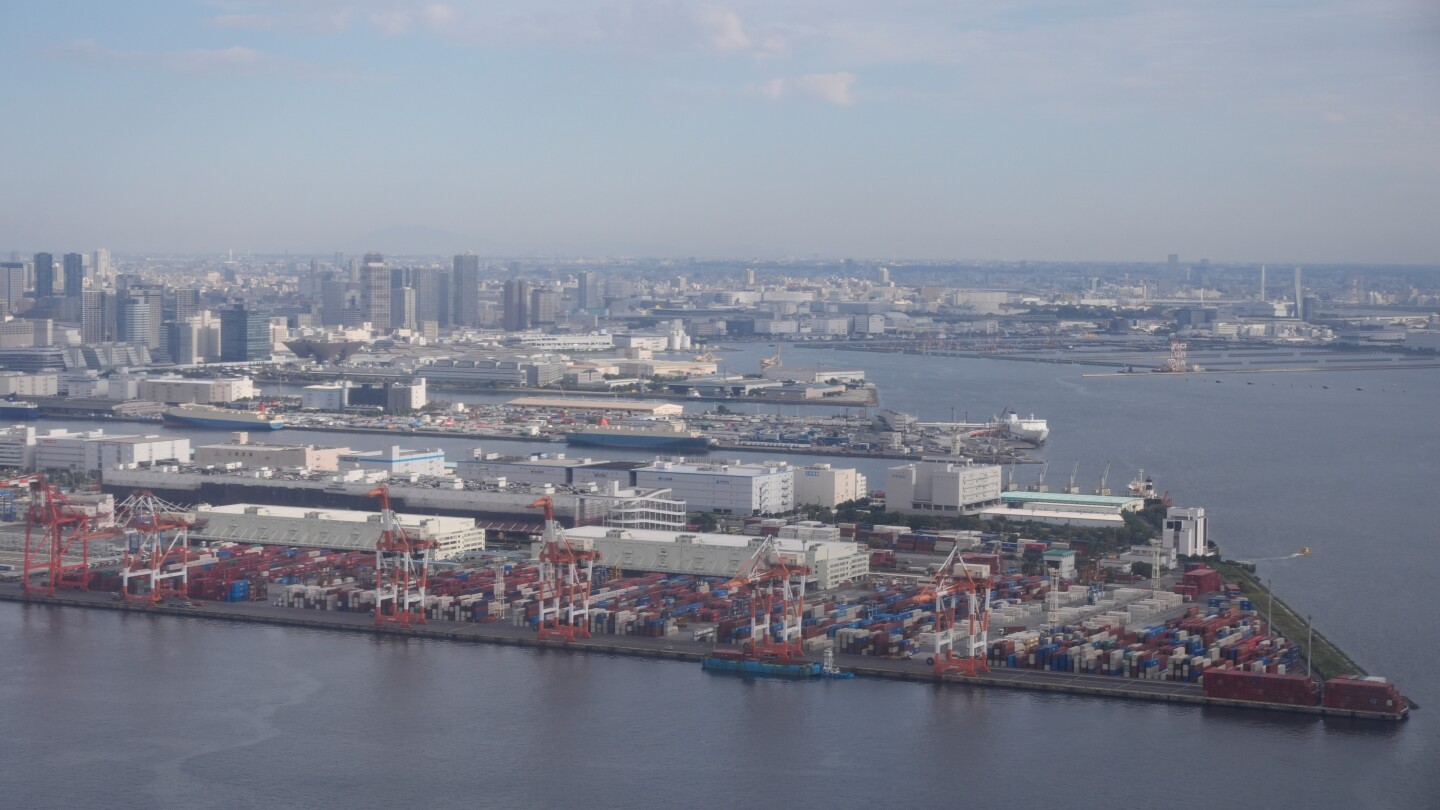
    Japan has marked its fifth successive year of trade deficit in 2025, according to preliminary data released by the Finance Ministry on Thursday. The nation reported an annual shortfall of 2.65 trillion yen ($17 billion), representing a significant 53% reduction from the previous year’s deficit. While exports demonstrated modest growth of 3.1% throughout the year, imports remained nearly stagnant with less than 1% growth.

    The December figures provided a temporary respite with a trade surplus of 105.7 billion yen ($669 million), though this represented a 12% decrease compared to the same month last year. Monthly data revealed exports growing at 5.1% while imports increased by 5.3% year-on-year.

    Geographic analysis reveals shifting trade patterns, with December exports to the United States declining by 11% amid ongoing trade tensions. Conversely, Japan experienced export growth to Britain, African markets, and Asian hubs including Hong Kong and India. Import dynamics showed strength in European sourcing while declining from Brazil and Middle Eastern suppliers.

    The trade landscape remains complicated by multiple geopolitical factors. The United States maintains a 15% tariff on most Japanese imports, representing a compromise from initially proposed 25% rates but still elevated from historical levels. Additionally, manufacturing sectors face potential disruption from China’s restrictions on rare earth exports, implemented following Prime Minister Sanae Takaichi’s comments regarding potential Japanese military response to Chinese actions toward Taiwan.

    Despite these challenges, Japan’s economy demonstrates resilience with the benchmark Nikkei index reaching record highs, even as public concerns persist regarding inflationary pressures and wage stagnation.

  • Immigration officials allow suspect in $100M jewelry heist to self deport, avoiding trial

    Immigration officials allow suspect in $100M jewelry heist to self deport, avoiding trial

    In a stunning administrative decision that has jeopardized one of America’s largest criminal investigations, U.S. Immigration and Customs Enforcement (ICE) permitted the central suspect in a monumental $100 million jewelry theft to voluntarily depart for South America in December 2022. This unexpected deportation has created significant tensions between federal agencies and left prosecutors scrambling to salvage their case.

    Jeson Nelon Presilla Flores, identified as a key operative in the sophisticated 2022 armored truck robbery, faced substantial federal charges including conspiracy to commit theft from interstate and foreign shipment. The meticulously planned heist targeted a Brink’s tractor-trailer transporting precious gems and luxury watches from an international jewelry show near San Francisco. While court documents indicate Flores pleaded not guilty, conviction could have resulted in a 15-year prison sentence.

    The deportation occurred despite Flores’ status as a lawful permanent resident who had been released on bail. Defense attorney John D. Robertson subsequently filed a motion to permanently dismiss the indictment, arguing that ICE’s intervention violated his client’s criminal prosecution rights. Federal prosecutors have opposed this motion, requesting dismissal “without prejudice” to preserve future prosecution options should Flores reenter the United States.

    Legal experts characterize this interagency breakdown as highly unusual for a case of this magnitude. Former federal prosecutor Laurie Levenson noted the extraordinary nature of the deportation, stating, “It’s just beyond me how they would deport him without the prosecutors… being in on the conversation. This really was the left hand not knowing what the right hand was doing.”

    The aftermath has left numerous jewelry companies demanding answers and closure. Attorney Jerry Kroll, representing affected jewelers, emphasized the victims’ perspective: “When a defendant in a major federal theft case leaves the country before trial, victims are left without answers, without a verdict, and without closure.”

    Discrepancies in the reported value of stolen merchandise continue to complicate the case, with victims claiming over $100 million in losses while Brink’s security company maintains the stolen items were valued under $10 million.

  • Videos circulating online show SDF supporters attacking Syrians across Europe

    Videos circulating online show SDF supporters attacking Syrians across Europe

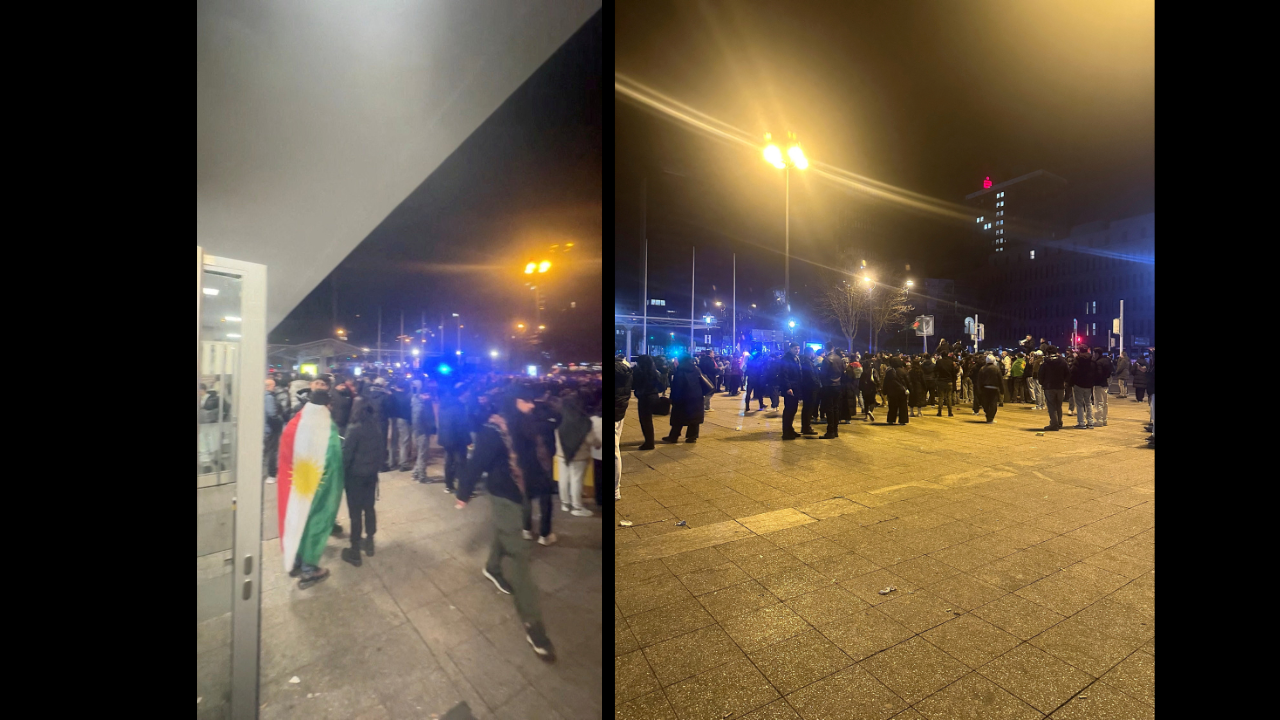
    European capitals witnessed a disturbing surge in coordinated attacks against Syrian refugees this week as tensions from Syria’s collapsing security situation spilled onto Western streets. From Berlin to Zurich, Manchester to Paris, supporters of Kurdish militant groups launched violent assaults targeting Arab-Syrian communities in retaliation for recent battlefield losses in their homeland.

    The unrest erupted following the strategic collapse of the Kurdish-led Syrian Democratic Forces (SDF), which lost critical territories including Raqqa and Deir el-Zour to Syrian government forces. This military setback triggered immediate demonstrations across European cities that rapidly devolved into widespread violence against Syrian civilians.

    Social media platforms became flooded with disturbing footage showing masked individuals vandalizing Syrian-owned businesses, physically assaulting perceived Arab targets, and shouting ethnic slurs. In Germany, protests organized by YPG and SDF supporters escalated into confrontations with police, with participants deploying firecrackers, pyrotechnics, and iron bars against law enforcement.

    French authorities documented similar scenes despite France’s historical support for Kurdish forces in Syria. Video evidence from multiple cities showed coordinated attacks on vehicles and property while perpetrators chanted racist epithets. The violence exposed deep fractures within Middle Eastern diaspora communities as decades-old ethnic tensions found new expression on European soil.

    Swiss police monitored large gatherings of PKK supporters in Zurich where participants effectively paralyzed sections of the city. British authorities responded to incidents in Manchester where assailants pursued Arab-appearing individuals while screaming ethnic slurs. Similar reports emerged from Austria and Sweden where Syrian refugees reported targeted harassment and property damage.

    The violence has sparked intense debate about European foreign policy in the Middle East, with critics questioning Western support for Kurdish groups that demonstrate authoritarian tendencies abroad. Security analysts note the irony of Kurdish diaspora groups—who fled authoritarianism—now employing similar tactics against other refugee communities in their host nations.

  • ‘They poisoned us’: grappling with deadly impact of nuclear testing

    ‘They poisoned us’: grappling with deadly impact of nuclear testing

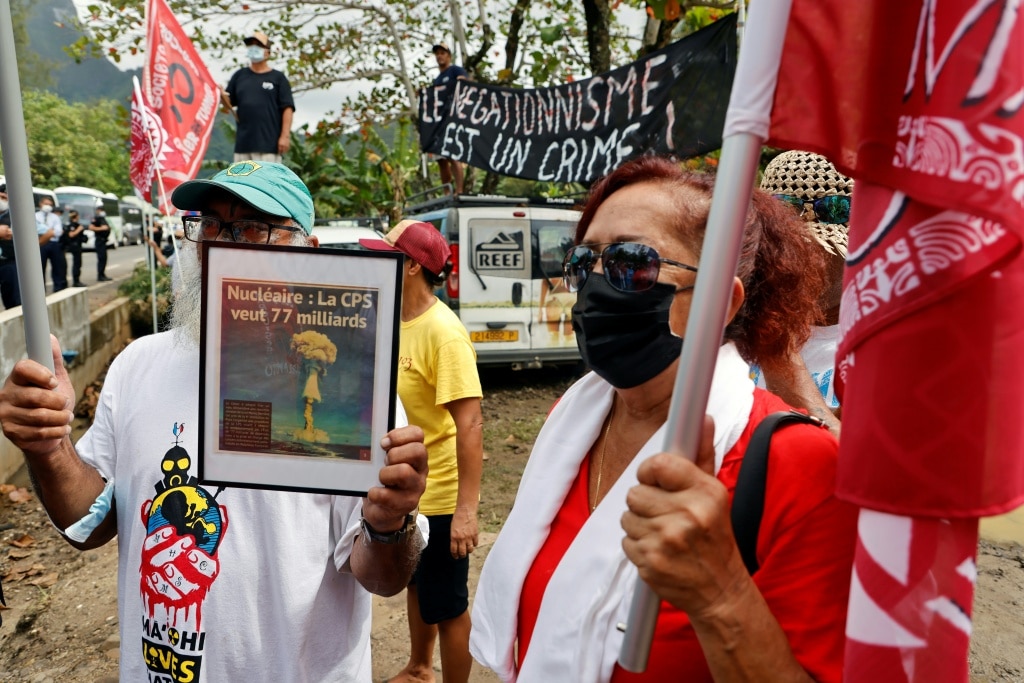
    A groundbreaking report from Norwegian People’s Aid (NPA) reveals nuclear weapons testing has inflicted catastrophic global health consequences, causing approximately four million premature deaths from cancer and related illnesses worldwide. The comprehensive 304-page study documents how over 2,400 nuclear detonations conducted between 1945 and 2017 continue to affect populations across continents.

    The research highlights how radiation exposure from atmospheric testing has left radioactive isotopes in the bones of every living person today. The report identifies particularly severe impacts on communities near test sites in 15 countries, many former colonies of nuclear-armed states, where residents experience elevated rates of cancer, congenital abnormalities, and intergenerational trauma.

    Hinamoeura Cross, a 37-year-old Tahitian parliamentarian who developed leukemia at age 24, represents the human toll of these tests. Her family history includes thyroid cancer in her grandmother, mother, and aunt—conditions she attributes to France’s 193 nuclear explosions in French Polynesia between 1966 and 1996. ‘These weren’t just tests. They were real bombs,’ Cross stated. ‘We were treated as guinea pigs.’

    The study condemns a persistent culture of secrecy among nuclear-armed nations, with critical health and environmental data remaining classified in locations like Kiribati and Algeria. Compensation programs, where they exist, primarily function to limit liability rather than provide meaningful support to victims.

    Medical experts contributing to the report emphasize that ionizing radiation from testing causes DNA damage, cardiovascular disease, and genetic effects even at low doses. Children and fetuses face the highest risks, with females 52% more vulnerable to radiation-induced cancer than males.

    The findings emerge amid concerning geopolitical developments, including former President Trump’s 2020 suggestion that the United States might resume nuclear testing. Researchers warn that renewed testing would compound existing health crises and undermine global non-proliferation efforts.

  • US allies won’t soon forget Greenland crisis triggered by Trump

    US allies won’t soon forget Greenland crisis triggered by Trump

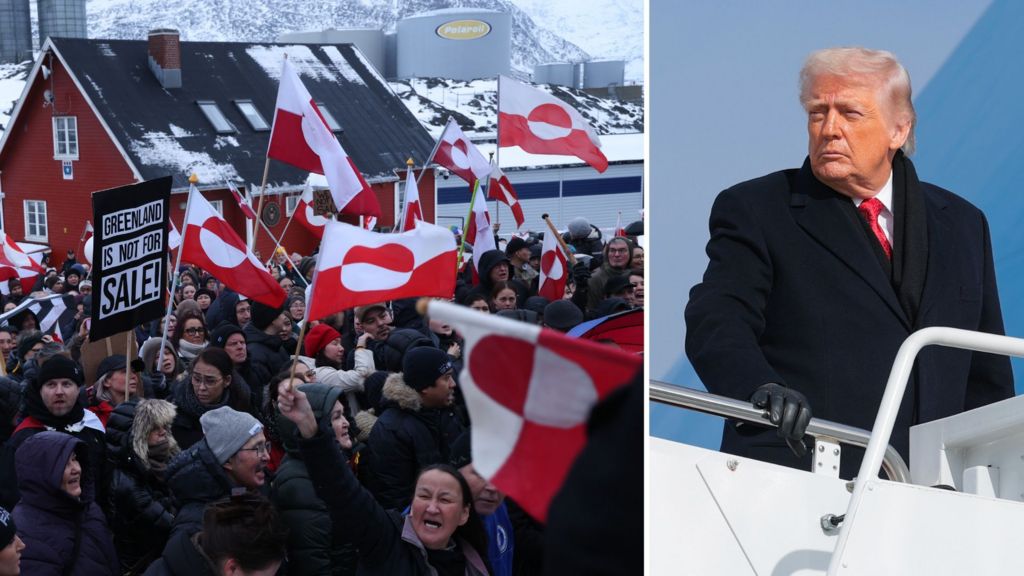
    A tense diplomatic standoff over Greenland’s sovereignty, ignited by Donald Trump’s acquisition threats and military rhetoric, appears to have been resolved through high-level NATO intervention. The crisis, which unfolded over two weeks and threatened transatlantic relations, culminated in a strategic agreement focused on Arctic security rather than territorial transfer.

    NATO Secretary General Mark Rutte played a pivotal role in de-escalating tensions following Trump’s provocative statements about purchasing Greenland and imposing tariffs on European allies. The breakthrough built upon preliminary discussions between Washington and a diplomatic delegation comprising Danish and Greenlandic foreign ministers, which established a working group to address the island’s future.

    While specific terms remain confidential, emerging details suggest the arrangement involves enhanced U.S. military presence on Greenland rather than sovereignty transfer. Anonymous officials cited by The New York Times indicate potential Danish cession of small territorial parcels for American military bases, mirroring the UK’s sovereign base model in Cyprus. President Trump additionally referenced secured access to Greenland’s substantial mineral resources, though neither Danish authorities nor NATO have confirmed these claims.

    NATO clarified that discussions center on collective Arctic security efforts among the seven Arctic allies—United States, Canada, Denmark, Norway, Sweden, Finland and Iceland—with explicit intent to counter Russian and Chinese military and economic expansion in the region.

    The resolution leaves behind diplomatic reverberations, with Canadian Prime Minister Mark Carney describing the episode as a ‘rupture’ in traditional alliances and EU Commission President Ursula von der Leyen referencing ‘seismic change’ in international relations. Observers note the crisis has accelerated calls for European strategic independence and exposed the fragility of existing alliance structures in the face of unilateral actions.

  • Stock market cuts through to Trump on Greenland in a way allies’ messages failed to resonate

    Stock market cuts through to Trump on Greenland in a way allies’ messages failed to resonate

    DAVOS, Switzerland — President Donald Trump abruptly reversed course on his threat to impose punitive tariffs against eight European allies following intense market reactions and diplomatic pressure over his controversial Greenland acquisition proposal. The dramatic shift occurred during the World Economic Forum where financial markets had registered their most significant declines since October.

    The initial proposal to acquire Greenland from Denmark had sparked serious concerns within NATO about potential damage to the transatlantic military alliance that has served as a cornerstone of post-World War II security architecture. During his keynote address in Davos, Trump first dismissed the possibility of military action to seize Greenland, stating unequivocally: “I won’t do that. OK?”

    Hours later, the president announced a complete retreat from the tariff threat after claiming to have reached a “framework” agreement with NATO Secretary-General Mark Rutte regarding Greenland’s strategic future. Trump promptly appeared on CNBC to declare the framework “going to be a very good deal for the United States” while downplaying the role of market volatility in his decision.

    Financial markets responded positively to the de-escalation, with the S&P 500 rallying 1.2% following Trump’s remarks, recovering approximately half of its previous day’s losses. The Dow Jones Industrial Average and Nasdaq Composite showed similar gains.

    European officials familiar with the negotiations indicated that potential compromise solutions included expanded U.S. military infrastructure in Greenland through cooperation with Denmark and NATO. Rutte later confirmed on Fox News that discussions focused on preventing Russian and Chinese military and economic access to the Arctic region.

    The episode revealed significant concerns within the administration about how Trump’s aggressive stance toward allies could undermine other foreign policy objectives, particularly the proposed ‘Board of Peace’ initiative expected to be highlighted during the forum. Several European nations had already declined invitations to participate in this initiative following the tariff threats.

    Foreign policy experts offered mixed assessments of the strategy, with some viewing it as successful brinksmanship while others criticized it as unnecessarily damaging to alliances. The incident prompted Canadian leadership to propose smaller nations uniting against aggressive superpower tactics, highlighting the broader diplomatic repercussions of the confrontation.

  • Filipino journalist Frenchie Mae Cumpio found guilty of financing terrorism

    Filipino journalist Frenchie Mae Cumpio found guilty of financing terrorism

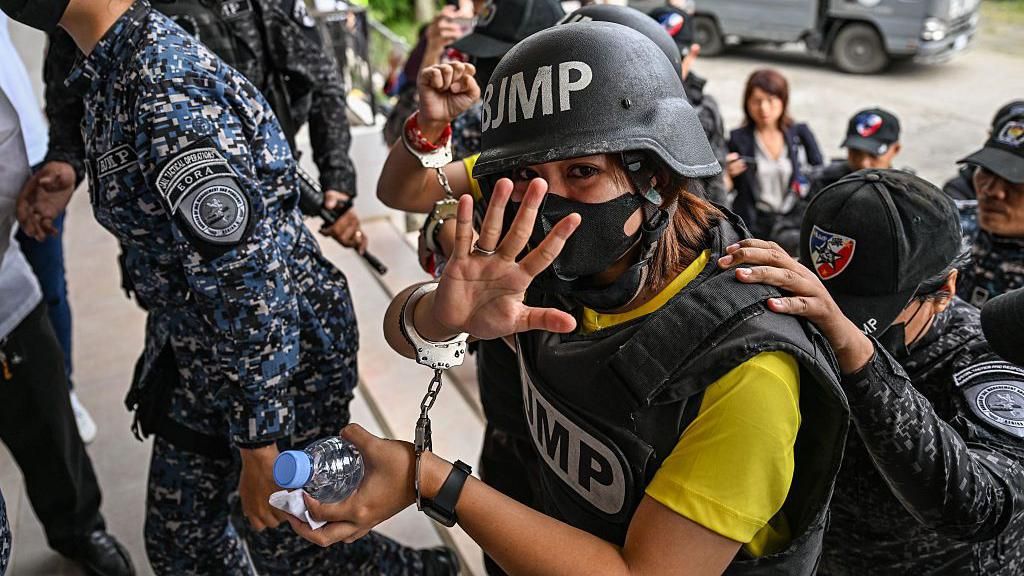
    In a landmark case raising alarm across global press freedom circles, Filipino journalist Frenchie Mae Cumpio has been convicted of financing terrorism and sentenced to a minimum of twelve years imprisonment. The verdict arrives after an extensive six-year pretrial detention period during which the 26-year-old reporter maintained her innocence against what advocacy groups characterize as politically motivated charges.

    The legal proceedings stem from a February 2020 nighttime raid conducted by joint police and military forces on Cumpio’s residence in Tacloban City. Authorities reported discovering a firearm, hand grenade, and communist propaganda materials during the operation, alongside approximately several thousand pounds in cash. While the court ultimately dismissed weapons possession charges due to insufficient evidence, it upheld the terrorism financing allegation based on the seized funds.

    Cumpio’s defense team contends the money constituted legitimate donations for Eastern Vista, the independent news platform where she served as director, and her community radio program on Aksyon Radyo-Tacloban DYVL. Prior to her arrest, Cumpio had established a reporting record focusing on military and police misconduct in Eastern Visayas, a region experiencing persistent poverty and social unrest.

    Press freedom organizations have unanimously condemned the judicial outcome. The National Union of Journalists of the Philippines labeled the conviction ‘a fabricated case designed to silence critical reporting,’ while international watchdog Reporters Without Borders highlighted the Philippines’ deteriorating environment for media professionals. Women’s media associations particularly emphasized the gendered dimension of the case, noting Cumpio’s prosecution represents ‘state-sponsored silencing of female journalists.’

    The verdict occurs against a backdrop of increasing legal harassment against journalists under the Philippines’ anti-terrorism legislation. Human rights monitors document numerous similar cases where terrorism charges have been allegedly weaponized against government critics. This judicial decision establishes a concerning precedent that may further constrain reporting on marginalized communities and official misconduct throughout the archipelago nation.

  • Rescue efforts underway after landslides hit New Zealand campground and house

    Rescue efforts underway after landslides hit New Zealand campground and house

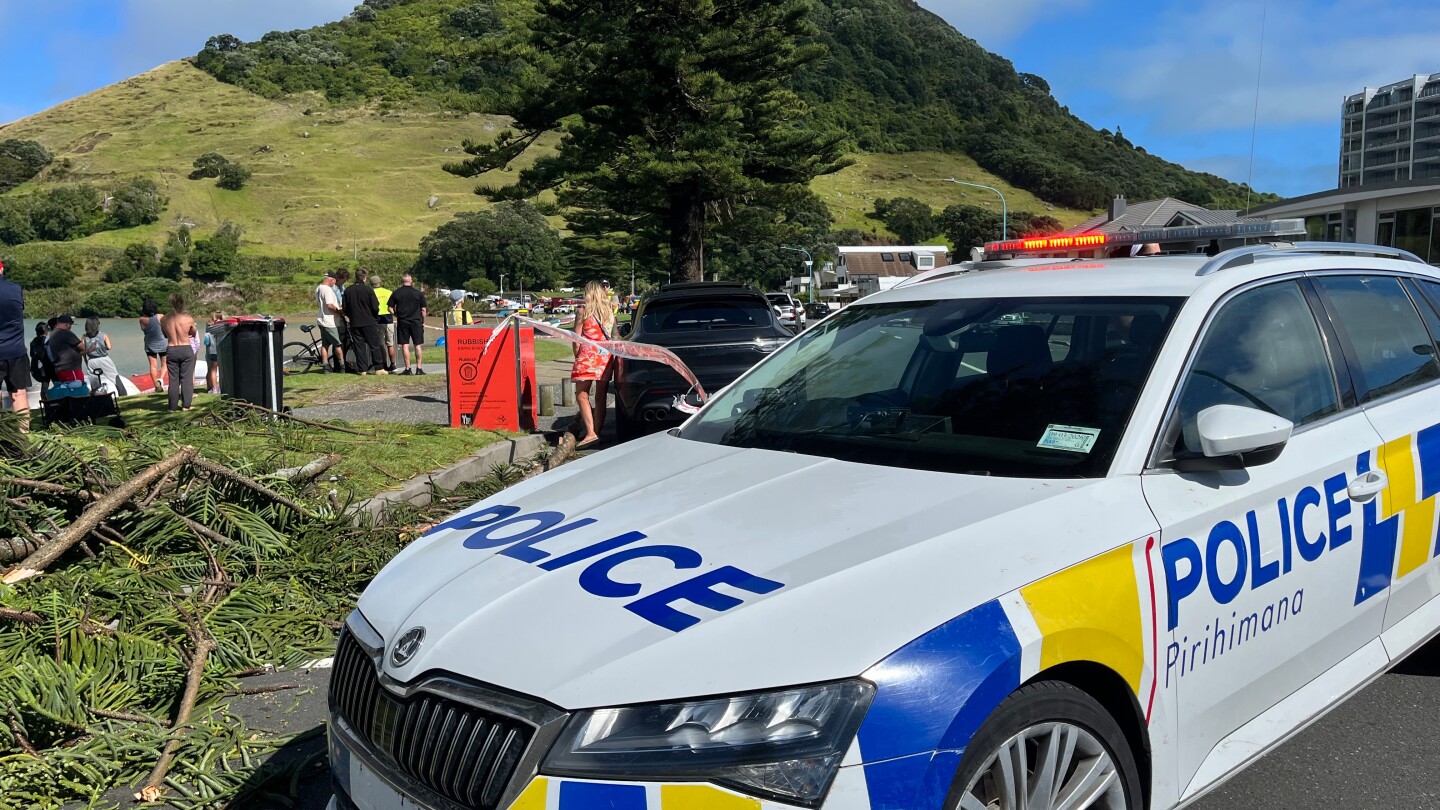
    NEW ZEALAND – Emergency response teams across New Zealand’s North Island are conducting critical rescue operations following multiple devastating landslides triggered by extreme weather conditions. The most severe incident occurred at approximately 9:30 a.m. Thursday at Beachside Holiday Park, situated at the base of Mount Maunganui’s extinct volcano, where a massive landslide buried portions of the campground under substantial rubble.

    Police Superintendent Tim Anderson confirmed that the number of individuals unaccounted for remains in “single figures” at the holiday park site. In a separate but related incident, another landslide struck a residential property in the nearby Bay of Plenty community overnight. While two occupants managed to escape safely, two others remain missing as rescue efforts continue.

    Further north near Warkworth, emergency services are searching for a man who was swept away by floodwaters Wednesday morning as torrential rains battered extensive regions of the North Island. The consecutive natural disasters have created a multi-front crisis for emergency response teams.

    Fire and Emergency NZ commander William Pike reported that initial responders and civilians heard voices from within the rubble shortly after the Mount Maunganui landslide, but subsequent movements forced the evacuation of rescue personnel from the unstable site. No signs of life have been detected since the initial response.

    New Zealand Prime Minister Christopher Luxon has issued urgent appeals for residents in affected areas to strictly follow safety directives from local authorities. “Extreme weather continues to create dangerous conditions across the North Island. Right now, the government is doing everything we can to support those impacted,” Luxon stated via social media.

    Emergency Management Minister Mark Mitchell confirmed that rescue operations continue at multiple locations, while Mayor Mahe Drysdale noted that some individuals initially reported missing had subsequently been accounted for after leaving the campground without official notification. The Beachside Holiday Park remains closed indefinitely following the catastrophic event.

  • Trump’s Board of Peace: Which countries accepted, rejected invites?

    Trump’s Board of Peace: Which countries accepted, rejected invites?

    The international community is exhibiting starkly divergent responses to the Trump administration’s controversial proposal for a ‘Board of Peace,’ with numerous nations either embracing or rejecting the initiative based on its unprecedented financial requirements and potential implications for global governance.

    Initially conceived as part of a 20-point Gaza peace plan in September, the initiative has evolved into a comprehensive global conflict resolution mechanism according to charter documents distributed to over 60 nations in January 2026. The proposed organization aims to ‘promote stability, restore dependable and lawful governance, and secure enduring peace in areas affected or threatened by conflict’ while operating ‘in accordance with international law.’

    The most contentious aspect emerges from the membership structure: participating nations would receive three-year provisional terms unless they contribute $1 billion toward funding the board’s operations, thereby securing permanent membership status. This financial prerequisite has generated significant diplomatic apprehension regarding the initiative’s potential to undermine existing international institutions.

    Multiple Middle Eastern powers have demonstrated enthusiastic support. The UAE, Bahrain, and Morocco have formally accepted membership, citing commitment to implementing Trump’s Gaza peace framework. They join Israel, Hungary, Belarus, Canada, Kosovo, and several Central Asian nations in supporting the initiative. Notably, seven Muslim-majority nations—Saudi Arabia, Qatar, Egypt, Jordan, Turkey, Indonesia, and Pakistan—issued a joint statement with the UAE confirming their participation.

    Conversely, major European powers have expressed firm opposition. France declared it ‘does not intend to answer favourably’ to the invitation, citing concerns about the charter’s broad mandate potentially compromising United Nations principles. Germany, Norway, and Slovenia similarly rejected participation, with Slovenian Prime Minister Robert Golob warning the initiative could ‘dangerously undermine the international order based on the United Nations Charter.’

    Several significant global powers remain undecided. China confirmed receipt of the invitation but withheld commitment regarding participation. India acknowledged reviewing the proposal, while Ukraine’s President Zelensky expressed reservations about collaborating with Russia within the same organizational framework. The developing situation continues to evolve as nations weigh the strategic implications of this unconventional peacebuilding approach against traditional multilateral mechanisms.