作者: admin

  • Albanese government buzzing after Canadian PM’s Trump take-down

    Albanese government buzzing after Canadian PM’s Trump take-down

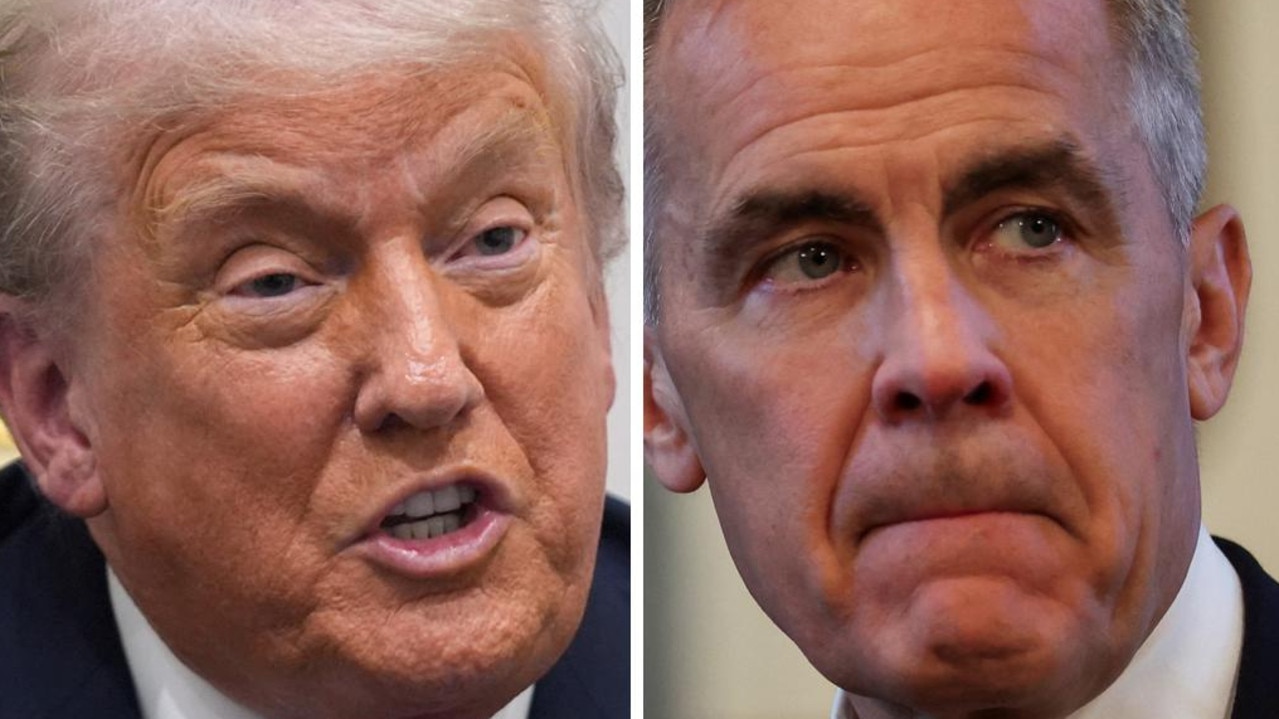
    The Albanese government is actively engaging with Canadian Prime Minister Mark Carney’s forceful critique of former U.S. President Donald Trump’s approach to international relations, according to Australian Treasurer Jim Chalmers. The speech, delivered at the Davos Economic Forum, characterized the current global situation as a “rupture, not a transition” of the rules-based order.

    Carney’s address warned that middle powers like Australia and Canada face significant disadvantages when negotiating bilaterally with hegemonic nations, stating they “negotiate from weakness” and are forced to “accept what is offered.” His comments gained particular relevance amid ongoing political fallout from Trump’s controversial threats to seize Greenland, a move analysts suggest could destabilize NATO and strain U.S.-European alliances.

    Treasurer Chalmers described Carney’s speech as “very thoughtful, and obviously very impactful,” confirming it has prompted multiple discussions within the Australian government. Chalmers acknowledged that the “old certainties” Australia previously relied upon are deteriorating, citing economic crises, trade tensions, NATO discussions, and Russia’s invasion of Ukraine as contributing factors to this geopolitical fragmentation.

    The Treasurer emphasized Australia’s need to navigate this changing landscape by maintaining commitment to international institutions while maximizing opportunities presented by the current volatility. He noted that middle powers like Australia and Canada possess “extraordinary advantages” despite the challenges of global instability.

    Adding to the conversation, former Prime Minister Malcolm Turnbull urged current leader Anthony Albanese to adopt Carney’s approach directly, characterizing Trump as valuing different principles than his presidential predecessors. Turnbull specifically encouraged Albanese to deliver a similar message of sovereignty and middle-power cooperation, stating: “We will not be bullied, we will maintain our sovereignty. As a middle power, we will work with other middle powers to stand up to the bully.”
  • Texas jury clears police officer for Uvalde school shooting response

    Texas jury clears police officer for Uvalde school shooting response

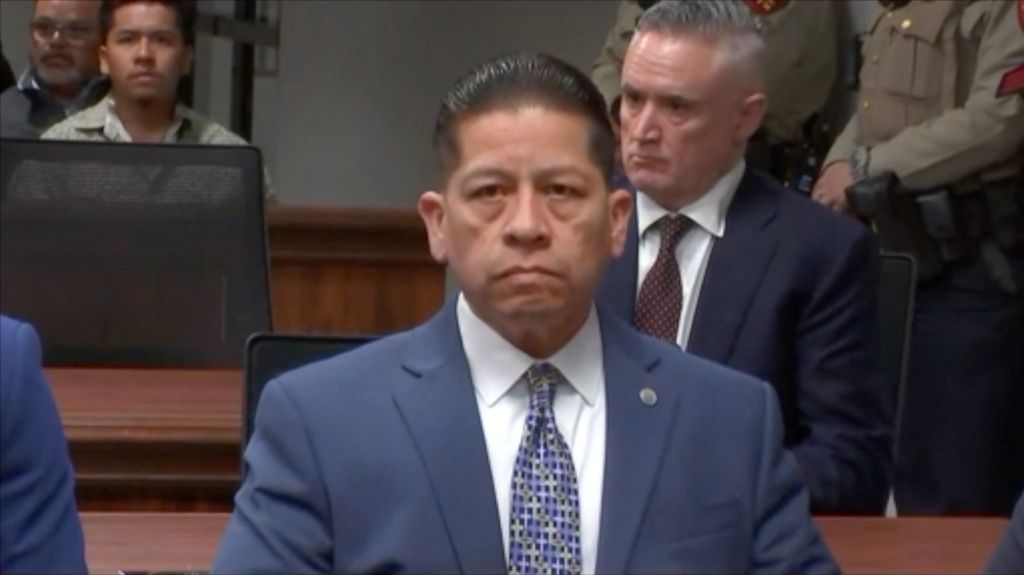
    In a landmark legal proceeding stemming from the tragic 2022 Robb Elementary School shooting, a Texas jury has delivered a not guilty verdict for police officer Adrian Gonzales on all 29 counts of child endangerment. The decision came after approximately seven hours of deliberation on Wednesday, concluding a three-week trial that scrutinized law enforcement’s heavily criticized response to one of America’s deadliest school shootings.

    The prosecution contended that Officer Gonzales, identified as among the first responders to the May 2022 incident where an 18-year-old gunman killed 19 students and two teachers, failed to immediately confront the attacker. Special prosecutor Bill Turner emphasized during closing arguments that decisive action during the initial moments could have altered the outcome, stating: “You can’t stand by and allow it to happen.”

    Defense attorney Jason Goss countered that his client was being unfairly scapegoated for systemic failures, arguing prosecutors sought to make Gonzales “pay for the pain of that day.” This case represented an exceptionally rare instance of criminal charges being brought against a law enforcement officer for allegedly failing to protect children from harm.

    The verdict arrives amid ongoing scrutiny of the delayed police response, which a comprehensive 2024 U.S. Justice Department report described as exhibiting a “lack of urgency.” The federal investigation identified “cascading failures of leadership, decision-making, tactics, policy and training” among the nearly 400 officers who responded to the scene, with authorities taking 77 minutes to ultimately neutralize the shooter.

    In 2024, victims’ families reached a $2 million settlement with the city of Uvalde regarding the emergency response, though this criminal trial represented a separate pursuit of accountability through the judicial system.

  • Slashed incomes and gamers go cold turkey: the fallout from Uganda’s internet shutdown

    Slashed incomes and gamers go cold turkey: the fallout from Uganda’s internet shutdown

    Uganda’s recent general election triggered a nationwide internet shutdown with profound consequences for citizens, businesses, and democratic processes. The government-ordered blackout, officially implemented to ‘ensure peace and protect national stability’ during the electoral period, effectively paralyzed the digital economy and restricted information flow throughout the country.

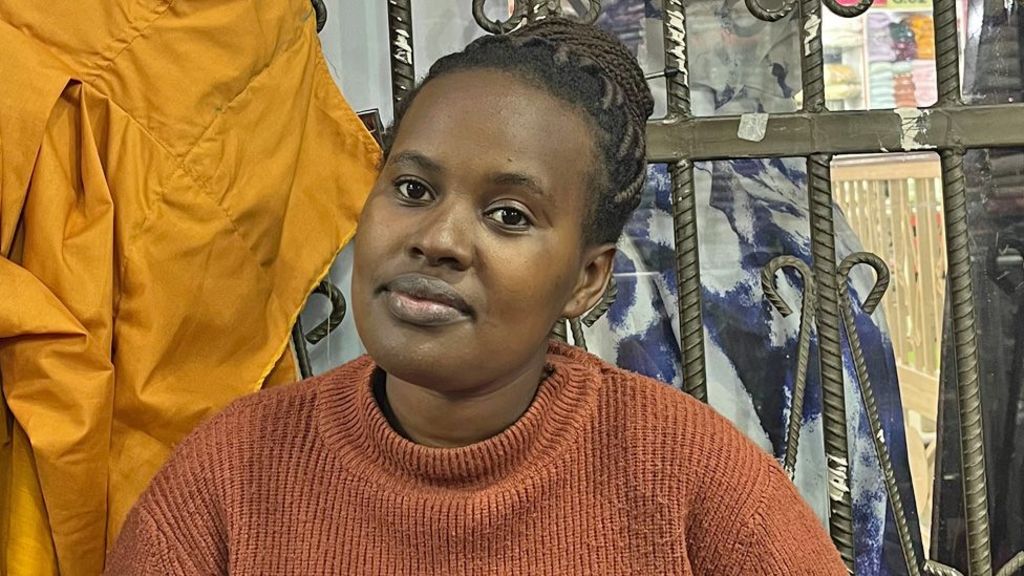
    Mobile money agent Mirembe Tracy experienced immediate financial devastation when withdrawal systems disconnected. Her weekly earnings of approximately 450,000 Ugandan shillings (£130) vanished entirely, leaving her unable to pay rent. ‘That money is what I use to pay rent. Losing it was a total loss,’ she told the BBC. Like thousands of others dependent on digital transactions, she found herself with no income source beyond minimal prepaid airtime sales that provide no commission.

    The disruption extended throughout Kampala’s economy. SafeBoda, the popular ride-hailing platform for motorcycle taxis, saw its entire server infrastructure rendered inoperative. Co-founders reported that both riders and dependent businesses were forced offline indefinitely. Meanwhile, entrepreneur Namukwaya Olivia, who relies on Instagram, TikTok and WhatsApp to market traditional cultural clothing, described complete operational paralysis: ‘We could not send pictures, we could not receive orders, and we could not make deliveries.’

    Journalists faced particularly severe challenges in fulfilling their professional duties. Ngabo Amon described smartphones becoming ‘largely useless’ as research, communication, and content transmission capabilities disappeared. The blackout created an information vacuum that prevented accurate election coverage and real-time reporting of developing situations. Some journalists resorted to physically transporting footage by bus from rural areas to Kampala—a process that rendered news obsolete by arrival time.

    The African Union election observation mission noted that the shutdown ‘limited access to information, freedom of association and curtailed economic activities,’ while simultaneously ‘creating suspicion and mistrust’ in the electoral process. President Yoweri Museveni’s landslide victory extended his 40-year rule amid opposition allegations of ‘fake results’ and ‘ballot stuffing.’

    Beyond economic and professional impacts, the blackout created personal hardships. Kenyan journalist Caroline Mutai described the psychological toll: ‘The shutdown almost gave me depression.’ Students like Aaron Benitez lost educational connectivity as online learning platforms and communication channels failed. ‘We usually study online, sometimes on Zoom, but during that time everything just stopped,’ he reported.

    Even after partial restoration following President Museveni’s victory declaration, many social media platforms remain restricted or slow, driving widespread adoption of VPN services. The episode served as a stark demonstration of how deeply digital accessibility underpins modern life, economic stability, and democratic transparency in contemporary Uganda.

  • France doesn’t intend to boycott World Cup over Greenland issue

    France doesn’t intend to boycott World Cup over Greenland issue

    The French government has definitively dismissed suggestions of boycotting the 2026 FIFA World Cup despite escalating diplomatic tensions with the United States over Greenland. Sports Minister Marina Ferrari explicitly stated that her ministry possesses “no desire” to withdraw from the prestigious tournament following President Donald Trump’s threats to impose tariffs on France and seven other European nations.

    The geopolitical conflict emerged from European leaders’ refusal to endorse Trump’s controversial proposal for the United States to assume control of Greenland, which the American president contends is vital for national security and NATO defense interests. Despite these mounting tensions, Minister Ferrari emphasized the importance of maintaining sports’ separation from political disputes during her Tuesday press briefing, as reported by French publication Le Monde.

    The World Cup, predominantly hosted across American cities, represents an exceptionally significant event for global sports enthusiasts according to Ferrari’s statements. Her remarks preceded Trump’s anticipated address at the World Economic Forum in Davos, Switzerland, where he was expected to intensify rhetoric regarding American intentions toward Greenland—a self-governing Danish territory.

    Meanwhile, the German government has delegated World Cup participation decisions to its national soccer administration, while FIFA President Gianni Infantino maintains cordial relations with Trump. The American president recently received FIFA’s inaugural Peace Prize during the World Cup draw ceremony in Washington D.C. on December 5th, which he described as “one of the great honors of my life.”

    In related developments, the French Football Federation confirmed the national team’s training base at Babson College in Wellesley, Massachusetts—a Boston suburb. France, competing in Group I, will conclude their round-robin stage against Norway on June 26th at Foxborough’s Gillette Stadium.

  • In the ashes of Lirquén: How a small town is rising from Chile’s devastating wildfires

    In the ashes of Lirquén: How a small town is rising from Chile’s devastating wildfires

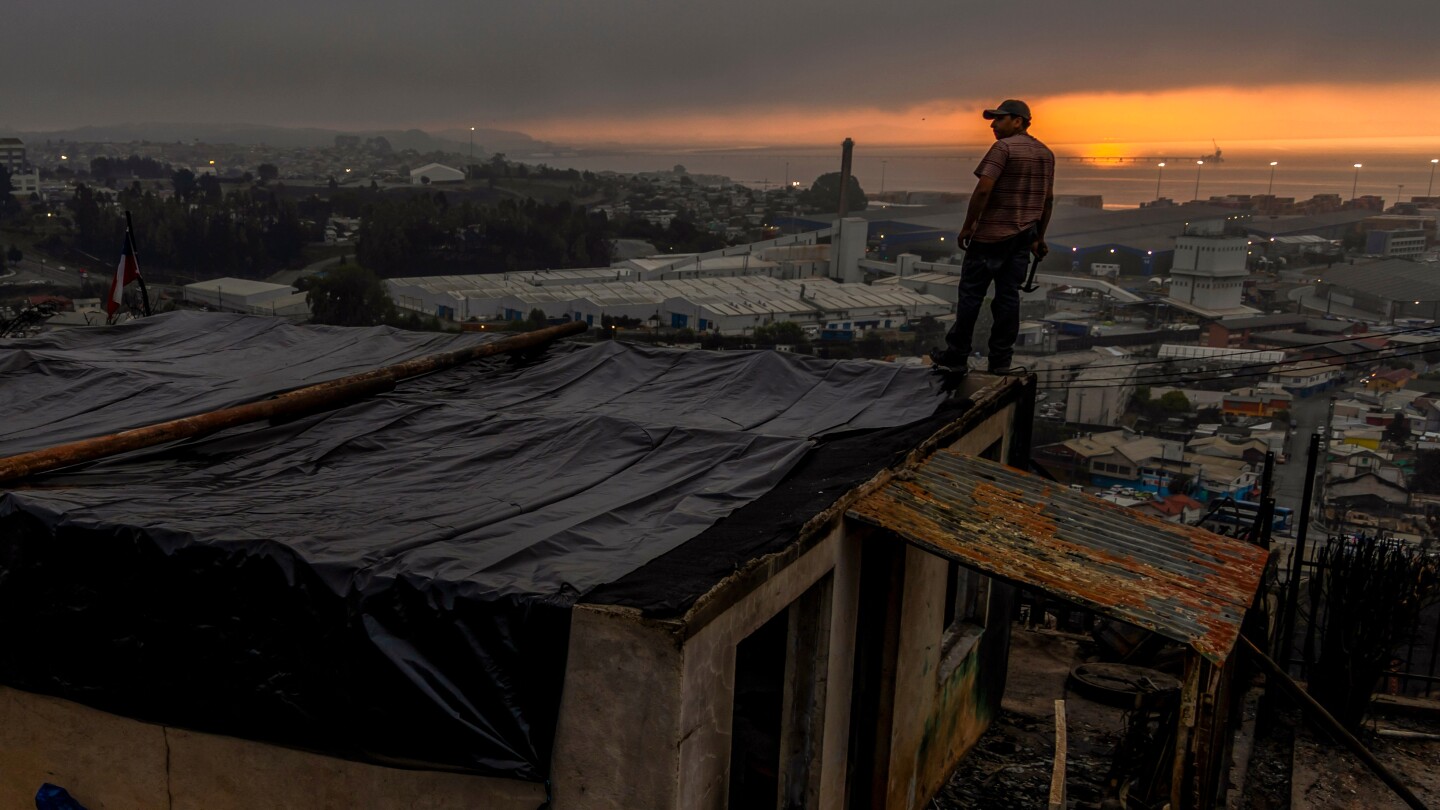
    Central and southern Chile continue to grapple with one of the most devastating wildfire outbreaks in recent history, with infernos consuming approximately 450 square kilometers of terrain and claiming at least 20 lives. The coastal fishing village of Lirquén has emerged as the epicenter of destruction, where 80% of the territory has been engulfed and 17 of the total fatalities occurred.

    Despite containment efforts, approximately twenty major fires remain active across the region, fueled by a dangerous convergence of strong winds, prolonged drought, and extreme temperatures. The catastrophe has left approximately 300 injured, tens of thousands evacuated, and over 750 homes completely destroyed.

    Survivors like Pamela Crisostomo, who escaped with only the clothes on her back, describe the experience as ‘hell,’ witnessing lifetimes of work obliterated within seconds. The reconstruction phase has now begun, driven primarily by community solidarity and international aid organizations rather than government response.

    Humanitarian organizations including World Central Kitchen and ADRA are delivering over 6,000 daily meals to affected communities. Hundreds of volunteers from Santiago and beyond have mobilized to establish temporary clinics, distribute food, and clear debris under sweltering conditions. Mobile veterinary units are providing care for injured animals, while police continue search operations for potential victims beneath the rubble.

    Local residents have expressed frustration with the slow official response, noting minimal municipal support despite the scale of destruction. As weather conditions continue to challenge firefighting efforts, with new evacuations ordered in towns like Florida, the nation faces a long recovery process from what officials are calling one of Chile’s worst natural disasters.

  • Trump to unveil ‘Board of Peace’ at Davos after Greenland backtrack

    Trump to unveil ‘Board of Peace’ at Davos after Greenland backtrack

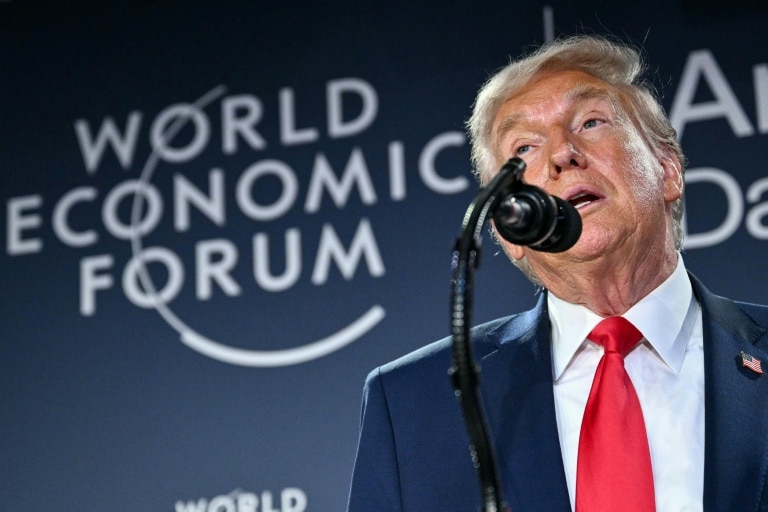
    DAVOS, SWITZERLAND – President Donald Trump is poised to introduce his controversial ‘Board of Peace’ initiative during Thursday’s sessions at the World Economic Forum, following his unexpected reversal on proposed tariffs against Europe and military action regarding Greenland.

    The newly established conflict resolution body, which requires a $1 billion commitment for permanent membership, will host a charter signing ceremony with approximately 35 world leaders having committed participation according to senior administration officials. The board has attracted leaders including Russia’s Vladimir Putin, Israel’s Benjamin Netanyahu, and Saudi Arabia’s leadership, though key European allies remain notably skeptical.

    Trump enthusiastically promoted the initiative during meetings with Egyptian President Abdel Fattah al-Sisi on Wednesday, declaring it ‘the greatest board ever formed.’ The announcement comes against the backdrop of the President’s expressed frustration at not receiving Nobel Peace Prize recognition despite his claims of resolving multiple international conflicts.

    Originally conceptualized for Gaza reconstruction following the Hamas-Israel conflict, the board’s charter deliberately avoids geographical limitations, raising concerns among diplomats that it might evolve into a parallel organization to the United Nations. This development occurs alongside continuing Ukraine peace negotiations, with Trump scheduled to meet President Volodymyr Zelensky following the board’s inauguration.

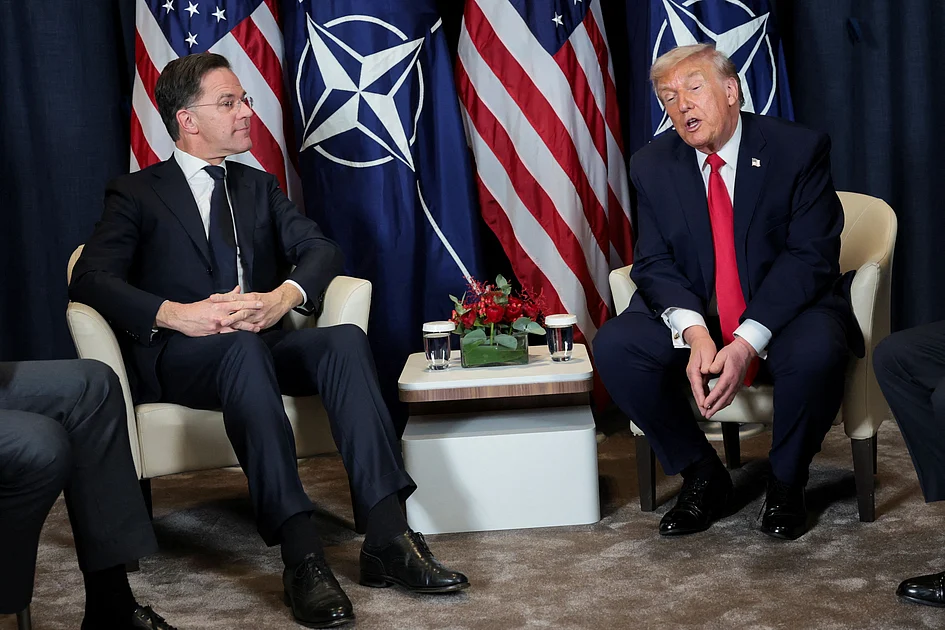
    The President reiterated his controversial assessment that both Russian and Ukrainian leadership would be ‘stupid’ not to reach a peace agreement, while simultaneously announcing a breakthrough in NATO discussions regarding Greenland’s strategic importance. Trump revealed he had established a ‘framework of a future deal’ with NATO Secretary General Mark Rutte, resulting in the cancellation of tariffs previously scheduled for February 1st against European allies.

    Special envoys including Jared Kushner and businessman Steve Witkoff are scheduled to travel directly from Davos to Moscow for Thursday discussions with President Putin, underscoring the administration’s multifaceted diplomatic approach.

  • 19th-century slave empire plan resonates with Trump foreign policy

    19th-century slave empire plan resonates with Trump foreign policy

    As President Donald Trump completes his second year in office, his unconventional foreign policy approach has drawn striking parallels to a largely forgotten 19th century expansionist movement. The administration’s assertive stance toward neighboring nations—including controversial claims on Greenland, interventions in Venezuela, and coercive rhetoric toward Mexico and Cuba—resonates with the ambitions of the Knights of the Golden Circle, a secret society that flourished during the 1850s.

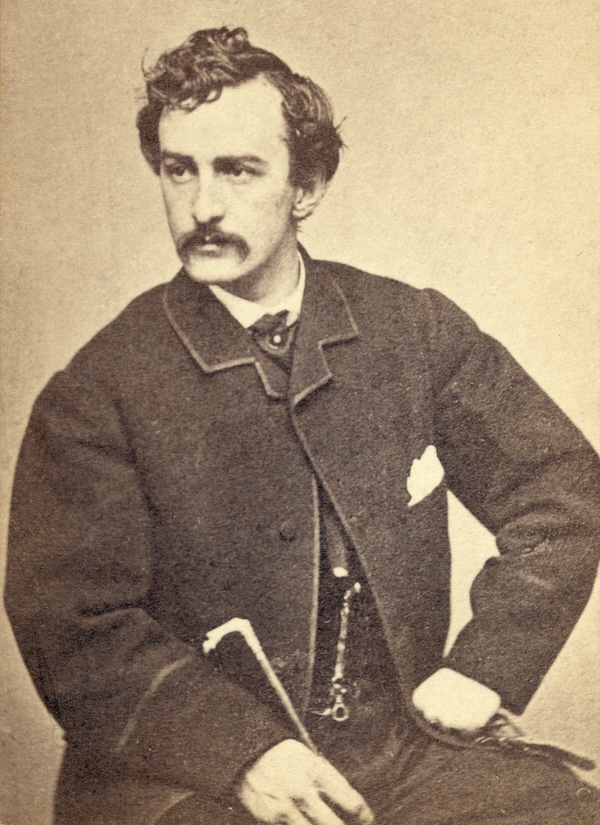
    Founded in 1854 by Virginia physician George W.L. Bickley, the Knights envisioned creating a slaveholding empire encompassing the southern United States, Mexico, Central America, the Caribbean, and northern South America. This ‘Golden Circle’ would center its operations in Havana and control global production of lucrative cash crops through enslaved labor. Historical records suggest the organization attracted prominent figures including Confederate general Nathan Bedford Forrest and Abraham Lincoln’s assassin, John Wilkes Booth.

    The Knights initially sought to annex territories to strengthen slavery’s political power before pivoting to support Southern secession as tensions escalated. Their ideology combined territorial expansion with white supremacist beliefs, viewing hemispheric dominance as America’s ‘manifest destiny.’

    Contemporary analysts note that Trump’s ‘America First’ approach—particularly his personalized ‘Donroe Doctrine’—similarly treats neighboring nations as strategic assets rather than sovereign equals. His administration’s pressure campaigns against Cuba, Venezuela, and Mexico reflect a modern iteration of hemispheric control ambitions, albeit through economic coercion and political influence rather than direct territorial conquest.

    What distinguishes Trump’s approach is its transactional rhetoric and dismissal of multilateral norms. Unlike Cold War-era interventions framed in ideological terms, current policy emphasizes tangible gains and unilateral action. This modern manifestation of expansionist thinking demonstrates how historical patterns of American imperialism have adapted to contemporary political contexts while maintaining core assumptions about geographic entitlement and hemispheric dominance.

  • Trump removes tariffs threat, agrees to ‘framework’ for Greenland deal

    Trump removes tariffs threat, agrees to ‘framework’ for Greenland deal

    In a significant diplomatic development, former U.S. President Donald Trump has retracted his threat to impose tariffs on several nations regarding their positions on Greenland. The announcement came following high-level discussions with NATO Secretary General Mark Rutte during the World Economic Forum in Davos.

    Trump revealed through his Truth Social platform that the two parties have established a preliminary framework agreement concerning Greenland’s future trajectory. While specific details of the arrangement remain undisclosed, the understanding proved sufficient for Trump to cancel previously scheduled tariffs that were set to take effect on February 1st.

    The threatened tariffs had created tension among NATO allies, with several member nations facing potential economic repercussions for their stance on Greenland’s development and international status. The breakthrough suggests a compromise has been reached that addresses Trump’s concerns about the strategic Arctic territory while maintaining alliance cohesion.

    This development represents a notable shift in Trump’s approach to international diplomacy, moving from economic coercion to negotiated settlement through established multilateral channels. The framework agreement marks a temporary resolution to what had become a contentious issue in transatlantic relations, though the specific terms and implementation details await further clarification.

  • Australian Open 2026: American Ben Shelton made light work of local Dane Sweeny

    Australian Open 2026: American Ben Shelton made light work of local Dane Sweeny

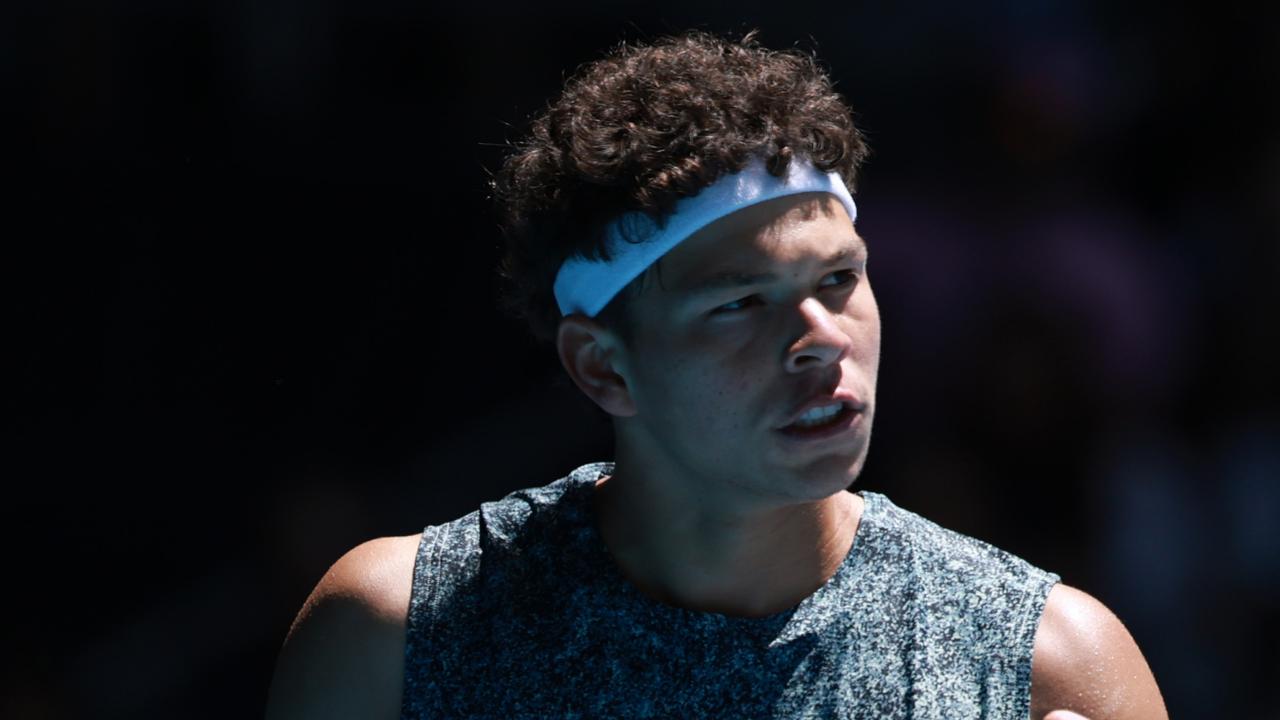
    American tennis sensation Ben Shelton delivered a commanding performance on Thursday, extinguishing Australian hopes at Melbourne Park with a decisive straight-sets victory over local qualifier Dane Sweeny. The eighth-ranked Shelton demonstrated why he’s considered a serious title contender with a masterclass in serving precision, overwhelming his opponent 6-3, 6-2, 6-2 in just over an hour of play.

    The left-handed powerhouse unleashed 19 aces throughout the match, maintaining relentless pressure that prevented Sweeny from earning even a single break point opportunity. While the Australian crowd briefly rallied behind Sweeny when he captured the opening game of the third set, this momentary success only seemed to intensify Shelton’s focus as he promptly reclaimed control of the contest.

    This defeat marked a disappointing day for Australian tennis, coming shortly after compatriot Rinky Hijikata also exited the tournament. Hijikata managed to claim a set against 31st-seeded Valentin Vacherot of Monaco but ultimately fell 6-1, 6-3, 4-6, 6-2. Both Australian players found themselves outserved by higher-ranked opponents, highlighting the gap between emerging local talent and established international competitors.

    Shelton now advances to the third round where he’ll face Vacherot, setting up an intriguing matchup between two rising stars in men’s tennis. The American’s dominant performance signals his strong form early in the tournament and establishes him as a player capable of challenging the established hierarchy in men’s tennis.

  • Keys into Melbourne third round with Sinner, Djokovic primed

    Keys into Melbourne third round with Sinner, Djokovic primed

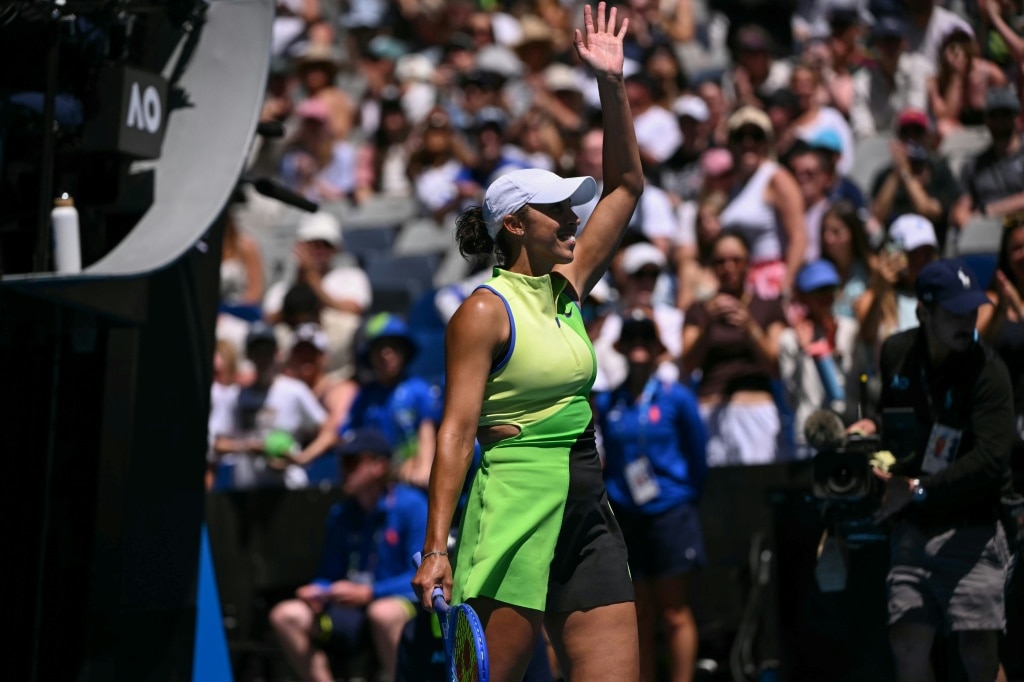
    Defending Australian Open champions Jannik Sinner and Novak Djokovic are poised for their second-round matches following a day of dramatic contests at Melbourne Park. American Madison Keys, the reigning women’s finalist, navigated a turbulent performance to secure her place in the third round with a 6-1, 7-5 victory over compatriot Ashlyn Krueger.

    Keys demonstrated dominant form in the opening set, concluding it within 23 minutes on John Cain Arena. However, the match dynamics shifted dramatically in the second set as Krueger mounted a formidable challenge, pushing Keys to rally from a 2-5 deficit. The 29-year-old acknowledged her opponent’s resilience, stating, ‘I fully expected her to raise her level and she did. It got away from me a bit.’

    In other women’s draw action, sixth seed Jessica Pegula delivered a commanding performance with a 6-0, 6-2 win against McCartney Kessler. Meanwhile, tournament witnessed a significant upset as Spain’s 25th seed Paula Badosa fell to Russia’s 101st-ranked Oksana Selekhmeteva in straight sets.

    The men’s competition features defending champion Jannik Sinner preparing to face Australian James Duckworth after his first-round match concluded prematurely when French opponent Hugo Gaston retired with Sinner leading 6-2, 6-1. Novak Djokovic, pursuing an unprecedented 25th Grand Slam title, commenced his campaign with a dominant 6-3, 6-2, 6-2 victory over Spain’s Pedro Martinez – marking his 100th Australian Open win.

    The Serbian legend, currently tied with Margaret Court for most major titles, expressed satisfaction with his performance: ‘I couldn’t ask for more. Obviously a great serving performance.’ Djokovic now prepares to face Italy’s Francesco Maestrelli as he continues his historic quest.

    Other notable contenders advancing include Czech Republic’s Jakub Mensik and Russia’s Karen Khachanov, while the tournament continues with highly anticipated matches featuring Iga Swiatek, Amanda Anisimova, and Elena Rybakina.