
Oil prices experienced a second consecutive day of decline on Thursday, September 18, as market participants grappled with the implications of the Federal Reserve’s recent interest rate cut and broader concerns about the U.S. economy. Brent crude futures fell by 30 cents, or 0.4%, to $67.65 a barrel, while U.S. West Texas Intermediate (WTI) futures dropped by 30 cents, or 0.5%, to $63.75. The Federal Reserve’s decision to reduce its policy rate by a quarter of a percentage point on Wednesday, coupled with indications of further rate cuts throughout the year, aimed to address emerging weaknesses in the U.S. job market. While lower borrowing costs typically stimulate oil demand and elevate prices, the market remained clouded by persistent oversupply and subdued fuel demand in the United States, the world’s largest oil consumer. Kuwait’s oil minister, Tariq Al-Roumi, expressed optimism about a potential surge in oil demand, particularly from Asian markets, following the rate cut. However, some analysts remained skeptical, citing the Fed’s move as a response to a slowing economy rather than a catalyst for immediate price recovery. Federal Reserve Chair Jerome Powell highlighted the growing risks to employment compared to inflation, emphasizing the need for careful assessment and management of inflation risks. Additionally, U.S. crude oil stockpiles saw a sharp decline last week, driven by a record low in net imports and a significant increase in exports. However, a larger-than-expected rise in distillate stockpiles raised concerns about demand in the U.S., further pressuring oil prices. The market’s uncertainty underscores the complex interplay between monetary policy, economic indicators, and global oil supply dynamics.
作者: admin
-
India’s upGrad eyes Asia expansion as US campuses lose appeal
Indian edtech giant upGrad is strategically broadening its university collaborations across the Middle East and the Asia-Pacific region, responding to a significant decline in Indian students opting for U.S. and UK institutions. This shift is driven by escalating visa restrictions, rising costs, and geopolitical tensions, according to Praneet Singh, Associate Vice President of upGrad’s Study Abroad division. Founded by film producer Ronnie Screwvala and supported by Singapore’s Temasek, upGrad currently partners with approximately 80 universities in 10 countries, offering online MBAs and executive education programs. The company generates revenue by enrolling students in online courses and facilitating their transition to overseas campuses to complete degrees. Singh highlighted that prestigious U.S. and UK universities have established campuses in Dubai, Malaysia, and Singapore, prompting upGrad to follow suit. The company is actively exploring partnerships with institutions like Johns Hopkins, Carnegie Mellon, Birmingham, and Middlesex, which have campuses in Dubai or Doha, as well as universities in Vietnam, Bangladesh, Nepal, and Sri Lanka. This strategic pivot comes as Indian student applications to U.S. universities have dropped significantly, with only 47% of students choosing the U.S. in fiscal 2025, down from 60% the previous year. Factors such as stricter visa policies, weaker job prospects, and the allure of more affordable educational destinations in the Middle East and Asia-Pacific are reshaping the global education landscape. upGrad’s expansion reflects a broader trend of Indian students seeking alternatives to traditional Western education hubs.
-
Stocks and dollar drift higher after Fed cut, focus turns to BoE
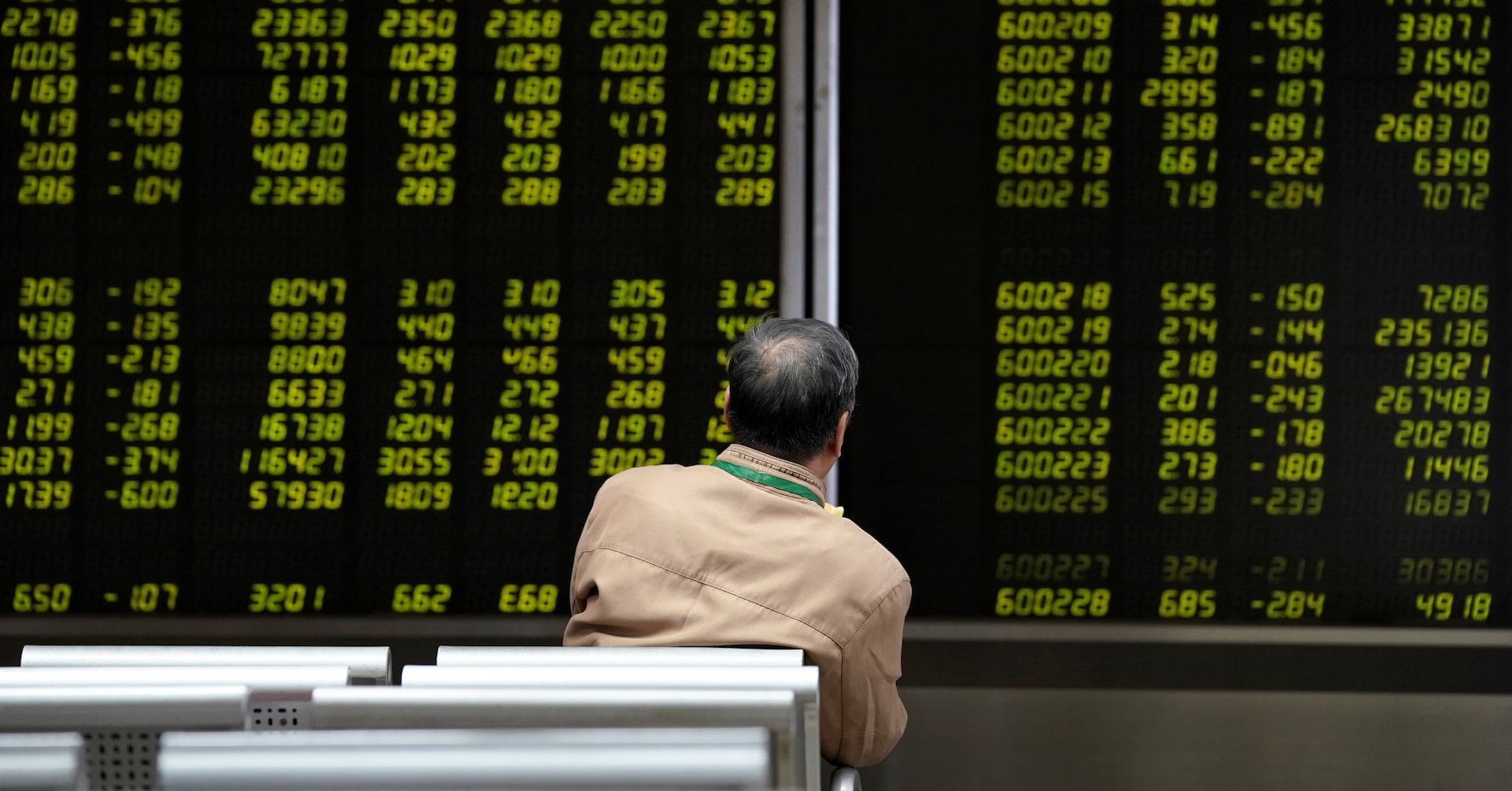
Global financial markets experienced a mixed yet cautiously optimistic response on Thursday following the U.S. Federal Reserve’s first interest rate cut of the year. The pan-European STOXX 600 index and Wall Street futures both rose by 0.5%, reflecting a steady sentiment despite initial volatility. Meanwhile, Asian markets, particularly in China, South Korea, Taiwan, and Japan, rallied overnight, with Chinese stocks reaching a 10-year high amid reports of U.S. chipmaker Nvidia being banned in China. The dollar edged 0.2% higher after hitting a 3.5-year low earlier in the week, providing some relief to non-U.S. exporters. Fed Chair Jerome Powell tempered expectations by emphasizing a measured approach to future rate cuts, with the ‘dot plot’ signaling two more reductions in 2025 and one in 2026. In Europe, the euro remained stable at $1.1825, while the pound held steady at $1.36 ahead of the Bank of England’s rate decision. Analysts anticipate the BoE may slow its bond reduction pace due to recent market volatility. French bond yields surpassed Italy’s, highlighting ongoing political uncertainties. Commodity markets saw Brent crude dip 0.2% to $67.87 per barrel, while gold rose 0.2% to $3,665 per ounce. The Norwegian crown softened slightly after a 25 basis point rate cut, and the Australian dollar slipped 0.4% following weaker-than-expected labor market data. Bond markets rallied, with U.S. 10-year Treasury yields dropping to 4.06%.
-

Weekly quiz: Why were these nuns on the run?
This week, London became the epicenter of heightened tensions as a rally in the city sparked widespread attention. Meanwhile, the boxing community came together to honor the legendary Ricky Hatton, celebrating his remarkable contributions to the sport. On the entertainment front, the cult favorite series *The Summer I Turned Pretty* reached its dramatic conclusion, leaving fans eagerly anticipating future developments. Amidst these events, it’s worth reflecting on the broader global happenings over the past seven days. For those keen on testing their knowledge, Ben Fell has curated a quiz to challenge your memory of recent events. Whether you’re revisiting last week’s quiz or exploring the archives, there’s no shortage of engaging content to delve into. In Europe, Austria has been making headlines, particularly in discussions surrounding religion and its societal impact.
-

US immigration judge orders Khalil deportation, his lawyers say separate ruling protects him for now
In a controversial decision, a U.S. immigration judge has ordered the deportation of Mahmoud Khalil, a pro-Palestinian activist and Columbia University student, to either Algeria or Syria. The ruling, issued on September 17, 2025, stems from allegations that Khalil omitted critical information from his green card application. Immigration Judge Jamee Comans asserted that Khalil ‘willfully misrepresented material facts’ to bypass immigration protocols and increase his chances of approval. However, Khalil’s legal team has vowed to appeal the decision, citing ongoing federal court orders that prevent his immediate deportation or detention. Khalil, a 30-year-old permanent U.S. resident of Palestinian descent, was previously detained for over 100 days earlier this year under the Trump administration’s crackdown on pro-Palestinian activism. During his detention, Khalil missed the birth of his child, as his wife, a U.S. citizen, was pregnant at the time. He was eventually released on June 20 after U.S. District Judge Michael Farbiarz ruled that punishing Khalil for a civil immigration matter was unconstitutional. The Trump administration has labeled pro-Palestinian activists like Khalil as antisemitic and supporters of extremism, a characterization vehemently denied by protesters, including some Jewish groups. They argue that criticizing Israel’s actions in Gaza and advocating for Palestinian rights is unfairly equated with extremism. Khalil has accused the administration of retaliating against him for exercising his right to free speech, stating, ‘They resorted to fabricating baseless allegations to silence me.’ The case has sparked widespread concern among human rights advocates, who warn that such actions threaten free speech and due process. Columbia University, where Khalil is a student, was a focal point of last year’s protests calling for an end to Israel’s war and divestment from companies supporting Israel. The ongoing legal battle highlights the tension between immigration enforcement and constitutional rights in the U.S.
-
Egypt’s billboard boom strains eyes but raises profits
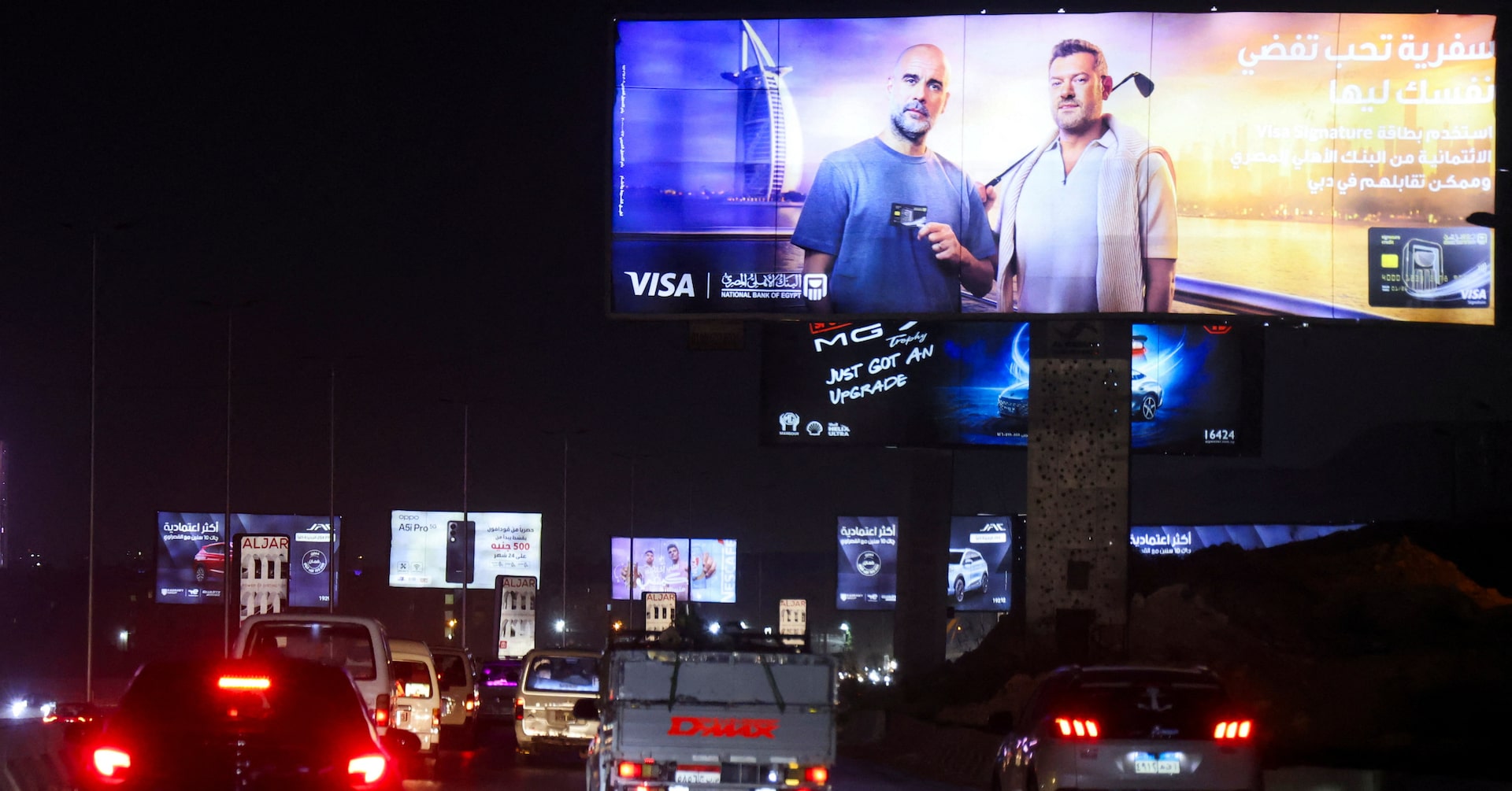
Cairo’s bustling streets, already notorious for their chaotic traffic, are now facing a new challenge: an overwhelming surge in flashy billboards. These large, brightly lit advertisements, which have more than doubled in number over the past six years, are raising concerns about driver concentration and the quality of life for residents. According to AdMazad, an advertising analytics firm, the number of billboards has skyrocketed from 2,500 in 2019 to approximately 6,300 today, with digital ads increasing more than tenfold to over 300 in the same period. This translates to more than 30 billboards per square kilometer in inhabited areas. The proliferation of these ads is largely attributed to the expansion of Egypt’s transport network under President Abdel Fattah al-Sisi, who has invested billions in new roads and bridges. While the advertising industry has become a significant source of government revenue, generating 6.3 billion Egyptian pounds ($130 million) in 2024, the psychological and visual impact on drivers and residents cannot be ignored. Psychotherapist Khaled Salaheldin warns that constant exposure to idealized lifestyles can lead to feelings of inadequacy, especially in a country grappling with inflation and subsidy cuts. In response, Egyptian Prime Minister Mostafa Madbouly has called for stricter regulations to ensure that advertisements preserve urban aesthetics and societal norms.
-
What is Antifa and why is President Trump targeting it?
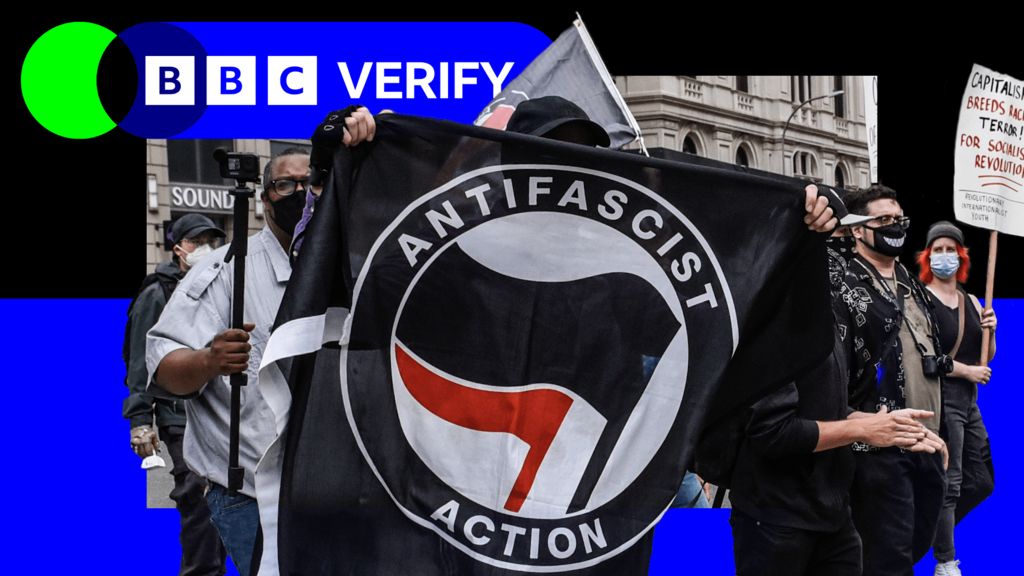
Former US President Donald Trump has announced his intention to designate Antifa as a ‘major terrorist organization,’ targeting what he describes as the ‘radical left.’ This declaration follows the killing of conservative activist Charlie Kirk, which has intensified political divisions in the country. In a post on his Truth Social platform, Trump labeled Antifa as a ‘sick, dangerous, radical left disaster’ and pledged a thorough investigation into the group. Antifa, a decentralized, leftist movement opposing far-right, racist, and fascist groups, has long been a focal point of Trump’s criticism. However, experts question the feasibility of this designation, given Antifa’s lack of formal structure, leadership, or membership. In 2020, then-FBI Director Christopher Wray noted that Antifa is better understood as an ideology rather than an organization. Despite this, Antifa remains a contentious topic among right-wing influencers and politicians, who argue it is part of a broader left-wing network undermining US values. The movement, whose name derives from the German ‘antifaschistisch,’ gained prominence after Trump’s 2016 election and the 2017 Charlottesville rally. Activists associated with Antifa have frequently clashed with right-wing groups, both online and in physical confrontations. Critics highlight the movement’s willingness to use violence, which activists claim is in self-defense. Trump’s proposal to designate Antifa as a terrorist organization faces legal hurdles, as the US government can only designate foreign groups as Foreign Terror Organizations (FTOs). Legal experts emphasize that the First Amendment protects the right of association, complicating any efforts to label domestic groups as terrorist organizations. This is not the first time Trump has targeted Antifa; he made a similar pledge in 2020 but did not follow through. His latest move comes amid heightened political tensions, with the Department of Justice recently removing a study on political violence that highlighted far-right extremism as a significant threat. Experts warn that politicizing violence risks escalating tensions rather than reducing them.
-
Japan should diversify oil sources but Canadian supply seen tough, industry association head says
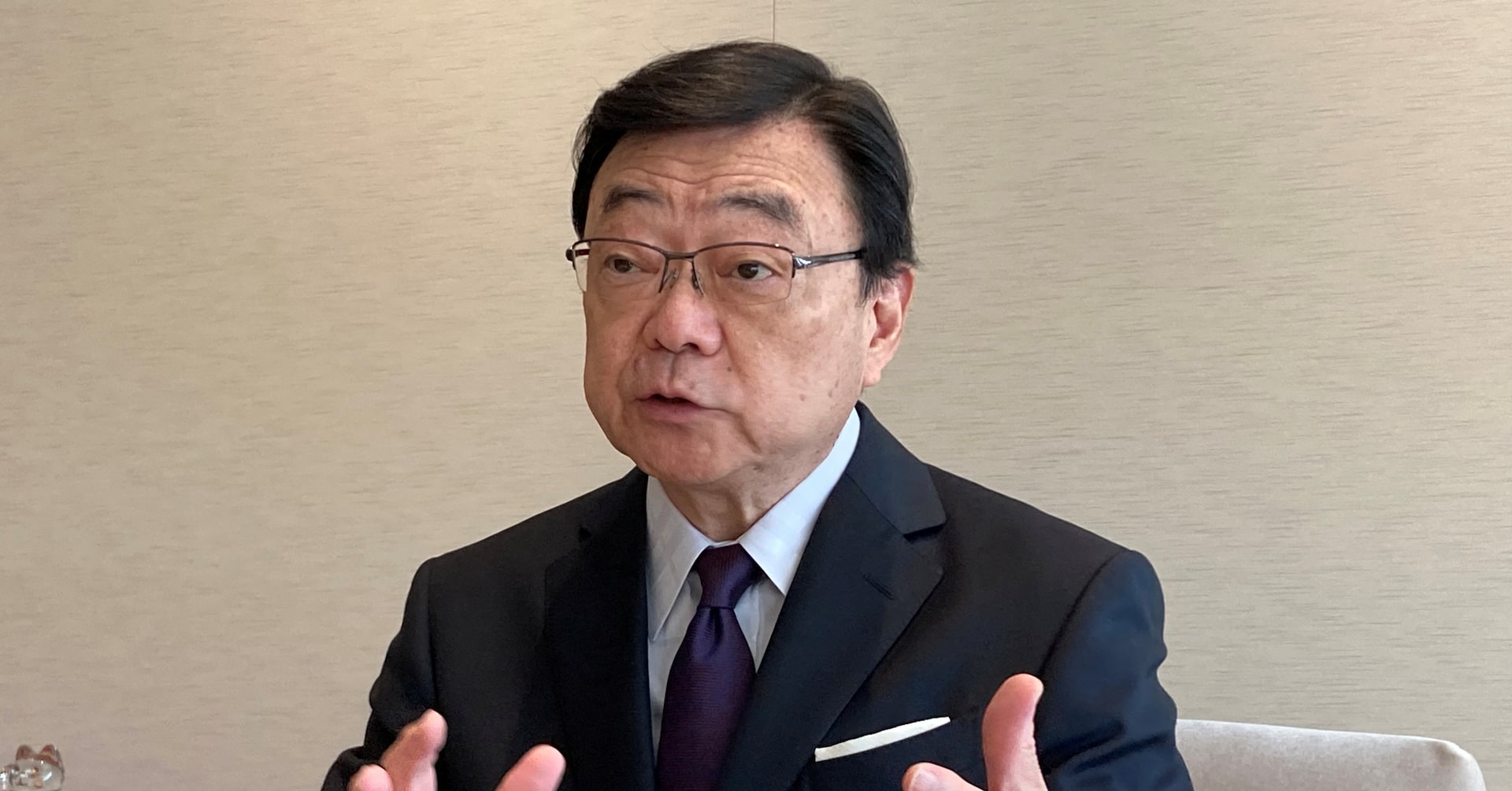
In a recent development, Japanese oil refiners are being urged to diversify their crude oil supply sources, as 95% of Japan’s imports currently originate from the Middle East. Shunichi Kito, president of the Petroleum Association of Japan (PAJ) and head of Idemitsu Kosan, Japan’s second-largest refinery, highlighted the challenges of importing heavy Canadian crude during a press conference in Tokyo. Kito emphasized the difficulty of investing in new refining facilities due to a steady 2% annual decline in domestic oil demand, leaving the decision to individual companies. Meanwhile, Alberta, Canada’s primary oil-producing province, is exploring financial investments in Japan’s refining sector. Sources indicate that Alberta is in preliminary discussions with several Japanese refiners to potentially fund the construction of coker units, which would enable the processing of heavy crude from Alberta’s oil sands. This move aims to reduce Alberta’s heavy reliance on the United States for oil exports. While Kito acknowledged the need for diversification, he noted that no specific requests have been made to Japanese refiners yet. The initiative reflects broader global efforts to balance energy security and sustainability amidst shifting market dynamics.
-
EU needs deals with India, others to reduce US dependency, von der Leyen says
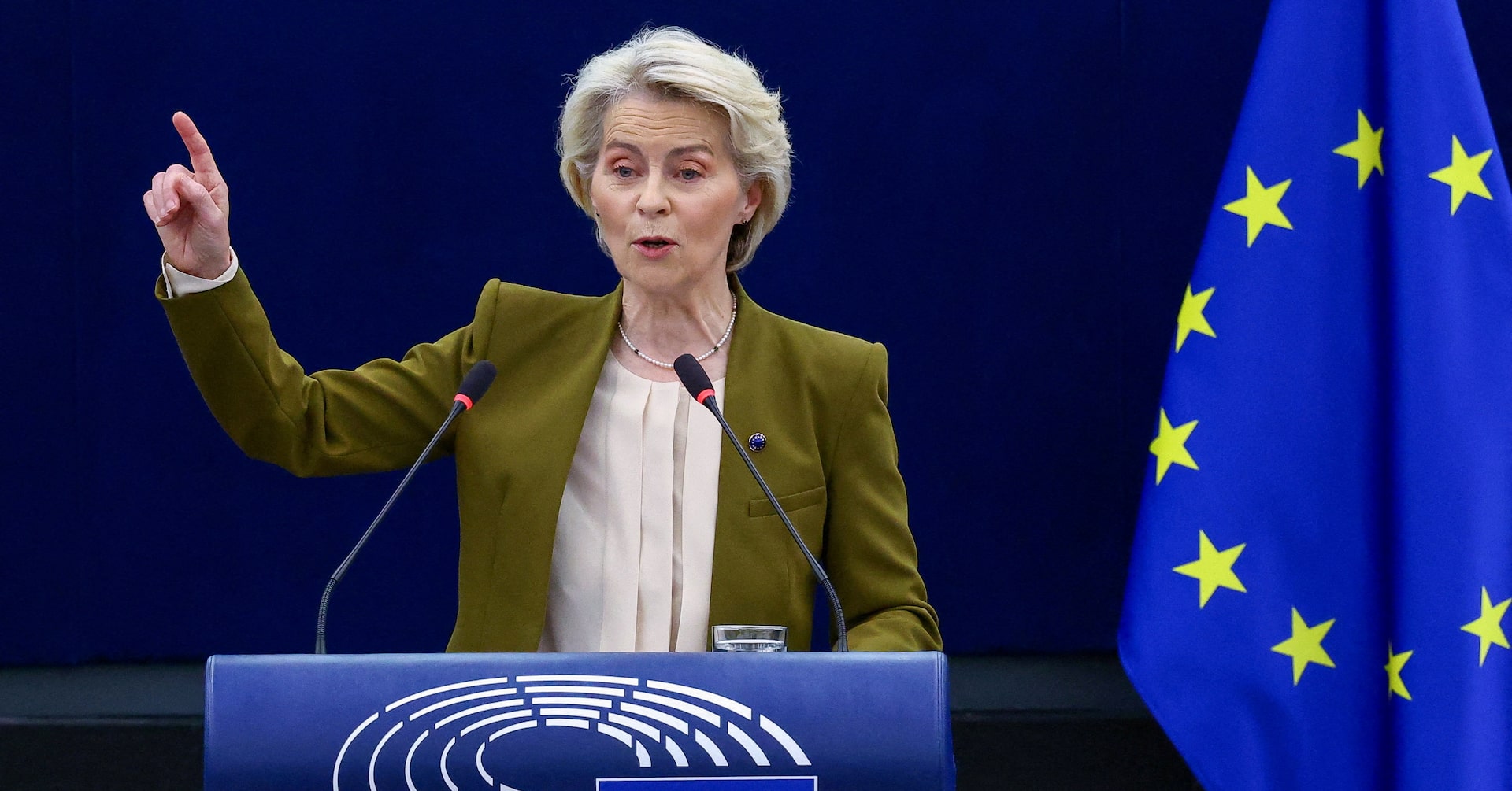
European Commission President Ursula von der Leyen emphasized the European Union’s urgent need to diversify its trade partnerships to reduce economic dependencies, particularly in light of rising U.S. import tariffs. Speaking at a conference with German business leaders on September 18, 2025, von der Leyen highlighted India as a key partner, expressing optimism about finalizing a trade deal with the country by the end of the year. She revealed that Indian Prime Minister Narendra Modi had reaffirmed his commitment to this objective during a recent phone conversation. Beyond India, the EU is also engaging in negotiations with South Africa, Malaysia, the United Arab Emirates, and other nations to broaden its trade network. This strategic shift aims to bolster the bloc’s economic resilience and mitigate risks associated with over-reliance on specific markets. Von der Leyen’s remarks underscore the EU’s proactive approach to navigating global trade challenges and fostering stronger international ties.
-

German journalists’ union criticises decision to take Jimmy Kimmel off air
In a bold statement on Thursday, Germany’s leading journalists’ union, DJV, called on major U.S. media outlets to stand by their journalists following ABC’s controversial decision to pull ‘Jimmy Kimmel Live’ from its lineup. The move came after host Jimmy Kimmel made remarks about the assassination of conservative activist Charlie Kirk, sparking widespread debate over freedom of expression and press integrity. DJV head Mika Beuster criticized ABC’s actions, labeling them as a symptom of the ‘rampant erosion of freedom of the press and expression in the U.S.’ Beuster further accused broadcasters of ‘servility’ towards U.S. President Trump, warning that such compliance would only invite greater pressure on journalists. The suspension of Kimmel’s show follows a threat from the head of the U.S. communications regulator against Disney, ABC’s parent company. This incident is part of a broader trend of punitive actions against media figures, academics, and corporate employees who have commented on Kirk’s assassination. Republican leaders and conservative commentators have urged Americans to mourn Kirk respectfully, with some individuals facing job losses or suspensions for discussing the killing online. The situation has reignited concerns about the state of free speech in the U.S. and the role of media in safeguarding democratic values.