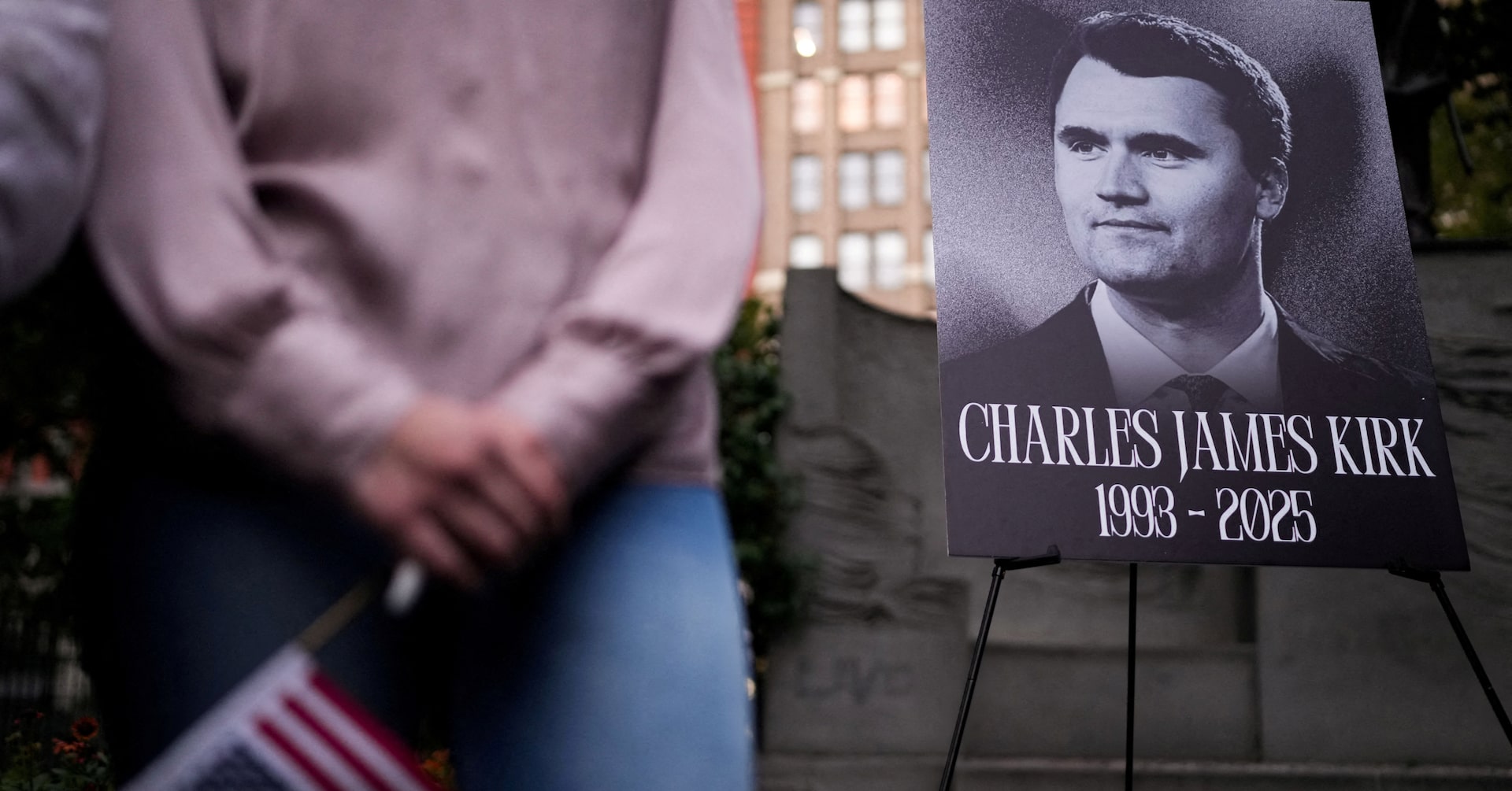
In the wake of the tragic assassination of prominent conservative activist Charlie Kirk, the Pentagon is reportedly exploring a new military recruitment campaign aimed at inspiring young Americans to enlist in his memory. According to NBC News, the initiative would frame military service as a patriotic tribute to Kirk, potentially using the slogan, ‘Charlie has awakened a generation of warriors.’ The campaign would leverage chapters of Kirk’s influential conservative student organization, Turning Point USA, and universities nationwide as recruitment hubs. Anthony Tata, the Undersecretary of Defense for Personnel and Readiness, is spearheading the effort. However, the proposal has sparked internal debate within the Pentagon, with some leaders cautioning that it could be seen as exploiting Kirk’s death. Kirk, a key ally of former President Donald Trump, was celebrated for his advocacy of right-wing policies on issues such as race, gender, and immigration. Trump has posthumously announced plans to award Kirk the Presidential Medal of Freedom, the nation’s highest civilian honor. The Pentagon has yet to officially comment on the potential campaign.
作者: admin
-
Texas governor signs bill cracking down on mail-order abortion pills
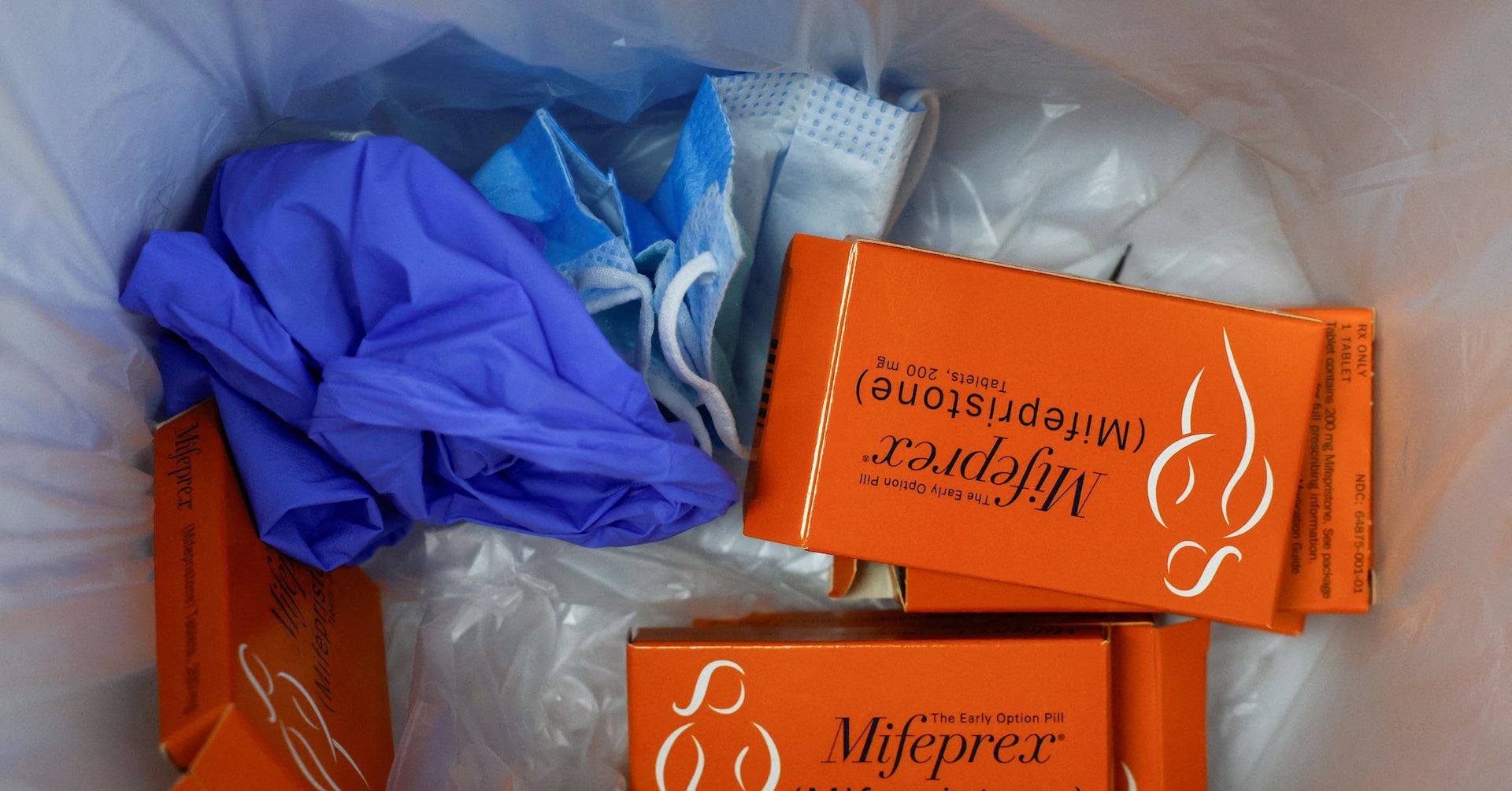
Texas Governor Greg Abbott has signed a contentious bill into law, intensifying the state’s crackdown on mail-order abortion medications. The legislation, which was passed by the Republican-led legislature earlier this month, empowers private citizens to sue individuals and companies involved in shipping abortion pills into Texas. Critics argue that the measure fosters a climate of ‘bounty hunters’ and imposes Texas’s restrictive abortion laws on other states. The bill, signed quietly on Wednesday night, aims to further restrict access to abortion in a state where nearly all abortions are already banned. It is set to take effect in approximately three months. The law allows citizens to file lawsuits against medical providers, pharmaceutical companies, delivery services, and individuals aiding in the procurement of abortion pills, such as mifepristone and misoprostol. Successful plaintiffs can win $100,000 in damages per violation, though women who take the pills are exempt from liability. Exceptions also exist for medically necessary procedures like miscarriages and ectopic pregnancies. The bill’s enforcement mechanism mirrors the ‘qui tam’ provisions of the False Claims Act, which incentivizes whistleblowers to expose fraud. This approach has been increasingly adopted by social conservatives to enforce anti-abortion laws. The measure has sparked significant debate, with critics warning it will pit Texans against each other. State Senator Carol Alvarado, a Democrat from Houston, criticized the bill, stating, ‘The bill only works if we turn Texans against each other.’ Abortion rights advocates highlight that medication-induced abortions now account for 63% of all U.S. abortions, a significant increase since the Supreme Court overturned Roe v. Wade in 2022. With many abortion clinics closed, telehealth and mail-order services have become vital for women seeking abortions in states with restrictive laws. The Texas law raises questions about its potential to undermine ‘shield laws’ in Democratic-led states that protect abortion providers from out-of-state legal actions. The bill’s proponents, including Texas Right to Life president John Seago, argue it is necessary to hold accountable those who circumvent Texas’s abortion ban. However, the measure has drawn widespread criticism for its potential to create a surveillance state and further restrict reproductive rights.
-
Northeast US states form health alliance in response to federal vaccine limits
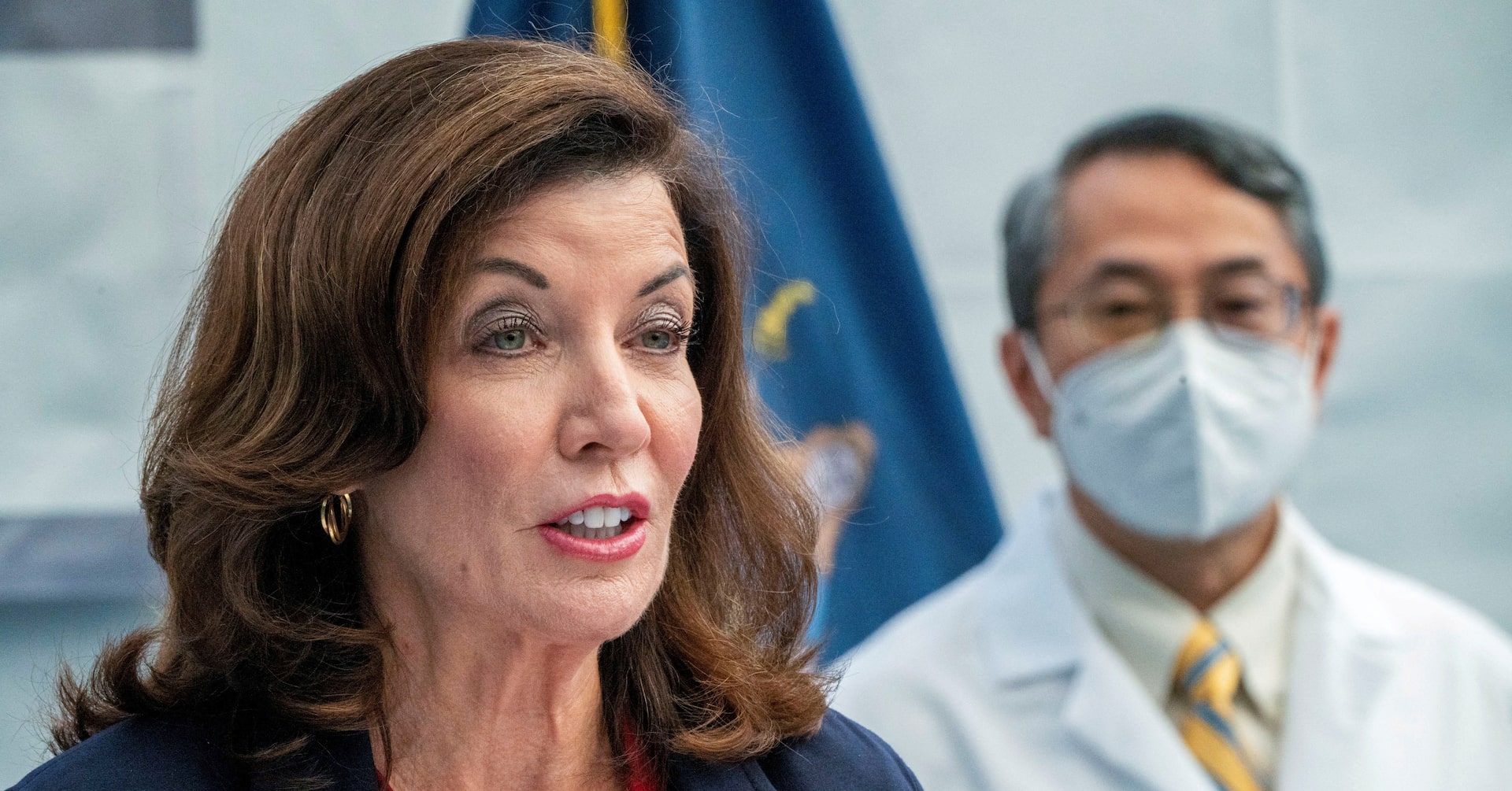
In a significant move to address federal vaccine policy changes, seven northeastern U.S. states, including New York, Pennsylvania, and New Jersey, have united to establish the Northeast Public Health Collaborative. This coalition aims to issue independent vaccine recommendations, particularly in response to the Trump administration’s controversial alterations to federal health guidelines. The initiative mirrors the West Coast Health Alliance, a similar coalition of California and three other western states, which recently released its own vaccine recommendations surpassing federal guidelines. The Northeast group also includes Connecticut, Massachusetts, Maine, Rhode Island, and New York City, all Democratic-led states. The coalitions’ formation underscores a broader effort to counteract federal restrictions on vaccine accessibility, including for COVID-19, under the leadership of U.S. Health and Human Services Secretary Robert F. Kennedy, a known vaccine skeptic. Kennedy’s decision in June to dismiss all members of the Centers for Disease Control and Prevention’s vaccine advisory panel and replace them with like-minded advisors has raised concerns among medical experts. The panel, which determines vaccine schedules and coverage, is currently reviewing potential changes to the nation’s childhood immunization schedule, a move that could have dire public health consequences. New York Governor Kathy Hochul announced that the Northeast coalition has agreed to recommend updated COVID-19 vaccines for children aged six months to 18 years, older children and adults with specific risk factors, and adults over 64. The coalition also advocates for universal adult vaccination. Hochul emphasized New York’s commitment to ensuring vaccine access for all residents, criticizing federal policies as ‘misguided attacks on science.’ Meanwhile, medical organizations like the American Academy of Pediatrics are preparing their own vaccine recommendations for the upcoming respiratory illness season, including COVID-19.
-
Doctor penalised for calling mushroom murderer ‘disturbed sociopath’
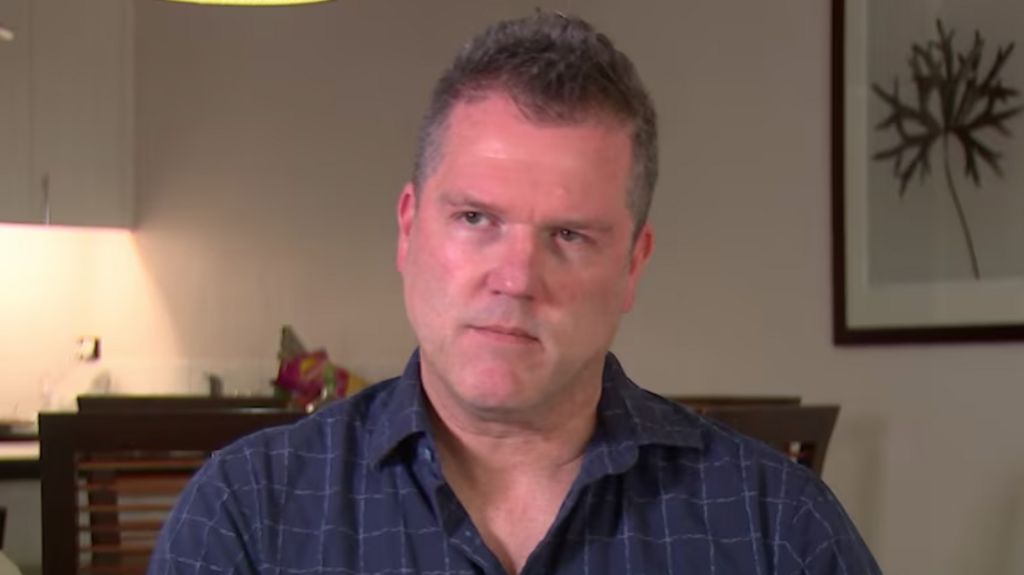
A prominent Australian doctor, Chris Webster, who played a pivotal role in the trial of Erin Patterson—a woman convicted of murdering three relatives with a toxic mushroom meal—has faced disciplinary action from the Medical Board of Australia. Dr. Webster, a key witness in the trial, made disparaging remarks about Patterson in media interviews, calling her a ‘heinous individual’ and a ‘disturbed sociopathic nut-bag.’ The board deemed his comments unprofessional and ordered him to undergo ethics, privacy, and social media training. Additionally, he must receive mentorship from another doctor for one year. The Australian Health Practitioner Regulation Agency (Ahpra) launched an investigation following numerous complaints about Dr. Webster’s explicit language and media conduct. Despite the sanctions, Dr. Webster stands by his comments, asserting that they were based on publicly discussed trial details and did not breach patient confidentiality. He acknowledged the board’s decision but expressed disappointment, stating that the community might suffer due to his reduced availability. Patterson, 50, was sentenced to life imprisonment with no possibility of parole for at least 33 years for the 2023 murders of her in-laws and the attempted murder of another relative. Dr. Webster, who treated the victims before their transfer to a major hospital, remains a practicing GP in Leongatha, Victoria, with strong local support.
-
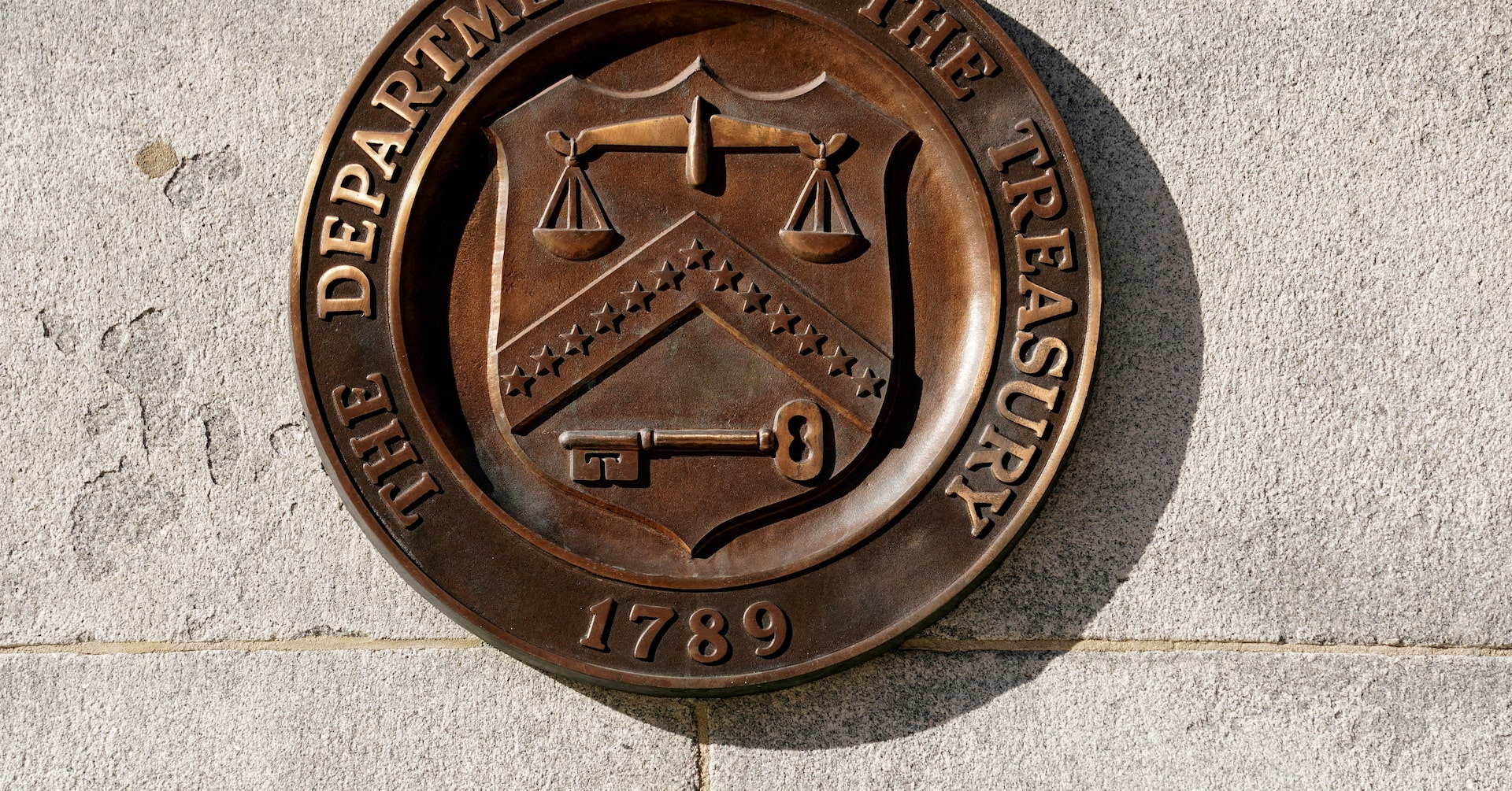
US imposes new sanctions on Sinaloa Cartel and associates, including Mexican lawmaker
In a significant move to combat organized crime and corruption, the United States has imposed sanctions on the El Mayo faction of the Sinaloa Cartel, one of Mexico’s most notorious drug trafficking organizations, along with several of its alleged associates, including a sitting federal lawmaker. The announcement was made by the U.S. Treasury Department on Thursday, September 18, 2023, as part of an intensified effort to pressure Mexican crime groups and their political allies. The El Mayo faction is accused of producing and trafficking fentanyl, a deadly synthetic opioid, as well as other illicit drugs such as cocaine, marijuana, heroin, and methamphetamine. Among the sanctioned individuals is Hilda Araceli Brown Figueredo, a federal lawmaker representing Baja California for the ruling Morena party and former mayor of Rosarito. The U.S. Treasury alleges that Brown maintained close ties with a cartel operative, enabling the El Mayo faction to exert control over parts of Rosarito’s municipal government and shield its criminal activities. Brown has publicly denied the allegations, stating her commitment to continue her work. The sanctions also target five individuals and 15 companies linked to the cartel. This action coincides with a visit by John K. Hurley, the U.S. Treasury’s under secretary for terrorism and financial intelligence, to Mexico City for discussions with Mexican officials. The Biden administration has continued the Trump-era policy of designating Mexican cartels as foreign terrorist organizations and pressing Mexico to investigate and prosecute corrupt politicians with cartel ties.
-
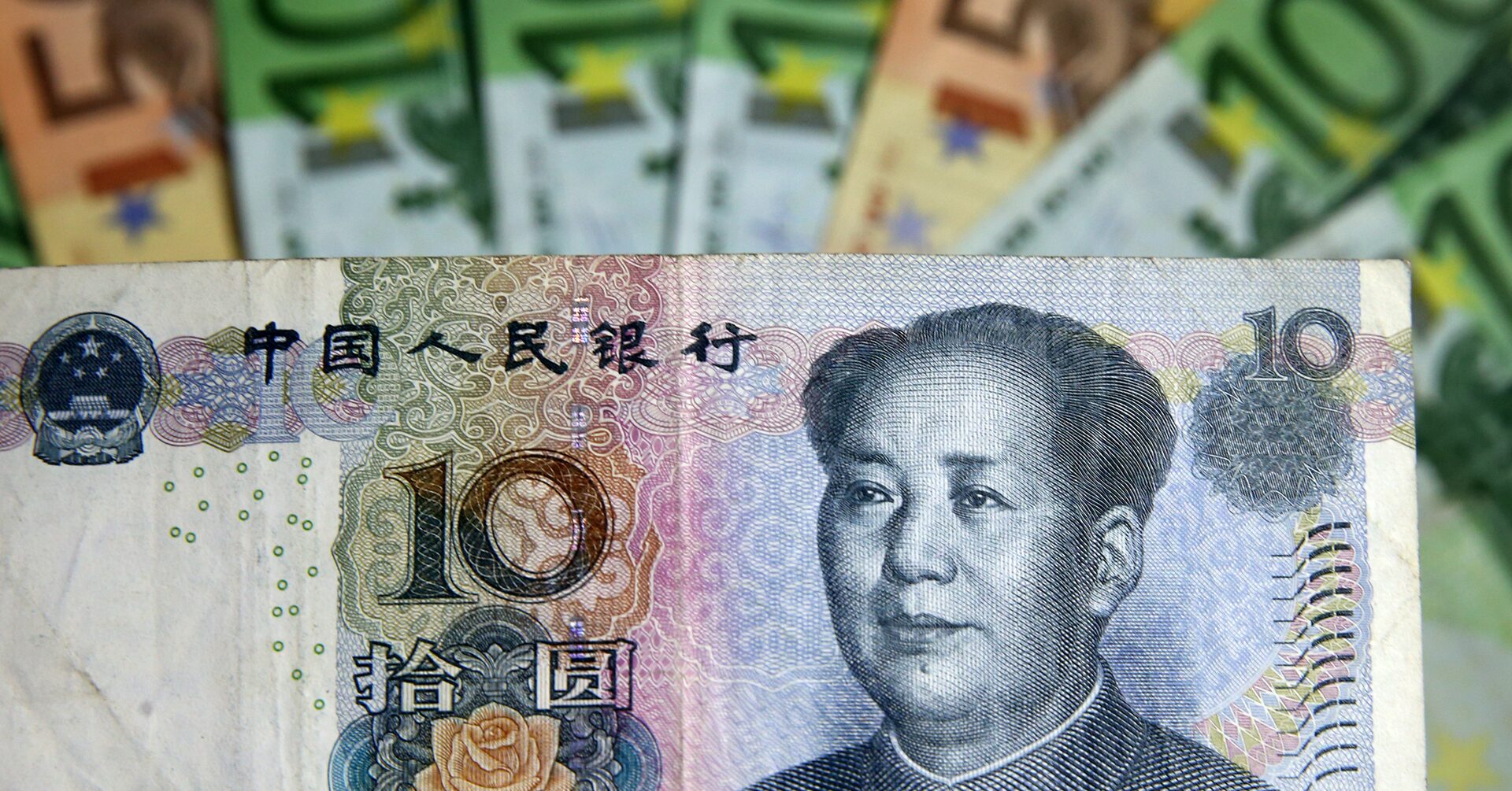
Bessent says China’s yuan rate is bigger problem for Europe than US
In a recent interview in Madrid, U.S. Treasury Secretary Scott Bessent emphasized that China’s yuan valuation poses a more significant challenge for Europe than for the United States. Bessent noted that while the yuan has strengthened against the U.S. dollar this year, it has reached record lows against the euro, exacerbating trade imbalances between China and the European Union. Speaking to Reuters and Bloomberg following U.S.-China trade discussions, Bessent highlighted that U.S. tariffs on Chinese imports have effectively reduced the U.S. trade deficit, with U.S.-China trade declining by 14% this year. In contrast, Chinese trade with Europe has surged by 6.9%. The yuan, also referred to as the renminbi (RMB), has weakened to over 8.4 against the euro, compared to 7.5 at the start of 2025. This depreciation has facilitated a surge in Chinese exports to Europe, intensifying the EU’s trade deficit with China and escalating trade tensions between Brussels and Beijing. Meanwhile, the yuan has appreciated slightly against the dollar, moving from 7.3 in January to 7.1 currently. When questioned about potential currency manipulation, Bessent remarked that the yuan is a ‘closed currency,’ implying that its value is managed by Chinese authorities. The ongoing dynamics underscore the complex interplay between global currencies and trade relationships, with Europe bearing the brunt of the yuan’s recent fluctuations.
-

Historic tunnel created under the Alps to connect Italy and Austria
In a landmark achievement for European infrastructure, workers on Thursday breached the final layer of rock in the construction of the Brenner Base Tunnel, a monumental project set to become the world’s longest underground rail connection. This tunnel, linking Austria and Italy, is a cornerstone of the European Union’s strategy to reduce road freight traffic, lower pollution, and enhance cross-border trade. Italian Prime Minister Giorgia Meloni hailed the event as a “decisive step” in building one of the continent’s most ambitious infrastructure projects, calling it a historic milestone for Italy, Austria, and Europe as a whole. Scheduled to open in 2032—16 years behind schedule—the tunnel will span 55 kilometers (34 miles) and, when connected to an existing underground link to Innsbruck, extend to 64 kilometers. It promises to slash travel times between Fortezza, Italy, and Innsbruck, Austria, from 80 minutes to under 25 minutes. The Brenner Pass, one of Europe’s busiest freight routes, currently sees over 2.5 million trucks and 50 million tonnes of goods annually, contributing to severe congestion and environmental strain. The tunnel aims to shift 70% of trans-Alpine freight traffic from roads to rail, reversing the current imbalance. However, the project’s full potential could be hindered by Germany’s delay in finalizing crucial northern access routes to the tunnel, which are essential for maximizing its impact on reducing road traffic through the Alps. With a budget now exceeding 8.5 billion euros ($10 billion), the Brenner Base Tunnel represents a significant investment in Europe’s sustainable transportation future.
-
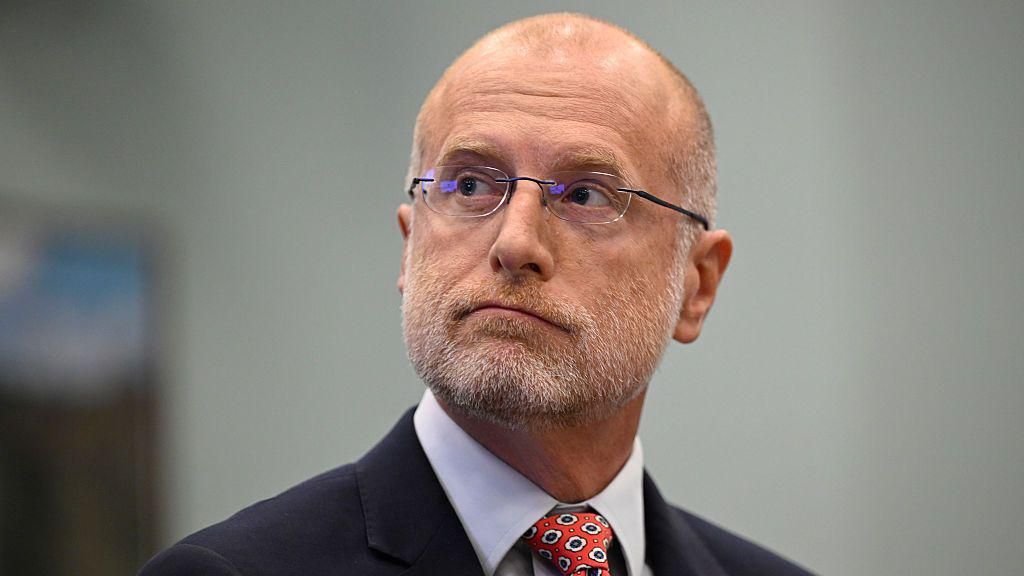
Brendan Carr’s emboldened FCC takes on Trump’s media foes
The U.S. media landscape is undergoing a seismic shift, marked by heightened tensions between the Trump administration and major broadcast networks. The indefinite suspension of Jimmy Kimmel’s long-running ABC show has become the latest flashpoint in this ongoing conflict. Kimmel, a staple of late-night comedy, faced backlash after making controversial remarks following the murder of Charlie Kirk, which appeared to mock President Trump and his supporters. This incident has reignited debates over media bias and government interference in editorial content. The Trump administration, led by Federal Communications Commission (FCC) Chairman Brendan Carr, has been actively scrutinizing media companies, accusing them of liberal bias and threatening regulatory action. Carr, described by Trump as a ‘warrior for free speech,’ has expanded the FCC’s purview to include tech giants like Apple and Google, alleging they participate in a ‘censorship cartel.’ The administration’s aggressive stance has prompted some media companies to settle lawsuits and revise editorial policies, while others, like The New York Times, have vowed to resist intimidation. Critics, including some conservatives, warn that these actions could endanger free speech. Meanwhile, media consolidation and the conservative leanings of certain owners have made the industry more susceptible to government pressure. Despite these challenges, some outlets remain defiant, asserting their commitment to independent journalism.
-
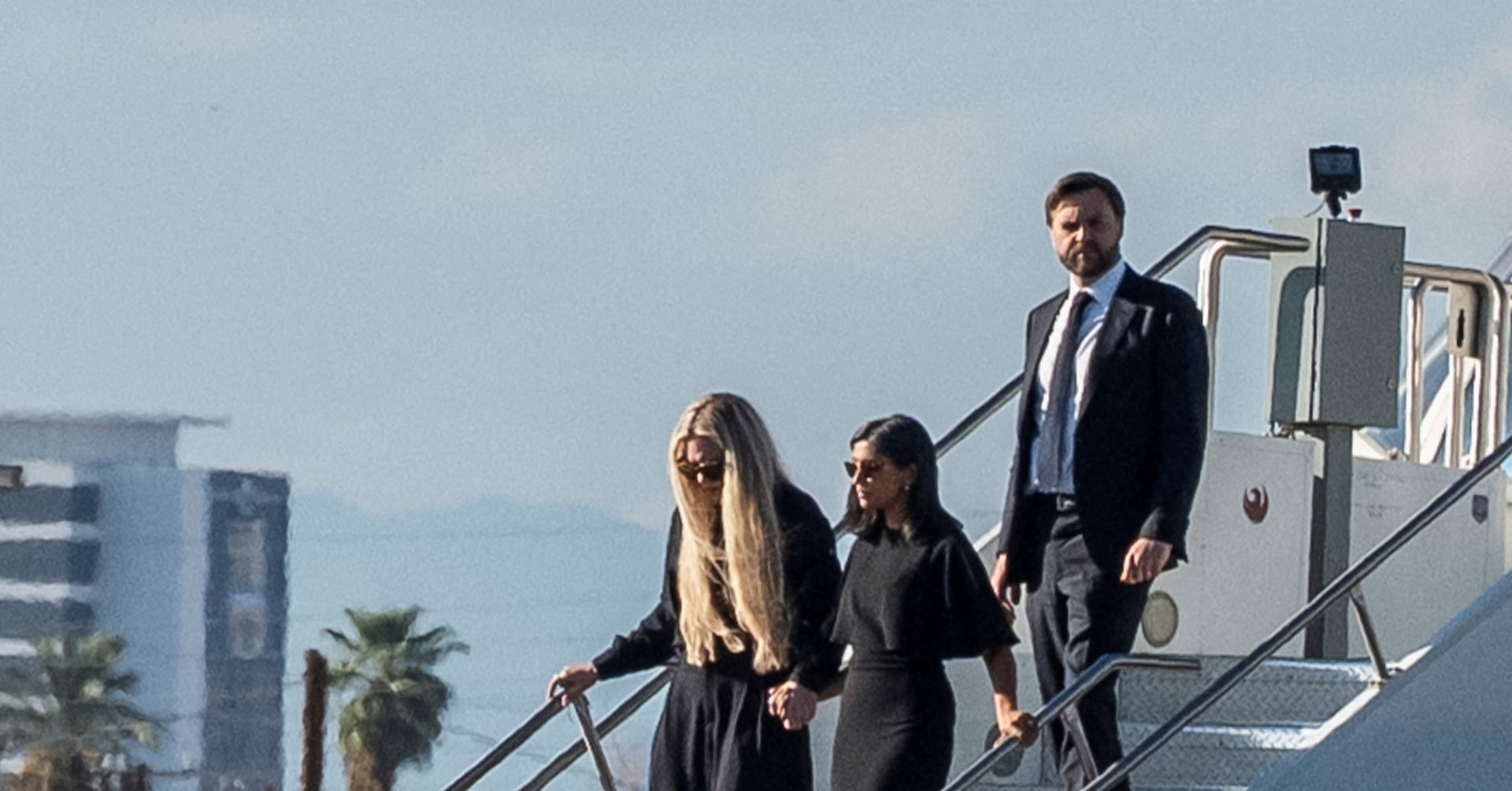
Erika Kirk named CEO of Turning Point USA after husband’s murder
In a significant development within the conservative political landscape, Erika Kirk, the widow of slain activist Charlie Kirk, has been unanimously elected as the new CEO of Turning Point USA. The announcement came on September 18, 2025, just days after her husband was fatally shot during an event at Utah Valley University. The organization, founded by Charlie Kirk to mobilize young voters for Republican causes, now faces a critical juncture in its mission. Vice President JD Vance and his wife Usha were present as Air Force Two transported Charlie Kirk’s body to Phoenix, Arizona, on September 11, 2025. The accused shooter, 22-year-old Tyler Robinson, allegedly fired the fatal shot from a rooftop during the campus event. Erika Kirk, 36, has vowed to continue her husband’s legacy, emphasizing her Christian faith and conservative values. In a poignant video address, she declared, ‘The cries of this widow will echo around the world like a battle cry.’ The board of Turning Point USA expressed confidence in her leadership, stating that Charlie Kirk had prepared the organization to endure even the greatest challenges.
-
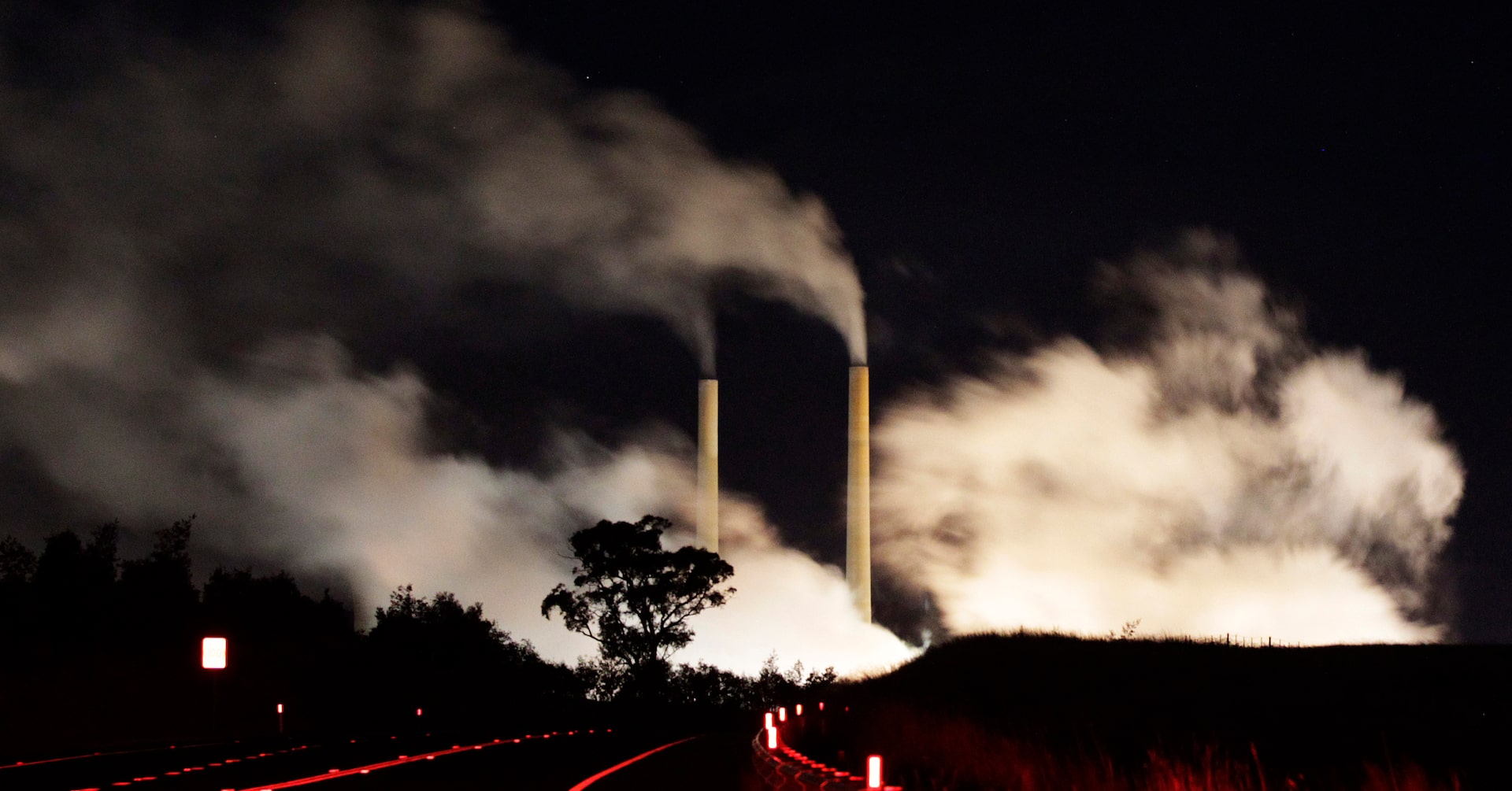
Australia’s watered down emissions target draws ire of environmentalists
Australia has announced its 2035 emissions reduction target, aiming to cut emissions by 62%-70% from 2005 levels. However, this figure has drawn sharp criticism from environmental groups, who argue it lacks ambition and prioritizes industry over vulnerable communities. The target falls below the 65%-75% range initially suggested by the Climate Change Authority, an independent advisory body. Climate Change and Energy Minister Chris Bowen defended the decision, stating that the target must be both ambitious and achievable, with a reduction beyond 70% deemed unrealistic. Greenpeace Australia Pacific’s Shiva Gounden condemned the plan, accusing the government of favoring coal and gas profits over the safety of Pacific and Australian communities. WWF-Australia CEO Dermot O’Gorman echoed these concerns, labeling the target as ‘dangerously short of what the science demands.’ Despite the backlash, the Labor government has committed billions of dollars to clean energy initiatives, including A$5 billion for industrial decarbonization and A$2 billion for the Clean Energy Finance Corporation. The government also aims to host the 2026 COP31 summit in partnership with Pacific nations. However, tensions remain over Australia’s decision to extend the life of a major natural gas project and its reluctance to phase out aging coal power plants, which critics argue hinders renewable energy adoption. Prime Minister Anthony Albanese emphasized Australia’s commitment to climate action, stating it is crucial for the nation’s neighbors, economy, and future generations.