
In a poignant moment at the Tokyo National Stadium, Shelly-Ann Fraser-Pryce, the most decorated female 100m sprinter in history, concluded her illustrious career with a silver medal in the 4x100m relay. This marked her 25th and final global podium appearance, cementing her legacy as one of the greatest athletes of all time. At 38, Fraser-Pryce, an eight-time Olympic medallist and five-time world 100m champion, passed the baton to the next generation, including 21-year-old twin sisters Tia and Tina Clayton, who were part of the Jamaican quartet. Reflecting on her journey, Fraser-Pryce expressed gratitude for her remarkable career, stating, ‘I have had an amazing career, and today’s medal is the icing on the cake.’ Her son Zyon, born in 2017, was a driving force behind her post-motherhood comeback, which saw her win back-to-back world 100m titles and become the oldest woman to claim a 100m world title in 2019. Despite a disappointing withdrawal from the 100m semi-final at the 2024 Olympics due to a panic attack, Fraser-Pryce was determined to end her career on her own terms. Her final race saw her finish sixth in the 100m final, just 0.19 seconds off the podium. Tributes poured in from fellow athletes, including Usain Bolt, who hailed her as ‘the greatest of all time.’ Fraser-Pryce now plans to focus on advocacy, supporting women and athletes, and continuing to make an impact beyond the track.
作者: admin
-

Kenya’s Sawe and Wanjiru win Berlin marathons
Kenya celebrated a triumphant double victory at the 2025 Berlin Marathon, with Sabastian Sawe clinching the men’s title and Rosemary Wanjiru securing the women’s crown. Sawe, 30, showcased his exceptional endurance and speed, finishing the race in 2:02:16, marking his third consecutive marathon win. The Kenyan athlete, fresh from his victory at the London Marathon earlier this year, set a blistering pace, leaving his competitors trailing behind. He was accompanied by his pacesetters for much of the race, demonstrating his dominance in long-distance running. Japan’s Akasaki Akira secured second place, nearly four minutes behind Sawe, while Ethiopia’s Chimdessa Debele rounded out the podium in third. Reflecting on his performance, Sawe expressed satisfaction, stating, ‘I did my best and I am happy for this performance. I felt well, but you cannot change the weather. Next year will be better.’ Sawe had aimed to challenge Kelvin Kiptum’s 2023 world record of 2:00:35, reaching the halfway mark in 1:00:12, but couldn’t sustain the pace towards the end. In the women’s race, Wanjiru surged ahead after 25 kilometers, finishing in 2:21:05. Ethiopia’s Dera Dida followed closely, just three seconds behind, with Azmera Gebru taking third place in 2:21:29. Wanjiru’s time, while impressive, was 12 minutes slower than compatriot Ruth Chepng’etich’s world record of 2:09:56, set in Chicago in 2024. The Berlin Marathon once again highlighted Kenya’s prowess in marathon running, with Sawe and Wanjiru delivering standout performances.
-

Murdered Kenyan’s friends want UK soldier to face justice
More than a decade after the tragic murder of 21-year-old Agnes Wanjiru in Kenya, a Kenyan court has issued an arrest warrant for a British national suspected of the crime. If extradited, this would mark the first instance of a serving or former British soldier being tried abroad for the murder of a civilian. Agnes, a young mother, was killed in March 2012, and her body was discovered in a septic tank near the Lions Court Hotel in Nanyuki, Kenya. The case has drawn significant attention due to allegations of a cover-up by the British Army. Agnes’s friends recall the night she went missing, describing her interactions with British soldiers at a local bar. Despite initial assumptions of a consensual arrangement, Agnes was later found stabbed to death. The Kenyan judge concluded in 2019 that British soldiers were responsible for her murder. Recent investigations have revealed ongoing misconduct by British soldiers in Kenya, including transactional sex with vulnerable women. In April 2025, UK Defence Secretary John Healey met with Agnes’s family, offering condolences and pledging support for justice. The issuance of the arrest warrant in September 2025 is seen as a significant step toward accountability, though legal hurdles remain. Agnes’s family and friends continue to seek justice, emphasizing the need for financial security for her now-teenage daughter.
-
On the front line of Congo’s conflict, a trauma center tells a story of horror and survival
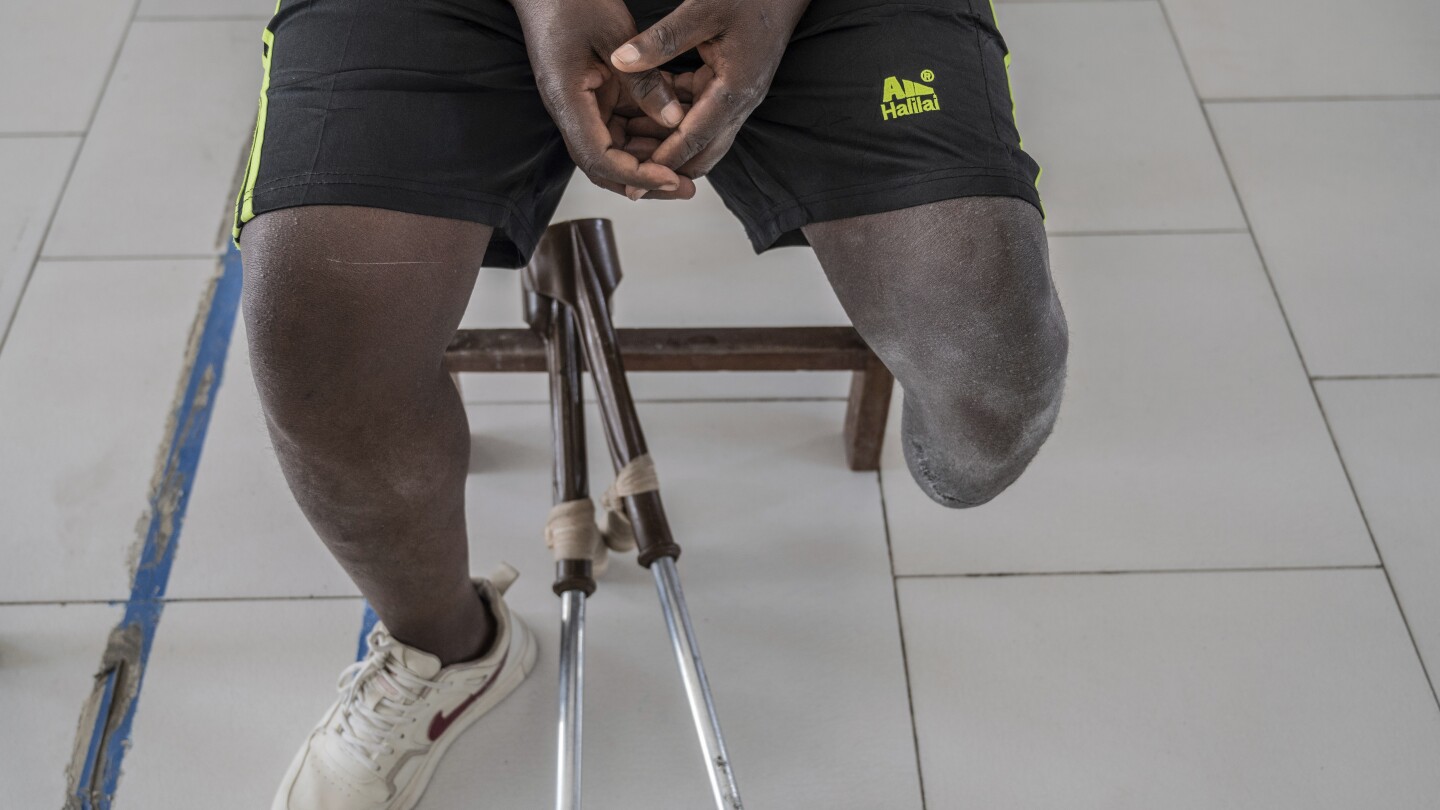
In the heart of Goma, eastern Congo, a sunlit rehabilitation room at Shirika la Umoja orthopedic center becomes a sanctuary for survivors of the region’s relentless conflict. Among them is Jerome Jean Claude Amani, 35, who, after losing his wife and four children in a rebel attack earlier this year, is now learning to walk again with a prosthetic leg. ‘I feel at peace,’ Amani reflects. ‘This leg is not just plastic; it’s a second chance.’ His story is one of resilience in the face of unimaginable loss. The center, supported by the International Committee of the Red Cross since 2005, has seen a surge in demand for prosthetics due to escalating violence. In the first half of 2025 alone, it provided 326 artificial limbs, a stark increase from 422 in all of 2024. The conflict, involving over 100 armed groups, has displaced 7 million people and deepened one of the world’s largest humanitarian crises. Despite peace efforts, sporadic clashes continue to claim lives and limbs. For patients like Melisa Amuli, 30, who survived a bombardment but lost her mobility, the center offers hope. With a custom orthotic brace, she dreams of returning to work. Similarly, Violetta Nyirarukundo, 27, a mother of four, faces the dual trauma of losing a leg and being abandoned by her husband. Yet, she remains determined to rebuild her life. Faustin Amani, 20, a former street vendor, grapples with the emotional toll of losing both legs in a tragic accident. ‘I wonder if I’ll ever have a normal life,’ he says. The center’s workshop, where prosthetics are meticulously crafted by hand, symbolizes a collective effort to restore mobility and dignity. Julienne Paypay, a prosthetic technician and amputee herself, embodies this mission: ‘I know what it means to walk again.’ Despite challenges like material shortages and limited technicians, the center persists, offering a lifeline to those who have lost so much. For Amani, the prosthetic leg is not a reminder of weakness but a testament to survival and hope. ‘I will fight for my children,’ he vows. ‘This is my victory.’
-

Exclusive: Egypt’s Nato-style Arab defence force proposal rejected at Doha summit
Egypt’s ambitious plan to establish a NATO-style Arab defense force faced significant opposition at the recent Doha summit, with Qatar and the United Arab Emirates (UAE) leading the resistance. The proposal, aimed at creating a rapid-response alliance under the 1950 Joint Defence and Economic Cooperation Treaty, sought to shield member states from external threats, particularly Israel. However, deep-seated disagreements over leadership and regional security priorities derailed the initiative, according to senior Egyptian diplomats.
Egyptian Foreign Minister Badr Abdelatty presented the plan as a defensive measure to protect the region without relying on foreign powers. However, the proposal was met with resistance, primarily due to disputes over leadership. Saudi Arabia sought command of the force, while Egypt argued that its extensive military experience made it the most suitable leader. The impasse highlighted the broader divisions within the Arab world over how to address regional security challenges.
The summit, held on September 15 and attended by leaders from the Arab League and the Organisation of Islamic Cooperation (OIC), failed to produce a unified stance on Israel’s actions in Gaza. Despite Egypt’s push for concrete measures, including a demand to end Israel’s military operations and reject the forced displacement of Palestinians into North Sinai, the gathering concluded with only statements of support for Gaza and condemnation of Israel. The outcome underscored the influence of the United States, which reportedly pressured Arab states to avoid taking decisive action against Israel.
Egyptian President Abdel Fattah el-Sisi left the summit deeply frustrated, as Gulf states rejected his proposal and opted to confine discussions to their own defense council. The rejection marked a significant setback for Egypt, which had hoped to position itself as a leader of Arab and Islamic defense. Sisi’s characterization of Israel as ‘an enemy’ during the summit reflected Cairo’s growing concerns over Israeli threats, including potential operations targeting Hamas leaders on Egyptian soil.
The failure to revive the 1950 treaty is emblematic of the long-standing challenges in achieving Arab military cohesion. Political rivalries, conflicting national priorities, and reliance on bilateral security agreements have repeatedly undermined collective defense efforts. Egypt’s latest attempt to unify Arab states against external threats has once again exposed the fractures within the region, leaving Cairo isolated in its defensive ambitions.
-
Israel’s genocide in Gaza: Whatever happened to South Africa’s case at the ICJ?
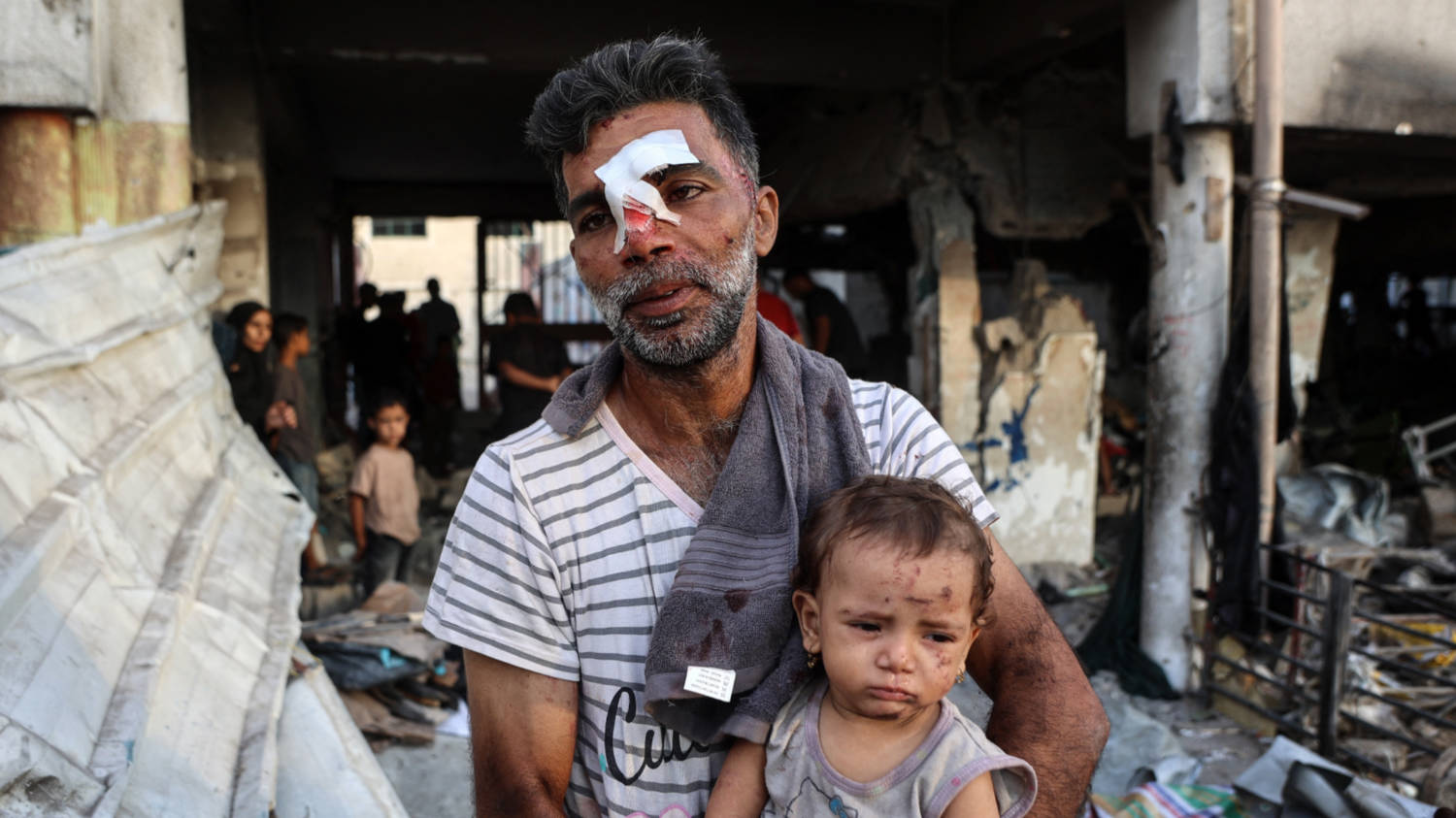
In December 2023, South Africa brought a landmark case before the International Court of Justice (ICJ), accusing Israel of genocide in its military operations in Gaza. This marked the first time Israel’s actions were formally challenged on the global stage since the war began on October 7, 2023. The case has since become one of the most significant legal disputes in recent history, drawing widespread international attention. However, nearly two years later, the ICJ has yet to deliver a final judgment, with the process expected to extend into 2027 or beyond. The case has been characterized by its complexity, with multiple provisional measures issued against Israel, though compliance has been minimal. The death toll in Gaza has surged to over 66,000, according to the Gaza Health Ministry, underscoring the urgency of the situation. South Africa has pursued a multifaceted strategy, including diplomatic efforts and the formation of the Hague Group, to hold Israel accountable. Meanwhile, a recent UN commission of inquiry concluded that Israel has committed genocide in Gaza, further intensifying the legal and political stakes. The ICJ’s eventual ruling, while legally binding, faces enforcement challenges, particularly given the likelihood of a US veto in the UN Security Council. The case’s outcome could have profound implications for international law, Israel’s global standing, and the pursuit of justice for Palestinian victims.
-
Key parts of Trump’s economic agenda now in Supreme Court’s hands
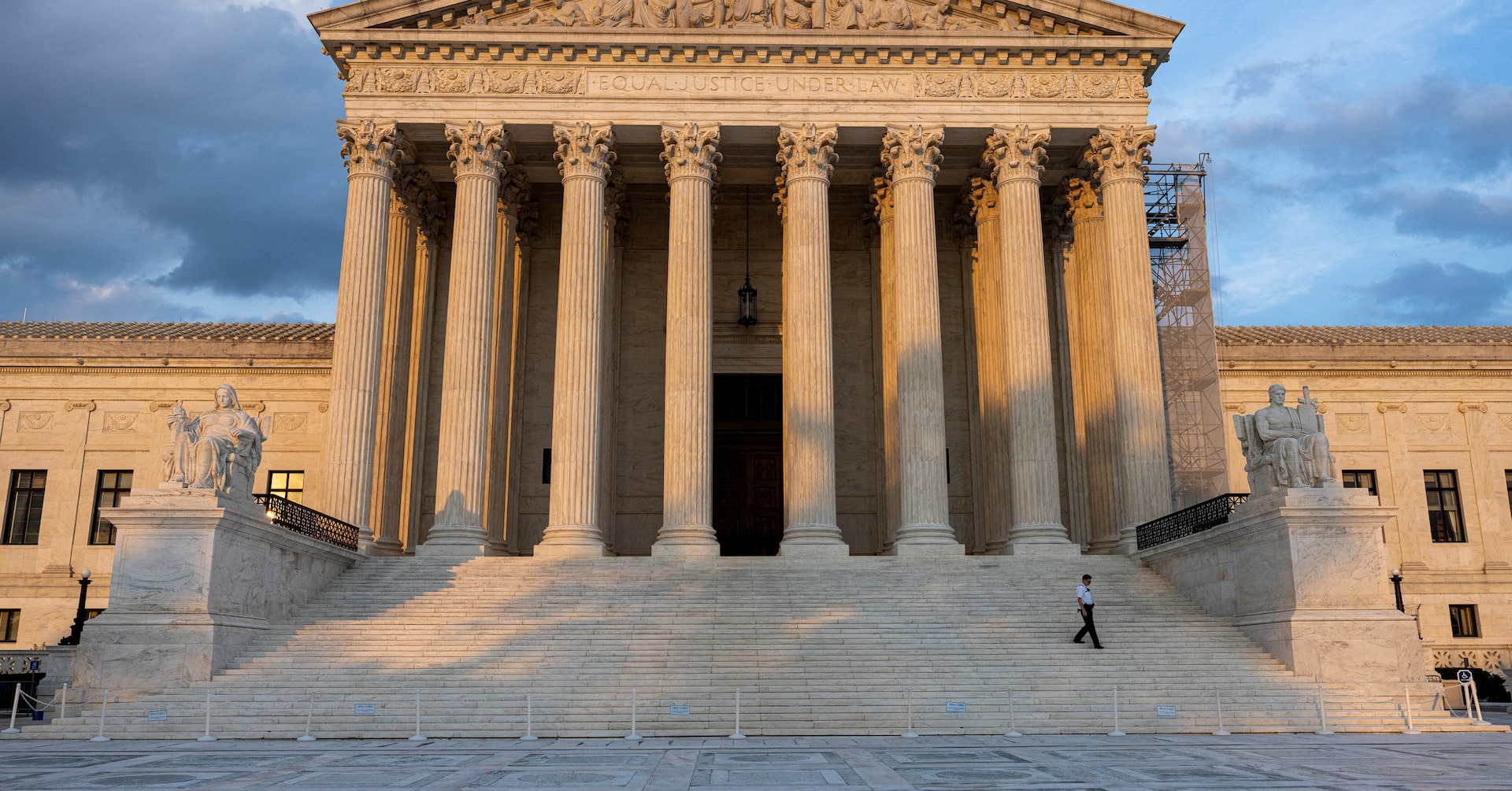
The U.S. Supreme Court is poised to make landmark decisions on two critical cases involving President Donald Trump’s economic policies: his global tariffs and his unprecedented attempt to remove Federal Reserve Governor Lisa Cook. These cases, which could significantly reshape executive power, are set to be heard in the coming months, with arguments on the tariffs case scheduled for November 5.
-
Pennsylvania pharmacist keeps vaccine Superman suit on hand
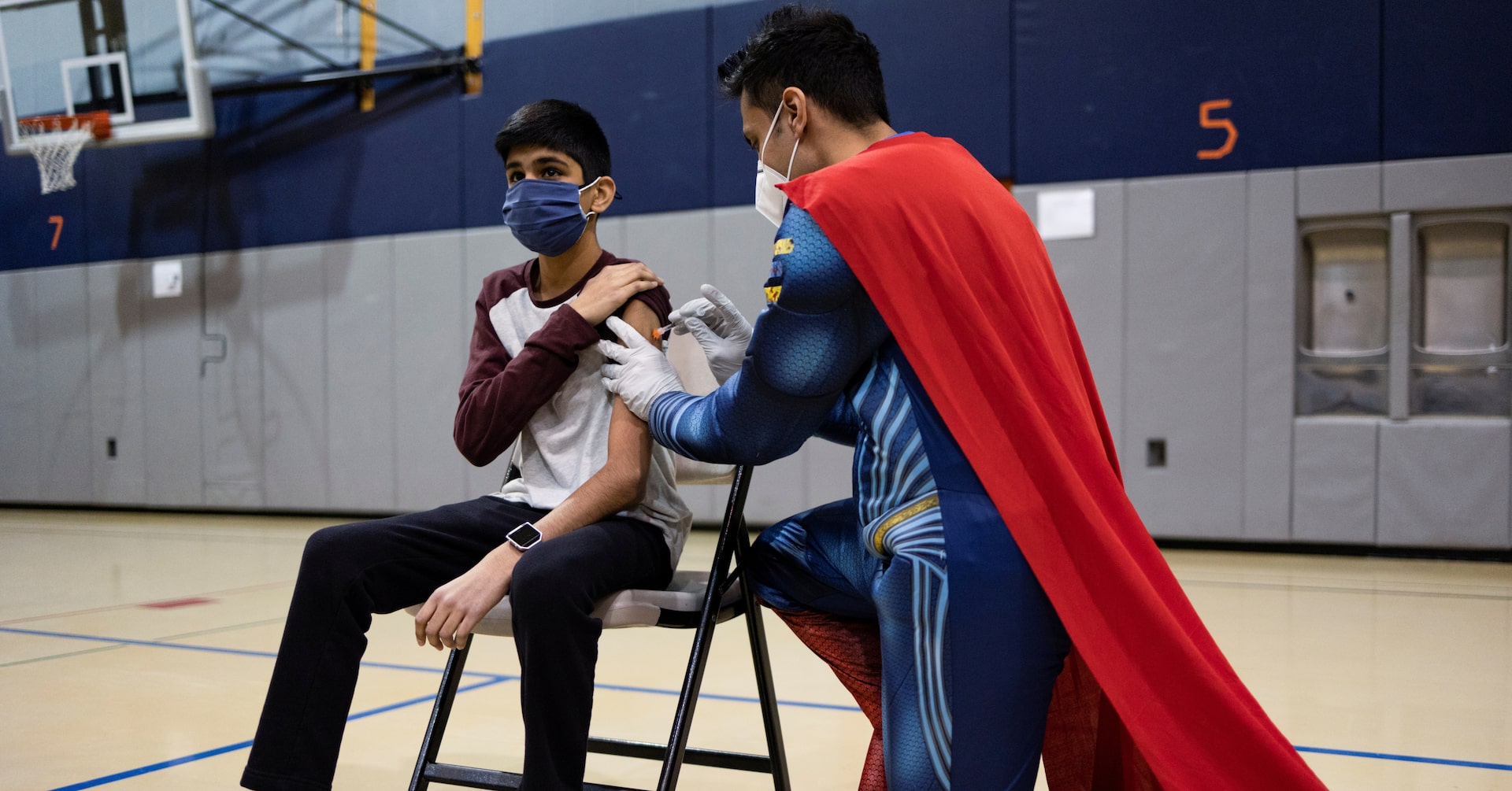
Dr. Mayank Amin, a Pennsylvania-based pharmacist who became a local hero during the COVID-19 pandemic by dressing as Superman to deliver vaccines, has once again donned the iconic suit. Amin, owner of Skippack Pharmacy in Lansdale, Pennsylvania, has been administering thousands of COVID-19 shots in September as patients rushed to get vaccinated amid concerns over shifting U.S. government policies that could affect eligibility. While Amin has largely retired the Superman costume, he still uses it for special clinics, particularly for children who request it. ‘It’s kind of like how a firefighter’s costume hangs at the station,’ Amin remarked. ‘It’s better that it stays on the wall.’ The surge in demand for vaccines has been fueled by uncertainty surrounding health insurance coverage and the upcoming recommendations from the CDC’s advisory panel. The FDA recently narrowed its approval for COVID-19 vaccines to individuals aged 65 and older or those at risk for severe disease. Meanwhile, Pennsylvania and 16 other states have granted pharmacists the authority to follow medical organizations’ recommendations, further complicating the landscape. Skippack Pharmacy has extended its hours to meet the demand, with Amin noting, ‘We had calls and messages and people waiting outside, just like the old COVID days.’
-
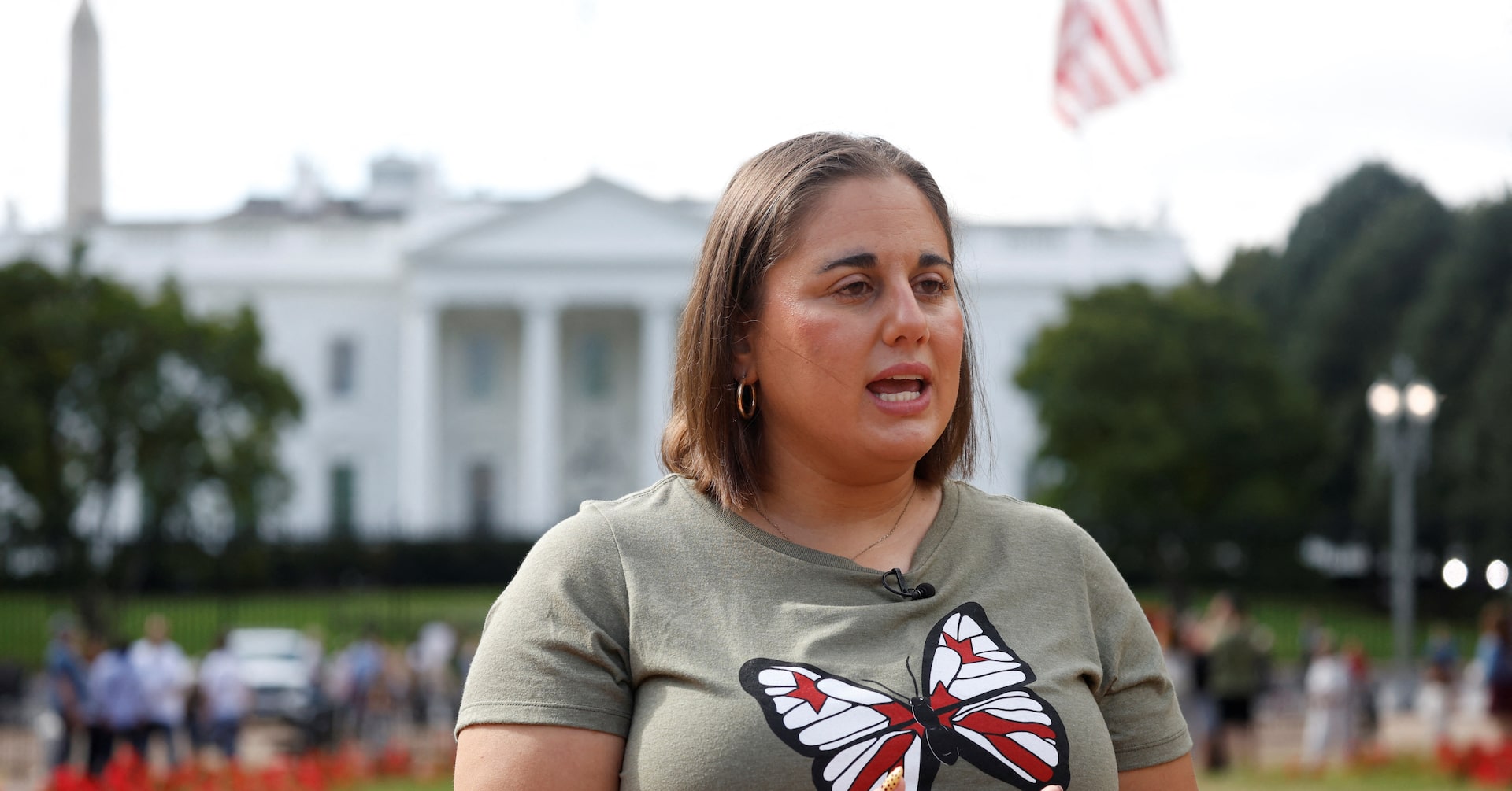
Washington’s immigrant neighborhoods push back against ICE arrests
In Washington D.C., heightened Immigration and Customs Enforcement (ICE) activities have sparked widespread fear and resistance within immigrant communities. Reports from the Migrant Solidarity Mutual Aid Network indicate a surge in detentions, often accompanied by allegations of racial profiling. Amy Fischer, an organizer with the network, emphasized that individuals perceived as Black or brown are disproportionately targeted, regardless of their immigration status. Recent incidents in neighborhoods like Mount Pleasant and Petworth, known for their Hispanic populations, have seen residents rallying against ICE operations, chanting slogans and documenting arrests on their phones. President Donald Trump’s aggressive immigration enforcement policies, initiated in January 2025, have intensified these raids, despite waning public support. The Supreme Court’s recent decision to lift restrictions on race-based immigration arrests has further emboldened ICE’s tactics. White House spokeswoman Abigail Jackson defended the operations, stating they target individuals with criminal records, though critics argue the approach fosters distrust and fear. Local businesses in immigrant-heavy areas report declining foot traffic as residents remain indoors, apprehensive of potential arrests. Community leaders and activists continue to organize, using chat groups to alert neighbors of ICE presence and advocating for immigrant rights. The Department of Homeland Security maintains that only undocumented individuals are at risk, urging others to comply with the law. However, the emotional toll on families and the economic impact on neighborhoods underscore the broader implications of these enforcement measures.
-
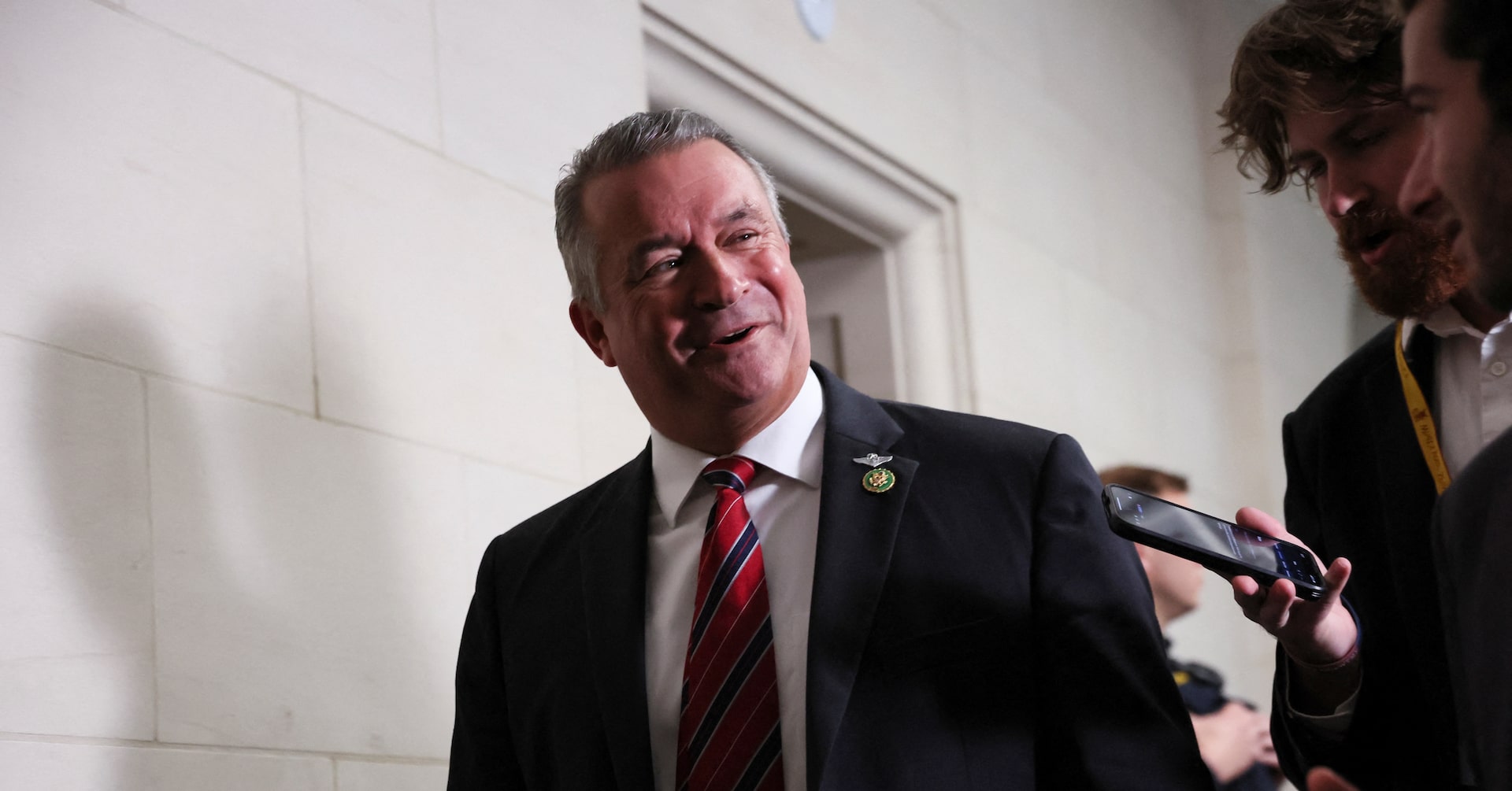
US lawmakers plan to introduce bipartisan bill to kill coffee tariffs, Washington Post reports
In a significant bipartisan move, U.S. Representatives Don Bacon (R-NE) and Ro Khanna (D-CA) are set to introduce legislation aimed at exempting coffee products from tariffs starting January 19, 2025. The proposed bill, as reported by the Washington Post, would cover roasted and decaffeinated coffee, coffee husks, skins, and other coffee-based beverages or substitutes. The initiative seeks to alleviate the financial burden on American consumers by preventing additional costs on a daily essential. ‘Why are we tariffing American citizens on something that we don’t even grow? It doesn’t make sense,’ Bacon remarked in an interview with the newspaper. The move comes in response to the persistent high prices of coffee in the U.S., a situation exacerbated by the 50% tariff on Brazilian green coffee imports imposed during the Trump administration. Since the tariff’s implementation, arabica coffee prices have surged by approximately 50% on the Intercontinental Exchange in New York, and Brazil, which previously supplied a third of the U.S. coffee market, has significantly reduced its shipments. The proposed legislation highlights the ongoing efforts to address the economic impact of trade policies on everyday goods.