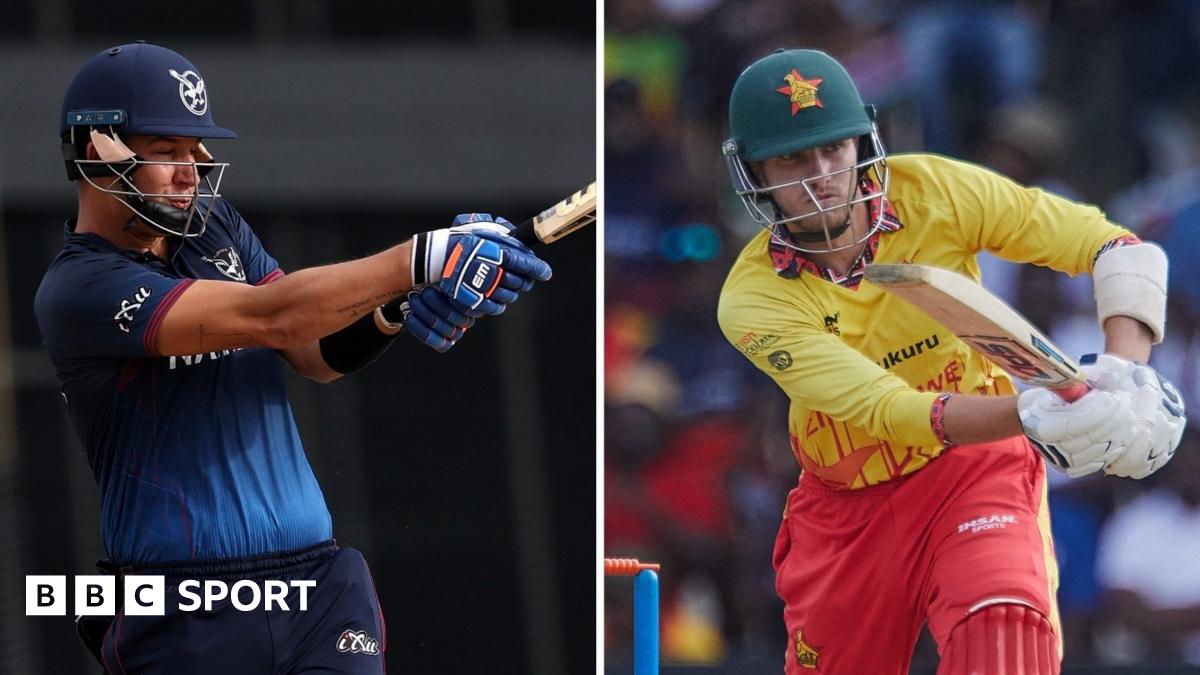
Zimbabwe and Namibia have successfully secured their places in the 2026 Men’s T20 World Cup after advancing to the final of the African qualifying tournament held in Harare. Namibia triumphed over Tanzania by a significant margin of 63 runs in their semi-final clash, marking their fourth consecutive appearance in the World Cup finals. Meanwhile, hosts Zimbabwe showcased a dominant performance, defeating Kenya by seven wickets to qualify for the first time since 2022. Kenya, after winning the toss and choosing to bat first, managed to post a total of 122-6, largely due to Rakep Patel’s impressive 65 off 47 balls. However, Zimbabwe’s Brian Bennett stole the show with a rapid 51 off just 25 balls, guiding his team to victory with five overs to spare. Namibia and Zimbabwe are set to face off in the tournament final on Saturday, with both teams already looking forward to competing in the 2026 World Cup, which will be hosted by India and Sri Lanka. Earlier in the day, Namibia overcame a shaky start against Tanzania, recovering from 41-4 to post a formidable 174-6, thanks to a crucial 88-run partnership between captain Gerhard Erasmus (55 off 41) and JJ Smit (61 not out off 43). Smit later contributed with the ball, taking 3-16, while Ben Shikongo recorded figures of 3-21 to restrict Tanzania to 111-8. Namibia, who made their T20 World Cup debut in 2021, had previously exited in the Super 12s and failed to progress beyond the group stage in the 2022 and 2024 editions. The 2026 T20 World Cup will feature twenty nations and is scheduled to take place from February 7 to March 8.
作者: admin
-
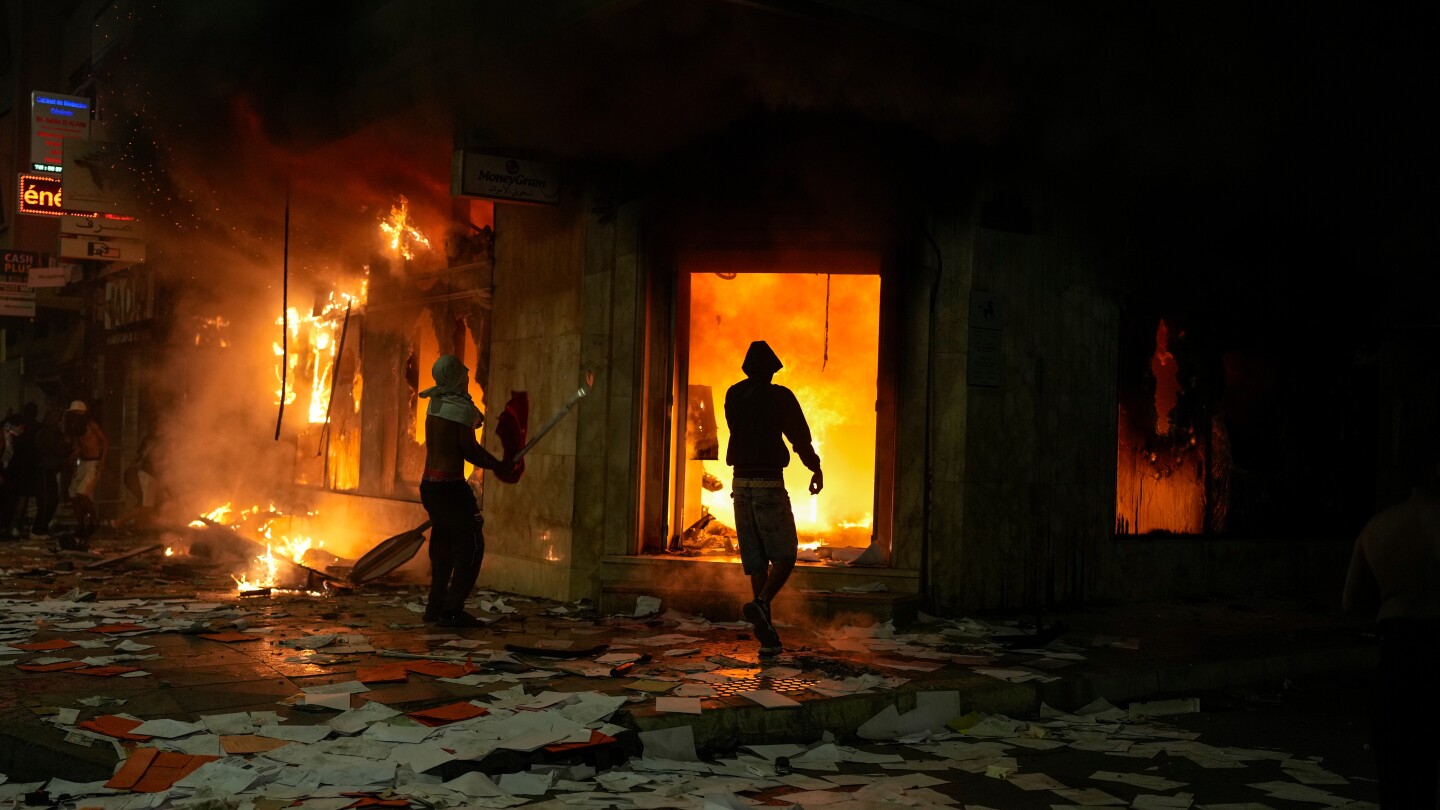
Morocco’s youth-led protests demand better schools and hospitals, prime minister resignation
For the sixth consecutive night, youth-led demonstrations swept across Morocco, with protesters demanding improved public services and the resignation of Prime Minister Aziz Akhannouch. The unrest, which began peacefully, turned violent on Wednesday when police fatally shot three individuals in Leqliaa, a town near Agadir. Authorities claimed the victims were attempting to seize police weapons, though witnesses have yet to corroborate this account. The protests, organized by the Gen Z 212 movement, have spread to over a dozen cities, including Casablanca, with participants decrying corruption and inadequate funding for schools and hospitals. Despite the government’s pledge to engage in dialogue, tensions remain high as demonstrators contrast the billions spent on World Cup preparations with the dire state of public infrastructure. The recent deaths of eight women in an Agadir hospital have further fueled outrage over the declining health system. As Morocco prepares to host the Africa Cup of Nations and approaches its 2026 parliamentary elections, the protests highlight deep-seated regional disparities and widespread disillusionment. Over 1,000 arrests have been reported, with human rights groups condemning the use of force. The Gen Z 212 movement has urged peaceful demonstrations, but clashes continue to erupt, particularly in underdeveloped regions. These protests echo similar unrest in countries like Nepal, Kenya, and Madagascar, underscoring a global wave of youth-led activism.
-
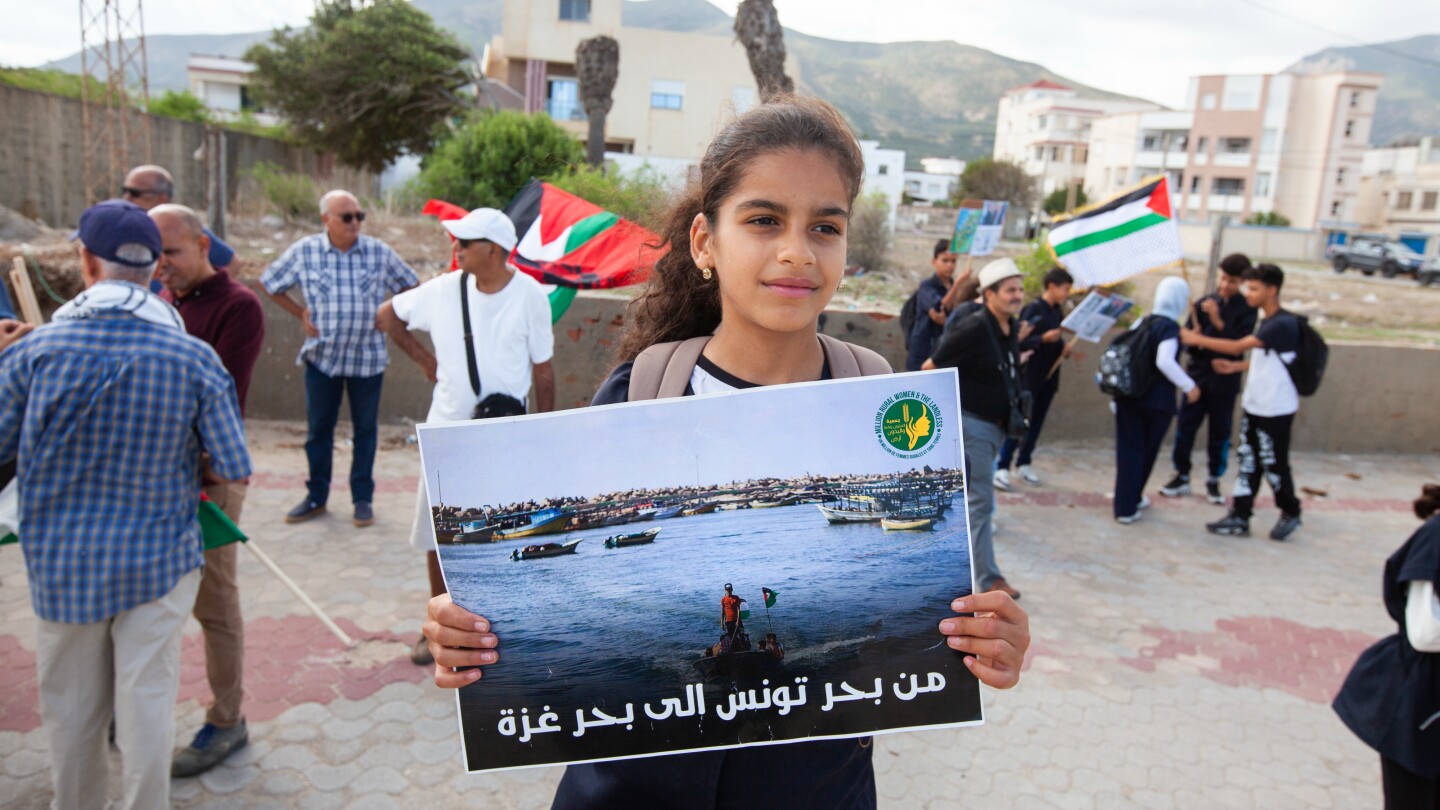
Tunisians remember the Israeli strike that bound their fate with Palestinians 40 years ago
HAMMAM CHOTT, Tunisia (AP) — Four decades after Israeli warplanes struck the Palestine Liberation Organization’s (PLO) headquarters outside Tunis, the memories of the attack remain vivid for Tunisians like Jamel Bahrini, a first responder who witnessed the devastation firsthand. The 1985 airstrike, Israel’s longest-range operation at the time, killed 68 people and injured over 100, leaving an indelible mark on Tunisia’s collective consciousness. Today, as the Israel-Hamas war in Gaza intensifies, the 1985 attack serves as a poignant reminder of Tunisia’s enduring solidarity with the Palestinian cause. Bahrini, now 62, recalls the harrowing scene of bodies hanging from trees and blood-soaked rubble, a testament to the brutality of the strike. The attack, codenamed “Operation Wooden Leg” by Israel, was justified as retaliation for the killing of three Israelis in Cyprus, a claim the PLO denied. Tunisians, however, view it as a violation of their sovereignty and a turning point in their connection to the Palestinian struggle. The recent commemoration ceremony in Hammam Chott saw mourners carrying posters linking the 1985 strike to the current conflict in Gaza, with slogans like “From the sea of Tunisia to the sea of Gaza.” The event underscored the deep-rooted anger toward Israel, fueled by recent incidents such as the interception of the Global Sumud Flotilla, which aimed to deliver humanitarian aid to Gaza. Tunisians, along with others across North Africa, have rallied in support of Palestinians, staging protests and boycotts. The 1985 attack, which narrowly missed PLO leader Yasser Arafat, continues to shape perceptions of Israel in Tunisia, raising questions about the long-term impact of its military strategies. As Bahrini aptly put it, “We are not merely a people showcasing solidarity, but we share a common cause.”
-
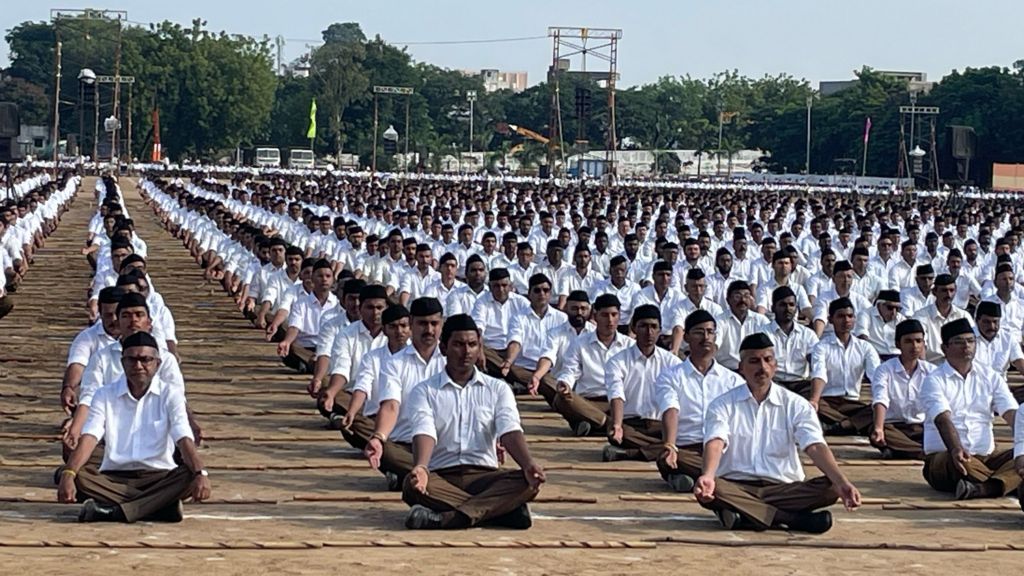
India’s most powerful Hindu nationalist organisation marks centenary
The Rashtriya Swayamsevak Sangh (RSS), a prominent Hindu nationalist organization and a key ideological force behind Indian Prime Minister Narendra Modi’s rise to power, celebrated its 100th anniversary with a grand event attended by thousands of volunteers. The centenary celebrations, held at the RSS headquarters in Nagpur, saw 3,800 participants donning the organization’s iconic khaki uniforms and performing synchronized exercises in a military-like formation. RSS chief Mohan Bhagwat addressed the gathering, touching on topics ranging from India’s recent conflict with Pakistan to climate change and economic inequality. He emphasized interdependence among nations, echoing Modi’s advocacy for self-reliance in the face of global challenges. Despite its claims of being a non-political entity, the RSS wields significant influence in Indian politics, particularly through its ties to the ruling Bharatiya Janata Party (BJP). Founded in 1925 by Keshav Baliram Hedgewar, the RSS has grown into the world’s largest volunteer organization, though its membership numbers remain undisclosed. Critics accuse the RSS of promoting divisive ideologies, particularly its alleged Islamophobia and exclusionary stance toward non-Hindus. The organization’s history is marred by controversies, including its involvement in the 1992 demolition of the Babri Mosque, which triggered nationwide riots. While the RSS has recently sought to soften its image through public outreach, minority communities remain skeptical of its core belief that India is primarily for Hindus. Prime Minister Modi, a former RSS member, lauded the organization during the celebrations and released commemorative stamps and coins, drawing criticism from opposition parties.
-
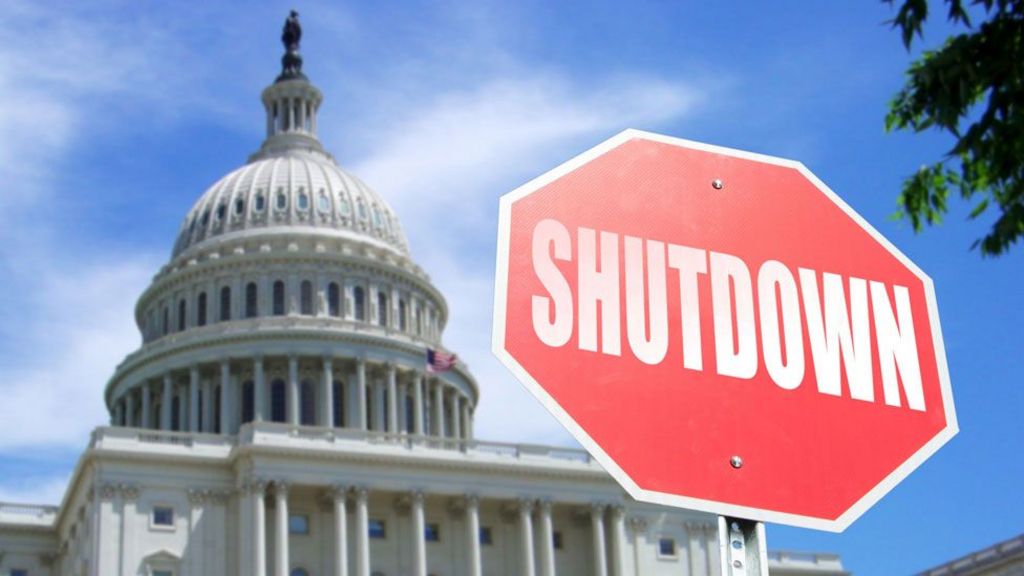
‘My pay is being held hostage’: Federal workers on US government shutdown
The ongoing US government shutdown has plunged federal workers into a state of uncertainty, with many forced into unpaid leave and others expressing frustration over their salaries being ‘held hostage.’ While essential workers remain on duty, they too face the prospect of delayed paychecks. This shutdown, which began on Wednesday, stems from partisan disputes over federal spending and Democratic demands to extend healthcare tax credits. What sets this shutdown apart is President Donald Trump’s intention to leverage the situation to implement permanent cuts to government staffing and spending. BBC News has gathered insights from federal workers, most of whom have chosen to remain anonymous due to restrictions on speaking to the media. One worker recounted the hardships of the 2018-19 shutdown, which lasted over a month, forcing them to dip into their retirement savings to cover bills. They expressed disappointment in Trump, stating, ‘I voted for Trump, but I did not vote for his abuses against us.’ Meanwhile, a Department of Homeland Security worker in New Jersey supported the shutdown, emphasizing the need to maintain checks and balances. An Army Corps of Engineers employee expressed mixed feelings, welcoming a break from the fiscal year’s pressures but questioning the shutdown’s productivity. Randall from Kansas City, who works with the Aviation Weather Center, lamented the impact on his pay, while an anonymous US Air Force employee highlighted the dilemma of working without pay. A Treasury Department worker urged Democrats to stand firm against threats to healthcare affordability. The shutdown underscores the deepening political divide and its tangible impact on federal employees.
-
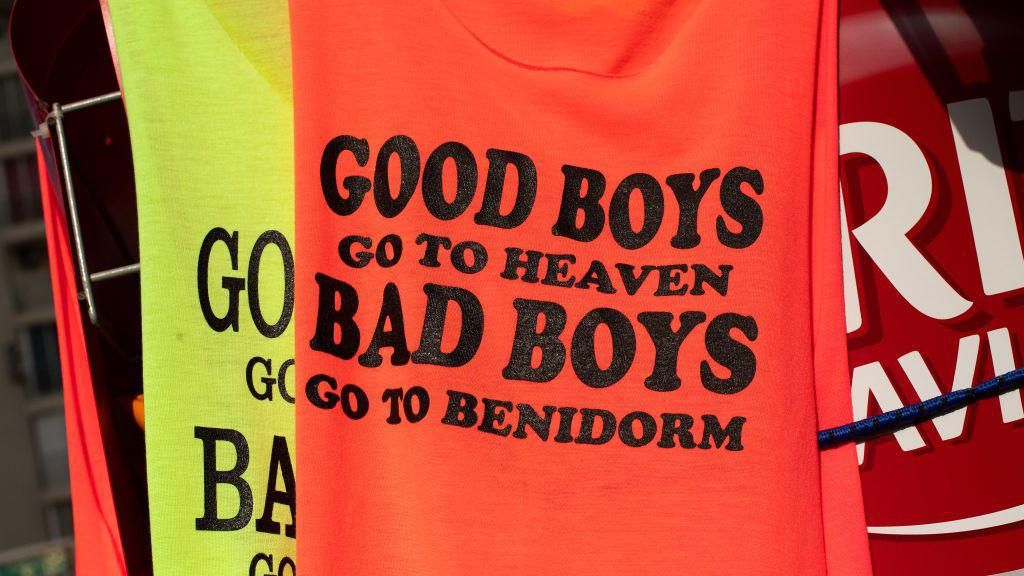
Benidorm cracks down on display of ‘offensive’ items in shop windows
The Spanish tourist hotspot of Benidorm is intensifying efforts to regulate shops displaying lewd or offensive items in their windows, aiming to protect the city’s reputation and ensure public decorum. The initiative targets products such as joke t-shirts and souvenirs with sexual innuendos, often found in the area known as the ‘Guiri zone,’ which caters primarily to foreign tourists. Many of these items are advertised in English, reflecting the significant British visitor demographic. Javier Jordá, the city’s commerce head, emphasized the need to shield minors and vulnerable groups from inappropriate public displays, stating that certain commercial practices conflict with local regulations. Benidorm, a renowned Mediterranean resort, attracted nearly three million visitors last year, including over 830,000 British tourists. Local laws prohibit shop windows from displaying products that could offend moral sensibilities, such as ‘sexy articles,’ though items sold inside shops remain unaffected. Authorities are initially reminding shop owners to comply voluntarily, with potential fines of up to €3,000 for non-compliance. Jordá expressed hope that enforcement measures would not be necessary, stressing the importance of maintaining the city’s image. Spain welcomed a record 94 million foreign visitors last year, with Mediterranean resorts like Benidorm remaining top destinations. However, the country is increasingly shifting away from its traditional sun-and-sand tourism model amid concerns about over-tourism and local protests.
-
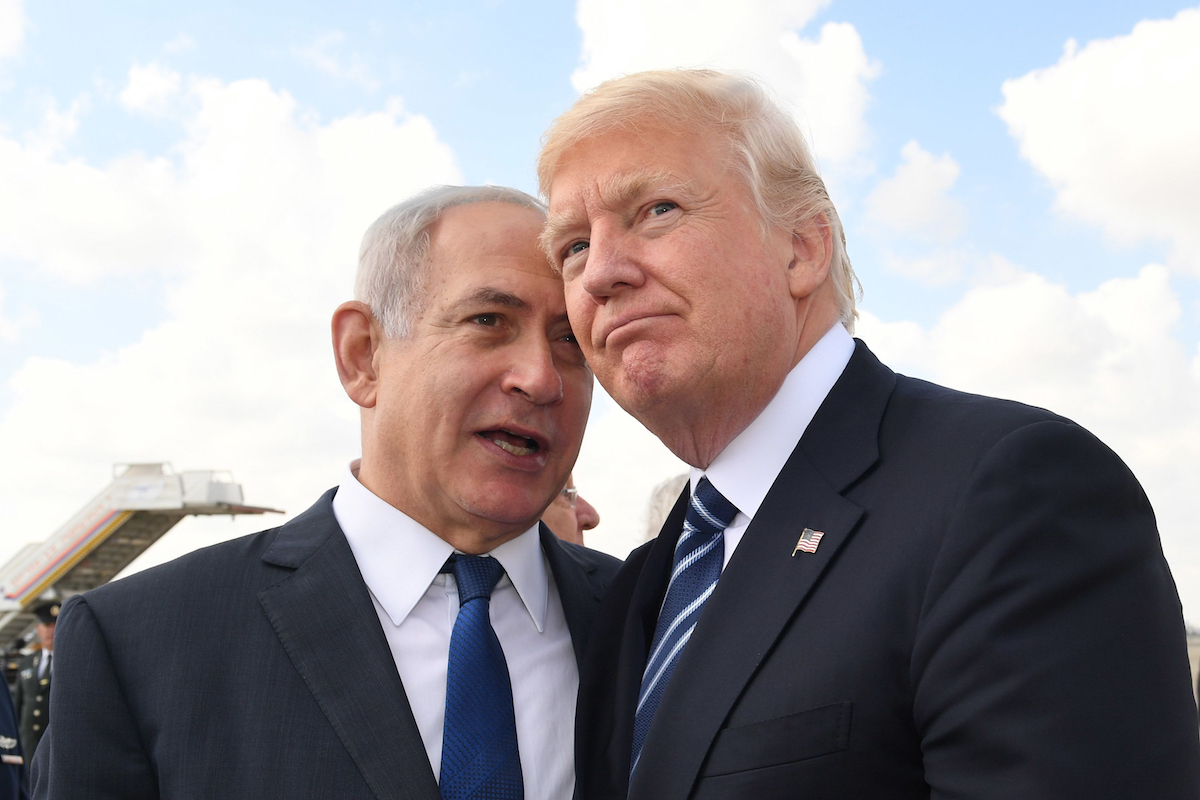
Gaza gambit: peace plan or prelude to escalation?
President Donald Trump’s recently unveiled 21-point plan for resolving the Israel-Palestine conflict has been framed as a bold and unprecedented initiative. The proposal includes a ceasefire, the release of hostages, Palestinian governance under international supervision, and the eventual possibility of statehood. While Israel has provisionally endorsed the plan, Hamas has predictably rejected it. On the surface, the plan appears to balance Israeli security concerns with Palestinian aspirations. Trump has vowed to block Israeli annexation of the West Bank, called for the dismantling of Hamas’s military wing, and left the door open to a two-state solution—positions that might once have been considered centrist. However, beneath the diplomatic veneer lie significant risks that could undermine both the plan and U.S. credibility. The Israel-Palestine conflict is not merely a governance or security issue but a deeply rooted ethnic and national dispute, with both Jewish Israelis and Palestinian Arabs asserting historical and territorial claims to the same land. Any peace framework that overlooks this fundamental reality risks addressing symptoms while leaving the underlying grievances unresolved. This is why past attempts, from the Oslo Accords to the Camp David Summit, have faltered, and why Trump’s rapid-fire blueprint may struggle to gain legitimacy across both communities. The plan’s governance model, which places Gaza under a technocratic Palestinian committee supervised by an international “Board of Peace” chaired by Trump himself, raises sovereignty concerns. Palestinians may perceive this as foreign control, while Arab partners could resist what appears to be a trusteeship arrangement. Trump’s promise to block West Bank annexation could also fracture Israeli politics, alienating hard-right factions in Netanyahu’s coalition. Furthermore, the plan’s vagueness on key issues such as prisoner exchanges, demilitarization, and international enforcement risks disputes at every step. These gaps carry significant dangers, including overpromising a quick peace that may inflame grievances, straining U.S. military readiness if enforcement falls on American troops without congressional or allied backing, triggering regional escalation from Iran, Hezbollah, or other militias, and undermining U.S. credibility if adversaries see the effort as rushed or unsustainable. The stakes were heightened when Defense Secretary Pete Hegseth summoned every U.S. general to a closed-door meeting days before Trump unveiled his plan. To supporters, this demonstrated strength and unity behind a serious push for peace. To critics, it appeared more like coercion than diplomacy. The European Union has also expressed cautious skepticism toward Trump’s plan, with several EU countries, including France, Luxembourg, and Belgium, recently recognizing Palestinian statehood. EU officials have stressed that any plan must uphold international law, ensure equitable treatment of both Israelis and Palestinians, and avoid unilateral impositions. Trump’s approach, which is rapid, top-down, and heavily reliant on U.S. enforcement, has prompted European leaders to warn that it could disrupt ongoing mediation efforts and complicate Europe’s role as a neutral broker. Analysts suggest that if the plan is implemented without EU coordination, it may provoke diplomatic friction and further politicize international recognition of Palestine, amplifying geopolitical tensions. Both China and Russia are maneuvering to exploit the situation. For Beijing, stability in the region protects energy flows and Belt and Road Initiative investments. China positions itself as a peace broker while quietly deepening its regional energy ties. However, an American-led “Board of Peace” sidelines its influence, and Chinese officials are likely to denounce the plan as neo-colonial. Moscow, on the other hand, stands to gain if the plan falters. Russia has long courted Hamas and Iran, presenting itself as a counterweight to Washington. Failure would reinforce its narrative that U.S. peace efforts are militarized and self-serving, while success would be framed as exclusionary, monopolizing diplomacy at others’ expense. In the complex and volatile Middle East, Trump’s initiative is a high-stakes gamble. The region’s crowded geopolitical chessboard leaves little margin for error. Trump’s plan could either pave the way for peace if Hamas capitulates or trigger escalation if it resists. Rivals are already positioning themselves to exploit the aftershocks. The world is left with a paradox: a peace plan that risks seeding more conflict, and a superpower asserting control even as its influence is contested. Trump’s Gaza blueprint is seen as decisive leadership in Washington, strategic overreach in Brussels, Moscow, and Beijing, and yet another imposition from afar in the Middle East. The real question is not whether Trump’s plan can deliver peace, but whether the players are prepared to accept rules imposed by one hand.
-
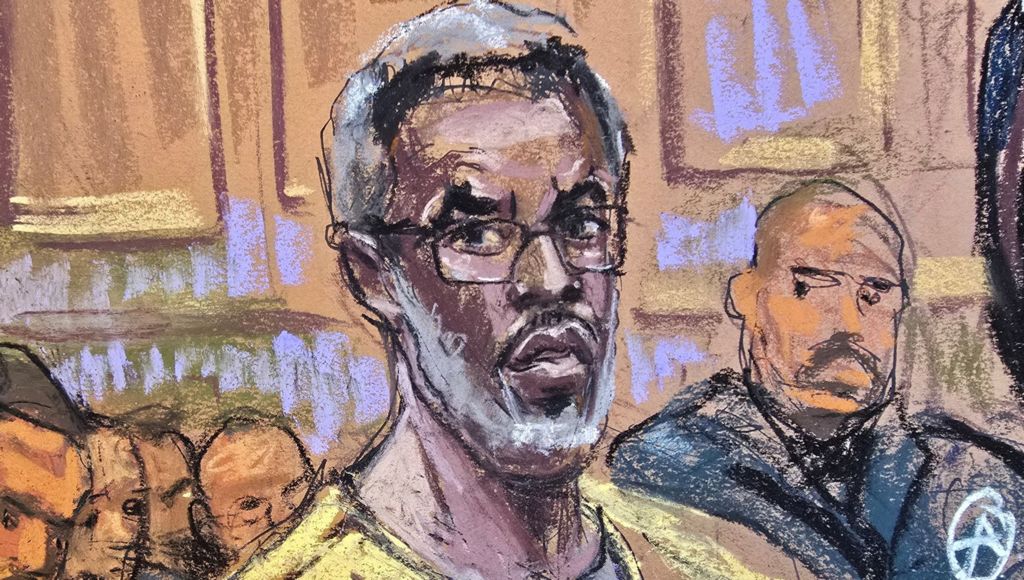
How much time could Diddy spend in prison?
Sean ‘Diddy’ Combs, the renowned music mogul, faces a pivotal moment as he awaits his sentencing following a high-profile criminal trial. Convicted on two counts of transportation to engage in prostitution, Combs could potentially serve up to 20 years in prison. However, his legal team is vigorously advocating for a more lenient sentence, which could see him released in a matter of weeks or even acquitted. The trial, which concluded in July, saw Combs acquitted of the more severe charges of racketeering and sex trafficking but found guilty on the prostitution-related counts. Each count carries a maximum sentence of 10 years, with prosecutors pushing for a minimum of 11 years. Combs’ attorneys argue that such a sentence would be excessive, given the circumstances. The defense has portrayed Combs as a reformed individual, emphasizing his contributions to the music industry and his role as a father to seven children and caregiver to his elderly mother. They have also highlighted his time spent in jail during the trial, suggesting it should count towards his total sentence. On the other hand, prosecutors have emphasized Combs’ history of abusive behavior, including domestic violence and illegal drug use, arguing that he remains unrepentant. Victim testimonies, particularly from Cassandra Ventura, have played a significant role in the case. Ventura, who submitted a letter to the judge, expressed her fear of retaliation and the lasting impact of Combs’ abuse on her life. The sentencing hearing, set for Friday, will see both sides present their arguments, with the judge ultimately deciding the final punishment. Combs’ legal team has also challenged the use of the Mann Act, a century-old law that forms the basis for the charges against him. They argue that the sexual encounters in question were consensual and do not constitute prostitution. Prosecutors, however, have countered with testimonies from Ventura and another woman, referred to as Jane Doe, detailing coerced and physically harmful experiences. As the sentencing looms, the case continues to draw significant attention, with many questioning the future of Combs’ career and the broader implications for the music industry.
-
Xbox Game Pass price increase angers players
Microsoft has ignited a wave of discontent among gaming enthusiasts following its announcement of a significant price increase for its Xbox Game Pass subscription service. The most popular tier, Ultimate, will now cost £22.99 per month, marking a 50% rise from its previous £14.99 price point. This decision has led to a surge in subscription cancellations, with some users reporting that the service’s cancellation page crashed due to overwhelming demand. Microsoft has yet to confirm whether the outage was directly linked to the surge in activity. The revamped Game Pass structure now offers three tiers: Essential (£10/month), Premium (£14.99/month), and Ultimate (£22.99/month). While the basic tier is necessary for online multiplayer access, the higher tiers provide a broader selection of games and perks, including day-one access to new releases from Microsoft-owned studios like Call of Duty. Despite the addition of blockbuster titles such as Hogwarts Legacy and Assassin’s Creed entries to the Game Pass library, many users perceive the price hike as anti-consumer. Industry experts, including Ed Nightingale of Eurogamer, have expressed concerns that the increased costs could alienate gamers, especially as the overall cost of gaming continues to rise. Microsoft has defended the move, stating that the new pricing structure offers greater flexibility, choice, and value. However, critics argue that the company risks undermining its reputation as a consumer-friendly brand. This price adjustment follows a series of cost increases across Microsoft’s gaming division, including higher prices for Xbox consoles and accessories, which the company attributes to rising development costs and market conditions. The broader gaming industry has also seen similar trends, with Sony and Nintendo implementing price hikes for their products. Amidst these changes, Microsoft has also faced scrutiny for its recent layoffs and increased investment in artificial intelligence, raising questions about its long-term strategy in the gaming sector.
-
First killings in Morocco since Gen Z protests erupted
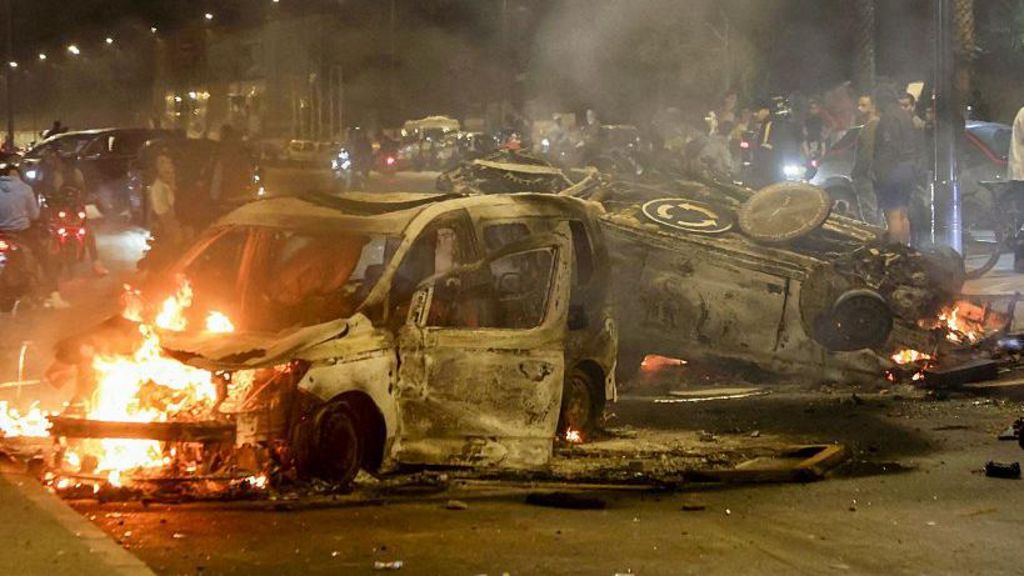
Morocco has been engulfed in widespread unrest as youth-led protests against economic hardship and government priorities turned violent, resulting in at least two fatalities. The clashes erupted after police opened fire to prevent demonstrators from storming a police station in Lqliaa, near Agadir, according to state media. This marks the first deaths since protests began on Saturday, fueled by anger over the government’s decision to allocate resources to building football stadiums for the 2030 FIFA World Cup instead of addressing public services and the economic crisis. Protesters have been chanting slogans like, ‘Stadiums are here, but where are the hospitals?’ highlighting their frustration with deteriorating healthcare and living conditions. One protester from Oujda described local hospitals as ‘jails,’ citing corruption and unsanitary conditions. The unrest has spread to major cities, including Rabat, Casablanca, Tangier, and Marrakech, where a police station was reportedly set ablaze. Authorities have detained 409 individuals, while over 260 police officers and 20 protesters were injured. The youth-led movement, known as GenZ 212, has distanced itself from the violence, organizing primarily through social media without formal leadership. Morocco’s unemployment rate stands at 12.8%, with youth unemployment reaching 35.8%, exacerbating tensions. The government has expressed willingness to engage in dialogue, praising security forces for their ‘balanced reaction.’ This uprising mirrors similar youth-led protests in Nepal, Indonesia, the Philippines, and Madagascar, where governments have faced significant pressure to address public discontent.