作者: admin

  • 90 civilians killed in drone strikes on Sudan’s Kordofan in two weeks: UN

    90 civilians killed in drone strikes on Sudan’s Kordofan in two weeks: UN

    The United Nations Human Rights Chief has delivered a grave assessment of the deteriorating humanitarian situation in Sudan’s Kordofan region, revealing that drone attacks have resulted in massive civilian casualties over a two-week period. According to documentation compiled by the UN Human Rights Office, approximately 90 non-combatants lost their lives while 142 sustained injuries in targeted aerial assaults between mid-January and February 6, 2026.

    Volker Turk, addressing the UN Human Rights Council on Monday, presented evidence indicating that both government forces and paramilitary units share responsibility for the deadly strikes. The systematic aerial bombardments have struck critical civilian infrastructure including a World Food Programme humanitarian convoy, local marketplaces, medical facilities, and residential neighborhoods across both North and South Kordofan.

    The escalating violence represents a dangerous intensification of Sudan’s ongoing conflict, with drone warfare now being deployed against civilian populations. The attacks on humanitarian convoys and medical facilities constitute severe violations of international humanitarian law and have crippled aid delivery mechanisms in the region.

    This development occurs alongside other significant displacement crises, with UN reports indicating over 10,000 people forcibly displaced within just three days elsewhere in Sudan. The systematic targeting of civilian infrastructure suggests a strategic shift in combat operations that places non-combatants at unprecedented risk.

  • Heart, liver ‘live’ outside body as UAE unveils new system for donor organs

    Heart, liver ‘live’ outside body as UAE unveils new system for donor organs

    Dubai has become the epicenter of a medical revolution with the unveiling of a groundbreaking organ preservation technology that fundamentally alters the race against time in transplant procedures. Announced at the World Health Expo 2026, this advanced perfusion system enables human organs to function externally outside the human body, creating unprecedented opportunities for successful transplants.

    The innovative technology, introduced under the UAE’s national organ donation program ‘Hayat’ through the Emirates Health platform, represents a quantum leap from traditional ice-based storage methods. Rather than merely preserving organs in dormant states, the sophisticated perfusion apparatus actively sustains hearts, livers, and other vital organs in a biologically active condition. This miniature circulatory system meticulously replicates natural blood flow patterns, oxygen absorption mechanisms, and physiological responses—effectively keeping donor organs ‘alive’ during transport and evaluation periods.

    Dr. Amin Hussein Al Amiri, Assistant Undersecretary for the Health Regulation Sector at MoHAP, emphasized the transformative implications of this technological breakthrough. ‘This advanced technology extends the safe transport window for organs across cities and nations while significantly enhancing preservation quality,’ he stated. The system enables surgeons to monitor real-time functional performance, measure fluid dynamics, and reassess organs previously deemed unsuitable for transplantation—potentially expanding the pool of viable donor organs and recipient candidates.

    Beyond immediate clinical benefits, the technology promises to reshape international healthcare collaboration. Dr. Al Amiri highlighted how the system ‘enhances opportunities for regional and international cooperation in organ exchange’ while strengthening partnerships between medical institutions and research facilities. The integration of smart perfusion devices into the National Centre for regulating Human Organs and Tissues Transplantation is expected to optimize medical resource allocation and improve logistical planning for complex transplant procedures.

    Concurrently, MoHAP showcased the National Genome System—an ambitious precision medicine initiative establishing comprehensive genetic databases to revolutionize disease prevention, diagnosis, and treatment protocols. Together, these advancements position the UAE at the forefront of medical innovation, demonstrating the nation’s commitment to leveraging artificial intelligence and cutting-edge technology in therapeutic applications while reinforcing organ donation as a profound humanitarian value.

  • Extreme cold in New York City leaves 18 dead

    Extreme cold in New York City leaves 18 dead

    New York City is grappling with a severe humanitarian crisis following one of its most brutal cold snaps in over six decades. Mayor Zohran Mamdani confirmed that 18 residents have perished due to the extreme weather conditions that gripped the metropolis since late January.

    The city endured a historically prolonged freeze, with temperatures remaining at or below 0°C (32°F) for 13 consecutive days—marking the longest such streak since 1963. This Arctic assault created dangerous wind chills that significantly increased risks of hypothermia and frostbite for vulnerable populations.

    While temperatures began moderating over the weekend, they remain below seasonal averages. The mayor emphasized that even with the slight warming, conditions remain hazardous. “Each life lost is a tragedy, and we will continue to hold their families in our thoughts,” Mamdani stated during a Monday briefing, announcing another cold-related death over the weekend.

    In response to the crisis, city officials activated a Code Blue emergency on January 19th, temporarily relaxing intake policies at homeless shelters. This measure has facilitated approximately 1,400 placements into protective facilities. The city further expanded its shelter capacity by adding 64 hotel rooms and deploying at least 150 additional outreach workers to assist those exposed to the elements.

    Of the confirmed fatalities, at least 10 individuals were found outdoors, though circumstances surrounding the remaining deaths remain under investigation. The National Weather Service indicated that while temperatures will gradually rise to around 0°C this week, they will still remain below the normal average of 4°C for this period.

    Emergency management officials continue warning residents about ongoing dangers, including falling ice and snow from buildings and the refreezing of streets and pavements overnight. The mayor urged continued vigilance: “Stay safe, stay indoors… and keep looking out for one another.”

  • ‘No regrets’ – Vonn sustains ‘complex tibia fracture’

    ‘No regrets’ – Vonn sustains ‘complex tibia fracture’

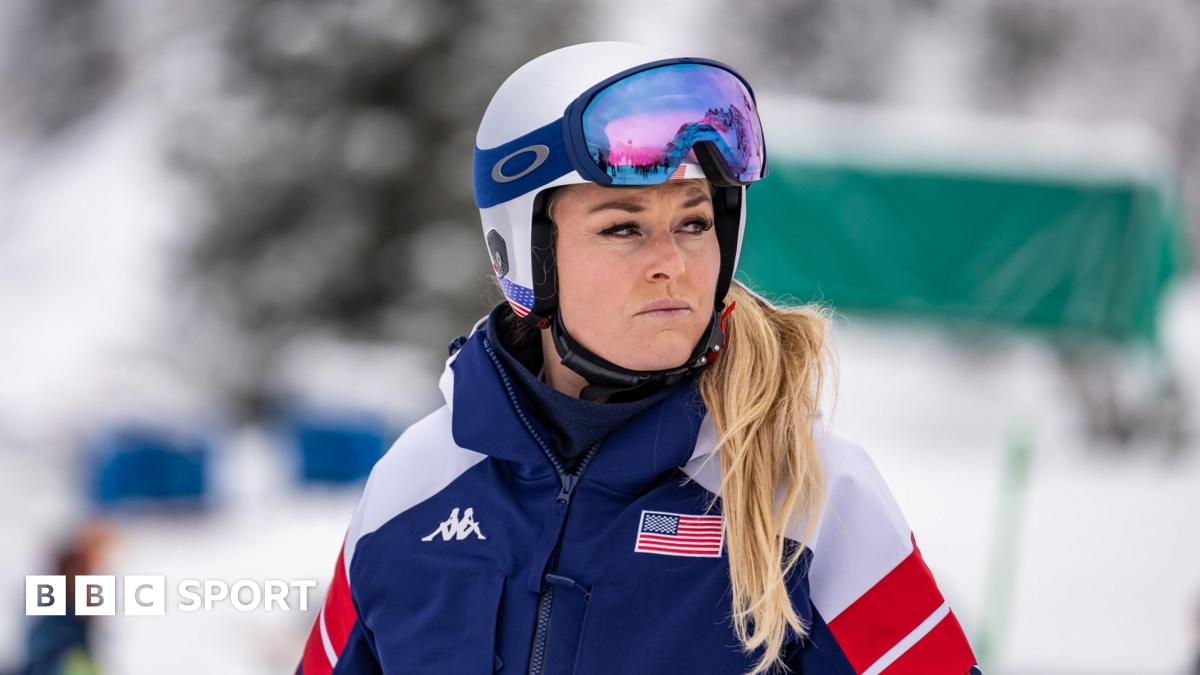
    Olympic champion Lindsey Vonn has expressed zero remorse about her final competitive run at the Cortina Winter Olympics, despite suffering a catastrophic leg fracture that ended her career in a dramatic crash. The 41-year-old skiing icon, competing just nine days after tearing her anterior cruciate ligament, lost control when her arm caught a gate merely 13 seconds into Sunday’s downhill event.

    Medical teams provided extensive on-slope treatment before airlifting Vonn to Ca Foncello Hospital in Treviso, where surgeons addressed her complex tibia fracture. The 2010 downhill gold medalist had previously disclosed her ACL injury during a Wednesday press conference but remained determined to compete in her fifth and final Olympic appearance.

    In a heartfelt Instagram statement, Vonn reflected: ‘My Olympic conclusion differed from my dreams—no storybook ending, just reality. Yet standing in that starting gate, knowing victory remained possible, represented triumph itself.’ She explicitly denied that her pre-existing knee conditions, including a partial right knee replacement, contributed to the accident.

    The skiing legend’s decision has sparked dual reactions across the sports community: widespread admiration for her courage alongside concerns about extreme athletic risks. Vonn philosophically addressed the controversy: ‘Ski racing mirrors life’s dangers. We dream, we leap, and sometimes we fall. The true failure lies in never attempting.’

    The American champion concluded with an inspirational message: ‘I hope my journey demonstrates the courage to dare greatly. Life proves too brief not to gamble on oneself.’ Vonn’s crash occurred at the same venue where she previously crashed during pre-Olympic preparations in Switzerland.

  • Israeli minister promises to pass ‘allegiance’ to Israel law

    Israeli minister promises to pass ‘allegiance’ to Israel law

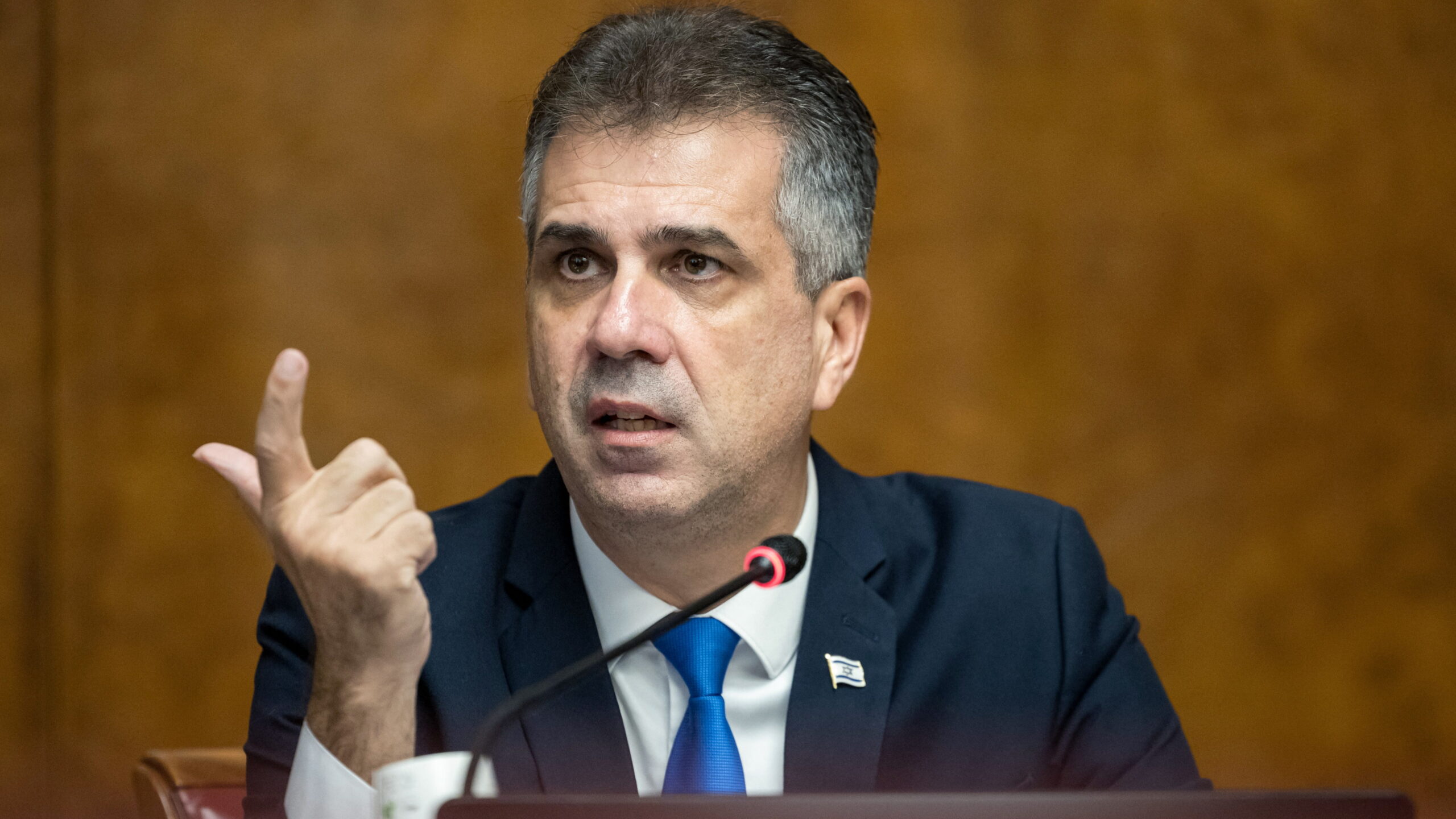
    Israeli Energy and Infrastructure Minister Eli Cohen announced on Sunday forthcoming legislation that would mandate all members of the Knesset to pledge allegiance to Israel’s identity as a Jewish and democratic state during their swearing-in ceremonies. The proposed law explicitly targets Palestinian lawmakers who oppose this designation, with Cohen asserting they “have no place in the Knesset of Israel,” specifically naming politicians Ahmad Tibi and Ayman Odeh.

    The announcement comes amid escalating tensions between Israeli and Palestinian members of parliament. Odeh, leader of the Hadash alliance, and Tibi, head of the Arab Movement for Change (Ta’al), have faced substantial criticism from their Israeli counterparts. In late June, Israel’s Knesset House Committee advanced impeachment proceedings against Odeh by a 14-2 vote, with support from both coalition and opposition parties, following comments perceived as pro-Palestinian and critical of Israel’s military operations in Gaza.

    The political confrontation intensified when Odeh expressed support for a ceasefire agreement between Israel and Hamas earlier this year, drawing condemnation from numerous Israeli lawmakers. He further faced backlash for remarks made during an anti-war demonstration in Haifa. Simultaneously, Tibi encountered legal scrutiny after criticizing Israeli police spokesperson Arye Doron regarding police brutality against Palestinian citizens, prompting authorities to seek criminal investigation for allegedly insulting a civil servant.

    This legislative initiative occurs within a broader context of increasing legal restrictions on Palestinian rights. According to documentation by legal center Adalah, Israel has enacted over 30 laws since October 2023 that reinforce systems of apartheid and repression against Palestinians. These measures, implemented between October 2023 and July 2025, target fundamental rights including freedom of expression, protest, citizenship, family unification, and equality protections.

    The legal expansion includes broader application of counterterrorism legislation almost exclusively against Palestinian citizens of Israel and residents of occupied East Jerusalem. Adalah reports that Israel has exploited the wartime environment to accelerate discriminatory practices, now documenting approximately 100 discriminatory laws overall. These regulations criminalize political expression, authorize family deportations, restrict social benefits, expand detention powers, limit legal counsel access, and enable closure of independent media outlets.

  • India says it will maintain multiple sources of energy supply

    India says it will maintain multiple sources of energy supply

    In a definitive statement on energy security, Indian Foreign Secretary Vikram Misri articulated New Delhi’s commitment to maintaining diversified energy procurement channels during a press briefing on Monday. The senior diplomat emphasized that India’s strategic approach prioritizes consumer interests through three fundamental pillars: sufficient availability, equitable pricing structures, and unwavering supply reliability.

    This policy clarification emerges against the backdrop of recent geopolitical developments, including former US President Donald Trump’s executive order eliminating punitive 25% tariffs on Indian imports—a measure previously imposed due to India’s continued procurement of Russian crude. The Kremlin has subsequently indicated it perceives no substantial shift in India’s established energy acquisition patterns.

    Market analytics reveal a noticeable contraction in India’s Russian oil imports during January, as refining enterprises actively pursued alternative sources amid intensifying Western sanctions and ongoing US-India trade negotiations. Foreign Secretary Misri explicitly stated that India maintains no singular dependency for crude oil acquisitions nor intends to develop such reliance, instead procuring from multiple suppliers based on objective market conditions and national interest considerations.

    The South Asian nation’s energy calculus demonstrates sophisticated balancing between geopolitical realities and domestic economic requirements, with government policies and corporate decisions both guided by overarching national security and economic stability imperatives.

  • Healing with horses: Inside Dubai’s new wellness trend

    Healing with horses: Inside Dubai’s new wellness trend

    Dubai’s wellness landscape has welcomed an innovative therapeutic approach at Crystalline Equine, the city’s first boutique sanctuary specializing in equine-facilitated healing. Nestled within JSR Equestrian Centre on the city’s outskirts, this sanctuary offers a stark contrast to Dubai’s fast-paced environment, creating a tranquil space where horses serve as intuitive partners in emotional and physical restoration.

    Founded by Joy Desmond, a former British Airways executive who discovered the therapeutic power of horses during her volunteer work with London-based organization Strength and Learning Through Horses, the center represents a radical career transformation. Desmond’s personal observations of horses helping foster children, neurodivergent youth, and even adult prisoners inspired her vision of combining equine therapy with crystalline energy healing.

    The science behind equine-assisted therapy reveals why these interactions prove so transformative. Horses possess biological sensitivity that makes them exceptional healing partners—their hearts generate electromagnetic fields five times stronger than humans’, and their innate herd dynamics enable them to read human energy and intention with remarkable accuracy. This biological compatibility facilitates co-regulation, where human nervous systems naturally synchronize with equine rhythms, resulting in lowered heart rates, deeper breathing, and muscular release.

    Crystalline Equine’s methodology integrates ground-based interactions with mindfulness practices, somatic awareness, breathwork, and crystal bowl sound healing. Two specially selected horses—Atoll, a retired grand prix jumper providing grounded stability, and Crystalline, an Arabian-Lipizzaner cross embodying elegant presence—move freely throughout sessions, participating according to their intuitive assessment of participants’ needs.

    The therapeutic outcomes observed at the center have been profound. Participants experiencing anxiety, burnout, or trauma—including those with equine-related fears—have demonstrated significant breakthroughs. One notable case involved a woman overcoming decades-long riding accident trauma through gradual exposure, eventually progressing to feeding horses and contemplating riding again.

    Desmond emphasizes the non-directive philosophy underlying their approach: ‘Horses respond to authenticity, not control.’ This principle informs all activities at the sanctuary, where upcoming expansions include Reiki integration allowing horses to intuitively identify areas of emotional density in participants.

    Operating seasonally to honor natural rhythms, Crystalline Equine represents a growing recognition of interspecies healing modalities. Desmond envisions the center evolving into a collaborative hub for horse-assisted practitioners while maintaining its boutique, intentionally holistic approach to wellness that reconnects humans with ancient healing partnerships.

  • Zimbabwe dominate Oman on return to ICC T20 World Cup

    Zimbabwe dominate Oman on return to ICC T20 World Cup

    Zimbabwe marked their triumphant return to the ICC T20 World Cup stage with a dominant performance against Oman on Monday, securing a comprehensive eight-wicket victory at Colombo’s Sinhalese Sports Club. Playing their first T20 World Cup match since 2022, the African nation demonstrated exceptional bowling prowess before comfortably chasing down their target with 39 deliveries remaining.

    The match witnessed an extraordinary bowling display from Zimbabwe’s pace attack, with Richard Ngarava (3-17) and Blessing Muzarabani (3-16) unleashing devastation upon Oman’s batting lineup. The bowling duo reduced their opponents to a precarious 27-5 within the powerplay, with none of Oman’s top-order batsmen reaching double figures. Brad Evans provided excellent support as first-change bowler, claiming 3-18 with consistent line and length.

    Oman’s innings found temporary stability through a 42-run sixth-wicket partnership between Sufyan Mehmood (25) and Vinayak Shukla (28), who managed to push their team to a modest total of 103 runs. However, the recovery proved insufficient against Zimbabwe’s determined batting response.

    During the chase, Brian Bennett’s unbeaten 48 runs and Brendan Taylor’s 31 provided the foundation for Zimbabwe’s comfortable victory. The experienced Taylor, who participated in the inaugural T20 World Cup in 2007, retired hurt just four runs short of victory, allowing captain Sikandar Raza to seal the win with a boundary.

    Muzarabani, awarded Player of the Match, commented on his strategic approach: ‘Coming from a back injury, I intentionally shortened my run-up to avoid excessive strain. The pitch offered favorable bounce, and we effectively capitalized on these conditions.’ The fast bowler emphasized the team’s focused mentality, stating they intend to approach the tournament ‘game by game.’

  • Instagram and YouTube owners built ‘addiction machines’, trial hears

    Instagram and YouTube owners built ‘addiction machines’, trial hears

    In a groundbreaking California courtroom confrontation, the world’s largest social media corporations stand accused of deliberately engineering platforms that function as “addiction machines” targeting children’s developing brains. The landmark trial commenced Monday in Los Angeles Superior Court before Judge Carolyn B. Kuhl, marking a pivotal moment in the ongoing legal scrutiny of technology companies’ impact on youth mental health.

    Prominent attorney Mark Lanier delivered a compelling opening statement representing plaintiff “K.G.M.” (referred to by initials due to her minor status during the alleged harms), asserting that Meta’s Instagram and Google’s YouTube intentionally designed their platforms to create neurological addiction in young users. “These companies built machines designed to addict the brains of children, and they did it on purpose,” Lanier declared to the jury, accompanied by a visual display of children’s blocks spelling out “Addicting,” “Brains,” and “Children.”

    The prosecution presented internal corporate communications as evidence, including a 2015 email wherein Meta CEO Mark Zuckerberg allegedly demanded a 12% increase in time spent on company platforms to meet business objectives. Regarding YouTube, Lanier contended the platform deliberately targeted young users rather than directing them to its YouTube Kids service because advertisers paid premium rates for access to this demographic.

    The trial represents the first of numerous similar cases scheduled throughout 2024, with testimony expected from top executives including Zuckerberg, Instagram head Adam Mosseri, and YouTube CEO Neal Mohan. The proceedings will also feature former Meta employees turned whistleblowers and family members of children who suffered severe consequences allegedly linked to social media addiction.

    Defense teams for the technology companies are anticipated to argue that the plaintiff’s mental health challenges originated from other life circumstances rather than platform design. They maintain protection under federal law regarding third-party content and deny negligence in their platform engineering practices.

    The outcome of this six-week trial could establish critical precedents for monetary damages and liability standards affecting thousands of pending cases nationwide brought by families, state prosecutors, and school districts. The courtroom gallery accommodated approximately one hundred observers, including parents who believe platform algorithms and notification systems contributed to tragic outcomes for their children.

    Notably, Snapchat-parent Snap and TikTok previously settled with the plaintiff and are no longer defendants in this particular case, highlighting the divided legal strategies emerging within the technology sector regarding these allegations.

  • Malinin made history with his Olympic backflip, but some say that glory was owed to Bonaly

    Malinin made history with his Olympic backflip, but some say that glory was owed to Bonaly

    At the Milan Cortina Winter Olympics, American figure skater Ilia Malinin made history by becoming the first athlete to legally execute a one-blade backflip in Olympic competition—a move immediately recognized as a pivotal moment in figure skating. The 21-year-old Virginian, celebrated as the ‘Quad God,’ incorporated this daring element into his gold medal-clinching free skate performance for the U.S. team, earning widespread acclaim for his technical mastery.

    However, this athletic breakthrough has ignited complex conversations about recognition, race, and historical credit in the sport. The move Malinin performed is formally known as ‘the Bonaly flip’—named after French skater Surya Bonaly, who first landed the single-blade backflip at the 1998 Nagano Games in deliberate defiance of then-existing bans. While Malinin receives contemporary praise, many observers note that Bonaly—a Black athlete who competed during a less accepting era—faced criticism and point deductions for the identical element.

    In an exclusive interview with The Associated Press, Bonaly reflected on the contrasting receptions: ‘I broke ice for other skaters. Now everything is different. People welcome anyone as long as they are good.’ The pioneering skater, now 50, suggested she was ‘born too early’ for her innovations to be properly appreciated during her competitive career.

    The historical context reveals deeper layers to this technical achievement. The first Olympic backflip was performed by American Terry Kubicka in 1976 (landed on two blades), prompting an immediate ban by the International Skating Union (ISU) over safety concerns. Bonaly’s rebellious 1998 performance—executed knowing it would cost her points—became an iconic conclusion to her professional journey and cemented her legacy as a barrier-breaking Black athlete in a sport with limited diversity.

    The rule change that enabled Malinin’s legal backflip occurred just two years ago when the ISU reversed its long-standing prohibition to increase the sport’s appeal to younger audiences. This regulatory shift allowed Malinin to incorporate the element into competitive routines, culminating in his Olympic triumph.

    Social media commentary, particularly from Black observers like TikTok creator Ari Lu, highlights perceived racial double standards: ‘Something a Black person used to be derided for is now celebrated when done by a white person.’ Lu and others argue the skating community owes Bonaly formal recognition and apology for past treatment they view as racially biased.

    The ongoing diversity challenges in figure skating provide context to these discussions. While the current U.S. team includes Asian-American representation and LGBTQ+ advocate Amber Glenn, no Black skaters qualified for this year’s Olympic roster—notable given that Starr Andrews, a popular Black skater, placed seventh at nationals. This absence echoes historical barriers faced by pioneers like Mabel Fairbanks (blocked by racist policies in the 1930s) and Debi Thomas (first African American Winter Olympic medalist).

    Recent ISU and IOC social media posts have celebrated Bonaly’s legacy, calling her backflip ‘a topic of discussion, awe, and admiration for over two decades.’ However, critics like Lu consider these gestures insufficient without formal acknowledgment of past inequities. Meanwhile, current skaters like Glenn express admiration but caution regarding the element’s difficulty: ‘The thought of practicing it… just scares me.’

    The Malinin-Bonaly narrative ultimately transcends a single move, reflecting broader conversations about innovation, recognition, and evolving standards of acceptance in elite sports.