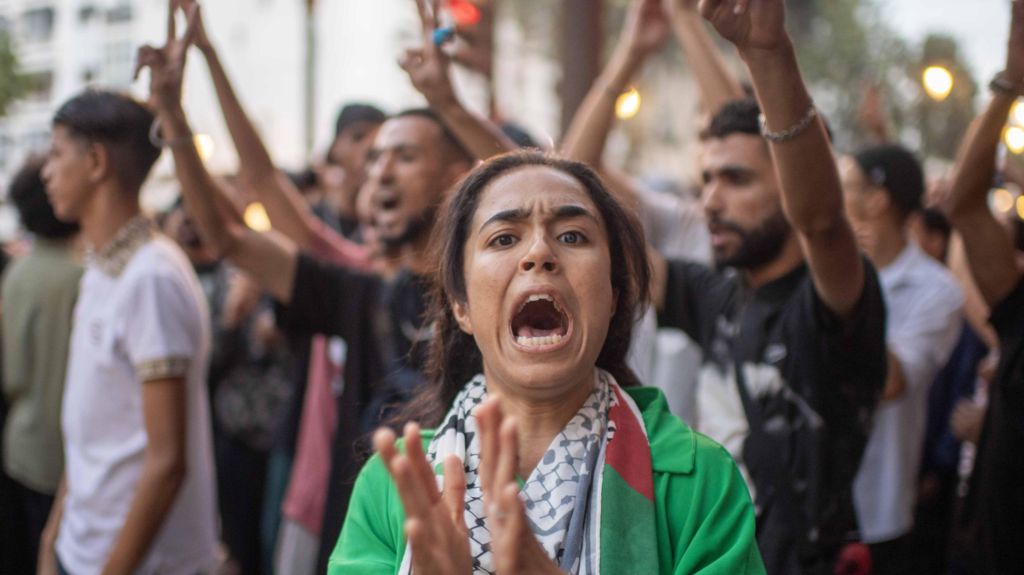
Morocco is currently constructing the world’s largest football stadium, a 115,000-capacity venue, as part of its preparations to co-host the 2030 FIFA World Cup. However, this ambitious project, along with other football infrastructure developments costing an estimated $5 billion, has sparked nationwide protests led by the country’s youth. Demonstrators argue that the government’s priorities are misplaced, emphasizing the urgent need for improvements in healthcare, education, housing, and employment opportunities. The protests, organized by a group called Gen Z 212, have gained momentum through social media platforms like Discord, TikTok, and Instagram. Inspired by recent youth-led movements in Nepal, Moroccan protesters are demanding concrete action from authorities to address systemic issues. The demonstrations, which began on September 27 across 10 cities, have grown in size, with slogans such as ‘No World Cup, health comes first’ and ‘We want hospitals, not football stadiums.’ The government’s response has been marked by mass arrests and violent clashes, resulting in the deaths of three protesters. Prime Minister Aziz Akhannouch has expressed openness to dialogue, but the leaderless movement remains steadfast in its demands. Key grievances include free and quality education, accessible healthcare, affordable housing, better public transport, lower prices for basic goods, improved wages, and job opportunities for youth. The movement gained significant traction following the tragic deaths of eight women in a maternity ward in Agadir, which many believe could have been prevented with adequate medical resources. Morocco’s healthcare system is severely underfunded, with only 7.8 doctors per 10,000 people, far below the World Health Organization’s recommendation of 23. Protesters like Hajar Belhassan, a 25-year-old communications manager, emphasize that their demands are basic and reasonable. ‘We are making reasonable, basic demands. Health and education are necessities that should already be prioritized,’ she told the BBC. The protests have drawn comparisons to Morocco’s 1981 Bread Riots, where demonstrators protested against rising food prices. While the government has faced criticism for its heavy-handed response, protesters have distanced themselves from acts of violence and looting. As the movement continues, calls for the king to dissolve the government have emerged, reflecting the growing discontent among Morocco’s youth. Despite their grievances, protesters like Belhassan express pride in their country’s ability to host the World Cup but stress the need to address fundamental issues first. ‘Let’s build stadiums, but let’s also build our education and health systems. Let’s take care of our people,’ she said.
作者: admin
-
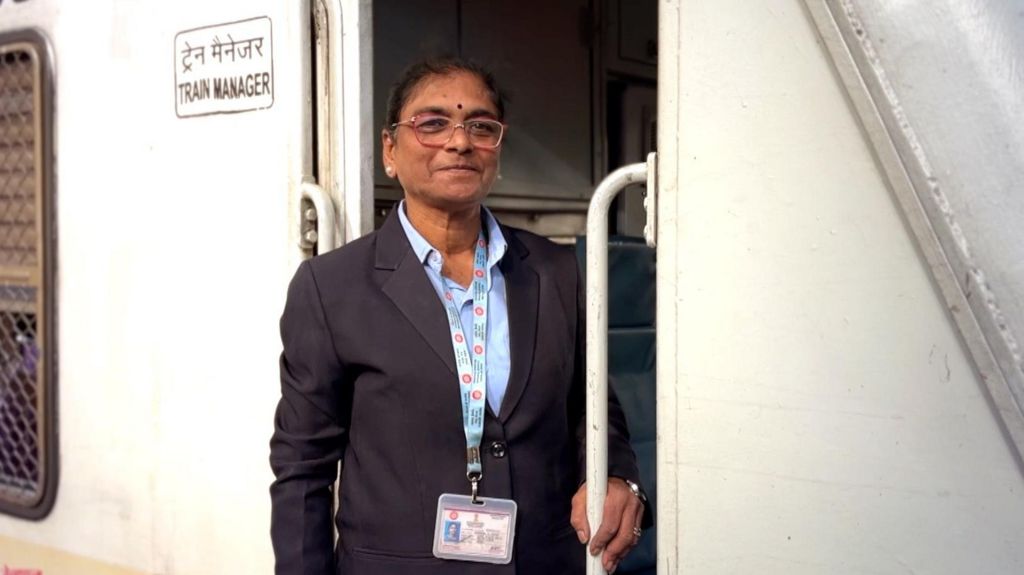
‘Machines don’t see gender’: India’s first female train driver on blazing the trail
Surekha Yadav, India’s first female train driver, recently retired after an illustrious 36-year career with the Indian Railways. Her journey began in 1989 when she joined as an assistant train driver, breaking gender barriers in a male-dominated profession. Over the decades, she navigated diverse terrains and weather conditions, operating various trains across the country. Born in 1965 in Maharashtra to a farming family, Yadav’s parents prioritized her education, enabling her to pursue a career as an electrical engineer. A newspaper advertisement for assistant train drivers sparked her interest, and she seized the opportunity, unaware that she would become a trailblazer for women in the field. Yadav’s early years were challenging, marked by grueling training and a lack of female peers. However, her determination and skill earned her promotions, including the role of locomotive pilot in 1996. Despite the demanding nature of the job—unpredictable hours, harsh conditions, and balancing motherhood—Yadav excelled, mentoring aspiring operators and inspiring countless women. On her final day, she drove the prestigious Rajdhani Express and was honored with a grand farewell by her colleagues. Reflecting on her career, Yadav emphasized the importance of focus and resilience, stating, ‘Machines don’t see gender; they see your strength.’ Her legacy continues to inspire future generations in India’s railway industry.
-
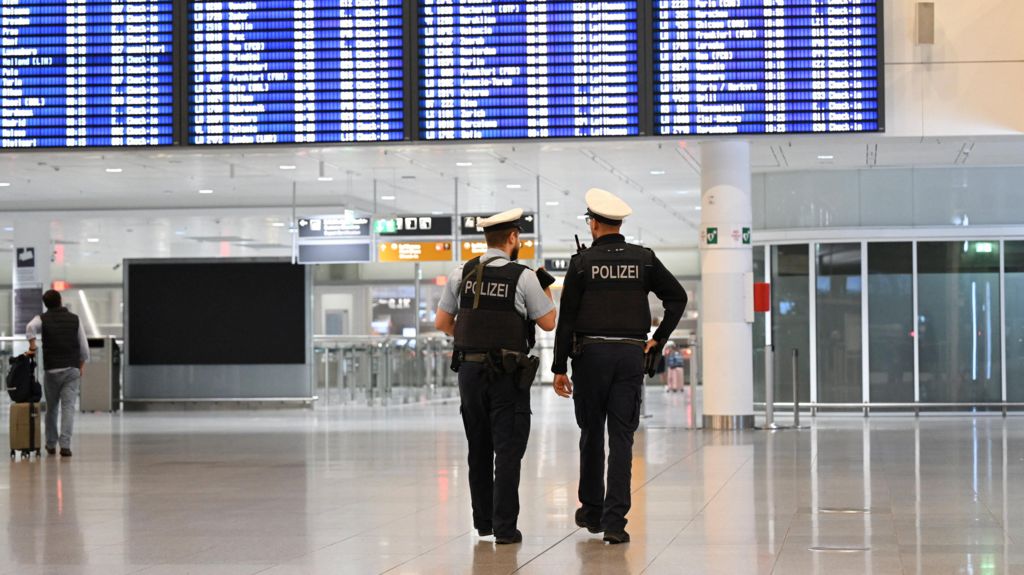
Suspected drones force second Munich airport closure in 24 hours
Munich Airport has once again suspended all flights due to unconfirmed drone sightings, marking the second such disruption within 24 hours. The latest suspension occurred on Friday evening at 21:30 local time (20:30 GMT), affecting approximately 6,500 passengers. This follows a similar incident on Thursday evening, where at least 17 flights were grounded after multiple drones were spotted in the vicinity. The disruptions are part of a growing trend of drone-related aviation disturbances across Europe in recent weeks. Authorities in Belgium are also investigating sightings of 15 drones near the Elsenborn military site, close to the German border. Reports indicate that these drones subsequently flew into Germany, where they were observed by police in the town of Düren. The origin and operators of the drones remain unidentified. German Interior Minister Alexander Dobrindt has announced plans to address anti-drone defense measures at a European interior ministers’ meeting on Saturday, originally scheduled as a migration summit. Additionally, Dobrindt has pledged to expedite legislation that would empower police to request military assistance in shooting down drones. The recent surge in drone sightings across the EU has prompted discussions at a leaders’ summit in Copenhagen, where several member states have supported the creation of a ‘drone wall’ to detect, track, and destroy Russian drones. Recent incidents include 20 Russian drones crossing into Poland and Russian MiG-31 jets entering Estonian airspace. Airports in Copenhagen and Oslo have also faced closures due to unidentified drones near their airspaces. German Chancellor Friedrich Merz has expressed concerns over the increasing frequency of airspace incursions, suggesting that Russia may be responsible. However, Russian President Vladimir Putin has denied any involvement, dismissing the allegations with humor during a summit in Sochi.
-
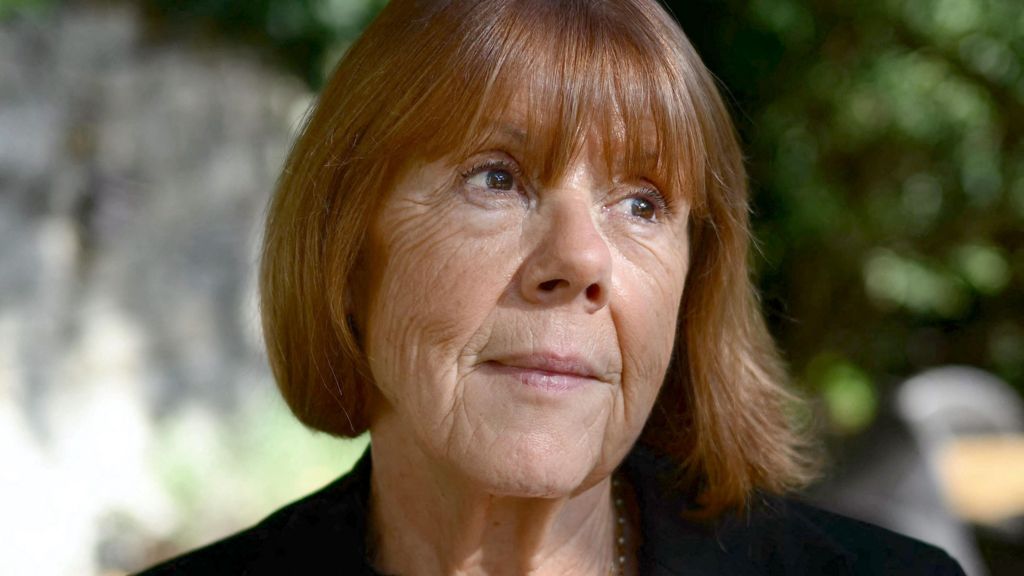
Gisèle Pelicot returns to court after trial made her an icon – and tore her family apart
Gisèle Pelicot, the 72-year-old grandmother at the center of France’s largest rape trial, is set to return to court as one of her 51 convicted rapists appeals his sentence. Husamettin Dogan, a 44-year-old married father, is challenging his nine-year prison term for aggravated rape, marking the only appeal to proceed among the defendants. The case, which captivated global attention last year, exposed a decade-long ordeal where Gisèle was drugged and assaulted by men recruited by her husband, Dominique Pelicot, who meticulously documented the crimes. Dominique received the maximum sentence of 20 years, while 46 others were convicted of rape, two of attempted rape, and two of sexual assault. Dogan’s appeal, effectively a retrial, will revisit harrowing evidence, including video footage of the assaults. Gisèle, now a feminist icon, has chosen to attend the proceedings despite not being legally required to do so. Her lawyer, Stéphane Babonneau, noted her sense of responsibility to see the case through to its conclusion. The trial has profoundly impacted French society, sparking nationwide discussions on rape, consent, and gender violence. Dogan’s defense, which previously argued he was unaware Gisèle was unconscious, faces scrutiny in a trial judged by a public jury. Legal experts suggest the case’s high profile may influence the jury’s decision, potentially leading to a harsher sentence. Gisèle’s courage in waiving her anonymity and pushing for transparency has earned her global recognition, including accolades from Time magazine and the French Legion d’Honneur. However, the case has also fractured her family, with her eldest children accusing her of failing to support their own allegations of abuse by Dominique. As the trial resumes, Gisèle’s presence underscores her unwavering commitment to justice and her hope to inspire other survivors.
-
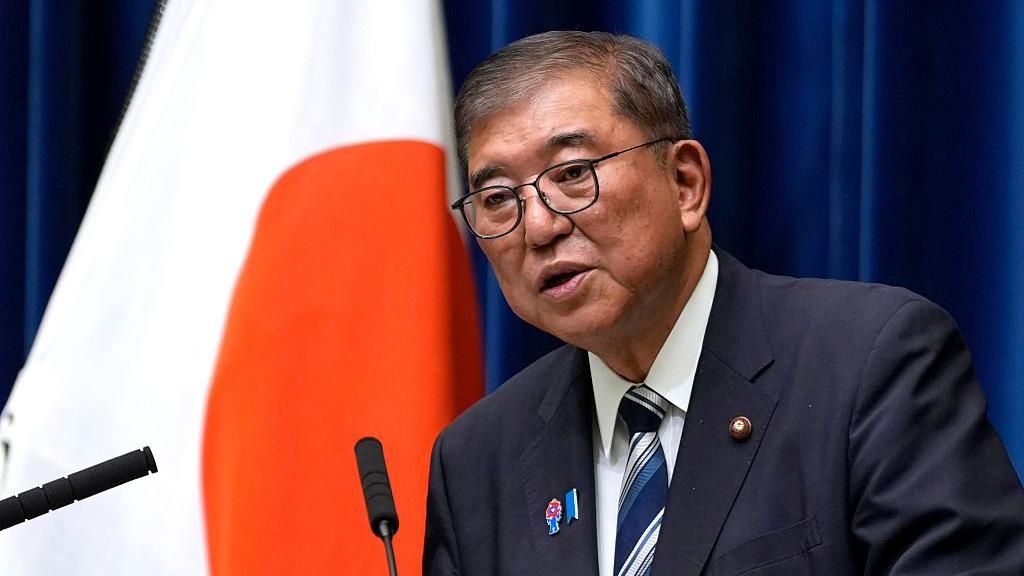
Japan’s ruling party to vote for second new leader in a year
Japan’s political landscape is poised for a historic shift as the ruling Liberal Democratic Party (LDP) prepares to elect its second new leader in just over a year. This pivotal vote could result in either the nation’s first female prime minister or its youngest-ever leader. The decision comes in the wake of Prime Minister Shigeru Ishiba’s resignation last month, following the LDP’s loss of its majority in both houses of parliament. The new leader will inherit a host of pressing challenges, including restoring voter trust after a series of financial corruption scandals, navigating strained US-Japan relations, and implementing a contentious tariff deal with the Trump administration. Domestically, the incoming prime minister must address a faltering economy, rising inflation, and a cost-of-living crisis, while also countering a growing far-right influence. The LDP’s internal vote on Saturday will determine the next leader, with a runoff scheduled if no candidate secures a majority. Among the frontrunners are Shinjiro Koizumi, the current agricultural minister; Yoshimasa Hayashi, the chief cabinet secretary; and Sanae Takaichi, a seasoned LDP member who could become Japan’s first female prime minister. Takaichi, a hardline conservative, has recently shifted her focus to women’s issues, proposing tax breaks for childcare and significant economic investments. Koizumi, known for his media-friendly persona and social media presence, has gained popularity for his efforts to reduce rice prices. Hayashi, a seasoned politician, is seen as a steady and experienced choice. The leadership contest follows a tumultuous period for the LDP, marked by scandals, voter apathy, and record-low approval ratings. The party’s loss of its parliamentary majority in 2024 and subsequent defeat in the upper house elections have further complicated its position. Ishiba’s resignation in September set the stage for this critical vote, as the LDP seeks to rebuild its credibility and chart a new course for Japan’s future.
-
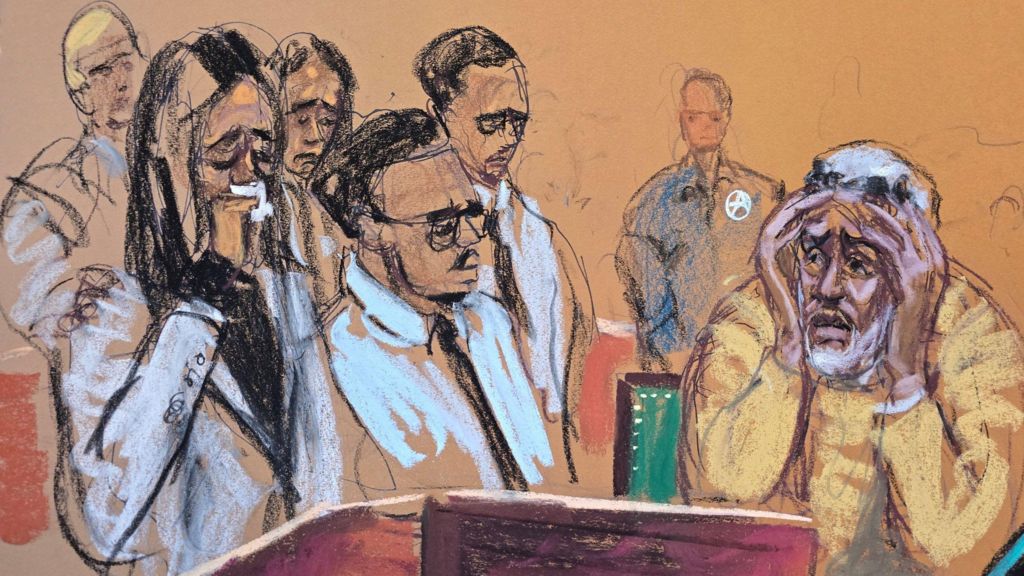
Sean ‘Diddy’ Combs sentenced to more than four years in prison
Hip-hop icon Sean ‘Diddy’ Combs has been sentenced to 50 months in prison following his conviction on prostitution-related charges involving two former girlfriends. The sentencing, delivered by Judge Arun Subramanian in New York, came after a nearly two-month federal trial where prosecutors detailed Combs’ history of domestic violence and coercive behavior. Despite defense attorneys advocating for a 14-month sentence, citing his remorse and reform during 13 months of pre-trial incarceration, prosecutors pushed for an 11-year term, emphasizing the severity of his actions. Combs, 55, was acquitted of the most serious charges, including racketeering conspiracy and sex trafficking, but found guilty of transporting individuals for prostitution under the Mann Act. In a heartfelt courtroom address, Combs apologized to his victims, ex-girlfriends Casandra Ventura and ‘Jane,’ and his family, acknowledging his ‘disgusting, shameful, and sick’ behavior. He pleaded for mercy, vowing never to jeopardize his family again. The court also heard emotional testimonies from Combs’ children, who described him as a ‘changed man.’ Judge Subramanian, while acknowledging Combs’ charitable contributions and family ties, emphasized the need for accountability, stating that his actions constituted ‘subjugation’ and caused lifelong trauma to his victims. Combs will receive credit for time served and must pay a $500,000 fine. His legal team plans to appeal the decision.
-
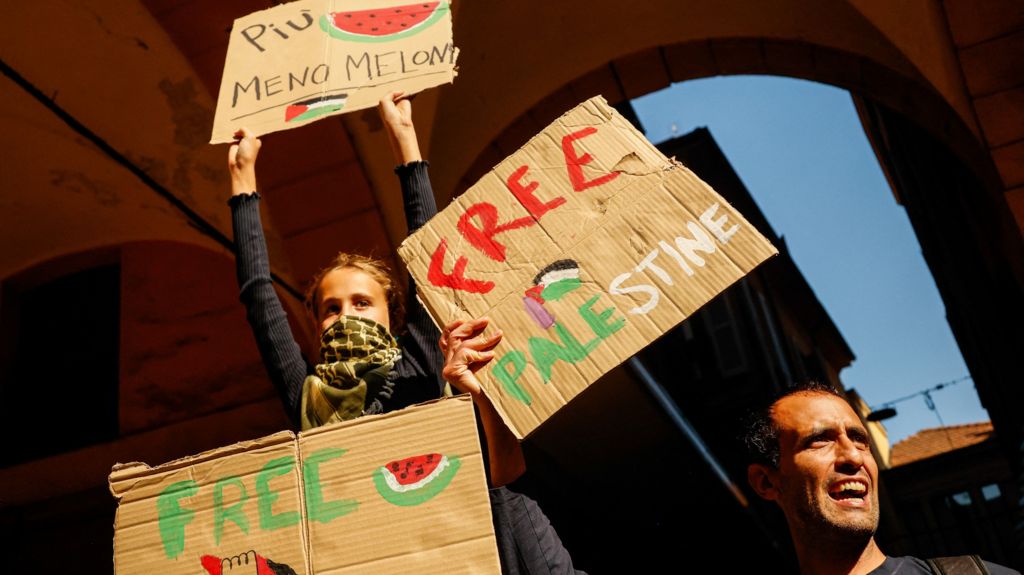
Italians stage strike in support of Gaza Palestinians
Thousands of Italians took to the streets in a nationwide protest on Friday, expressing solidarity with Palestinians in Gaza and condemning Israel’s ongoing military actions and blockade. The demonstrations, which spanned 29 cities, saw an estimated 400,000 participants according to the Interior Ministry, though trade unions claimed the number was significantly higher. The protests were fueled by recent events, including Israel’s interception of a European aid flotilla bound for Gaza, where UN experts have confirmed famine conditions in Gaza City and surrounding areas. The flotilla, carrying food and medical supplies, was halted by Israeli forces, who dismissed the mission as a publicity stunt. Over 40 Italians were among those detained. Italy’s hard-right Prime Minister Giorgia Meloni criticized the protests, labeling the general strike as counterproductive and disruptive to daily life. Her deputy, Matteo Salvini, went further, calling the strike illegal and threatening sanctions. Despite government opposition, protesters rallied behind banners with slogans like ‘Stop the Massacre’ and ‘Hands off the Flotilla!’ In cities such as Milan, Bologna, and Pisa, clashes erupted between demonstrators and police, with tear gas deployed to disperse crowds. In Naples, dockworkers blockaded the port, while in Turin, protesters disrupted railway operations. Similar protests were reported across Europe, from The Hague to Madrid. In Rome, a peaceful march culminated in a brief occupation of a motorway, with participants waving Palestinian flags and chanting slogans. Opposition leader Elly Schlein praised the protests, accusing the government of failing to address the humanitarian crisis in Gaza. Meanwhile, Meloni has linked Italy’s recognition of Palestinian statehood to the release of Israeli hostages and the exclusion of Hamas from governance. Political analysts note that the protests reflect growing pressure on the government and a resurgence of left-wing activism in Italy. As the demonstrations continued, four Italian politicians detained on the aid flotilla returned to Rome, greeted by emotional reunions with family and colleagues. Despite the confiscation of the flotilla’s aid, participants hailed the mission as a symbolic victory, offering hope to Gaza’s beleaguered population.
-
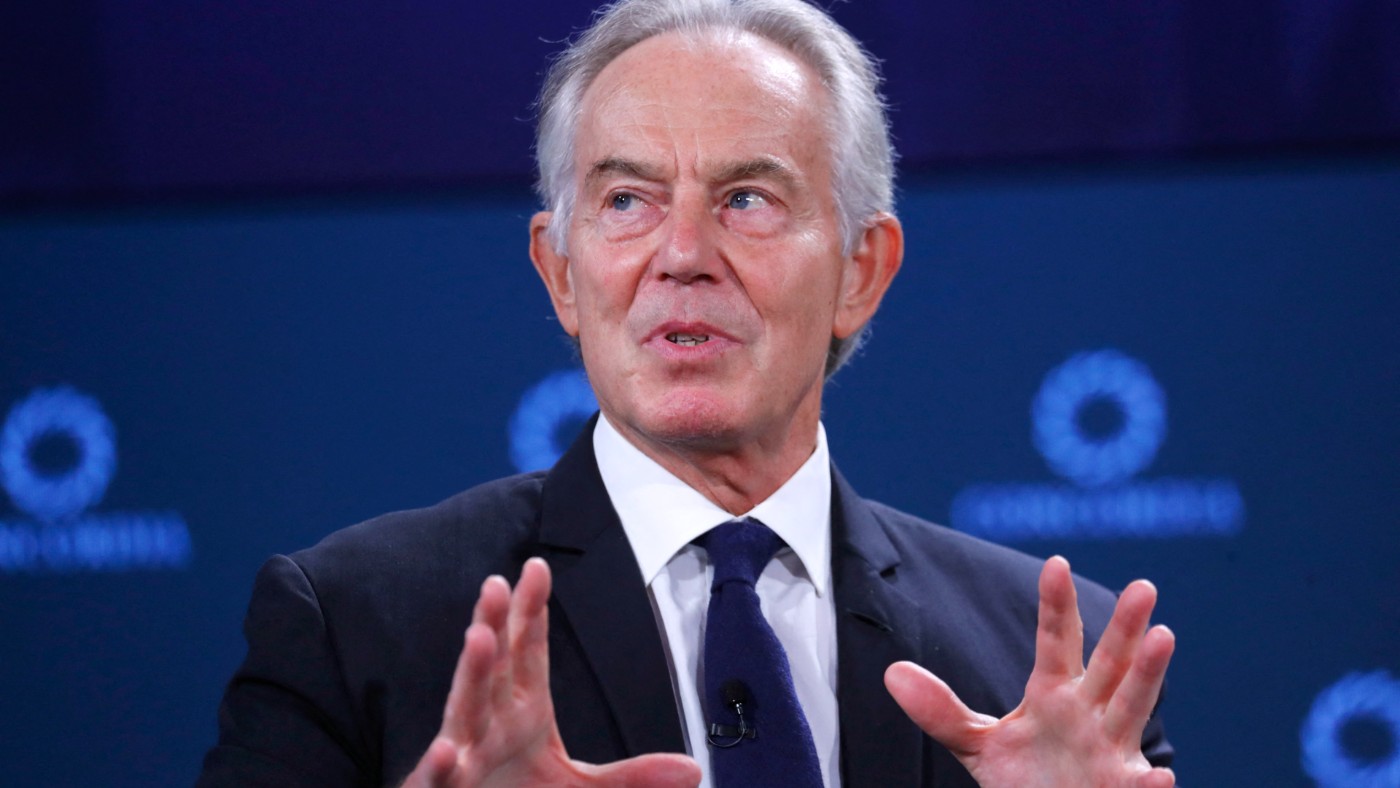
Billionaires, Zionists and a UN official: Tony Blair’s proposed team for Gaza
A draft plan outlining the governance structure for Gaza under the leadership of former British Prime Minister Tony Blair has been leaked, sparking widespread debate. The proposal, known as the Gaza International Transitional Authority (Gita), envisions a hierarchical system dominated by an international board of billionaires and business leaders, with carefully vetted Palestinian administrators at the lower tiers. The plan has reportedly garnered support from Israel, Egypt, and the United States, with the White House backing the initiative, according to sources cited by Haaretz.
The proposed Gita would be governed by an international board with ‘supreme political and legal authority’ during the transitional period. Among the potential candidates for this board are Sigrid Kaag, the UN’s special coordinator for the Middle East peace process, and three prominent figures with significant financial and executive expertise: Marc Rowan, CEO of Apollo Global Management; Naguib Sawiris, an Egyptian billionaire in telecommunications and technology; and Aryeh Lightstone, CEO of the Abraham Accords Peace Institute. Notably, none of the candidates are Palestinian, raising concerns about the lack of local representation.
Critics have highlighted the controversial backgrounds of some board candidates. Lightstone, for instance, has been involved in the Gaza Humanitarian Foundation (GHF), an aid distribution mechanism criticized by Doctors Without Borders as a ‘system of institutionalized starvation and dehumanization.’ Similarly, Sawiris, a billionaire with close ties to Blair, has been involved in various international projects, including rebuilding Afghanistan post-invasion. Rowan, a Wall Street financier, has been a vocal supporter of Israel, describing the conflict in Gaza as a ‘just war.’
The leaked plan has drawn criticism for its top-down approach and the exclusion of Palestinian voices in the governance structure. Sigrid Kaag, the only non-controversial figure on the list, has expressed concerns about the humanitarian crisis in Gaza, describing it as a ‘stain on our collective conscience.’ The proposal’s alignment with Israel’s strategic interests has further fueled skepticism about its feasibility and fairness.
As the international community grapples with the complexities of Gaza’s future, Blair’s plan underscores the challenges of balancing geopolitical interests with the need for inclusive and sustainable governance. The leaked draft has ignited a broader conversation about the role of international actors in shaping the region’s future and the importance of ensuring that local voices are heard.
-
Israel and Palestine: What’s happened in the West Bank since October 2023?
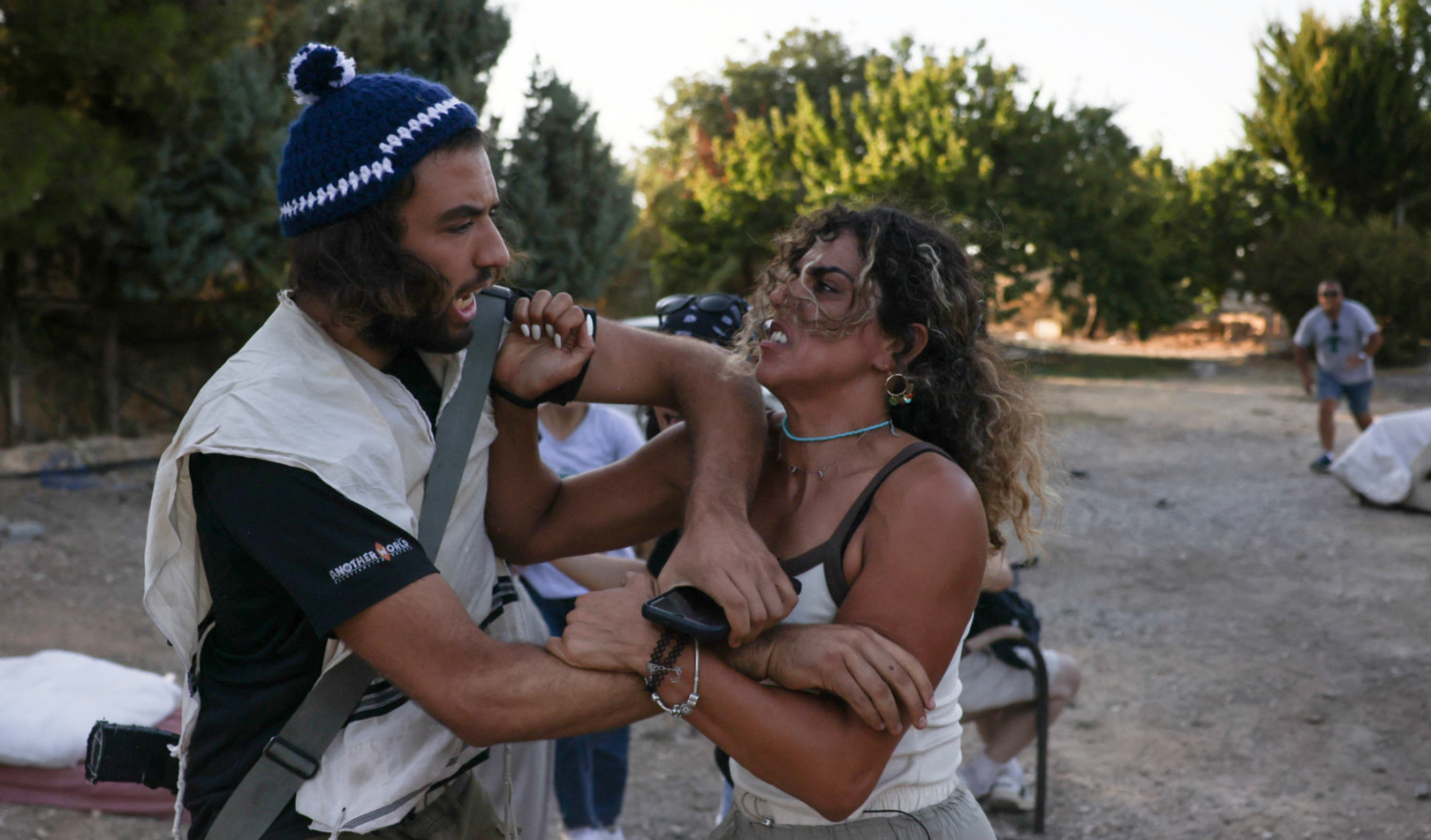
The West Bank, a Palestinian territory occupied by Israel since 1967, has witnessed escalating violence and political tensions in recent years. While global attention has largely focused on the conflict in Gaza, the West Bank has become a flashpoint for Israeli military operations, settler violence, and humanitarian crises. Since October 7, 2023, Israeli forces have conducted nearly 7,500 raids on Palestinian towns and villages, according to the UN Office for the Coordination of Humanitarian Affairs (Ocha). These raids, often targeting refugee camps, have resulted in widespread displacement and casualties. The West Bank, home to approximately three million Palestinians and 700,000 Israeli settlers, is divided into three administrative zones under the 1993 Oslo Accords. However, Israel maintains de facto control over the entire territory, with its military operating unchecked. Settler violence has surged, with over 1,400 incidents recorded in 2024 alone, the highest since records began. The Israeli government has also advanced controversial settlement plans, including the E1 Settlement Plan, which aims to connect East Jerusalem with existing settlements, further undermining the possibility of a two-state solution. International condemnation has followed, with the UN and human rights organizations labeling these actions as violations of international law. The Palestinian Authority (PA), led by Mahmoud Abbas, has struggled to maintain control, often collaborating with Israeli forces to suppress dissent. Amidst this turmoil, Palestinian support for Hamas has declined, but dissatisfaction with the PA remains high. The situation in the West Bank remains dire, with thousands displaced, hundreds killed, and the prospects for peace increasingly bleak.
-
Moment Sean ‘Diddy’ Combs learned his fate after tearful day in court
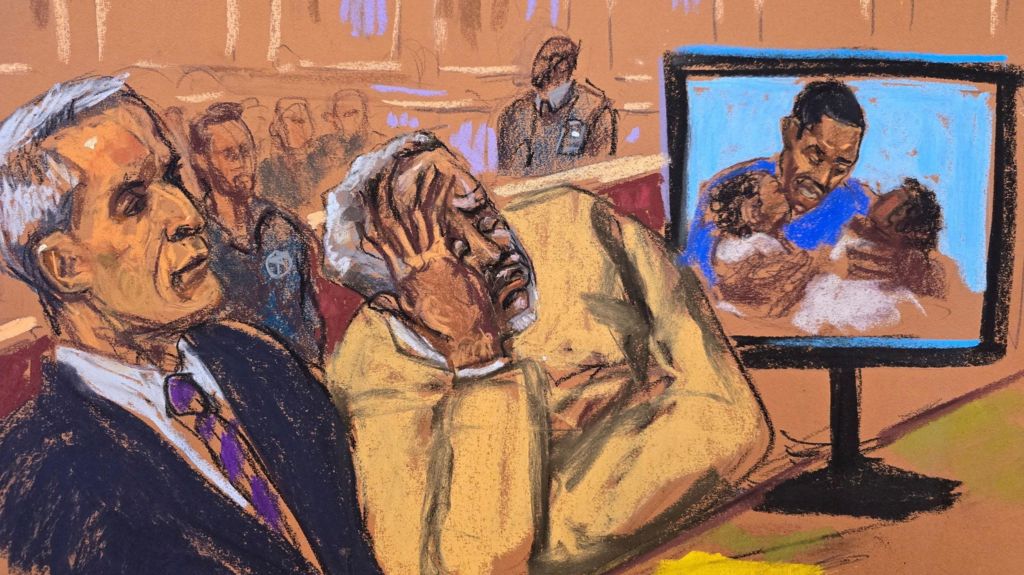
In a dramatic turn of events, Sean ‘Diddy’ Combs, the renowned music mogul, was sentenced to over four years in prison in the same courtroom where he was acquitted of sex trafficking and racketeering charges just three months prior. The sentencing came after a judge found Combs guilty of using his influence to subjugate and abuse two women. During the hearing, Combs remained subdued, often looking down as the judge delivered a stern rebuke, stating, ‘This is the reality of what happened.’ This marked a stark contrast to his jubilant reaction following his previous acquittal, where he had confidently declared to his family, ‘I’m coming home.’ As the court adjourned, Combs turned to his family, appearing to mouth the words, ‘I love you, I’m sorry.’ The case has drawn significant attention, highlighting the complexities of power dynamics and accountability in high-profile legal battles.