作者: admin

  • Women and children face abuse in Syria’s al-Roj camp amid chaotic handover

    Women and children face abuse in Syria’s al-Roj camp amid chaotic handover

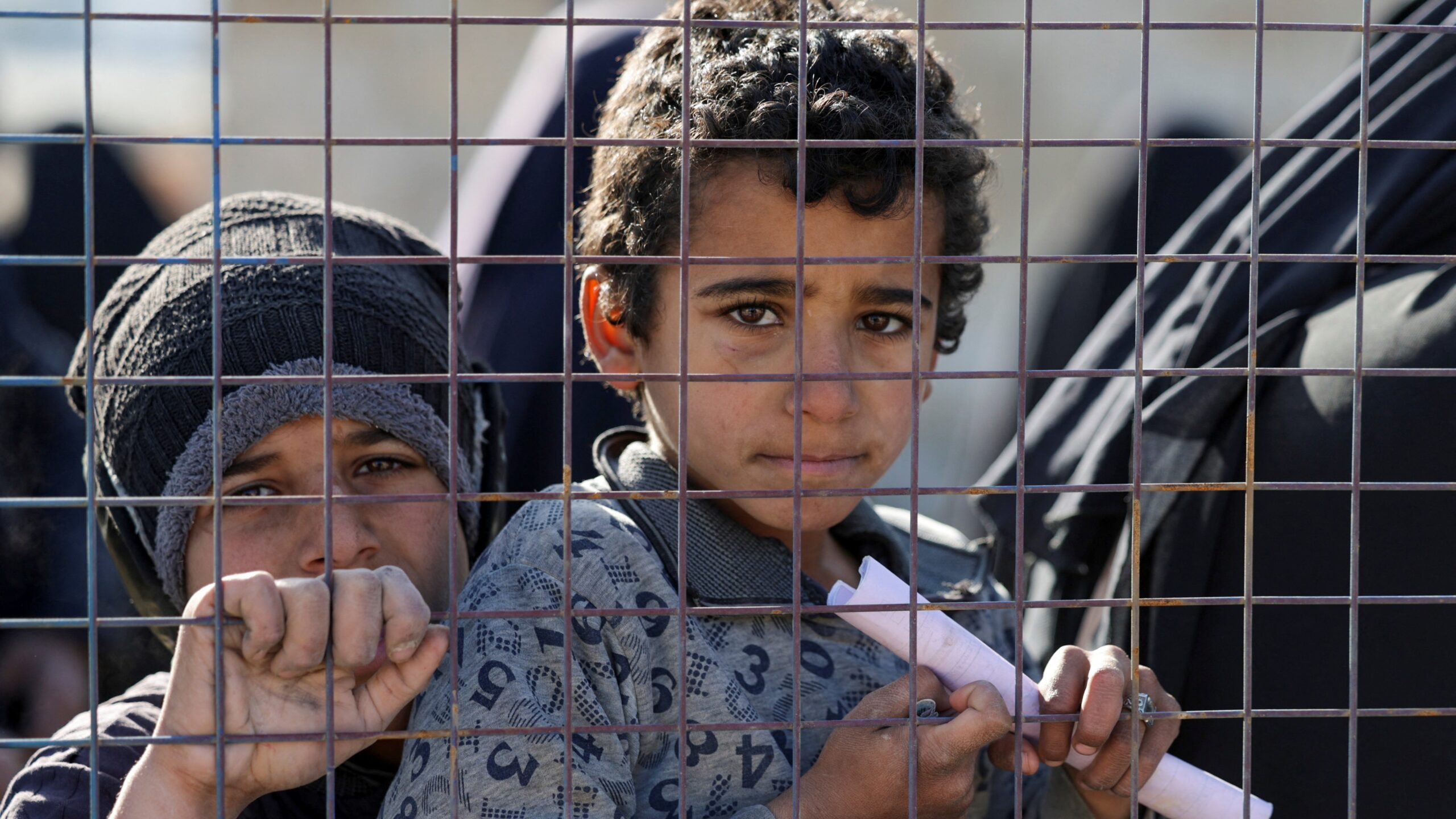
    Disturbing testimonies from detainees within Syria’s al-Roj prison camp reveal a climate of escalating terror and systematic abuse against women and children with suspected Islamic State affiliations. This humanitarian crisis unfolds amidst a contentious transfer of control from Kurdish-led forces to the Syrian government, creating a dangerous power vacuum.

    Multiple female detainees from European nations provided harrowing accounts to Middle East Eye of nightly raids conducted by security personnel. These operations allegedly involve forced removal from tents, beatings leading to unconsciousness, dousing with water in freezing conditions, and threats of sexual violence. Detainees report living in perpetual fear after dark, with the sound of approaching vehicles triggering widespread panic.

    A particularly alarming practice involves the separation of children from their mothers, with camp authorities reportedly demanding $2,000 for each child’s return. Additional reports describe extensive looting of personal belongings and violent attacks, including one incident where guards allegedly broke a young girl’s jaw with an iron bar to extort money and phones from her mother.

    The deteriorating situation follows recent announcements by US Central Command regarding prisoner transfers to Iraq and statements from Damascus about plans to permanently close both al-Roj and al-Hol camps. However, rights organizations indicate confusion persists regarding actual authority on the ground, with multiple military and administrative entities potentially exercising control.

    Beatrice Eriksson, spokesperson for Swedish rights organization Repatriate the Children, confirmed these patterns reflect a broader security collapse. ‘What is unfolding in Roj is not accidental,’ Eriksson stated. ‘It is the predictable result of prolonged abandonment and failure to resolve responsibility.’

    The organization advocates for coordinated international repatriation efforts, arguing that leaving vulnerable populations in these conditions risks further radicalization and perpetuates cycles of violence. Similar concerns were echoed by Yasmina from Families in Belgium, who reported receiving consistent accounts of curfews, humiliating treatment of young boys, and worsening conditions within camp prisons.

  • Jimmy Lai severely sentenced despite Trump calling for his release

    Jimmy Lai severely sentenced despite Trump calling for his release

    Hong Kong’s High Court has delivered a landmark 20-year prison sentence to media entrepreneur and pro-democracy activist Jimmy Lai Chee-ying, marking one of the most significant applications of the territory’s National Security Law since its implementation in 2020. The 78-year-old founder of the defunct Apple Daily was convicted on charges of conspiring with foreign forces and publishing seditious materials, primarily stemming from his 2019 appeals to Washington for support of Hong Kong protesters and pressure on Beijing during trade negotiations.

    The sentencing decision, handed down by three judges on Monday, concludes a lengthy legal process that began with Lai’s initial detention in December 2020. In addition to Lai’s substantial term, six former Apple Daily executives and two activists received prison sentences ranging from six years and three months to ten years for related national security violations.

    The case has drawn significant international attention, with former U.S. President Donald Trump reportedly raising Lai’s situation directly with Chinese President Xi Jinping during an October meeting in South Korea. Trump suggested that Lai’s release could potentially stabilize Sino-American relations and improve China’s global standing. The former president has previously vowed to secure Lai’s freedom if re-elected.

    Chinese authorities have maintained a firm stance regarding the judicial proceedings. Foreign Ministry spokesperson Lin Jian emphasized that Lai’s case represents an internal matter for Hong Kong, describing the activist as “the principal mastermind and perpetrator behind the series of riots that shook Hong Kong.” Lin further urged foreign nations to respect China’s sovereignty and refrain from interfering in Hong Kong’s judicial independence.

    The prosecution built its case around Lai’s alleged coordination with foreign officials, including meetings with former U.S. Secretary of State Mike Pompeo, and his newspaper’s coverage of the 2019 protests. Controversially, pro-Beijing media outlets reported that Lai had encouraged the United States to deploy “nuclear weapons” against China, though contextual evidence indicates the businessman was employing metaphorical language regarding America’s “moral authority” in international relations.

    Complicating the diplomatic dimension, British officials have explored potential transfer arrangements under the still-active Transfer of Sentenced Persons Agreement between the UK and Hong Kong. However, Hong Kong’s Security Bureau has clarified that such mechanisms do not apply to Chinese nationals, noting that China does not recognize dual citizenship despite Lai’s British naturalization in 1994.

    The sentencing occurs against a backdrop of ongoing geopolitical tensions, with Trump scheduled to meet Xi in Beijing this April and critical midterm elections approaching in the United States. The outcome of these diplomatic engagements may influence the future of Sino-American relations, including the expiration of a current trade truce between the nations in November.

  • An emotional countdown to the maiden launch of the Ariane 64, Europe’s most powerful rocket

    An emotional countdown to the maiden launch of the Ariane 64, Europe’s most powerful rocket

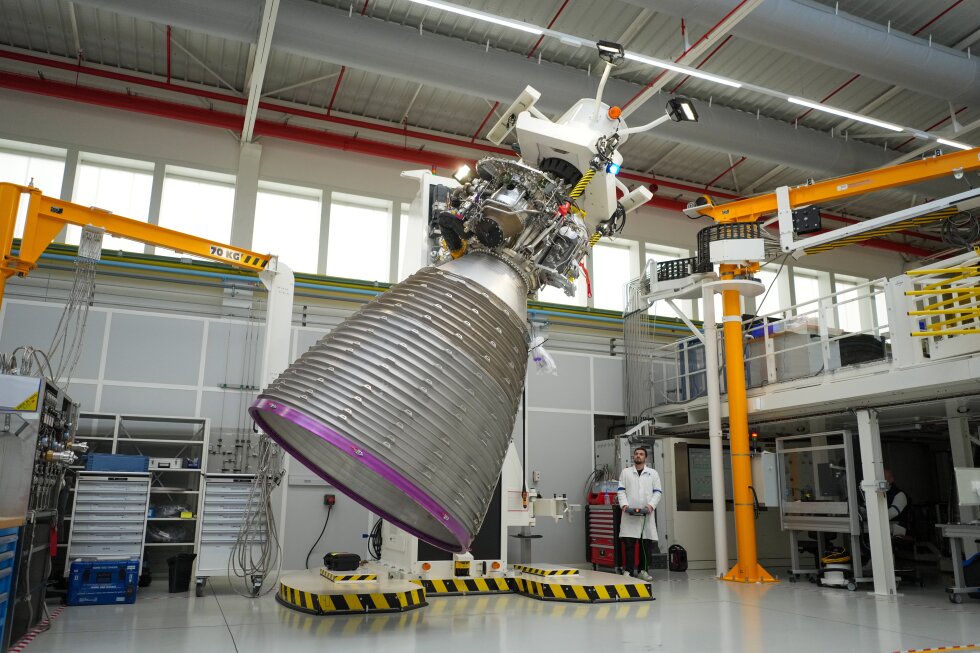
    In a highly secure manufacturing facility west of Paris, aerospace engineers are completing final preparations for a pivotal moment in European space exploration. The Ariane 64 rocket, Europe’s most powerful space launch vehicle to date, is scheduled for its inaugural flight from the European spaceport in French Guiana on Thursday.

    The enhanced configuration, named for its four booster rockets, represents a significant advancement from previous Ariane 6 models. According to ArianeGroup Chief Technical Officer Hervé Gilibert, this four-booster design delivers approximately double the power of earlier versions, enabling the deployment of substantially heavier payloads into orbit.

    This landmark mission will deploy 32 satellites for Amazon’s Leo broadband constellation, marking a strategic move in the competitive global satellite internet market currently dominated by SpaceX’s Starlink network. The complete mission duration will span approximately one hour and fifty minutes—nearly a full Earth orbit—before satellite deployment occurs in pairs.

    The Vulcain 2.1 engine, manufactured at ArianeGroup’s Vernon facility, serves as the primary propulsion system. Emmanuel Viallon, director of the Vernon site, explained the precise launch sequence: “For a few seconds, we verify that it is functioning properly. Once we are fully confident it will operate correctly for the eight minutes that follow, we ignite the solid boosters and the rocket lifts off.”

    European collaboration forms the foundation of the Ariane program, with 13 member nations of the European Space Agency cooperating through more than 600 subcontractors across the continent. Final assembly occurs at two primary integration sites in Bremen, Germany (upper stage) and Les Mureaux, France (main stage), before components undertake trans-Atlantic shipment to French Guiana.

    Standing approximately 62 meters tall—equivalent to a 20-story building—the Ariane 64 represents both technological achievement and strategic necessity. As noted by European Space Policy Institute director Hermann Ludwig Moeller, the program maintains Europe’s independent access to space while operating within a different industrial framework than competitors like SpaceX.

    The program has already secured approximately 30 launches in its order book, with roughly two-thirds representing commercial missions. Looking forward, ArianeGroup is developing reusable component technology that could eventually enable full stage recovery, potentially transforming the economic model of European space access.

    For project manager Arnaud Demay, each launch represents an emotional culmination of years of effort: “We do it so rarely, and it’s so majestic when it takes off: that little touch of magic inevitably overwhelms me with emotion every time.”

  • Philippine top court says same-sex couples can co-own property

    Philippine top court says same-sex couples can co-own property

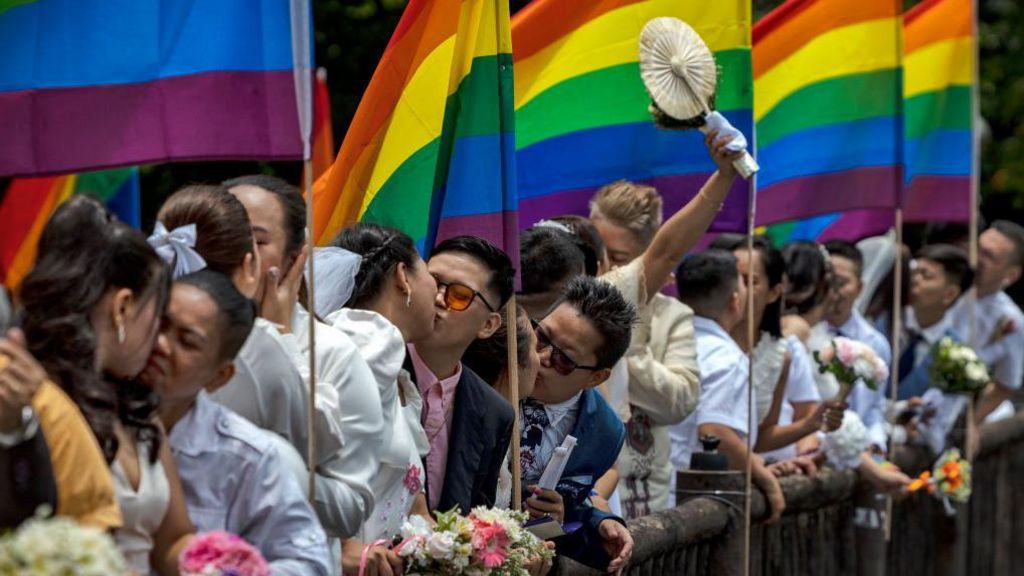
    In a groundbreaking judicial decision, the Philippine Supreme Court has extended property co-ownership rights to same-sex couples for the first time in the nation’s history. The ruling, made public on Tuesday, represents a significant shift in the legal landscape of the predominantly Catholic country where same-sex unions remain prohibited.

    The case centered on a dispute between two former partners who had jointly acquired a house and lot in suburban Manila. When one woman refused to honor their agreement to sell the property, the other filed a legal claim seeking division of their assets. Both lower courts and the Court of Appeals had previously denied the claim, but the Supreme Court reversed these decisions on February 5th.

    The court’s landmark interpretation applied Article 148 of the Family Code, which governs property relations between unmarried cohabiting partners. Despite the property being registered under only one partner’s name for administrative convenience, the court recognized documentary evidence showing both women had contributed equally to purchase and renovation costs.

    Associate Justice Marvic Leonen emphasized that Article 148 must apply without gender discrimination, stating that failure to do so would ‘render legally invisible some forms of legitimate intimate relationships.’ Associate Justice Amy Lazaro Javier further noted that the provision must not be limited to heterosexual couples given ‘prevailing values in modern society’ and ‘unjustified difference in treatment.’

    Supreme Court spokesperson Camille Ting confirmed to the BBC that this marks the first application of Article 148 to same-sex property rights cases. While stopping short of legalizing same-sex unions, the court explicitly called on government and legislative bodies to address the broader needs of LGBT couples regarding property, finance, and healthcare protections.

    The decision acknowledges the unique legal challenges facing same-sex couples in the Philippines—the only country worldwide outside the Vatican that prohibits divorce, leaving LGBT partners without essential legal safeguards.

  • Survey says democracies’ anti-corruption efforts are slipping and raises concern about the US

    Survey says democracies’ anti-corruption efforts are slipping and raises concern about the US

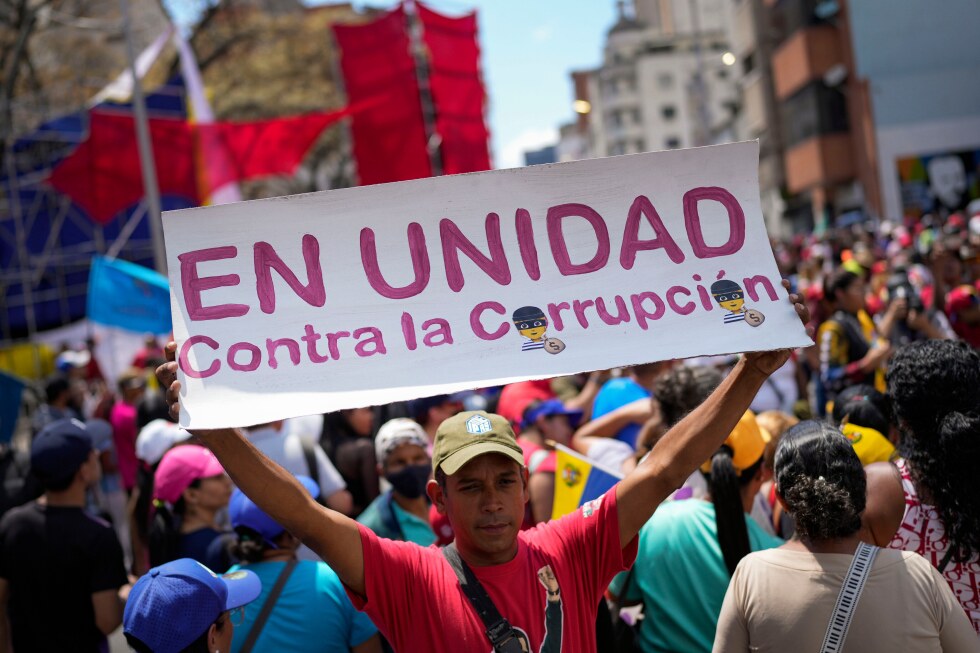
    A comprehensive global assessment of public-sector corruption reveals troubling regression among established democracies, with the United States exhibiting particularly concerning trends. Transparency International’s 2025 Corruption Perceptions Index, released Tuesday, demonstrates a widespread failure in governance accountability worldwide.

    The report positions Denmark at the pinnacle with 89 out of 100 points, closely followed by Finland and Singapore. Conversely, South Sudan and Somalia languish at the bottom with merely 9 points each, trailed by Venezuela. Most alarmingly, 122 of the 182 surveyed nations scored below 50 points, while the global average dipped to 42—the lowest recorded in over a decade.

    Democratic nations show disturbing deterioration, with even high-performing countries like New Zealand (down to 81 points) and Sweden (static at 80) experiencing declines. The United States recorded its worst performance since the current methodology began in 2012, dropping to 64 points and 29th place globally. Canada (75), United Kingdom (70), and France (66) likewise demonstrated concerning trajectories.

    The report identifies multiple factors eroding America’s anti-corruption standing, including the weaponization of public office against independent voices, transactional politics, compromised prosecutorial independence, and judicial interference. Particularly damaging was the Trump administration’s decision to freeze enforcement of the Foreign Corrupt Practices Act—a move characterized as signaling acceptance of bribery practices.

    Additionally, U.S. aid reductions to overseas civil society organizations have undermined global anti-corruption efforts, emboldening authoritarian leaders to restrict NGOs and journalists.

    Regional variations reveal significant developments: Hungary (40), Turkey (31), and Nicaragua (14) represent the most dramatic decliners since 2012. Conversely, Estonia (76), Seychelles (68), and South Korea (63) demonstrate notable improvement. Russia remains entrenched near the bottom with 22 points, reflecting its centralized, opaque governance. Ukraine, despite ongoing conflict, improved to 36 points through strengthened anti-corruption institutions and investigations, though concerns persist regarding defense fund management.

  • Saudi Arabia in talks with US company for AI-powered drones, sources say

    Saudi Arabia in talks with US company for AI-powered drones, sources say

    Saudi Arabia is currently engaged in advanced negotiations with American artificial intelligence defense contractor Shield AI for the potential procurement of advanced drone systems, according to sources briefed on the matter. The discussions emerge as the Trump administration actively promotes arms sales throughout the resource-abundant Gulf region.

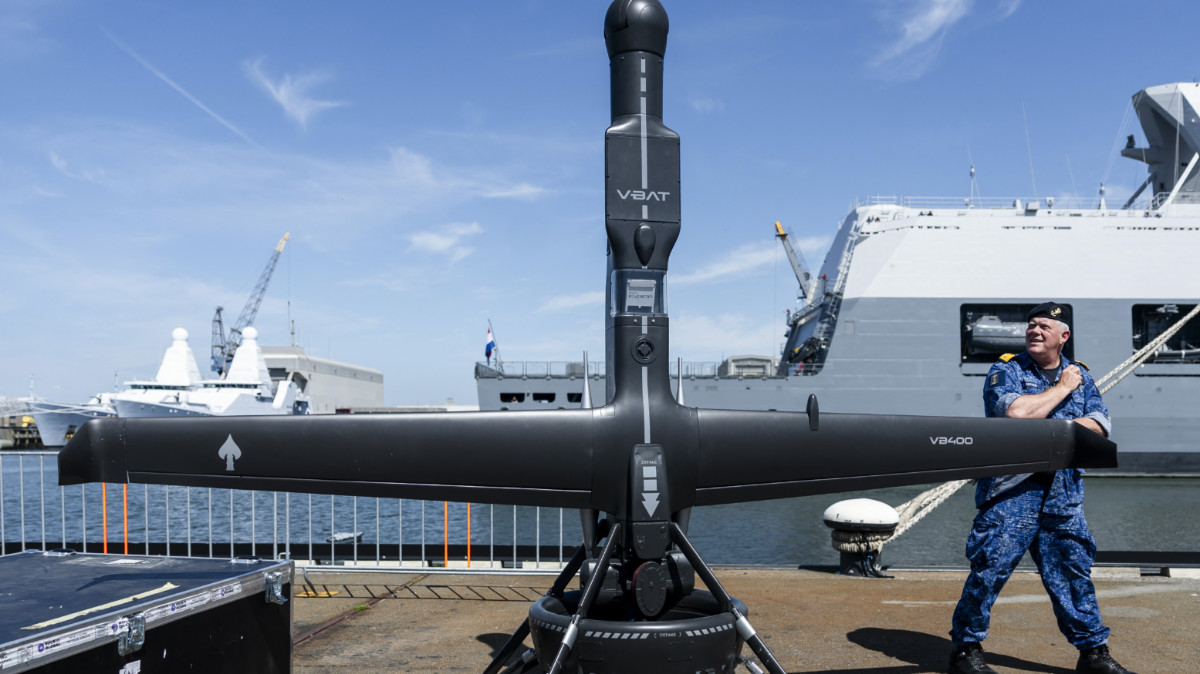
    The San Diego-based technology startup specializes in AI-powered autonomous systems, particularly its innovative ‘hivemind’ software that enables drone operations without GPS, human pilots, or external communications. The primary model under consideration, the V-Bat, is designed for extended intelligence, surveillance, and reconnaissance missions, capable of launching from naval vessels and maintaining flight for up to thirteen hours.

    This potential acquisition aligns with Saudi Arabia’s intensified security focus across multiple regional hotspots, including Yemen and Sudan, and particularly in the strategically vital Red Sea and Arabian Sea corridors. Recent regional tensions were highlighted in December when Saudi forces targeted an Emirati weapons shipment at Yemen’s Mukalla port.

    The kingdom has simultaneously pursued broader security partnerships, finalizing a military cooperation agreement with Somalia and exploring enhanced security ties with Eritrea, facilitated by Egyptian support.

    While the V-Bat system has already demonstrated operational capability in Ukraine’s conflict zones, Shield AI’s more advanced X-Bat model represents a technological leap. This vertical take-off and landing capable fighter drone, unveiled in October 2025 but not yet operational, offers compact deployment advantages with three units occupying the space of a single traditional fighter aircraft.

    The prospective deal, though modest compared to Saudi Arabia’s potential acquisition of F-35 warplanes, would constitute a significant achievement for the startup, whose investors include prominent entities like Palantir, Airbus, and venture capitalist Steven Cohen.

    This development follows the substantial acceleration of US-Saudi military sales ties during Crown Prince Mohammed bin Salman’s November visit to the White House, which established a defense partnership framework to fast-track arms transfers. Recent briefings to US lawmakers have addressed concerns regarding how such sales might affect Israel’s qualitative military edge in the region.

    The negotiations coincide with Saudi Arabia’s renewed emphasis on defense co-production and content localization, as articulated by Saudi defense analyst Hesham Alghannam, reflecting the kingdom’s strategic shift toward technological sovereignty in its military capabilities.

  • In their words: Bangladeshis talk about the election that could redefine the nation’s future

    In their words: Bangladeshis talk about the election that could redefine the nation’s future

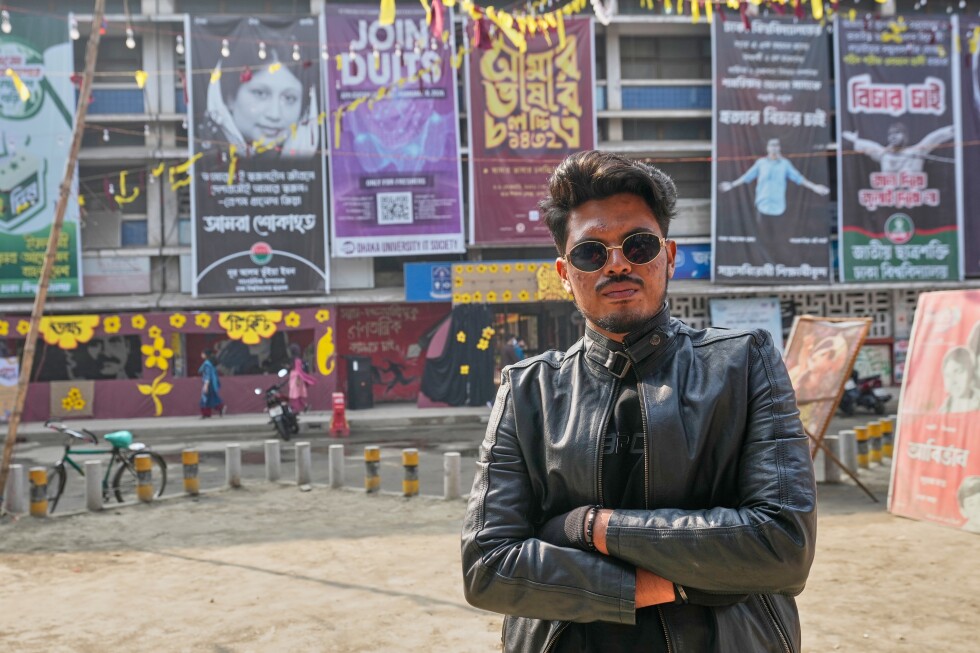
    Bangladesh stands at a critical democratic crossroads as the nation prepares for its most consequential election on Thursday, marking the culmination of an 18-month transitional period. This electoral process follows the youth-led uprising that toppled former Prime Minister Sheikh Hasina’s 15-year administration, subsequently establishing an interim government headed by Nobel laureate Muhammad Yunus.

    The voting coincides with a constitutional referendum addressing comprehensive political reforms, collectively representing a fundamental examination of democratic resilience in this South Asian nation. While many citizens anticipate that restored elections will reestablish legal order, safeguard civil liberties, and institute accountable governance, significant apprehensions persist regarding potential political instability, religious minority marginalization, and the escalating influence of Islamist factions within historically secular Bangladesh.

    Central to voter demands remains the insistence on impartial elections and robust legal frameworks. Yunus’s commitment to conducting equitable voting procedures addresses widespread skepticism toward previous electoral processes under Hasina’s regime, which many perceived as systematically manipulated. These grievances, compounded by severe suppression of opposition voices, ultimately catalyzed the student-led revolution that forced Hasina into Indian exile.

    Arefin Labib, referencing the 2024 uprising that witnessed lethal security force crackdowns resulting in hundreds casualties, articulated a widespread sentiment: “I don’t want any more bad incidents in Bangladesh.” Like numerous compatriots, Labib envisions that democratically elected leadership could stabilize the nation and steer it toward prosperity.

    This aspiration resonates particularly amid deteriorating conditions following Hasina’s ouster, characterized by escalating political violence, targeted attacks against Hindu minorities, and pervasive breakdowns in public order. Sixty-two-year-old street vendor Zainul Abedeen echoed concerns shared across socioeconomic strata: “I want the government to prevent riots, killings, and any other trouble.”

    Although acknowledging the interim government’s success in stabilizing Bangladesh’s free-falling economy, critics highlight its failure to ensure security, protect human rights, and safeguard religious minorities. Dhaka resident Rajit Hasan observed that despite genuine efforts, the profoundly fragmented political landscape prevented meaningful reform implementation.

    Hasan emphasized the necessity for strengthened judicial accessibility, authentic civil liberty protections, religious freedom, and accountable leadership embedded within independent institutions. “We want democracy. We want our rights. We want the rule of law,” he asserted, capturing the collective yearning for political cultures that respect rather than suppress dissent.

    Simultaneously, women express deepening concerns regarding political representation. Despite Bangladesh’s distinguished history of female leadership under Khaleda Zia and Sheikh Hasina, current electoral dynamics threaten this legacy. With Hasina’s party disqualified from participation and reduced female candidacy despite women’s instrumental role in the revolution, gender inclusivity appears increasingly compromised.

    Economics student Wasima Binte Hussain, who participated in the uprising, expressed disappointment that anticipated opportunities for female leadership and gender-focused policymaking failed to materialize during the transition. Her experience reflects broader frustrations regarding the persistent scarcity of women in decision-making roles.

    Compounding these anxieties, the resurgence of Jamaat-e-Islami—an Islamist group banned under Hasina but regaining influence since her departure—has intensified fears among women and religious minorities. The party’s advocacy for restricting women’s activities based on traditional gender roles has alarmed many, despite its assurances of moderate governance if elected.

    For 22-year-old Sayma Nowshin Suha, the prospect of Islamist ascendancy represents profound trepidation. “In Bangladesh, conservatism is the scariest thing,” she confessed, envisioning a nation where citizens may pursue self-determined lives without fear or constraint.

  • From concrete walls to open skies: Meet Chile’s first rugby team created inside a prison

    From concrete walls to open skies: Meet Chile’s first rugby team created inside a prison

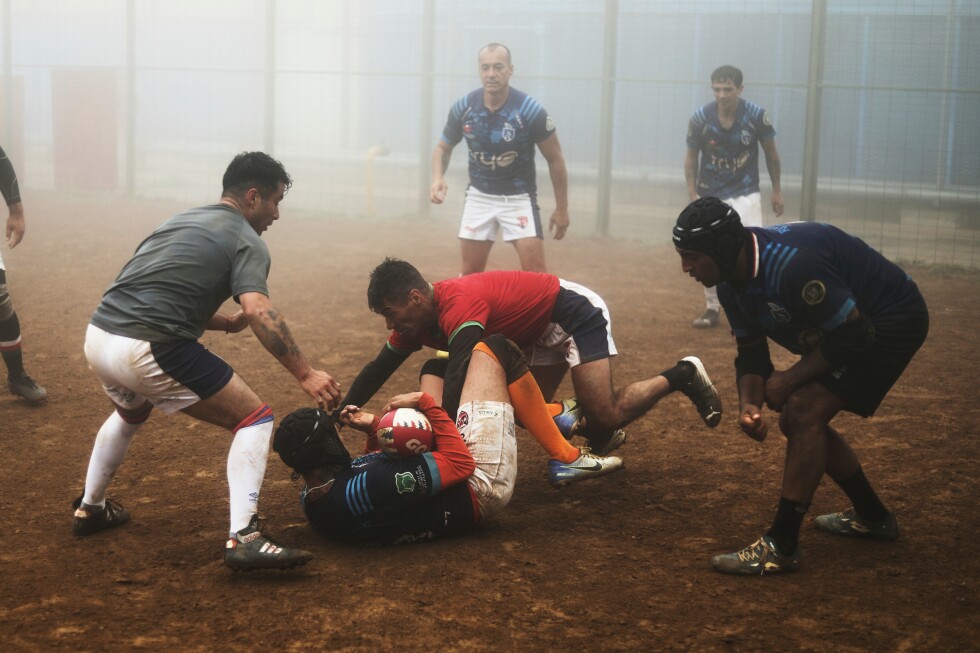
    VALPARAISO, Chile — What began as a survival mechanism within the brutal environment of incarceration has evolved into Chile’s pioneering prison rugby program, now officially recognized as Rugby Unión Libertad. Established within the Valparaíso Penitentiary Complex, this groundbreaking initiative has transcended its origins to become an officially registered sports club dedicated to inmate rehabilitation.

    The team maintains a rigorous training regimen comparable to professional leagues: three days of field practice, two days of gym conditioning, and weekly matches. However, the program’s objectives extend far beyond athletic achievement, focusing primarily on preparing participants for successful societal reintegration post-incarceration.

    Alex Javier Silva, 48, incarcerated since 1999, expressed the transformative impact: “Rugby freed me; it healed my soul. Here you have no heart, no mind—you’re not at peace with anything. You’re like an animal.”

    The program originated in 2016 as a therapeutic workshop through the Addiction Treatment Center, initially attracting approximately 50 inmates who used the sport’s distinctive oval ball to alleviate the psychological burdens of imprisonment.

    Coach Leopoldo Cerda, a teacher and volunteer who has guided the project since inception, emphasized the extraordinary commitment required: “People sleep poorly, eat poorly, and yet they have the physical and mental strength to overcome many obstacles that this sport presents.”

    The program demands exceptional discipline, particularly in anger management given rugby’s intense physical contact. Participants must maintain good behavioral records and demonstrate teamwork capabilities. Jorge Henríquez, 42, explained the psychological benefits: “Violence is rampant here. There’s a lot of rage; sometimes you explode for no reason, and so with rugby you regulate that.”

    The team’s remarkable journey reached its pinnacle in 2024 when they faced Los Cóndores, Chile’s national rugby team scheduled to compete in the 2027 Rugby World Cup. Silva described the historic match as “an epic battle” that provided unprecedented visibility to their rehabilitation efforts.

    Beyond the prison walls, the initiative has spawned the Freedom Foundation (Fundación Libertad), established in November by former inmates, educators, psychologists, and coaches. This nonprofit organization provides comprehensive support including therapy, vocational training, and employment partnerships for released prisoners.

    Psychologist Cynthia Canales, foundation president and former national rugby player, noted: “They want to change. We also want to show that there is a lack of opportunities, that we have to address the stigma.”

    The program confronts Chile’s severe prison overcrowding crisis—the Valparaíso facility operates at nearly double its capacity with 3,351 inmates crammed into space designed for 1,919—which exacerbates hygiene issues and internal violence.

    Guillermo Velásquez, 42, an original workshop participant who returned to prison in 2019, credited rugby with saving his life: “If the Libertad team hadn’t existed inside the prison, society would have had one more criminal.”

    Now training on Valparaíso’s open fields rather than confined prison grounds, released participants continue their athletic development through “All Free”—the post-incarceration branch of Unión Libertad—demonstrating that rehabilitation through sport offers tangible hope for transformation.

  • Oil exports have been a cash cow for Russia. But revenues are dwindling, thanks to sanctions

    Oil exports have been a cash cow for Russia. But revenues are dwindling, thanks to sanctions

    As the fourth anniversary of Russia’s full-scale invasion of Ukraine approaches, Western sanctions have successfully constricted the nation’s vital energy revenue streams to their lowest levels in years. January witnessed a dramatic plunge in Russian oil and gas tax revenues to 393 billion rubles ($5.1 billion), a stark decline from 587 billion rubles in December and the lowest figure recorded since the COVID-19 pandemic, according to Janis Kluge of the German Institute for International and Security Affairs.

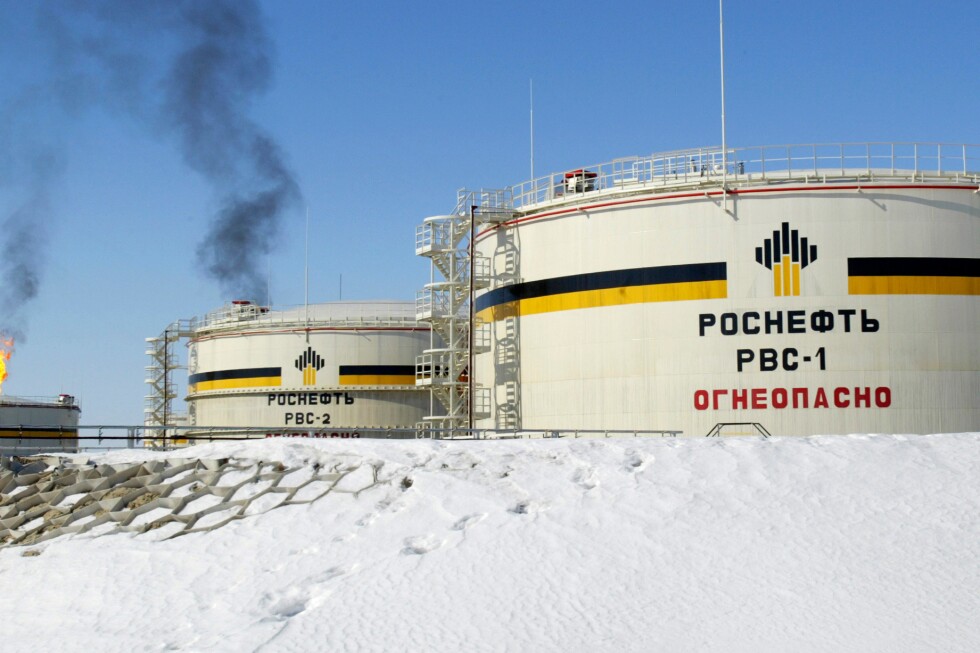
    This financial pressure stems from a coordinated multi-front offensive by Western powers. The Trump administration implemented stringent sanctions against Russian energy giants Rosneft and Lukoil in November, threatening to cut off any entity conducting business with them from the U.S. banking system. Concurrently, the European Union enacted a comprehensive ban on refined Russian petroleum products effective January 21, preventing third-party processing and export to European markets. EU Commission President Ursula von der Leyen has further proposed a complete prohibition on shipping services for Russian oil, emphasizing that economic pressure remains essential to compel Moscow toward genuine peace negotiations.

    The effectiveness of these measures extends beyond direct sanctions. The Trump administration’s tariff negotiations with India have yielded commitments to reduce Russian crude imports, resulting in a significant drop from 2 million barrels per day in October to 1.3 million by December. Meanwhile, international efforts have targeted Russia’s ‘shadow fleet’ of sanction-evading tankers, with approximately 640 vessels now facing sanctions across the U.S., U.K., and EU.

    These actions have created a cascading economic impact: Russian Urals crude now trades at a substantial discount of approximately $25 per barrel compared to international benchmarks, reducing tax revenues directly tied to oil prices. The resulting financial shortfall has forced the Kremlin to implement austerity measures including increased value-added taxes, higher levies on imported goods, and substantial borrowing from domestic banks. While these measures maintain short-term budget stability, they exacerbate existing economic challenges including slowing growth (projected at 0.6-0.9% for 2025), persistent inflation at 5.6%, and severe labor shortages.

    Analysts suggest that while these economic pressures are unlikely to force immediate peace negotiations, they may influence Russia’s military strategy. As S&P Global Energy analyst Mark Esposito notes, the sanctions package creates a ‘domino effect’ that impacts both crude flows and refined products. Economic experts predict that sustained financial strain could lead Russia to reduce military operational intensity and focus on specific frontlines within the next six to twelve months.

  • In China, consumerism trumps nationalism despite tensions with the U.S. and Japan

    In China, consumerism trumps nationalism despite tensions with the U.S. and Japan

    In a significant shift from previous decades, Chinese consumer behavior increasingly demonstrates that personal preference and product quality now outweigh nationalist considerations in purchasing decisions. Despite periodic diplomatic tensions with nations like Japan and the United States, urban Chinese consumers—particularly younger, middle-class demographics—are making consumption choices based on value and lifestyle alignment rather than geopolitical loyalties.

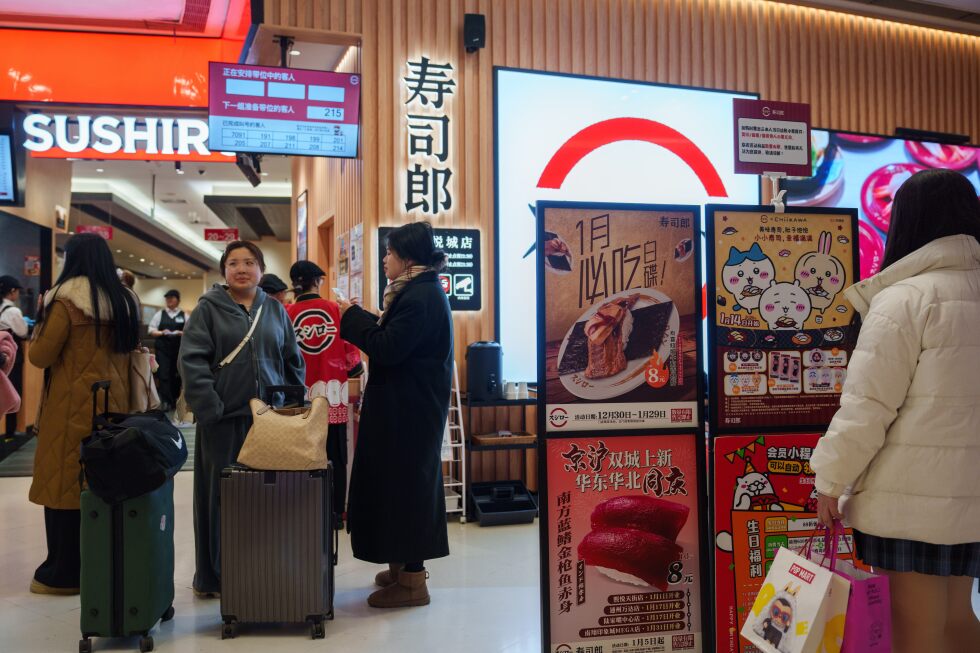
    This evolution marks a departure from historical patterns where diplomatic friction frequently triggered organized boycotts, public protests, and even vandalism against foreign brands. Recent examples illustrate this transformation: Japanese conveyor-belt sushi chain Sushiro attracted massive crowds at its Shanghai debut in December, while American cultural exports like Disney’s Zootopia 2 achieved record-breaking box office success with 4.4 billion yuan ($634 million) in revenue.

    Consumer analysts attribute this change to multiple factors. Post-COVID economic anxieties have created demand for stress-relieving entertainment options, while increased brand sophistication has made consumers more selective. “Chinese consumers, especially urban middle-class and younger demographics, are not making everyday purchasing decisions based on nationalism,” confirmed Jacob Cooke, CEO of Beijing-based consultancy WPIC Marketing + Technologies.

    The previously influential ‘guochao’ (national trend) movement has matured, with consumers now comfortably blending domestic and foreign brands according to personal value calculations. While government directives still impact institutional behavior—such as reduced group travel to Japan—individual consumers continue patronizing foreign brands that meet their quality expectations and aesthetic preferences.

    This isn’t to suggest complete immunity to geopolitical factors. Strong Chinese brands in sectors like electric vehicles, smartphones, and athletic wear are gaining market share through improved quality and value. However, the prevailing trend indicates that sustainable commercial success in China depends more on genuine consumer value proposition than national origin alone.