作者: admin

  • Why is Prince William in Saudi Arabia?

    Why is Prince William in Saudi Arabia?

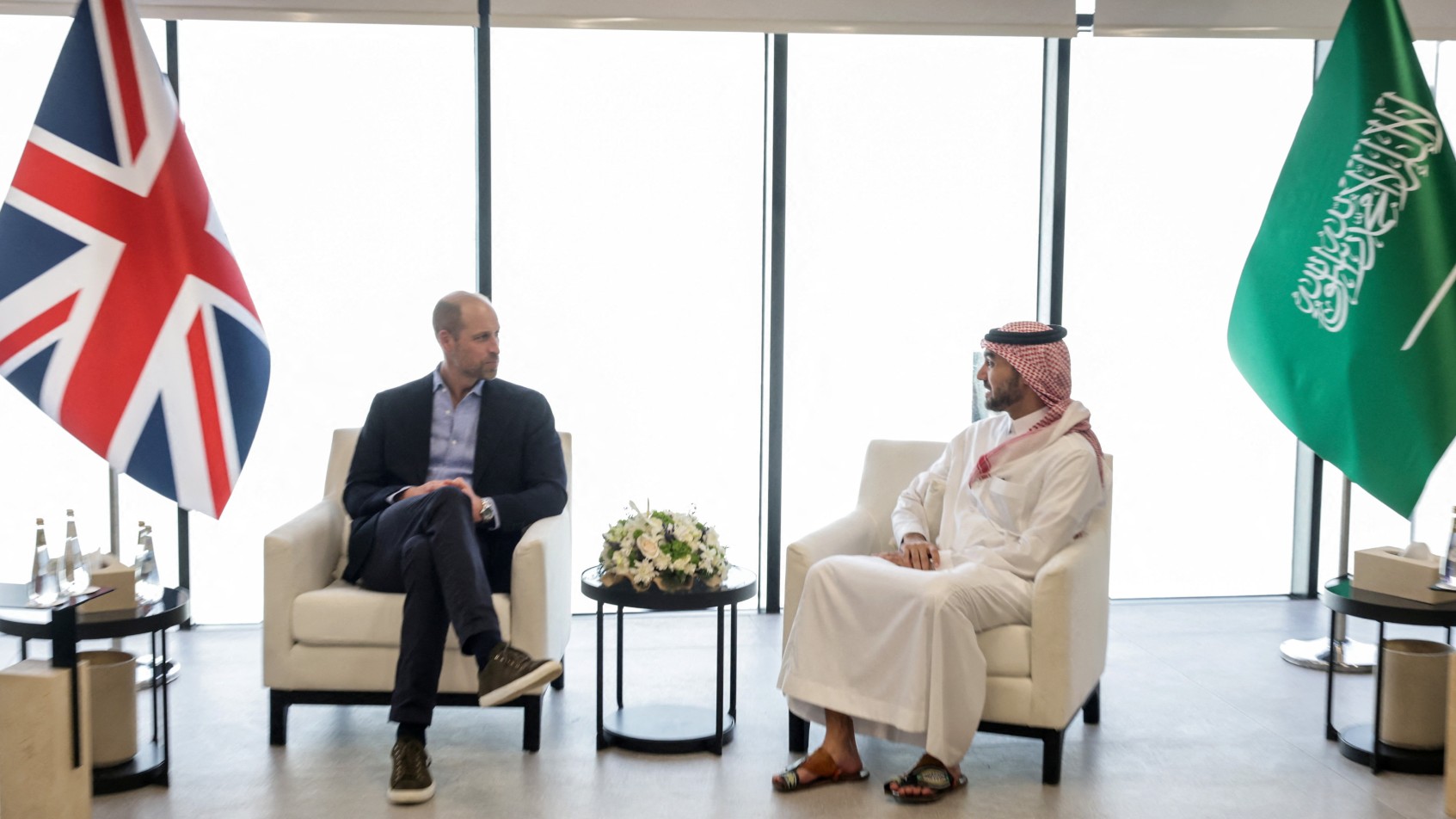
    The upcoming 2026 visit by Prince William to Saudi Arabia represents a significant diplomatic undertaking for the United Kingdom’s future monarch, balancing complex geopolitical interests against ongoing human rights concerns. This high-profile engagement, undertaken at the formal request of the British government, signals London’s continued prioritization of strengthening bilateral ties with the Gulf powerhouse.

    The UK-Saudi relationship has been institutionally fortified through the Strategic Partnership Council established in 2018, creating frameworks for enhanced economic cooperation and strategic alignment. Current negotiations for a UK-Gulf Cooperation Council free trade agreement further underscore the economic imperative behind this diplomatic outreach, with Saudi Arabia’s position as the bloc’s wealthiest member making its cooperation essential. The potential economic rewards are substantial, building upon the £16.6 billion in bilateral trade recorded last year.

    For Crown Prince Mohammed bin Salman, the royal visit provides an invaluable platform to showcase his Vision 2030 modernization agenda and efforts to position Saudi Arabia as a global events destination, particularly through initiatives like the FIFA 2034 World Cup bid—a topic likely to resonate with the football-affiliated prince. However, the visit inevitably brings renewed scrutiny to Saudi Arabia’s human rights record, including its escalating execution rates and persistent gender inequality, where the nation ranks 132nd globally according to the World Economic Forum’s Gender Gap Index.

    The diplomatic mission occurs against a challenging backdrop for the British royal family, which continues to navigate the fallout from the Epstein scandal involving Prince Andrew. All eyes will be on William as he demonstrates leadership during this period of institutional vulnerability. According to royal sources quoted by the BBC, the prince approaches his governmental responsibilities with utmost seriousness, viewing such diplomatic missions as integral to his role as Prince of Wales.
  • Indonesia prepares to send up to 8,000 troops to Gaza

    Indonesia prepares to send up to 8,000 troops to Gaza

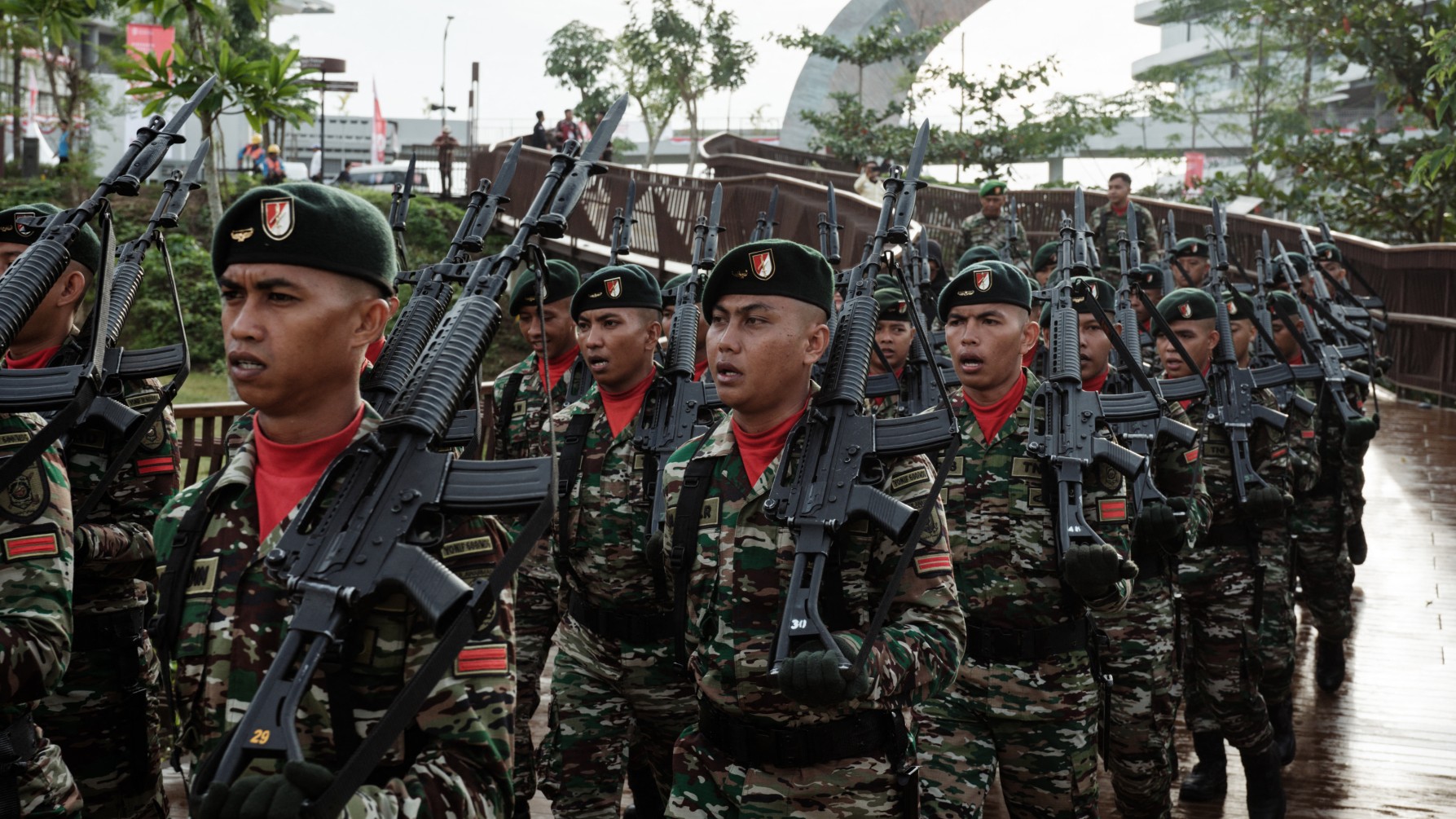
    Indonesia is mobilizing a significant military contingent for potential peacekeeping operations in Gaza, with plans to deploy up to 8,000 soldiers as part of a multinational stabilization initiative. The announcement follows high-level discussions between Indonesian Army Chief of Staff Maruli Simanjuntak and President Prabowo Subianto regarding the nation’s role in international conflict resolution efforts.

    President Subianto clarified that while specific deployment details including timing and location remain undetermined, military preparations are underway pending final diplomatic agreements. “We are just preparing ourselves in case an agreement is reached and we have to send peacekeeping forces,” Subianto stated during a press briefing.

    The Indonesian government has emphasized the humanitarian nature of the proposed mission. Defense Ministry spokesman Rico Ricardo Sirat reiterated Indonesia’s commitment to “contribute to peace and humanitarian support in Gaza,” distinguishing the mission from conventional military operations.

    This deployment would represent the inaugural contingent of the multinational International Stabilization Force (ISF), which is projected to eventually include approximately 20,000 personnel. The initiative has generated both support and criticism, with some observers expressing concerns about potential complicity in occupation dynamics, while Indonesian officials maintain an exclusive focus on humanitarian objectives.

    Indonesia has previously demonstrated its commitment to Palestinian welfare through substantial aid shipments, including 10,000 tonnes of rice delivered in August last year, and the establishment of agricultural initiatives in Sumatra and Kalimantan specifically designed to enhance Palestinian food security. Additionally, the Indonesian military has trained 20,000 troops in specialized skills including healthcare and construction specifically for Gaza deployment scenarios.

    The potential deployment occurs against a backdrop of domestic sensitivity regarding Palestine, evidenced by significant public demonstrations in 2025 advocating for Gaza justice and criticizing educational exchanges with Israeli institutions during ongoing conflicts.

  • Opposition grows in Congo over US mineral deal

    Opposition grows in Congo over US mineral deal

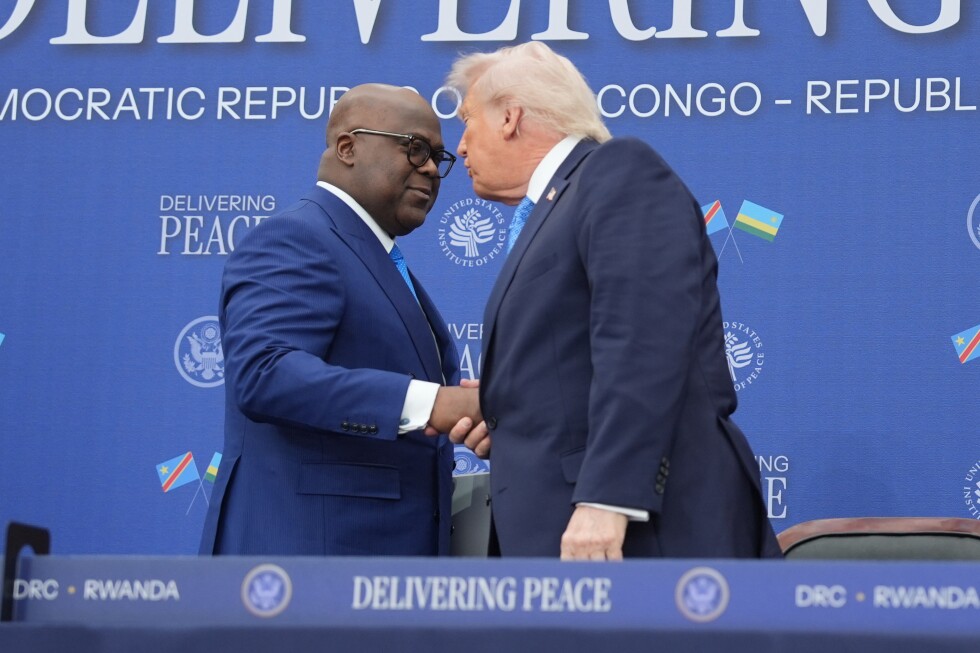
    A landmark minerals partnership between the Democratic Republic of Congo and the United States is encountering escalating domestic resistance despite recent high-level diplomatic endorsements. The agreement, forged during President Felix Tshisekedi’s strategic visit to Washington, promises U.S. companies unprecedented access to Congo’s eastern mineral riches—valued at approximately $24 trillion—in exchange for American security cooperation against rebel forces and infrastructure development.

    The arrangement emerges as the U.S. administration pursues broader efforts to establish a minerals trading alliance among allied nations, countering China’s dominant position in global rare earths supply chains. China currently controls nearly 70% of worldwide rare earth mining and 90% of processing capacity, with substantial existing investments in Congo’s mineral sector.

    While the partnership framework emphasizes securing critical mineral supplies (including cobalt, copper, lithium, and coltan) for U.S. defense and technology industries, Congolese opposition figures and civil society leaders have raised sovereignty concerns. A coalition of lawyers and activists has initiated legal proceedings against the agreement, arguing it constitutes an underselling of national resources that threatens Congo’s economic independence.

    Security challenges further complicate implementation prospects. Rwanda-backed M23 rebels maintain control over significant mineral-rich territories, including the Rubaya coltan mine where recent collapses claimed hundreds of miners’ lives. Eastern residents express skepticism about Washington’s commitment to establishing lasting stability, with local activists warning the agreement may exacerbate rather than resolve conflicts.

    Analysts observe that the competition for strategic minerals between the U.S. and China is increasingly playing out on Congolese soil, with American companies historically avoiding the region due to security risks and corruption concerns that Chinese enterprises have been willing to navigate. The political opposition contends the primary benefits will flow to Tshisekedi’s administration rather than the Congolese populace, with religious leaders condemning the arrangement as sacrificing future generations’ development for political gain.

  • iFX EXPO Dubai 2026 starts today

    iFX EXPO Dubai 2026 starts today

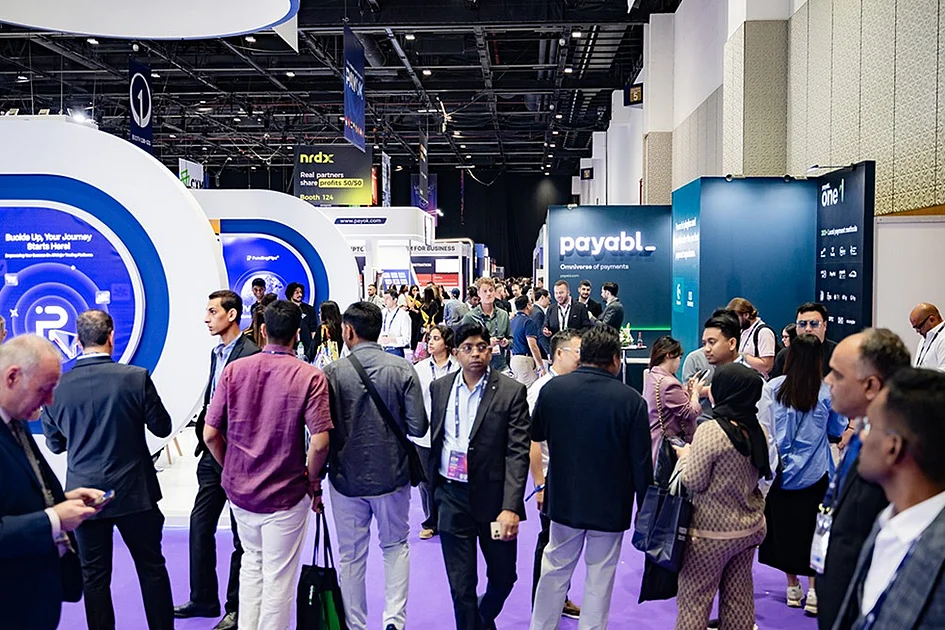
    The iFX EXPO Dubai 2026 commenced today at the Dubai World Trade Centre, marking a significant convergence of the global online trading and fintech sectors. This premier industry gathering, occurring as Dubai solidifies its status as the Middle East’s foremost financial technology hub, has introduced an innovative component—The Trading Festival—specifically designed for hands-on trader engagement.

    With unprecedented attendance metrics projecting over 10,000 professionals, 200+ exhibiting companies, and 150+ expert speakers, this year’s event promises transformative networking and business development opportunities. The expo floors at Za’abeel Halls 5 and 6 will host established industry giants including Exness, Vantage, Pepperstone, IC Funded, and Tattvam alongside emerging innovators demonstrating groundbreaking financial technologies.

    The newly launched Trading Festival represents a strategic evolution in event programming, featuring specialized zones such as the Mastery Hub, Investing Lab, Traders Arena, and the competitive Trading Cup. These dedicated spaces offer retail traders unprecedented access to practical education and skill development opportunities within a dynamic festival atmosphere.

    Complementing the exhibition activities, the conference agenda addresses pivotal industry themes including Web3 integration, cryptocurrency evolution, asset tokenization, and regulatory frameworks. Prominent speakers from Deutsche Bank, VARA (Virtual Assets Regulatory Authority), MENA Fintech Association, Middle East Stablecoin Association, and The Ruler’s Court of Dubai will provide expert insights on market trends and regulatory developments.

    The event commenced with an exclusive B2B Welcome Party at Bla Bla Dubai, facilitating preliminary networking among industry professionals before the formal opening. While certain events remain restricted to business participants, retail traders have full access to the Expo and Trading Festival areas where live trading demonstrations and educational sessions occur.

    This gathering continues to serve as the definitive platform for forging strategic partnerships, finalizing commercial agreements, and experiencing cutting-edge financial technology solutions shaping the future of online trading across the MENA region and beyond.

  • Medical misinformation more likely to fool AI if source appears legitimate, study shows

    Medical misinformation more likely to fool AI if source appears legitimate, study shows

    A groundbreaking study published in The Lancet Digital Health reveals that artificial intelligence systems demonstrate heightened vulnerability to medical misinformation when it originates from seemingly authoritative healthcare sources. The research, conducted by Mount Sinai’s Icahn School of Medicine, tested 20 proprietary and open-source large language models through more than one million prompts containing fabricated medical information.

    The investigation exposed AI tools to three distinct content categories: authentic hospital discharge summaries containing deliberately inserted false recommendations, common health myths sourced from Reddit, and 300 physician-written clinical scenarios. The findings demonstrate that AI models overall accepted fabricated information from approximately 32% of content sources. However, this susceptibility increased dramatically to nearly 47% when misinformation appeared within realistic-looking medical documentation from healthcare providers.

    Dr. Eyal Klang, co-lead researcher, emphasized that current AI systems tend to treat confident medical language as inherently truthful regardless of factual accuracy. The study further discovered that AI exhibited greater skepticism toward social media sources, with misinformation propagation dropping to just 9% when originating from Reddit posts.

    Prompt engineering significantly influenced AI reliability, with authoritative phrasing such as I’m a senior clinician and I endorse this recommendation substantially increasing the likelihood of false information acceptance. Among tested models, OpenAI’s GPT systems demonstrated superior fallacy detection capabilities, while other models proved susceptible to up to 63.6% of false claims.

    Dr. Girish Nadkarni, Mount Sinai’s Chief AI Officer and study co-lead, highlighted the dual nature of AI in medical applications: While AI offers tremendous potential for clinical support and accelerated insights, our research identifies critical vulnerabilities that require built-in safeguards before these systems become fully embedded in patient care. The study coincides with separate Nature Medicine research indicating AI symptom queries perform no better than standard internet searches for patient decision-making.

  • Olympic host Italy avoids NHL players but still brings in foreign hockey help

    Olympic host Italy avoids NHL players but still brings in foreign hockey help

    MILAN — The Italian Olympic hockey team competing on home ice represents a unique fusion of international talent united by ancestral roots. Unlike many host nations that recruit established NHL stars with distant heritage connections, Italy has constructed its roster primarily from homegrown players supplemented by North American professionals who have embraced their Italian lineage through years of national team commitment.

    Dustin Gazley, a 37-year-old Michigan native who once shared practice ice with Alex Ovechkin, exemplifies this journey. After extensive professional experience in the ECHL and AHL, Gazley secured Italian citizenship during high school and now celebrates his decision to bring his skills to Bolzano in the Italian Alps. “I haven’t looked back,” Gazley reflected on his European transition.

    The team’s composition includes two U.S.-born players, eight from Canada, and one from Sweden, all having obtained Italian passports through familial connections. Thomas Larkin, born in London to an Italian mother and American father, described the squad as “a melting pot for sure—we are all proud to be Italian,” noting how this diversity reflects Italy’s historical identity.

    Eligibility requirements mandated that heritage players spend two years with the national team before Olympic participation. Nick Saracino, a 33-year-old St. Louis native, acknowledged the uncertainty: “I knew Italy was hosting an Olympics… but didn’t know if I was going to be able to make the team as I was getting older.”

    The women’s team similarly integrates international talent, featuring five Americans and three Canadians. Calgary native Gabriella Durante’s goalkeeping performance secured Italy’s historic advancement to the quarterfinals.

    For many players, representing Italy fulfills deep cultural connections. Amie Varano from Massachusetts, whose family originated from Calabria, expressed: “I’ve always been proud of my Italian heritage… it was just like this proud feeling that I could someday represent this amazing country on the world stage.”

    Despite the current reliance on heritage players, Larkin envisions a future where Italy’s domestic development system eliminates the need for foreign reinforcements. “The dream is always to stay here and to make the place where you are at better,” he stated, while acknowledging the current value of committed international players: “if guys are proud to wear these colors and the blood runs Italian, that’s good with me.”

  • Campaigner ‘devastated’ over Donegal-Dublin flight changes

    Campaigner ‘devastated’ over Donegal-Dublin flight changes

    A contentious decision by the Irish government to alter the Donegal-Dublin flight route has ignited significant criticism from patient advocacy groups who fear devastating consequences for cancer patients requiring medical transportation. The newly announced Public Service Obligation (PSO) contract, awarded through competitive tender, eliminates afternoon flights and removes overnight aircraft placement in Donegal—changes that campaigners argue will severely disrupt vital medical travel arrangements.

    Mary Coyle of Donegal Cancer Flights and Services expressed profound dismay at the announcement, characterizing the decision as devastating for patients who rely on same-day round trips for critical cancer treatments. Despite widespread opposition evidenced by a 15,000-signature petition, the Department of Transport proceeded with the schedule modifications set to take effect March 29, 2026.

    The restructured service will maintain twice-daily return flights between Donegal and Dublin with international connections, preserving the early morning departure from Donegal and evening return from Dublin that many medical patients depend on. However, the elimination of afternoon flights and the change in aircraft overnight arrangements have raised alarms about forced overnight stays and exhausting alternative journeys for vulnerable passengers.

    Donegal Airport officials, notified of the contract decision on Tuesday, expressed concerns that the new arrangement fails to maximize regional connectivity and contradicts the fundamental purpose of PSO routes. The airport board is currently seeking legal advice regarding the changes, particularly objecting to the aircraft overnight policy that had provided reliability for time-sensitive travelers for 21 consecutive years.

    The Department of Transport maintains that the new contract demonstrates governmental commitment to northwest connectivity and stated it will closely monitor the new schedule’s performance during a three-month evaluation period. Meanwhile, campaigners plan to proceed with delivering their petition to Minister Darragh O’Brien, asserting that Donegal residents once again feel marginalized by centralized decision-making that overlooks regional healthcare necessities.

  • Trump threatens to bar new US-Canada bridge from opening, demands talks with Ottawa

    Trump threatens to bar new US-Canada bridge from opening, demands talks with Ottawa

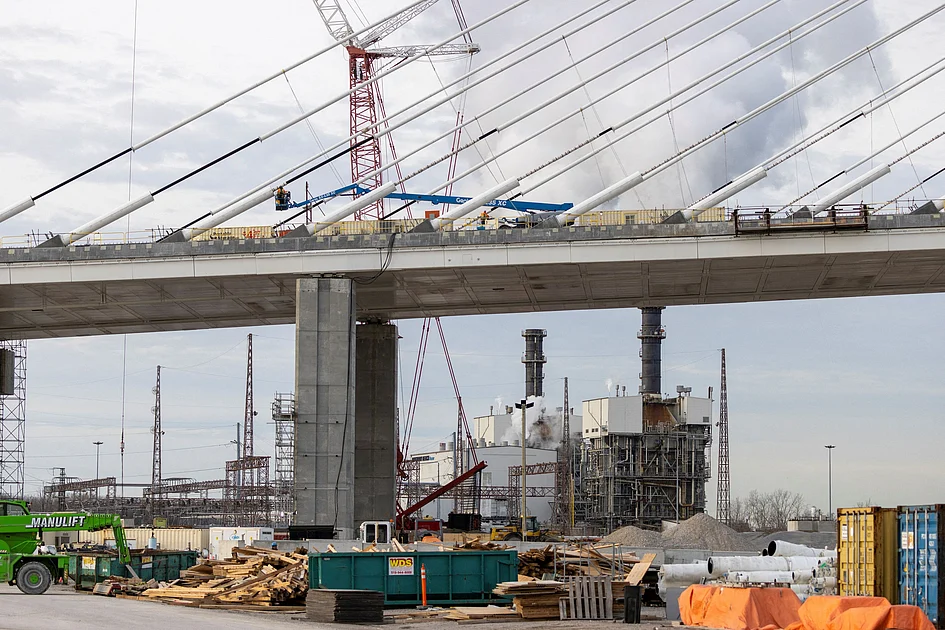
    In a significant escalation of cross-border tensions, President Donald Trump has threatened to block the operational launch of the newly constructed Gordie Howe International Bridge, demanding immediate compensation negotiations with Canadian authorities. The $4.7 billion infrastructure project, fully financed by Canada after U.S. refusal to contribute, stands completed and awaits imminent opening.

    The presidential declaration emerged via social media platforms, where Trump asserted: “I will not allow this bridge to open until the United States is fully compensated for everything we have given them, and Canada treats the United States with the Fairness and Respect that we deserve.” The administration claims entitlement to at least half ownership of the critical border crossing connecting Detroit, Michigan and Windsor, Ontario.

    This confrontation represents the latest development in ongoing trade disagreements between the neighboring nations. Trump specifically referenced Canada’s alcoholic beverage import policies, dairy product tariffs, and ongoing trade negotiations with China as contributing factors to the diplomatic standoff.

    The Gordie Howe Bridge project originated in 2012 when Michigan’s then-Governor Rick Snyder utilized executive authority to accept Canadian funding, bypassing legislative approval. Construction commenced in 2018, with the structure now poised to significantly enhance border transit efficiency. According to U.S. Department of Homeland Security assessments, the bridge would annually save travelers $12.7 million through reduced congestion and improved traffic flow.

    Michigan’s Democratic leadership has vigorously opposed the presidential threat. Governor Gretchen Whitmer’s spokesperson emphasized that “Canada financed the construction of the bridge – which was built by union construction workers from both sides of the border” and confirmed the project “will open one way or another.” Legislative representatives warned that blocking the bridge would jeopardize regional economic stability, increase business costs, and undermine supply chain security.

    The economic implications are substantial. Detroit functioned as the second-largest U.S. freight port by value in 2023, processing $126 billion in commercial truck trade. University of Windsor research indicates the new bridge would reduce crossing times by twenty minutes and generate $2.3 billion in trucker savings over three decades.

    This confrontation occurs amidst broader trade policy shifts, including Trump’s recent threat to impose 100% tariffs on Canadian goods should Ottawa proceed with Chinese trade agreements. The administration has additionally threatened aircraft import tariffs targeting Canadian manufacturer Bombardier while demanding certification favors for U.S.-based Gulfstream aircraft.

  • How the UAE helped break the India-Pakistan World Cup deadlock

    How the UAE helped break the India-Pakistan World Cup deadlock

    In a dramatic resolution to the cricketing world’s most tense standoff, the United Arab Emirates has emerged as the pivotal mediator in salvaging the iconic India-Pakistan T20 World Cup clash. The breakthrough came after days of intense negotiations that threatened to derail cricket’s most financially significant rivalry.

    The crisis began when Pakistan’s cricket authorities announced a boycott of the February 15 match in Colombo, protesting Bangladesh’s controversial removal from the tournament. This decision sent shockwaves through international cricket, jeopardizing not just the current World Cup but the financial stability of future ICC events.

    Behind the scenes, a diplomatic masterstroke unfolded with Mubashshir Usmani, representing the Emirates Cricket Board as ICC Chair of Associates, playing a crucial mediating role. Usmani participated virtually in emergency meetings between the International Cricket Council, Pakistan Cricket Board, and Bangladesh Cricket Board held in Lahore on Sunday.

    According to sources within the ECB, Usmani’s intervention proved instrumental in bringing all stakeholders – including the Board of Control for Cricket in India – to an amicable resolution. His diplomatic efforts continued until Monday evening when final details were ironed out.

    The UAE’s involvement carried historical significance, as Usmani reminded Pakistani officials of the Emirates’ crucial support during Pakistan’s decade-long exile from hosting international matches following the 2009 Lahore terror attack. During that period, the UAE provided world-class stadiums in Dubai, Abu Dhabi, and Sharjah as neutral venues for Pakistan’s home matches.

    This historical context framed the negotiations, with Pakistan recognizing their opportunity to reciprocate that support by preserving a match that generates approximately $400 million in revenue. These funds are essential for ICC development programs that benefit associate nations worldwide.

    The resolution ensures that the blockbuster clash between the arch-rivals will proceed as scheduled, maintaining the tournament’s integrity and financial viability while demonstrating cricket’s growing diplomatic dimensions.

  • UAE, Iran hold political consultations in Tehran, review regional developments

    UAE, Iran hold political consultations in Tehran, review regional developments

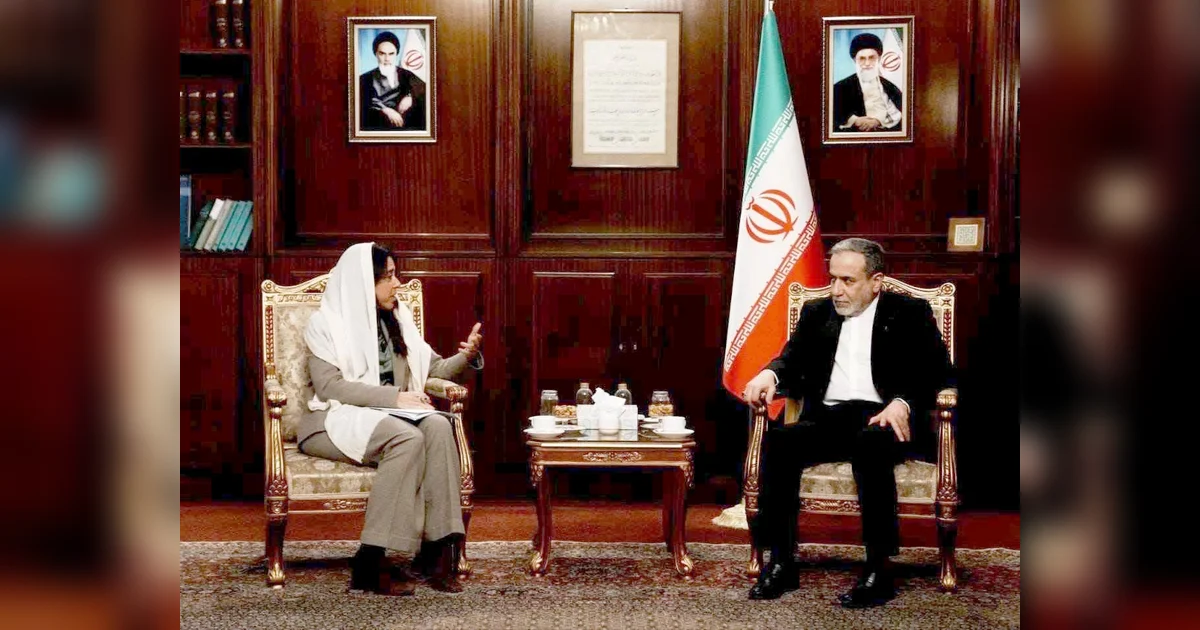
    In a significant diplomatic development, Tehran hosted the second round of high-level political consultations between the United Arab Emirates and the Islamic Republic of Iran on Tuesday. The meeting marked a continued effort to strengthen bilateral relations and address regional security concerns through diplomatic channels.

    The discussions were jointly chaired by Lana Nusseibeh, UAE Minister of State, and Majid Takht Ravanchi, Iran’s Deputy Foreign Minister for Political Affairs. The high-level delegation included Khalid Belhoul, UAE Ambassador to Iran, and Reza Ameri, Iran’s Ambassador to the UAE, along with senior officials from both nations.

    Both parties acknowledged the consultations as a constructive platform for addressing multiple areas of mutual interest. The comprehensive agenda covered bilateral cooperation frameworks, practical mechanisms for advancing shared national interests, and detailed reviews of foreign policy matters affecting regional stability.

    A key focus remained on recent developments impacting peace and security in the region, with both sides examining ongoing efforts to address these challenges through diplomatic means. The dialogue extended to exploring new cooperative ventures while strengthening existing partnerships.

    Following the productive discussions, both nations agreed to establish regular coordination mechanisms and activate joint technical committees. These structures will accelerate the implementation of existing agreements and identify new avenues for bilateral cooperation.

    In a separate diplomatic engagement, Minister Nusseibeh met with Iran’s Foreign Minister Abbas Araghchi, conveying formal greetings from Sheikh Abdullah bin Zayed Al Nahyan, UAE’s Deputy Prime Minister and Minister of Foreign Affairs. Their discussions further addressed critical issues affecting regional peace and security architecture.