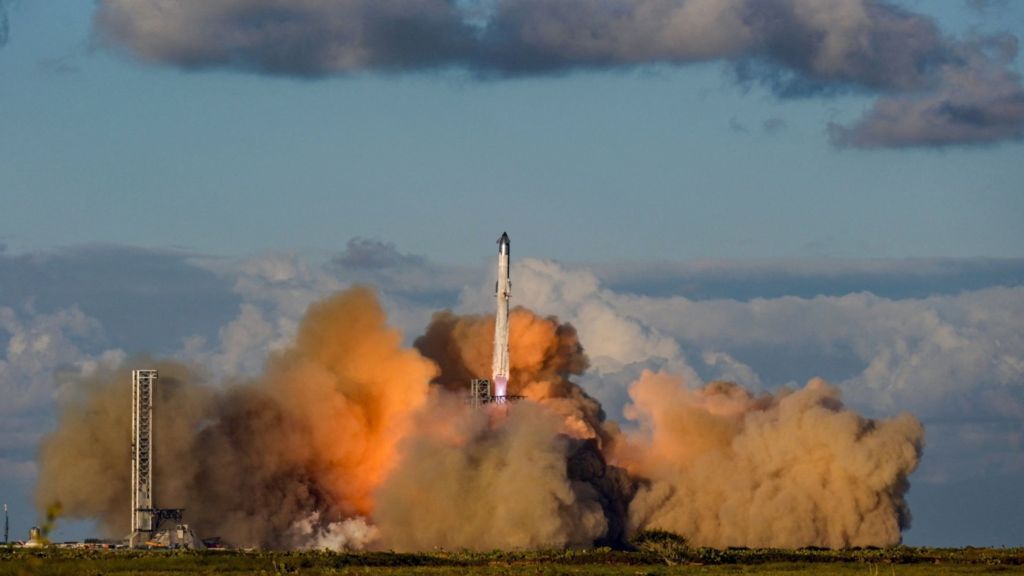
SpaceX has marked another significant achievement in its ambitious space exploration program with the successful completion of its 11th Starship test flight. The launch took place from the company’s Starbase facility in Texas, where the massive rocket soared into the skies. The flight lasted over an hour, showcasing the vehicle’s advanced capabilities and endurance. The mission concluded with a controlled splashdown in the Indian Ocean, demonstrating precision in landing operations. This latest test is a critical step in SpaceX’s ongoing efforts to develop a fully reusable spacecraft capable of carrying humans and cargo to the Moon, Mars, and beyond. The success of this flight underscores the company’s technological prowess and its commitment to pushing the boundaries of space exploration.
作者: admin
-
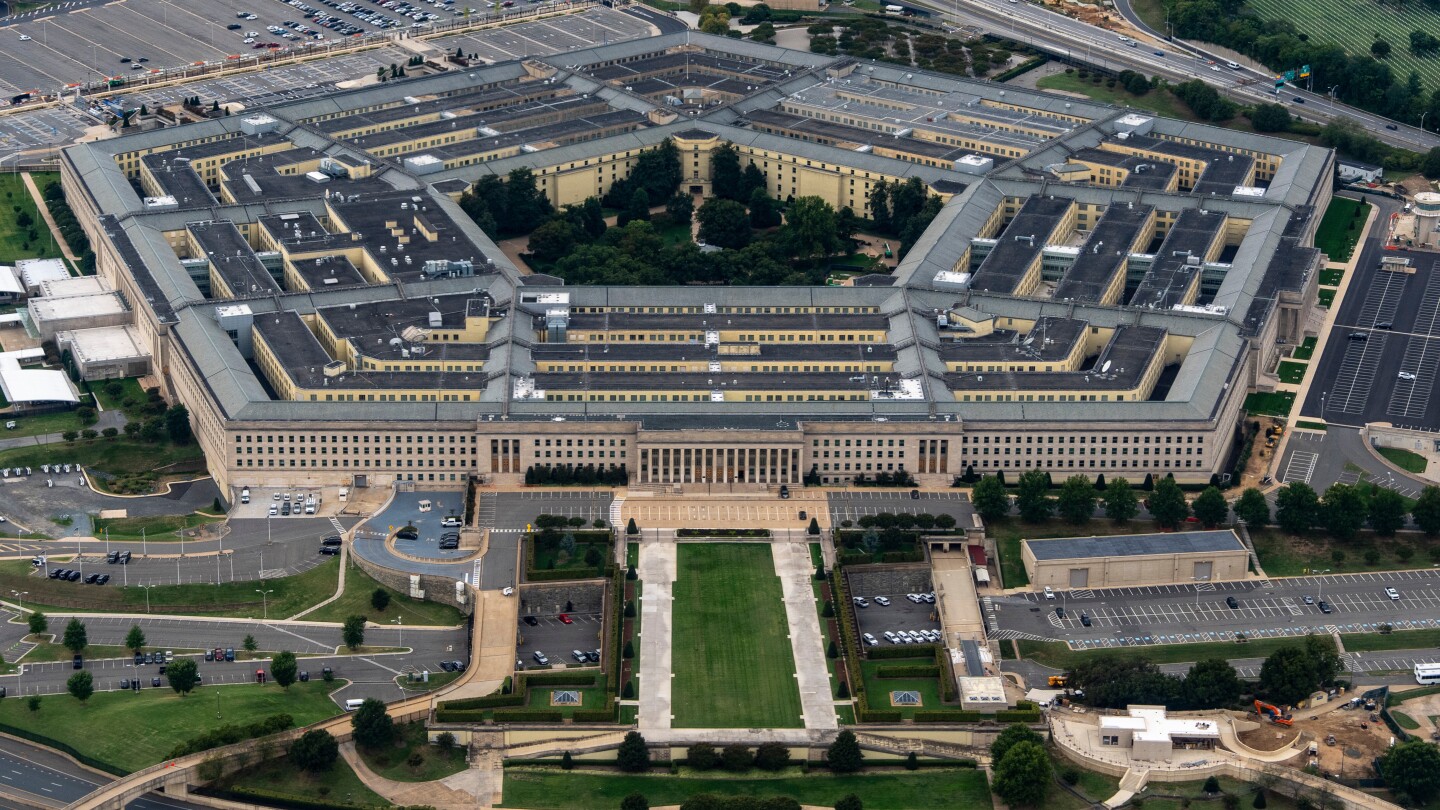
China and the US have long collaborated in ‘open research.’ Some in Congress say that must change
For decades, American and Chinese scholars have collaborated on groundbreaking research, fostering an environment of open knowledge sharing. However, this longstanding tradition is now under scrutiny as U.S. lawmakers express growing concerns over national security risks. They argue that China, increasingly viewed as a formidable military rival, is leveraging open research to accelerate its technological advancements and potentially surpass the U.S. in critical areas like military technology.
-

Nato chief jokes about ‘limping’ Russian submarine
The Royal Navy has confirmed the tracking of the Russian submarine Novorossiysk as it navigated the English Channel, sparking international attention and speculation about the vessel’s condition. The diesel-powered submarine, part of Russia’s Black Sea Fleet, surfaced off the coast of France, reportedly to comply with international navigation rules. This move was closely monitored by a UK warship and helicopter, highlighting the ongoing tensions between NATO allies and Russia. Dutch authorities had earlier reported that the submarine was under tow in the North Sea, adding to the intrigue surrounding its journey. NATO Secretary-General Mark Rutte humorously remarked on the state of Russia’s naval fleet during a speech in Slovenia, suggesting a stark contrast to the once formidable presence depicted in Cold War narratives. He noted the diminished Russian naval presence in the Mediterranean, further fueling discussions about the fleet’s operational capabilities. Reports from VChK-OGPU, a Telegram channel known for leaking Russian security information, claimed that the Novorossiysk experienced fuel leaks in the Strait of Gibraltar, raising concerns about potential explosions. The Royal Navy tracked the submarine over three days as it returned from a Mediterranean deployment, with HMS Iron Duke leading the surveillance efforts. The Dutch navy later escorted the submarine and its support tug through the North Sea. The Russian Black Sea Fleet has denied any technical malfunctions, stating that the submarine was on a ‘scheduled inter-fleet transit’ and adhered to international navigation regulations. This incident follows recent Royal Navy operations tracking Russian vessels through the Channel, underscoring the UK’s commitment to NATO’s collective defense against perceived Russian aggression. Earlier this year, a Russian warship was discovered using a fake ID signal while transporting sanctioned oil products, further complicating the geopolitical landscape.
-
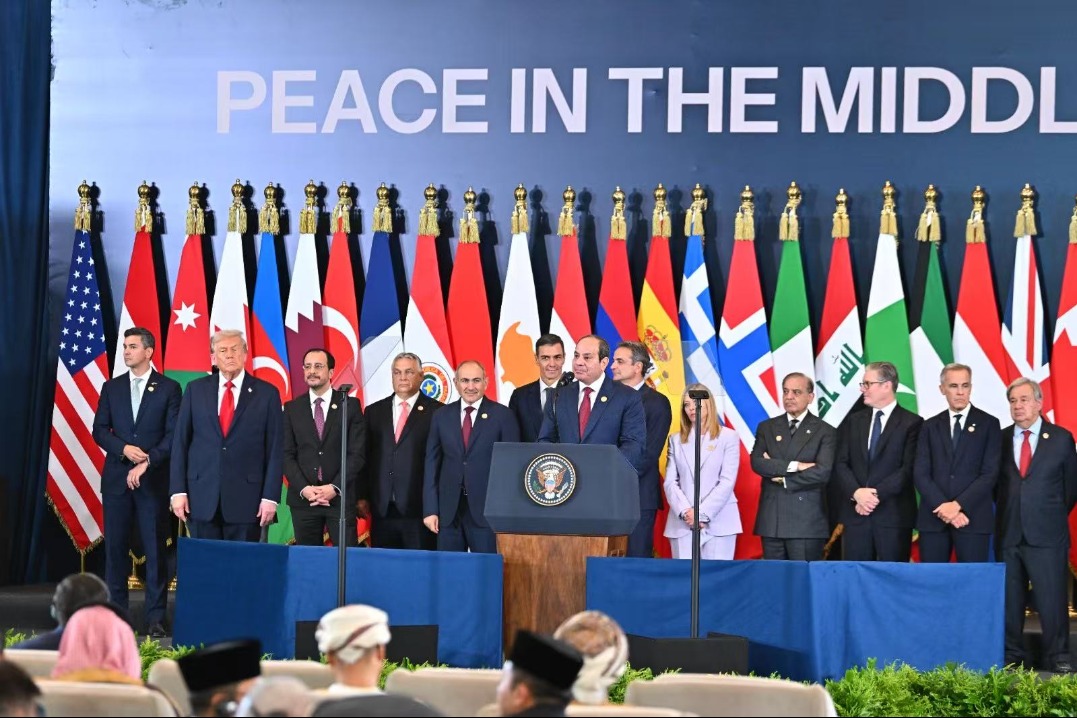
Gaza ceasefire deal signed in Egypt’s Sharm el-Sheikh
A landmark ceasefire agreement between Israel and Hamas was formally signed during a high-profile summit in Sharm el-Sheikh, Egypt, on October 13, 2025. The event, co-chaired by Egyptian President Abdel Fattah al-Sisi and U.S. President Donald Trump, brought together leaders from over 20 countries and representatives from regional and international organizations. The summit aimed to address the cessation of hostilities in the Gaza Strip, promote Middle Eastern peace and stability, and lay the groundwork for a new era of regional security. The ceasefire, which took effect on October 10, 2025, followed three days of intense negotiations mediated by Egypt, Qatar, Türkiye, and the United States. The agreement’s initial phase includes the withdrawal of Israeli troops from key areas such as Gaza City, Rafah, and Khan Younis, the opening of five humanitarian aid crossings, and the exchange of hostages and prisoners. Hamas confirmed the release of all 20 remaining hostages captured during the October 7, 2023, attack on southern Israel, while Israel began freeing nearly 2,000 Palestinian detainees. The prolonged conflict has left Gaza in ruins, with over 67,000 fatalities and widespread famine, according to Gaza’s health authorities and UN-backed experts. The summit marks a critical step toward ending the devastating war and fostering long-term peace in the region.
-
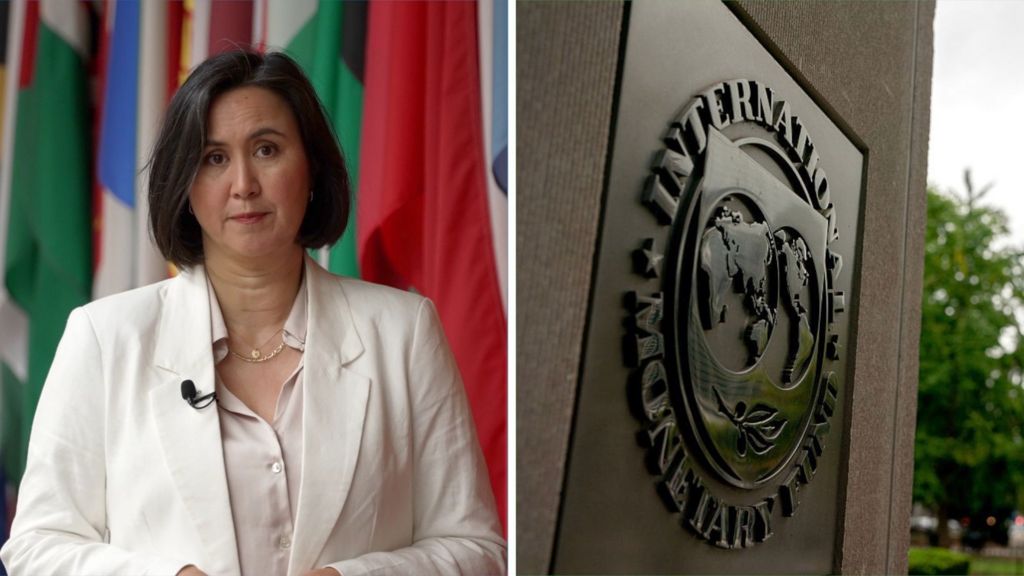
Watch: Uncertainty looms as World Bank meets in Washington
As the World Bank convenes in Washington, a cloud of uncertainty hangs over the global economic landscape. The gathering, which brings together prominent bankers and finance ministers from around the world, is set against a backdrop of mounting challenges, including inflationary pressures, geopolitical tensions, and the lingering effects of the COVID-19 pandemic. The BBC’s Michelle Fleury provides an in-depth analysis of the key issues expected to dominate discussions. Among the critical topics on the agenda are strategies to stabilize volatile markets, address debt crises in developing nations, and foster sustainable economic growth. The meeting also serves as a platform for exploring innovative financial solutions to combat climate change and support vulnerable economies. With the global economy at a crossroads, the outcomes of this high-stakes assembly could have far-reaching implications for international financial stability and development efforts.
-

North Carolina joins growing US battle over redrawing electoral maps
The United States is witnessing a fierce nationwide battle over redistricting, as Republicans and Democrats scramble to redraw congressional maps in a bid to alter the balance of power in Washington. This political tug-of-war, which has already engulfed states like Texas, California, and Missouri, has now reached North Carolina, where Republican leaders are heeding former President Donald Trump’s call to counter Democratic redistricting efforts. The stakes are high, with both parties seeking every possible advantage ahead of the 2026 midterm elections. The fight began in Texas this summer, where the Republican-majority legislature redrew congressional seats to potentially add five more Republican-leaning districts. California, a Democratic stronghold, responded by crafting its own maps to boost Democratic representation by five seats, aiming to neutralize Texas’ gains. This trend has since spread across the country, with states like Missouri, Ohio, and now North Carolina joining the fray. The U.S. House of Representatives, currently resting on a knife’s edge with a slim Republican majority, could see a dramatic shift if Democrats manage to flip just three more seats. Historically, the president’s party tends to lose seats in midterm elections, and a Democratic-controlled House could lead to sweeping investigations into presidential actions, reminiscent of the Trump and Biden administrations. Redistricting, a process typically conducted every decade following the U.S. Census, has become a mid-decade battleground, with both parties aiming to reshape districts to their advantage. However, this practice, known as gerrymandering, has drawn criticism for allowing politicians to choose their voters rather than the other way around. Legal challenges have emerged, particularly in Texas, where Democrats and civil rights groups argue that the new maps dilute minority voting power, violating the federal Voting Rights Act. The Supreme Court’s 2019 ruling, which removed the judiciary’s power to block political gerrymandering, has further complicated the landscape. As the 2026 midterms approach, redistricting remains an urgent issue for state lawmakers, with Democratic-led states like Illinois, New York, and New Jersey discussing countermeasures to Republican strategies. Meanwhile, Republican-controlled states like Indiana and Florida are also exploring redistricting to bolster their representation in Washington. The outcome of this nationwide redistricting battle could have profound implications for the future of U.S. politics, shaping the ideological tilt of Congress and influencing the legislative agenda for years to come.
-
Americans feel the squeeze as government gridlock grinds on
The United States government shutdown has extended into its third week, with no immediate resolution in sight as Congress remains deadlocked over spending disputes. The ongoing crisis has already resulted in significant workforce reductions, with thousands of federal employees placed on enforced leave. President Donald Trump has intensified pressure on Democrats by threatening further layoffs unless they support Republican proposals to reopen the government.
-
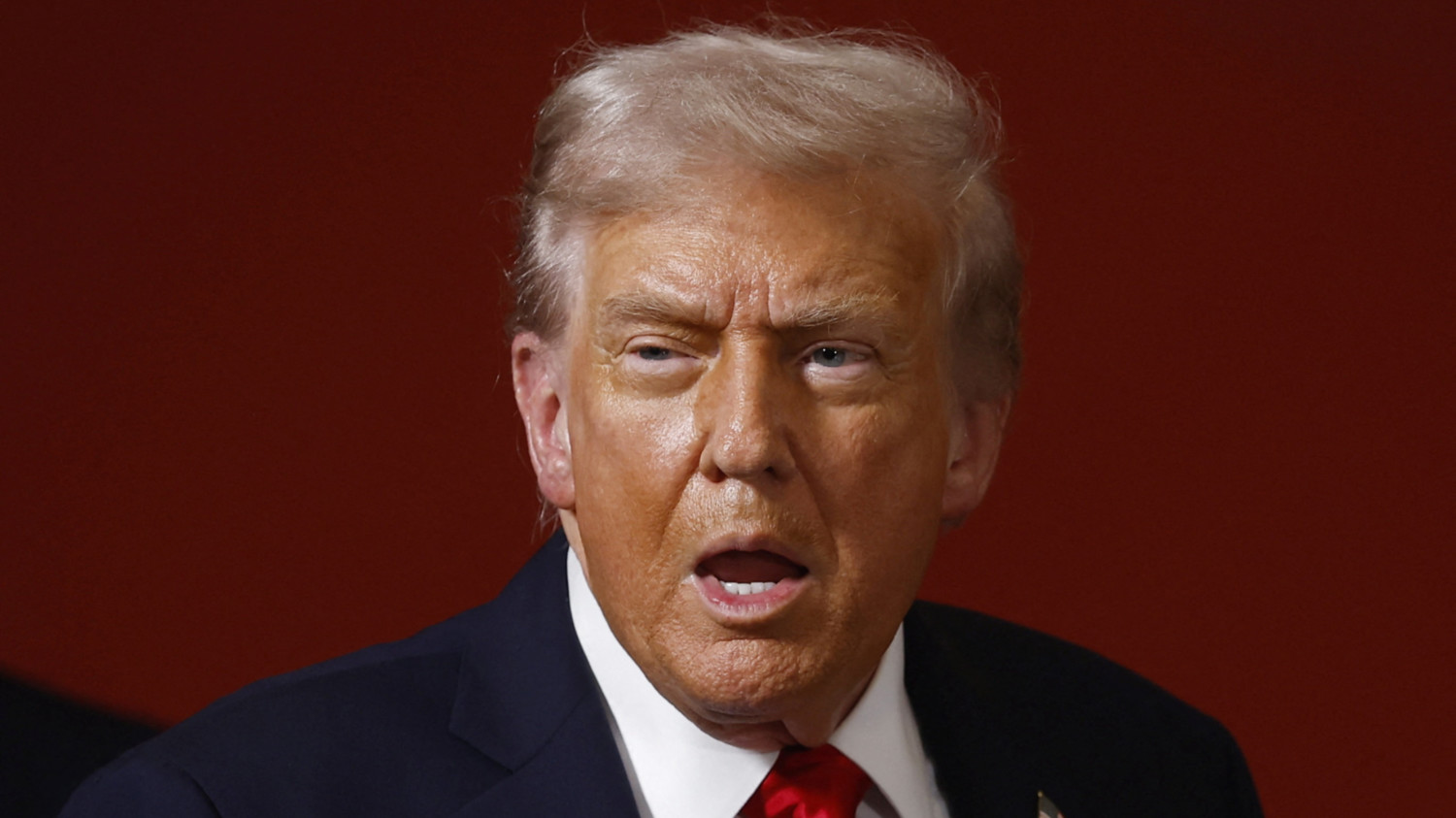
Trump declares ‘peace in the Middle East’ during Egypt speech
For the first time since Barack Obama’s 2009 Cairo speech, a U.S. president has addressed a significant audience in Egypt. President Donald Trump, speaking at the Gaza peace summit in Sharm el-Sheikh, declared, ‘At long last, we have peace in the Middle East.’ The summit, attended by 20 of the 35 invited world leaders, marked a pivotal moment following the recent ceasefire in Gaza. Trump emphasized the importance of humanitarian aid and reconstruction efforts, noting the contributions from wealthy nations present at the summit. He also highlighted the role of his peace envoy, Steve Witkoff, and his son-in-law, Jared Kushner, in the implementation of the peace deal. Trump reiterated his call for more countries to join the Abraham Accords, a series of normalization agreements between Israel and Arab nations. Despite the absence of Palestinian representation on stage, Trump acknowledged the presence of Palestinian Authority President Mahmoud Abbas in the audience. The summit also saw Trump praising Egyptian President Abdel Fattah el-Sisi and expressing gratitude to other key leaders, including those from Qatar, Turkey, and Pakistan. Pakistan’s Prime Minister Shehbaz Sharif even nominated Trump for the Nobel Peace Prize, citing his pivotal role in achieving peace in the region.
-

Why AI is being trained in rural India
Virudhunagar, a historic town in southeastern India known for its ancient temples, is now making waves in the world of artificial intelligence (AI). While its cultural heritage dates back thousands of years, the town is also home to cutting-edge AI work, thanks to the rise of cloud farming—a trend where tech firms decentralize operations to smaller, cost-effective locations. Mohan Kumar, an AI annotation specialist, exemplifies this shift. He collects and labels data to train AI models, enabling them to recognize and predict objects independently. Kumar works for Desicrew, a pioneer in cloud farming since 2005, which aims to bring jobs to rural areas rather than forcing migration to cities. Desicrew’s CEO, Mannivannan J K, emphasizes the company’s mission to create world-class careers closer to home, with 30-40% of its current work being AI-related, a figure expected to rise to 75-100% soon. Transcription—converting audio to text—is a key focus, as it forms the foundation for AI to understand diverse languages and dialects. Similarly, NextWealth, founded in 2008, has embraced AI, employing 5,000 staff across 11 small-town offices. Co-founder Mythily Ramesh highlights the untapped potential of first-generation graduates from rural areas, many of whom come from farming or artisan families. NextWealth’s work, 70% of which comes from the US, includes training advanced AI algorithms. Both companies underscore the transformative impact of these jobs, particularly for women, who make up 60-70% of their workforce. However, challenges remain, including perceptions of data security and the need for reliable internet in smaller towns. Despite these hurdles, experts like KS Viswanathan believe India’s small towns are poised to become global hubs for AI operations, building on the country’s legacy in IT services.
-
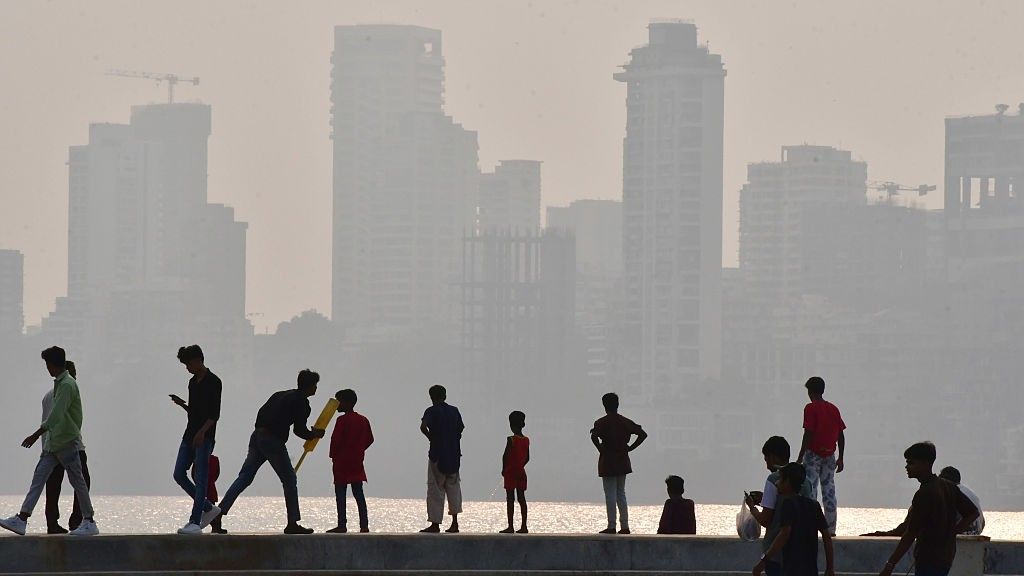
Foul skies, fading light: How air pollution is stealing India’s sunshine
India is grappling with a severe air pollution crisis, now ranking among the world’s top 10 most polluted countries. A recent study by six Indian scientists reveals that sunshine hours—the duration of direct sunlight reaching the Earth’s surface—have steadily declined across most of India over the past three decades. Published in *Scientific Reports*, the study analyzed data from 20 weather stations between 1988 and 2018, showing a nationwide reduction in sunshine hours, with only the northeast region experiencing mild seasonal relief. The steepest declines were observed in northern inland cities like Amritsar and Kolkata, as well as along the Himalayan belt and the west coast, particularly Mumbai. Seasonal patterns revealed significant increases in sunshine from October to May, followed by sharp drops from June to July in six of India’s nine regions. This decline is linked to India’s long-standing air pollution crisis, driven by rapid urbanization, industrial growth, and biomass burning, which have increased aerosol emissions and cloud formation. Aerosols have reduced sunlight reaching the ground by 13%, while clouds accounted for an additional 31-44% drop in surface solar radiation between 1993 and 2022. The study highlights concerns for agriculture, daily life, and India’s solar energy ambitions, with air pollution reducing solar panel output by 12-41% and costing an estimated $245-835 million in lost power generation. Cleaner air could boost India’s annual solar energy production by 6-28 terawatt hours, enough to power millions of homes. However, the impact of pollution extends beyond energy, causing significant crop yield losses in rice and wheat. While global trends show a rebound in sunlight due to cleaner air, heavily polluted countries like India are missing out, risking their renewable energy goals and overall development.