作者: admin

  • Detained Gaza man reunites with family

    Detained Gaza man reunites with family

    Shadi Abu Sido, a Palestinian photojournalist from Gaza, has been reunited with his family after being released from Israeli detention as part of a US-mediated ceasefire agreement between Hamas and Israel. The deal, which ended two years of conflict, also saw the release of 1,700 Palestinians and 250 prisoners convicted or suspected of involvement in deadly attacks, in exchange for 20 Israeli hostages held by Hamas since October 2023.

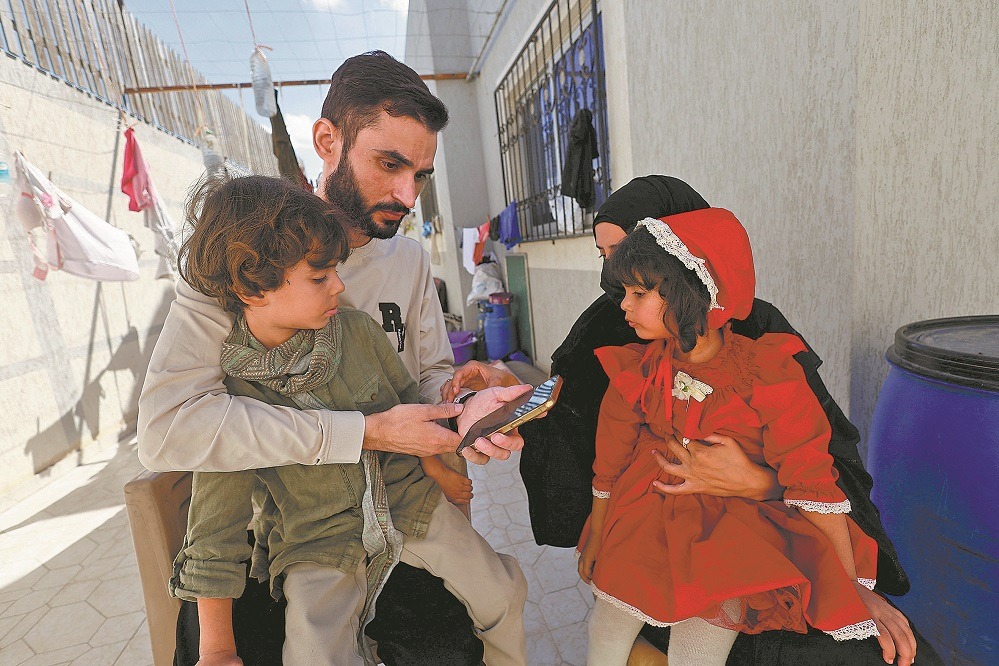
    Abu Sido, who was detained at Al-Shifa Hospital in northern Gaza on March 18 last year, had been told by Israeli guards that his wife and two children were dead. Overwhelmed with grief, he described the moment as shattering his world. However, upon his release on Monday, he discovered that his family was alive. His wife, Hanaa Bahlul, rushed to embrace him at their home in Khan Younis, and he held his children tightly, repeatedly kissing their cheeks and murmuring words of love.

    Abu Sido’s detention was reportedly under Israel’s Unlawful Combatants Law, which allows for administrative detention without charge or trial. According to Addameer, a Palestinian human rights group, 2,673 Gazans are currently held under this law. The Israeli military stated that its detention policies comply with Israeli law and the Geneva Conventions.

    During his detention, Abu Sido endured severe mistreatment, including beatings, prolonged kneeling, and being handcuffed and blindfolded. His wife revealed that he was initially held at Sde Teiman military detention camp in Israel, then transferred to Ofer military camp in the West Bank, and finally to Ketziot prison in Israel. Bahlul emphasized that her husband’s arrest was solely for his work as a journalist for a Palestinian institution.

    The ceasefire deal has brought a temporary halt to the prolonged conflict, offering a glimmer of hope for families torn apart by the violence. Abu Sido’s reunion with his family serves as a poignant reminder of the human cost of the ongoing tensions in the region.

  • President approves CIA action in Venezuela

    President approves CIA action in Venezuela

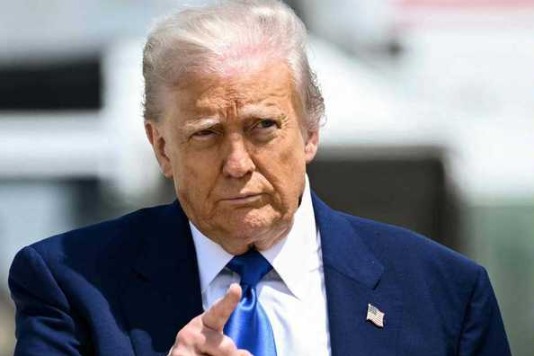
    In a significant escalation of tensions between the United States and Venezuela, President Donald Trump announced on Wednesday that he has authorized the Central Intelligence Agency (CIA) to conduct covert operations in Venezuela. The decision, which has drawn sharp criticism from Venezuelan President Nicolas Maduro, marks a new chapter in the fraught relationship between the two nations. Speaking at the White House, Trump accused Venezuela of releasing prisoners and mental patients to cross into the United States illegally, as well as facilitating large-scale drug smuggling operations. However, he provided no concrete evidence to support these claims. When questioned about whether the CIA had been authorized to target Maduro, Trump evaded a direct response, stating only that ‘Venezuela is feeling the heat.’ He also hinted at potential land-based military strikes, emphasizing that the U.S. already has ‘the sea very well under control.’ Maduro swiftly condemned the move, labeling it a ‘CIA-orchestrated coup d’etat.’ According to The New York Times, the new authorization permits the CIA to carry out lethal missions in Venezuela and the Caribbean, while coordinating with broader U.S. military operations in the region. The Trump administration has reportedly made it clear, albeit privately, that the ultimate objective is to remove Maduro from power. Currently, approximately 10,000 U.S. troops, eight warships, and one submarine are deployed in the Caribbean, primarily based in Puerto Rico. Since September, the U.S. has conducted five strikes targeting alleged drug-trafficking boats near Venezuela, resulting in 27 fatalities. Earlier this month, the White House informed Congress that the U.S. is engaged in a ‘non-international armed conflict’ with drug cartels designated as terrorist groups, though it did not specify which organizations. A 2020 report from the U.S. Drug Enforcement Administration indicated that while some cocaine passes through Venezuela, the country is not a primary source of U.S.-bound drugs. Maduro has repeatedly denounced Washington’s actions, accusing the U.S. of seeking to seize Venezuela’s oil resources. Historically, the CIA has been involved in numerous coups and covert operations across Latin America. Venezuela’s government has condemned Trump’s remarks as a violation of international law and plans to raise the issue with the United Nations Security Council and Secretary-General, demanding accountability from the U.S. government.

  • Pressure mounts on UK police force to reverse decision to ban Maccabi Tel Aviv fans from Villa game

    Pressure mounts on UK police force to reverse decision to ban Maccabi Tel Aviv fans from Villa game

    In a decision that has sparked widespread criticism, West Midlands Police in Birmingham, England, have banned Maccabi Tel Aviv fans from attending the Europa League match against Aston Villa on November 6, citing security concerns. The move has drawn condemnation from political leaders, sports organizations, and Jewish groups, who argue that it undermines the spirit of inclusivity in football. British Prime Minister Keir Starmer labeled the decision as “the wrong decision,” emphasizing that the police’s role is to ensure all fans can enjoy the game without fear of violence or intimidation. Simon Foster, the elected official overseeing the local police force, has called for an “immediate review” of the ban. Aston Villa, the Premier League club hosting the match, stated that police expressed concerns about public safety outside the stadium and their ability to manage potential protests. West Midlands Police justified the ban by citing “current intelligence and previous incidents,” including violent clashes involving Maccabi fans during a match against Ajax in Amsterdam last season. While fan bans are rare in European football, they are typically imposed due to a history of violence between rival clubs, which is not the case here. However, Maccabi fans have faced increased scrutiny in recent years, partly due to tensions linked to the Gaza conflict. The upcoming match at Villa Park will be Maccabi’s first away game in the Europa League since pro-Palestinian protests occurred during their match against PAOK in Greece on September 24. UEFA, European football’s governing body, has urged British authorities to ensure Maccabi fans can attend the match, emphasizing the importance of a safe and welcoming environment. Maccabi Tel Aviv CEO Jack Angelides expressed dismay, suggesting the ban could signal a more sinister issue of antisemitism. Emily Damari, a British Israeli dual national and Maccabi supporter, condemned the decision, calling it “outrageous” and contrary to the unifying nature of football. The controversy highlights the delicate balance between security concerns and the principles of inclusivity and fairness in sports.

  • Hefty US visa fee rise slams door on Africans

    Hefty US visa fee rise slams door on Africans

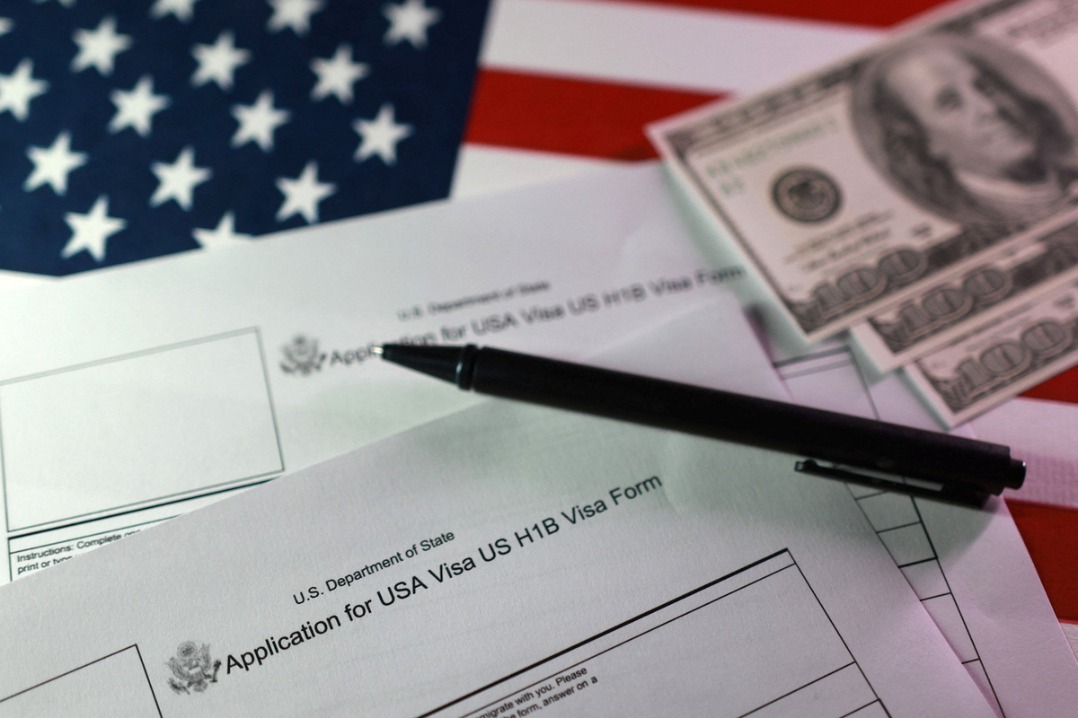
    The United States’ decision to significantly increase the application fee for the H-1B visa has sparked widespread concern among African professionals and analysts, who warn that the move could hinder talent mobility and innovation. Last month, the US administration announced a sharp rise in the visa fee from a few thousand dollars to a flat $100,000, payable by employers at the time of filing. The H-1B visa, which allows highly skilled foreign professionals to live and work in the US for up to six years, is a critical pathway for African talent seeking opportunities abroad. However, the new fee structure has been criticized as a barrier that could disproportionately affect smaller companies and startups, while also discouraging African professionals from pursuing opportunities in the US. James Shikwati, director of the Inter Region Economic Network, a Nairobi-based think tank, noted that the policy could stifle innovation in the US and disrupt global talent exchange. He emphasized that the higher fee might push Africa’s youthful workforce toward other regions, accelerating the continent’s digital transformation. Melha Rout Biel, founder of the Institute for Strategic and Policy Studies in South Sudan, described the move as unfair, arguing that it could deter mobility and ultimately harm the US, which relies on immigrants to address its aging population and low birth rates. Analysts also highlighted the potential impact on industries such as healthcare and education, which depend on H-1B visas to fill critical roles. The American Immigration Council reported that over 2.8 million Black immigrants were part of the US workforce in 2022, supporting fast-growing sectors. The fee hike could slow future inflows from Africa, further complicating the US’s labor market dynamics. Meanwhile, experts like Dieudonne Dany Mbarga, a financial analyst in Ghana, suggested that the policy might encourage African professionals to explore opportunities closer to home, leveraging initiatives like the African Continental Free Trade Area to drive regional competition and growth.

  • Russia convicts 15 captured Ukrainian soldiers on terrorism charges

    Russia convicts 15 captured Ukrainian soldiers on terrorism charges

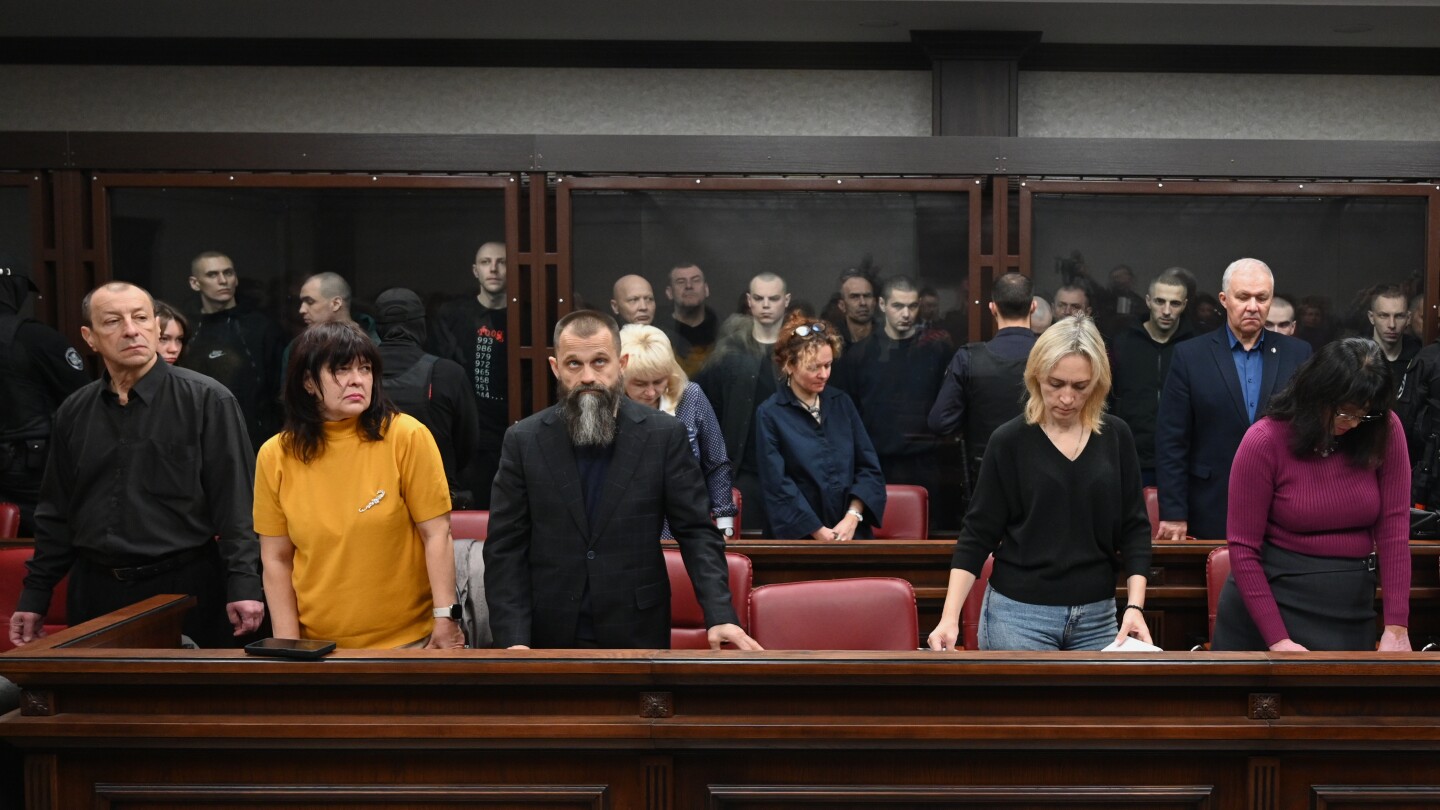
    A military court in Rostov-on-Don, southern Russia, has convicted 15 Ukrainian soldiers from the Aidar battalion on terrorism charges, sentencing them to prison terms ranging from 15 to 21 years. The trial, which concluded on Friday, has been condemned by Kyiv as a sham and a blatant violation of international law. This marks the second mass trial of Ukrainian prisoners of war since March, when 23 members of the elite Azov brigade were similarly convicted. Both the Azov and Aidar battalions have been designated as terrorist organizations by Russia, which accuses them of war crimes. These volunteer units were formed following Russia’s 2014 annexation of Crimea and played a significant role in combating Russia-backed separatists in eastern Ukraine. Ukraine’s human rights envoy, Dmytro Lubinets, denounced the trial as “shameful,” asserting that Russia is criminalizing those who defended their homeland. Memorial, a prominent Russian human rights group, has labeled the defendants as political prisoners, arguing that the trial contravenes international conventions protecting prisoners of war. The group emphasized that the Geneva Convention prohibits prosecuting POWs solely for their participation in armed conflict. The trial, held behind closed doors for the most part, initially involved 18 members of the Aidar battalion. Two nurses were returned to Ukraine in a prisoner swap, while proceedings against a driver are set to be held separately. The verdict has sparked international concern, with critics accusing Russia of using the judicial system to legitimize its actions against Ukrainian defenders.

  • China’s tech-empowered grain farming bolsters food security

    China’s tech-empowered grain farming bolsters food security

    As China commemorated World Food Day on October 16, 2025, the nation showcased its technological advancements in agriculture, which have significantly bolstered food security. In major grain-producing regions, fleets of crawler harvesters worked tirelessly to gather a bountiful harvest, despite challenging weather conditions. In Shandong province, farmers employed advanced measures such as mechanical drying facilities to combat persistent rainfall, ensuring minimal grain loss. By October 2025, Wenshang county had established 38 grain drying centers with a daily capacity of 9,500 tonnes, a fivefold increase since 2020.

  • Polish court considers extradition to Germany of suspect in Nord Stream pipeline attack

    Polish court considers extradition to Germany of suspect in Nord Stream pipeline attack

    A Polish court deliberated on Friday whether to extradite a Ukrainian man, identified only as Volodymyr Z., who is suspected by German prosecutors of involvement in the 2022 attack on the Nord Stream gas pipelines. The case has the potential to strain diplomatic relations between Poland and Germany. The 46-year-old suspect, described as a trained diver, was arrested near Warsaw on September 30 under a German warrant. German authorities allege he was part of a group that planted explosives on the pipelines near Denmark’s Bornholm island. The Warsaw District Court’s decision, which could be appealed, remains pending. Volodymyr Z.’s lawyer, Tymoteusz Paprocki, stated that his client denies any involvement in the attack and questions the charges. He also argued that no Ukrainian should be prosecuted for actions against Russia. Poland, historically opposed to the Nord Stream pipelines, has shown reluctance to extradite the suspect. Prime Minister Donald Tusk emphasized that such a move would not align with Poland’s interests. The Nord Stream 1 and 2 pipelines were severely damaged in September 2022, escalating tensions amid Europe’s efforts to reduce reliance on Russian energy following the invasion of Ukraine. Germany’s push for Nord Stream 2 had previously faced criticism for increasing Europe’s dependence on Russian gas. Volodymyr Z., a resident of Poland, is one of two Ukrainians sought by German authorities in the case. Another suspect, arrested in Italy, saw his extradition annulled by Italy’s top court, which ordered a reassessment of the case.

  • Trump says Modi pledges to stop buying Russian oil

    Trump says Modi pledges to stop buying Russian oil

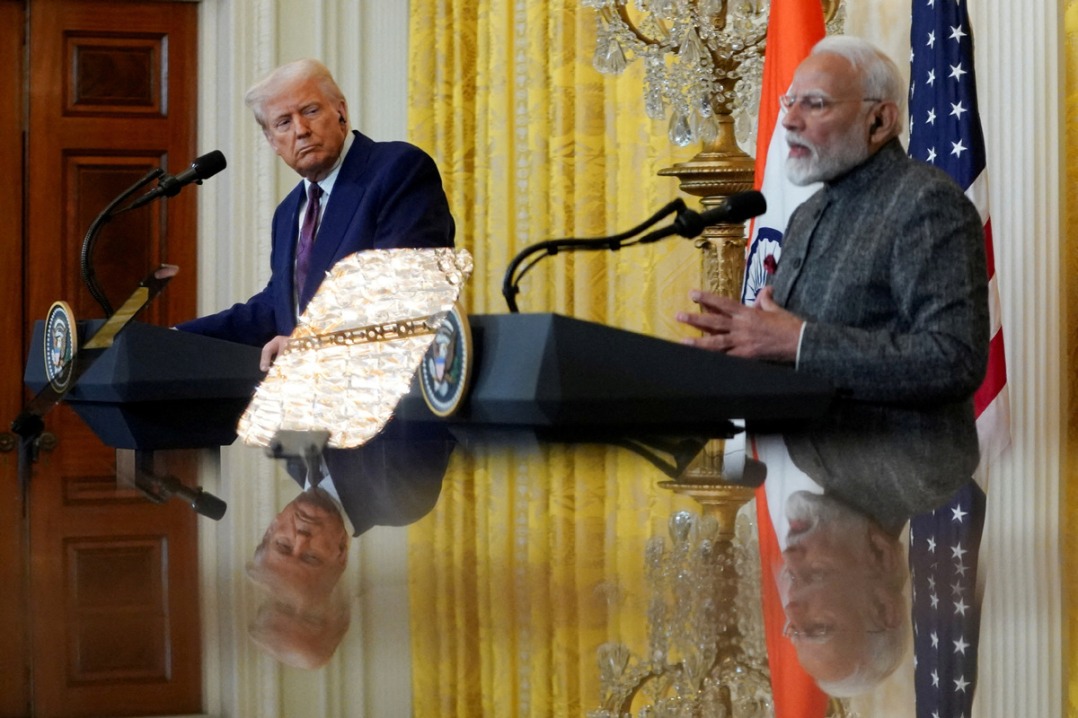
    In a significant diplomatic development, US President Donald Trump revealed that Indian Prime Minister Narendra Modi has pledged to cease purchasing oil from Russia. This announcement comes as the US intensifies its efforts to curb Moscow’s energy revenues and pressure Russia into negotiating a peace deal in Ukraine. Trump, who has recently imposed tariffs on Indian exports to discourage its Russian oil imports, shared the news during a White House event, stating, ‘I was not happy that India was buying oil, and he (Modi) assured me today that they will not be buying oil from Russia.’ The Indian embassy in Washington has yet to confirm Modi’s commitment, while India’s foreign ministry emphasized its focus on safeguarding consumer interests in a volatile energy market. India, which sources one-third of its oil imports from Russia, has expressed willingness to increase purchases of US oil and gas if prices are competitive. Meanwhile, Kremlin spokesman Dmitry Peskov defended Russia’s ability to supply affordable, high-quality oil, warning that restricting trade would violate free market principles.

  • Australian rainforests no longer a carbon sink: study

    Australian rainforests no longer a carbon sink: study

    A groundbreaking study published in Nature has revealed that Australia’s tropical rainforests are now emitting more carbon dioxide than they absorb, marking a significant shift in their ecological role. This alarming trend, linked directly to climate change, positions these rainforests as the first of their kind globally to transition from carbon sinks to net carbon emitters. The research, led by Hannah Carle of Western Sydney University’s Hawkesbury Institute for the Environment, underscores the escalating vulnerability of these ecosystems to extreme temperatures, atmospheric dryness, and prolonged droughts. The study, which analyzed nearly five decades of data from Queensland’s rainforests, found that increased tree mortality has outpaced growth, resulting in a net release of carbon into the atmosphere. This contradicts the expected response of enhanced plant growth under higher carbon dioxide levels. The findings have profound implications for global emissions reduction strategies, which rely heavily on the carbon-absorbing capacity of forests. Carle warned that current climate models may overestimate the ability of tropical forests to offset fossil fuel emissions, especially as cyclones, exacerbated by climate change, further diminish their carbon sink potential. The study calls for urgent global monitoring of other tropical forests to assess similar risks. Despite its ecological challenges, Australia remains a leading exporter of gas and thermal coal, with per capita carbon emissions among the highest worldwide. The research highlights the pressing need for accelerated climate action to meet the Paris Agreement’s goals of limiting global warming to safer levels.

  • Airline apologises for asking dead flight attendant for paperwork

    Airline apologises for asking dead flight attendant for paperwork

    The tragic death of a 34-year-old Eva Air flight attendant, surnamed Sun, has ignited widespread outrage in Taiwan, particularly after the airline’s insensitive request for documentation following her passing. Ms. Sun reportedly fell ill during a flight from Milan to Taoyuan City on September 24 and was hospitalized upon arrival. She succumbed to her condition on October 8, with speculation mounting that overwork may have contributed to her death. Anonymous social media users, claiming to be her colleagues, have alleged that Ms. Sun was pressured to continue working despite her illness. Taiwanese authorities and Eva Air are investigating whether she was denied medical assistance or discouraged from taking sick leave. Flight records indicate that Ms. Sun averaged 75 hours of flying per month, within regulatory limits. In a shocking turn of events, Ms. Sun’s family received a text message from an Eva Air representative days after her death, requesting proof of her leave application during her hospitalization. The family responded with a copy of her death certificate. Eva Air President Sun Chia-Ming publicly apologized at a press conference, calling the message ‘a mistake by an internal employee’ and expressing deep sorrow over Ms. Sun’s passing. The airline has faced multiple fines since 2013, primarily for overtime-related violations. The incident has raised serious concerns about employee welfare in the aviation industry.