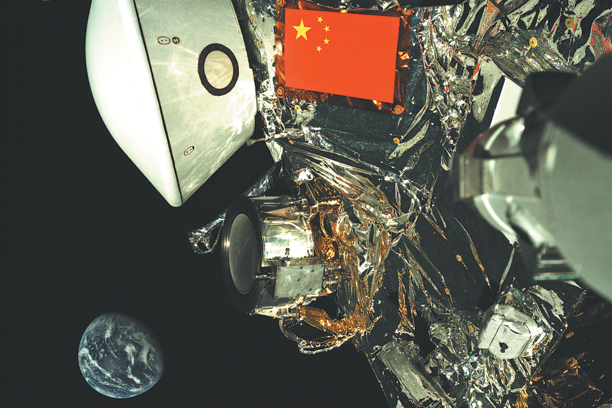
China has made significant strides in space exploration during the 14th Five-Year Plan period (2021-2025), achieving numerous breakthroughs that have contributed to humanity’s understanding of space and technological advancements. The completion of China’s space station, the first-ever sampling of soil from the far side of the moon, and the exploration of Mars are among the key milestones. The space station, which became operational with the launch of the Tianhe core module in April 2021, now hosts a variety of scientific experiments and international collaborations. The Chang’e 6 mission successfully returned lunar samples from the moon’s far side, providing valuable insights into lunar geology. Additionally, the Tianwen 1 mission has expanded our knowledge of Mars, with the rover discovering evidence of an ancient ocean. Looking ahead, China plans to continue its space exploration efforts with missions like Chang’e 7, Chang’e 8, and Tianwen 3, aiming to further scientific research and international cooperation.
作者: admin
-

Many US job seekers find it tough to get work now
The US labor market is experiencing significant strain, with job seekers facing unprecedented difficulties in securing employment. While the September unemployment rate remains unavailable due to the federal government shutdown, the ADP National Employment Report revealed that the private sector cut 32,000 jobs in September compared to the same period last year. This report, produced by ADP Research and the Stanford Digital Economy Lab, highlights the cautious hiring practices of US employers despite strong economic growth in the second quarter. Nela Richardson, ADP’s chief economist, emphasized this trend in a statement, noting the ongoing challenges in the labor market. Major job posting site Indeed reported a 2.5% decline in job openings as of September 26, with nearly all sectors—except banking and finance—posting fewer jobs than a year ago. Scientific research and development saw the steepest decline, with nearly a quarter fewer job opportunities. The biotech and pharma sector is expected to lay off 24,000 employees in the third quarter, according to BioSpace. For job seekers like Chuck, a recent computer science graduate from the University of Texas at Austin, the situation is dire. Despite applying for hundreds of positions, he has received minimal responses and no job offers. Similarly, Timothy, a computer engineer in Dallas, regrets leaving his previous job, as he has struggled to re-enter the job market since April. Recruiters confirm the grim reality, with fewer job opportunities and declining salaries. David Leshowitz of Management Recruiters in Boston noted a significant drop in demand for workers, while a Reddit post described the current job market as one of the worst since 2008. Moody’s analysis indicates that 21 states and the District of Columbia, representing a third of US economic activity, are already in a recession, with another 13 states treading water. Economic uncertainty, fueled by tariff policies and unpredictable decisions, has led many companies to delay investments and hiring. Ed Hirs, an economics lecturer at the University of Houston, highlighted the impact of vague policies on business decisions, further exacerbating the challenges in the job market.
-
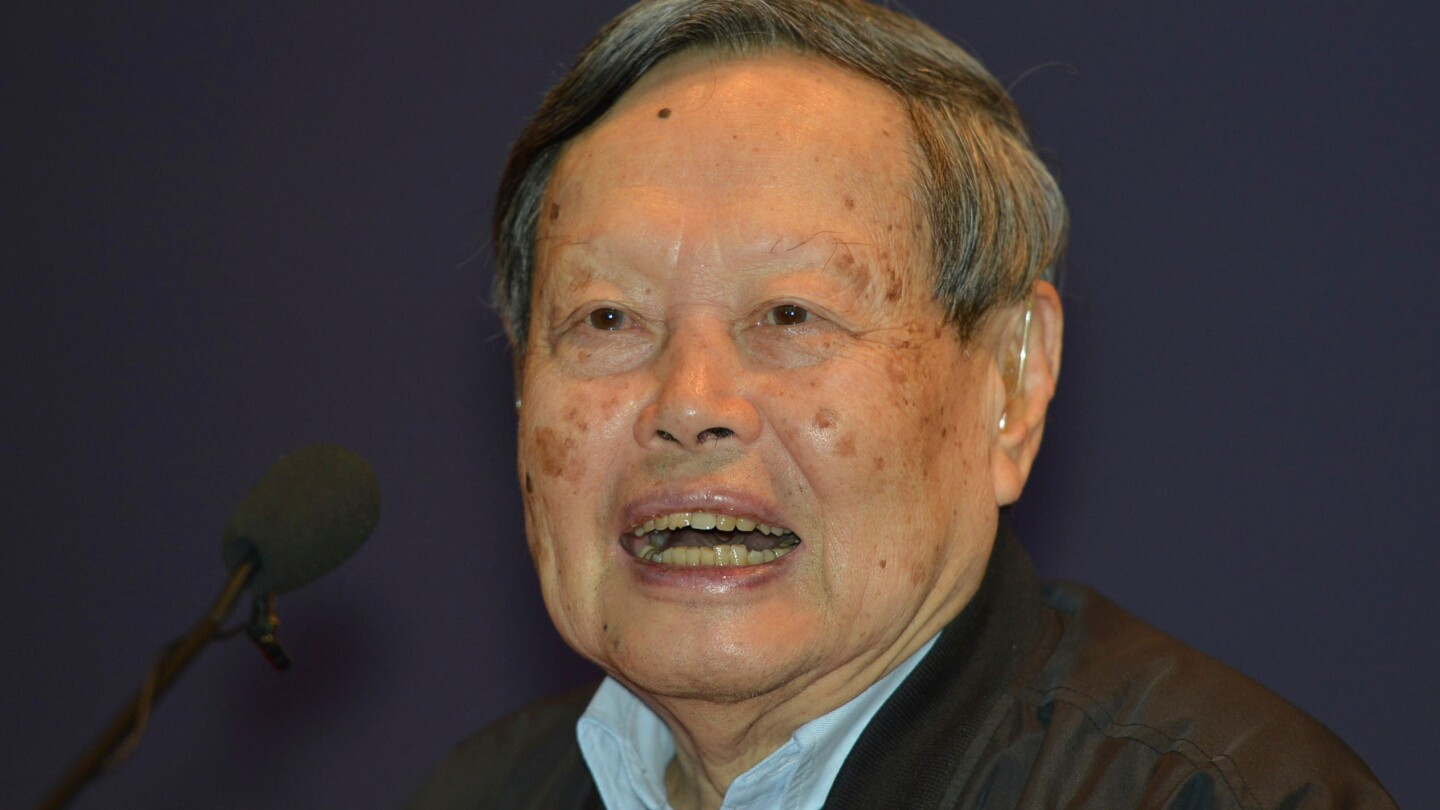
Chinese Nobel Prize-winning physicist Chen Ning Yang dies at 103
Renowned physicist Chen Ning Yang, a Nobel Prize laureate and one of the most influential figures in modern physics, passed away in Beijing on Saturday at the age of 103. Tsinghua University, where Yang both studied and taught, confirmed his death in a statement, attributing it to an unspecified illness. The university hailed Yang as one of the greatest physicists of the 20th century, emphasizing his groundbreaking contributions to the field of physics and his significant role in advancing China’s scientific and educational landscape. Yang, along with Tsung-Dao Lee, was awarded the Nobel Prize in Physics in 1957 for their groundbreaking work on parity laws, which led to pivotal discoveries in elementary particle physics. This achievement marked them as the first Chinese-born physicists to receive the prestigious award. In his Nobel Banquet speech, Yang reflected on his dual heritage, expressing pride in his Chinese roots while acknowledging his deep connection to Western scientific traditions. He famously stated, ‘I am heavy with an awareness of the fact that I am in more than one sense a product of both the Chinese and Western cultures, in harmony and in conflict.’ Yang’s legacy also includes the development of the Yang–Mills theory, a cornerstone of modern physics, which he co-authored with American physicist Robert Mills. Born in 1922 on the Tsinghua University campus, where his father was a mathematics professor, Yang pursued his undergraduate and master’s degrees at Tsinghua before earning his doctorate at the University of Chicago in 1946. He was profoundly influenced by Italian-American physicist Enrico Fermi, a fellow Nobel laureate. Yang’s academic career spanned prestigious institutions, including the Institute for Advanced Study in Princeton and the Chinese University of Hong Kong, where he served as a distinguished Professor-at-large and made generous donations, including his Nobel Prize. In 2015, Yang renounced his U.S. citizenship, a decision he described as difficult but necessary, reflecting on the opportunities the country had provided him. He is survived by three children.
-
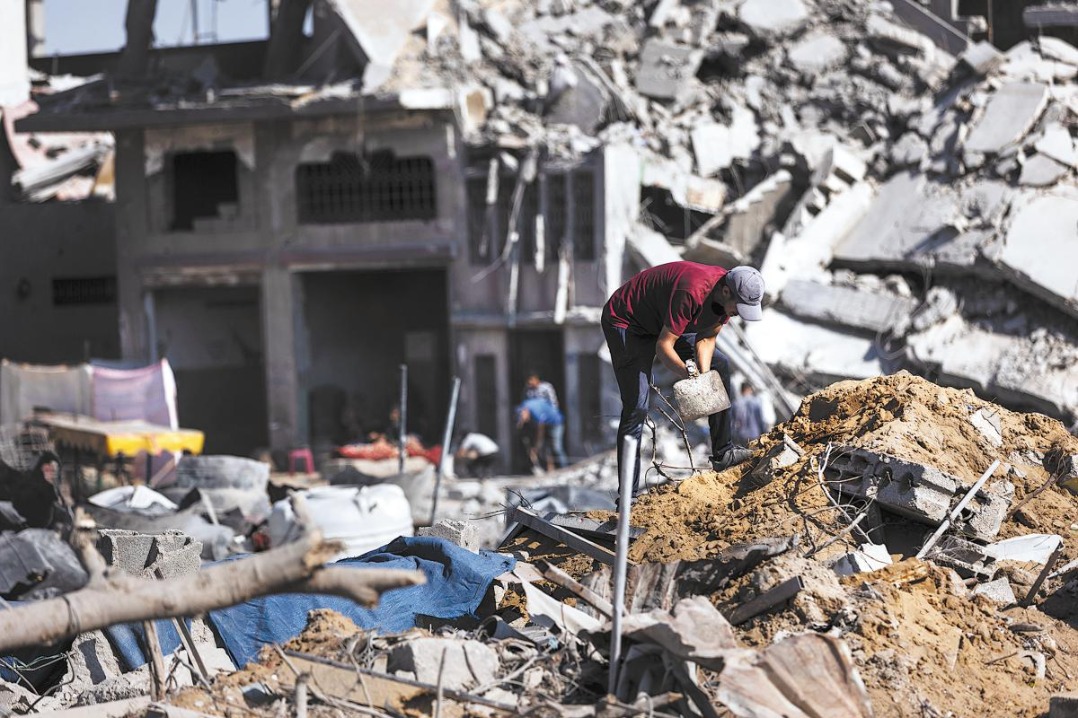
Palestinian PM outlines Gaza reconstruction plan
The Palestinian Prime Minister, Mohammad Mustafa, has announced a comprehensive three-phase recovery and reconstruction plan for Gaza, with an estimated cost of $67 billion over five years. The plan was unveiled during a meeting with international partners in Ramallah, West Bank, on Thursday. This initiative aligns with the Gaza Recovery, Reconstruction & Development Plan adopted at the Extraordinary Arab Summit in Cairo in March 2025 and is consistent with United Nations resolutions and the New York Declaration.
The first phase, lasting six months, will address urgent humanitarian and infrastructure needs at a cost of $3.5 billion. The second phase, spanning three years, will require $30 billion, while the final phase will focus on long-term recovery and reconstruction. Mustafa emphasized that the reconstruction must be ‘Palestinian-led, Arab-backed, and internationally supported,’ aiming to restore hope, dignity, and stability for Gaza’s people.
However, the plan faces significant challenges. Israel opposes any role for the Palestinian Authority or Hamas in governing Gaza following the two-year conflict, which has resulted in 68,000 Palestinian deaths, over 170,000 injuries, and widespread destruction. The Israel-Hamas ceasefire, which took effect on October 10, includes Israeli troop withdrawals, hostage and prisoner exchanges, and the opening of aid crossings. Despite progress, tensions remain high. Israel continues to station troops in half of Gaza and has linked the return of deceased hostages to humanitarian aid deliveries.
Meanwhile, Hamas has accused Israel of violating the ceasefire by killing at least 24 people since October 10. The group has submitted a list of alleged violations to mediators. US President Donald Trump has also escalated tensions, threatening military action against Hamas if it continues to carry out executions in Gaza. Aid trucks from Egypt remain stalled at the Rafah crossing, with Israel providing no clear timeline for their entry.
The international community is closely monitoring the situation as negotiations for the second phase of the ceasefire are expected to begin soon. The outcome will significantly impact the future of Gaza and the broader Israeli-Palestinian conflict.
-

National Guard activated ahead of No Kings protests planned across US
Republican governors across multiple U.S. states have placed National Guard troops on standby in anticipation of widespread protests opposing former President Donald Trump and his policies. The demonstrations, organized under the banner ‘No Kings,’ are expected to occur at over 2,500 locations nationwide. Protest organizers claim the movement aims to challenge what they describe as Trump’s ‘authoritarianism,’ asserting on their website, ‘In America, we don’t have kings, and we won’t back down against chaos, corruption, and cruelty.’
Governors in Texas and Virginia have activated their state’s National Guard, though the extent of military visibility remains uncertain. Texas Governor Greg Abbott justified the deployment by citing a ‘planned antifa-linked demonstration’ in Austin, the state capital. Similarly, Virginia Governor Glenn Youngkin has ordered the activation of the state’s National Guard.
Critics, including Democratic leaders, have condemned the move. Gene Wu, a prominent Texas Democrat, accused Abbott of acting like a ‘king or dictator’ by deploying armed soldiers to suppress peaceful protests. Meanwhile, some Republicans have labeled the protests as ‘Hate America’ rallies, with Kansas Senator Roger Marshall expressing skepticism about the events remaining peaceful.
The ‘No Kings’ movement, which previously drew over five million participants in June, continues to galvanize opposition to Trump’s political agenda. As tensions rise, the nation watches closely to see how these protests will unfold and what impact they may have on the broader political landscape.
-
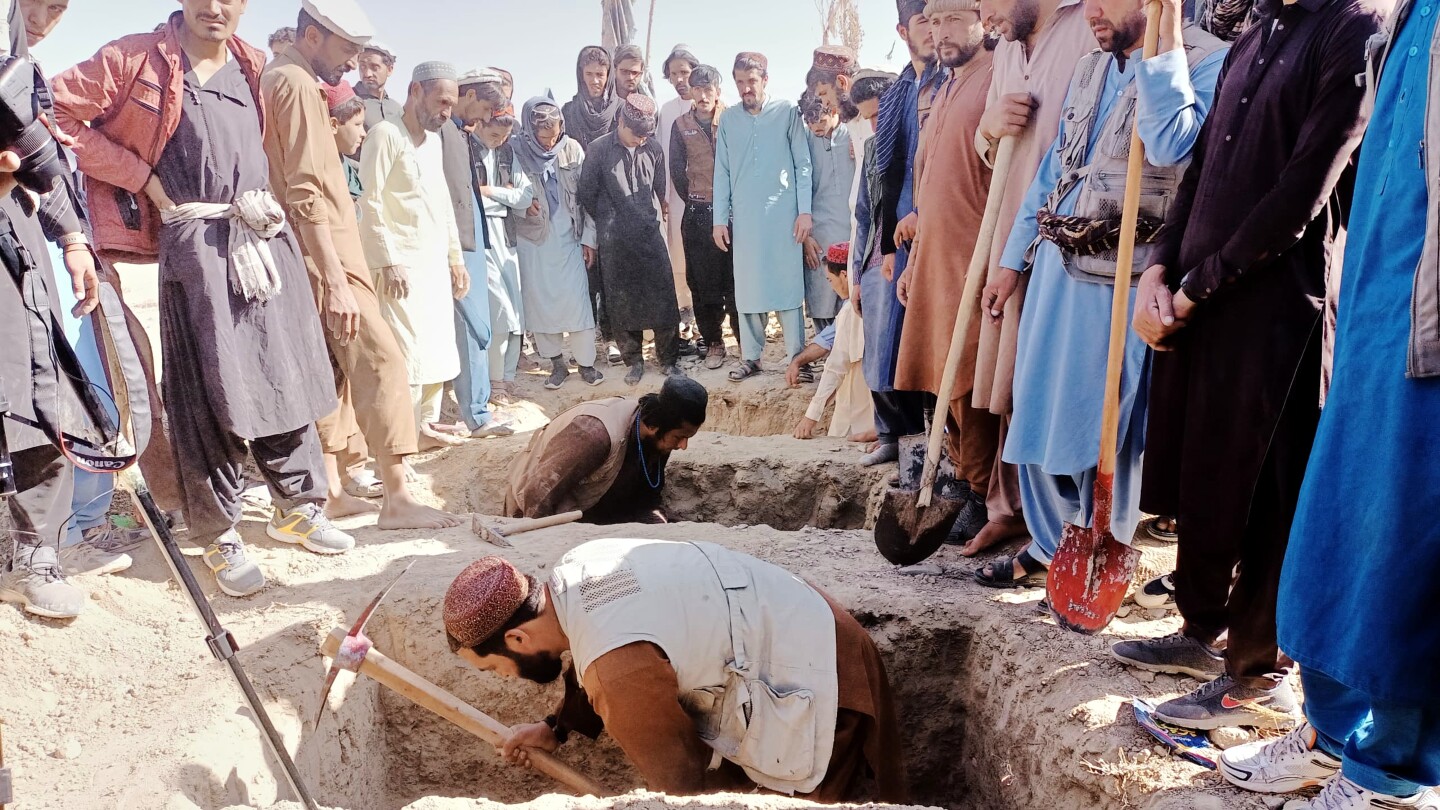
Afghan and Pakistani delegations head to Doha for crisis talks
In a bid to de-escalate the deadliest crisis between Afghanistan and Pakistan in recent years, delegations from both nations are en route to Doha, Qatar. The move follows over a week of intense border clashes that have resulted in dozens of fatalities and hundreds of injuries on both sides. The Taliban government confirmed that the Afghan delegation includes the defense minister and the head of the national intelligence agency, while Pakistan’s delegation departed on Saturday, as reported by the national broadcaster PTV.
-
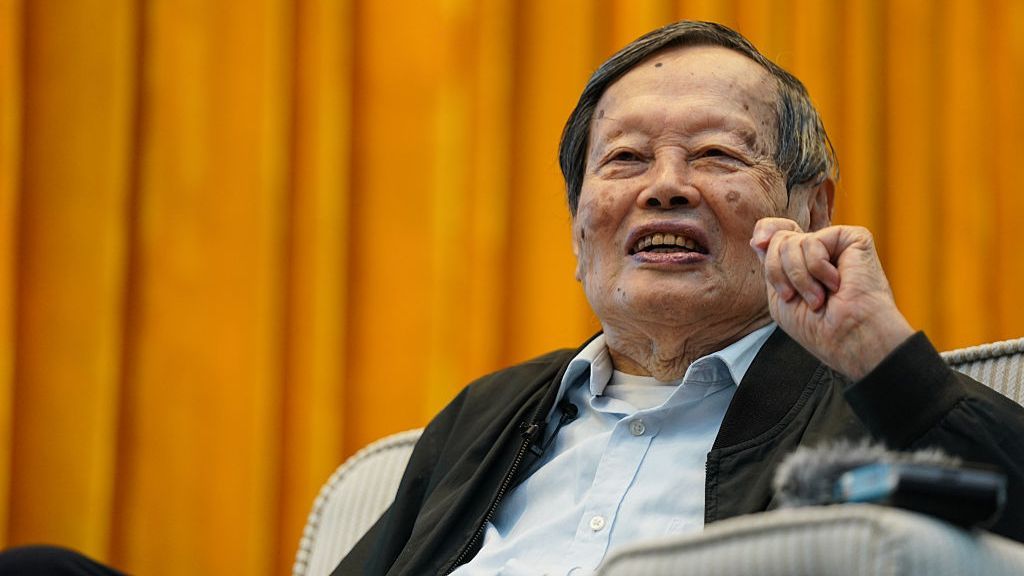
Chinese Nobel laureate and physicist Chen Ning Yang dies aged 103
Chen Ning Yang, a towering figure in the world of physics and a Nobel Prize laureate, has passed away at the age of 103, as reported by Chinese state media. The cause of death was cited as illness in an obituary released by CCTV. Yang, alongside fellow physicist Lee Tsung-Dao, was awarded the Nobel Prize in Physics in 1957 for their groundbreaking work on parity laws, which significantly advanced the understanding of elementary particles, the fundamental components of matter. Born in 1922 in Anhui province, China, Yang grew up on the campus of Tsinghua University, where his father was a mathematics professor. From a young age, Yang harbored ambitions of winning the Nobel Prize, a dream he realized at the age of 35. His academic journey took him from National Southwest Associated University in Kunming, where he earned his science degree in 1942, to Tsinghua University for his master’s, and eventually to the University of Chicago on a fellowship. There, he studied under Enrico Fermi, the inventor of the world’s first nuclear reactor. Yang’s career spanned various areas of physics, with a particular focus on statistical mechanics and symmetry principles. His contributions to the field were recognized with numerous accolades, including the Albert Einstein Commemorative Award in 1957 and an honorary doctorate from Princeton University in 1958. Yang’s personal life saw him marry twice, first to Chih Li Tu, with whom he had three children, and later to Weng Fan, whom he described as his ‘final blessing from God.’
-

Singapore’s president: “US–China Edge” drives shared prosperity
At the IMF-World Bank annual meetings in Washington this week, Singapore’s President Tharman Shanmugaratnam emphasized the importance of fostering collaboration between the United States and China, despite escalating tensions over tariffs, technology, and geopolitics. President Shanmugaratnam introduced the concept of the ‘US-China Edge,’ urging both nations to identify shared interests where competition can coexist with cooperation. He argued that transforming rivalry into innovation could drive mutual prosperity and global stability. The meetings, attended by government officials and central bank governors, provided a platform for addressing pressing economic challenges and exploring pathways for international cooperation. President Shanmugaratnam’s remarks underscored the need for strategic dialogue and trust-building measures to navigate the complexities of US-China relations. His call for innovation-driven collaboration resonated with attendees, highlighting the potential for economic growth and shared benefits in a multipolar world.
-

Ohtani rewrites history to send Dodgers to World Series
Shohei Ohtani cemented his legacy as one of baseball’s all-time greats with a historic performance that propelled the Los Angeles Dodgers to the World Series. The defending champions secured a commanding 5-1 victory over the Milwaukee Brewers, sweeping the series 4-0. Ohtani, the Japanese phenom, delivered a masterclass by smashing three home runs and striking out 10 batters, a feat never before achieved in Major League Baseball’s postseason history. His dominance with both bat and ball underscored his unparalleled talent. Ohtani also became the first pitcher since Jim Tobin in 1942 to hit three home runs in a single game. Reflecting on his performance, Ohtani said, ‘It was really fun on both sides of the ball today.’ He dedicated the win to his team and fans worldwide, expressing hope that everyone could celebrate with a glass of sake. The Dodgers now await their World Series opponent, either the Toronto Blue Jays or the Seattle Mariners, as they aim for another championship title.
-
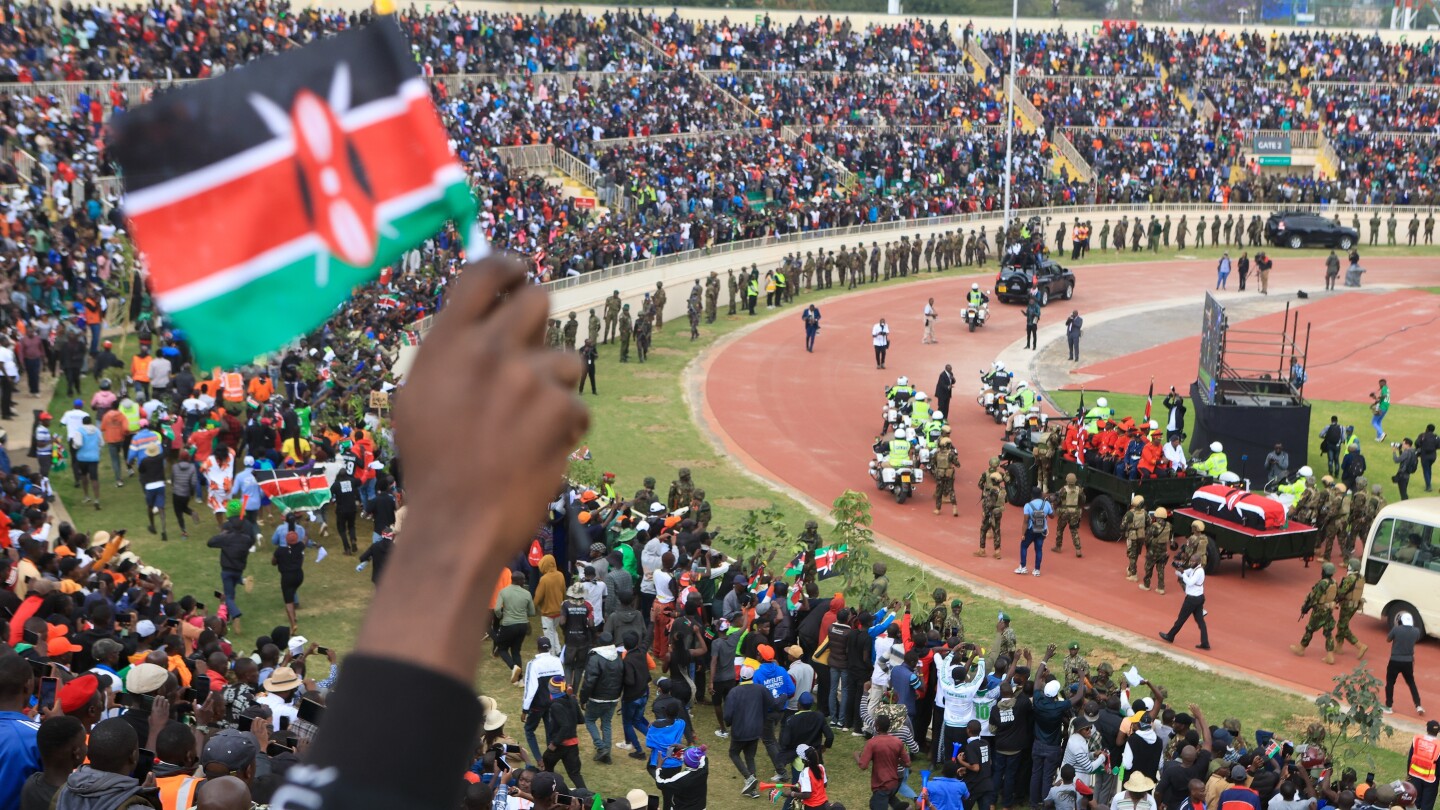
Heavy security after deadly violence in Kenya as thousands turn out to mourn former PM Odinga
In a bid to prevent further tragedies, Kenya has mobilized extensive security measures in Kisumu, a western city, for the final public viewing of former Prime Minister Raila Odinga’s body. This comes in the wake of five fatalities during the previous two funeral events. On Saturday, military personnel, police forces, and air surveillance units were stationed at a local soccer stadium, where thousands of mourners had gathered overnight to pay their respects. Odinga, a revered political figure in Kenya and beyond, passed away on Wednesday in India at the age of 80. He is set to be buried on Sunday in his rural hometown of Bondo. Odinga’s supporters, known for their fervor and determination, have been turning out in large numbers since his body was repatriated to Kenya on Thursday. The funeral events have been marred by violence, with police firing live bullets and tear gas on Thursday, resulting in three deaths. A stampede on Friday claimed two more lives and left 163 injured. Odinga’s widow, Ida, and his brother, Oburu, have both urged mourners to maintain peace and avoid provoking law enforcement. Odinga, who ran for Kenya’s presidency five times over three decades, is celebrated for his lifelong activism that significantly contributed to Kenya’s transition to a multiparty democracy. His body lay in state at parliament on Friday, an honor typically reserved for presidents and former presidents. Kenya’s President William Ruto, who once campaigned for Odinga in 2007 but later became his political rival, praised him as a patriot and selfless statesman. Earlier this year, the two leaders signed an agreement following months of anti-government protests, leading to the appointment of opposition party members to Cabinet positions.