作者: admin

  • Japanese PM Takaichi pledges to resign if ruling bloc loses majority in upcoming snap election

    Japanese PM Takaichi pledges to resign if ruling bloc loses majority in upcoming snap election

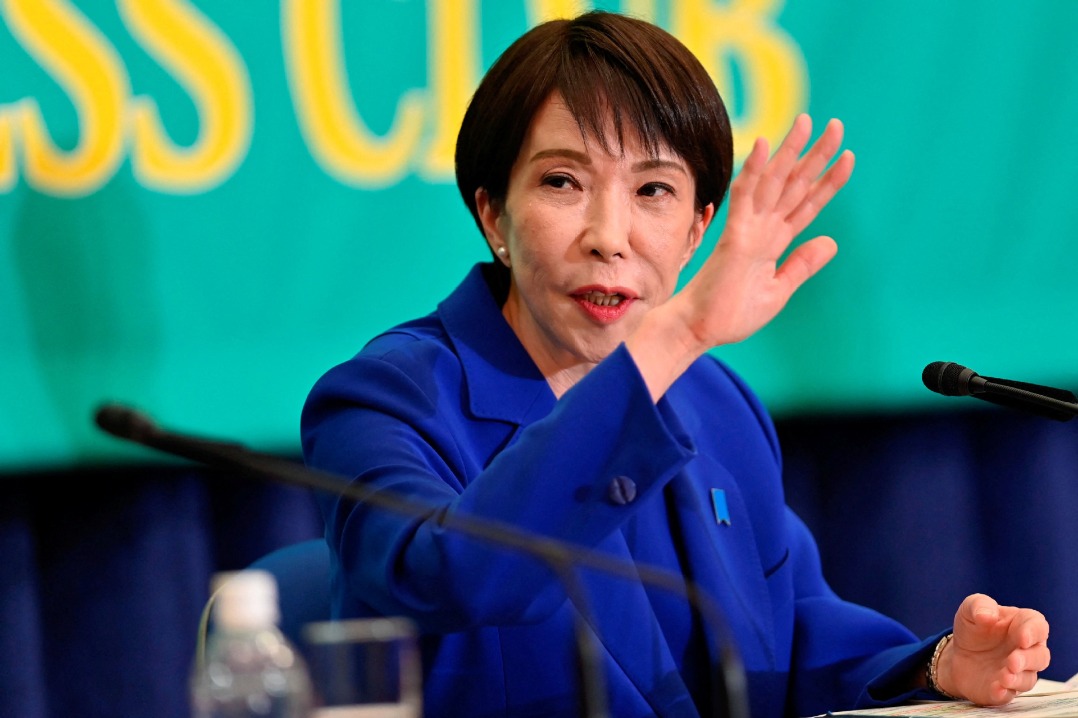
    In a dramatic political declaration, Japanese Prime Minister Sanae Takaichi has committed to immediate resignation should her ruling coalition fail to secure a parliamentary majority in the impending snap election. The conservative leader made this consequential pledge during a high-profile party leaders’ debate at the Japan National Press Club in Tokyo on January 26, 2026.

    Takaichi, who simultaneously serves as president of the dominant Liberal Democratic Party (LDP), framed her ultimatum as a matter of political accountability and democratic principle. The announcement introduces heightened stakes for the upcoming lower house contest, effectively transforming the election into a direct referendum on her administration’s performance and policy agenda.

    This development occurs amidst evolving political dynamics in Japan, where the ruling coalition has maintained extended governance through various administrations. Political analysts suggest Takaichi’s gamble reflects both confidence in her party’s electoral prospects and awareness of growing opposition challenges. The pledge establishes clear accountability mechanisms while potentially energizing both government supporters and opposition forces ahead of the critical vote.

    The timing and circumstances surrounding this commitment suggest strategic calculation rather than mere reactionary politics. By personally staking her leadership on the outcome, Takaichi has effectively centralized the electoral narrative around her premiership while attempting to consolidate support behind the existing governing coalition.

  • India’s $5 trillion sprint: Will incomes keep up?

    India’s $5 trillion sprint: Will incomes keep up?

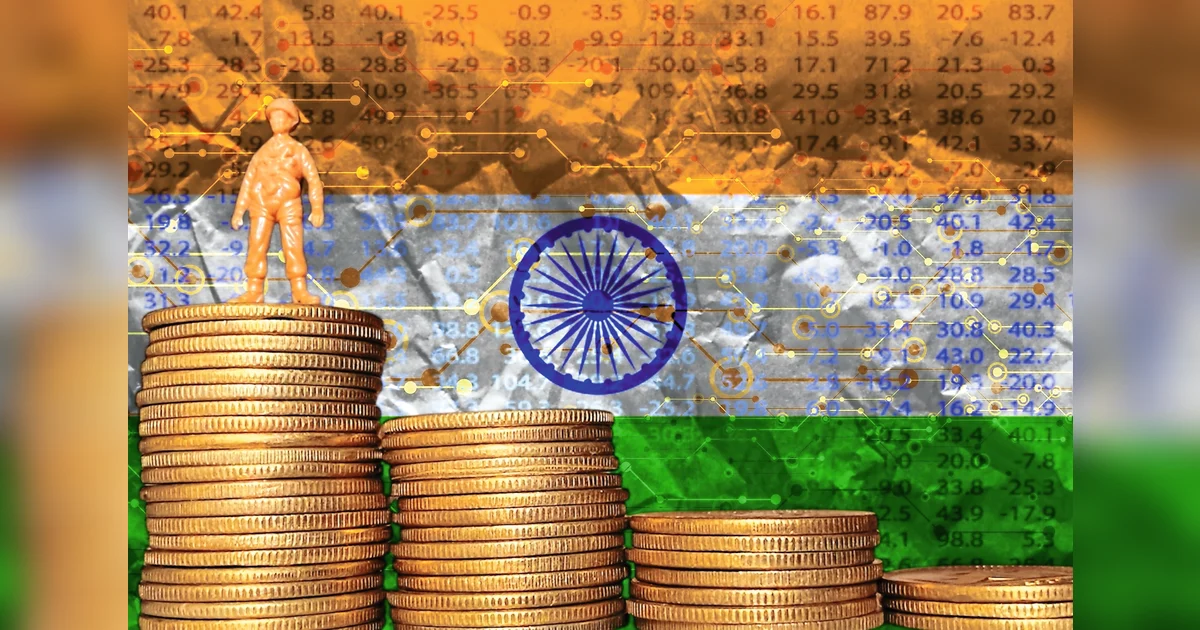
    India’s remarkable economic expansion positions the nation firmly on course to achieve a monumental $5 trillion economy, potentially surpassing Germany to claim the title of world’s third-largest economy within the coming years. This accelerated growth trajectory, outpacing most major economies, represents a significant geopolitical milestone that underscores India’s emergence as a formidable global economic power.

    However, beneath this impressive macroeconomic achievement lies a crucial socioeconomic question: Will this national output surge genuinely elevate living standards and income levels for India’s vast population of over 1.4 billion? The fundamental paradox remains that a nation can ascend global economic rankings while simultaneously grappling with stagnant wages, widespread informal employment, and escalating living costs for millions of households.

    Current economic indicators reveal both the strength and structural imbalances within India’s growth model. While international institutions consistently project growth rates exceeding global averages, driven by robust domestic demand, substantial infrastructure investments, and rapid digital transformation, per capita income continues to lag significantly behind advanced economy benchmarks.

    Economists emphasize that India’s next phase of development must transition from pure output expansion to income-centered growth that generates substantial formal employment. The critical challenge involves ensuring economic gains are distributed across labor-intensive manufacturing, infrastructure-linked construction, logistics networks, and agricultural processing sectors beyond metropolitan centers.

    Manufacturing competitiveness must evolve through productivity enhancements rather than protectionist measures, with export integration and global supply chain participation serving as crucial drivers for sustainable income growth. This requires addressing infrastructural bottlenecks, streamlining regulatory approvals, ensuring reliable power supply, and reducing logistics costs to capitalize on shifting global trade patterns.

    Human capital development emerges as the fundamental determinant of whether economic growth translates into tangible income improvements. Despite advancements in digital infrastructure, the nation must prioritize educational quality, vocational training pipelines, and workforce reskilling initiatives to prepare for an AI-driven economic landscape.

    Furthermore, elevating female workforce participation represents both a social imperative and economic opportunity, potentially unlocking substantial household income growth through improved urban mobility, accessible childcare, and flexible work arrangements. Simultaneously, bridging the rural-urban productivity divide by enhancing agricultural processing capabilities and rural logistics could unlock significant earnings potential without triggering destabilizing migration patterns.

    India’s economic narrative thus transcends mere statistical achievements, evolving into a complex story about transforming national scale into shared prosperity. The ultimate measure of success will be whether the coming decade delivers substantial real wage growth, comprehensive job creation, and sustained income mobility across all demographic segments and geographic regions.
  • Pakistanis in UAE can continue using their home country SIMs without blocking

    Pakistanis in UAE can continue using their home country SIMs without blocking

    In a significant policy shift benefiting millions abroad, the Pakistan Telecommunication Authority (PTA) has implemented new measures allowing overseas citizens to maintain active mobile SIM connections indefinitely during foreign residency. This regulatory change specifically assists Pakistan’s substantial diaspora population across Gulf Cooperation Council (GCC) nations, particularly the 1.7 million nationals residing in the United Arab Emirates.

    The telecommunications regulator announced that subscribers must formally notify their respective service providers to activate this continuity feature, which may involve applicable service charges. This initiative marks a departure from previous protocols where SIM cards would automatically deactivate after prolonged international non-use.

    Technical requirements differ between prepaid and postpaid subscribers. Prepaid users must generate at least one network activity—including outgoing calls, text messages, mobile data usage, or balance top-ups—within any 180-day period to maintain connection validity. Postpaid subscribers must ensure consistent and timely payment of monthly line rentals and outstanding dues to prevent service interruption.

    The Pakistani diaspora community in the UAE has welcomed this development as transformative. Sajid Ahmed, a 33-year-old Lahore native, noted the practical benefits: “This government initiative resolves the persistent issue of SIM deactivation abroad. Previously, I faced complete service disruption requiring constant number migration between devices.”

    Additional advantages include uninterrupted access to Pakistani digital services requiring local number verification, particularly useful during international travel. Sameena Noor, a decade-long Sharjah resident, emphasized the social connectivity benefits: “Eliminating SIM swapping means I no longer lose precious contact information during transitions between countries.”

    With approximately 10 million Pakistani citizens living overseas—including 5.5 million throughout Gulf nations—this policy represents one of the largest telecommunications facilitation programs for expatriates globally. The PTA advises all overseas subscribers to maintain regular communication with their providers and adhere strictly to usage requirements to ensure seamless service continuity.

  • Italian President Mattarella to begin state visit to UAE tomorrow

    Italian President Mattarella to begin state visit to UAE tomorrow

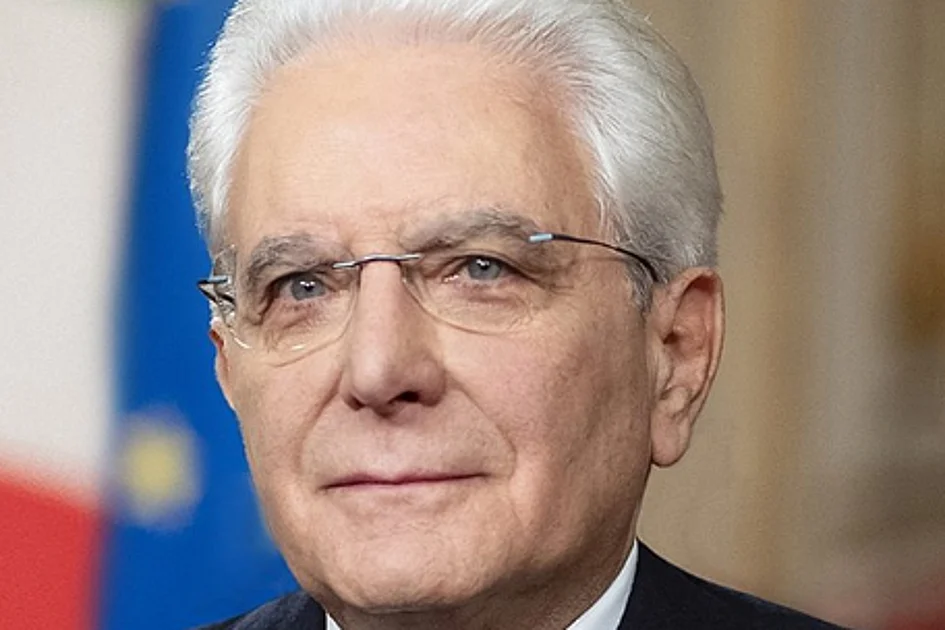
    ABU DHABI – Italian President Sergio Mattarella is scheduled to commence a significant state visit to the United Arab Emirates on Tuesday, marking a pivotal moment in bilateral relations between the two nations. The high-level diplomatic engagement will center on discussions between President Mattarella and UAE President Sheikh Mohamed bin Zayed Al Nahyan at the presidential palace.

    The upcoming talks are strategically positioned to strengthen the existing framework of cooperation between the UAE and Italy, with particular emphasis on economic collaboration and developmental initiatives. Both leaders are expected to deliberate on enhancing investment opportunities, trade expansion, and joint ventures across multiple sectors including energy, technology, and infrastructure development.

    This diplomatic mission occurs against the backdrop of growing geopolitical significance in the Mediterranean-Gulf corridor, with both nations seeking to fortify their strategic partnership amid global economic transformations. The agenda will additionally encompass regional security matters and international concerns of mutual interest, reflecting the comprehensive nature of UAE-Italy relations.

    The state visit signifies the continued commitment of both countries to deepening their diplomatic ties beyond conventional boundaries, potentially paving the way for new agreements that could shape economic cooperation frameworks for the coming decade. Observers note that this meeting could establish new benchmarks for European-Gulf cooperation models in the post-pandemic era.

  • Two Brits detained in France over far-right protest

    Two Brits detained in France over far-right protest

    French authorities have apprehended two British citizens in northern France on suspicion of intending to participate in a prohibited far-right demonstration. The individuals, aged 35 and 50, were taken into custody near Calais on Sunday following their live-streamed activities on social media platforms.

    According to Prosecutor Cécile Gressier, who confirmed the details to the BBC, the detention resulted from evidence gathered through their broadcasted content. The charges against them include ‘incitement to hatred’ and ‘participation in a group with the intent to prepare acts of violence.’

    The arrests occur against the backdrop of heightened security measures implemented by French officials, who had previously announced immediate deportation for any UK arrivals attempting to join anti-migrant demonstrations over the weekend. This preventive action targeted planned gatherings in northern coastal areas where small boats frequently launch carrying asylum seekers across the English Channel.

    French social media monitoring had identified calls for participation in what was termed ‘Operation Overlord’—a protest movement specifically banned by French authorities. The Pas-de-Calais prefecture issued an official statement clarifying that ‘these individuals were arrested during an identity check while they were posting a video on social media that allegedly contained discriminatory comments and attested to their potential participation in this organisation.’

    The incident highlights ongoing tensions surrounding migration patterns across the Channel and demonstrates France’s firm stance against organized demonstrations perceived as threatening public order or promoting discriminatory agendas.

  • India-UAE: A blueprint for 21st-century strategic cooperation

    India-UAE: A blueprint for 21st-century strategic cooperation

    As India commemorates its 77th Republic Day, the nation’s transformation into a global economic and strategic powerhouse finds perfect expression in its groundbreaking partnership with the United Arab Emirates. This alliance has evolved beyond conventional diplomacy to establish what analysts are calling a blueprint for 21st-century international cooperation.

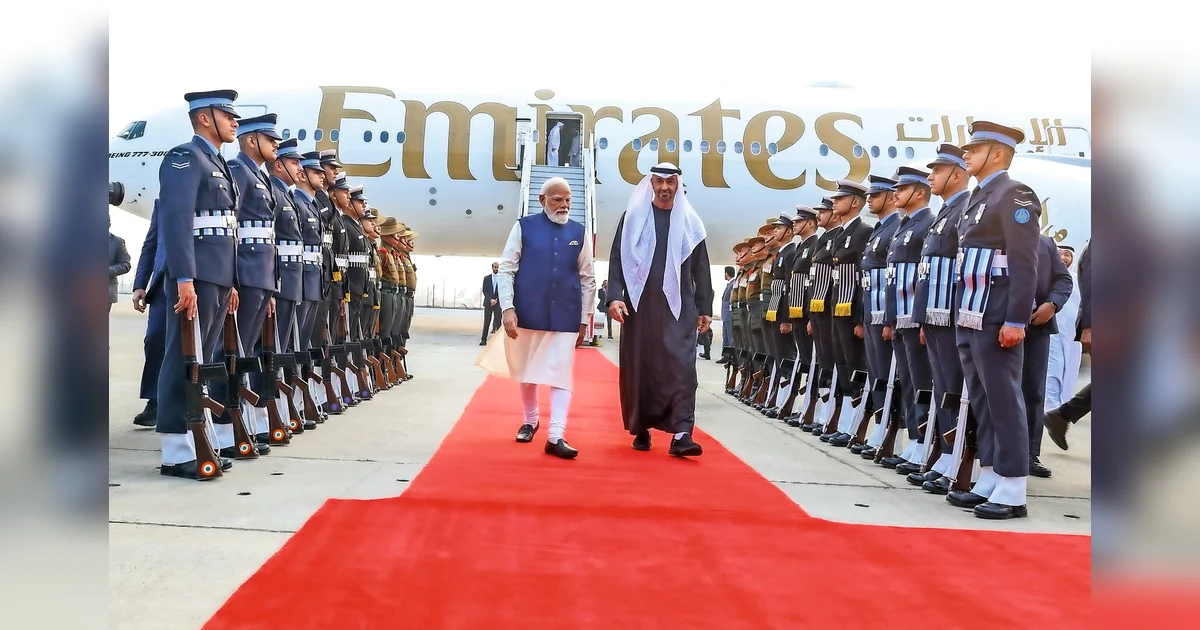
    The relationship’s foundation rests on the remarkable personal chemistry between Indian Prime Minister Narendra Modi and UAE President Sheikh Mohamed bin Zayed Al Nahyan, whose six reciprocal high-level visits within three years have created unprecedented diplomatic momentum. This bond has now extended to the next generation of leadership, with Crown Princes of both Abu Dhabi and Dubai making significant visits to India, ensuring continuity in bilateral relations.

    Economically, the partnership has shattered previous paradigms. Bilateral trade has spectacularly surpassed the $100 billion milestone, driven by the groundbreaking Comprehensive Economic Partnership Agreement (CEPA) and the 2024 Bilateral Investment Treaty. These frameworks have enabled revolutionary initiatives including the integration of India’s UPI with the UAE’s AANI payment systems, the introduction of the Jaywan card for seamless transactions, and plans for a Virtual Trade Corridor alongside the establishment of Bharat Mart to transform logistics infrastructure. These achievements have prompted both nations to set an ambitious $200 billion trade target by 2032.

    Strategic cooperation has equally deepened, with the recently announced Strategic Defence Partnership positioning both countries as stabilizers in regional security architecture. Simultaneously, the partnership invests in future human capital through the establishment of IIT Delhi-Abu Dhabi and IIM Ahmedabad’s Dubai campus, creating shared ecosystems for educating next-generation leaders.

    At its heart, the relationship is powered by the over four million-strong Indian diaspora in the UAE, whose contributions form the soul of this partnership. The inauguration of the BAPS Hindu Temple in Abu Dhabi and plans for a ‘House of India’ cultural center stand as permanent testaments to mutual respect and cultural pluralism.

    This comprehensive alliance demonstrates how nations can align destinies beyond geographical proximity, creating a model that looks not at maps but at shared horizons in defining global future trajectories.

  • Balkan truck drivers block border crossing in protest of EU entry rules

    Balkan truck drivers block border crossing in protest of EU entry rules

    Truck drivers across four Balkan nations launched coordinated border blockades on Monday, creating massive traffic disruptions in a dramatic protest against recently enforced European Union entry regulations. The industrial action targeted key freight crossings in Bosnia, Serbia, North Macedonia, and Montenegro, including the strategic Adriatic Sea port of Bar in southern Montenegro.

    The conflict centers on the EU’s enhanced Electronic Entry and Exit System (EES), implemented in October to modernize border management and scheduled for full activation by April. While designed to combat illegal migration and monitor permitted stays, the system has triggered unintended consequences for commercial transport operators.

    At the heart of the dispute is the strict enforcement of the Schengen Area’s 90/180-day rule, which limits non-EU citizens to 90 days within any 180-day period. Professional drivers who regularly cross EU borders report exhausting their allotted days rapidly, resulting in extended periods where they cannot operate their established routes. Numerous drivers have faced detention and deportation for overstaying their permitted time.

    ‘Amid the Svilaj border crossing protest between Bosnia and Croatia, trucker Amir Hadzidedic expressed the industry’s frustration: ‘We regret that circumstances have forced this action, but we had no alternative. Our sole demand through this demonstration is the right to continue working—nothing more. We appeal for understanding as we have exhausted all other options.’

    The situation has escalated to diplomatic levels, with Serbian Prime Minister Djuro Macut recently advocating for special status for regional drivers during meetings with EU representatives. Macut warned that without intervention, the regulations risk ‘complete paralysis’ of transportation networks and significant economic damage across Balkan economies.

    Protest organizers have implemented humanitarian exceptions, permitting the passage of medical supplies, live animals, and hazardous materials including weapons and explosives. The disruption extends beyond freight transport, with bus drivers similarly affected—stranding passengers for hours when drivers exceed their permitted stays and require replacement.

    The protest highlights broader tensions as six Western Balkan nations—Albania, Bosnia-Herzegovina, Serbia, Kosovo, North Macedonia, and Montenegro—progress through various stages of the EU accession process, balancing regulatory alignment with practical economic realities.

  • Israel extends media restrictions under law targeting foreign broadcasters

    Israel extends media restrictions under law targeting foreign broadcasters

    The Israeli government has escalated its media restrictions by implementing a comprehensive 90-day blockade against Qatar-based Al Jazeera and Lebanese Al Mayadeen networks, effectively shutting down their digital presence including websites and YouTube channels within Israeli territory. This move extends existing broadcast bans under legislation previously ratified by the Knesset.

    Communications Minister Shlomo Karhi characterized the action as removing ‘Israel’s enemies,’ invoking the Al Jazeera Law which permits temporary closure of foreign broadcasters deemed national security threats. Originally enacted as emergency legislation in May 2024, the law was converted to permanent status in December, granting authorities unprecedented power to shutter media outlets and confiscate equipment without judicial oversight.

    The September storming of Al Jazeera’s Ramallah offices in the occupied West Bank, where equipment was seized and operations halted, foreshadowed this digital crackdown. The network has denounced the accusations as slanderous and vowed to continue professional coverage while pursuing legal recourse.

    International press freedom organizations have condemned Israel’s actions as systematic silencing tactics. Committee to Protect Journalists head Jodie Ginsberg accused Israel of masking genocide in Gaza through press suppression and journalist targeting, noting unprecedented restriction levels and ongoing negotiations for international media access to Gaza.

    UNRWA Commissioner-General Philippe Lazzarini revealed Gaza has become the world’s most lethal environment for journalists and aid workers, with over 230 media professionals killed since hostilities began. He praised Palestinian reporters as heroic ‘eyes and ears’ operating against impossible odds.

    Israel has consistently rejected foreign media access requests, including a recent petition from the Foreign Press Association. This isolation has compounded humanitarian crises, with UNRWA reporting 382 personnel deaths among its operational network. Israel’s parliamentary ban on UNRWA operations and exclusion of 37 humanitarian NGOs for registration deficiencies further restricts relief efforts.

    Even organizations like Doctors Without Borders face difficult compromises, providing staff lists to resume operations despite safety concerns after 15 Palestinian staff fatalities. Despite October’s ceasefire agreement, the UN maintains the humanitarian crisis persists with over 1,300 documented ceasefire violations including structural demolitions, civilian shootings, and strikes.

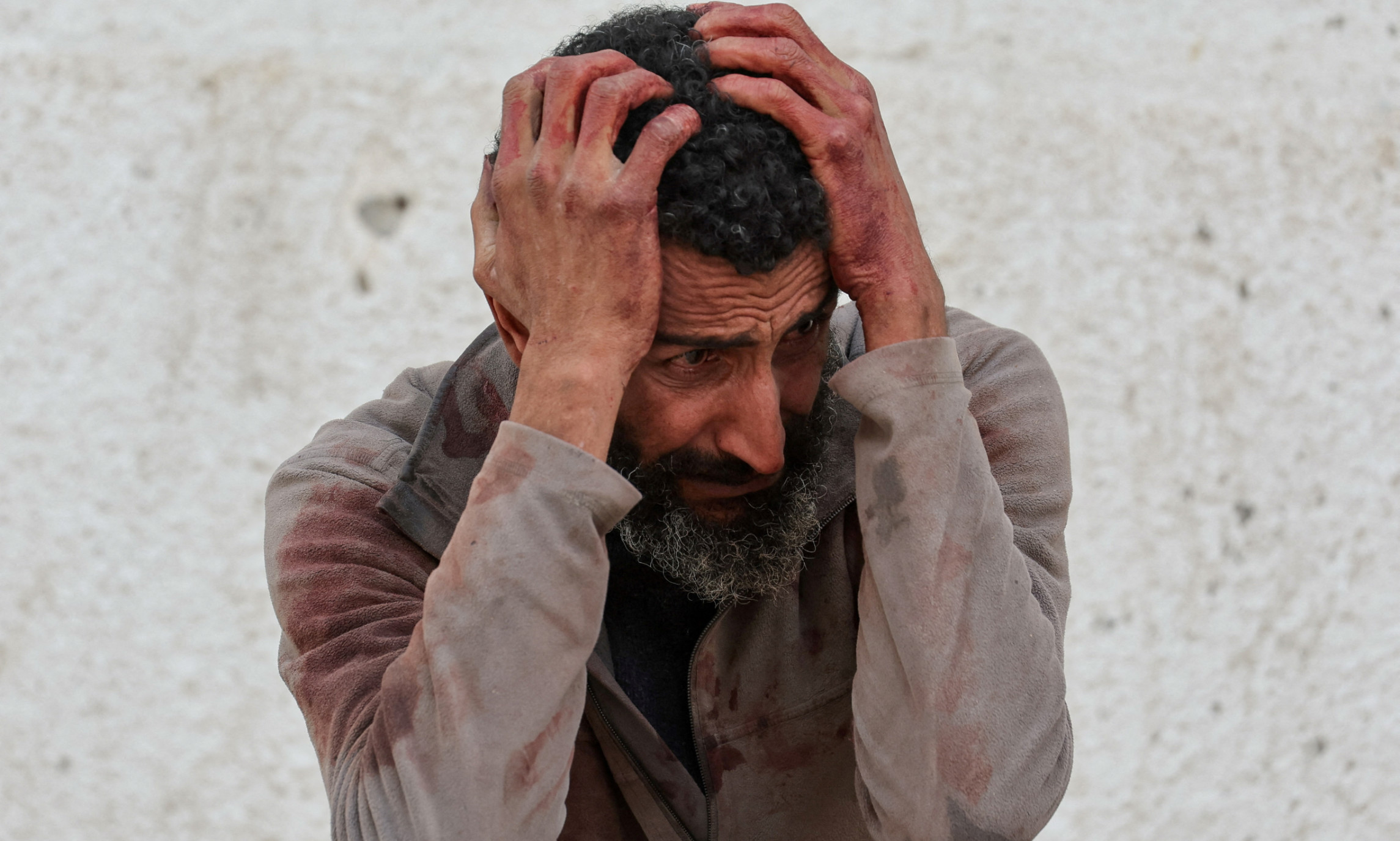
    Gaza’s Health Ministry reports 71,657 fatalities and 171,399 injuries since October 2023, with thousands more missing presumed dead. The UN documented 216 Palestinian deaths, including 46 children and 28 women, in attacks targeting displacement shelters and residential areas far from conflict zones.

  • White Winter Olympics beckons as snow falls in Italian Alps

    White Winter Olympics beckons as snow falls in Italian Alps

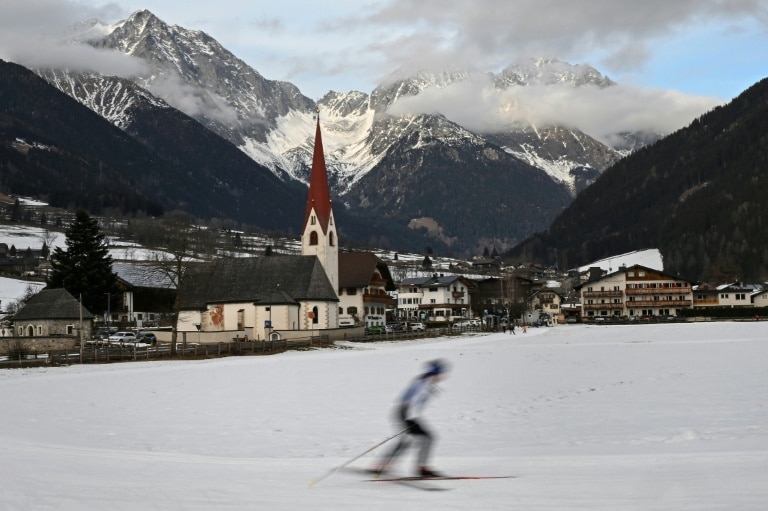
    The Milan-Cortina 2026 Winter Olympics have received a meteorological reprieve as substantial natural snowfall blanketed competition venues in the Italian Alps, alleviating concerns about spring-like conditions during the winter sports spectacle. Meteorological expert Mattia Gussoni confirmed the timely precipitation less than two weeks before the February 6 opening ceremony, with venues from Bormio to the Antholz valley experiencing intense snowfall.

    The Games, scheduled from February 6-22 across northern Italy’s mountain regions, will utilize venues situated between 1,200 and 1,800 meters above sea level in the Dolomites—elevations that historically guaranteed reliable snow cover. However, climate change has reduced Alpine snowpack by 50% over the past century, creating apprehension among organizers about adequate winter conditions.

    Despite the natural snowfall, organizers will still employ artificial snow production systems. The 2026 organizing committee plans to generate 2.4 million cubic meters of artificial snow requiring approximately 948,000 cubic meters of water—significantly less than the 890,000 cubic meters used solely for alpine skiing at the 2022 Beijing Winter Olympics, with an additional 1.9 million cubic meters deployed for other snow sports.

    International skiing and biathlon federations mandate snow production equipment availability at all competition venues. Meteorologists remain cautiously optimistic about long-term conditions throughout the Games, noting the changeable nature of extended weather forecasts and the difficulty predicting snowfall patterns across the multi-week event.

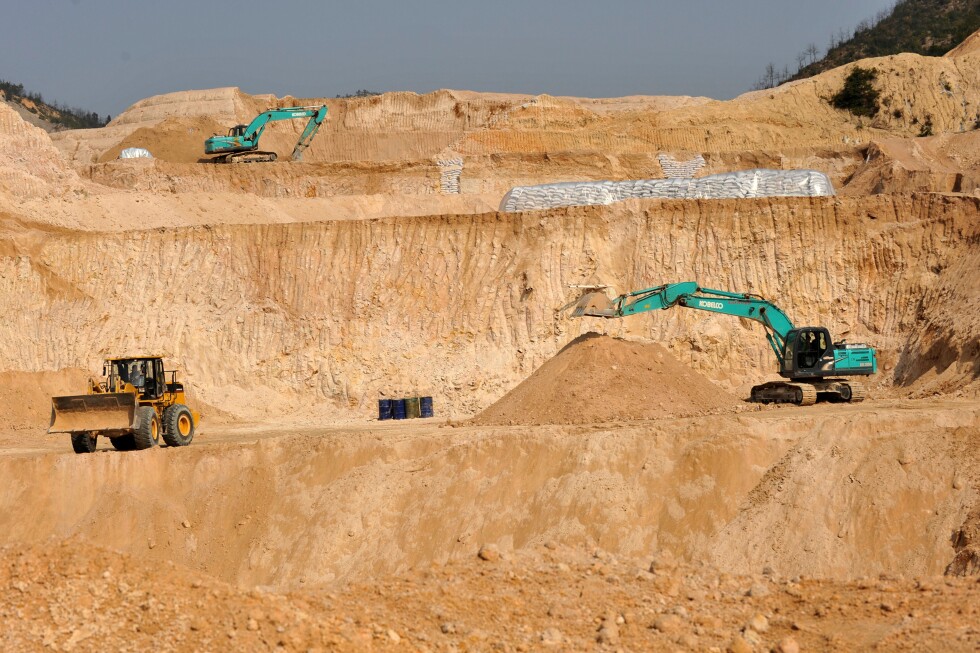
  • Trump administration invests in another US rare earth miner to loosen China’s grip on supply

    Trump administration invests in another US rare earth miner to loosen China’s grip on supply

    In a significant move to secure its technological supply chains, the United States government has acquired a minority stake in Oklahoma-based USA Rare Earth through a comprehensive $1.6 billion investment package. This strategic initiative, administered through the Commerce Department’s CHIPS program, represents the latest effort to reduce American dependence on foreign-sourced critical minerals essential for advanced technologies.

    The investment structure comprises $277 million in direct federal funding coupled with a $1.3 billion senior secured loan. In exchange, the Commerce Department will receive 16.1 million shares of common stock and options to purchase an additional 17.6 million shares. The announcement triggered an immediate market response, with USA Rare Earth’s shares surging over 13% in pre-market trading.

    Commerce Secretary Howard Lutnick emphasized the national security implications of the investment, stating: ‘USA Rare Earth’s heavy critical minerals project is essential to restoring U.S. critical mineral independence. This investment ensures our supply chains are resilient and no longer reliant on foreign nations.’

    This investment occurs against the backdrop of China’s overwhelming dominance in the critical minerals sector, where it processes more than 90% of the world’s supply. This market control has provided China with substantial leverage in ongoing trade tensions with Washington.

    The Trump administration has intensified efforts to build domestic capacity for critical minerals, identifying over-reliance on foreign sources as a national security vulnerability. The initiative includes developing a mine in Texas and establishing a magnet manufacturing facility in Oklahoma—components crucial for smartphones, electric vehicles, robotics, and military equipment.

    This investment represents the third major government intervention in the sector recently, following a $400 million Pentagon investment in MP Materials and a $150 million loan to the same company. Additionally, a $1.4 billion partnership with rare earth startups Vulcan Elements and ReElement Technologies was announced in November.

    Legislative support continues to grow, with a bipartisan group of lawmakers proposing a new agency funded with $2.5 billion to stimulate domestic production of rare earths and other critical minerals. The administration’s tax and spending cut legislation already includes $2 billion for Pentagon stockpiling of critical minerals and $5 billion through 2029 for supply chain investments.