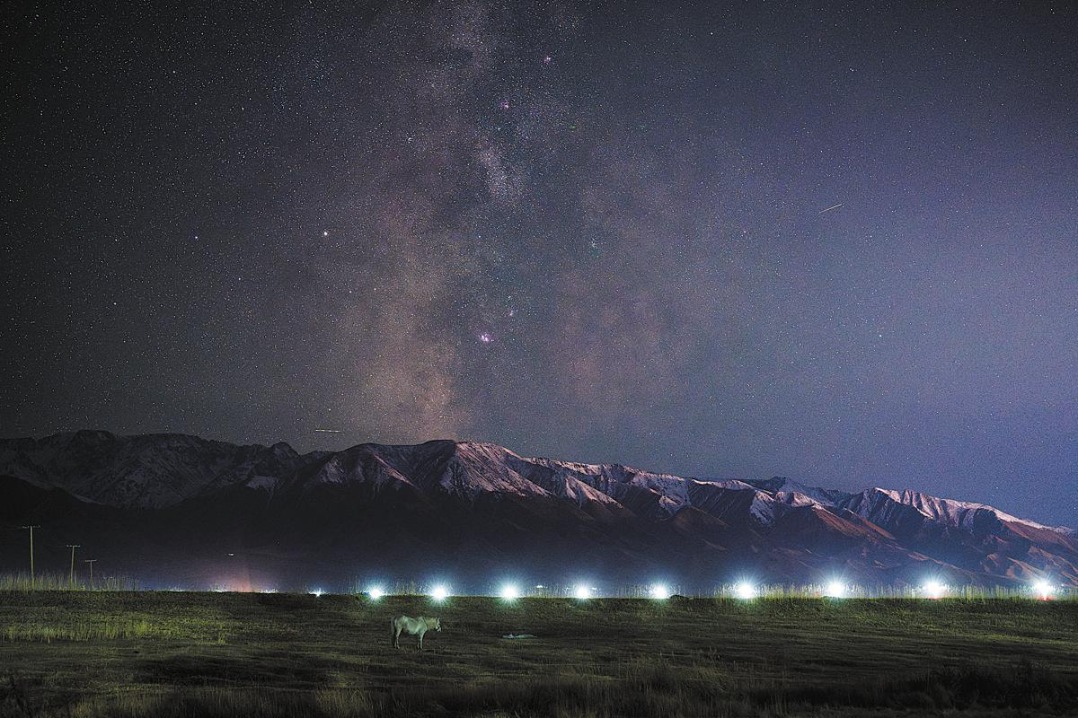
The ‘Ten Years Overlooking Hami’ Photography Culture Week and the annual ‘Sweet Whispers to the Galaxy’ Festival, held last month in Hami, Xinjiang Uygur autonomous region, drew a mix of seasoned photographers and influencers. Among them was Li Qing, a photographer and livestreaming expert from Panzhihua, Sichuan province, who first visited Hami in 2015 for a drone photography competition. ‘The Gobi Desert, grasslands, and mountains are a treasure trove for aerial photography,’ Li remarked, expressing his excitement to return and capture Hami’s vast landscapes once more. Dai Jianfeng, a renowned astrophotographer with over 3 million followers, attended the festival with a specific mission: to photograph the Hami Solar Thermal Power Station, a marvel featuring a 696,751-square-meter mirror field and a 220-meter-high molten salt tower. ‘This year, I aimed to capture the station under a clear, starry night,’ Dai explained. Zhou Bo, cofounder of the China StarVision Alliance, has been hosting livestreams for the festival since 2022. However, this year, he noted a decline in online traffic, attributing it to the absence of a major astronomical event like the Perseid meteor shower. Wang Junfeng, a frequent visitor to Hami and cofounder of the CSVA, remains optimistic. ‘Hami will surprise us with its wonders in a different season,’ he said, highlighting the region’s enduring appeal for photographers and stargazers alike.
作者: admin
-
China’s economic security growth model highlighted
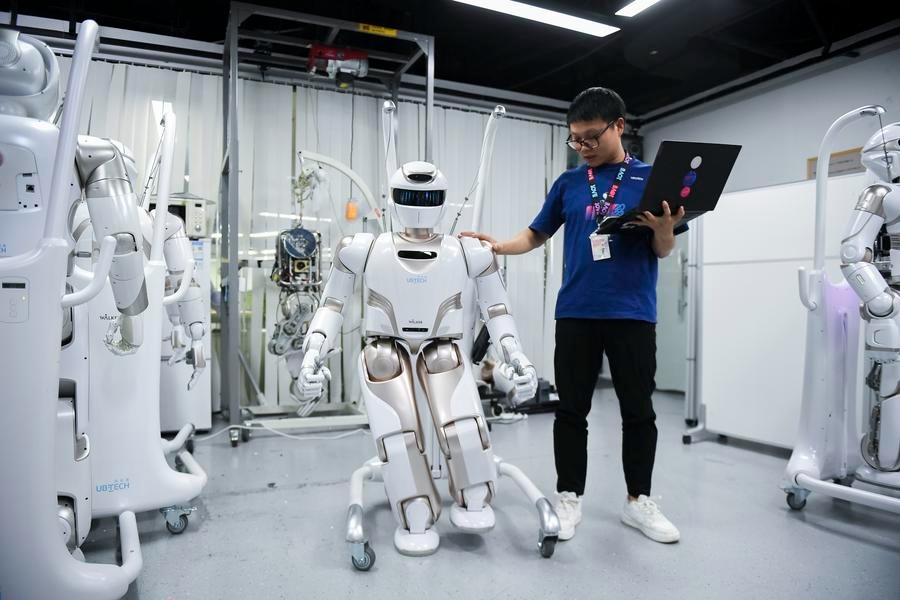
China’s economic strategy has pivoted towards a model that integrates high-quality development with robust security measures, emphasizing technological self-reliance and a strengthened domestic demand base. This approach, termed the ‘economic security growth model,’ was a focal point of discussion at a recent virtual panel hosted by the Peterson Institute for International Economics (PIIE) in Washington, DC. Experts highlighted how this model transcends traditional export- or investment-driven frameworks, instead focusing on strategic pillars such as dual circulation, self-reliant innovation, and mechanisms to counter foreign economic coercion. The dual circulation strategy prioritizes the domestic market while fostering synergy between internal and external markets. Trade data indicates that while direct trade with the US and other advanced economies has plateaued, China’s trade with the rest of the world continues to expand. The second pillar of this model involves a ‘whole-of-nation’ push towards self-reliant innovation, insulating the economy from geopolitical risks. This includes significant fiscal allocations for education, science, and technology, with a notable rise in approvals for science and engineering programs. China’s industrial robot adoption rates far exceed global averages, signaling a clear trajectory towards innovation-led growth. The third pillar focuses on establishing export controls and regulations to address external coercion. China’s advancements in AI exemplify the potential of this approach, with Chinese firms securing six of the top 20 AI models globally, despite US export controls on advanced AI chips. Experts noted that this competition benefits the global economy, as it ensures access to highly capable AI systems. The World Economic Forum and Stanford’s 2025 AI Index have acknowledged China’s narrowing performance gaps in AI, with innovations like the DeepSeek-R1 AI model and Huawei’s Ascend 910C chip gaining recognition. The diffusion of technology, rather than its initial development, is seen as the true determinant of success, with AI spreading faster than any prior technology.
-
Four days to go: Charming Beijing, Shared with the World
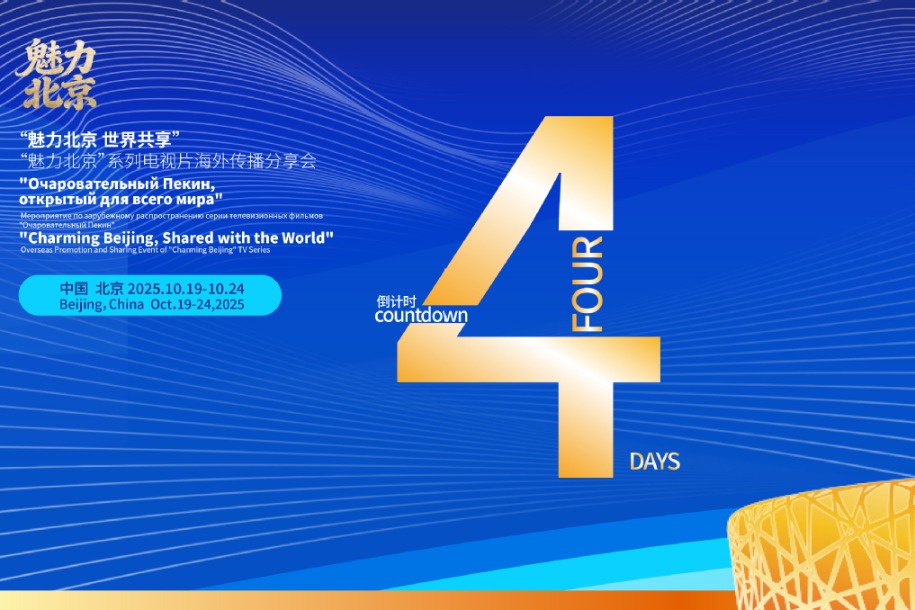
With just four days remaining until a significant global event, Beijing is poised to share its unique charm with the world. The city, renowned for its rich cultural heritage and modern advancements, is preparing to host an international gathering that highlights its role as a bridge between tradition and innovation. The event, scheduled to commence on October 24, 2025, is expected to draw attention from across the globe, showcasing Beijing’s ability to blend historical significance with contemporary relevance. As the countdown continues, the city is abuzz with preparations, from cultural exhibitions to technological showcases, all aimed at presenting a comprehensive picture of Beijing’s global appeal. This event not only underscores Beijing’s position as a key player on the world stage but also emphasizes the importance of international collaboration and mutual understanding in today’s interconnected world.
-
Zelenskyy says his meeting with Trump was ‘positive’ though he didn’t get the Tomahawk missiles
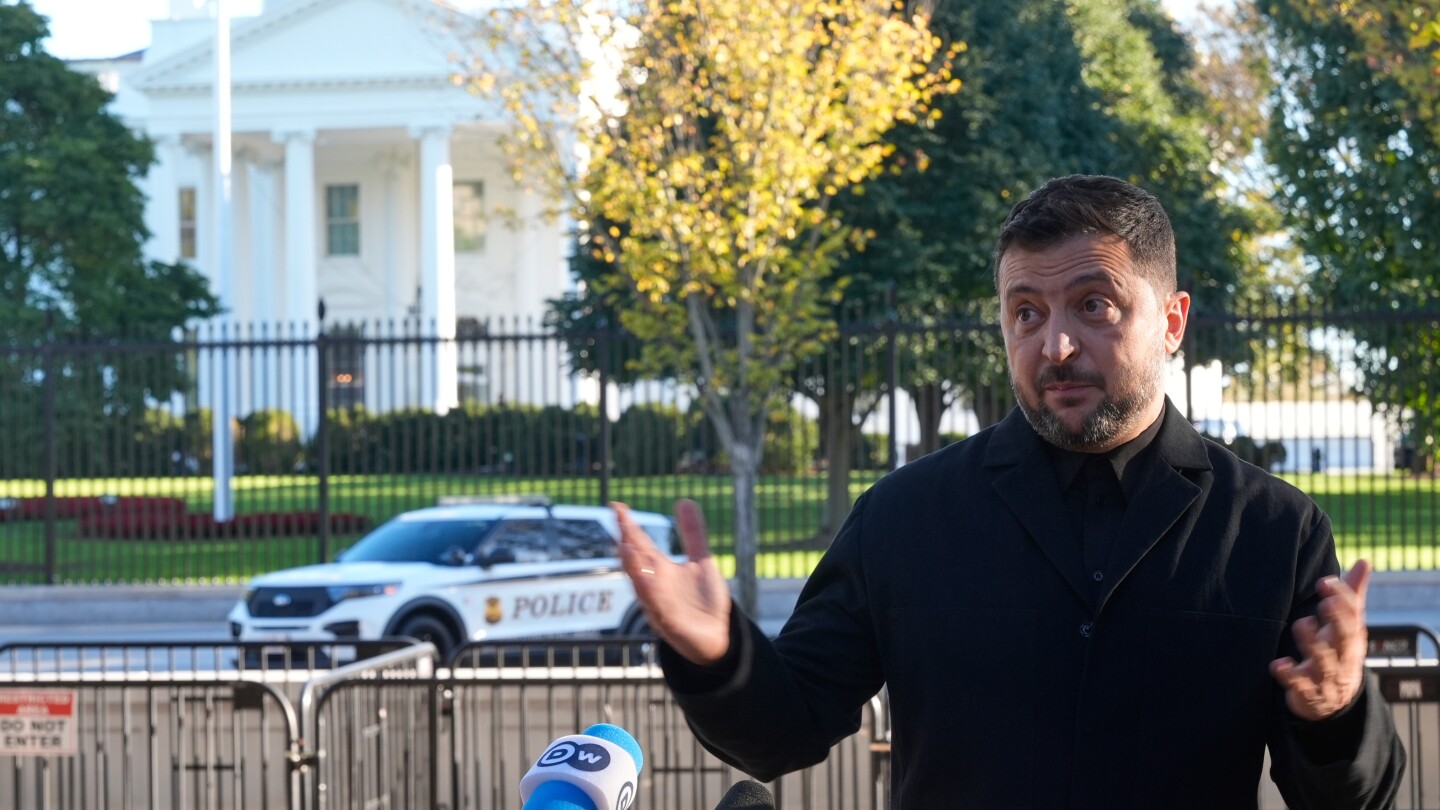
Ukrainian President Volodymyr Zelenskyy has characterized his recent meeting with U.S. President Donald Trump as “positive,” despite failing to secure the delivery of Tomahawk missiles for Ukraine. The meeting, which took place last week, was reportedly tense, with Trump reportedly reneging on the possibility of sending long-range missiles to Ukraine following a phone call with Russian President Vladimir Putin. Zelenskyy suggested that Trump is avoiding escalation with Russia until their next meeting. Ukraine is seeking to purchase 25 Patriot air defense systems from American firms, using frozen Russian assets and international assistance, though Zelenskyy acknowledged that procurement will take time due to production delays. He also discussed expediting the process with Trump, potentially leveraging European partners. Zelenskyy noted that Trump reiterated Putin’s unchanged demand for Ukraine to cede the Donetsk and Luhansk regions. Despite this, Zelenskyy described Trump’s overall message as positive, emphasizing the U.S. president’s desire to end the war. Trump’s upcoming meeting with Putin in Hungary, a country unsupportive of Ukraine, is seen as a potential step toward peace, though Zelenskyy expressed reservations about Budapest as a venue. He also criticized Hungarian Prime Minister Viktor Orbán for obstructing Ukraine’s interests. Zelenskyy remained skeptical of Putin’s territorial swap proposal but acknowledged that all parties have moved closer to a possible resolution. Additionally, he highlighted U.S. interest in bilateral energy projects with Ukraine, including an LNG terminal in Odesa and initiatives in nuclear energy and oil.
-
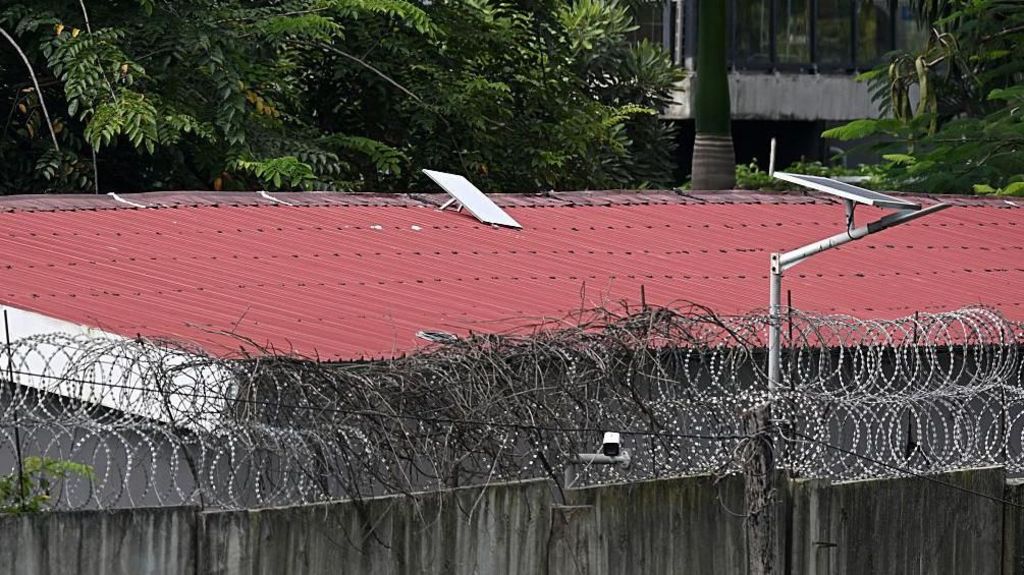
Notorious cyber scam hub linked to Chinese mafia raided
In a significant development in Myanmar’s ongoing civil war, the military has announced the capture of KK Park, one of the most infamous scam compounds located along the Thai-Myanmar border. Situated south of the border town of Myawaddy, KK Park has been a hub for online fraud, money laundering, and human trafficking for the past five years. Thousands of individuals, many from African countries, were lured with promises of lucrative jobs, only to be forced into orchestrating elaborate scams that defrauded victims worldwide of billions of dollars. The military, which has long been implicated in the scam industry, claims to have taken control of the complex as part of its broader strategy to reclaim territory lost to insurgent groups. This move comes as the junta prepares for a planned election in December, aiming to consolidate its control over key areas. The junta’s information ministry stated that its forces had ‘cleared’ KK Park, releasing over 2,000 workers and confiscating 30 Starlink satellite terminals, which were widely used by scam centers for online operations. The ministry blamed the Karen National Union (KNU) and volunteer people’s defence forces for illegally occupying the area. The KNU, an ethnic insurgent group controlling much of the region, had leased the land to Huanya International, a Hong Kong-listed company linked to Chinese underworld figure Wan Kuok Koi, also known as Broken Tooth. Despite the junta’s claims, sources suggest that scam operations may still be ongoing in parts of KK Park, and the military’s actions may be influenced by pressure from China, which has been urging the junta and Thai government to crack down on illegal activities run by Chinese syndicates. The capture of KK Park is part of a larger effort by the military to regain control of territory, including the strategic road linking Myawaddy to the rest of Myanmar. However, the junta still faces significant resistance, with opposition forces dismissing the upcoming election as a sham and vowing to block it in areas under their control.
-
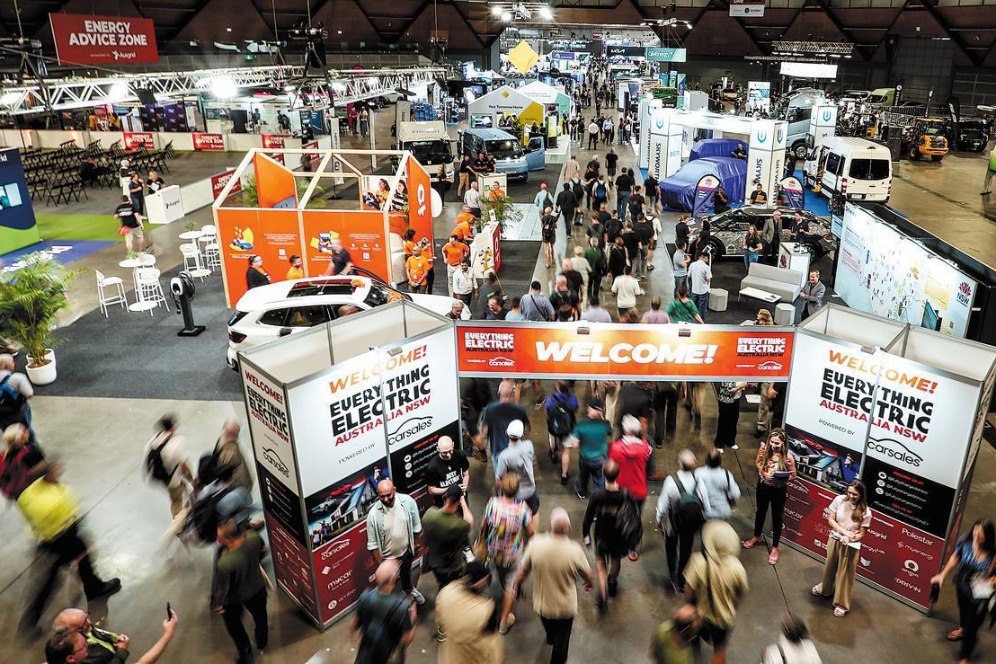
Chinese carmakers drive record Australian EV sales
Electric vehicle (EV) sales in Australia have soared to unprecedented levels, driven by advancements in charging infrastructure and the introduction of high-quality, affordable models from Chinese automakers. According to the latest industry report, Australians purchased 72,758 EVs in the first half of 2025, marking a 24.4% increase from the same period last year. EVs now represent 12.1% of all new car sales, with Chinese brands dominating the market. The State of EVs 2025 report, released by Australia’s Electric Vehicle Council, highlights that June 2025 set a new monthly record, with EVs accounting for nearly 16% of new vehicle sales. The national EV fleet has more than doubled in two years, reaching over 410,000 vehicles. This growth is attributed to significant investments in charging infrastructure and the implementation of new vehicle efficiency standards. The report notes that there are now 153 EV models available in Australia, up from 123 in June 2024, alongside a 20% increase in fast-charging locations and a 22% rise in high-power public charging plugs. Aman Gaur, head of legal, policy, and advocacy at the Electric Vehicle Council, emphasized that Chinese automakers are playing a pivotal role in this transformation by offering affordable, high-quality EVs with diverse features. Despite the sector’s rapid growth, EVs still constitute only 2% of all cars on Australian roads. The Australian Automotive Dealer Association echoed these sentiments, noting that Chinese brands account for 77.5% of all battery-electric vehicle sales in 2025. However, challenges such as brand competition and the need for expanded service infrastructure remain. Australian consumers, like accountant Shawn Williams, are increasingly opting for Chinese EVs due to their competitive pricing and utility, especially in light of rising household costs.
-
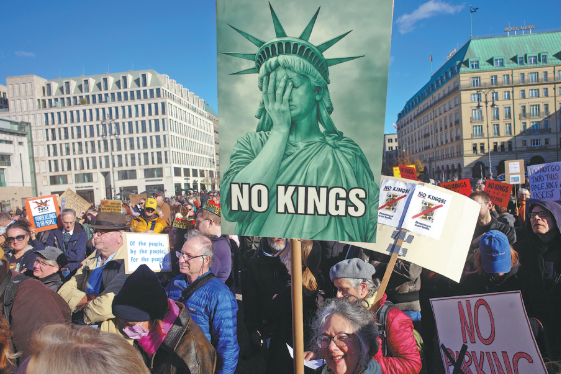
‘No Kings’ protests erupt across US
On Saturday, October 19, 2025, millions of Americans took to the streets in all 50 states in a series of coordinated protests dubbed ‘No Kings.’ The demonstrations, which spanned from New York to Los Angeles, were a direct response to President Donald Trump’s controversial policies and perceived authoritarian tendencies. Organizers estimated that over 7 million people participated, with rallies even occurring near Trump’s Florida residence. Protesters voiced their opposition to Trump’s hard-line immigration policies, attacks on the media, and alleged erosion of democratic norms. Slogans such as ‘Protect Democracy’ and ‘Fight Ignorance, Not Migrants’ dominated the marches, reflecting widespread discontent. While the protests were largely peaceful, isolated incidents in Los Angeles saw police deploying nonlethal rounds and tear gas to disperse crowds. Trump responded with a series of AI-generated videos on his Truth Social platform, depicting himself as a king, further fueling the outrage. House Speaker Mike Johnson dismissed the rallies as ‘Hate America’ protests, a claim met with derision by demonstrators. The events underscored the deep political polarization gripping the nation, with many participants expressing fears for the future of American democracy.
-
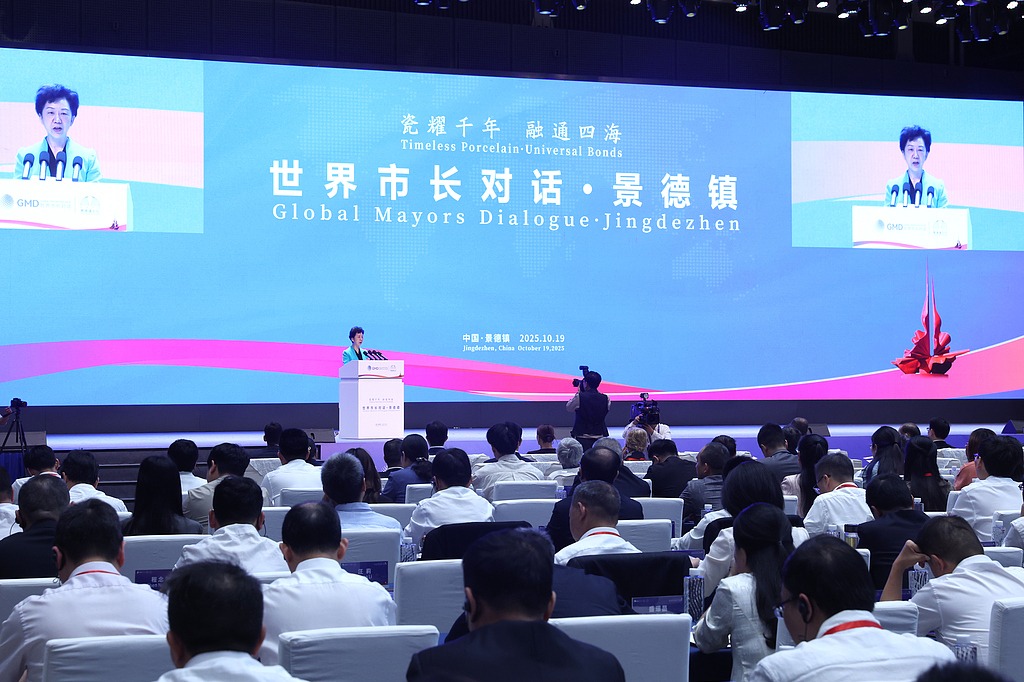
Global mayors foster artistic ceramic bonds
City leaders from across the globe gathered in Jingdezhen, China’s renowned ‘porcelain capital,’ to celebrate ceramics as a timeless symbol of cultural unity and friendship. The 2025 Global Mayors Dialogue, held on October 19, highlighted the shared artistic heritage that transcends borders and fosters mutual understanding in an increasingly diverse and complex world. Jingdezhen, located in Jiangxi province, served as the perfect backdrop for this international event, showcasing its centuries-old craftsmanship and innovation. Kagan Mehmet Usta, the mayor of Iznik, Turkiye, emphasized the deep cultural ties between Iznik and Jingdezhen, which were formalized as sister cities in 2021. He noted that this relationship symbolizes a shared artistic legacy that continues to inspire future generations. Nurbaev Niiazbek, deputy speaker of the City Council of Osh, Kyrgyzstan, praised ceramics as a universal language of peace, reflecting a nation’s aesthetics, craftsmanship, and philosophy. He announced plans to invite Jingdezhen experts to train local ceramic specialists and establish a dedicated pavilion for Jingdezhen porcelain at Silk Road trade fairs. Chen Kelong, mayor of Jingdezhen, highlighted the city’s commitment to cultural and trade cooperation, citing its international exchange activities and flagship stores in Dubai and Istanbul. The Jingdezhen International Ceramic Expo, running from October 19 to 22, further underscored the city’s global influence. Tourism in Jingdezhen has seen remarkable growth, with over 60 million visitors in 2024. Veronika Todorova, deputy mayor of Troyan, Bulgaria, expressed her admiration for Jingdezhen’s traditions and expressed eagerness for future collaborations. The event reinforced the role of ceramics as a bridge for cultural exchange and cooperation in the modern era.
-
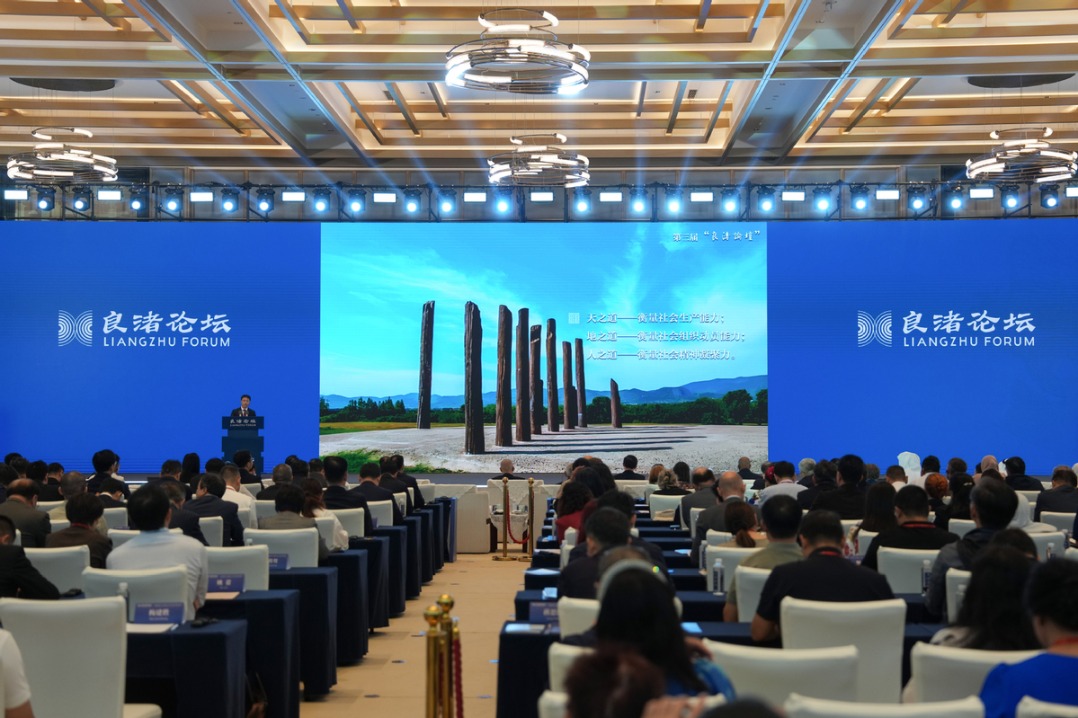
Liangzhu forum promotes need to protect world’s cultural heritages
The third Liangzhu Forum, held in Hangzhou, Zhejiang Province, from October 18 to 20, 2025, brought together over 300 participants to discuss the urgent need for global cultural heritage protection. The event emphasized the importance of safeguarding cultural diversity and fostering mutual understanding among civilizations.
-
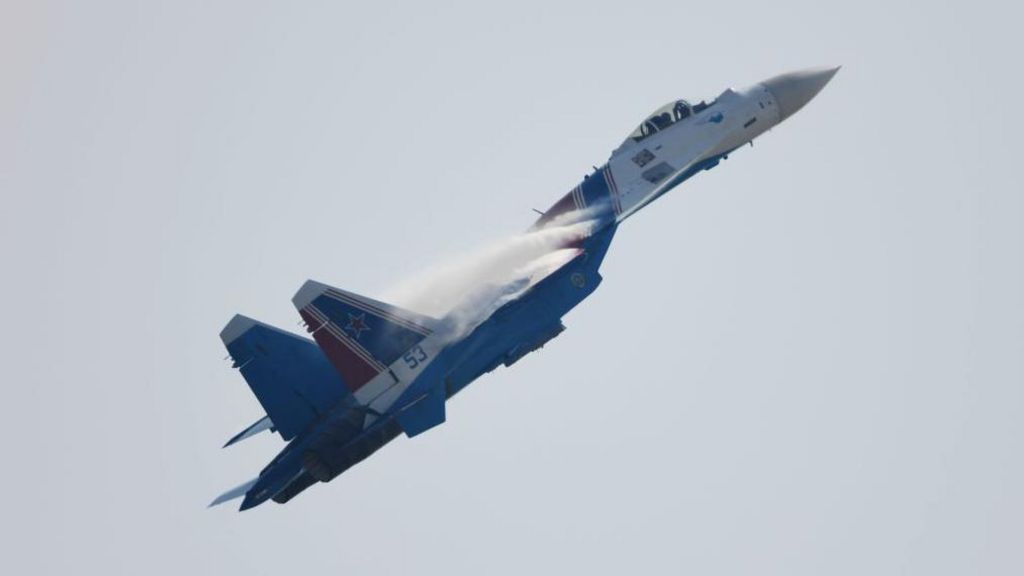
Australia accuses China of ‘unsafe’ military jet manoeuvres
Australia has lodged a formal complaint with China following an incident in the South China Sea, where a Chinese military aircraft allegedly released flares dangerously close to an Australian patrol jet. The Australian Department of Defence described the maneuver as ‘unsafe and unprofessional’ in a statement issued on Monday. Fortunately, the Australian P-8A aircraft and its crew emerged unscathed from the encounter, which occurred on Sunday. The Australian Defence Force emphasized its expectation that all nations, including China, adhere to safe and professional military conduct. When questioned by reporters, a spokesperson for the Chinese Foreign Ministry claimed to be unaware of the incident. This confrontation is the latest in a series of tense military interactions between the two countries in the region, where China’s expansive territorial claims conflict with those of neighboring nations. The incident coincided with Australian Prime Minister Anthony Albanese’s visit to the United States for discussions with President Donald Trump, focusing on the AUKUS submarine deal involving Australia, the US, and the UK. Australia has previously accused Chinese jets of similar actions, including a February incident where flares were allegedly dropped near an Australian aircraft. China defended its actions at the time, stating that the Australian jet had intruded into its airspace and that its response was ‘lawful and restrained.’ Although Australia does not claim territory in the South China Sea, it has aligned with the US and its allies in challenging the legal basis of China’s claims. Previous incidents include a May 2023 accusation that a Chinese fighter jet dropped flares near an Australian navy helicopter in the Yellow Sea, and a November 2023 claim that Chinese navy sonar pulses injured Australian divers in international waters off Japan.