
As the golden hues of autumn paint the landscapes, people across China are embracing the season by venturing outdoors. The crisp air and vibrant foliage have created an irresistible allure for nature lovers and tourists alike. In Mogao Town, Dunhuang, Northwest China’s Gansu province, visitors flocked to the populus euphratica forest on October 19, 2025, to immerse themselves in the breathtaking scenery. This seasonal phenomenon is not limited to Dunhuang; from bustling cities to serene countryside, individuals are seizing the opportunity to enjoy the pleasant weather and picturesque views. The trend reflects a growing appreciation for nature and the simple joys of seasonal changes. As autumn continues to unfold, it serves as a reminder of the beauty and tranquility that the natural world offers, encouraging people to step outside and reconnect with their surroundings.
作者: admin
-
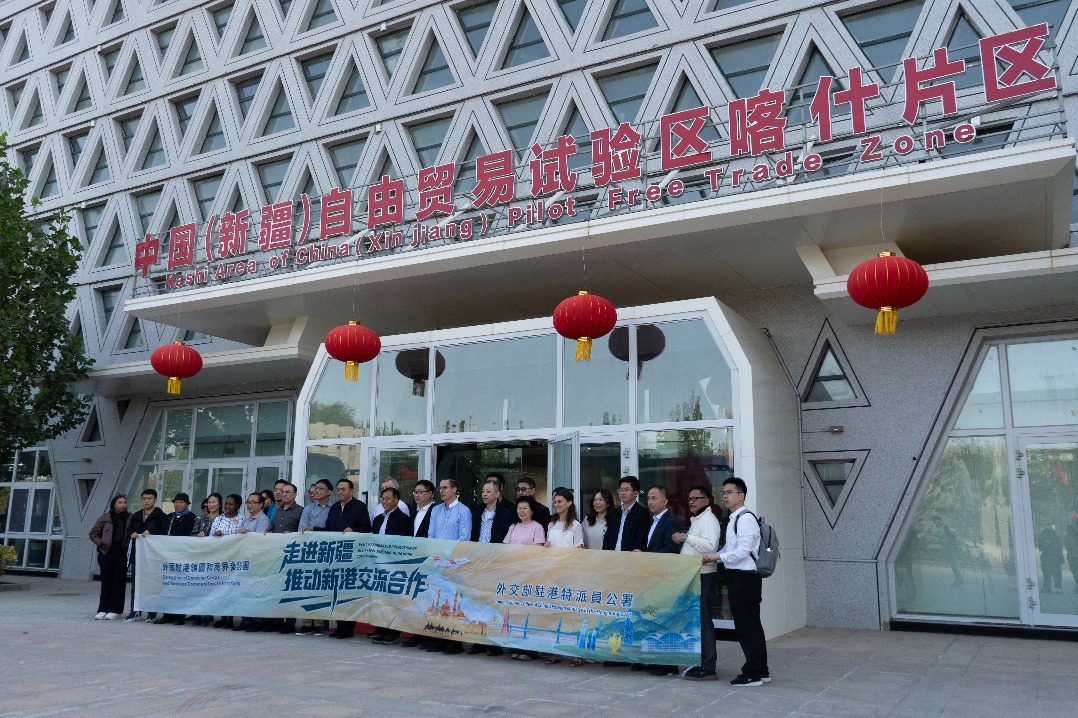
Diplomats, business leaders in Hong Kong explore Xinjiang’s beauty, eye collaboration
A delegation of diplomats and business leaders from Hong Kong recently concluded a visit to China’s Xinjiang Uygur Autonomous Region, organized by the Commissioner’s Office of the Chinese Foreign Ministry in the Hong Kong Special Administrative Region (HKSAR). The trip aimed to foster exchanges between Hong Kong and Xinjiang, offering participants a firsthand experience of the region’s cultural, economic, and natural allure. Delegates expressed surprise at Xinjiang’s vibrancy, describing it as more dynamic than anticipated. They emphasized the potential for enhanced cooperation between the two regions, particularly in trade, tourism, and clean energy. The delegation visited key cities, including Urumqi, Kashgar, and Yining, each offering unique cultural and economic characteristics. At Tianchi Lake, a glacial basin surrounded by snow-capped mountains, delegates marveled at the region’s natural beauty. In Kashgar’s ancient city, they immersed themselves in its rich history and lively atmosphere. The trip also highlighted Xinjiang’s strategic role as a transport and trade hub along the Silk Road Economic Belt, with the Horgos Port serving as a critical node for cross-border commerce. Delegates discussed potential collaborations, such as leveraging Hong Kong’s expertise in logistics and cold chain transportation to connect Xinjiang with global markets. The visit underscored the growing ties between Hong Kong and Xinjiang, with Cathay Pacific launching direct flights between the two regions in April 2025. Participants left with a deeper appreciation of Xinjiang’s opportunities and a commitment to fostering partnerships that benefit both regions.
-
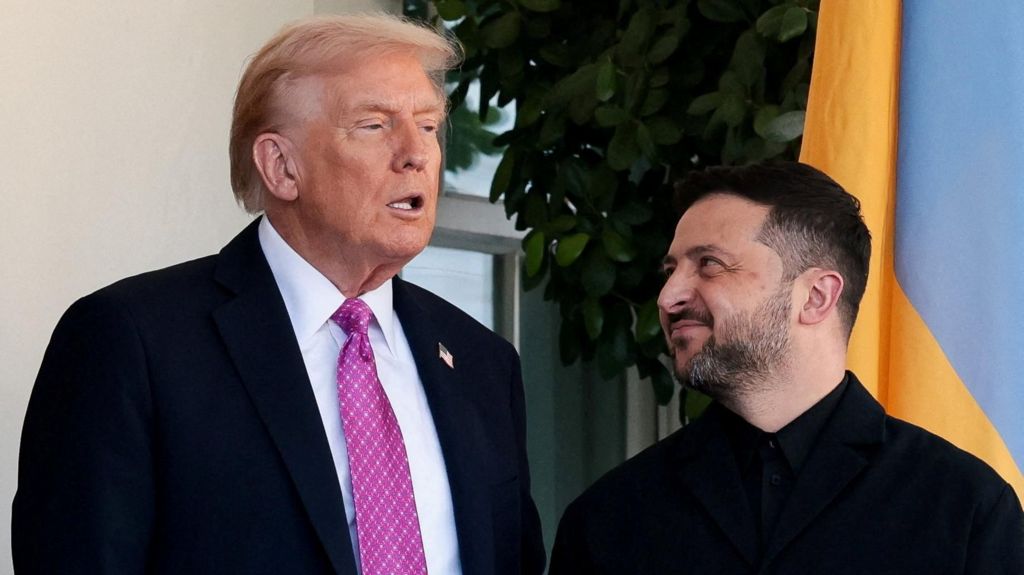
Zelensky ready to join Trump-Putin talks after ‘frank’ White House meeting
Ukrainian President Volodymyr Zelensky has expressed willingness to participate in a proposed summit involving US President Donald Trump and Russian President Vladimir Putin in Hungary, provided he receives an invitation. The announcement of the planned talks, aimed at addressing the ongoing war in Ukraine, was made by Trump and Putin on Thursday, with Budapest as the potential venue in the coming weeks. Zelensky, in comments released on Monday, indicated his readiness to engage in a three-way dialogue or shuttle diplomacy format, emphasizing his commitment to a just peace rather than a hasty resolution.
However, recent reports suggest that Zelensky’s meeting with Trump at the White House last Friday was far from cordial, with accounts of a heated exchange. The US reportedly urged Ukraine to accept Russia’s terms to end the conflict, a stance Zelensky firmly opposes. During his first press briefing since the talks, Zelensky described the meeting as frank but highlighted significant disagreements between the two sides. He criticized Hungary as the location for the Trump-Putin talks, questioning Prime Minister Viktor Orban’s ability to contribute positively to Ukraine’s interests.
Trump, when asked about Zelensky’s involvement in the Budapest meeting, stated his intention to make the talks ‘comfortable for everybody,’ suggesting a possible separation of discussions. Zelensky had hoped to secure US Tomahawk missiles during the talks but left empty-handed as Trump remained non-committal. Media reports on Monday revealed that the atmosphere during the US-Ukraine leaders’ meeting was more acrimonious than previously understood, with Trump allegedly warning Zelensky that Putin would ‘destroy’ Ukraine if it did not agree to Russia’s terms.
Trump’s shifting stance on the war has added complexity to the situation. Last month, he suggested that Ukraine could ‘win all of Ukraine back in its original form,’ a departure from his earlier position that Ukraine might need to cede territory. Trump has also been pressuring NATO nations, China, and India to halt purchases of Russian oil to increase economic pressure on Moscow. Despite threats of tougher sanctions, he has not followed through on these measures.
The relationship between Trump and Zelensky has seen ups and downs, with a notable improvement since a contentious Oval Office meeting in February. During his re-election campaign, Trump claimed he could end the war in Ukraine within days but has since acknowledged the conflict’s complexity, describing it as one of the most challenging issues he has faced since returning to office.
-

‘It’s like a scene from a film’ – Paris tourists surprised at Louvre jewel theft
In an audacious act reminiscent of a Hollywood thriller, the Louvre Museum in Paris was thrust into chaos on Sunday as robbers executed a daring daylight theft of priceless imperial jewels. The iconic museum, a beacon of art and history, has since remained shuttered, leaving tourists and locals alike in disbelief. Witnesses described the scene as surreal, with one visitor remarking, ‘It’s like something out of a movie.’ Authorities are now scrambling to piece together the details of the heist, which has raised serious concerns about security at one of the world’s most renowned cultural institutions. The stolen artifacts, steeped in historical significance, are yet to be recovered, casting a shadow over the museum’s reputation and prompting calls for heightened protective measures.
-
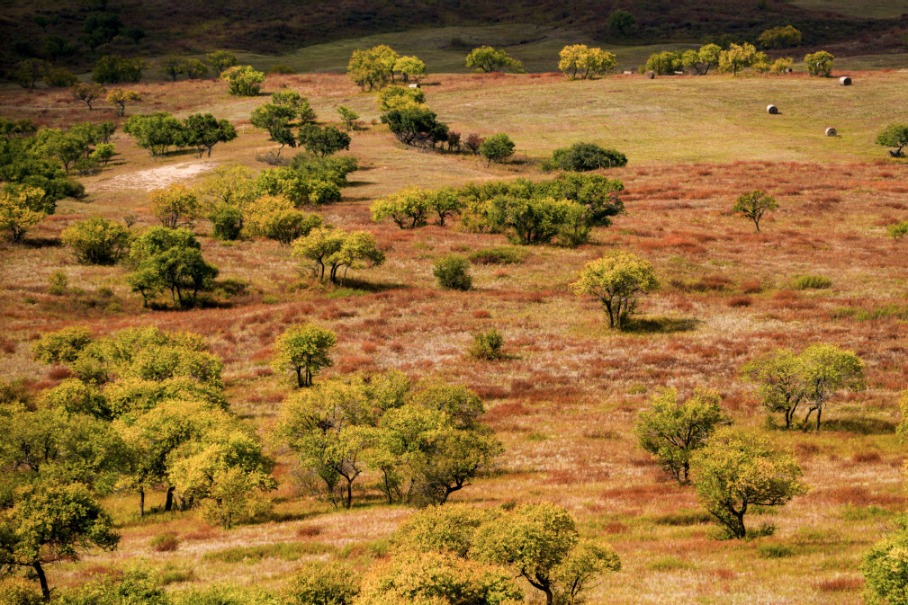
Global study shows intensifying drought may wreck grasslands
A groundbreaking international study led by Chinese researchers has unveiled alarming evidence that prolonged and intensified droughts are pushing global grassland ecosystems toward collapse. Published in the prestigious journal Science, the research involved collaboration among scientists from Beijing Forestry University and over 120 institutions, including Colorado State University in the United States. The study meticulously tracked plant growth across 74 grasslands and shrublands spanning six continents during periods of drought. The findings reveal that the combined impact of drought intensity and duration significantly exacerbates productivity losses in these ecosystems. Notably, after four consecutive years of extreme drought, productivity losses surged by approximately 2.5 times compared to the initial year. This suggests that ecosystems may transition from a state of low yield to a rapid and irreversible decline if climate change continues to worsen drought conditions. The study underscores the growing concern that future climate extremes will increasingly disrupt ecosystems in unprecedented and troubling ways. According to Bianca Lopez, an editor at Science, the research provides a critical benchmark for understanding the relationship between drought severity, duration, and ecosystem health. The study’s peer reviewers also emphasized its importance in establishing a foundation for future investigations into the impacts of climate change on global ecosystems.
-
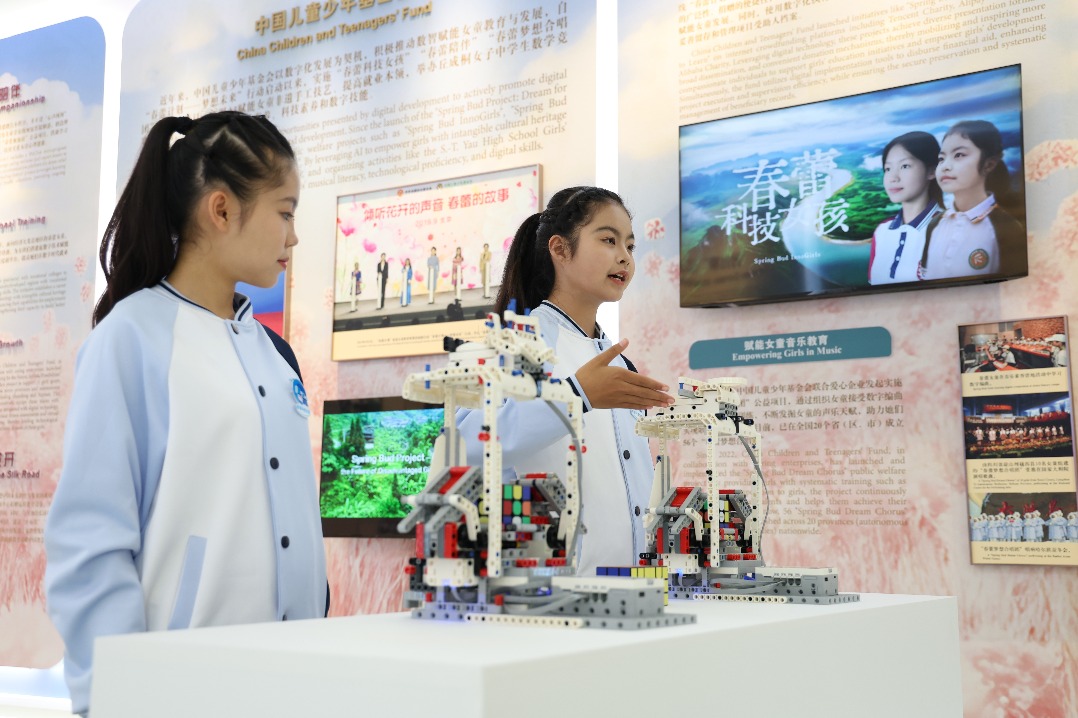
State councilor urges efforts to promote women’s cause
In a significant address on Sunday, Chinese State Councilor Shen Yiqin emphasized the critical role of women’s federations in fostering the high-quality development of women’s causes across the nation. Speaking at a video conference, Shen, who also serves as the president of the All-China Women’s Federation, highlighted the recent Global Leaders’ Meeting on Women held in Beijing as a pivotal milestone in advancing women’s rights globally. Shen urged these federations to create conducive environments for women’s comprehensive development, establish robust platforms to support their active participation, and safeguard their legitimate rights through improved governance. She also called for concrete measures to enhance global women’s development, contributing to the broader vision of building a shared future for humanity. Shen’s remarks underscore China’s commitment to gender equality and its proactive stance in promoting women’s empowerment on both national and international stages.
-

Revolutionary Chinese chip to pioneer search for dark matter, black holes
A groundbreaking spectroscopic imaging chip, RAFAEL, developed by a research team from Tsinghua University in China, has been unveiled, promising to transform humanity’s approach to observing the universe. Published in the prestigious journal Nature, this innovation resolves the long-standing challenge of balancing spectral resolution and throughput, enabling high-performance snapshot spectroscopy. Spectroscopy, a critical tool for analyzing the physical and chemical properties of matter, has traditionally struggled to achieve both ultra-high resolution and high efficiency simultaneously. RAFAEL, also known by its Chinese name “Yuheng,” overcomes this limitation through advanced lithium-niobate photonics, allowing each pixel in the sensor to capture complete spectral data with exceptional optical transmittance. The chip boasts a 10-megapixel spatial resolution and a spectral precision of 0.05 nanometers across visible to near-infrared wavelengths. In a recent demonstration, RAFAEL captured spectra of up to 5,600 stars in a single exposure, marking a hundredfold improvement in observational efficiency compared to leading astronomical spectrometers. Compact yet powerful, RAFAEL is poised to unlock new insights into cosmic phenomena such as dark matter and black holes, while advancing research in fields ranging from materials science to astrophysics. Professor Fang Lu, the corresponding author of the study, highlighted the chip’s potential to establish a new benchmark for astronomical observation. The name “Yuheng,” derived from the fifth star of the Big Dipper, symbolizes precision and balance, reflecting the chip’s mission to enhance humanity’s understanding of the universe.
-
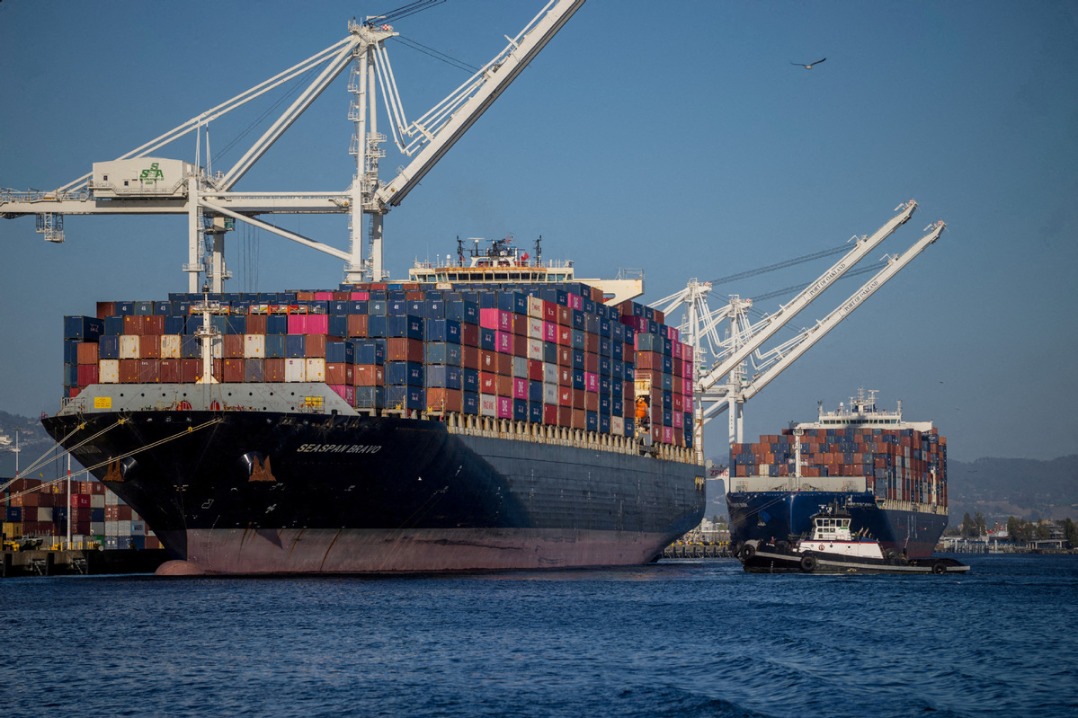
US tariffs begin to bite into trade
The ripple effects of US-imposed tariffs are now manifesting in the nation’s trade landscape, with September witnessing a significant downturn in container cargo imports. According to the latest Global Shipping Report by Descartes, a supply chain technology and data provider, US container imports plummeted by 8.4% year-on-year, with Chinese imports bearing the brunt at a staggering 22.9% decline. Despite this, US ports managed to process 2.31 million 20-foot equivalent units (TEUs) of container cargo, marking the third-highest September volume on record. The steepest declines were observed in sectors such as toys, sporting goods, footwear, apparel, aluminum, and electric machinery. This contrasts sharply with the surge in imports during July and August, as retailers stockpiled goods ahead of the holiday season. Jonathan Gold, Vice-President of Supply Chain and Customs Policy at the National Retail Federation, attributed the earlier peak to businesses’ efforts to mitigate tariff impacts by front-loading cargo. However, the uncertainty surrounding tariff policies continues to challenge businesses, with projections indicating that monthly import volumes at major US ports may drop below 2 million TEUs for the remainder of the year. Analysts, including Ben Hackett of Hackett Associates, predict further import slowdowns, citing ongoing volatility in US tariff policy as a significant source of economic uncertainty. China’s share of total US imports also declined, falling to 33% in September from 34.5% in August. The Port of Los Angeles, one of the busiest in the US, reported an 8% year-on-year decline in import volumes, processing around 883,000 container units in September. Gene Seroka, the port’s Executive Director, anticipates a further softening of cargo volumes in the coming months, exacerbated by turbulent trade negotiations with China. The US recently announced additional 100% tariffs on Chinese goods, effective November 1, following China’s imposition of export controls on rare earth minerals. China’s Ministry of Commerce has criticized these measures, emphasizing that its export controls are a legitimate effort to safeguard national and global security, not targeted at any specific country. The ongoing trade tensions have already impacted bilateral trade, with China’s exports to the US falling by 27% year-on-year in September, marking the sixth consecutive monthly decline. As both nations navigate this contentious trade landscape, the broader economic implications remain uncertain.
-

What is Aukus, the submarine deal between Australia, the UK and US?
A landmark defense agreement between Australia, the United States, and the United Kingdom, known as the Aukus pact, is under scrutiny as the Trump administration evaluates its alignment with the ‘America First’ policy. The deal, valued at £176 billion over 30 years, aims to bolster Australia’s naval capabilities by supplying nuclear-powered submarines and fostering advanced military collaboration. Australia is set to acquire up to five Virginia-class submarines from the US, with plans to co-develop a new submarine model for both the UK and Australian navies. The pact also includes joint efforts in cutting-edge technologies such as hypersonic missiles, undersea robotics, and artificial intelligence. While the review has raised concerns about potential delays or cancellations, both the UK and Australia have dismissed these fears, emphasizing the routine nature of such evaluations during a new administration. The deal is widely perceived as a strategic move to counter China’s growing influence in the Indo-Pacific region, particularly in contested areas like the South China Sea. Despite criticism from China, which labeled the pact ‘extremely irresponsible,’ the Aukus partners have underscored the necessity of addressing escalating regional security threats. The agreement, unveiled in September 2021, represents a significant upgrade for Australia’s military, enabling long-range strike capabilities and enhancing its strategic presence in the region. Additionally, the pact is expected to create thousands of jobs in the UK and strengthen trilateral defense ties. The review’s outcome will likely be a focal point during upcoming discussions between US President Donald Trump and Australian Prime Minister Anthony Albanese in Washington, DC.
-
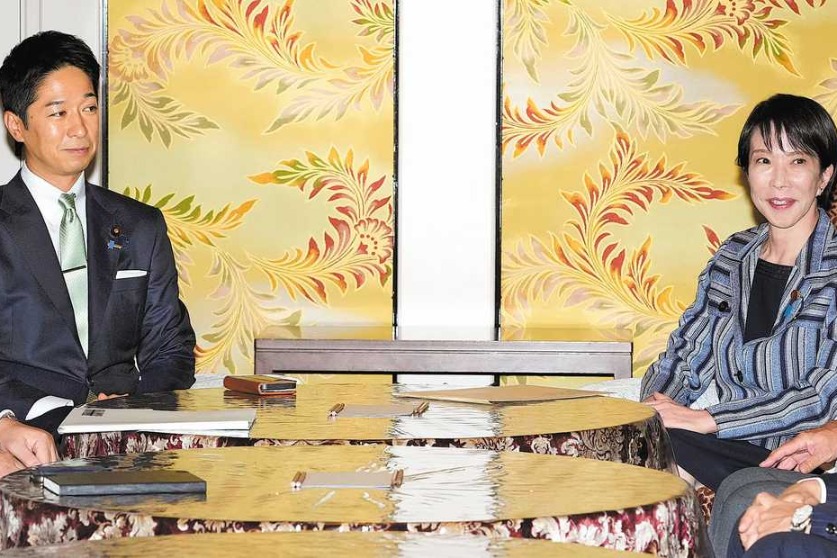
Deal puts Takaichi on track to be Japan’s 1st woman PM
In a groundbreaking political development, Japan’s ruling Liberal Democratic Party (LDP) is poised to sign a coalition agreement with the opposition Japan Innovation Party (JIP) on Monday, setting the stage for Sanae Takaichi to become the nation’s first female prime minister. This historic move comes after the collapse of the LDP’s previous coalition with the Komeito party, which had been in place for 26 years, triggering a political crisis. Takaichi, who recently ascended to the leadership of the LDP, saw her initial bid for the premiership derailed by the coalition’s dissolution. However, the LDP’s efforts to forge a new alliance with the JIP have reignited her prospects. According to Kyodo News, Takaichi and JIP co-leader Hirofumi Yoshimura are expected to formalize the coalition agreement following policy talks on Monday. The deal includes key concessions such as reducing the consumption tax on food to zero and eliminating corporate donations, as well as Yoshimura’s demand to cut the number of parliamentary seats. While the LDP-JIP alliance is still two seats short of a majority in the lower house, Takaichi could secure the premiership in a potential second-round runoff by garnering more support from lawmakers. This pivotal agreement marks a significant step toward breaking Japan’s long-standing gender barrier in its highest political office.