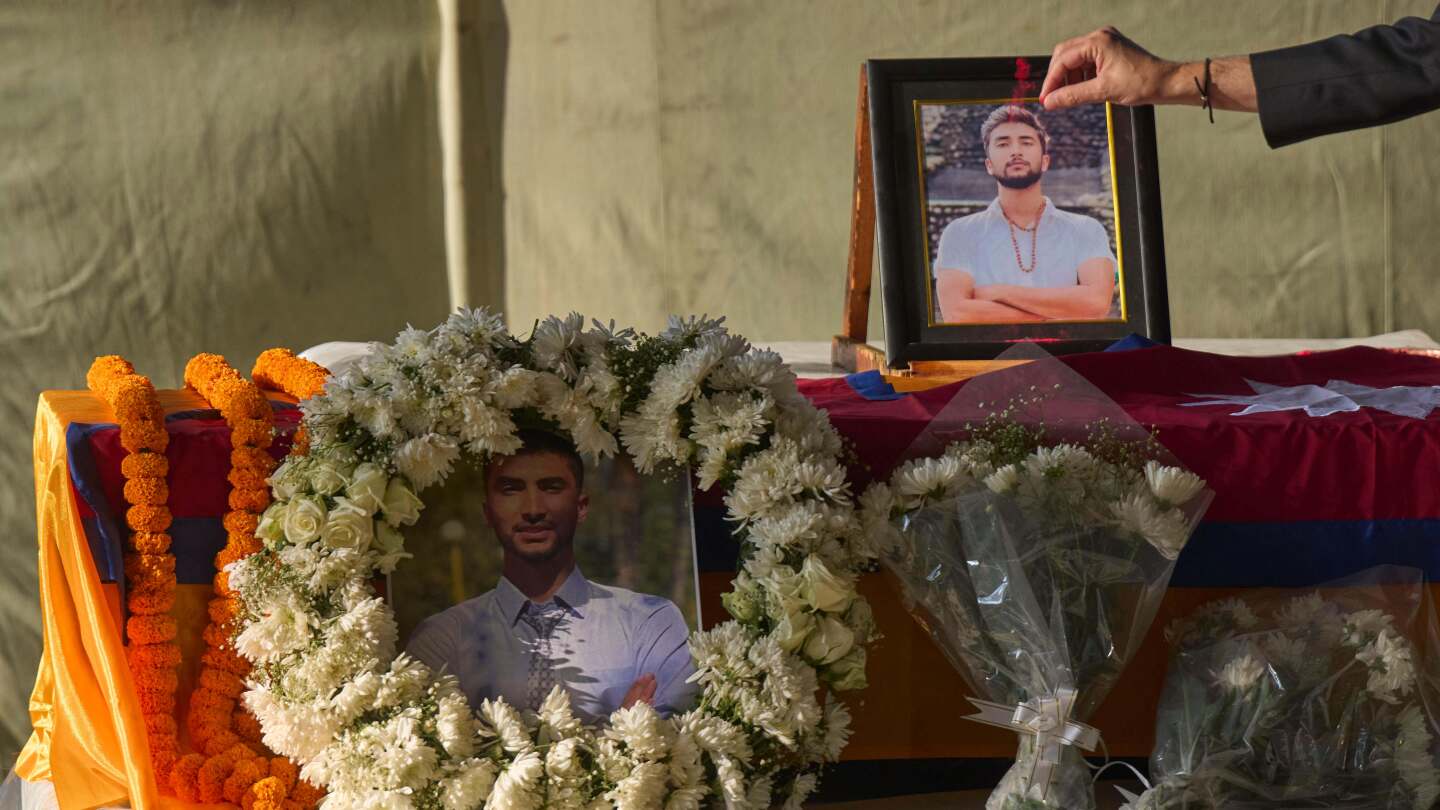
The remains of Bipin Joshi, a Nepali student tragically killed while held hostage in Gaza, were repatriated to Kathmandu on Monday. Joshi’s body arrived at Tribhuvan International Airport from Israel’s Ben Gurion International Airport, where it was received with solemn honors. Nepal’s Foreign Ministry confirmed that the body would be transported to his hometown of Bhimdattanagar later in the evening. Joshi was one of 17 Nepali students studying agriculture in southern Israel when Hamas launched its devastating attack on October 7, 2023, sparking the ongoing Gaza conflict. He had arrived in Israel just a month prior as part of a student exchange program, working and studying at Kibbutz Alumim near the Gaza border. The Hamas assault claimed the lives of 10 Nepali students and left six others injured. Joshi, aged 22 at the time, was abducted during the attack. The Israel Defense Forces confirmed his death in captivity on October 14, 2023, while his mother and sister were in the United States advocating for his release. Nepal’s Prime Minister Sushila Karki paid tribute to Joshi at a ceremony at Kathmandu’s airport, draping the national flag over his coffin. She praised his courage, stating, ‘Bipin’s bravery is a source of pride for every Nepali. He is a son of Nepal, a son of every mother. We will never forget him. He lives in our hearts.’ The Nepali government emphasized its efforts to secure Joshi’s release during his captivity, expressing deep sorrow over the tragic outcome.
作者: admin
-
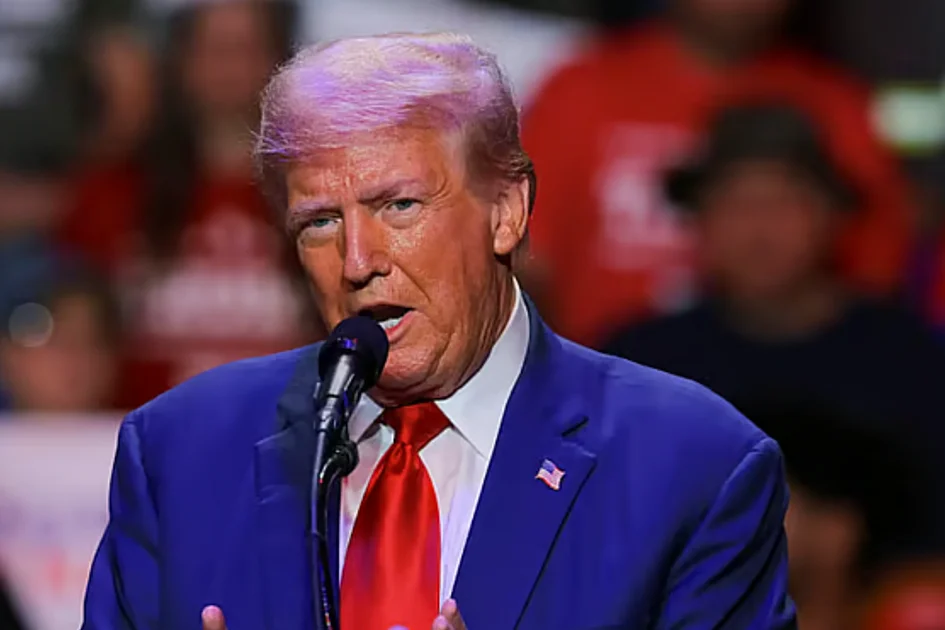
Trump says India to continue paying ‘massive’ tariffs if Russian oil imports unrestricted
US President Donald Trump has reiterated his stance that India will face significant tariffs if it continues unrestricted imports of Russian oil. Speaking to reporters aboard Air Force One on Sunday, Trump claimed that Indian Prime Minister Narendra Modi assured him that India would limit its purchases of Russian oil. ‘I spoke with Prime Minister Modi of India, and he said he’s not going to be doing the Russian oil thing,’ Trump stated, echoing comments he made earlier in the week. However, the Indian government has denied any such conversation took place. Trump responded to this denial by asserting that India would continue to pay ‘massive tariffs’ if it did not comply with the restrictions. This development highlights the ongoing diplomatic and economic tensions between the US and India, particularly in the context of global energy markets and international trade policies.
-

Fintech revolution: Super apps, the next frontier in payments
In the rapidly evolving landscape of digital innovation, super apps have emerged as a transformative force, reshaping how consumers interact with financial services and everyday conveniences. Originating in Asia with platforms like WeChat and Grab, these all-in-one digital ecosystems integrate messaging, shopping, ride-hailing, payments, and even healthcare into a single, seamless experience. As consumer expectations soar and financial services become increasingly embedded in daily life, super apps are no longer a niche concept but the next frontier in payments. At their core, super apps redefine digital convenience by offering frictionless experiences. Users can book a taxi, order food, pay bills, transfer money, invest in crypto, or access Buy Now Pay Later (BNPL) credit—all within one app. For businesses, the value is immense, unlocking cross-sell opportunities, leveraging data for personalized journeys, and enhancing customer lifetime value. Payments are the backbone of these platforms, enabling peer-to-peer (P2P) transfers, pay-to-merchant (P2M) transactions, pay-to-government (P2G) services, and diverse cash-in/cash-out methods. Seamless wallet experiences, instant transfers, and integrated payment rails are not just features but the foundation of the ecosystem. Digital onboarding is critical, ensuring compliance with KYC and AML while maintaining user-friendliness. Once onboarded, users gain access to a full spectrum of financial services, from wallet top-ups to advanced offerings like micro-lending and digital asset trading. Companies like FOO are at the forefront of this transformation, embedding wallet functionality, P2P payments, BNPL, P2M/P2G capabilities, and cross-border remittances into super app platforms. However, building such infrastructure is complex, requiring adherence to regulatory frameworks, risk management, and data security while prioritizing user experience. In emerging markets, super apps are leapfrogging financial inclusion, providing underserved populations with secure, affordable, and convenient financial services. Even in mature markets, the demand for consolidated digital experiences is growing as consumers seek integrated solutions to combat app fatigue. The success of super apps hinges on trust and user-centricity. As these platforms accumulate data and expand their influence, transparency, security, and responsible innovation must remain priorities. Compliance, risk management, and security frameworks are not just back-end features but the bedrock of credibility. Competition is intensifying, with traditional banks, fintech startups, and tech giants vying for a share of the super app market. Partnerships will be key to success, leveraging fintech expertise, regulatory knowledge, and consumer trust to deliver scalable, holistic platforms. The rise of super apps marks a new chapter in the evolution of payments, placing them at the center of everyday digital interactions. For fintech innovators, this presents both a challenge and an opportunity—to build complex, compliant systems at scale while redefining value exchange in the digital economy. Super apps are not just the next frontier in payments; they are the foundation of the next generation of digital economies.
-
Fire on Air China flight shows why airlines are banning power bank use onboard
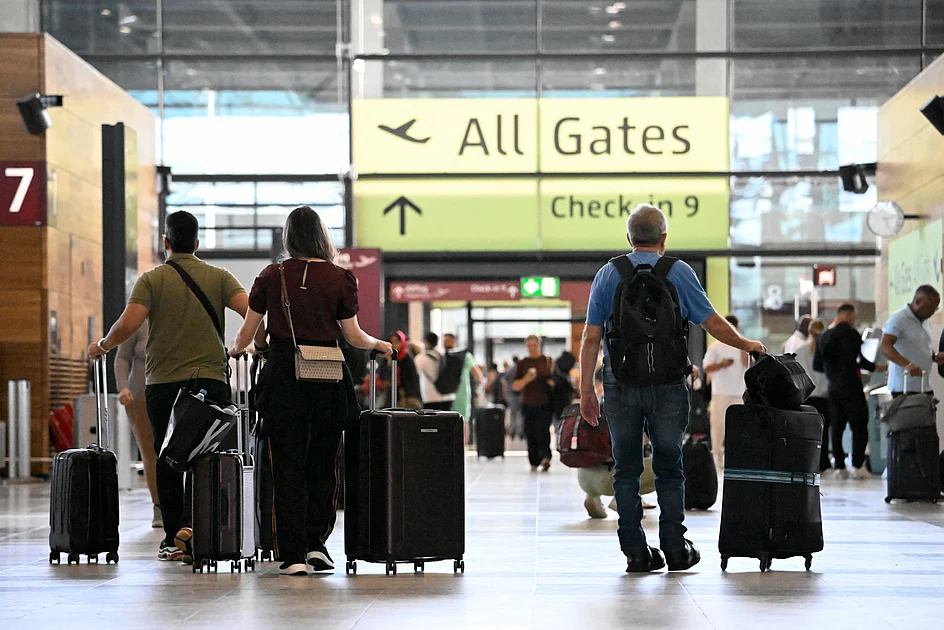
A recent incident aboard an Air China flight from Hangzhou to Incheon has reignited concerns about the safety of lithium batteries on aircraft. Smoke began emanating from an overhead compartment, prompting crew members to swiftly extinguish flames later identified as a lithium-battery fire. The plane was safely diverted to Shanghai, and no injuries were reported. However, the event underscores the potential dangers of small electronic devices mid-air, particularly power banks and other lithium-powered gadgets. This incident has drawn global attention to the handling and packing of such devices, with UAE airlines already implementing stricter regulations. Emirates, flydubai, and Etihad Airways have banned the use of power banks onboard and imposed specific rules to mitigate risks. The International Air Transport Association (IATA) has also launched a campaign, ‘Travel Smart with Lithium Batteries,’ to educate travelers on safe practices. According to IATA, lithium batteries are found in a wide range of everyday items, from smartphones to medical devices, and improper handling can lead to severe consequences. Safety experts warn that damaged or overcharged lithium-ion or lithium-polymer cells can overheat, triggering thermal runaway, which can result in fires or explosions. To ensure safety, IATA recommends travelers follow seven simple rules, including carrying devices in hand baggage, protecting loose batteries, and checking airline-specific regulations. The Air China incident serves as a stark reminder of the importance of adhering to these guidelines to prevent potential in-flight emergencies.
-

‘No debts’: UAE’s raffle millionaires reveal how life changed after big wins
The UAE Lottery recently celebrated a historic milestone as a resident clinched the first-ever Dh100 million grand prize. This monumental win has sparked conversations about how such life-altering fortunes reshape lives. To delve deeper, Khaleej Times interviewed past winners to uncover their transformative experiences.
Anish Krishnan, an Indian expat and IT engineer, won Dh10 million in the Mahzooz draw in 2022. At the time, he was living in a bed space in Ajman, struggling to make ends meet. His win allowed him to pay off a home loan, reunite with his family in Dubai, and invest in properties, including a villa in Dubai South. He also secured a Golden Visa and continues to support his relatives while contemplating future business ventures. Anish advises the latest winner to remain level-headed and avoid impulsive spending.
Munavvar, an Al Ain resident, won Dh20 million in the Big Ticket draw in 2023. After years of working as a driver, he used his share of the winnings to start his own business, achieving financial freedom. Despite his newfound wealth, Munavvar leads a simple, debt-free life and continues to participate in the lottery with friends.
Another winner, Charlie, who chose to remain anonymous, shared a more tumultuous experience. Winning Dh3.5 million with a group of friends brought unexpected challenges, including harassment and demands for money. Charlie used his winnings to clear debts and invest in fixed deposits, maintaining his job while securing his financial future.
These stories highlight the profound impact of lottery wins, offering financial freedom and opportunities while underscoring the importance of prudent decision-making and resilience in the face of newfound wealth.
-
23 Indians rescued after explosion, fire on tanker off Yemen’s coast
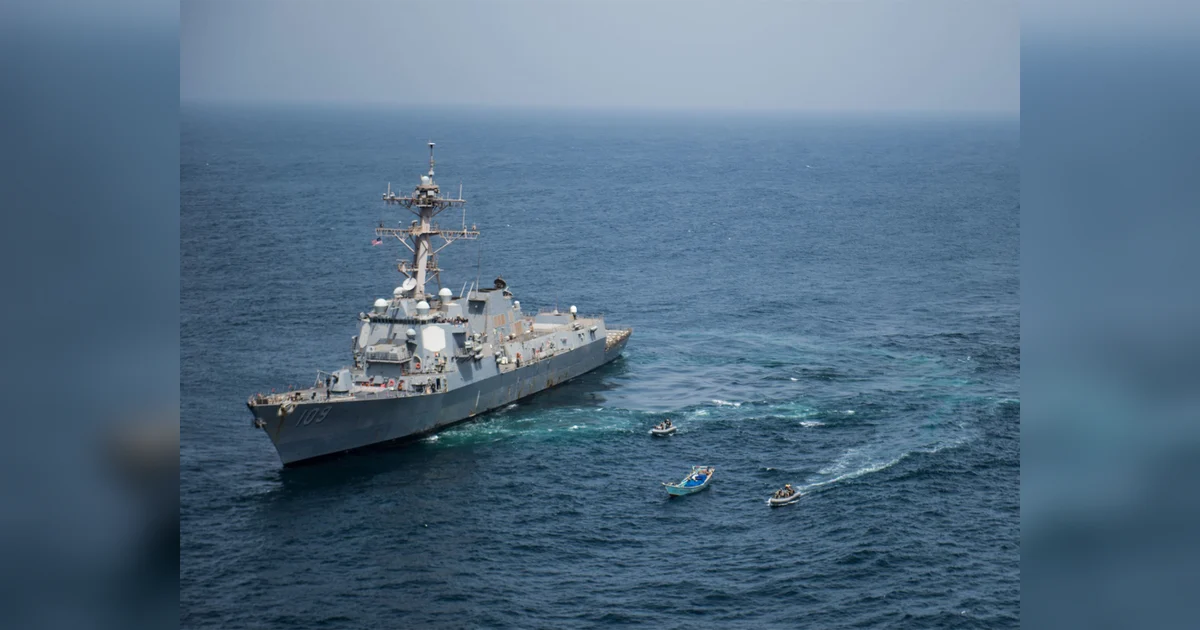
A dramatic maritime rescue unfolded off the coast of Yemen as 23 Indian crew members were saved following an explosion and subsequent fire aboard the Cameroon-flagged LPG tanker MV Falcon. The incident occurred on Saturday, October 18, 2025, at 7:00 AM UTC, approximately 113 nautical miles southeast of Aden. The vessel, en route from Oman’s Sohar Port to Djibouti, was carrying a full load of liquefied petroleum gas when the explosion took place, causing the ship to drift and ignite a fire that engulfed 15% of the vessel. Early reports indicate the explosion was accidental, though investigations are ongoing. The EU Naval Force Operation Aspides swiftly launched a search-and-rescue mission after radio communications revealed the crew was preparing to abandon ship. Of the 24 crew members who initially evacuated, 23 were successfully rescued, while two remain missing, and one was still onboard the tanker at the time of the last update. Due to the risk of further explosions, nearby vessels were advised to maintain a safe distance. A private company has since taken over the salvage operation. This incident highlights the ongoing dangers in the Red Sea corridor, where Yemen’s Houthi rebels have been targeting commercial ships in solidarity with Palestinians amid the Israel-Gaza conflict. Operation Aspides, a defensive maritime mission, continues to safeguard civilian ships and crews navigating these perilous waters.
-

BBC at scene of ‘brazen’ Louvre jewel theft
In a stunning act of audacity, the Louvre Museum in Paris has become the site of a high-profile jewel theft. BBC correspondent Hugh Schofield is currently stationed outside the iconic museum, describing the incident as “extraordinary, daring, and brazen.” The robbery, which unfolded with remarkable boldness, has left authorities and the public alike in shock. Details of the stolen items and the methods employed by the thieves remain under investigation. The Louvre, renowned for its vast collection of art and historical artifacts, is now at the center of a security crisis. This event raises significant concerns about the safety of priceless treasures housed in one of the world’s most visited museums.
-
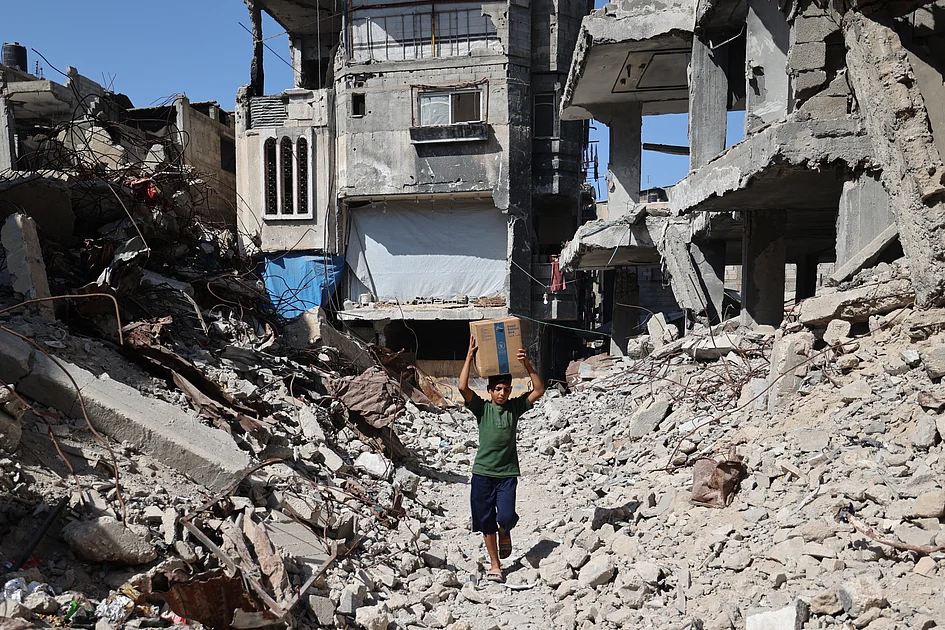
Trump says ceasefire still in force after Israeli bombs rain down on Gaza
US President Donald Trump confirmed on Sunday that a ceasefire in Gaza remains intact, despite a series of deadly Israeli airstrikes targeting Hamas positions in southern Gaza. The strikes, which Israel claimed were in response to alleged truce violations by Hamas, resulted in at least 45 fatalities, according to Gaza’s civil defence agency. Four hospitals in Gaza corroborated the death toll, reporting an influx of casualties. Israel’s military stated it is investigating the reports but emphasized its commitment to enforcing the ceasefire, vowing to respond firmly to any breaches. Hamas denied the accusations, with one official alleging that Israel fabricated pretexts to resume hostilities. The ceasefire, brokered by Trump on October 10, aimed to halt over two years of devastating conflict between Israel and Hamas. However, its implementation has faced significant challenges, including the suspension of aid to Gaza due to alleged violations. The war has claimed over 68,000 lives in Gaza, with more than half being women and children. Meanwhile, Hamas has released 20 surviving hostages and is working to recover the bodies of those who died. Israel has returned 150 Palestinian bodies to Gaza, linking the reopening of the Rafah crossing to the recovery of all deceased. The situation remains volatile, with both sides accusing each other of undermining the fragile peace.
-

Nigerian police fire tear gas as protesters gather over separatist leader
In a tense confrontation in Nigeria’s capital, Abuja, police resorted to firing tear gas to disperse a crowd of protesters demanding the release of separatist leader Nnamdi Kanu. The demonstration, organized by activist Omoyele Sowore, publisher of the Sahara Reporters, began as early as 07:00 local time. Kanu, the head of the outlawed Indigenous People of Biafra (Ipob), has been detained since 2021 on terrorism charges, which he denies. Ipob advocates for the independence of the Biafran region in southeastern Nigeria. Eyewitnesses reported that police fired multiple rounds of tear gas at the gathering crowd, while also blocking major roads, causing significant traffic disruptions and confusion across the city. Sowore, in a post on X, alleged that security forces had arrested several individuals, including Kanu’s family members and legal team. The police have yet to comment on these claims. The protest highlights ongoing tensions surrounding Kanu’s detention and the broader issue of Biafran separatism in Nigeria.
-

Chinese president appoints new ambassadors
In a significant diplomatic reshuffle, Chinese President Xi Jinping has announced the appointment of new ambassadors to several key international posts. The decision, made in accordance with the Standing Committee of the National People’s Congress, China’s top legislative body, was officially disclosed on Monday. The new appointments include Yu Jinsong as ambassador to Morocco, Chen Feng to Romania, Jiang Xiaoyan to North Macedonia, Zhang Zuo to Malta, Yang Shu to Grenada, and Sun Xiangyang to Ecuador. Additionally, Li Yongjie has been named China’s permanent representative and ambassador to the World Trade Organization, as well as deputy permanent representative to the United Nations Office at Geneva and other international organizations in Switzerland. These changes reflect China’s ongoing commitment to strengthening its diplomatic presence and fostering international relations across various regions.