
In a devastating escalation of the ongoing conflict, Russia launched a massive drone and missile attack across Ukraine, resulting in the deaths of at least six individuals, including a mother and her two young daughters. The assault, which spanned the night and extended into Wednesday morning, targeted multiple Ukrainian cities, including a village in the Kyiv region where a strike ignited a house, tragically claiming the lives of the family. Regional head Mykola Kalashnyk confirmed the incident, while authorities reported at least 18 injuries in Kyiv alone. The attack also severely damaged Ukraine’s energy infrastructure, causing widespread blackouts as Russia intensifies efforts to disrupt the country’s power grid ahead of the harsh winter season. Amid these developments, U.S.-led initiatives to broker peace have faltered, with President Donald Trump expressing frustration over Russian President Vladimir Putin’s unwillingness to compromise. Ukrainian President Volodymyr Zelenskyy has called for increased military support and international pressure on Russia, emphasizing the need for sanctions, advanced missile capabilities, and coordinated diplomacy. Zelenskyy is set to engage in a week of intense diplomatic efforts, including meetings with Swedish Prime Minister Ulf Kristersson and participation in international summits aimed at bolstering support for Ukraine. Meanwhile, Ukraine’s military reported striking a critical Russian chemical plant in the Bryansk region using British-made Storm Shadow missiles, further escalating the conflict. The international community continues to monitor the situation closely as the war shows no signs of abating.
作者: admin
-
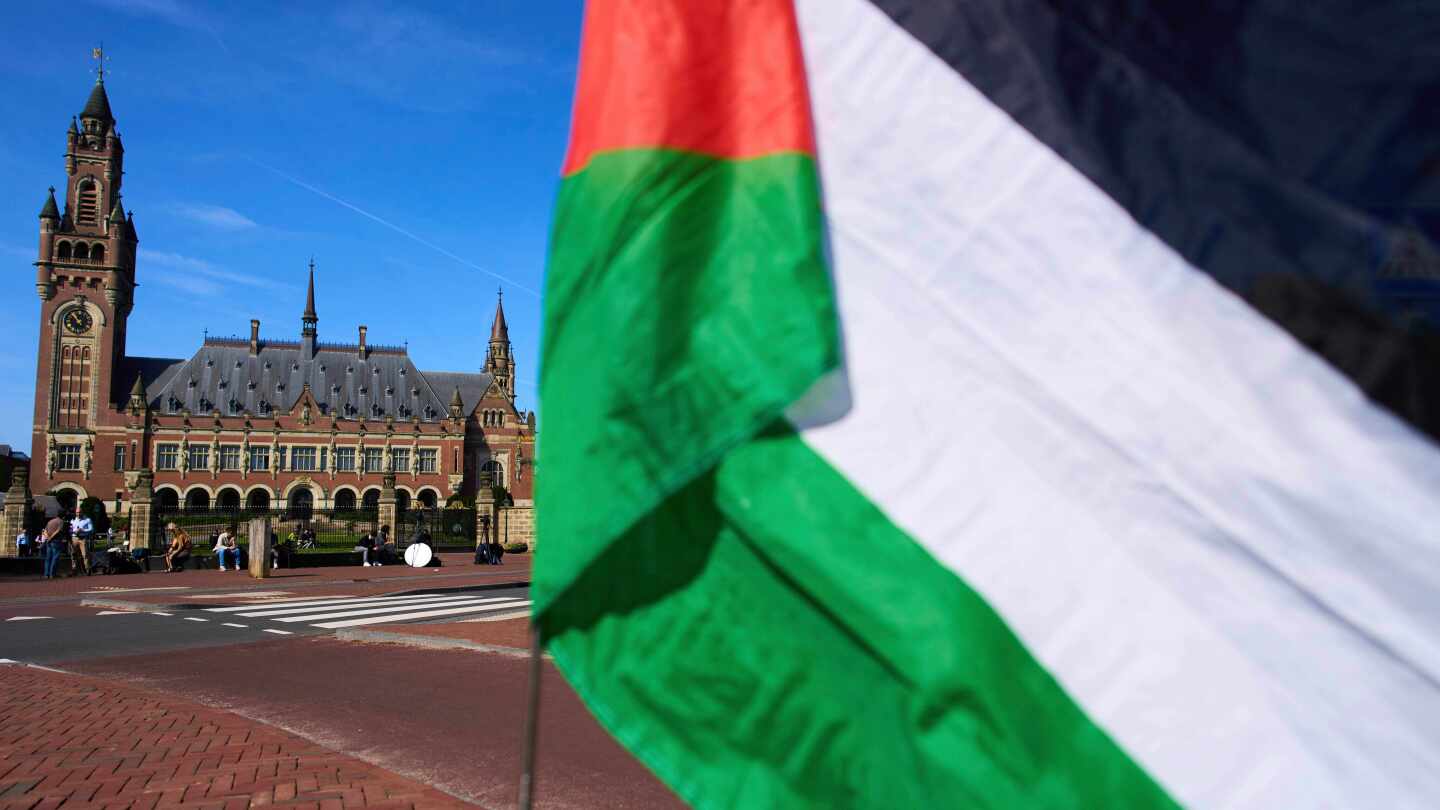
Top UN court to rule on Israel’s obligations to ensure humanitarian aid reaches Palestinians
The International Court of Justice (ICJ) in The Hague is poised to deliver a crucial advisory opinion on Wednesday regarding Israel’s legal responsibilities to ensure the delivery of urgently needed humanitarian aid to Palestinians in Gaza and the occupied West Bank. This ruling comes in response to a request from the U.N. General Assembly, made last year, following Israel’s decision to effectively ban the U.N. agency for Palestinian refugees (UNRWA) from operating in Gaza. UNRWA has been the primary provider of aid in the region. While advisory opinions are nonbinding, they carry significant legal weight and could have far-reaching implications for the U.N. and its global missions. The proceedings, which began in April, predate the fragile U.S.-brokered ceasefire that took effect on October 10, aimed at ending the two-year conflict in Gaza. Despite the ceasefire, tensions flared earlier this week after Israeli forces launched deadly strikes, citing the killing of two soldiers by Hamas militants. Under the ceasefire agreement, Israel is required to allow 600 humanitarian aid trucks into Gaza daily. The U.N. has announced plans to increase aid shipments, and Hamas has acknowledged Israel’s compliance with the agreement. However, Palestinian Ambassador Ammar Hijazi accused Israel of “starving, killing, and displacing Palestinians” while obstructing humanitarian efforts. Israel has denied these allegations, calling the proceedings biased, and did not attend the hearings, though it submitted a 38-page written response. The ICJ’s opinion could reinforce the principle that states cannot selectively restrict U.N. operations, according to international law experts. This case follows previous ICJ rulings critical of Israeli policies, including the West Bank separation barrier and the occupation of Palestinian territories. The advisory opinion is separate from South Africa’s ongoing case accusing Israel of genocide in Gaza, which Israel vehemently denies. The conflict, triggered by Hamas’ October 7 attack on southern Israel, has resulted in significant casualties, with Gaza’s Health Ministry reporting over 68,000 deaths, a figure disputed by Israel.
-
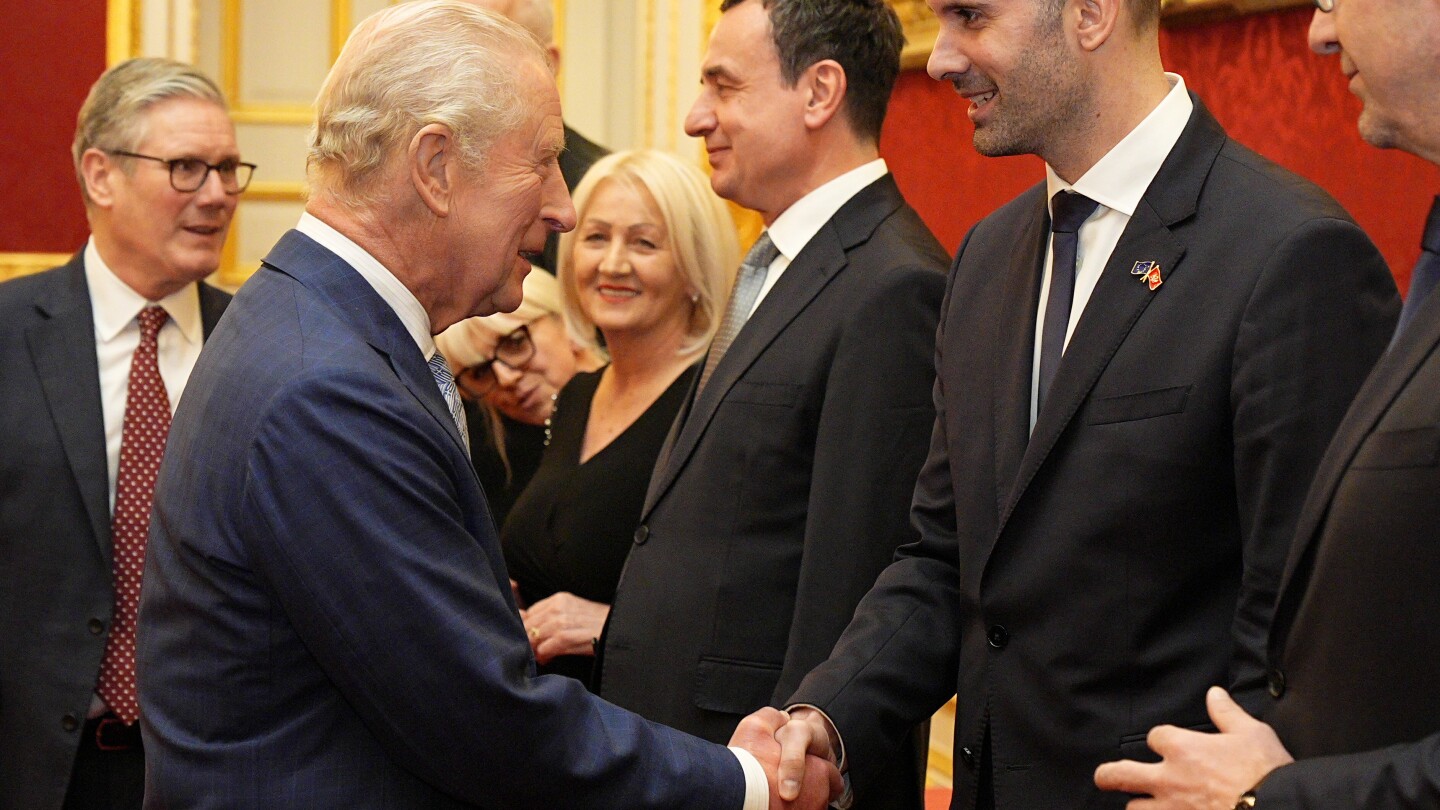
Western Balkans leaders meet in London for talks on migration and security
Leaders from six Western Balkan nations—Albania, Bosnia, Kosovo, Montenegro, North Macedonia, and Serbia—are set to meet with British and European officials in London on Wednesday. The summit, part of the Berlin Process initiated in 2014, aims to address critical issues such as migration, security, and economic growth in a region marked by volatility and Russian influence. Despite Croatia being the only Western Balkan nation to join the EU in 2013, progress for others has stalled, with Serbia and Kosovo particularly at odds over the latter’s independence. The EU’s renewed openness to expansion following Russia’s 2022 invasion of Ukraine has heightened concerns that the conflict could spill over into the Balkans, a region still recovering from its own historical conflicts. The UK, despite its 2020 exit from the EU, is hosting the summit, emphasizing its commitment to curbing unauthorized migration and bolstering regional defenses against Moscow’s interference. British Prime Minister Keir Starmer’s government is prioritizing efforts to tackle the drug trade and reduce migration flows, with gangs smuggling hundreds of thousands of people to the EU via the Western Balkans. The UK has already seen success in reducing Albanian migration through a joint task force and is now seeking to establish ‘return hubs’ for rejected asylum-seekers, though Albania and Montenegro have expressed reluctance to host such facilities. Montenegro’s Prime Minister Milojko Spajic suggested his country might consider a hub if the UK invests €10 billion in railway infrastructure.
-

Youth anger in Ivory Coast as the 83-year-old president seeks a fourth term
In the bustling capital of Abidjan, Ivory Coast, 33-year-old slam poet Placide Konan is using his art to voice frustration over President Alassane Ouattara’s controversial bid for a fourth term in Saturday’s election. Despite Ivory Coast’s status as West Africa’s economic powerhouse and the world’s largest cocoa producer, the country grapples with stark inequality and a 37.5% poverty rate. Over 75% of the population is under 35, and many, like Konan, struggle to make ends meet. “You have to be very lucky, or a bit of a magician, to live comfortably,” he remarked, highlighting the economic challenges in a city still reveling in its role as host of the 2024 Africa Cup of Nations. Analysts predict an easy victory for the 83-year-old Ouattara, whose rule began in 2011. However, the election is marred by controversy, with key opposition leaders, including former Credit Suisse CEO Tidjane Thiam, disqualified on legal grounds. Thiam, who renounced his French nationality in March, dismissed the decision as foul play. Ouattara faces a weakened opposition field, including former commerce minister Jean-Louis Billon and ex-first lady Simone Gbagbo. The election reflects a broader trend in Africa, where long-serving leaders often clash with a youthful populace. Concerns over violence loom large, with 8.7 million registered voters and heightened security measures in place. Protests against the disqualifications have been met with arrests and restrictions on public gatherings, resulting in at least three deaths. Critics accuse the government of exploiting legal loopholes to stifle opposition, undermining stability in a region already facing significant challenges. Ouattara, who assumed power after a deadly 2010-2011 political crisis, defends his fourth-term bid by citing the country’s “unprecedented security, economic, and monetary” challenges. He has pledged to support youth entrepreneurship and independence, yet critics argue that his administration has failed to translate economic growth into sufficient job opportunities for young people. Meanwhile, security concerns persist, particularly in the north, where Ivory Coast faces pressure from armed groups spilling over from conflict-ridden Mali and Burkina Faso. Despite having one of the region’s most sophisticated militaries, the country remains vulnerable to regional instability. As Ivory Coast heads to the polls, the election underscores the deep divisions and challenges facing the nation.
-
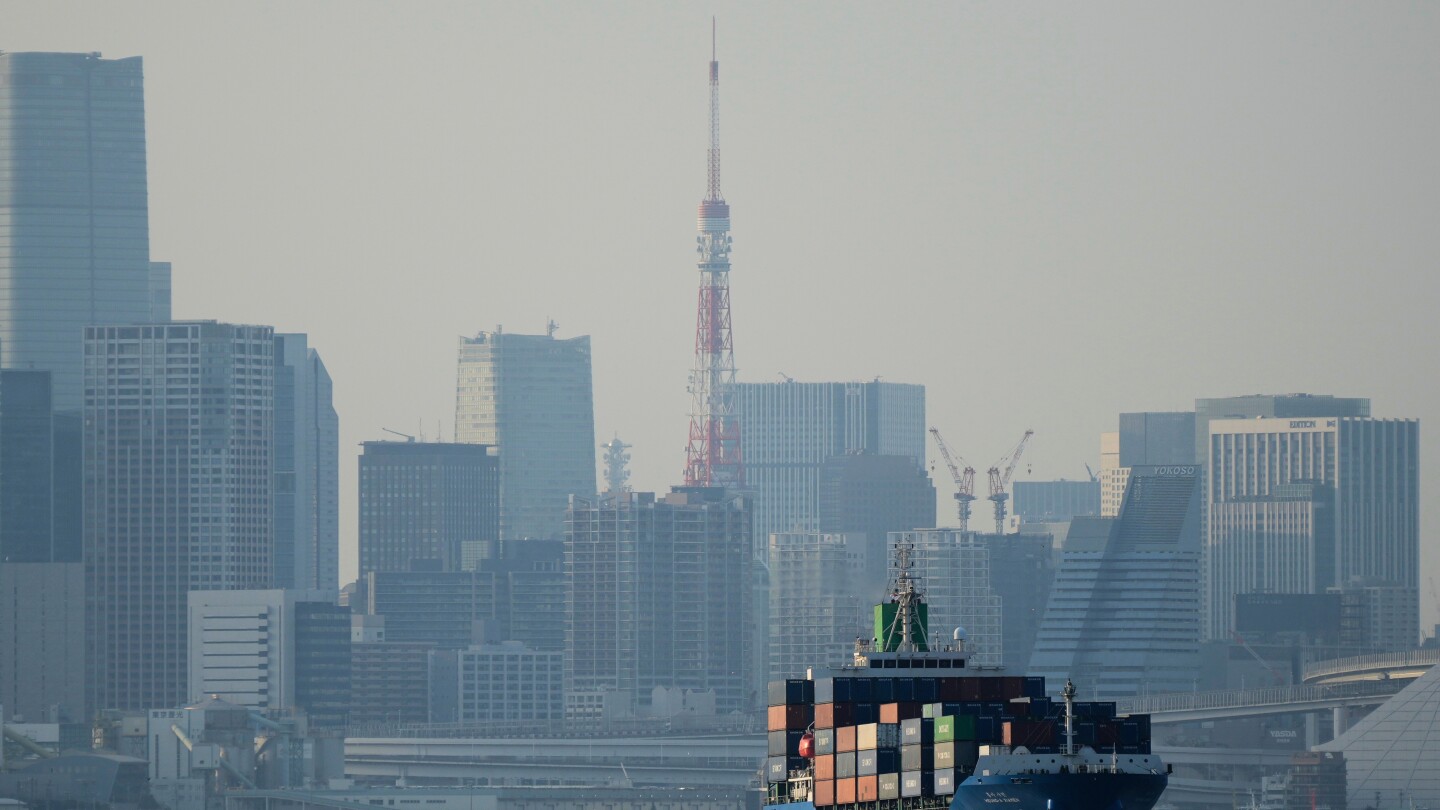
Japan’s exports and imports grow in September despite Trump’s tariffs
Japan’s export sector demonstrated resilience in September, with a 4.2% year-on-year increase, according to data released by the Ministry of Finance on Wednesday. This growth was primarily fueled by a 9.2% surge in exports to Asian markets, which helped counterbalance a significant 13.3% decline in shipments to the United States. The drop in U.S.-bound exports, marking the sixth consecutive month of decline, was largely attributed to tariffs imposed by former President Donald Trump. Notably, auto exports to the U.S. plummeted by 24.2%, a concerning trend for Japanese automakers like Toyota Motor Corp., which play a pivotal role in the nation’s economy. Meanwhile, exports to China rose by 5.8%, highlighting the growing importance of Asian trade partnerships. On the import side, Japan saw a modest 3.3% overall increase, with imports from Asia climbing 6%, including a 9.8% rise from China. The trade data coincides with the historic appointment of Sanae Takaichi as Japan’s first female prime minister. Takaichi, known for her nationalist and conservative views, has pledged to boost public spending, increase wages, and implement looser monetary policies, which could weaken the yen and benefit exporters. However, her policy agenda faces significant hurdles, as the ruling Liberal Democratic Party lacks a majority in parliament and remains internally divided. Trump’s upcoming visit to Japan later this month is expected to address the trade framework established in July, which imposed a 15% tariff on Japanese goods—a reduction from the initially proposed 25% rate. Japan had previously committed to investing $550 billion in the U.S. and opening its markets to American automobiles and rice.
-

Gulf states won’t reconstruct Gaza without political settlement, former Jordanian foreign minister says
The reconstruction of Gaza, described by U.S. President Donald Trump as a ‘demolition site,’ has become a contentious issue, with Gulf states reportedly left out of critical discussions. Marwan Muasher, former Jordanian foreign minister and current vice president of studies at the Carnegie Endowment for International Peace, revealed that Gulf nations were not consulted about their potential role in rebuilding Gaza. This comes after two years of intense conflict between Israel and Palestine, which has left the region in ruins. Muasher emphasized that without a durable political settlement, Gulf states have no interest in contributing to reconstruction efforts. A lasting solution, he argued, must include the recognition of a Palestinian state for the 7.5 million Palestinians living in occupied territories. However, the Trump administration’s pro-Israel stance, influenced by Christian Evangelicals who avoid using the term ‘Palestinian,’ has distanced itself from such recognition. Israel’s Knesset has also rejected the two-state solution, a policy that has underpinned negotiations since the 1990s. Muasher expressed skepticism about the feasibility of reconstruction, noting that past pledges and conferences have yielded little tangible progress. Amr Hamzawy, director of Carnegie’s Middle East programme, highlighted Egypt’s efforts to organize a reconstruction summit for Gaza, but acknowledged the ambiguous political conditions. While a comprehensive reconstruction plan exists, its implementation hinges on political will from Israel and international support. Muasher remains pessimistic about Trump’s ceasefire plan, citing its lack of clarity on key issues like reconstruction and stabilization. However, he remains hopeful about the eventual recognition of Palestinian statehood, asserting that the presence of 7.5 million Palestinians makes it an inevitability, albeit not in the near future.
-

Labubu maker sees sales soar after launch of mini version of toy
Pop Mart, the renowned Chinese toy manufacturer behind the wildly popular Labubu dolls, has reported a significant surge in sales following the August release of its mini Labubu series. The company’s global revenue for the quarter ending September soared by approximately 250% compared to the same period last year. This remarkable growth was fueled by a dramatic increase in international sales, with revenue in the United States skyrocketing by over 1,200% and European sales climbing by more than 700%.
-
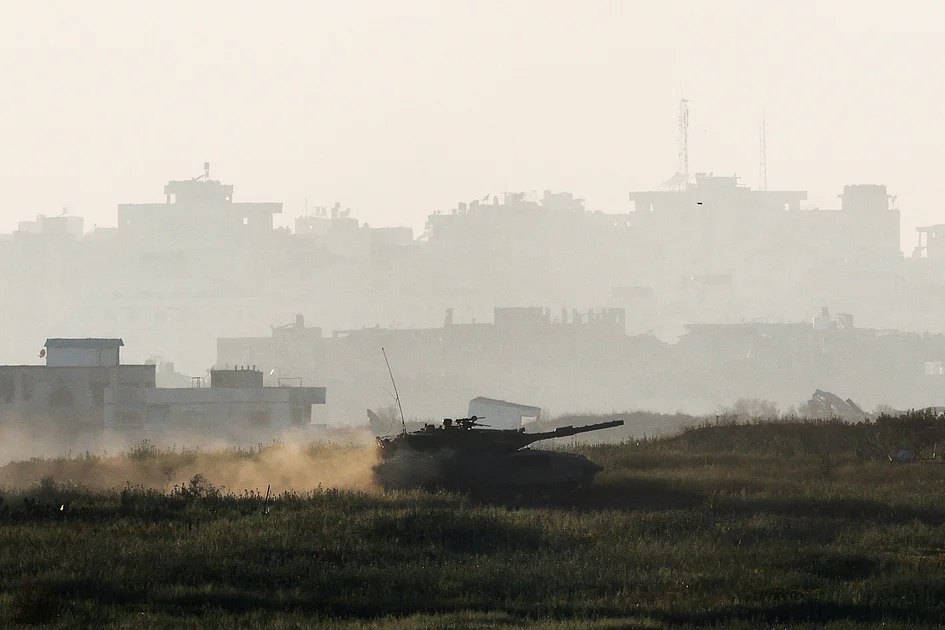
UK deploys small number of military officers to Israel following US request
In a strategic move to bolster stabilization efforts in Gaza, the United Kingdom has dispatched a small contingent of military planning officers to Israel. This deployment comes at the request of the United States, which is spearheading a multinational task force aimed at ensuring security in the region. The initiative, known as the Civil-Military Coordination Centre (CMCC), seeks to stabilize the fragile truce between Israel and Hamas while advancing a 20-point ceasefire plan proposed by US President Donald Trump.
The CMCC, still in its formative stages, has yet to finalize key details such as its composition, operational roles, chain of command, and legal framework. The US has committed up to 200 troops to support the force, though they will not be directly deployed in Gaza. Additionally, the US is engaging with other nations, including Indonesia, the UAE, Egypt, Qatar, Turkey, and Azerbaijan, to contribute to the effort.
A spokesperson for the UK Ministry of Defence confirmed that a ‘small number of UK planning officers’ have been embedded within the CMCC, including a two-star deputy commander. The deployment underscores the UK’s commitment to supporting US-led planning for post-conflict stability in Gaza. ‘The UK continues to work with international partners to support the Gaza ceasefire and contribute to the peace process,’ the spokesperson stated.
British Defence Minister John Healey emphasized that the UK brings ‘specialist experience and skills’ to the table, though it will not lead the initiative. He confirmed that the deployment was made in direct response to a US request, highlighting the collaborative nature of the effort. This move reflects the UK’s ongoing engagement in international peacekeeping and its alignment with US strategic objectives in the Middle East.
-

Louvre jewel heist: Stolen items valued at $102 million, says French prosecutor
In a daring daylight robbery at the Louvre Museum in Paris, thieves made off with priceless royal jewels valued at $102 million, according to French prosecutor Laure Beccuau. The heist, which lasted just seven minutes, involved four individuals who used an extendable ladder to break into the museum’s Apollo Gallery. Authorities are currently analyzing fingerprints and reviewing surveillance footage to track down the culprits, believed to be part of an organized crime group. The stolen items include an emerald-and-diamond necklace gifted by Napoleon I to his wife, Empress Marie-Louise, and a diamond-studded diadem once owned by Empress Eugenie. The incident has reignited concerns over the security of France’s cultural institutions, following similar thefts in recent months. Louvre officials defended their security measures, stating that the display cases, installed in 2019, represented a significant upgrade. Meanwhile, Interior Minister Laurent Nunez has pledged to enhance security around cultural sites. The museum remained closed on Tuesday, leaving tourists disappointed.
-
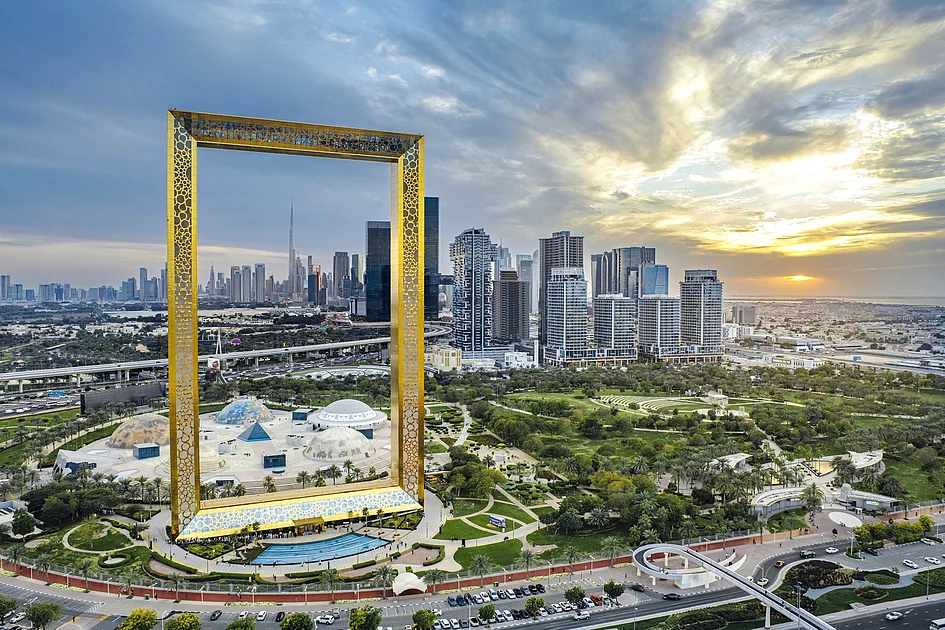
Data is the new emerging currency in Dubai real estate
Dubai’s real estate sector is undergoing a significant transformation, driven by the increasing demand for transparency, digital tools, and data-driven insights. In a rapidly maturing market, traditional methods of intuition and charm are no longer sufficient for real estate professionals. Today, agents must evolve into data strategists, analysts, and trusted advisors to meet the expectations of modern investors and buyers.