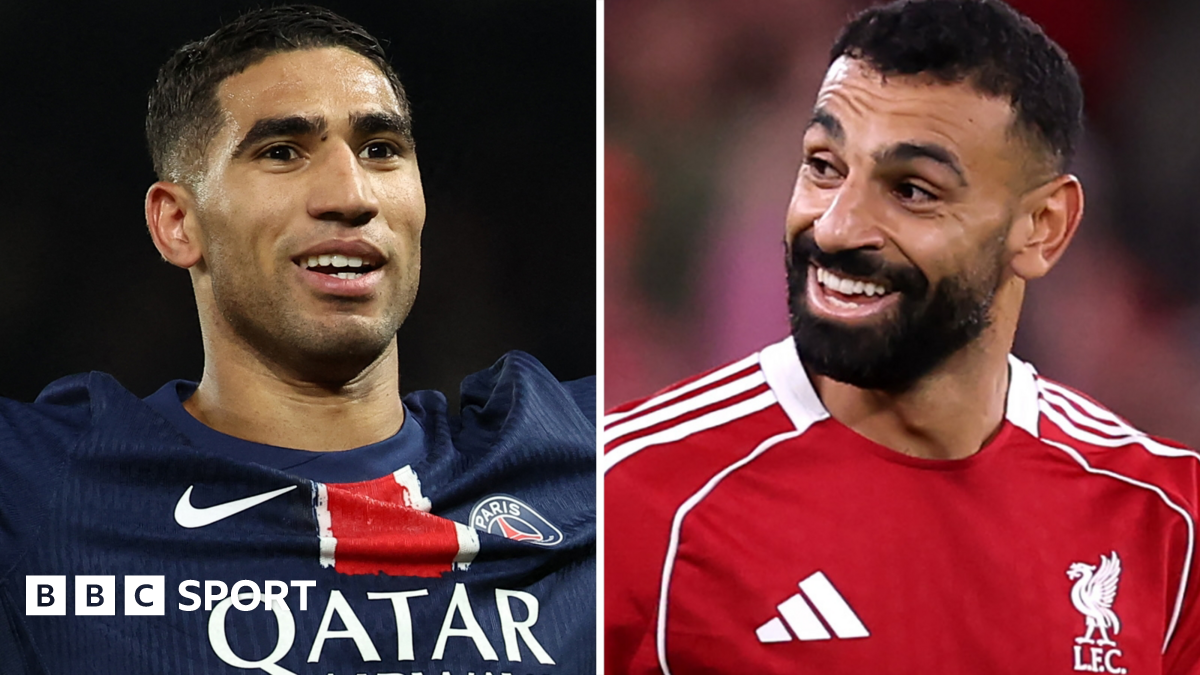
The Confederation of African Football (CAF) has unveiled the 10-man shortlist for the prestigious 2025 African Footballer of the Year Award, with Achraf Hakimi and Mohamed Salah emerging as the frontrunners. Hakimi, the Moroccan right-back, played a pivotal role in Paris St-Germain’s domestic league and cup double, as well as their Champions League triumph last season. Salah, the Egyptian forward, secured the Premier League Golden Boot and helped Liverpool reclaim the league title. Other notable contenders include Everton’s Iliman Ndiaye, Tottenham’s Pape Matar Sarr, and Galatasaray’s Victor Osimhen, the 2023 winner. The list also features Cameroon’s Andre-Frank Zambo Anguissa, DR Congo’s Fiston Mayele, Gabon’s Denis Bouanga, Guinea’s Serhou Guirassy, and Morocco’s Oussama Lamlioui. Salah, a two-time winner in 2017 and 2018, and Hakimi, a runner-up in the past two years, are expected to be the primary challengers for the title. Last year’s winner, Ademola Lookman, did not make the cut. The nominees were selected by a panel of experts based on their significant impact between January 6 and October 15, 2024. Cape Verde’s coach Bubista is also in contention for the Men’s Coach of the Year after leading his team to a historic World Cup qualification. The awards ceremony date is yet to be announced by CAF.
作者: admin
-
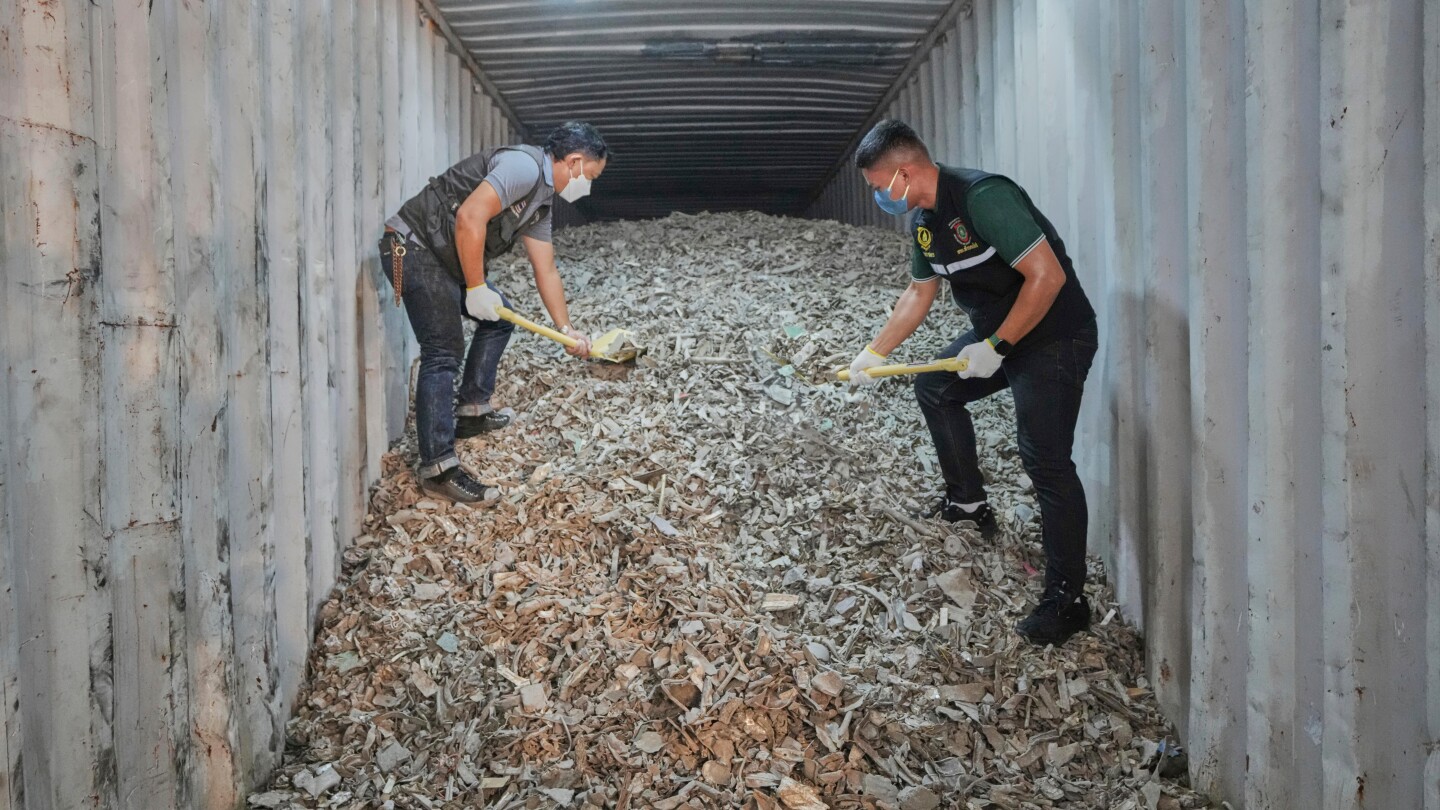
Watchdog report says American e-waste is causing a ‘hidden tsunami’ in Southeast Asia
A groundbreaking report by the Seattle-based environmental watchdog Basel Action Network (BAN) has revealed that millions of tons of discarded electronics from the United States are being shipped to developing countries, particularly in Southeast Asia. These nations, ill-equipped to handle hazardous waste, are facing an environmental crisis as toxic materials from e-waste seep into their ecosystems. The report, based on a two-year investigation, identified at least 10 U.S. companies exporting used electronics to Asia and the Middle East, labeling the phenomenon as a ‘hidden tsunami’ of electronic waste.
-
Putin directs drills of Russian nuclear forces as his summit with Trump is put on hold
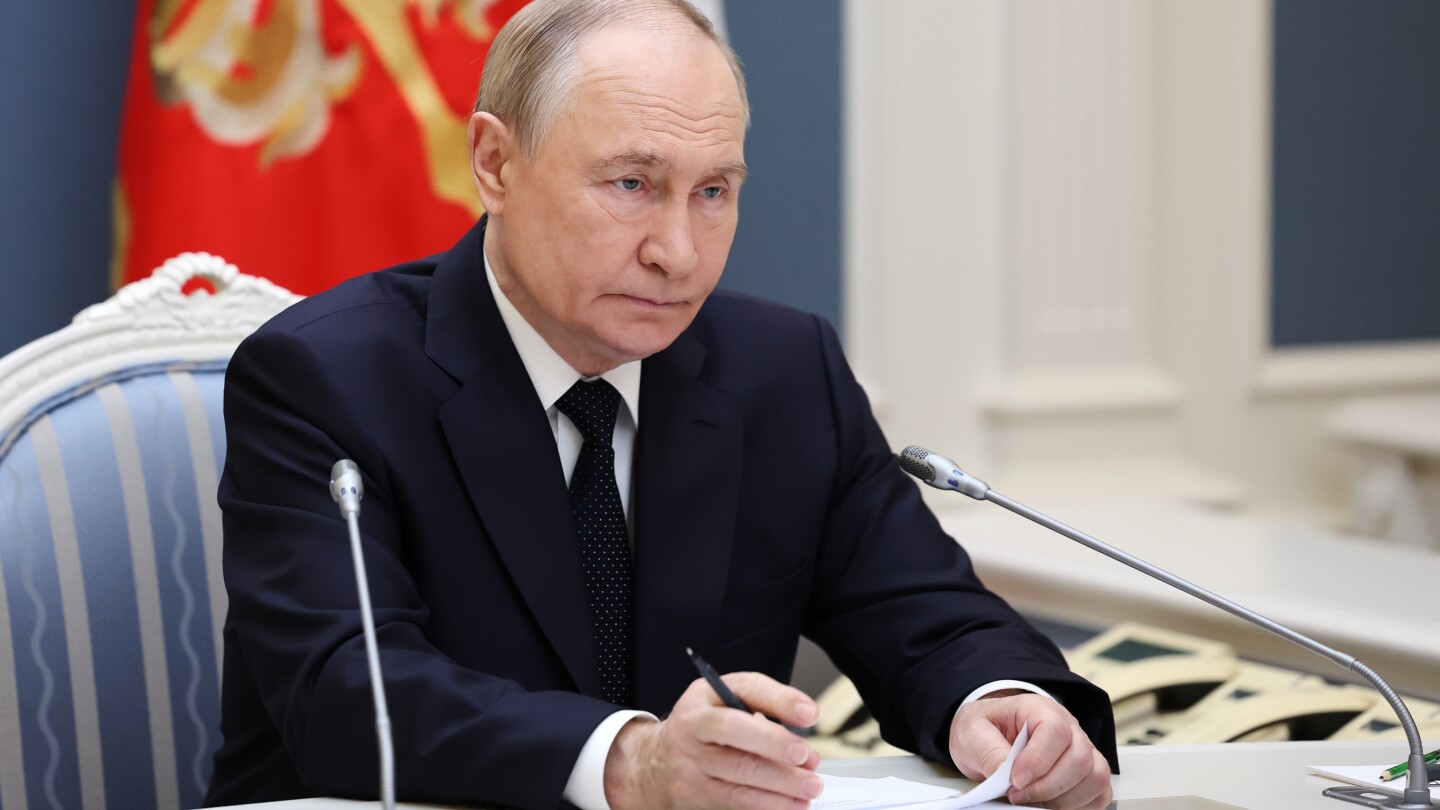
Russian President Vladimir Putin oversaw extensive drills of the nation’s strategic nuclear forces on Wednesday, which included the test-firing of intercontinental ballistic missiles (ICBMs) and long-range cruise missiles. The exercises, involving all components of Russia’s nuclear triad, were conducted amid the postponement of a planned summit with U.S. President Donald Trump focused on the ongoing conflict in Ukraine. The Kremlin confirmed that a Yars ICBM was launched from the Plesetsk facility in northwestern Russia, while a Sineva ICBM was fired from a submarine in the Barents Sea. Additionally, Tu-95 strategic bombers participated in the maneuvers, demonstrating Russia’s nuclear capabilities. General Valery Gerasimov, Chief of the Russian General Staff, reported to Putin via video link that the drills were designed to simulate procedures for authorizing the use of nuclear weapons. Putin, seated alone at a round table, monitored the exercises through live feeds featuring Gerasimov and Defense Minister Andrei Belousov. The Kremlin emphasized that the drills had been pre-planned, though they coincided with Trump’s announcement that the proposed summit in Budapest was on hold. Trump cited concerns over the meeting’s potential inefficiency, while Kremlin spokesman Dmitry Peskov stressed the need for thorough preparation to ensure productive discussions. The postponement comes as Russia remains opposed to an immediate ceasefire in Ukraine, and Trump’s stance on key issues in the conflict continues to evolve.
-
Up to Dh2,000 a week on dining out: How UAE, other Middle East countries eat
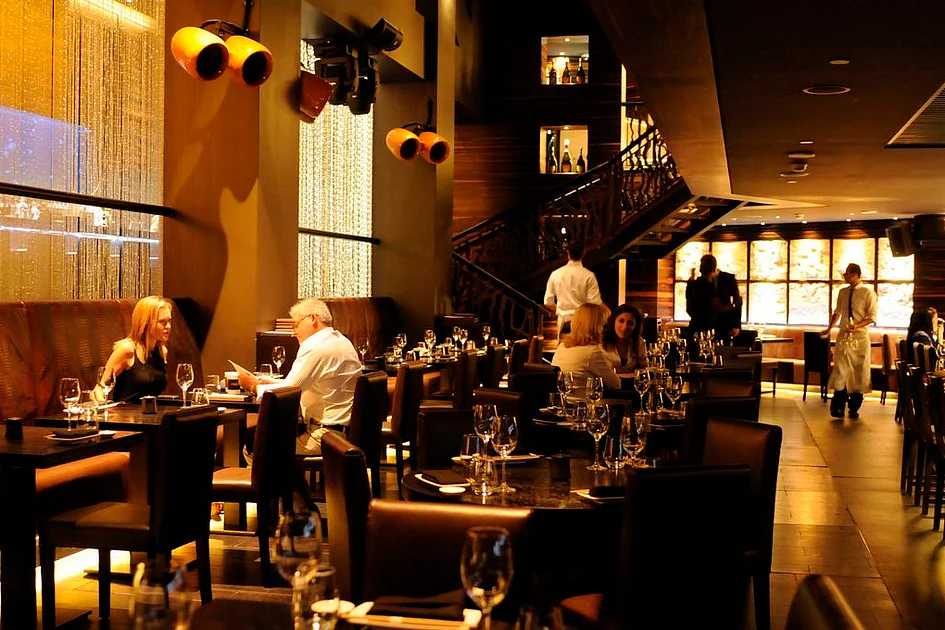
The Middle East is witnessing a significant shift in dining habits, driven by evolving consumer priorities around cost, health, and sustainability, according to a recent report by PwC titled *Voice of the Consumer 2025: Middle East Findings*. The study highlights that 53% of consumers in the region, including the UAE, purchase prepared foods or order takeaways at least once a week, significantly higher than the global average of 30%. Additionally, 40% dine out one to three times weekly, compared to 25% globally. However, rising costs and health concerns are prompting many to rethink their habits. Natalia Mirada, an American expat in Dubai, shared how her family reduced weekly food expenses from Dh1,000 to Dh300 by cutting back on deliveries and adopting healthier practices, such as preparing fresh juices and minimizing plastic waste. Similarly, Indian expat Rivu Mukherjee noted that while convenience often dictates frequent dining out, his family remains mindful of responsible food disposal. Despite these shifts, sustainability and ethical considerations remain low on the priority list for most consumers, with only 5% influenced by locally produced or organic food. For others, dining out is less about convenience and more about indulgence and shared experiences. Kazakh national Aigerim Nursultanova revealed her family spends Dh1,500-2,000 weekly on high-end restaurants, viewing dining as a cherished family activity. The report underscores a region in transition, balancing convenience with growing awareness of health and environmental impact.
-

In pictures: Violent protest outside Dublin migrant hotel
A tense and volatile situation unfolded in Dublin on Tuesday evening as a protest outside a hotel housing asylum seekers escalated into violence. The Citywest Hotel in Saggart became the focal point of unrest, with riot police deployed to maintain order. Demonstrators, reportedly incensed by an alleged sexual assault of a young girl in the area earlier in the week, clashed with Gardaí (Irish police). The officers faced a barrage of bricks, fireworks, and glass bottles, leading to significant property damage, including a police van set ablaze. Authorities swiftly responded, arresting six individuals, five of whom have since been charged. The incident highlights growing tensions surrounding immigration policies and the treatment of asylum seekers in Ireland, raising concerns about public safety and social cohesion.
-
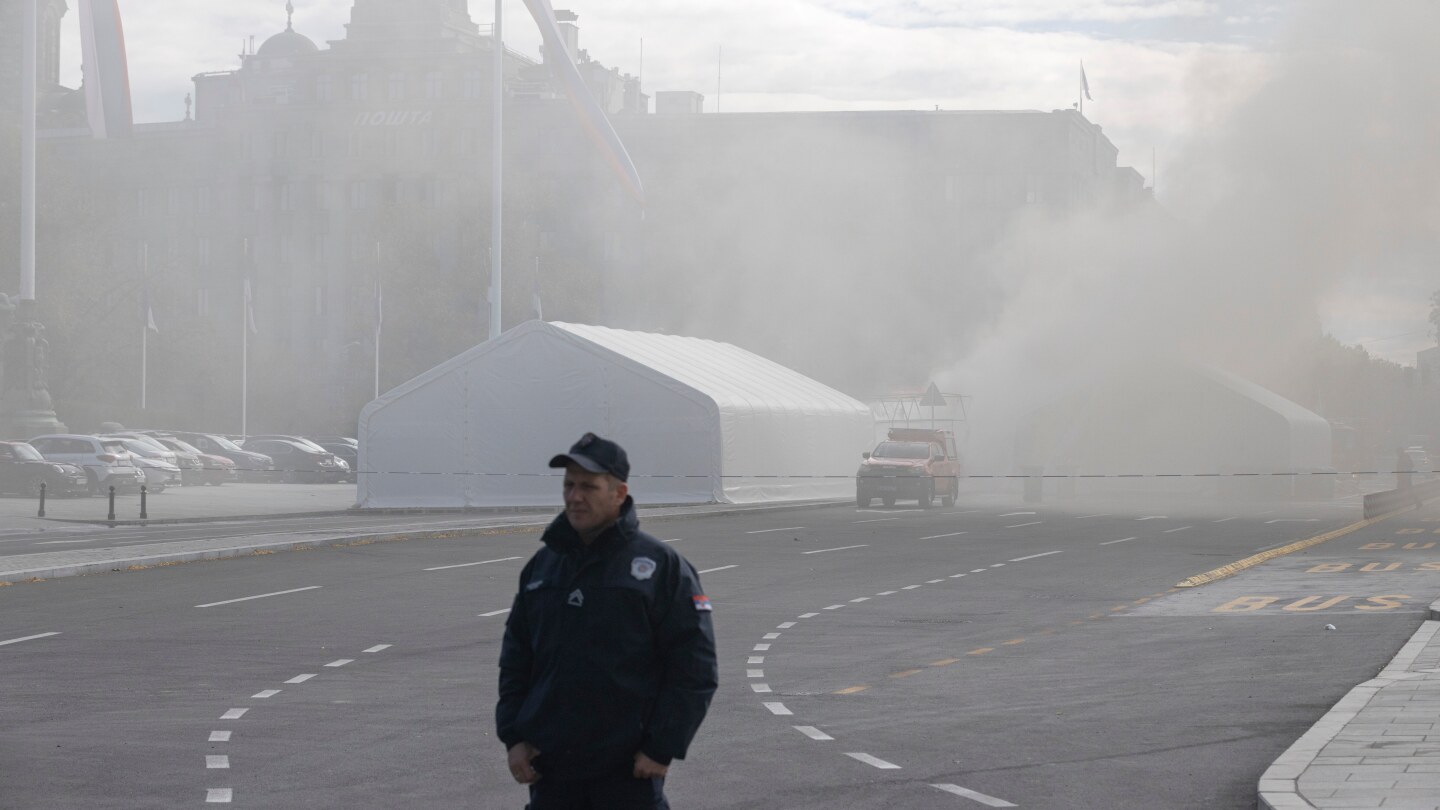
Fire and shooting at a camp in Belgrade hosting the president’s loyalists injures 1
A fire accompanied by reported gunfire at a camp supporting Serbian President Aleksandar Vucic in central Belgrade on Wednesday left one person injured, according to officials. President Vucic swiftly labeled the incident as a ‘terrorist attack,’ attributing it to political motives. The camp, colloquially known as ‘Caciland,’ was established in March as a human shield against ongoing anti-government protests, which have posed the most significant challenge to Vucic’s rule in recent months. The fire broke out in the early hours, engulfing one of the tents after a series of popping sounds resembling gunfire. Footage showed police officers taking cover and drawing their weapons, urging bystanders to do the same. Vucic held an impromptu press conference, presenting video evidence of the alleged shooter, who reportedly confessed to being ‘annoyed by the tents’ and seeking police intervention. Pro-government media outlets accused opposition figures of orchestrating the attack. Health Minister Zlatibor Loncar confirmed that one individual sustained serious injuries from the shooting, describing the perpetrator as ‘a man who thinks differently.’ The incident occurred just days before a planned mass rally in Novi Sad, marking the anniversary of a tragic canopy collapse that killed 16 people and sparked widespread youth-led protests against Vucic’s authoritarian governance. Authorities have intensified efforts to suppress dissent, including reports of arbitrary arrests and police violence, as protesters continue to demand early parliamentary elections.
-
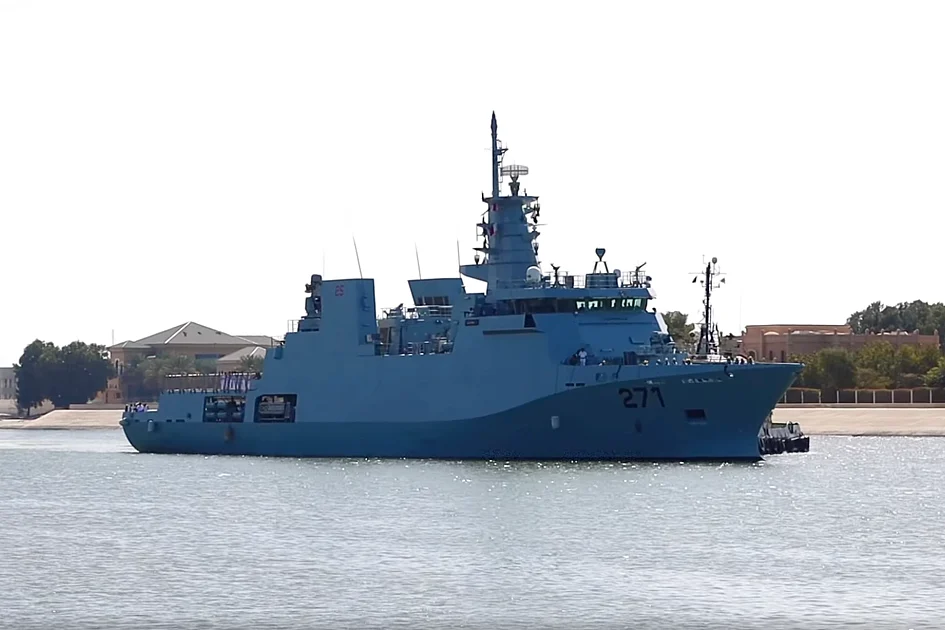
Saudi-led task force, Pakistan Navy seize drugs worth nearly $1 billion in Arabian Sea
In a significant maritime operation, the Saudi-led Combined Task Force (CTF) 150, in collaboration with the Pakistan Navy, intercepted narcotics worth nearly $1 billion in the Arabian Sea. The operation, conducted by the Pakistani naval vessel PNS Yarmook, targeted two sailboats within a 48-hour period. The first interception on October 18 yielded over two tons of crystal methamphetamine, valued at approximately $822.4 million. The second operation, less than two days later, resulted in the seizure of 350 kg of crystal methamphetamine worth $140 million and 50 kg of cocaine valued at $10 million. The Combined Maritime Forces (CMF), a 47-nation naval partnership, confirmed that the intercepted vessels were stateless, with no indication of their origin. Commodore Fahad Aljoiad of the Royal Saudi Naval Forces described the operation as one of the most successful narcotics seizures in CMF history. The U.S. Central Command also praised the efforts of the CTF 150, which patrols over 3 million square miles of sea, including critical global shipping lanes, to combat drug and weapon smuggling.
-
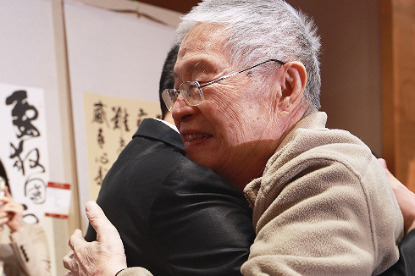
Taiwan youths recite family letters, evoking emotional response
In a deeply moving ceremony held at the Taiwan Guild Hall in Beijing, Taiwanese youths Lin Kuan-ting and Lin Yen-chen recited family letters penned by Lin Cheng-heng, an eighth-generation descendant of Taiwan’s Wufeng Lin family and a prominent figure in the resistance against Japanese aggression. The event marked the 80th anniversary of Taiwan’s retrocession to China, drawing an emotional response from attendees, including Lin Yimin, the son of Lin Cheng-heng, and his wife, who were visibly moved to tears. The recitation highlighted the enduring bonds of family and national identity, resonating with the audience and underscoring the historical significance of Taiwan’s return to Chinese sovereignty. The event not only commemorated a pivotal moment in history but also served as a poignant reminder of the shared heritage and cultural ties between Taiwan and mainland China.
-
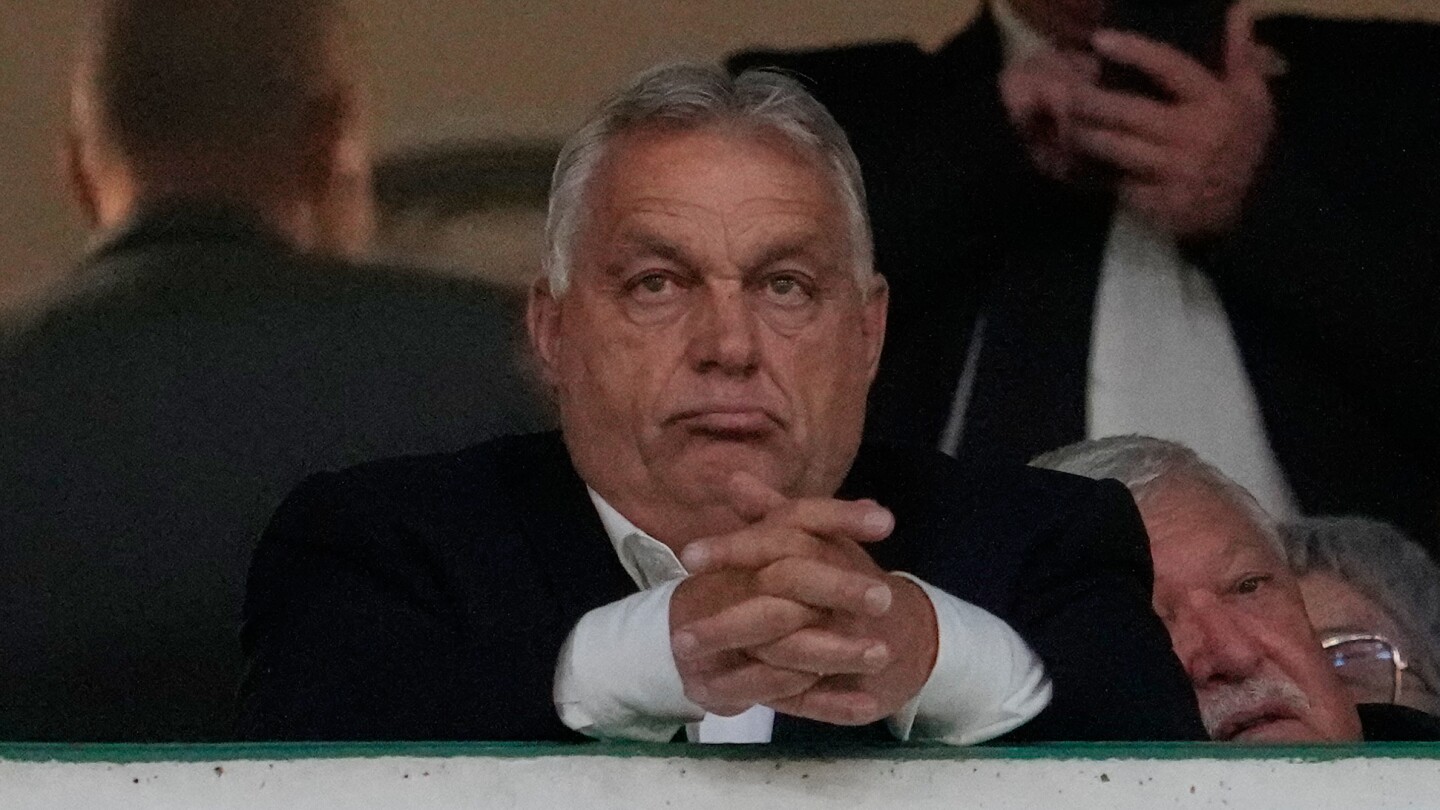
Orbán and his main rival plan dueling demonstrations as Hungary’s elections near
Hungary’s political landscape is set for a dramatic showdown as the nation’s two leading parties prepare to hold competing demonstrations on Thursday, coinciding with a national holiday. The events, expected to draw hundreds of thousands, mark the unofficial launch of the campaign for the 2025 parliamentary elections. Prime Minister Viktor Orbán, Hungary’s long-serving leader, faces a challenging political climate as he trails in recent polls behind his primary rival, Péter Magyar, a former insider within Orbán’s Fidesz party. Orbán aims to rally his base, which has been unsettled by political scandals, economic stagnation, and rising living costs. Meanwhile, Magyar seeks to capitalize on widespread dissatisfaction, transforming his rally into both a political event and an anti-government protest. Observers will closely monitor the turnout and fervor of the crowds, which could signal shifting dynamics in Hungary’s deeply polarized political environment. The demonstrations also coincide with the 69th anniversary of Hungary’s 1956 anti-Soviet uprising, a date laden with historical significance. Orbán’s recent alignment with Russia, including his warm relations with the Kremlin and combative stance toward Ukraine, has drawn criticism and sparked protests. His supporters, however, remain steadfast, organizing a “peace march” where Orbán is expected to emphasize the perceived threats posed by Ukraine and the necessity of dialogue with Moscow. Magyar, on the other hand, has focused his campaign on addressing pressing domestic issues such as inflation, healthcare, and economic stagnation, particularly in rural areas that have traditionally supported Fidesz. The political rivalry has intensified, with Orbán’s government leveraging its media apparatus to discredit Magyar, accusing him of collusion with Ukrainian secret services and spreading AI-generated misinformation. Magyar has dismissed these allegations, maintaining his focus on improving Hungary’s standard of living and restoring its standing within the European Union. As the campaign heats up, Orbán’s declining popularity, coupled with corruption allegations and EU scrutiny, adds further complexity to Hungary’s political future.
-
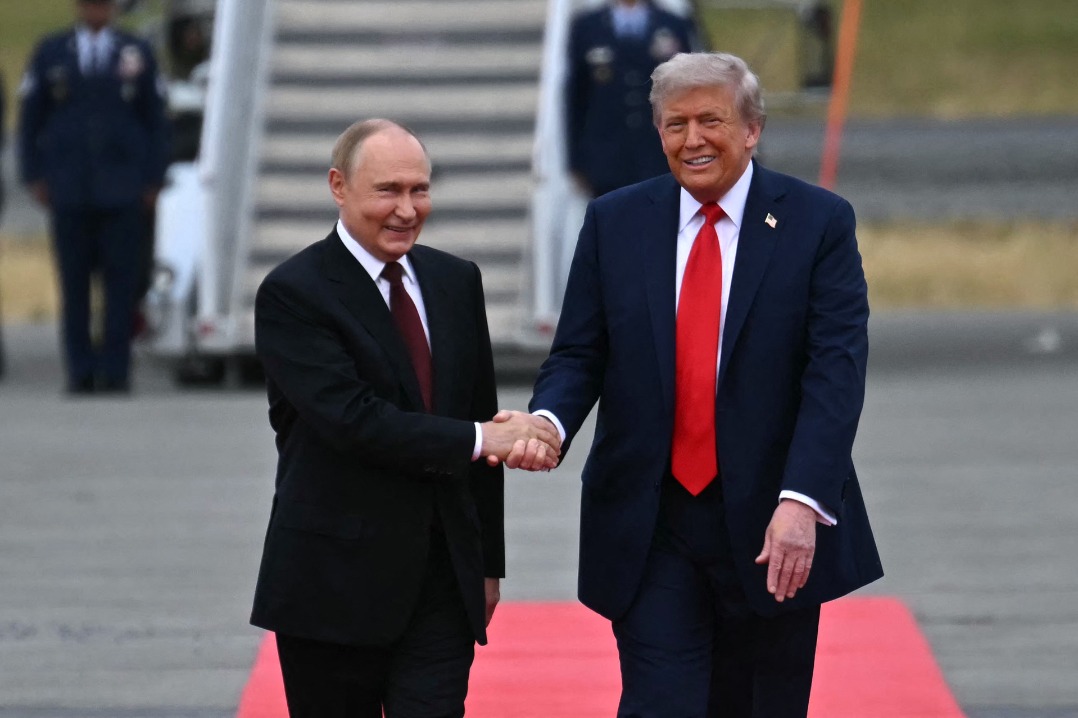
Putin-Trump meeting in Hungary postponed, timing undecided
The highly anticipated meeting between US President Donald Trump and Russian President Vladimir Putin, initially scheduled to take place in Hungary, has been postponed indefinitely. This development follows a recent phone conversation between US Secretary of State Marco Rubio and Russian Foreign Minister Sergei Lavrov, described as ‘constructive but inconclusive.’ Both US and Russian officials confirmed the delay, emphasizing the need for ‘serious preparation’ before any summit can occur. Kremlin spokesman Dmitry Peskov reiterated that the timing of a potential meeting remains undetermined. Despite the setback, Kirill Dmitriev, Russia’s special envoy for investment and economic cooperation, assured on social media that preparations for a future summit are ongoing and that the meeting has not been canceled. The postponement comes after Trump met with Ukrainian President Volodymyr Zelensky at the White House last week, where he ruled out a trilateral summit involving Russia and Ukraine due to the ongoing tensions between the two nations. Trump and Putin last met in Alaska in August, but their discussions failed to yield a breakthrough in the Russia-Ukraine conflict, leaving ceasefire negotiations at a standstill.