作者: admin

  • Short videos displaying stunning photographs of Hebei mesmerize visitors

    Short videos displaying stunning photographs of Hebei mesmerize visitors

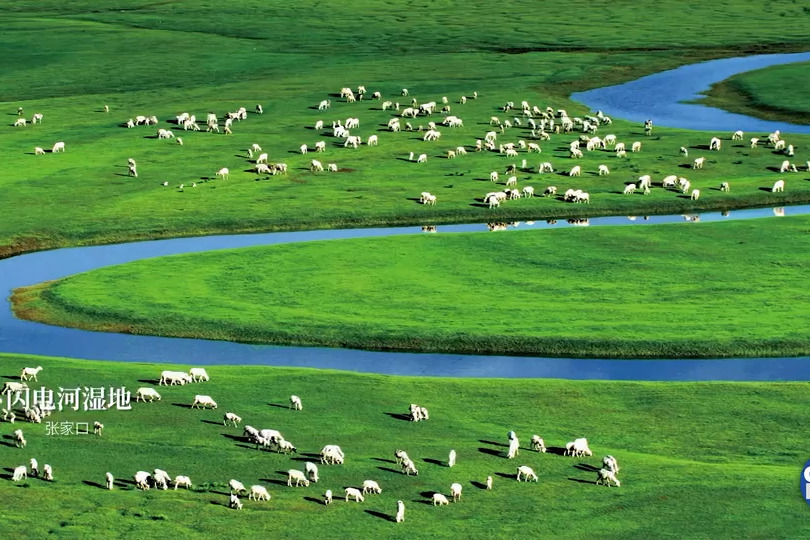
    A groundbreaking visual project titled ‘Beautiful Hebei’ has launched, transforming 198 exceptional photographs into an immersive video series that showcases the diverse appeal of China’s Hebei province. Organized by the Hebei Photographers Association, this innovative presentation combines images from specialized submissions, institutional collections, and the association’s own archives to create eleven compelling episodes.

    The series is structured around three distinct thematic pillars that highlight the province’s multifaceted charm. The first segment, comprising three episodes dedicated to ‘Natural Beauty,’ transports viewers through Hebei’s majestic mountain ranges, pristine river systems, and expansive forest landscapes. This is followed by another trilogy focusing on ‘Ecological Beauty,’ which documents the province’s remarkable environmental restoration efforts and demonstrates the successful harmony between human development and natural preservation.

    The final five episodes explore ‘Humanistic Beauty,’ delving into Hebei’s rich historical tapestry and cultural legacy. This segment features specialized examinations of iconic subjects including the Great Wall’s architectural marvels, the enduring Grand Canal culture, and ancient ceremonial traditions that have been preserved through generations.

    Strategically positioned to capitalize on digital media consumption trends, the short video format offers international audiences a captivating visual gateway to the province that neighbors Beijing and Tianjin. The project represents a sophisticated marriage of photographic artistry and digital storytelling, serving both as cultural promotion and tourism enhancement initiative. The second installment, ‘Natural Beauty 2,’ is currently being released to continue this visual narrative of regional appreciation.

  • China’s top court balances innovation, public interest in IP protection

    China’s top court balances innovation, public interest in IP protection

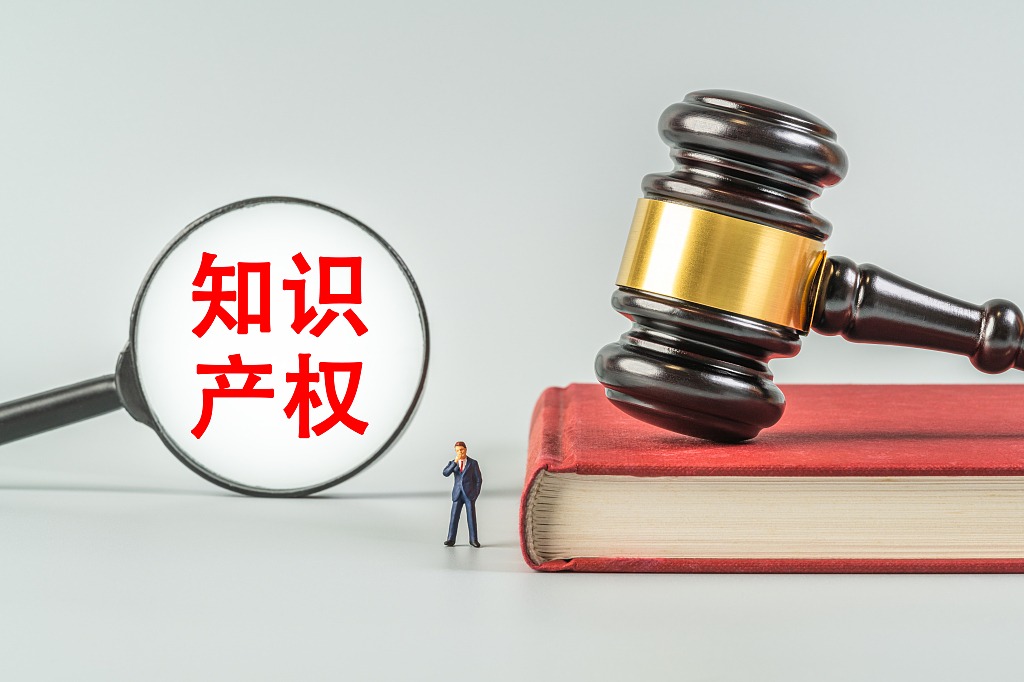
    In a significant development for China’s legal landscape, the Supreme People’s Court has articulated a sophisticated approach to intellectual property jurisprudence that carefully balances robust protection for innovators with broader public interest considerations. Deputy Chief Judge He Zhonglin of the court’s Intellectual Property Division revealed compelling data demonstrating this dual-focused strategy in action.

    Since its establishment in January 2019, the specialized IP Court has rendered punitive damages in 58 separate cases, amounting to total compensation awards of 2.05 billion yuan (approximately $295 million). Additionally, 73 cases have resulted in individual compensation exceeding 10 million yuan, collectively totaling 5.24 billion yuan in awarded damages.

    Judge He characterized protection and interest balancing as two fundamental pillars of effective IP governance. “Protection serves as the foundational element,” he explained, “while interest balancing represents the ultimate objective of our judicial work.” This philosophy responds to the increasing complexity of IP cases, particularly those involving cutting-edge technologies and strategic emerging industries.

    The rising compensation figures reflect both China’s evolving economic landscape and deliberate judicial policy. Judge He noted that higher awards directly correlate with the nation’s technological advancement, market expansion, and intensified business competition. “As China progresses toward high-quality development,” he observed, “intellectual property has transformed into core corporate assets and critical competitive tools, consequently increasing market valuations and amplifying the impact of infringement activities.”

    Addressing whether higher compensation invariably signifies better protection, Judge He emphasized evidentiary rigor as the court’s guiding principle. The judiciary calibrates awards according to innovation levels and infringement severity—applying substantial damages for highly innovative works with significant harm, while awarding appropriate but reduced compensation for cases involving modest innovation with limited damage.

    The court’s approach represents implementation of both central leadership directives and legal mandates strengthening IP rights. Looking forward, Judge He affirmed the court’s commitment to “maintaining strict protection while optimally balancing rights holders’ interests with public benefits, ultimately achieving equilibrium between protection and innovation promotion to stimulate market competition vitality.”

  • Pay with your face: UAE introduces region’s first biometric payment method

    Pay with your face: UAE introduces region’s first biometric payment method

    The United Arab Emirates has launched the Middle East’s inaugural biometric payment system, marking a significant advancement in financial technology infrastructure. The Central Bank of the UAE (CBUAE) is currently conducting a proof-of-concept pilot at the Dubai Land Department, enabling consumers to complete transactions through facial recognition or palm scanning technology.

    This groundbreaking initiative operates within the CBUAE’s Sandbox Programme and Innovation Hub at the Emirates Institute of Finance, developed in partnership with Network International and powered by PopID’s biometric authentication technology. The system eliminates traditional payment instruments, allowing users to authenticate purchases without physical cards or mobile devices.

    Central Bank officials emphasize that the pilot program remains in a controlled testing environment where security protocols, operational efficiency, and system readiness undergo rigorous evaluation. No definitive timeline has been established for commercial deployment beyond the experimental phase.

    Saif Humaid Al Dhaheri, Assistant Governor for Banking Operations and Support Services at CBUAE, highlighted the dual benefits of enhanced transaction security and improved customer experience. Meanwhile, Network International CEO Murat Cagri Suzer projected that biometric authentication will assume an increasingly prominent role in digital commerce as financial institutions seek alternatives to conventional payment methodologies.

    The development aligns with broader regional trends toward digital payment adoption, with recent reports indicating declining cash usage across UAE markets. This innovation represents the latest advancement in the country’s ongoing digital transformation initiatives within the financial sector.

  • Netherlands ‘insufficiently’ protects Caribbean island from climate change: court

    Netherlands ‘insufficiently’ protects Caribbean island from climate change: court

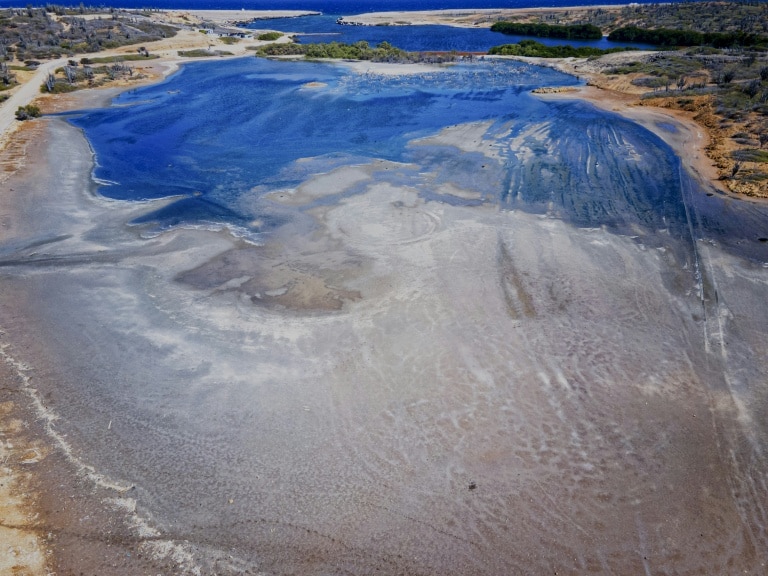
    In a landmark environmental justice ruling, the Hague District Court declared Wednesday that the Netherlands has provided “insufficient” protection to its Caribbean territory of Bonaire against climate change impacts. The court found the Dutch government in violation of human rights by treating Bonaire’s 27,000 residents differently from citizens in the European Netherlands without justification.

    The case was brought forward by Bonaire residents in collaboration with Greenpeace, demanding concrete measures to shield the low-lying island from rising sea levels and extreme weather events. The court ordered the Netherlands to establish binding interim targets for economy-wide greenhouse gas reductions within 18 months.

    This ruling represents the first major test case of a state’s climate obligations following the International Court of Justice’s recent advisory opinion, which stated that violating climate commitments constitutes an unlawful act. The decision could set a globally significant precedent for climate litigation.

    Greenpeace Netherlands director Marieke Vellekoop hailed the judgment as “groundbreaking” and “truly historic,” noting that Bonaire residents finally received recognition that the government has discriminated against them in climate protection measures.

    Evidence presented during hearings revealed the sea could submerge up to one-fifth of Bonaire by century’s end, according to research from Amsterdam’s Vrije Universiteit. Residents testified about increasingly unbearable heat making traditional activities impossible in areas where they once worked, played, and fished.

    The court emphasized that while European and Caribbean climates differ, this provides no justification for delayed or less systematic protection measures for Bonaire residents, who face more immediate and severe climate impacts. The ruling signals growing judicial recognition that major polluters bear responsibility for climate-related damages across vulnerable territories.

  • Gay ice hockey drama ‘Heated Rivalry’ becomes a surprise hit in Russia despite anti-LGBTQ+ laws

    Gay ice hockey drama ‘Heated Rivalry’ becomes a surprise hit in Russia despite anti-LGBTQ+ laws

    LONDON — Defying geopolitical tensions and domestic censorship laws, the LGBTQ+ television drama “Heated Rivalry” has emerged as an unexpected cultural force in Russia despite strict prohibitions on homosexual representation. The series, adapted from Rachel Reid’s 2019 novel, has transformed its previously unknown leads Hudson Williams and Connor Storrie into global icons within weeks of its December 2025 debut.

    The narrative traces the clandestine decade-long romance between Canadian athlete Shane Hollander (Williams) and Russian hockey player Ilya Rozanov (Storrie), blending explicit intimacy with prolonged emotional tension. While officially banned under Russia’s anti-LGBTQ+ legislation, the show has achieved unprecedented popularity through unofficial channels, recording an 8.6 rating on Russian platform Kinopoisk—surpassing previous record-holders “Breaking Bad” and “Game of Thrones.”

    Mikhail Zygar, a Russian journalist and author who grew up closeted in the Soviet era, identifies the series as transformative cultural resistance. “It shows that people can fall in love and it’s so beautiful,” Zygar noted. “The popularity definitely may change perceptions from the broader audience.”

    This underground popularity emerges against a repressive backdrop: Russia’s Supreme Court recently designated the “international LGBT movement” as extremist, potentially imprisoning supporters for six years. Gender-affirming care and document changes are prohibited, while streaming services routinely censor LGBTQ+ content—from excising transgender characters in “Twin Peaks” to redubbing dialogues in “The Sopranos.”

    Paradoxically, while Russian authorities raid publishing houses for LGBTQ+ materials, Western markets report surging demand. Circana analyst Brenna Conner reported over 100% growth in LGBTQ+ romance unit sales during early 2026, with “Heated Rivalry” driving much of this expansion.

    Zygar interprets the show’s unauthorized popularity as moral resistance: “They’re trying to remain resistant to Putin’s regime’s attempt to brainwash them. They are not ready to agree with official anti-LGBT mantras.” Despite the show’s fictional happy ending, Zygar acknowledges现实 remains bleak for Russia’s LGBTQ+ community, with many seeing emigration as their only option amid the ongoing Ukraine conflict and intensified domestic repression.

  • Europe must act urgently and stop outsourcing defence, says EU’s Kallas

    Europe must act urgently and stop outsourcing defence, says EU’s Kallas

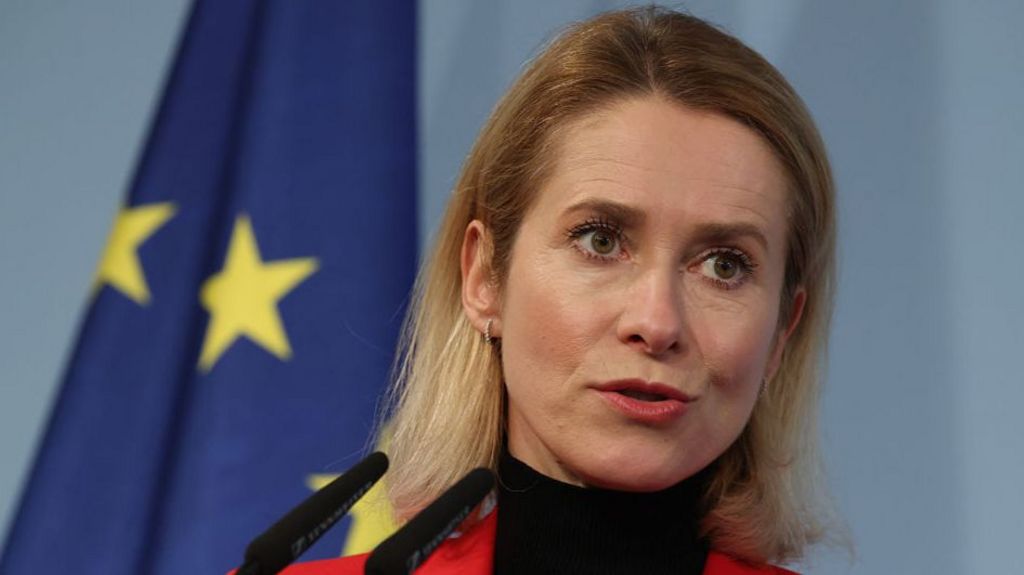
    In a stark assessment of transatlantic relations, EU Foreign Policy Chief Kaja Kallas has declared that Europe is “no longer Washington’s primary centre of gravity,” signaling a fundamental reorientation in global power dynamics. The warning came during a Brussels defense conference where European leaders grappled with the implications of diminished American focus on European security.

    Kallas emphasized that while the United States remains a vital partner, no great power has ever “outsourced its survival and survived.” She characterized Washington’s strategic pivot away from Europe as a structural rather than temporary shift, urging European nations to transition from thinking as individual states to “acting jointly as Europeans.”

    The address follows contentious remarks from NATO Secretary General Mark Rutte, who dismissed European defense autonomy as unrealistic dreaming. Rutte’s comments provoked immediate pushback from French Foreign Minister Jean-Noël Barrot, who countered that “Europeans can and must take control of their security,” emphasizing that even the United States supports strengthening the European pillar of NATO.

    The recent diplomatic crisis over Greenland exemplifies the deteriorating relations. Former President Donald Trump’s threat to acquire the semi-autonomous Danish territory—and subsequent tariff threats against European allies—highlighted what Kallas termed a “tectonic shift” in the relationship. Though Rutte reportedly helped de-escalate tensions during Davos discussions, the incident exposed fundamental fractures in the alliance.

    EU Defence Commissioner Andrius Kubilius, speaking at the same conference, reinforced Kallas’s message, noting that the US now expects Europeans to assume greater defense responsibility as America diminishes its continental presence. He described Europe as “a giant, but a sleeping giant” that must rapidly build defensive independence “without delays and without excuses.”

    The calls for European strategic autonomy come against the backdrop of Russia’s invasion of Ukraine, which has paradoxically strengthened NATO through the accession of Sweden and Finland while simultaneously exposing European defense vulnerabilities. Although NATO members have committed to increasing defense spending to 5% of GDP by 2035 under US pressure, Rutte suggested true autonomy would require 10% of GDP and independent nuclear capabilities—a prospect he warned would sacrifice the “ultimate guarantor of our freedom” in America’s nuclear umbrella.

    The current deliberations represent the most significant reassessment of European security architecture since NATO’s 1949 founding, with leaders grappling with how to maintain alliance cohesion while developing meaningful strategic autonomy in an increasingly multipolar world.

  • Dubai Fintech District to take shape as startup-focused commercial park

    Dubai Fintech District to take shape as startup-focused commercial park

    Dubai is advancing its position as a global fintech hub with the development of a specialized commercial park designed exclusively for startups in financial technology and digital assets. The Dubai Fintech District, spanning 250,000 square feet, is conceived as an integrated community that merges collaborative workspaces with shared common areas to foster innovation and daily interaction among emerging companies.

    Unlike conventional office complexes, this district emphasizes open-layout designs, natural lighting, and pedestrian-friendly environments. It features a central courtyard for informal meetings and collaborative work, creating a hybrid atmosphere that combines residential comfort with professional functionality. The project specifically targets early-stage companies that thrive on proximity, rapid feedback, and team-based learning.

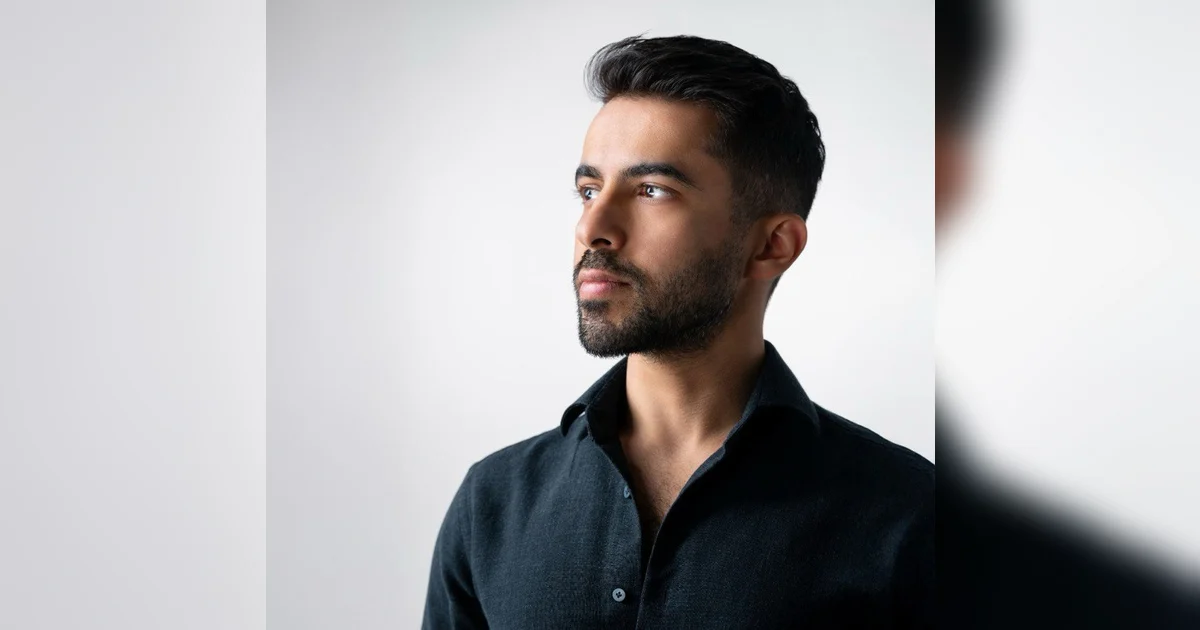
    Leading the initiative is Hatu Sheikh, a prominent Web3 entrepreneur and founder of CoinTerminal, who argues that physical workspace remains crucial for startup development despite the rise of remote work. Sheikh emphasizes that young teams require environments that encourage spontaneous idea exchange and continuous learning—what he describes as ‘brain melt’—where innovation can flourish through seamless interaction.

    The development aligns with Dubai’s strategic push to attract fintech firms, leveraging its regulatory frameworks and geographic position between Asian and European markets. Sheikh’s vision extends beyond digital products, positioning physical infrastructure as a foundational element for sustainable company growth. The Dubai Fintech District represents one of several real estate projects he is pursuing in 2026, all focused on supporting innovation-driven industries through purpose-built spaces designed for scalability and collaboration.

  • Germany trims this year’s growth forecast to 1% as its economy is slow to gather pace

    Germany trims this year’s growth forecast to 1% as its economy is slow to gather pace

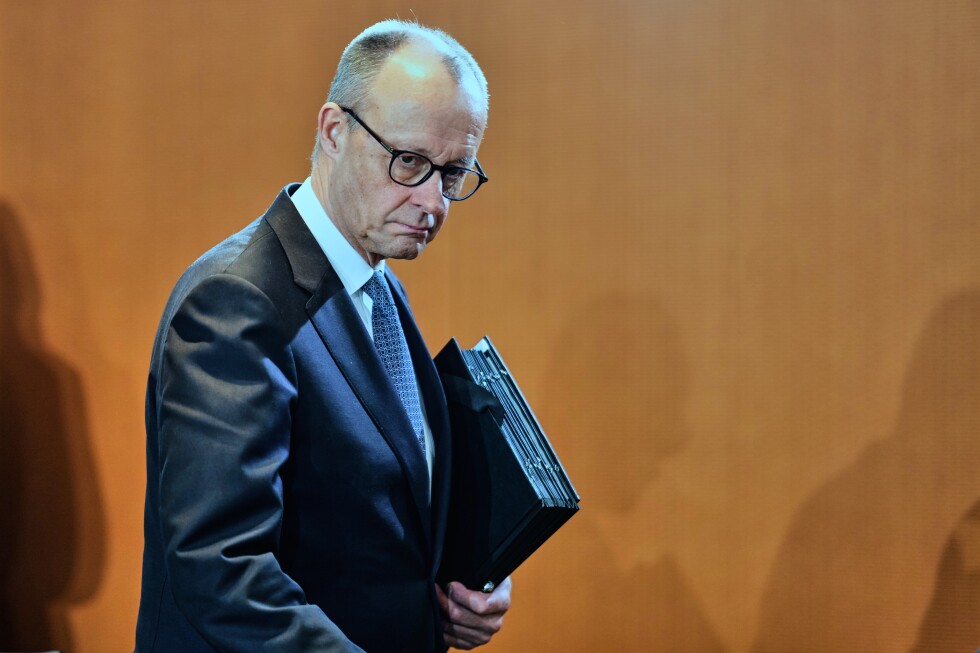
    BERLIN — Germany’s federal government has announced a downward revision of its economic growth projections for 2026, signaling a more gradual recovery trajectory than initially anticipated for Europe’s largest economy. Chancellor Friedrich Merz’s administration now projects gross domestic product expansion of approximately 1% this year and 1.3% in 2027, according to Economy Minister Katherina Reiche. This represents a reduction from October’s more optimistic forecasts of 1.3% and 1.4% respectively.

    The revised outlook follows Germany’s return to modest economic growth in the previous year, with preliminary official data indicating a 0.2% expansion after two consecutive years of contraction. The Merz coalition government, which assumed power in May with economic revitalization as a central priority, has implemented multiple stimulus measures including a comprehensive investment encouragement program and a landmark €500 billion ($596 billion) infrastructure modernization fund scheduled for deployment over the next twelve years.

    Additional governmental initiatives include streamlined defense spending approvals, proposed energy price subsidies for energy-intensive industries, regulatory simplification efforts, and accelerated digital transformation programs. Minister Reiche attributed the tempered growth expectations to delayed implementation and impact of these financial and economic policy measures, though she noted emerging data indicates a ‘clear recovery’ underway.

    Germany’s economic challenges stem from multiple factors including intensified competition from Chinese manufacturers in traditional strength sectors like industrial machinery and luxury automobiles, elevated energy costs following Russia’s full-scale invasion of Ukraine, and ongoing trade uncertainties related to tariff policies and international relations.

  • Watch: Giant pandas play in Washington DC snowstorm

    Watch: Giant pandas play in Washington DC snowstorm

    Amidst a major winter storm that blanketed the US capital, the Smithsonian’s National Zoo became the stage for an enchanting display of panda playfulness. The institution’s beloved giant pandas, Bao Li and Qing Bao, were captured on video embracing the wintry conditions with unmistakable joy. The footage showcases the young bears engaging in characteristic panda behavior, demonstrating their remarkable adaptation to seasonal changes despite their tropical mountain origins.

    The captivating scenes depict the black-and-white mammals tumbling down snow-covered slopes with childlike exuberance, climbing frost-laden trees with their specialized wrist bones that function as natural climbing equipment, and racing across the transformed landscape. Their thick, woolly coats—an evolutionary adaptation to cold high-altitude environments—provided perfect insulation against the freezing temperatures, allowing extended outdoor activity that delighted both zookeepers and virtual observers.

    This behavioral exhibition offers more than mere entertainment; it provides valuable insights into bear enrichment practices and cold-weather adaptations of Ailuropoda melanoleuca. Animal care specialists note that such naturalistic play supports physical conditioning and mental stimulation essential for captive wildlife wellbeing. The timing proved particularly fortuitous as Washington DC experiences relatively mild winters with significant snowfall occurring only every few years, making this snow play session a rare opportunity for both pandas and observers alike.

  • Trump warns Iran ‘time is running out’ as US military builds up in Gulf

    Trump warns Iran ‘time is running out’ as US military builds up in Gulf

    President Donald Trump has escalated tensions with Iran through a stark ultimatum on his Truth Social platform, declaring that time is expiring for Tehran to engage in nuclear negotiations. The warning coincides with a substantial U.S. naval deployment to the Persian Gulf, described by Trump as a “massive Armada” advancing with “great power, enthusiasm, and purpose.”

    This military mobilization follows Iran’s severe crackdown on domestic protests that began in late December. According to the U.S.-based Human Rights Activists News Agency (HRANA), approximately 5,633 protesters are among nearly 6,000 confirmed fatalities, with an additional 17,000 alleged deaths under investigation despite communication blackouts. Norway-based Iran Human Rights (IHR) estimates the final death toll could surpass 25,000.

    Iranian Foreign Minister Abbas Araghchi condemned the U.S. approach, stating through AFP translation that “conducting diplomacy through military threat cannot be effective or useful.” He emphasized that successful negotiations would require Washington to “set aside threats, excessive demands and raising illogical issues.”

    The nuclear standoff intensifies as BBC Verify confirms the arrival of the USS Abraham Lincoln carrier strike group in the Middle East. Trump referenced the June 2025 U.S. strikes—codenamed “Midnight Hammer”—that targeted Iran’s Fordo, Natanz, and Isfahan uranium enrichment facilities, warning that “the next attack will be far worse.” While Trump urged Iran to “quickly ‘Come to the Table’ and negotiate a fair and equitable deal – NO NUCLEAR WEAPONS,” Tehran maintains its nuclear program is exclusively peaceful and denies weapons development ambitions.

    The U.S. president characterized the current naval presence as exceeding the force deployed prior to the seizure of Venezuela’s former leader Nicolás Maduro, emphasizing its readiness to “rapidly fulfil its mission, with speed and violence, if necessary.”