作者: admin

  • Trump says he’s instructed US officials to reopen Venezuelan airspace for commercial travel

    Trump says he’s instructed US officials to reopen Venezuelan airspace for commercial travel

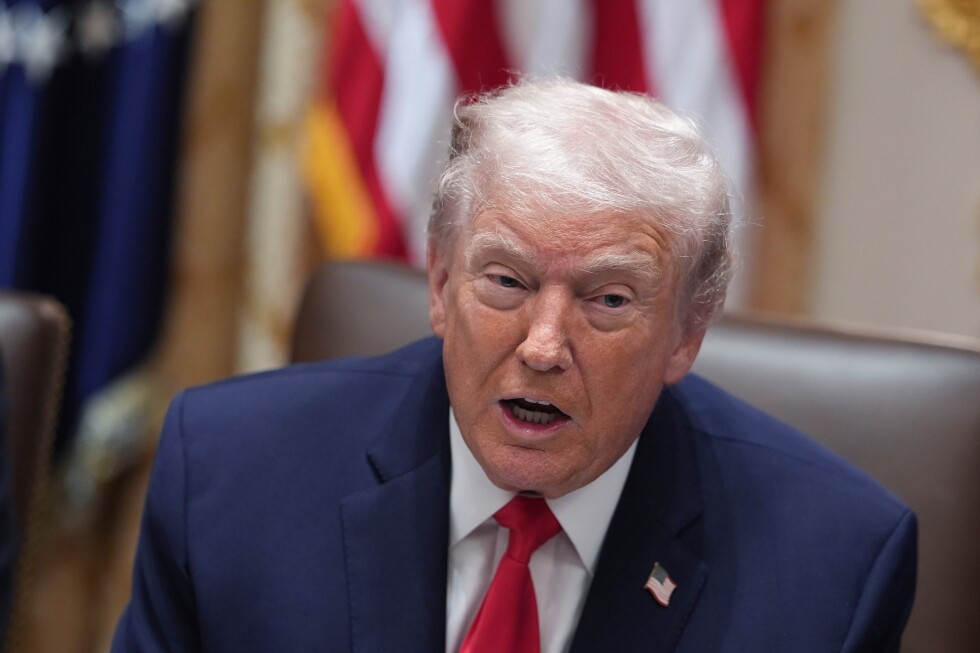
    WASHINGTON — In a significant diplomatic shift, the Trump administration has initiated steps to normalize relations with Venezuela. President Donald Trump confirmed Thursday that he has directed authorities to reopen all commercial airspace over Venezuela, with American citizens expected to gain travel access shortly.

    Trump stated he personally communicated this development to Venezuelan official Delcy Rodríguez and has tasked Transportation Secretary Sean Duffy alongside military leadership with executing the airspace reopening by day’s end. “American citizens will be very shortly able to go to Venezuela, and they’ll be safe there,” the President asserted.

    This announcement coincides with broader efforts to restore diplomatic ties severed in 2019. Earlier this week, the State Department notified Congress of its intention to implement a phased approach toward potentially resuming operations at Embassy Caracas. Official correspondence to ten House and Senate committees revealed plans to deploy temporary staff for selective diplomatic functions, marking the initial phase of this normalization process.

    The diplomatic rupture originated from the 2019 U.S. military operation that ousted former President Nicolás Maduro. Since then, travel advisories have remained at the highest alert level, with explicit warnings against travel due to risks including wrongful detention, torture, and kidnapping. As of Thursday, the State Department’s “Do Not Travel” advisory remained officially active despite the announced policy changes.

    This policy reversal represents one of the most substantial developments in U.S.-Venezuela relations in recent years, suggesting a potential thaw in longstanding tensions between the nations.

  • Trump’s wide ambitions for Board of Peace sparks new support for the United Nations

    Trump’s wide ambitions for Board of Peace sparks new support for the United Nations

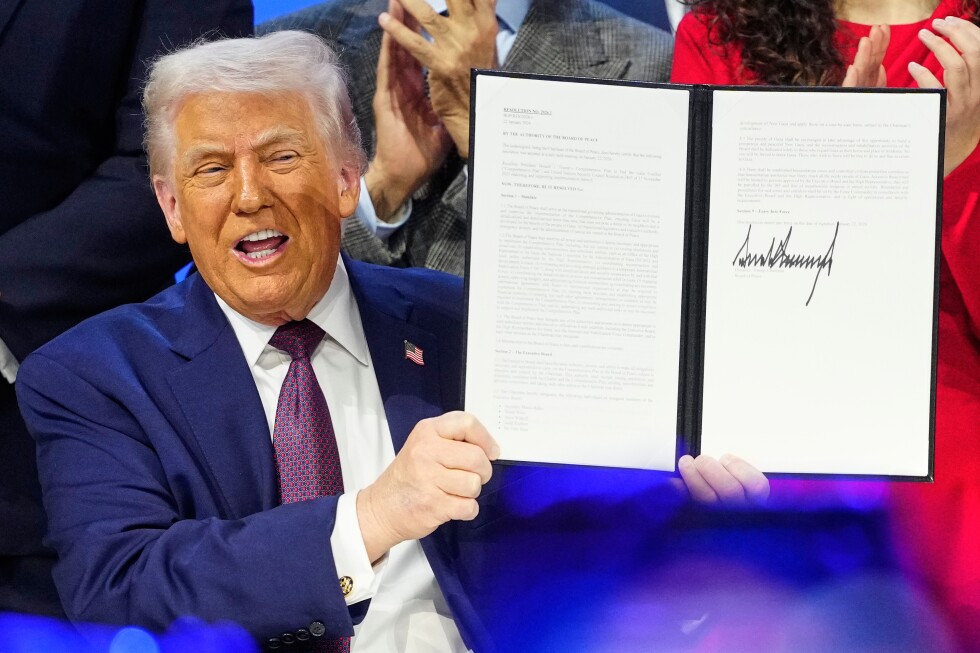
    In a significant diplomatic setback, former President Donald Trump’s ambitious proposal to expand his ‘Board of Peace’ beyond Gaza mediation has encountered widespread international resistance. Major global powers including China, France, Russia, and the United Kingdom have unanimously declined participation in what many perceive as an attempt to undermine the United Nations’ authority.

    The board, initially conceived as a limited framework for overseeing Gaza’s post-conflict future, underwent substantial mission creep under Trump’s direction. The controversial charter granted Trump permanent leadership with veto powers over membership and actions, while envisioning a global conflict mediation role that directly challenged the UN Security Council’s mandate.

    Secretary of State Marco Rubio attempted damage control, emphasizing that “this is not a replacement for the UN” and narrowing the board’s immediate focus to Gaza ceasefire implementation. However, Trump’s simultaneous promotion of the board as a potential UN alternative created diplomatic friction that overshadowed its original purpose.

    The rejection manifested through multiple channels: formal Security Council statements, public declarations, and private diplomatic communications. French President Emmanuel Macron characterized the initiative as raising “serious questions regarding UN principles,” while Spain’s refusal cited the exclusion of Palestinian Authority representation. British Prime Minister Keir Starmer explicitly reaffirmed Britain’s “enduring support for the UN and international rules-based system” before declining membership.

    Despite attracting approximately 26 of 60 invited nations—primarily Muslim countries seeking influence in Gaza discussions—the board failed to secure endorsement from any permanent Security Council members or major European economies. Human Rights Watch’s UN director Louis Charbonneau dismissed the initiative as a “pay-to-play club of human rights abusers” rather than a legitimate international organization.

    Analysts from the International Crisis Group suggest the expansion fundamentally compromised the board’s credibility, transforming what might have been a viable Gaza-focused initiative into a perceived “Trump fan club” that deterred potential supporters. While eight Muslim nations joined to advance Palestinian interests, experts doubt the board’s capacity to evolve into a meaningful alternative to UN mechanisms.

  • Is your child tired? What UAE experts say about co-curricular activities

    Is your child tired? What UAE experts say about co-curricular activities

    Across the United Arab Emirates, a growing educational concern is emerging as children transition directly from classroom instruction to a relentless cycle of co-curricular engagements. This phenomenon sees students rushing to tennis practices, music lessons, swimming sessions, and language classes with minimal downtime in between.

    Educational institutions frequently promote these supplemental activities, whether included in standard tuition fees or offered as premium additions, while many parents independently arrange external programs. The central debate has evolved beyond questioning the value of such engagements to examining whether contemporary schedules adequately preserve essential childhood experiences—including unstructured rest, creative imagination, and spontaneous play.

    Parental perspectives vary significantly regarding activity management. Dubai resident Arijit Nandi advocates for his 9-year-old son’s intensive regimen—featuring pre-dawn tennis, midweek swimming, weekend guitar, and additional academic coaching—as a purposeful strategy for energy channeling and digital detoxification. He emphasizes his child’s genuine enjoyment and regular fatigue assessments.

    Conversely, Japanese expatriate Kenji Takahashi adopts a more measured approach for his 10-year-old daughter, balancing piano, karate, and art with protected downtime for bicycle riding and social play. His philosophy centers on energy guidance rather than control, ensuring activities serve developmental purpose rather than mere scheduling saturation.

    Educational specialists identify concerning trends beneath these well-intentioned arrangements. Girish Hemnani, a Dubai-based life coach, observes that families and institutions are unconsciously perpetuating a productivity race that creates an ‘illusion of productivity’ while depriving children of neurological development opportunities. He explains that boredom activates the brain’s Default Mode Network, which facilitates imagination and self-reflection—processes compromised by constant scheduling.

    Research indicates that free play fundamentally develops executive functioning, including planning capabilities, self-regulation, and initiative-taking. Hemnani further warns that overscheduled children risk losing spontaneity and personal agency, particularly when parents normalize ‘hustle culture’ due to their own professional pressures and digital consumption habits.

    School leadership is responding to these concerns with revised approaches. Natalia Svetenok, Principal of Woodlem British School in Ajman, states unequivocally that ‘a tired child cannot thrive,’ advocating for activities that generate joy rather than pressure. Similarly, The Aquila School’s Principal Wayne Howsen emphasizes that co-curricular activities must stem from genuine student interest rather than functioning as extended childcare, noting that choice-driven participation builds teamwork, problem-solving, and multilingual skills more effectively.

    The emerging consensus among UAE educators and parents suggests a paradigm shift toward balanced scheduling that honors both structured development and essential childhood experiences.

  • Melania Trump documentary not showing in South African cinemas

    Melania Trump documentary not showing in South African cinemas

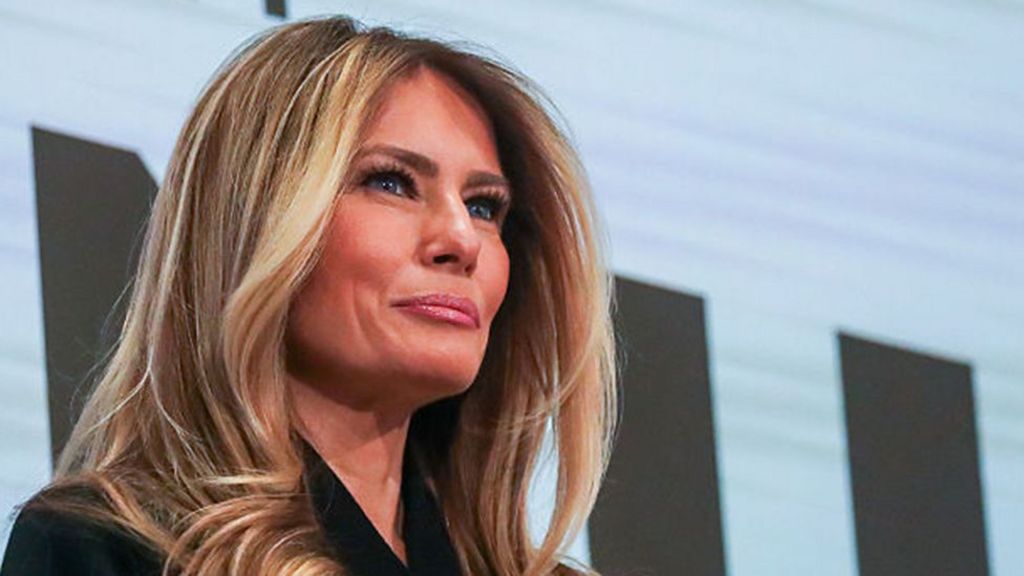
    South African cinema chains have withdrawn from screening the controversial documentary ‘Melania’ about US First Lady Melania Trump, citing unspecified “recent developments” and the “current climate” in bilateral relations. Filmfinity, the leading distributor in southern Africa, informed theater operators not to list the film despite its global release scheduled for Friday.

    The documentary, which chronicles Melania Trump’s activities during the 20 days preceding her husband’s second inauguration in January 2023, had received substantial backing from Amazon. The streaming giant reportedly invested $35 million in marketing and approximately $40 million for distribution rights.

    Neither Ster Kinekor nor Nu Metro, South Africa’s primary cinema chains, are promoting the film on their platforms. Ster Kinekor’s promotional page remains inaccessible, while Nu Metro’s website lists no showtimes despite previously featuring the documentary on social media.

    This development occurs against the backdrop of significantly deteriorated US-South Africa relations over the past year. Tensions escalated following former President Donald Trump’s promotion of the widely disputed ‘white genocide’ theory concerning South Africa’s Afrikaner community. Additional friction points include Trump’s imposition of high tariffs on South African exports, reduction of aid programs, and disagreements over South Africa’s International Court of Justice case against Israel regarding Gaza operations.

    The BBC’s attempts to obtain clarification from Filmfinity regarding their specific concerns remain unanswered, leaving the precise motivations behind the cancellation unclear.

  • The stars and styles from Paris Haute Couture Fashion Week

    The stars and styles from Paris Haute Couture Fashion Week

    Paris Haute Couture Week Spring/Summer 2026 transformed the French capital into an epicenter of sartorial innovation, where legendary fashion houses unveiled visionary new directions under fresh creative leadership. The exclusive four-day event, featuring only 13 select houses, became a stage for both debut collections and poignant tributes, witnessed by front rows filled with international celebrities including Dua Lipa, Nicole Kidman, Rihanna, and the Beckhams.

    Chanel’s newly appointed chief designer Matthieu Blazy presented his highly anticipated debut collection within the glass-domed Grand Palais, transformed into an enchanted forest with pink weeping willows and oversized toadstools. The Franco-Belgian designer embarked on a conceptual journey to ‘probe and explore the heart of Chanel,’ deliberately stripping away iconic signatures like tweed and jeweled buttons. Instead, Blazy introduced innovative fabrics and treatments while establishing feathers as a unifying motif throughout the collection. His show notes revealed avian inspiration ranging from common pigeons to rare roseate spoonbills, creating what he described as magical appearances of ‘all kinds of birds.’

    Simultaneously, Northern Irish designer Jonathan Anderson made his couture debut for Dior with an equally nature-inspired presentation at the Rodin Museum. Anderson confronted the intimidation of working against ‘people who are in the history books’ by rejecting formulaic approaches, stating ‘My Dior is never going to be a formula, because my brain doesn’t work like that.’ His collection featured floaty silhouettes under a canopy of flowers, with models navigating a mirrored runway while wearing floral earrings and carrying nature-themed accessories including a ladybird-shaped bag and a clutch sprouting artificial grass. The palette centered on monochrome designs punctuated by bursts of orange, ice blue, and pink.

    The week also featured emotionally significant moments, including Armani Privé’s first presentation since the passing of founder Giorgio Armani. Overseen by his niece Silvana, the collection maintained classic Armani aesthetics with ‘a touch of originality’ through dreamy pastels in mint green and baby pink, featuring bejewelled satin trouser suits and sparkling evening gowns.

    Valentino presented a particularly bold collection just days after the death of its founder, Valentino Garavani. Creative director Alessandro Michele created a high-concept experience where guests observed designs through a ‘kaiserpanorama’ viewing station, peeking into an alternative universe featuring signature batwing gowns in the house’s iconic red from sixty years prior. The collection emphasized lace, feathers, and embellishments with models styled as showgirls.

    Lebanese designer Elie Saab returned to his roots with ‘Golden Summer Nights of ’71,’ offering warmth against the Parisian chill through a palette of blush pinks, bronzes, and desert tones. The maximalist presentation featured excessive beading, ball gowns, and metallic fabrics reflecting Saab’s Beirut heritage.

    The event also recognized fashion contributions through ceremonies, including Victoria Beckham being awarded Knight of the Order of Arts and Letters, attended by three of her children and Anna Wintour. Throughout the week, the Vogue global editorial director joined celebrities including Tilda Swinton and John Galliano on front rows, observing how new creative voices are redefining fashion’s most prestigious houses while honoring their legacies.

  • US Senate vote to avert government shutdown expected to fail

    US Senate vote to avert government shutdown expected to fail

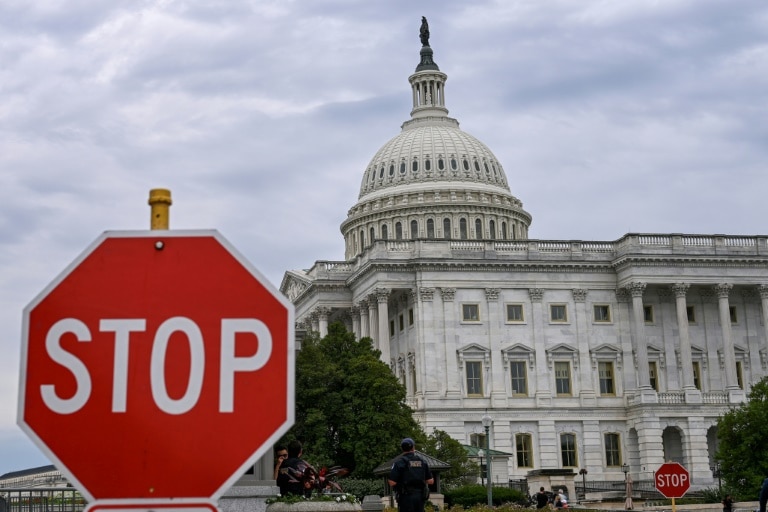
    The United States Senate faces an imminent legislative deadlock as Democrats pledge to obstruct a critical government funding package, escalating tensions over immigration enforcement policies. The Republican-controlled chamber requires 60 votes to advance a comprehensive six-bill spending measure designed to fund approximately 75% of federal operations through fiscal year 2026. However, Democratic opposition remains steadfast unless Homeland Security funding undergoes separate consideration with enhanced restrictions on Immigration and Customs Enforcement (ICE) operations.

    This political confrontation gained intensity following recent fatalities involving federal agents. The shooting deaths of two activists—Alex Pretti, an intensive care nurse in Minneapolis, and Renee Good—during immigration enforcement actions have dramatically reshaped the funding debate. Senate Minority Leader Chuck Schumer articulated the Democratic position, stating: ‘While Americans support border security, they reject ICE terrorizing communities and killing citizens. This agency must adhere to standard law enforcement accountability measures.’

    Democratic negotiators demand structural reforms including termination of roving ICE patrols, strengthened warrant requirements, standardized use-of-force protocols, prohibition of facial concealment during operations, and mandatory body camera implementation. Republican leadership resists decoupling Homeland Security from the broader package, warning that procedural delays could precipitate the very shutdown both parties ostensibly seek to avoid.

    With the House of Representatives in recess until after Friday’s funding deadline, legislative options appear constrained. Emerging proposals suggest advancing five non-controversial spending bills alongside a temporary Homeland Security funding extension, though Democrats emphasize requiring statutory reforms rather than executive assurances. The White House has intensified engagement in negotiations, exploring stopgap solutions while agencies like FEMA face potential operational paralysis during severe winter conditions.

    The impasse carries significant electoral implications as all House seats and one-third of Senate positions approach contested elections. Should funding lapse, hundreds of thousands of federal employees face furloughs or uncompensated work, potentially triggering widespread economic disruption across government services.

  • Africa has the worst road safety record in the world. Here’s what to know

    Africa has the worst road safety record in the world. Here’s what to know

    Africa continues to grapple with the world’s most severe road safety crisis, as highlighted by recent tragic incidents including a collision involving former heavyweight boxing champion Anthony Joshua in Nigeria and multiple minibus accidents in South Africa that claimed at least 25 lives. These events underscore a systemic problem across the continent, where road fatality rates dramatically outpace global averages despite Africa accounting for merely 3% of the world’s vehicles.

    According to the United Nations Economic Commission for Africa, the continent experiences 26 road deaths per 100,000 people—significantly higher than the global average of approximately 18 and more than double Europe’s rate of fewer than 10 fatalities. This translates to over 300,000 annual road crash fatalities, with the World Health Organization reporting increasing numbers despite global improvements.

    The unique dynamics of African road usage contribute substantially to this crisis. With limited personal vehicle ownership due to economic constraints, roads become chaotic landscapes where pedestrians, bicycles, motorcycles, cars, buses, and trucks compete for space without adequate infrastructure. Approximately 40% of African road deaths involve pedestrians—twice the global average—reaching nearly 50% in some nations.

    A 2024 WHO analysis reveals that few African countries have developed transportation systems accommodating these diverse travel modes. Inadequate public transit forces millions to rely on overloaded minibuses and motorcycle taxis, often operating without proper safety standards. South Africa exemplifies this challenge, where minibus taxis transport over 10 million daily commuters despite ongoing regulatory struggles regarding driver licensing, vehicle roadworthiness, and traffic law enforcement.

    Compounding these issues are generally weak traffic law enforcement and substandard road infrastructure safety ratings, with only a minimal percentage of Africa’s road network meeting acceptable quality standards. The December-January holiday period proves particularly lethal, as demonstrated by South Africa’s reported 1,427 road deaths during a recent 42-day span, averaging over 30 daily fatalities despite having one of the continent’s more developed road systems.

  • France moves to abolish concept of marital duty to have sex

    France moves to abolish concept of marital duty to have sex

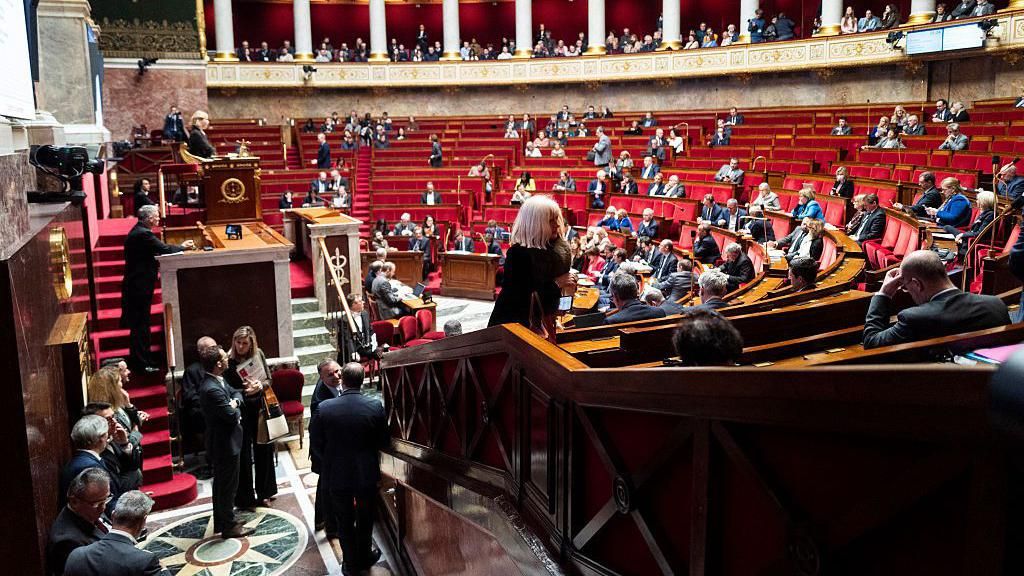
    France has taken a definitive legislative step to abolish the archaic concept of ‘conjugal rights’ within marriage through a landmark bill approved by the National Assembly on Wednesday. The legislation explicitly clarifies that marriage does not create any obligation for sexual relations between spouses.

    The new provision amends France’s civil code to state unequivocally that ‘community of living’—a fundamental principle of French marriage law—does not establish any requirement for sexual intimacy. Additionally, the law prohibits using lack of sexual relations as grounds for fault-based divorce proceedings.

    While the practical impact on court proceedings may be limited due to previous European Court of Human Rights rulings, the legislation carries significant symbolic weight. Green MP Marie-Charlotte Garin, who sponsored the bill, argued that preserving any notion of conjugal duty “collectively gives our approval to a system of domination and predation by husband on wife.”

    The reform addresses a legal ambiguity that has persisted despite the absence of explicit ‘conjugal duty’ language in French statutes. Historically rooted in medieval church law, the concept has occasionally resurfaced in modern divorce cases where judges broadly interpreted ‘community of living’ to include sexual relations.

    This legislative action follows a pivotal 2019 case where the European Court of Human Rights condemned France for permitting refusal of sex as justification for fault-based divorce. The new law aligns French domestic legislation with this international human rights standard.

    The reform represents the latest evolution in France’s legal framework regarding sexual consent and marital relations. Since 1990, France has recognized marital rape as a crime, and recent legal enhancements have expanded the definition of rape to emphasize the necessity of clear, ongoing consent—specifically requiring ‘informed, specific, anterior and revocable’ agreement to sexual activity.

  • Polar bears on Norwegian islands ‘fatter and healthier’ despite ice loss

    Polar bears on Norwegian islands ‘fatter and healthier’ despite ice loss

    In a remarkable ecological paradox challenging scientific expectations, polar bears in Norway’s Svalbard archipelago have demonstrated significant improvements in body condition despite accelerating sea ice loss driven by climate change. Published in Scientific Reports, comprehensive research conducted by the Norwegian Polar Institute between 1992-2019 documented surprising physiological adaptations among the region’s apex predators.

    Researchers meticulously assessed 770 adult polar bears during the 27-year study period, discovering that contrary to predictions, the animals had become substantially heavier and healthier despite the region losing approximately 100 ice-free days annually. This counterintuitive finding directly contradicts established understanding of polar bear ecology, as these mammals traditionally depend on sea ice as their primary hunting platform for capturing blubber-rich seals.

    Dr. Jon Aars, lead researcher at the Norwegian Polar Institute, expressed both surprise and cautious optimism: ‘The fatter a bear is the better it is. I would have expected to see a decline in body condition when the loss of sea ice has been so profound.’ The study reveals that Svalbard’s polar bears have developed adaptive hunting strategies, increasingly targeting land-based prey including reindeer and walruses to supplement their traditional seal-based diet.

    This dietary shift has been facilitated by Norway’s successful conservation efforts. Walruses, once hunted to near extinction in the 1950s, have rebounded significantly under official protection, creating an unexpected food source for resourceful bears. Additionally, researchers speculate that concentrated seal populations in diminishing ice areas may actually improve hunting efficiency for polar bears in certain circumstances.

    However, scientists emphasize this represents a temporary reprieve rather than a long-term solution. As Dr. John Whiteman, chief research scientist at Polar Bears International, notes: ‘Body condition is only one piece of the puzzle. Other recent research on these bears found that more ice-free days reduced survival in cubs and in subadult and old females.’

    The study highlights significant regional variations in climate change impacts across the Arctic’s 20 recognized polar bear subpopulations. While Svalbard bears currently thrive, the Western Hudson Bay population in Canada—among the most southerly and extensively studied groups—has experienced direct population declines correlated with warming temperatures.

    Experts conclude that despite this temporary adaptation, the fundamental reality remains unchanged: polar bears ultimately require sea ice for long-term survival. As ice loss continues unchecked across their range, researchers warn that these temporary gains will eventually give way to the broader pattern of climate-driven decline affecting most polar bear populations worldwide.

  • Veteran Indian politician Ajit Pawar laid to rest with state honours

    Veteran Indian politician Ajit Pawar laid to rest with state honours

    The Indian state of Maharashtra conducted a solemn state funeral on Thursday for Deputy Chief Minister Ajit Pawar, whose distinguished political career ended tragically in a plane crash. The final rites were performed with full state honors at Vidya Pratishthan ground in Baramati, where his sons lit the ceremonial pyre amid emotional scenes of public mourning.

    Prominent national figures including Union Home Minister Amit Shah, Maharashtra Chief Minister Devendra Fadnavis, and NCP leader Sharad Pawar joined thousands of citizens in paying their final respects. The atmosphere was charged with emotion as supporters chanted “Ajit Dada Amar Rahe” (Long Live Ajit Dada) while the leader’s mortal remains arrived at the ceremony grounds.

    Simultaneously, investigative teams from the Directorate General of Civil Aviation and forensic experts commenced their examination of the crash site where the aircraft went down on Wednesday morning. The Pune Rural Police have registered an Accidental Death Report and launched a comprehensive investigation into the circumstances surrounding the tragic incident.

    Ajit Pawar’s political legacy spans decades, marked by his unprecedented six non-consecutive terms as Deputy Chief Minister across various administrations. Born in 1959 in Ahmednagar district, he earned the affectionate title “Dada” (elder brother) through his grassroots connectivity and substantial contributions to Maharashtra’s development through cooperative movements, milk unions, and sugar factories.

    His complex political journey included engineering an NCP split in 2019 to join the BJP-led government, yet maintaining close ties with his uncle and political mentor Sharad Pawar. Known for his straightforward approach, Pawar’s career demonstrated remarkable resilience and adaptability within Maharashtra’s dynamic political landscape.

    The veteran leader is survived by his wife Sunetra Pawar and their two sons, who participated in the traditional funeral ceremonies alongside other family members and political associates.