作者: admin

  • New FIFA ruling boosts prospects for women coaches

    New FIFA ruling boosts prospects for women coaches

    In a historic decision aimed at reshaping the technical landscape of women’s football, FIFA has enacted revolutionary regulations requiring all teams in its organized tournaments to employ female head coaches or assistant coaches. The groundbreaking mandate, approved during Thursday’s council meeting, represents the most significant structural intervention to address gender disparity in coaching roles within the sport.

    The sweeping reform applies across all youth and senior tournaments, national team competitions, and club championships under FIFA’s jurisdiction. The policy will make its competitive debut at September’s Under-20 Women’s World Cup in Poland, followed by implementation in the Women’s Champions Cup, the 2027 World Cup in Brazil, and the inaugural Women’s Club World Cup in 2026.

    FIFA’s strategic initiative directly confronts the persistent gender imbalance that has seen coaching positions remain predominantly male-dominated despite the sport’s exponential growth. At the 2023 Women’s World Cup, a mere 12 of the 32 head coaches were female—a statistic that highlighted the urgent need for systemic intervention.

    Jill Ellis, FIFA’s Chief Football Officer and former World Cup-winning coach of the United States national team, emphasized the critical nature of this development. “The current representation of women in coaching remains insufficient despite the game’s progress. These regulations, complemented by targeted development programs, constitute vital investments in both present and future generations of female coaches,” Ellis stated.

    The comprehensive framework extends beyond head coaching requirements, mandating at least two female staff members on the bench—including the compulsory coach—and requiring the inclusion of at least one woman within each team’s medical staff. This multifaceted approach aims to create sustainable pathways for female technical leadership while ensuring women’s visibility in decision-making roles throughout the sport’s ecosystem.

  • Japan PM placates Trump on Iran, but faces Pearl Harbor surprise

    Japan PM placates Trump on Iran, but faces Pearl Harbor surprise

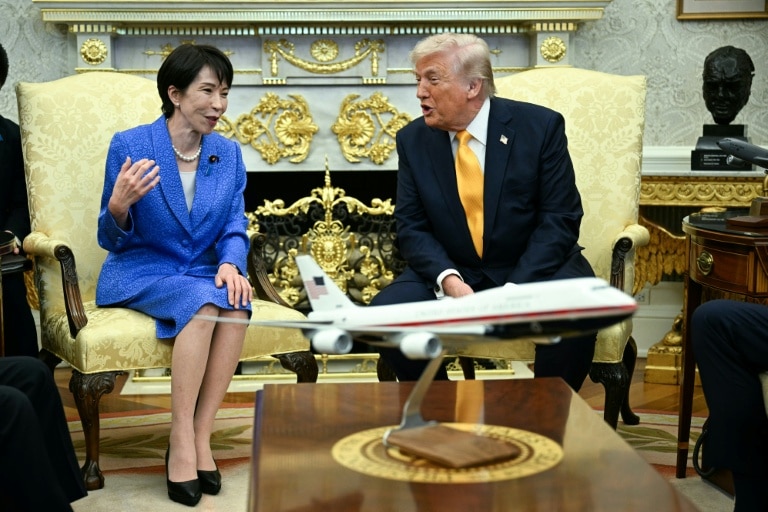
    Japanese Prime Minister Sanae Takaichi navigated delicate diplomatic waters during her White House meeting with President Donald Trump on Thursday, successfully averting confrontation over Middle Eastern security concerns while weathering an unexpected historical reference to Pearl Harbor.

    The Oval Office meeting began positively as Trump, who had recently criticized allied nations for insufficient support in securing the Strait of Hormuz, praised Japan’s evolving contributions to Middle East stability. “Based on statements given to us yesterday, the day before yesterday, having to do with Japan, they are really stepping up to the plate,” Trump announced alongside the Japanese leader, conspicuously adding “unlike NATO” in continuation of his criticism toward European allies.

    Just prior to the bilateral meeting, Japan joined five nations including Britain and France in declaring readiness “to contribute to appropriate efforts to ensure safe passage through the Strait of Hormuz”—a crucial waterway transporting approximately one-fifth of global oil supplies. Trump noted the particular significance for Japan, which imports nearly 90 percent of its oil through the strait.

    The diplomatic atmosphere shifted dramatically when Trump responded to a Japanese reporter’s question about allied consultation prior to U.S. strikes against Iran. “Who knows better about surprise than Japan? Why didn’t you tell me about Pearl Harbor?” the president remarked, referencing Japan’s December 7, 1941 attack that propelled American entry into World War II. Prime Minister Takaichi visibly reacted with widened eyes and slight recoil at the unexpected historical analogy.

    Despite this moment of tension, the meeting concluded with significant economic announcements, including a $40 billion project to construct nuclear reactors in Tennessee and Alabama, plus a $33 billion investment in natural gas power generation facilities in Pennsylvania and Texas. These developments follow Tokyo’s commitment last year to invest $550 billion in the United States through 2029 in exchange for reduced tariff threats.

    The relationship remains critically important for Japan, which hosts approximately 60,000 U.S. troops and relies on American security guarantees amid growing regional assertiveness from China. However, domestic challenges loom for Takaichi as rising oil and gas prices resulting from Middle Eastern conflicts threaten to increase living costs for Japanese families and businesses.

  • BTS to drop new album ahead of comeback mega-gig

    BTS to drop new album ahead of comeback mega-gig

    Global K-pop phenomenon BTS marks a monumental return to the music scene with the release of their fifth studio album “ARIRANG” on Friday, followed by a massive comeback concert in Seoul’s historic Gwanghwamun Square. This release ends a nearly four-year creative hiatus during which all seven members completed mandatory military service—a requirement for South Korean men—with some stationed near the tense inter-Korean border.

    The 14-track album derives its title from Korea’s cherished folk anthem, symbolizing themes of longing and separation that resonate with the group’s journey. An enigmatic animated trailer accompanying the release draws inspiration from a little-known 19th-century historical episode involving Korean youth capturing the first audio recordings in Washington D.C., creatively intertwined with scenes of BTS at Seoul’s Gyeongbokgung Palace.

    RM, the group’s 31-year-old leader, characterized the album as an exploration of “what makes us BTS,” describing it as both a reflection on their origins and a statement of evolved identity. While featuring collaborations with Western producers, the album consciously emphasizes the group’s Korean heritage through its thematic core and traditional musical elements.

    Netflix will globally livestream Saturday’s concert to approximately 190 countries, anticipating 260,000 live attendees and millions online. The event precedes an extensive world tour spanning 34 cities with 82 scheduled performances. Industry experts including Billboard’s K-pop columnist Jeff Benjamin describe the album as “a love letter to their home country,” noting the symbolic significance of launching their comeback in Korea’s historical center rather than international venues.

    Yale sociology professor Grace Kao observes that despite their global reach, BTS strategically reinforces their Korean identity through this release. The group’s return has generated comparisons to music legends like The Beatles and Michael Jackson, signaling their enduring impact on both the music industry and global culture.

  • Colombia’s budding tech scene needs a cash boost

    Colombia’s budding tech scene needs a cash boost

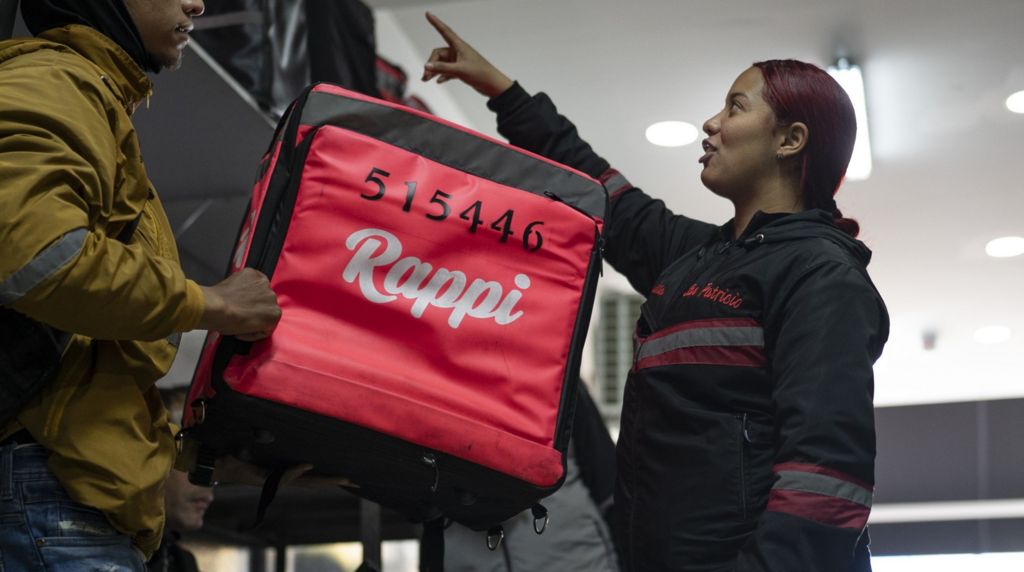
    Bogota’s streets serve as a dynamic showcase of Colombia’s technological transformation, where Rappi’s distinctive orange-bagged delivery bikes have become ubiquitous symbols of innovation. Hailed as the nation’s most triumphant tech startup, this delivery platform has achieved unicorn status with a valuation surpassing $5 billion while attracting more than 35 million active monthly users.

    Rappi’s extraordinary growth signals Colombia’s remarkable economic evolution, particularly following the landmark 2016 Peace Accord that helped transform the country’s international standing. Beyond attracting global tourists, Colombia has emerged as a magnet for immigrants from the United States, Canada, and the United Kingdom, with cities like Medellín and Bogotá becoming preferred destinations.

    The nation has established itself as a significant business hub with a rapidly expanding startup landscape. According to a recent KPMG analysis, Colombia now hosts approximately 2,100 startups, representing a 24% year-over-year increase. Maria Peñaranda, KPMG Colombia’s manager of emerging giants and innovation, confirms that “the country now occupies the second position among Latin America’s most promising startup ecosystems, trailing only Brazil.”

    Approximately 80% of Colombian startups remain in early developmental stages, demonstrating remarkable dynamism in new enterprise creation. Peñaranda emphasizes that “long-term success stories like Rappi continue influencing the ecosystem as catalysts for talent recycling and investor confidence.” She cites additional examples including global payments processor Yuno and renewable energy firm Erco Energy, both of which have evolved into established companies generating over $10 million in revenues while expanding across international markets.

    Among Colombia’s emerging success stories is Foodology, a virtual restaurant enterprise operating through strategically located dark kitchens. Since its 2019 Bogota founding, the company has secured over $60 million in funding, employs more than 800 staff members, and maintains full profitability. Co-founder and CEO Daniela Izquierdo explains her vision: “I sought to develop methods for Colombia to access exceptional cuisine through faster, more innovative channels.”

    The company operates thousands of digital storefronts managed by sophisticated software systems that coordinate inventory and maintain consistent menu offerings across approximately 400 different locations. Foodology has begun licensing this proprietary technology while expanding operations into Mexico and Peru, reflecting a common pattern among Colombian startups that quickly seek international growth due to domestic market limitations.

    Despite these success stories, Colombia’s startup landscape faces substantial investment challenges. The initial enthusiasm generated by SoftBank’s 2019 Latin America innovation fund has diminished, according to Daniel Vásquez, managing partner at US-based Actions Capital. He notes that “the majority of those investments haven’t produced successful outcomes for various reasons,” causing many investors to withdraw from the region.

    Izquierdo confirms this trend: “Latin America experienced tremendous growth between 2021 and 2022, but recent years have proven difficult. The US stock market decline triggered a global venture capital slowdown, and emerging markets typically suffer first during such contractions.”

    With limited domestic investment options, Colombian entrepreneurs must seek international funding sources. Vásquez observes that promising companies sometimes fail because “they exhaust resources before securing subsequent funding rounds necessary for achieving profitability.” He emphasizes that sustainable growth requires increased local institutional and family investments in technology, noting that “when venture capitalists observe limited local technology investment, they interpret this as indicating restricted opportunities.”

    Some companies have nonetheless thrived despite these challenges. Habi, a Bogotá-based property technology company co-founded by Brynne McNulty Rojas and Sebastián Noguera, achieved unicorn status following a $200 million funding round. The platform specializes in used home transactions while offering complementary services including financing, property listings, and mortgage brokerage.

    McNulty Rojas acknowledges benefiting from improved regional investment conditions compared to previous decades, though she expresses desire for greater local investor participation. Despite financial obstacles, she strongly recommends Colombia for entrepreneurship, citing abundant talent and market potential that have made her business journey exceptionally rewarding.

  • Desperate for food drought-stricken Kenyans turn to the gingerbread tree

    Desperate for food drought-stricken Kenyans turn to the gingerbread tree

    In the arid landscapes of Turkana, northwestern Kenya, Lotkoy Ebey’s once-thriving herd of 50 goats has dwindled to merely five emaciated animals. This devastating loss represents more than economic hardship—it signifies a cultural catastrophe in a community where livestock embodies life itself. A prolonged drought has transformed grazing fields into barren wastelands and riverbeds into dusty trenches across East Africa.

    Despite recent rainfall in some regions, officials from Kenya’s National Drought Management Authority caution that Turkana has received uneven precipitation, with many areas remaining parched. The sporadic showers prove insufficient to counteract two consecutive failed rainy seasons, leaving approximately 26 million people across Kenya, Ethiopia, and Somalia facing extreme hunger according to Oxfam.

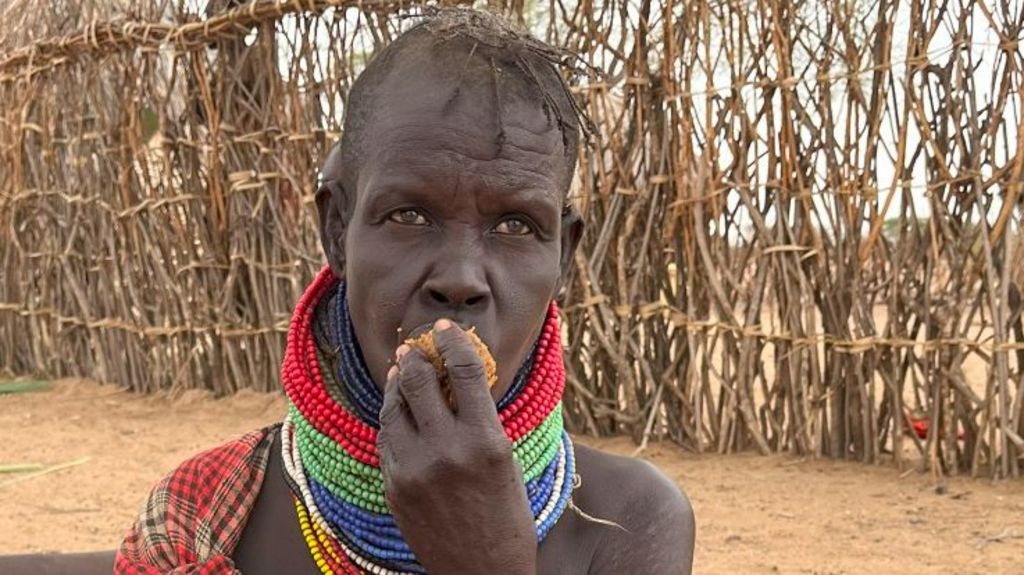
    For Ebey’s household, two daily meals have become an unattainable luxury. Most days, they survive on one meager meal—sometimes enduring five days without proper nourishment. When food disappears, their only recourse is scavenging the scrublands for sustenance. This desperate reality echoes throughout Kakwanyang village, where women now pound wild doum palm fruits known locally as ‘mikwamo’—a food source traditionally consumed as snacks but now serving as primary nutrition.

    Regina Ewute Lokopuu, one of the women processing these fruits, explains their dangerous dilemma: ‘We eat these because of hunger.’ The gingerbread-tasting fruits cause drowsiness and severe stomach upset when consumed in quantity. Families occasionally supplement them with maize flour purchased through broom sales made from doum leaves.

    The crisis has triggered mass migration, with men departing homes to seek greener pastures across borders for remaining livestock. Turkana county’s drought management coordinator Jacob Letosiro confirms over 320,000 people require ‘urgent food assistance,’ noting that recent rains may be temporary and insufficient for immediate recovery.

    Humanitarian response remains overwhelmed. At a Red Cross facility outside Lodwar, workers load food trucks for distribution to the most vulnerable households. Yet Kenya Red Cross coordinator Rukia Abubakar acknowledges ‘we have only little food, which cannot reach all people in need.’ While organizations like World Vision Kenya and the UN’s World Food Programme provide assistance, officials emphasize the crisis’ scale far exceeds available resources.

  • North Korean leader Kim and his daughter rides a tank together during army training

    North Korean leader Kim and his daughter rides a tank together during army training

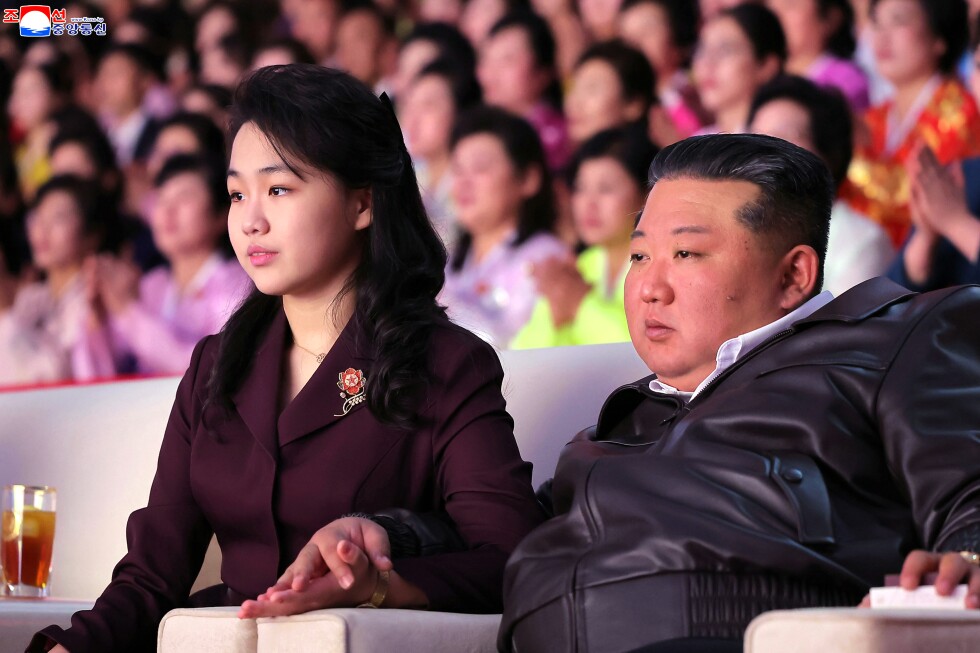
    North Korean state media has released unprecedented imagery showing leader Kim Jong Un and his teenage daughter participating in joint tank exercises, marking their latest high-profile military appearance together. The Korean Central News Agency (KCNA) reported Friday that Kim personally supervised combat drills involving armored units and infantry troops on Thursday, demanding enhanced war readiness capabilities.

    Photographs disseminated by state media depict both Kim and his daughter, believed to be approximately 13-year-old Kim Ju Ae, clad in matching black leather jackets while riding inside an olive-green military tank alongside uniformed soldiers. The images capture the young girl peering through the tank’s hatch opening while her father smiles from his position atop the armored vehicle.

    This military demonstration occurs against the backdrop of ongoing joint U.S.-South Korea military exercises, which Pyongyang consistently characterizes as invasion rehearsals. The annual drills concluded their computer-simulated phase on Thursday but continue with field training operations.

    The teenage daughter’s frequent appearances at significant military events since late 2022 have generated intense international speculation regarding her political future. South Korea’s National Intelligence Service previously suggested Kim might be preparing to designate her as his successor, though some analysts remain skeptical given North Korea’s traditionally male-dominated power structure and Kim’s relatively young age of approximately 40.

    Last week, the father-daughter duo conducted pistol firing exercises during an inspection of a light weapons facility and observed live-fire tests of multiple rocket launch systems. Their relationship has been prominently showcased in state media, which regularly describes her as Kim’s “most beloved” child and has published numerous images demonstrating their close bond, including footage of her kissing his cheek during New Year celebrations.

  • Ras Laffan: How Qatar gas hub attack is hitting Asia and beyond

    Ras Laffan: How Qatar gas hub attack is hitting Asia and beyond

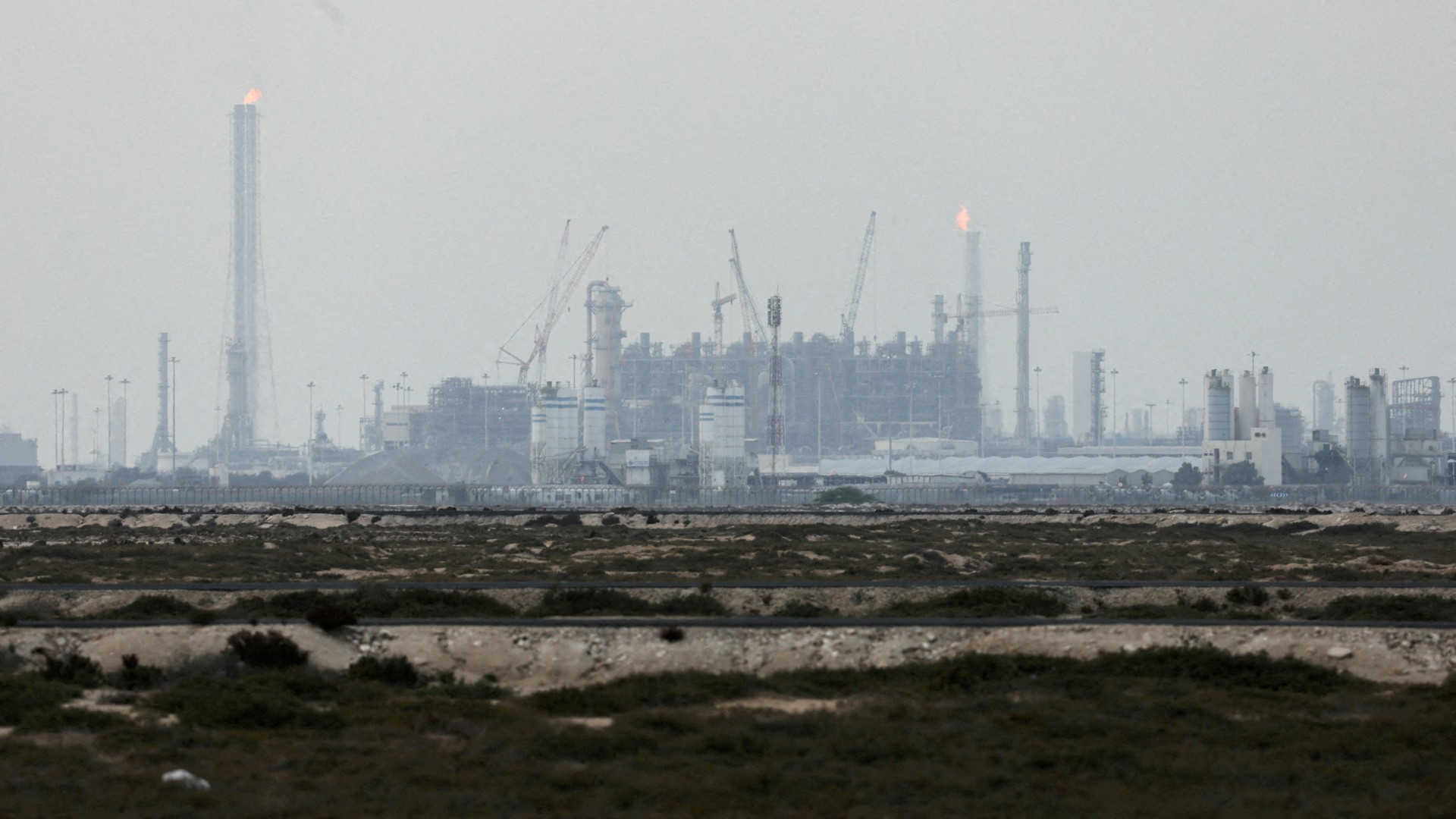
    Qatar’s Ras Laffan Industrial City, the world’s largest liquefied natural gas (LNG) export facility responsible for 20% of global supply, has sustained catastrophic damage from repeated Iranian missile attacks. The assault on Wednesday marks the second major strike this month, following an initial attack on March 2nd that previously halted operations at the critical energy complex located 80 kilometers from Doha.

    The strategic facility, operated by state-owned QatarEnergy across a 295-square-kilometer area, serves as the processing center for Qatar’s enormous North Field offshore gas reserves. The complex converts natural gas into various products including LNG, liquefied petroleum gas (LPG), petrochemical feedstocks, and specialized industrial byproducts.

    According to QatarEnergy CEO Saad al-Kaabi, the attacks have severely damaged two of Qatar’s fourteen LNG processing trains and one of two gas-to-liquid facilities, eliminating approximately 17% of the nation’s LNG export capacity. The destruction will sideline 12.8 million tonnes of LNG annually for three to five years, resulting in $20 billion in lost annual revenue with total repair costs estimated at $26 billion.

    The immediate market reaction saw natural gas prices surge dramatically across European and Asian markets on Thursday. Energy analysts warn the impact will exceed the market disruption caused by Russia’s invasion of Ukraine in 2022, creating profound and long-lasting consequences for global energy security.

    Compounding the crisis, Iran has effectively closed the Strait of Hormuz – the vital shipping channel through which virtually all of Ras Laffan’s output travels – in response to the ongoing US-Israeli conflict. This dual assault on both production and transportation has completely stifled Qatar’s primary export economy.

    Asian nations, which account for 90% of Qatari LNG exports, face particularly severe consequences. Countries like Pakistan and Bangladesh that rely on short-term spot pricing will struggle to absorb the cost increases, while industrial users across the region may be forced to switch to oil products or reduce production entirely.

    European countries attempting to offset the shortfall by switching to coal power lack sufficient capacity to replace the missing 20% of supply, ensuring that ultimately consumers will bear the burden through dramatically higher energy prices. Experts predict prices must rise to ‘unbearable levels’ to trigger sufficient demand destruction to balance markets, with the poorest populations suffering the most severe impacts.

  • Qatar calls for ‘immediate’ end to war on Iran after attack on gas facility

    Qatar calls for ‘immediate’ end to war on Iran after attack on gas facility

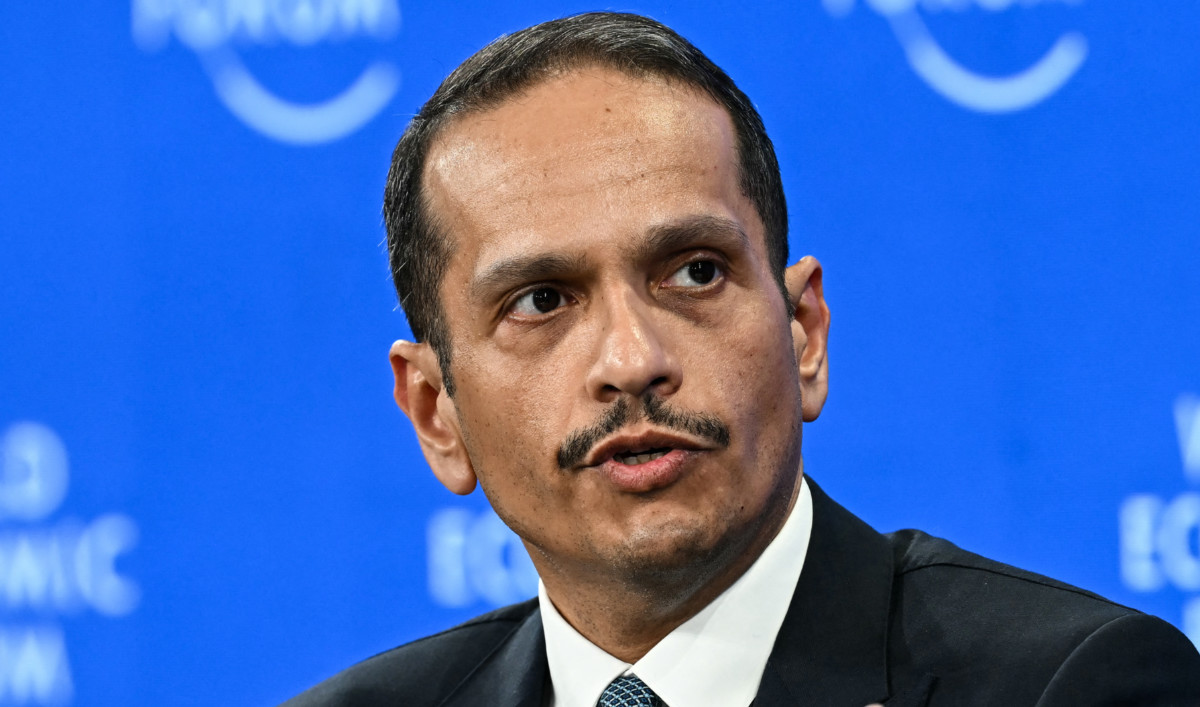
    In a significant diplomatic development, Qatar has become the first major Gulf energy producer to issue an unconditional demand for the immediate cessation of hostilities between US-Israeli forces and Iran. The call came during a joint press conference in Doha on Thursday where Qatari Prime Minister Sheikh Mohammed bin Abdulrahman al-Thani stood alongside Turkish Foreign Minister Hakan Fidan.

    “This war needs to stop immediately. The aggression needs to stop immediately,” stated Sheikh Mohammed, marking a notable departure from the more conditional stance taken by other Arab and Muslim nations. Just one day earlier, a collective statement from eleven nations including Egypt, Saudi Arabia, Turkey, and the UAE had specifically called for an end to Iranian attacks without demanding a comprehensive ceasefire.

    The Qatari position carries substantial weight given the country’s critical role in global energy markets. The conflict has already inflicted severe damage on Qatar’s energy infrastructure, with QatarEnergy CEO Saad al-Kaabi revealing that recent Iranian missile strikes severely damaged the Ras Laffan liquefied natural gas (LNG) facility. The attack reportedly knocked out 17% of Qatar’s LNG export capacity, resulting in an estimated $20 billion in annual lost revenue with repairs expected to take three to five years.

    The Prime Minister’s remarks included a pointed reference to regional dynamics, noting that “everyone knows who the main beneficiary of this war is,” a statement widely interpreted as criticism of Israel. This aligns with assessments that Israel’s earlier strikes on Iran’s South Pars gas field precipitated the current escalation.

    The economic implications extend far beyond Qatar’s borders. As supplier of approximately 20% of global LNG, Qatar’s reduced capacity is already triggering price surges in Asian and European markets. Energy analysts confirm there are no immediate alternatives to Qatari gas supplies.

    Meanwhile, Omani Foreign Minister Badr bin Hamad al-Busaidi published an analysis in The Economist arguing that continued conflict serves neither American nor Iranian interests, suggesting Israel seeks to prolong hostilities to undermine the Islamic Republic.

    The conflict has also demonstrated Iran’s expanded military reach, with attacks reaching deep into Saudi Arabia targeting the vicinity of Yanbu, the kingdom’s crucial Red Sea crude export facility, highlighting Iran’s capacity to project power beyond the strategically vital Strait of Hormuz which it effectively controls.

  • Seoul braces for the BTS Army as the world’s biggest band returns

    Seoul braces for the BTS Army as the world’s biggest band returns

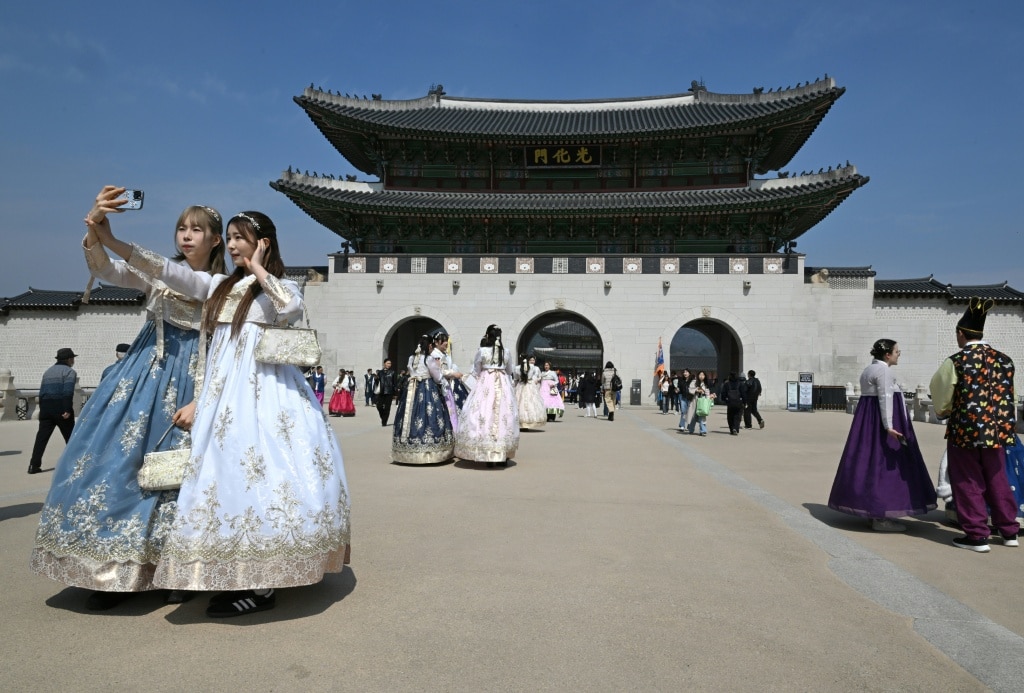
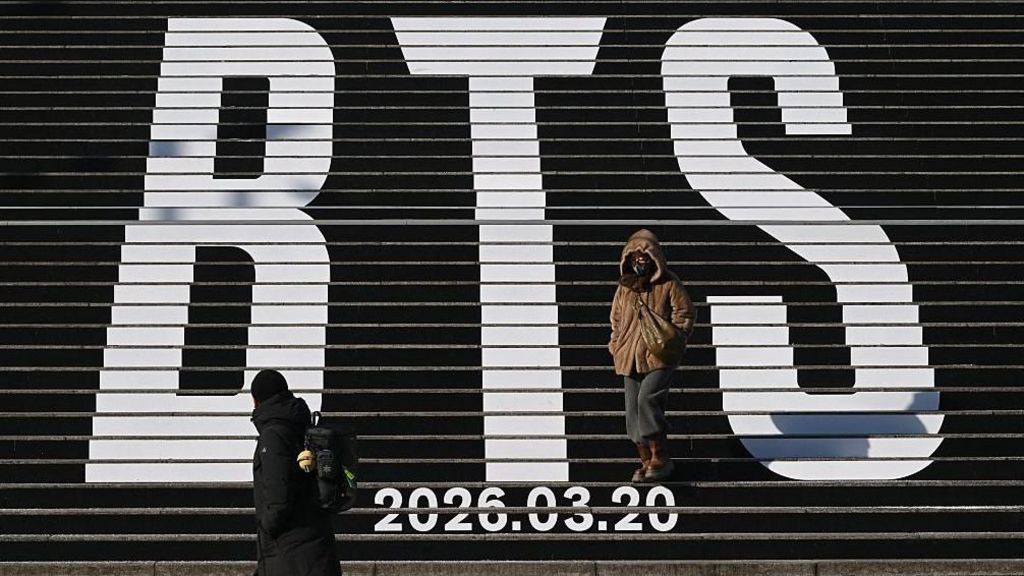
    Seoul’s historic Gwanghwamun Square prepares for an unprecedented cultural phenomenon this Saturday as global superstars BTS return to the stage for their first full-group performance since October 2022. The monumental event marks the culmination of the seven-member ensemble’s mandatory military service completion, with over 250,000 enthusiasts expected to descend upon the capital’s central district.

    While merely 22,000 fortunate ticket-holders will access the primary concert venue, the majority will experience the spectacle through massive outdoor screens strategically positioned throughout the square. The performance, set against the majestic backdrop of a 14th-century royal palace gateway, will feature selections from their highly anticipated new album ‘Arirang’, scheduled for release Friday afternoon.

    Netflix has secured exclusive global streaming rights for the event alongside documentary coverage of the band’s reunion, representing a significant marketing achievement for the platform’s substantial investments in Korean entertainment content.

    The concert transcends musical performance, embodying Korea’s cultural soft power resurgence through record-breaking pop artistry and electrifying choreography. BTS’s return triggers an 82-date world tour commencing next month, spanning over 30 international cities from Singapore to Los Angeles.

    Seoul authorities have implemented extraordinary security measures, deploying approximately 7,000 police personnel including SWAT units with anti-drone technology. Thirty-one controlled entry points with metal detectors will regulate access to the square, while three adjacent subway stations will temporarily close. Despite South Korea’s stringent firearm regulations, officials have temporarily suspended civilian retrieval of weapons stored at police stations.

    The event’s logistical scale has sparked public debate regarding resource allocation. While local businesses anticipate record revenues—with hotels fully booked months in advance and restaurants preparing multilingual menus—some citizens express concerns about urban disruption. A pre-scheduled wedding near the square faces accessibility challenges, illustrating the event’s widespread impact on daily life.

    Free ticket distribution methodology has drawn mixed reactions, with 13,000 initial reservations claimed instantly despite over 100,000 simultaneous online queuers. Subsequent 7,000-ticket releases sold out within minutes, prompting fan-led campaigns against reselling and absenteeism.

    For international devotees like Russian student Ami Ostrovskaia, whose passion for BTS inspired her relocation to Seoul, the event represents cultural pilgrimage. ‘This performance symbolizes resolution to years of anticipation,’ she shares while displaying miniature band member figurines. ‘Their collective artistry carries profound personal meaning.’

    The Korea Culture & Tourism Institute previously estimated individual BTS performances could generate approximately $842 million in combined revenue, encompassing ticket sales, merchandise, tourism, and ancillary expenditures. While supporters emphasize the group’s unparalleled contributions to Korea’s global image, critics question the precedent of substantial public resource dedication for commercial entertainment events.

    As the city transforms into an open-air stadium, the spectacle represents both triumphant artistic return and complex dialogue regarding cultural prioritization in modern society.

  • Pregnant woman among four Palestinians killed following Iranian missile attack

    Pregnant woman among four Palestinians killed following Iranian missile attack

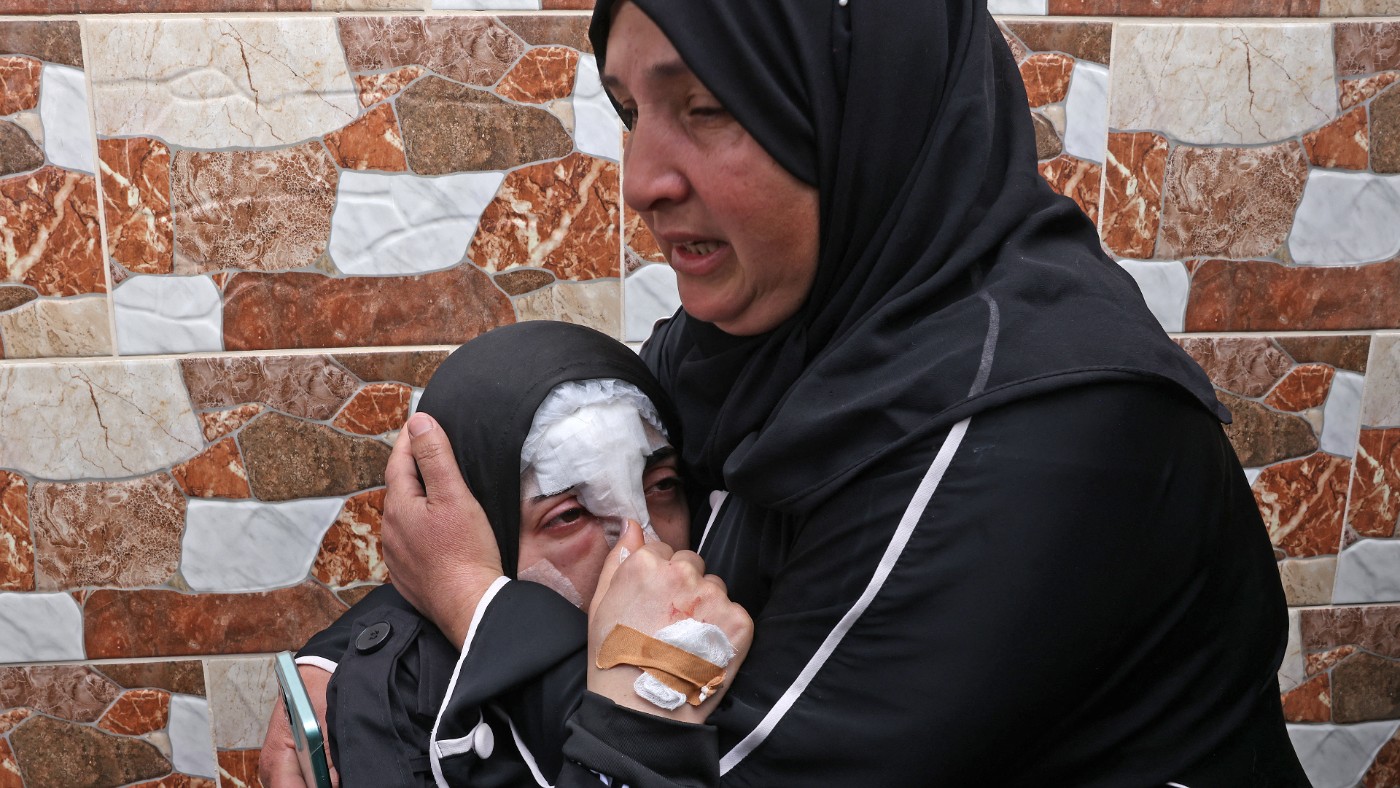
    A tragic incident in the occupied West Bank has resulted in the deaths of four Palestinian women, including a pregnant woman, following Wednesday night’s Iranian missile offensive. Asil Samir Masalmeh, 32, who was six months pregnant, succumbed to shrapnel injuries on Thursday after missile fragments struck a hair salon in Beit Awa near Hebron, according to the Palestinian health ministry.

    The attack, which occurred during Iran’s widespread missile launch, also claimed the lives of three other women: Mais Ghazi Masalmeh (17), Sahira Rizq Masalmeh (50), and Amal Sobhi Abdel Karim Matawa Masalmeh (36). Palestinian medical teams responded to 13 injured women at the scene, with one remaining in critical condition at Dura Governmental Hospital and other Hebron medical facilities.

    While the Israeli military confirmed activating defense systems against the Iranian barrage, Palestinian authorities cannot definitively determine whether the lethal shrapnel originated from an Iranian missile or Israeli interceptor. The Palestinian Red Crescent Society reported “direct impact of missile shrapnel,” with a medic telling AFP the projectile was Iranian-fired.

    The incident highlights the vulnerability of Palestinian residents in the occupied West Bank, where access to fortified shelters common in Israel is systematically denied. The hair salon, located in a prefabricated metal structure, suffered direct impact when what eyewitnesses described as a bomb or bomb fragment landed approximately one meter away before ricocheting into the building.

    These mark the first Palestinian fatalities in the escalating conflict between the US-Israel alliance and Iran that began on February 28.