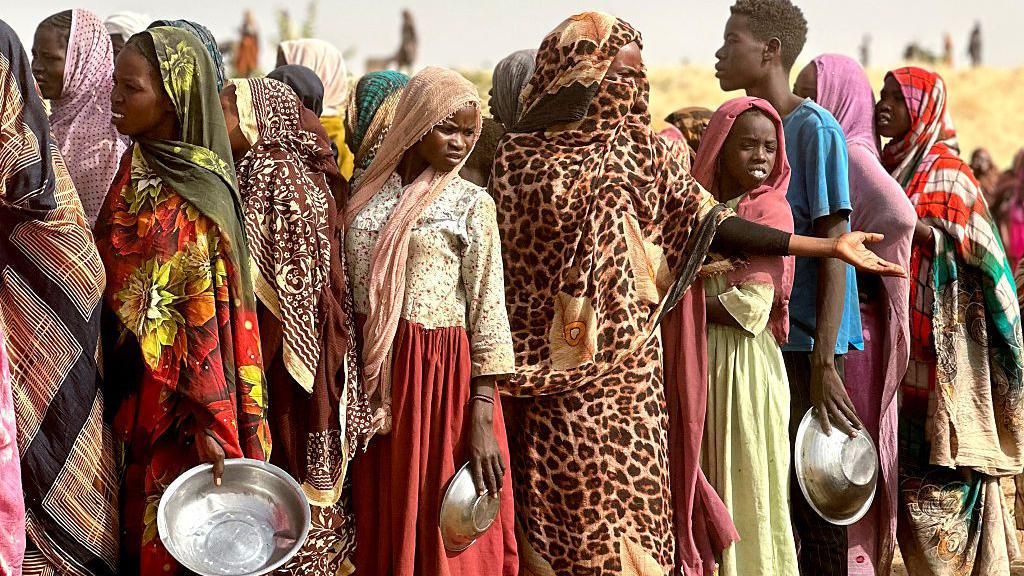
The Sudanese city of el-Fasher has become the epicenter of a deepening humanitarian crisis as paramilitary forces, the Rapid Support Forces (RSF), claim control over the army’s main base in the region. Despite the RSF’s declaration, Sudan’s military has yet to acknowledge the loss of this strategic stronghold, which would mark a significant turning point in the ongoing civil war. El-Fasher, the last remaining army foothold in Darfur, has been under siege by the RSF and its allies for 18 months, with intense fighting erupting since Saturday after the RSF captured the North Darfur governor’s residence. Verified social media footage shows RSF fighters celebrating their alleged victory, though local army allies report that clashes persist in parts of the city. The RSF has been accused of targeting civilians in airstrikes and trapping nearly 250,000 people by encircling the city with an earth wall, leaving many on the brink of starvation. The United Nations has described el-Fasher as an ‘epicenter of suffering,’ with UN humanitarian official Tom Fletcher expressing deep alarm over civilian casualties and the dire conditions faced by those trapped. Fletcher emphasized the urgent need for safe passage and access to aid for civilians, a call echoed by the United States, which is actively seeking to broker a ceasefire. The capture of el-Fasher would represent a crucial comeback for the RSF following their defeat in Khartoum, but it also signals the likelihood of prolonged conflict rather than resolution. Since 2023, Sudan has been engulfed in a devastating power struggle between the RSF and the Sudanese army, resulting in over 150,000 deaths and displacing approximately 12 million people. The army retains control over much of the north and east, while the RSF dominates Darfur and large parts of Kordofan. The RSF has previously expressed ambitions to establish a rival government in el-Fasher, further complicating the path to peace. As the crisis deepens, the international community continues to call for immediate action to alleviate the suffering of civilians caught in the crossfire.
作者: admin
-
Mali shuts schools and universities as jihadist blockade worsens fuel crisis
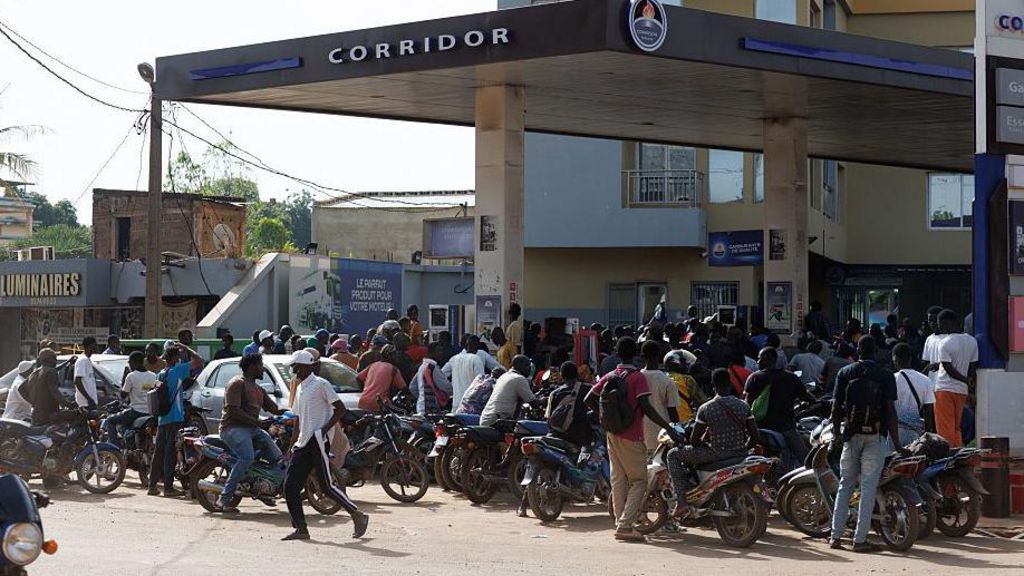
Mali has been plunged into a deepening crisis as schools and universities across the nation have been forced to suspend operations due to a severe fuel shortage. The disruption stems from a blockade on fuel imports imposed by Islamist insurgents, who have targeted tankers on major highways. Education Minister Amadou Sy Savane announced the suspension on state television, stating that all educational institutions will remain closed until November 9. The decision was made to address the logistical challenges faced by staff and students in commuting amid the fuel scarcity. The government has assured the public that it is working tirelessly to resolve the crisis and resume classes by November 10. The capital, Bamako, has been particularly hard-hit, with long queues forming at petrol stations and the city’s bustling streets now eerily quiet. Mali, a landlocked country, relies entirely on fuel imports from neighboring nations such as Senegal and Ivory Coast, making it vulnerable to such blockades. The military government, led by General Assimi Goïta, has struggled to contain the crisis despite earlier assurances that the fuel shortage was temporary. The situation has escalated to the point where the US Embassy in Bamako has evacuated non-essential diplomatic staff and their families, citing worsening fuel shortages and heightened security concerns. The embassy warned that the fuel disruptions could lead to unpredictable security challenges and have already impacted electricity supplies. Mali’s ongoing instability is rooted in a complex history of insurgency, with Islamist militants gaining control over large swathes of the north and east. The military junta, which seized power in a 2021 coup, initially enjoyed popular support for its promises to address the security crisis. However, the withdrawal of UN peacekeeping forces and French troops has left the government reliant on Russian mercenaries to combat the insurgency, with limited success. The current fuel blockade underscores the persistent threat posed by jihadist groups and the broader challenges facing Mali’s fragile governance.
-
Indian minister accused of victim blaming after Australian cricketers’ assault
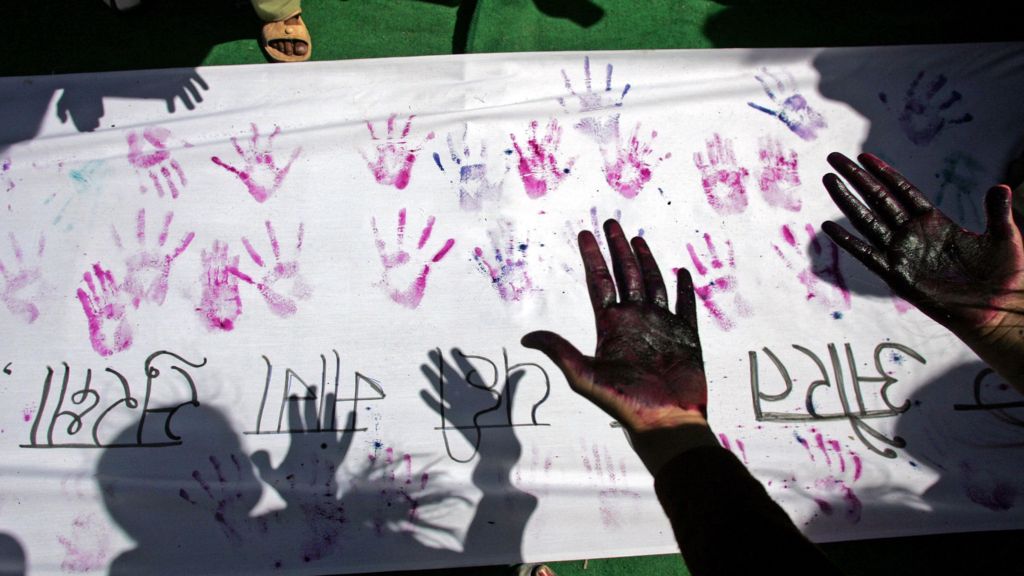
A recent incident involving the street harassment of two Australian female cricketers in Indore, Madhya Pradesh, has ignited widespread condemnation and a heated debate in India. The players, who were in the country for the Women’s World Cup, were reportedly approached and inappropriately touched by a motorcyclist while walking to a cafe. The perpetrator has since been arrested, but the incident has drawn global attention to the pervasive issue of street harassment in India.
-
China fortifies public interest mechanism
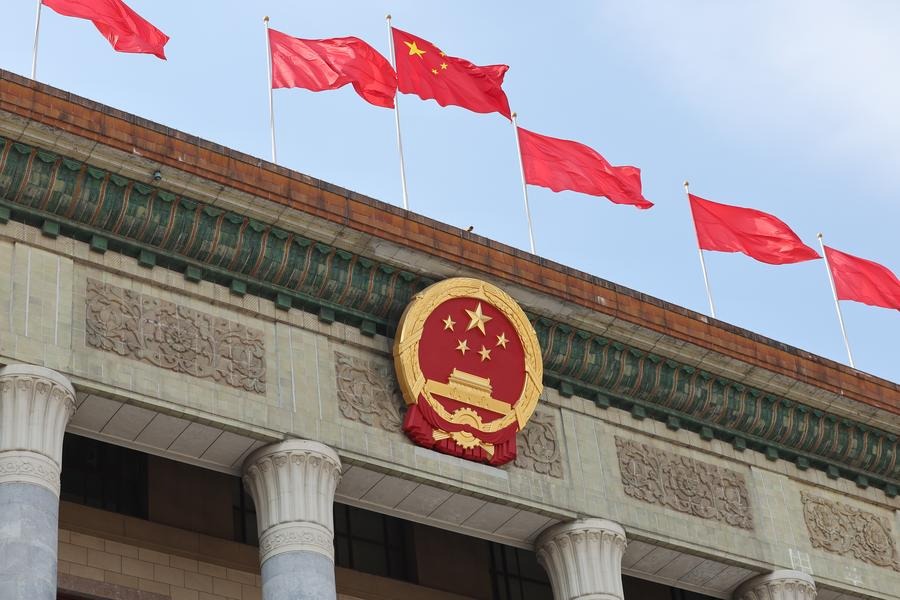
China is taking a significant step to codify its public interest litigation system into law, marking a milestone in its legal and governance modernization efforts. The draft law on procuratorial public interest litigation, currently under review by the Standing Committee of the National People’s Congress (NPC), aims to consolidate and expand the system’s scope, which has been in place since 2015. This legislation, the first of its kind, defines 14 existing categories of public interest litigation and introduces two new areas: cultural heritage and national defense. The draft also establishes clear rules on jurisdiction, investigation, trial, and enforcement, ensuring a structured approach to safeguarding national and social interests. Yang Xiaochao, chair of the NPC’s Supervisory and Judicial Affairs Committee, emphasized that the law reflects China’s commitment to timely and effective public interest protection, a global governance priority. The draft mandates that prosecutors first urge administrative agencies to fulfill their duties before initiating litigation, and it prohibits coercive measures like restricting personal freedom or freezing assets during investigations. Citizens and social organizations are encouraged to provide leads and monitor case handling, fostering public participation. Since its pilot launch in 2015, the system has handled over 1.22 million cases, with significant support from provincial-level governments and legislatures. The Supreme People’s Procuratorate has also established collaborative mechanisms with over 30 administrative law enforcement agencies to enhance practical and theoretical integration. This new law aims to address the fragmented nature of existing regulations, providing a unified framework to tackle practical challenges and institutionalize a decade of innovative practices.
-
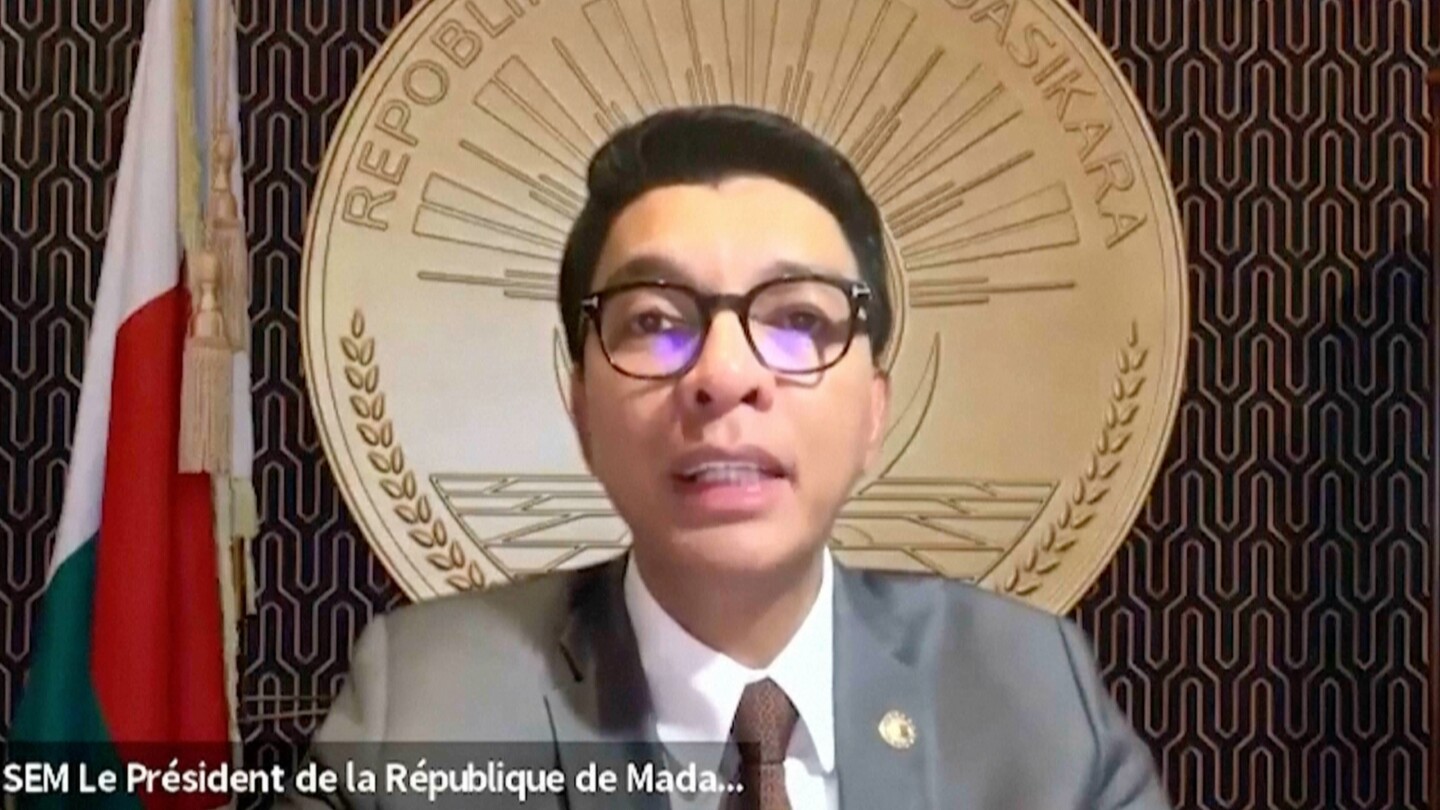
Former Madagascar president Andry Rajoelina stripped of citizenship after military takeover
In a dramatic turn of events, former Madagascar President Andry Rajoelina has been stripped of his Malagasy citizenship following his ousting in a military coup just over a week ago. Rajoelina, who also holds French citizenship, fled the country amid widespread protests demanding his resignation. His current whereabouts remain unknown. The new Prime Minister, Herintsalama Rajaonarivelo, has enacted a decree that revokes the citizenship of any Malagasy individual holding dual nationality, a move that directly impacts Rajoelina. This development follows intense scrutiny over Rajoelina’s eligibility to run in the 2023 presidential election, which he ultimately won. The protests, led predominantly by the youth, were initially sparked by chronic issues such as water and electricity shortages but quickly escalated to address broader grievances like poverty and unemployment. The unrest culminated in a violent crackdown by security forces, resulting in 22 deaths and over 100 injuries, according to the United Nations. Rajoelina, who expressed fears for his life, addressed the nation from an undisclosed location shortly before the military takeover. Colonel Michael Randrianirina has since been sworn in as the new president. Madagascar, which gained independence from France in 1960, has a tumultuous history of political instability, with Rajoelina himself first rising to power following a coup in 2009.
-
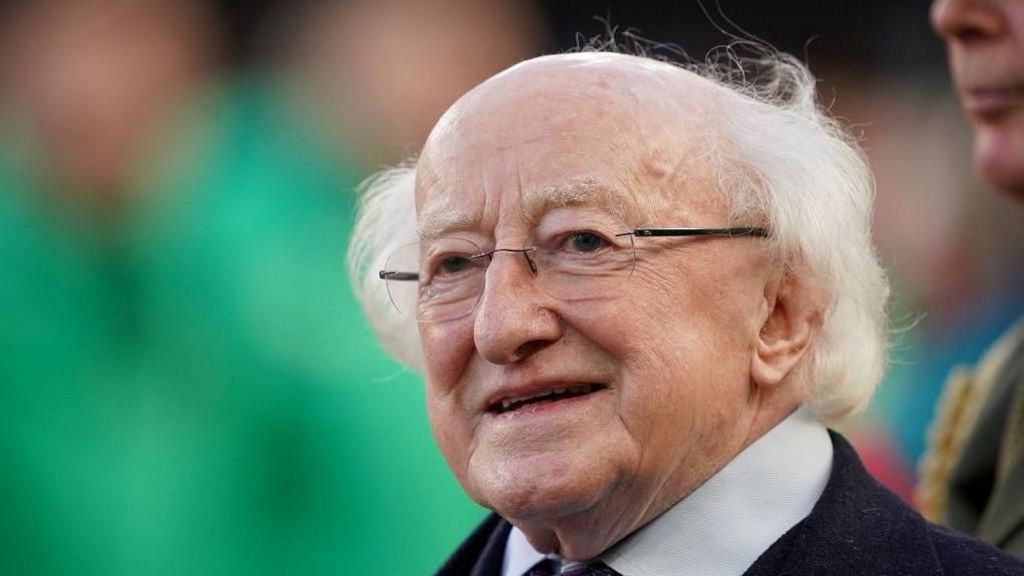
Michael D Higgins spends night in hospital for treatment
Irish President Michael D. Higgins was admitted to St. James’s Hospital in Dublin on Sunday for treatment of a localized infection. According to a spokesperson, the President received antibiotics and is in “good spirits,” with plans to return to Áras an Uachtaráin, his official residence and workplace. Higgins will continue to serve in his role until the inauguration of his successor, Catherine Connolly, on November 11 at Dublin Castle. Connolly, an independent member of the Irish parliament, made history by securing a record-breaking 63% of first-preference votes in the presidential election. However, the unusually high number of spoiled votes—213,738—has drawn attention and calls for electoral reform. Connolly’s victory over Fine Gael’s Heather Humphreys was officially confirmed on Saturday evening, marking the beginning of a new chapter in Ireland’s political landscape.
-
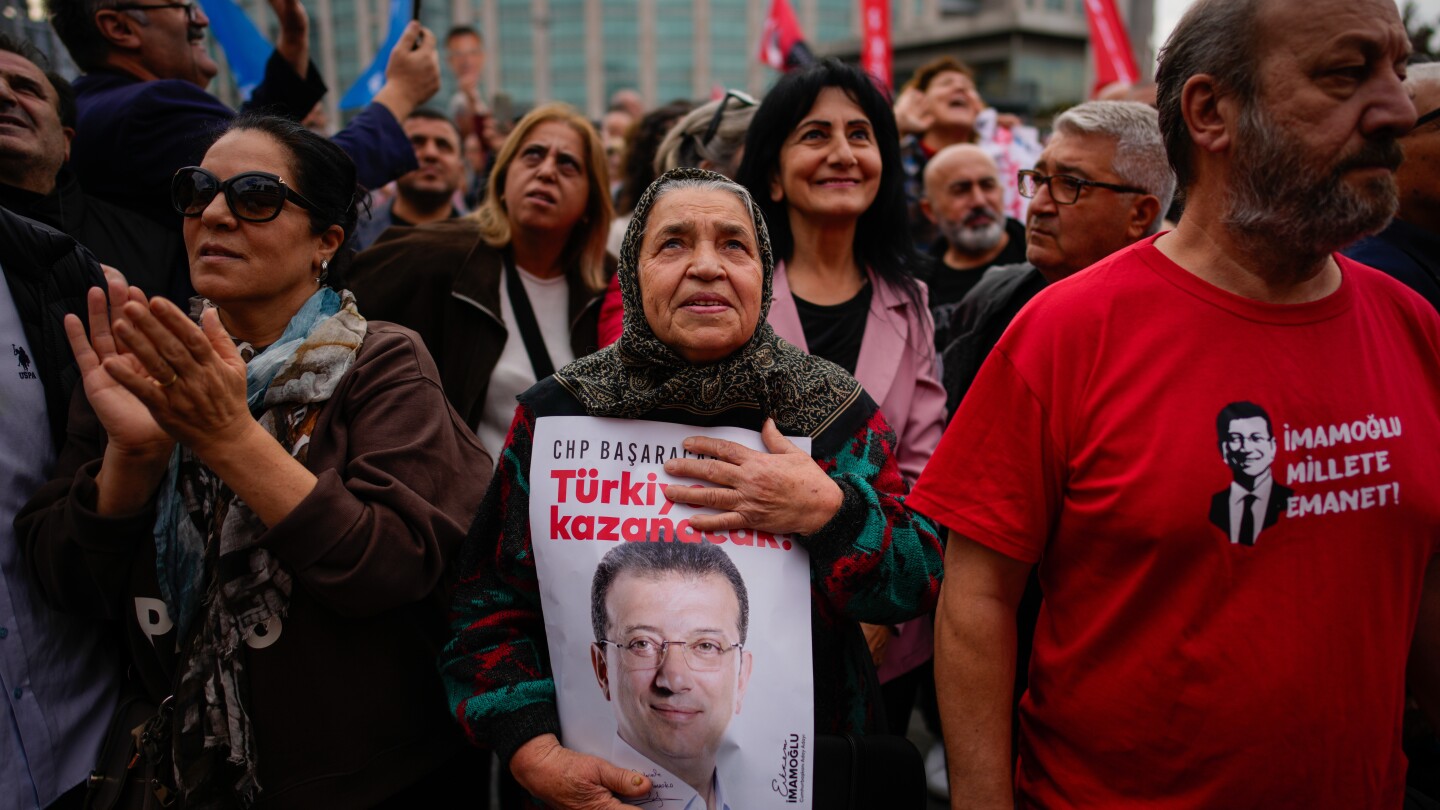
Turkish prosecutors file new espionage charges against Istanbul’s jailed mayor
In a significant escalation of judicial pressure, Turkish prosecutors have leveled new espionage charges against Ekrem Imamoglu, the incarcerated mayor of Istanbul and a prominent opposition figure widely regarded as a formidable challenger to President Recep Tayyip Erdogan. The charges, filed on Monday, are linked to an ongoing investigation into alleged connections between Imamoglu’s political campaign and a businessman arrested in July for reportedly conducting intelligence operations on behalf of foreign governments. Imamoglu’s former campaign manager, Necati Ozkan, and journalist Merdan Yanardag have also been implicated in the case. According to the state-run Anadolu Agency, Imamoglu, who is already in pretrial detention on corruption charges, is accused of unlawfully transferring personal data of Istanbul residents to secure international funding for his campaign. Imamoglu vehemently denied the allegations, dismissing them as ‘nonsense’ in a social media statement. ‘Even the claim that I burned down Rome would have been more credible than this nonsense,’ he remarked, vowing to intensify his resistance against what he described as a systemic effort to undermine Turkey’s future. The charges have further fueled accusations of a broader crackdown on opposition figures, particularly following the Republican People’s Party’s (CHP) significant gains in last year’s local elections. Imamoglu’s arrest in March had already sparked nationwide protests, with critics viewing it as part of a concerted effort to stifle dissent. Erdogan’s government maintains that the judiciary operates independently and that the investigations are solely focused on combating corruption.
-
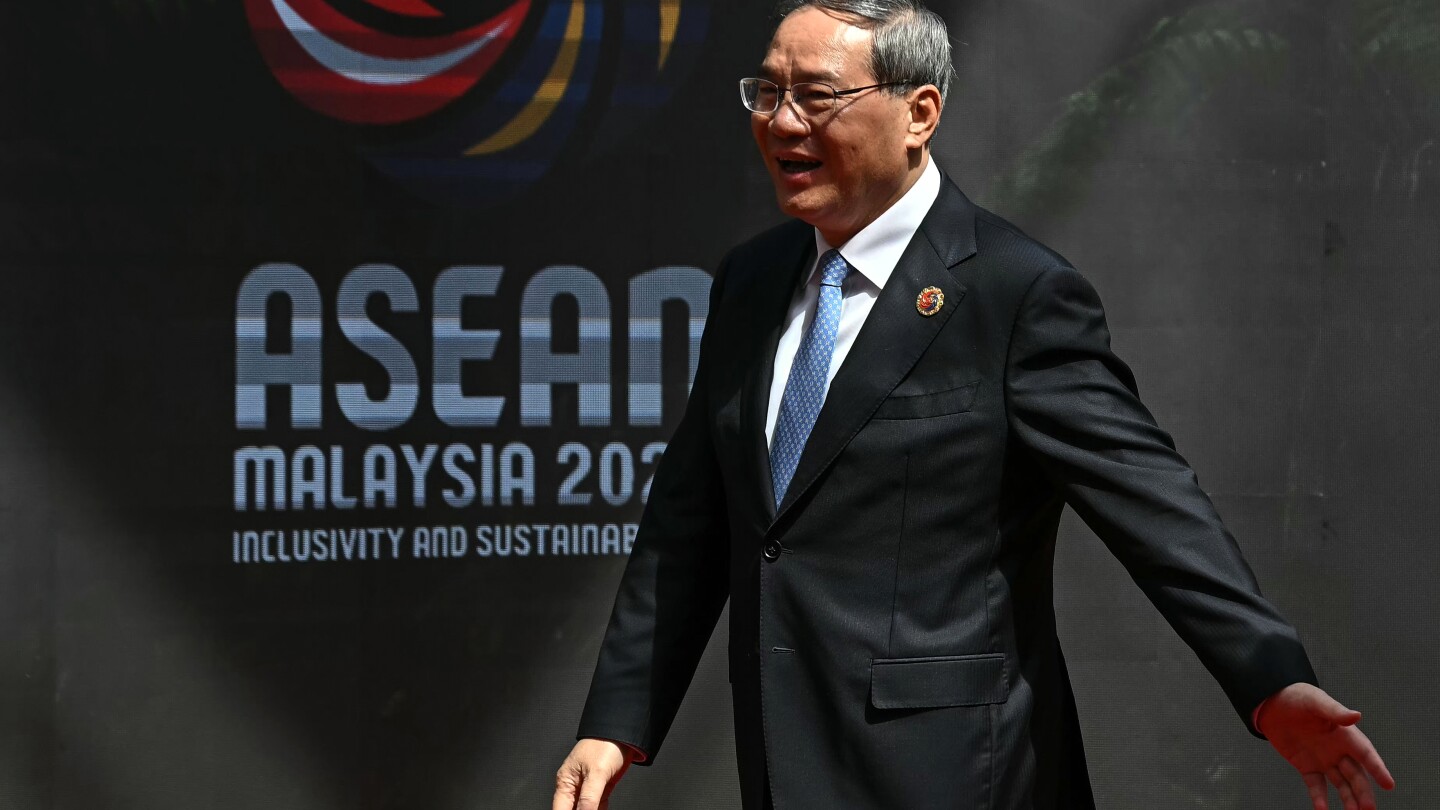
Australia’s Albanese discusses US minerals deal, jet incident with China’s Premier Li
In a significant diplomatic engagement, Australian Prime Minister Anthony Albanese and Chinese Premier Li Qiang convened on the sidelines of the Association of Southeast Asian Nations (ASEAN) summit in Kuala Lumpur, Malaysia. The meeting, described by Albanese as “positive,” focused on key issues such as Australia’s critical-minerals deal with the United States and recent tensions involving a Chinese warplane. This marked the seventh meeting between the two leaders, reflecting a stabilizing relationship since Albanese’s center-left government took office in 2022. China has since lifted several trade barriers that had previously cost Australian exporters up to $13 billion annually. Albanese highlighted discussions about his recent U.S. visit, where an $8.5 billion critical minerals agreement was signed, underscoring Australia’s strategic role in global rare earth resources amid China’s tightening export controls. Li emphasized China’s desire for an open, non-discriminatory environment for Chinese investments in Australia and expressed willingness to collaborate on green economy initiatives, high-tech industries, and digital innovation. However, Australia remains wary of China’s dominance in critical minerals and renewable energy supply chains, as evidenced by recent government actions to restrict Chinese ownership in key sectors. Albanese also raised concerns over a recent incident in the South China Sea, where a Chinese Su-35 jet released flares dangerously close to an Australian surveillance aircraft. The Australian government condemned the behavior as unsafe and unprofessional, while China accused Australia of violating its sovereignty. Despite these tensions, Albanese stressed the importance of frank dialogue in addressing disagreements, a sentiment echoed in his previous engagements with Chinese leadership.
-
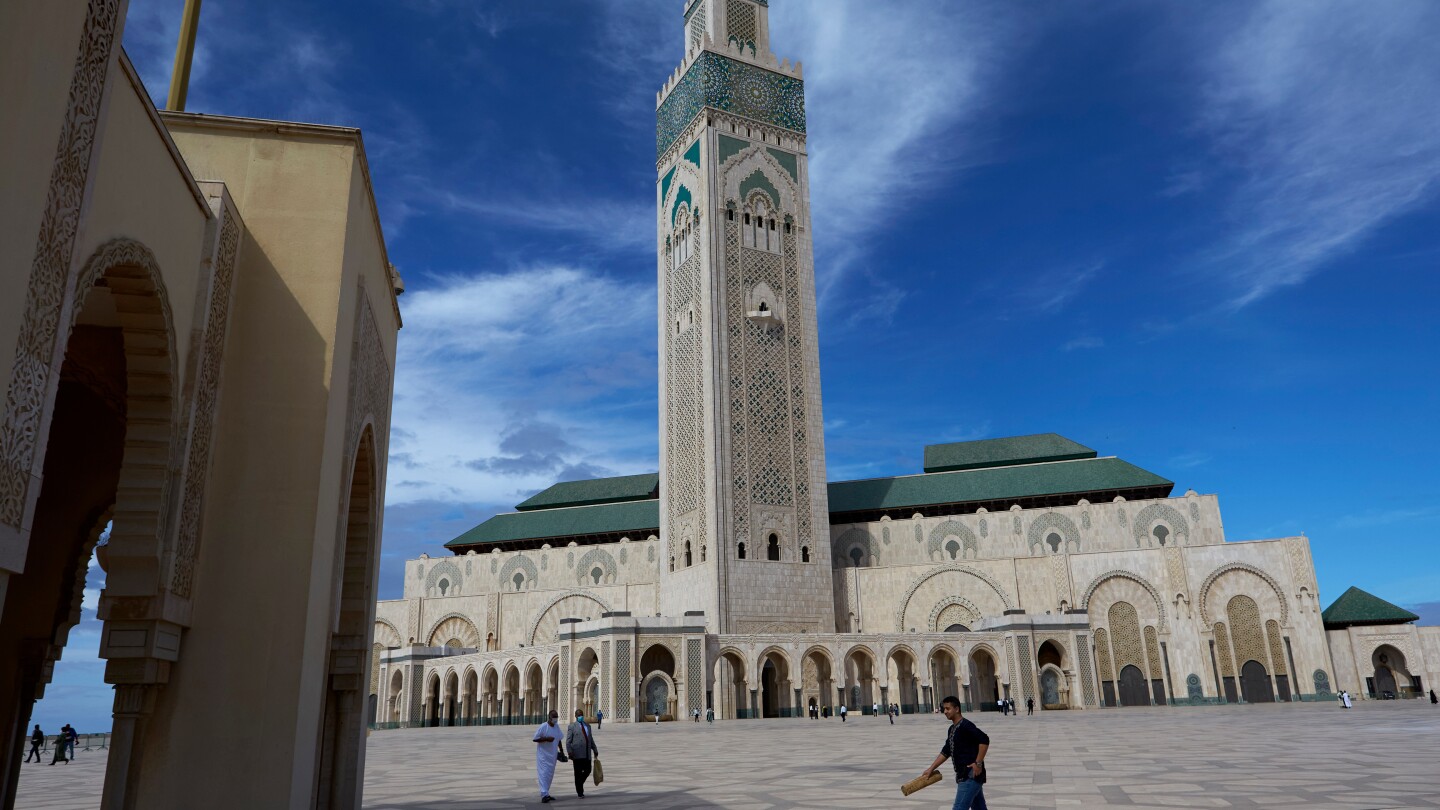
Sermons urge youth to take part in public affairs in Morocco after wave of protests
In a striking move to address rising youth discontent, Morocco’s government has taken to the pulpit to deliver a unified message across the nation’s mosques. On Friday, imams in over 53,000 mosques, including one in Rabat, delivered a government-written sermon urging parents to involve their children in public affairs. The sermon, broadcast live on public television, emphasized the importance of civic participation, national loyalty, and the role of youth in shaping Morocco’s future. This initiative comes in the wake of widespread protests led by the Gen Z 212 movement, which has been demanding better social and economic conditions and accountability from the government. The protests, organized via social media platforms like Discord, have been marked by acts of vandalism, arrests, and even fatalities. While the sermon did not directly address the protests, it was widely interpreted as an attempt by the government to engage with the youth and steer them toward constructive dialogue. Critics, however, argue that the state’s control over sermon content turns mosques into tools for promoting government policies. In response to the unrest, the government has announced new measures, including a draft bill to simplify election candidacy requirements for individuals under 35 and a record $15 billion allocation for health and education in the 2026 budget. Despite these promises, weekend protests saw lower-than-expected turnout, with only dozens attending a gathering in Casablanca. Analysts like Dr. Driss El Ganbouri suggest that while sermons can influence public opinion, they must be backed by tangible actions to gain the trust of the younger generation.
-
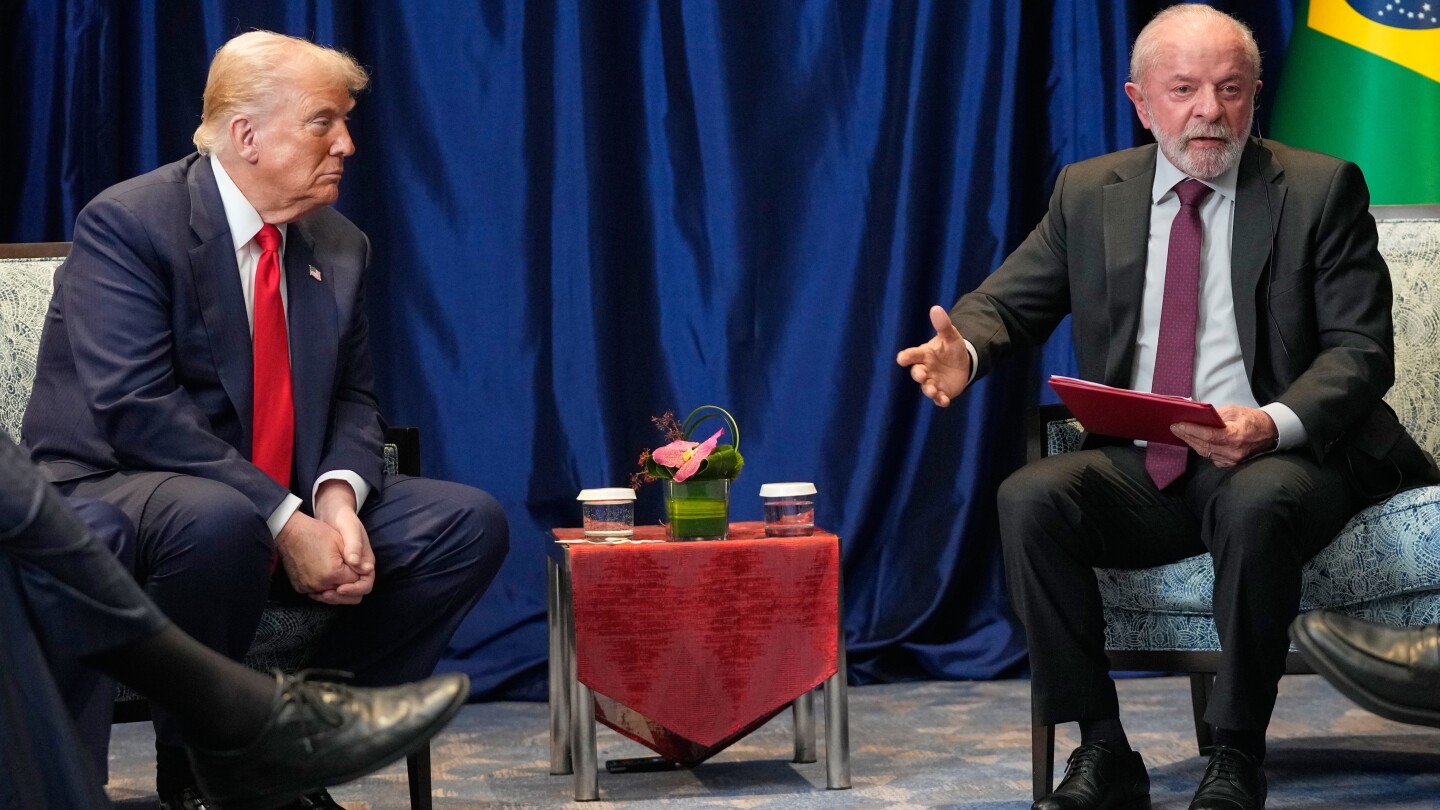
Lula is optimistic there will be a US-Brazil trade deal after meeting with Trump in Malaysia
KUALA LUMPUR, Malaysia — Brazilian President Luiz Inácio Lula da Silva expressed optimism on Monday about reaching a trade agreement with the United States, following a productive meeting with U.S. President Donald Trump. The discussions took place on the sidelines of a regional summit in Malaysia’s capital, Kuala Lumpur, which Lula described as “very good.” Trump, who later departed for Japan, hinted at the possibility of reducing tariffs imposed on Brazil, a move that could ease tensions between the two nations. The U.S. had previously implemented a 40% tariff on Brazilian goods in July, citing Brazil’s policies and the prosecution of former President Jair Bolsonaro as an economic emergency. Bolsonaro, a Trump ally, was recently sentenced to 27 years in prison for attempting a coup after losing the 2022 election. Lula presented Trump with a document outlining Brazil’s stance against the tariff hikes, acknowledging the U.S.’s right to impose such measures but arguing they were based on “mistaken information.” While Trump did not commit to suspending the tariffs, Lula remained confident, stating, “He guaranteed to me that we will reach an agreement.” Lula also emphasized Brazil’s role as one of three G20 nations with which the U.S. maintains a trade surplus, highlighting the $6.8 billion surplus recorded last year. Additionally, Lula offered to mediate the crisis in Venezuela, where President Nicolas Maduro has accused the U.S. of escalating tensions. Celebrating his 80th birthday, Lula expressed a sense of fulfillment and optimism for the future, aiming to live up to 120 years. His presence at the ASEAN summits underscored Malaysia’s efforts to strengthen trade ties between Southeast Asia and Latin America.