
Micheál Martin, the Taoiseach of Ireland and leader of Fianna Fáil for 14 years, is under increasing pressure from senior party members to address the future of his leadership. This comes in the wake of a tumultuous presidential election campaign that saw the party’s candidate, Jim Gavin, withdraw due to controversy over overpaid rent by a tenant. Despite Gavin’s withdrawal, his name remained on the ballot, and the party’s leadership faced criticism for backing him over other potential candidates, including European Parliament member Billy Kelleher. The election ultimately resulted in a landslide victory for independent candidate Catherine Connolly, further exacerbating internal party tensions. Senior Fianna Fáil backbenchers, including TD John McGuinness, have called for a leadership discussion, citing “serious errors” in the campaign. However, TD Darragh O’Brien maintains that the “vast majority” of parliamentary party members still support Martin. The party has decided to postpone leadership talks until a review of the presidential campaign concludes in two weeks. Martin’s position has been significantly weakened by his staunch support for Gavin, and while some believe his time as leader is numbered, others speculate that a leadership change may not occur until after Ireland’s EU Council presidency ends in December 2026. This would also mean Martin would not assume the role of tánaiste in 2027, as per the coalition agreement with Fine Gael.
作者: admin
-

Lithuania draws up plans to shut Belarus border crossings indefinitely after balloon disruptions
Lithuania’s Prime Minister Inga Ruginienė announced on Monday that the government has prepared plans to indefinitely shut its border crossings with Belarus. This decision comes in response to repeated disruptions at Vilnius Airport caused by suspected sightings of balloons allegedly used for smuggling cigarettes across the frontier. The National Security Commission convened after air traffic at Vilnius Airport was suspended on three consecutive evenings—Friday, Saturday, and Sunday—leading to widespread flight cancellations, diversions, and delays. Kaunas Airport, located farther from the Belarusian border, was also affected on Friday. These incidents follow similar disruptions earlier in the week and in recent months. Both Medininkai and Šalčininkai border crossings were temporarily closed following each balloon sighting, with the border guard service extending the closure for 24 hours on Sunday night. Prime Minister Ruginienė stated that the restrictions will remain in place until Wednesday, when the Cabinet will decide on a potential indefinite closure. The draft decision includes exemptions for diplomats, diplomatic mail, and EU citizens entering from Belarus. Lithuania, a member of both the EU and NATO, shares borders with Russia’s Kaliningrad exclave and Belarus, a key ally of Russia. Belarusian opposition leader Sviatlana Tsikhanouskaya, exiled in Lithuania, described the balloon incidents as a form of hybrid aggression by the Belarusian regime. She expressed support for Lithuania’s actions and called for stronger sanctions against those involved in cigarette smuggling.
-
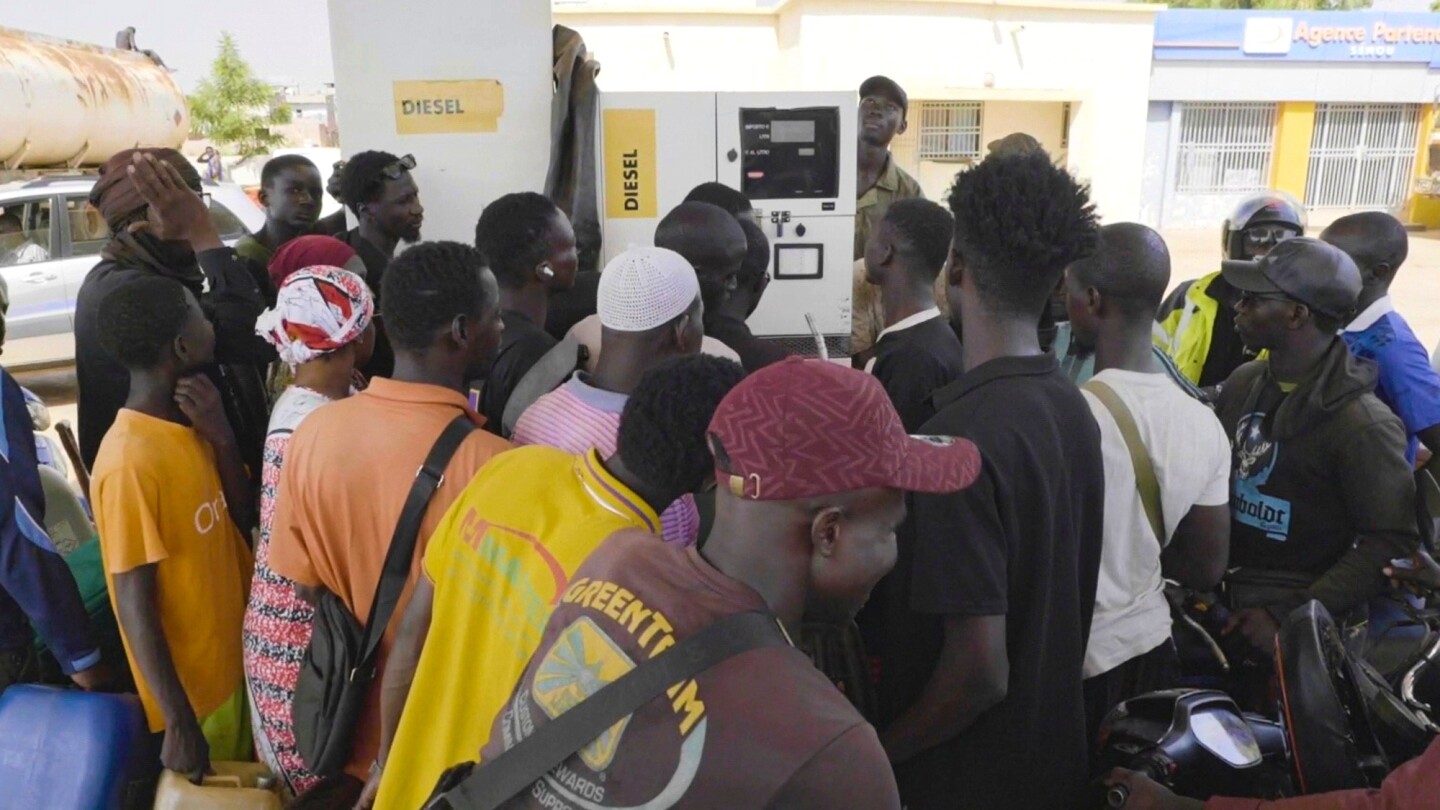
Mali is squeezed as militants enforce a fuel blockade
The West African nation of Mali is grappling with a severe crisis as jihadi militants enforce a blockade on fuel imports, crippling the country’s economy and daily life. Education Minister Amadou Sy Savane announced on Sunday that schools nationwide will remain closed for two weeks due to fuel shortages, which have made it nearly impossible for staff and workers to commute. Mali, a landlocked country of 25 million people, heavily relies on fuel imports from neighboring Senegal and Ivory Coast, making the blockade a significant blow to its already fragile economy. The blockade was imposed by the al-Qaida-linked Jama’at Nusrat al-Islam wal-Muslimin (JNIM) group in early September, following government efforts to cut fuel supplies to remote areas as a strategy to weaken the militants. This move has left hundreds of fuel trucks stranded at the border, exacerbating the crisis. JNIM, the most potent armed group in the Sahel region, has targeted transport companies along major roads, forcing many to halt operations. Analysts suggest the blockade is a strategic effort to undermine Mali’s military junta, which came to power in a 2020 coup, by pressuring commercial operators and residents to distance themselves from the government. Despite military attempts to escort fuel trucks and conduct airstrikes against JNIM, the lack of air power has limited their effectiveness. The blockade has led to skyrocketing commodity prices, worsening living conditions for millions, with long queues forming at gas stations in the capital, Bamako. Mali, one of Africa’s top gold producers, remains one of the world’s least developed nations, with nearly half its population living in poverty. The crisis highlights the deepening security challenges in the Sahel region, where JNIM is actively destabilizing governments in Mali, Burkina Faso, and Niger.
-
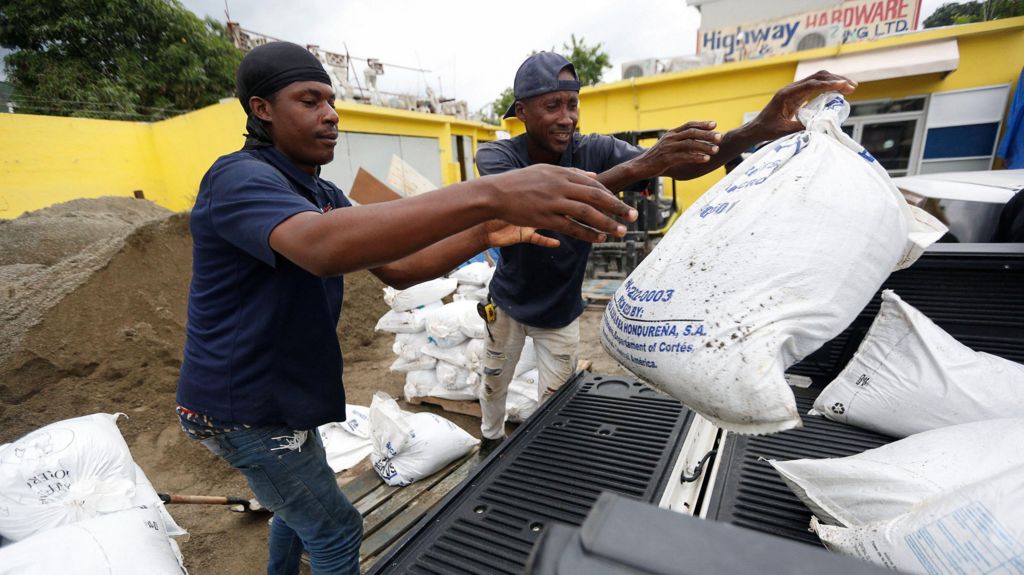
Hurricane Melissa could be strongest to ever hit Jamaica
Jamaica is on high alert as Hurricane Melissa, now classified as a Category 5 storm, threatens to unleash devastating winds and catastrophic flooding across the Caribbean nation. The US National Hurricane Center (NHC) upgraded Melissa to its maximum strength early Monday, warning of its potential to become the most powerful hurricane ever to hit Jamaica. The storm has already claimed four lives on the island of Hispaniola and is expected to bring life-threatening conditions to Jamaica in the coming hours. As of 09:00 GMT, Melissa was located approximately 130 miles south-southwest of Kingston, with maximum sustained winds of 160 mph, and could intensify further in the next 12 to 24 hours. Forecasters predict the storm’s core will move near or over Jamaica by Tuesday night, with potential impacts extending to southeastern Cuba and the Bahamas later in the week. The slow-moving nature of the storm raises concerns about prolonged rainfall, with up to 40 inches expected in parts of Jamaica over the next four days. Jamaican Prime Minister Andrew Holness has ordered immediate evacuations in vulnerable areas, while the government has opened all 881 shelters across the island. Residents in low-lying and flood-prone regions have been urged to seek safety. The storm has already caused significant damage in Hispaniola, with three deaths in Haiti and one in the Dominican Republic, where a 79-year-old man was swept away by floodwaters in Santo Domingo. A 13-year-old boy is also missing after being dragged by strong currents while swimming. Authorities continue to rescue individuals trapped by rising floodwaters as the region braces for Melissa’s full impact.
-

Preserving Russian ethnic culture in Xinjiang
In the heart of Tacheng prefecture, Xinjiang, Wang Guangsheng stands as a beacon of cultural preservation, dedicating her life to safeguarding the rich heritage of the Russian ethnic community. As an inheritor of intangible cultural heritage, Wang employs a multifaceted approach to keep the traditions alive. Through the meticulous curation of ancient artifacts, the revival of traditional melodies, and the facilitation of intergenerational dialogues, she ensures that the essence of this ancient culture is not lost to time. Wang’s journey is a testament to the resilience and dedication required to preserve cultural identity in a rapidly modernizing world. Her efforts not only honor the past but also provide a bridge for future generations to connect with their roots. This story highlights the importance of cultural preservation in maintaining the diverse tapestry of China’s ethnic communities.
-
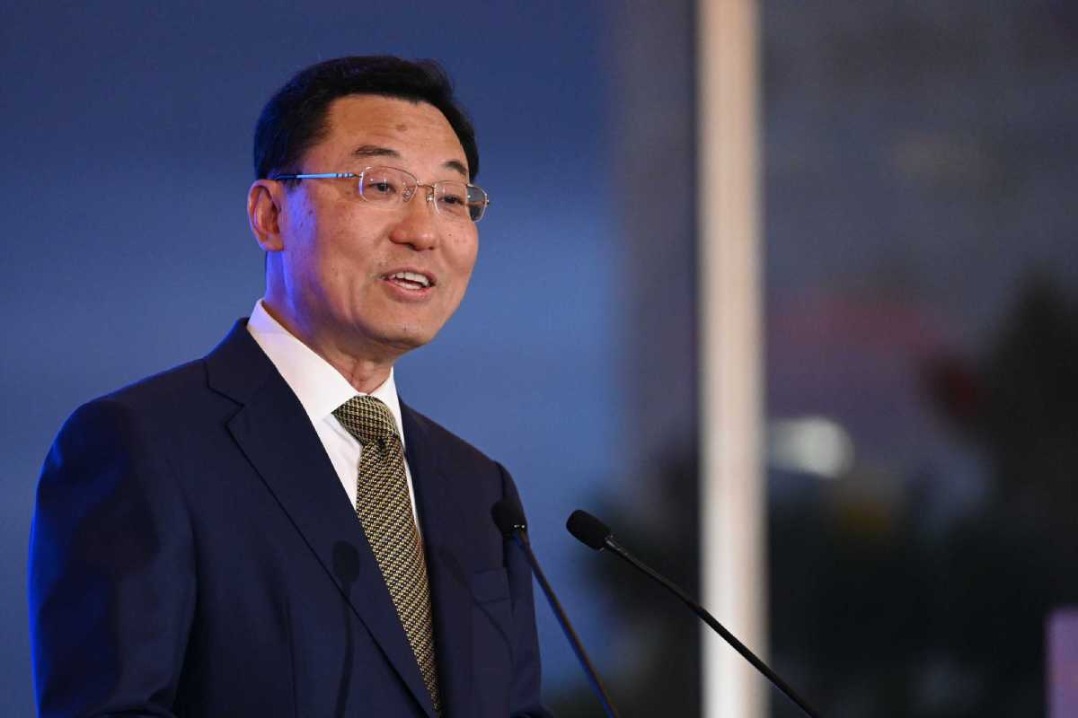
Envoy: China remains an opportunity for global development
In a recent address at the ‘Innovation, Openness, Shared Development’ Global Dialogue US Session, Chinese Ambassador to the United States, Xie Feng, emphasized China’s unwavering role as a pivotal opportunity for global development. Speaking on Friday, Ambassador Xie highlighted the outcomes of the Fourth Plenary Session of the 20th Central Committee of the Communist Party of China, which outlined the 15th Five-Year Plan (2026-2030), a strategic blueprint for China’s economic and social advancement. Xie underscored China’s commitment to openness, cooperation, and mutual prosperity, stating that the nation’s vast consumer market, robust industrial system, and innovation ecosystem present unparalleled opportunities for global partners. He also pointed to China’s ongoing urbanization, industrial upgrading, and green transition as drivers of future growth, creating avenues for international collaboration in sectors like education, healthcare, and elder care. Amid rising protectionism and economic globalization challenges, Xie reaffirmed China’s dedication to multilateralism, institutional opening-up, and fostering a stable global trading system. He called for strengthened U.S.-China relations based on mutual respect and win-win cooperation, emphasizing that such a partnership would benefit both nations and the world at large. Robert Lawrence Kuhn, Chairman of The Kuhn Foundation, echoed these sentiments, noting that China’s development is integral to global progress. Denis Simon, Chairman of the Global Talent Alliance, stressed the necessity of U.S.-China collaboration in addressing pressing global issues such as climate change, AI governance, and food security. Both speakers advocated for a shift from zero-sum competition to shared solutions, transforming current tensions into trust and mutual benefits.
-
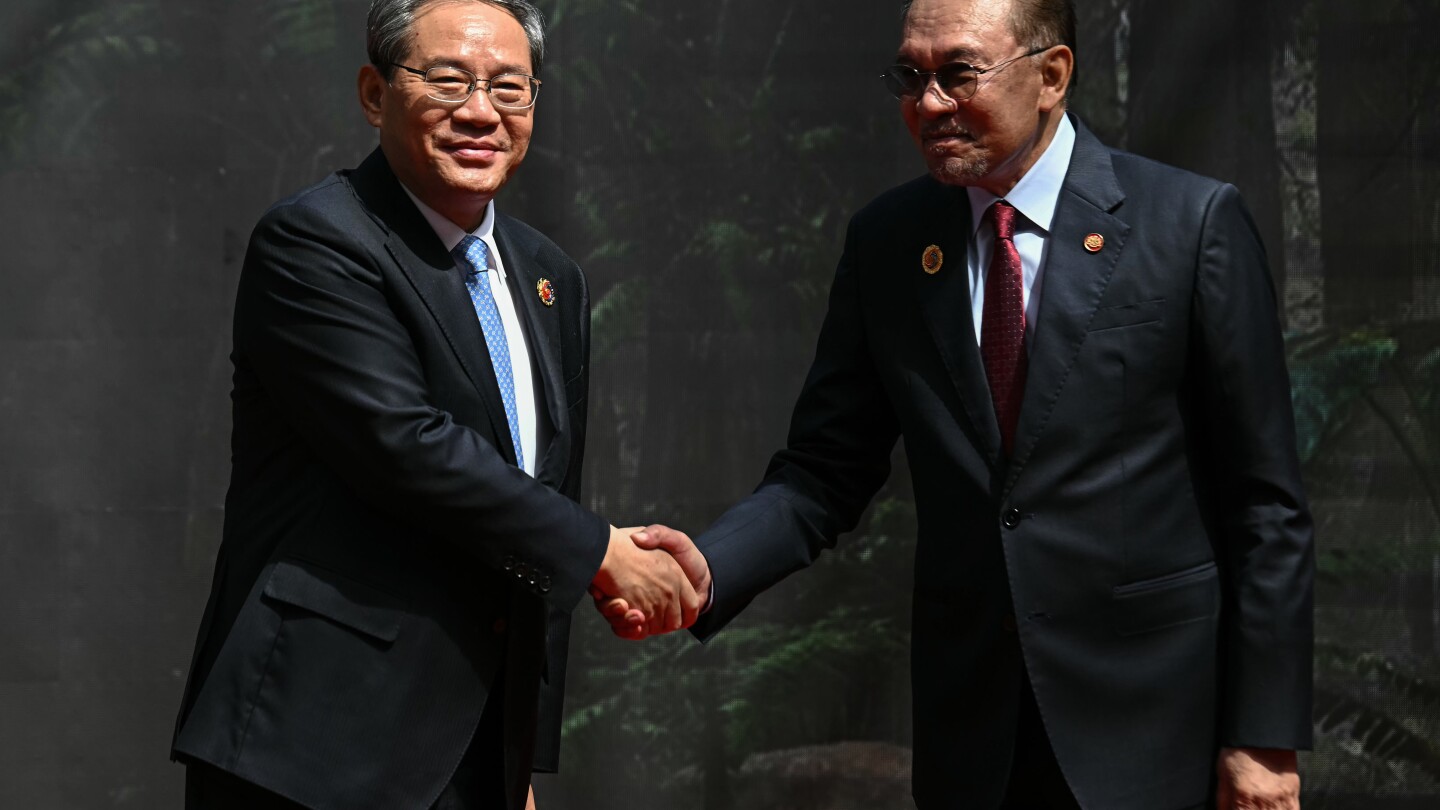
Malaysia’s Anwar calls for dialogue over coercion at East Asia summit
At the East Asia Summit in Kuala Lumpur, Malaysian Prime Minister Anwar Ibrahim emphasized the importance of dialogue and cooperation over coercion and confrontation. Addressing leaders from the Asia-Pacific region, Anwar highlighted the need for multilateralism and adherence to international law, particularly in the context of ongoing conflicts in Gaza, Ukraine, and North Korea, as well as the intensifying U.S.-China rivalry. The summit, a forum involving ASEAN and its key partners including Australia, China, India, Japan, New Zealand, South Korea, Russia, and the United States, focused on political, security, and economic challenges. Anwar also called for the resolution of the South China Sea territorial disputes through a negotiated Code of Conduct, warning against external pressures that could escalate tensions. Philippine President Ferdinand Marcos Jr. supported this stance, vowing to accelerate the Code of Conduct’s conclusion when the Philippines assumes the ASEAN chairmanship next year. Meanwhile, Chinese officials blamed Philippine actions for the maritime tensions. On other issues, Anwar commended U.S. efforts to resolve the Gaza conflict but stressed the need for a just and lasting solution for Palestinians. He also expressed concern over North Korea’s missile launches and reiterated ASEAN’s commitment to the Five-Point Consensus for peace in Myanmar. The summit also saw discussions on economic resilience, with leaders from the Regional Comprehensive Economic Partnership (RCEP) vowing to enhance regional economic integration and counter U.S. tariff impacts. Canadian Prime Minister Mark Carney announced plans to accelerate free trade talks with ASEAN, aiming to double non-U.S. exports in the next decade. The event concluded with a celebration of Brazilian President Luiz Inácio Lula da Silva’s 80th birthday, marking a lighter moment in the otherwise intense diplomatic gathering.
-
US trade policies upending global order, economists say
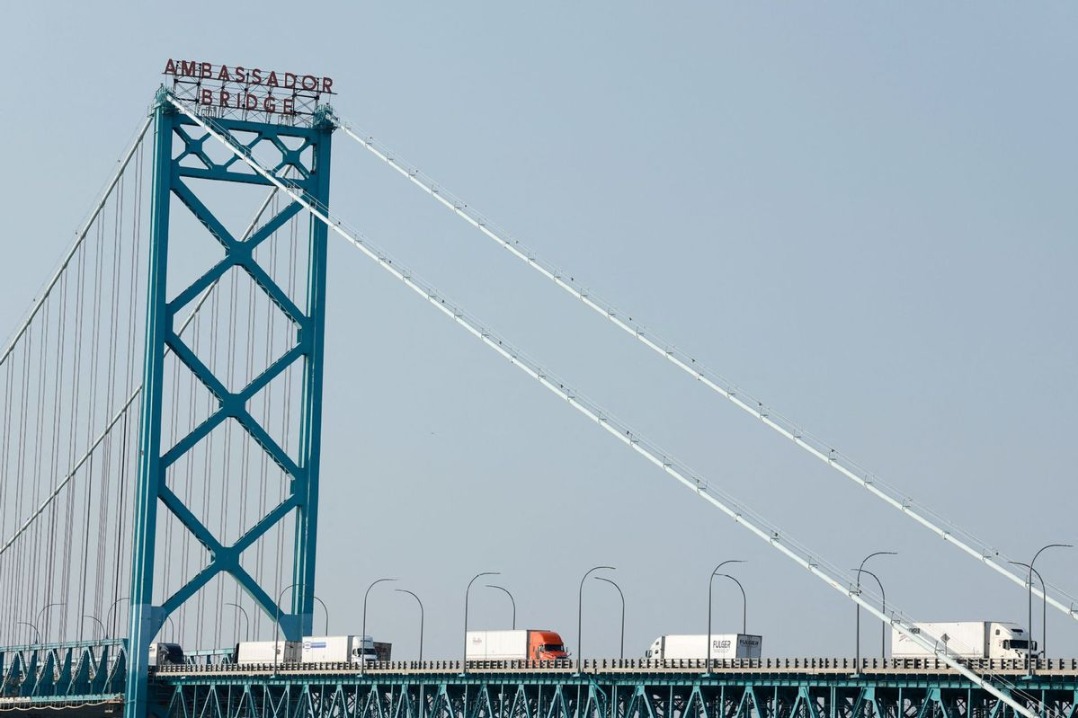
The United States’ aggressive tariff policies and a foreign aid strategy rooted in a ‘grievance narrative’ are fundamentally altering the global economic landscape, with profound implications for both the US and the international community. This was the consensus among experts at recent events hosted by the Peterson Institute for International Economics in Washington. They emphasized the urgent need for multilateral cooperation to counteract the rising tide of isolationism and the disruptions caused by tariffs. Hector Torres, a senior fellow at the Centre for International Governance Innovation and former International Monetary Fund executive director, described the shift as a ‘seismic disruption’ in global trade. He highlighted the transition from a rules-based to a deals-based trading system, driven more by geopolitical motives than economic rationale. The fragility of global trade was a recurring theme during the discussions on October 14 and 15. Experts warned of the risks posed by US isolationism and stressed the importance of preserving a rules-based system. The latest IMF World Economic Outlook, released on October 14, projected subdued global growth for this year and next, with renewed trade disputes posing significant risks. Maurice Obstfeld, a senior fellow at the Peterson Institute and former IMF chief economist, criticized the US reliance on tariffs, calling them inefficient and regressive. He noted that the tariffs, estimated to generate about $200 billion annually, disproportionately affect low-income individuals and distort production and consumption in the US. Obstfeld also challenged the US administration’s ‘grievance narrative,’ which portrays other nations as exploiting the US through trade deficits, financial inflows, or security ‘freeloading.’ He argued that this mindset is driving isolationist policies that harm both the US and global economies. Mari Elka Pangestu, vice-chairwoman of Indonesia’s National Economic Council and former World Bank managing director, described the current era as a ‘watershed moment’ for global trade. She emphasized the importance of diversifying trade partnerships, pointing to Indonesia’s newly concluded trade agreement with the European Union as a counterbalance to US tariffs. Torres also highlighted China’s historic role in global trade and the critical role of the WTO, despite its challenges. He called for reforms to address the lack of rules in digital trade, warning of the potential for conflicting regulations or ‘digital firewalls’ in every country. Looking ahead, geopolitical developments are expected to shape the future of trade, with the Middle East and Ukraine identified as critical areas. Obstfeld expressed hope for EU reforms to enhance stability, while Pangestu pointed to the current Association of Southeast Asian Nations summit as an opportunity to reaffirm multilateralism.
-

Staff members harvest apples in Xinjiang
In the heart of Xinjiang Uygur Autonomous Region, the apple harvest season is in full swing. On October 23, 2025, an aerial drone captured the bustling activity at an orchard in Alaer city, where workers diligently transported freshly picked apples. Known for its unique climate, Xinjiang boasts abundant sunshine and dramatic temperature fluctuations between day and night, creating the perfect environment for cultivating fruits with naturally high sugar content. Among these, the apple stands out as a regional specialty, celebrated for its thin skin, dense texture, and juicy flesh. This year’s harvest not only highlights the agricultural prowess of the region but also underscores the economic and cultural significance of this beloved fruit. As the apples make their way to markets across the country, they carry with them the essence of Xinjiang’s rich agricultural heritage.
-
Argentina eyes expansion of beef exports to China
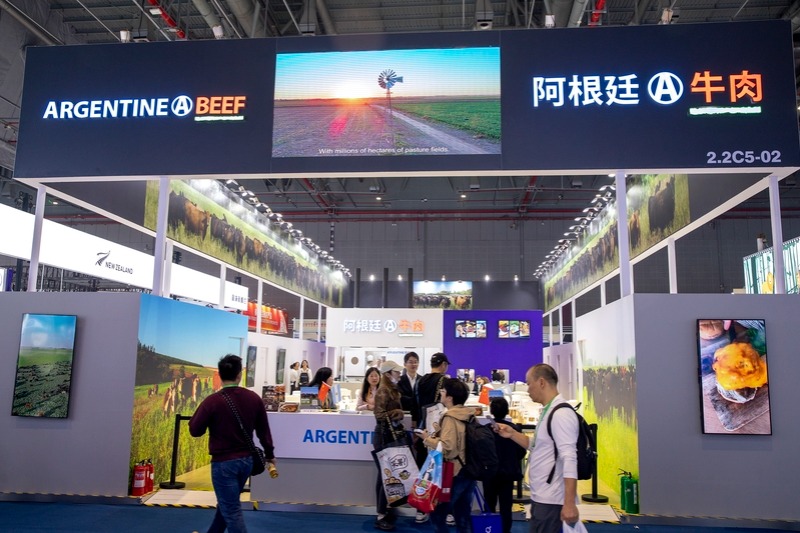
Argentina is strategically positioning China as the cornerstone of its beef export expansion, driven by evolving Chinese consumption patterns and increasing demand for diverse meat products. According to the Argentine-Chinese Chamber of Commerce, China accounts for 78 to 80 percent of Argentina’s annual beef exports, solidifying its role as the primary market for Argentine meat producers. This trend was highlighted at the recent Expo Ganadera del Centro, a major livestock fair in Buenos Aires, where Alejandra Conconi, the chamber’s executive director, emphasized China’s pivotal role in Argentina’s international meat trade. Trade data from Argentina’s Ministry of Agriculture, Livestock and Fisheries reveals that in 2024, the country exported over 900,000 metric tons of beef, with China purchasing approximately 595,000 tons. Sebastian Schulz, a researcher at the National University of La Plata, attributes this growing demand to China’s socio-economic transformation, including its focus on balanced development and the goal of achieving ‘common prosperity.’ As China’s middle class expands and dietary preferences diversify, Argentine producers are finding new opportunities in previously undervalued products such as cull cows and offal, which now command higher prices in the Chinese market. Additionally, Argentina’s participation in the Belt and Road Initiative is fostering deeper agricultural collaboration and technology transfers, which Schulz describes as ‘strategically important’ for balancing trade deficits and promoting mutual benefits. Looking ahead, Argentina is also exploring exports of bovine genetics and embryos, a high-value segment where the country holds global recognition. The diversification of beef, pork, and by-products is seen as crucial for ensuring the long-term sustainability of Argentina’s meat sector. Amadeo Derito, vice-president of the Argentine Angus Association, noted that exports of certified Angus beef to China have continued to grow, with 1,700 tons certified in the first three quarters of 2024, primarily catering to premium markets.