
In a decisive move to stabilize the cost of living, Philippine President Ferdinand Marcos Jr. has mandated a price freeze on basic necessities and prime commodities until the end of 2025. The directive, issued through the Department of Trade and Industry (DTI), aims to curb inflation and ensure affordability during the holiday season and beyond. The price freeze encompasses a broad spectrum of essential items, including canned foods, dairy products, bottled water, instant noodles, condiments, and household staples like candles. President Marcos emphasized the importance of maintaining close collaboration between the DTI and manufacturers to prevent unwarranted price hikes. The announcement was made by Palace press officer Claire Castro during the 47th Association of Southeast Asian Nations (ASEAN) Summit in Kuala Lumpur, Malaysia. DTI Secretary Cristina Roque confirmed that all stakeholders have pledged their cooperation to uphold the price freeze, particularly for imported rice and other food products. This measure underscores the government’s commitment to safeguarding consumer welfare amidst economic challenges.
作者: admin
-
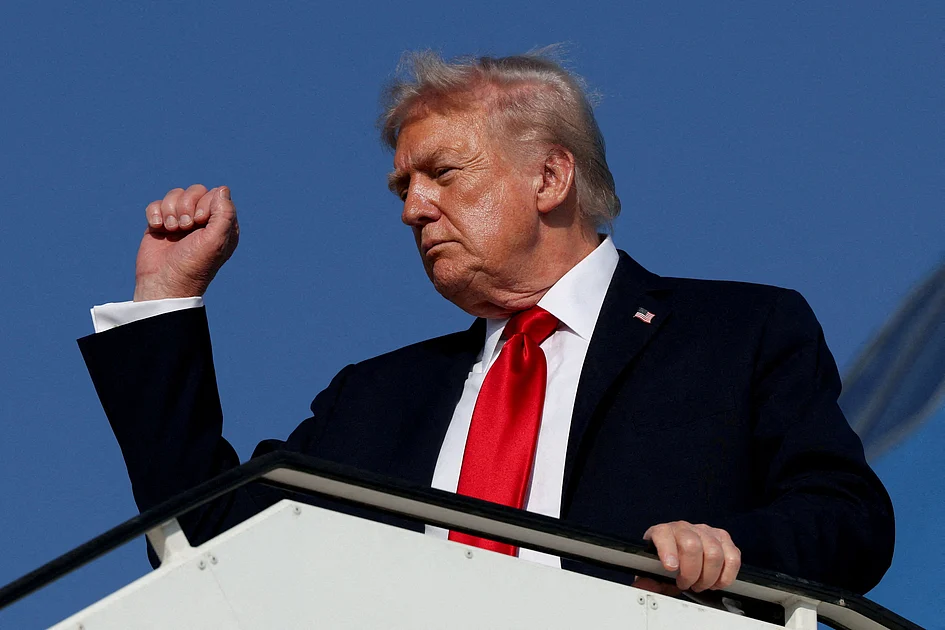
Trump dismisses 2028 VP run as ‘too cute,’ leaves door open to third term
Former U.S. President Donald Trump has firmly dismissed the possibility of running as vice president in the 2028 election, labeling the idea as ‘too cute’ and suggesting it would not resonate with the public. However, he left the door open to the prospect of seeking a third term, reigniting debates about the constitutional limits of presidential tenure. Trump’s remarks, made aboard Air Force One during a flight from Malaysia to Tokyo, have fueled speculation about his political ambitions and the potential legal challenges they might face. The 22nd Amendment to the U.S. Constitution explicitly bars individuals from being elected president more than twice, but some of Trump’s allies have hinted at exploring ways to circumvent this restriction. Trump, who would be 82 in 2028, expressed enthusiasm for another term, citing his ‘best numbers ever’ and maintaining an active public schedule despite his age. He also praised Vice President JD Vance and Secretary of State Marco Rubio as a potentially ‘unstoppable’ team in future elections. Meanwhile, figures like Steve Bannon have suggested that plans are being developed to challenge the 22nd Amendment, further complicating the Republican Party’s future leadership landscape.
-

The Indian village which saw the homecoming of one of the world’s oldest rebels
After more than six decades, Thuingaleng Muivah, the 91-year-old general secretary of the National Socialist Council of Nagalim (Isak-Muivah) or NSCN (I-M), returned to his native village of Somdal in Manipur, India. Muivah, once a prominent figure in one of Asia’s longest-running insurgencies, was greeted by a jubilant crowd that sang and draped him in a traditional shawl. His return marks a poignant moment in the Naga struggle for sovereignty, a movement that has sought either full independence or a ‘Greater Nagaland’ uniting Naga people across borders. Born in Manipur, Muivah left his village in 1964 to join the Naga National Council (NNC), later co-founding the NSCN in 1980. The NSCN (I-M) has been accused of extortion and running a parallel government, allegations it denies. Despite a ceasefire with India since 1997, Muivah’s demands for a separate Naga flag and constitution remain unresolved. Critics argue that his movement has lost its former influence, while supporters see him as a symbol of resilience. Muivah’s return, though deeply personal, underscores the enduring but fading aspirations of the Naga people.
-
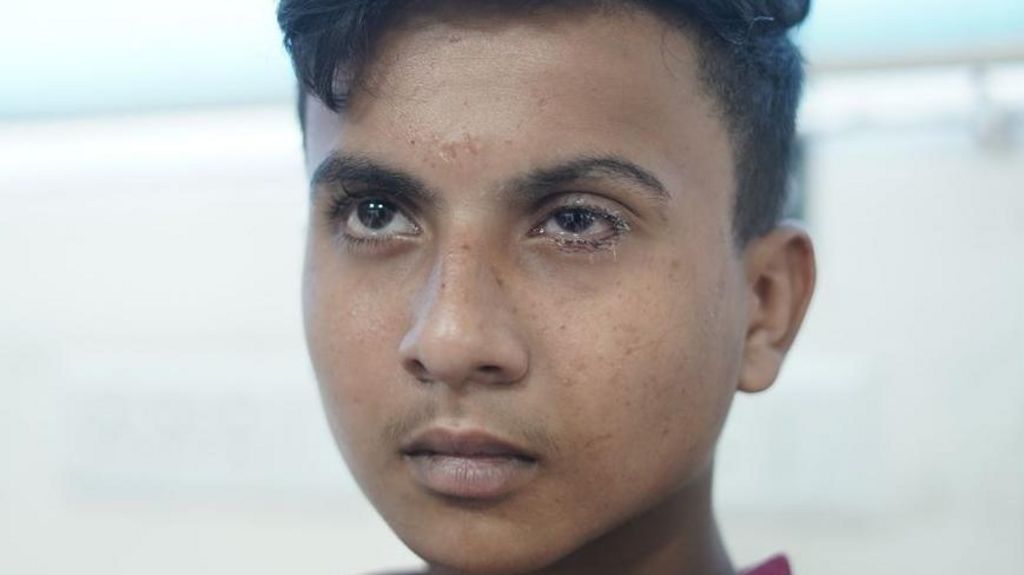
How a Diwali cracker gun in India went from social media craze to blinding children
In the aftermath of Diwali celebrations across northern India, a disturbing trend has emerged: a surge in severe eye injuries caused by improvised devices known as ‘carbide guns.’ These rudimentary contraptions, made from calcium carbide in plastic pipes, produce loud blasts and fiery sparks, mimicking gunfire. However, their unpredictable nature has led to devastating consequences, particularly among children and young adults. Aarish, a 15-year-old from Madhya Pradesh, is one of hundreds of victims. After a carbide gun exploded near his face, he lost vision in his left eye and underwent emergency surgery. Despite his physical pain, Aarish’s primary concern is missing work, as he repairs televisions to support his family. His story reflects a broader issue of child labor in India, where millions of children work despite legal restrictions. The carbide gun phenomenon gained traction after viral social media videos showcased their use as firecrackers. Priced at just 150-200 rupees ($1.70-$2), these devices became a popular yet dangerous Diwali novelty. Hospitals in states like Madhya Pradesh, Bihar, Chhattisgarh, Jharkhand, Uttar Pradesh, and Delhi have reported over 370 cases of eye injuries, with at least 55 requiring surgery. Dr. Kavitha Kumar of Hamidia Hospital in Bhopal described the injuries as ranging from mild chemical burns to severe corneal damage, with some patients facing temporary or permanent vision loss. Dr. Partha Biswas, president of the All India Ophthalmological Society, has called for an urgent nationwide ban on carbide guns, emphasizing their potential to cause permanent blindness and disability. Despite regulations on calcium carbide, its widespread use in fruit ripening and other activities has made it easily accessible. Authorities have arrested several sellers, and some states have banned the devices, but experts argue that stricter enforcement and public awareness are needed to prevent future tragedies. As families like Aarish’s and Alzain’s grapple with the aftermath, the incident underscores the urgent need for action to protect public health during festive celebrations.
-
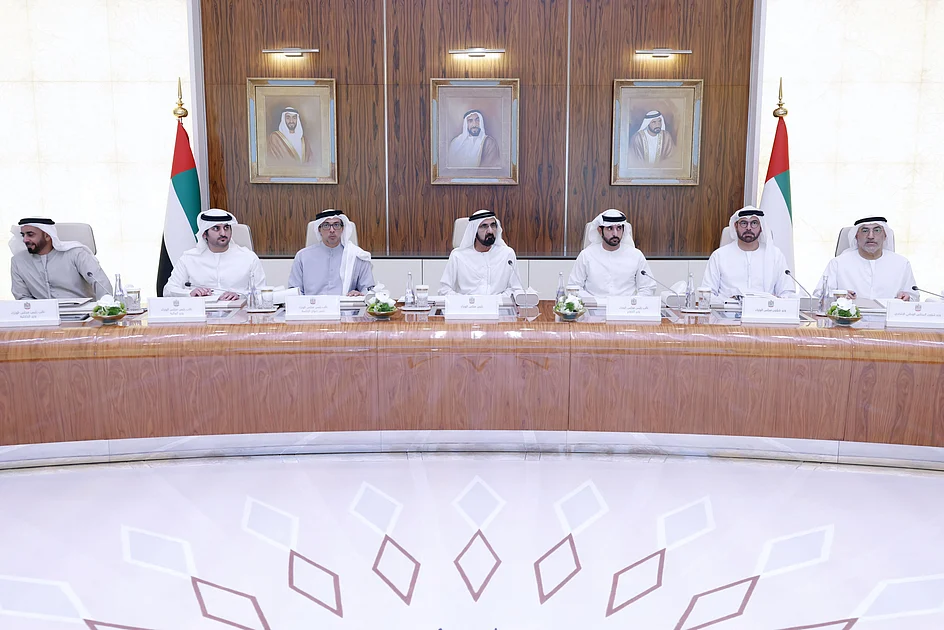
UAE Cabinet reforms Health Council, approves new sustainability guidelines
In a pivotal session on October 27, 2025, the UAE Cabinet unveiled a series of transformative decisions aimed at bolstering the nation’s governance, sustainability, and international cooperation. Among the key resolutions was the restructuring of the Health Council, now led by Ahmed bin Ali Al Sayegh, Minister of Health and Prevention, alongside senior representatives from federal, local, and private healthcare sectors. The Cabinet also greenlit the reformation of the National Committee for Public Health, signaling a renewed focus on public health governance. Sustainability took center stage as the Cabinet endorsed the National Guideline for Assessing the Economic Value of Groundwater, a strategic move to safeguard water resources and ensure long-term water security. Additionally, the UAE Biennial Transparency Report on greenhouse gas emissions was approved, underscoring the nation’s commitment to the Paris Agreement and climate action. On the economic front, the Cabinet reviewed the UAE Export Development Policy, which has driven a 247% surge in exports since 2019, supported by Comprehensive Economic Partnership Agreements (CEPAs) with multiple nations. Food safety initiatives were also highlighted, including the launch of a national training plan for food establishment employees and the development of a unified food risk assessment framework. The Cabinet further addressed social support, updating federal legislation to empower vulnerable communities and promote economic independence. International cooperation was another focal point, with the ratification of agreements with Qatar and Tunisia, alongside plans to negotiate over 30 additional accords in fields such as double taxation, nuclear regulation, and cultural cooperation. The UAE’s hosting of the International Conference on Artificial Intelligence for Cybersecurity and the Second National Conference of Medical Colleges was also approved, reflecting the nation’s ambition to lead in innovation and healthcare.
-

Jailed Palestinian leader Barghouti can unify Palestinians, says son
Marwan Barghouti, often referred to as the ‘Mandela of Palestine,’ remains a pivotal figure in Palestinian politics despite serving multiple life sentences in an Israeli prison. His son, Arab Barghouti, has appealed to US President Donald Trump to leverage the recent Gaza truce as an opportunity to secure his father’s release and reignite the two-state solution for the Middle East conflict. Marwan Barghouti, a prominent leader of the second intifada in the early 2000s, is widely regarded as a potential successor to Palestinian President Mahmoud Abbas. His enduring popularity among Palestinians stems from his ability to unify diverse political factions, including Hamas. In June 2004, an Israeli court sentenced him to five life terms for his alleged involvement in anti-Israeli attacks that resulted in five deaths. However, his imprisonment has not diminished his influence. Arab Barghouti emphasized his father’s unique capacity to bridge divides and foster peace, urging the international community to recognize the urgency of his release. This call comes amid growing global recognition of Palestinian statehood, with countries like France, Britain, and Canada formalizing their support. Marwan Barghouti’s wife, Fadwa, has also appealed to Trump, who hinted at considering the matter during a recent interview. Despite harsh conditions, including solitary confinement and reported physical abuse, Marwan Barghouti continues to advocate for Palestinian unity and reconstruction efforts in Gaza. His son expressed confidence that, upon release, his father would remain deeply engaged in addressing Palestinian suffering and rebuilding efforts, driven by his lifelong mission to serve his people.
-
Over 150 New York Times contributors to boycott paper over Gaza coverage
More than 150 contributors to The New York Times have pledged to cease writing for the newspaper’s opinion section, accusing it of biased reporting on the Israel-Palestine conflict and the war in Gaza. In a collective letter, the signatories, including prominent activists, artists, and politicians such as Rima Hassan, Chelsea Manning, Rashida Tlaib, and Greta Thunberg, criticized the paper for its alleged role in perpetuating misinformation and justifying violence. They argue that withholding their work is the only way to challenge the Times’ influential position in shaping public discourse. The letter outlines three key demands: a review of anti-Palestinian bias, the establishment of new editorial standards for Palestine coverage, and the retraction of a controversial December 2023 article titled ‘Screams Without Words,’ which they claim falsely accused Palestinians of sexual assault during the Hamas-led October 7 attack. The signatories also called for a US arms embargo on Israel, emphasizing that their demands are neither impossible nor unreasonable, citing the Times’ past editorial reforms during the AIDS crisis and its apology for errors in Iraq War reporting. The letter underscores the Times’ global influence, accusing it of obfuscating and justifying Israel’s actions in Gaza, thereby perpetuating decades of biased coverage.
-
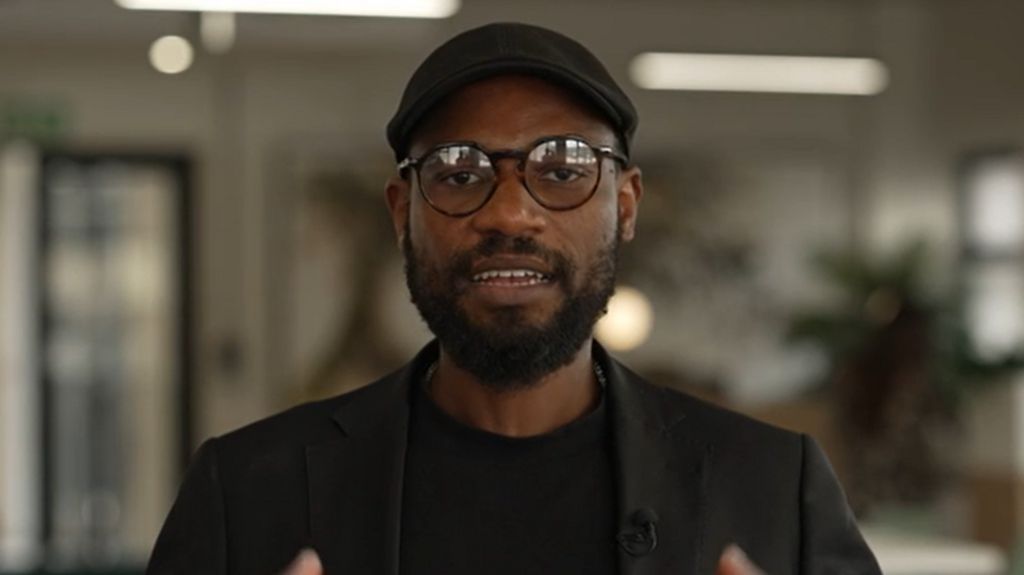
The South African start-up bringing tech to townships
In a groundbreaking move, South African entrepreneur Talifhani Banks has introduced a cutting-edge delivery system tailored for small businesses in underserved townships. This initiative aims to bridge the technological gap in these communities, providing them with access to modern logistics solutions that were previously out of reach. Banks’ innovative approach not only enhances operational efficiency for local enterprises but also fosters economic growth and job creation in areas that have long been marginalized. By leveraging technology, Banks is empowering small businesses to compete more effectively in the broader market, thereby transforming the economic landscape of South African townships. This development marks a significant step towards inclusive technological advancement in the region.
-

How a Hollywood tour guide discovered an unknown celebrity grave
For decades, it was widely believed that Elsa Lanchester, the iconic actress who brought the Bride of Frankenstein to life in the 1935 Universal Horror classic, had been cremated and her ashes scattered at sea following her death in 1986. However, Scott Michaels, a historian and founder of Dearly Departed Tours, recently uncovered a surprising truth: Lanchester’s cremated remains were interred in a rose garden under her married name, Elsa Lanchester Laughton. This revelation, nearly 40 years after her passing, has reignited interest in the actress’s legacy. Michaels, a specialist in Hollywood’s darker history, has dedicated his career to uncovering forgotten stories of the entertainment industry. His discovery led him to organize a crowdfunding campaign to install a formal wall marker at Valhalla Memorial Park in North Hollywood, where Lanchester’s ashes rest. The unveiling ceremony is set for October 28, 2025, coinciding with what would have been her 123rd birthday. Lanchester, born in London in 1902, began her career as a child actor in theatre and cabaret before rising to fame in Hollywood. Her portrayal of the Bride of Frankenstein, with her electrifying hairstyle and haunting presence, cemented her place in film history. Despite her success, Lanchester’s posthumous legacy had been overshadowed by misconceptions about her final resting place. Michaels’ discovery not only corrects the record but also honors Lanchester’s contributions to cinema. Her role as the Bride remains a beloved Halloween costume and a symbol of horror’s golden age. Michaels, who has consulted on projects like Quentin Tarantino’s ‘Once Upon a Time in Hollywood,’ is known for his passion for unsung Hollywood figures. His efforts to memorialize Lanchester reflect his commitment to preserving the legacies of marginalized or forgotten stars. This story also highlights the enduring cultural impact of Lanchester’s work, as Universal Studios recently celebrated the 90th anniversary of ‘Bride of Frankenstein’ with special merchandise and editions. A blue plaque was also unveiled at her childhood home in London, commemorating her and her mother Edith, a socialist, feminist, and suffragette. Michaels’ discovery serves as a reminder of the importance of historical accuracy and the power of storytelling in keeping the legacies of Hollywood’s pioneers alive.
-
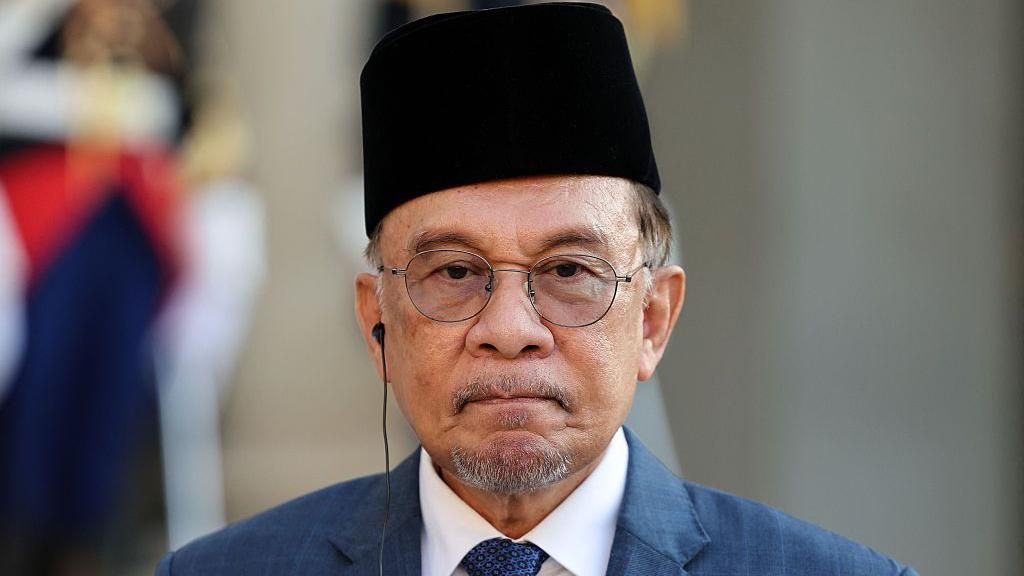
Who is Anwar Ibrahim, the Malaysian leader who helped Trump preside over a ‘peace deal’?
Malaysian Prime Minister Anwar Ibrahim’s recent diplomatic achievements have been overshadowed by domestic challenges. During a high-profile meeting with US President Donald Trump in Kuala Lumpur in October 2025, Anwar secured a crucial tariff reduction on Malaysian exports to the US, from 24% to 19%. This deal, though lacking in finer details, provides much-needed stability for Malaysia’s export-driven economy. More significantly, Anwar orchestrated Trump’s attendance at the ASEAN summit, where the US president presided over a peace deal between Thailand and Cambodia—a fragile ceasefire brokered by Anwar after deadly border clashes earlier in the year. These diplomatic wins have bolstered Malaysia’s standing in the region, but critics argue that Anwar’s success was partly due to his role as ASEAN’s rotating chair. Domestically, Anwar faces mounting pressure. Rising living costs, slow economic reforms, and accusations of favoritism have fueled public discontent. In July 2025, 20,000 protesters took to the streets demanding his resignation. Additionally, his administration’s handling of religious tensions and corruption allegations has drawn criticism. Despite these challenges, Anwar’s international diplomacy has been commendable. He has navigated Malaysia’s position between the US and China, securing visits from both Trump and Chinese President Xi Jinping. However, his ability to replicate this success at home will determine his political survival as Malaysia heads toward the 2028 elections.