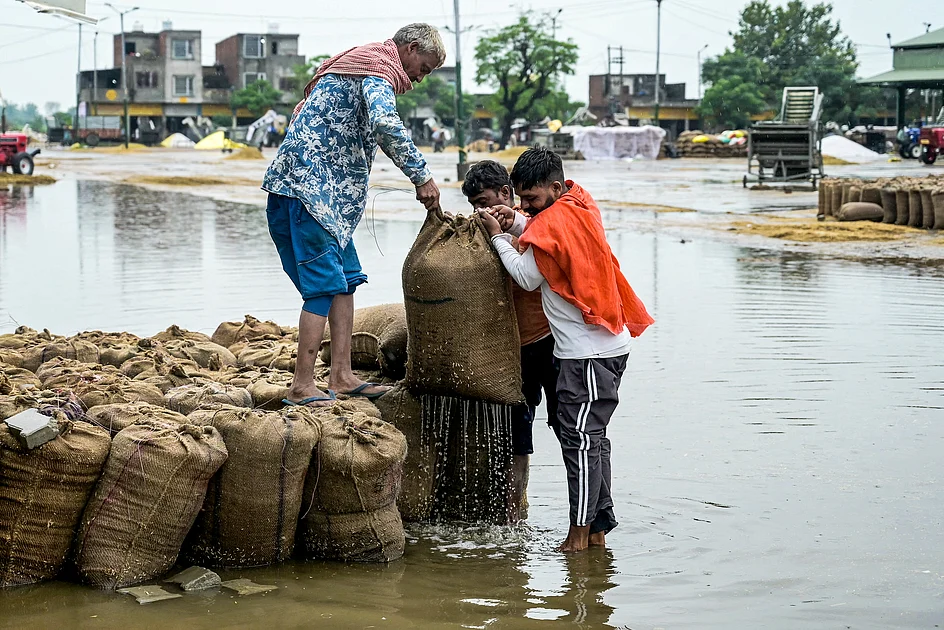
Indian farmers, who had initially welcomed an abundant monsoon season, are now grappling with the devastating aftermath of late downpours that have ruined their crops. The unexpected heavy rains, which arrived just before harvest, have severely damaged key crops such as cotton and soybean, leaving millions of farmers in distress. This agricultural setback is expected to halve the sector’s growth in the December quarter, with projections dropping to 3% to 3.5% from 6.6% the previous year, according to Garima Kapoor, an economist at Elara Securities in Mumbai. The crop losses are not only threatening farmers’ livelihoods but also exacerbating rural debt and dampening consumption, which had been poised to rise following the Indian government’s recent tax cuts on consumer goods. Farmers like Kishore Hangargekar from Maharashtra, who had anticipated a bountiful soybean harvest, are now facing significant financial strain. ‘We hoped for 10 to 12 quintals per acre, but now we’ll be lucky to get 2 to 3 quintals,’ he lamented. The situation is further complicated by the fact that damaged crops are being sold at prices far below the government’s minimum support price, leaving farmers with little recourse. Sachin Nanaware, another farmer, sold his soybean at 3,200 rupees per 100 kg, well below the government-fixed rate of 5,328 rupees. The financial strain has forced many farmers to mortgage their gold jewelry to afford seeds and fertilizers for the upcoming winter sowing season. While the excessive rain has improved soil moisture for winter crops like wheat and rapeseed, the lack of funds remains a critical issue. Industry analyst Thomas Mielke of Oil World predicts that the damage to soybean and cotton crops will drive India’s vegetable oil imports to a record 18 million tons in the upcoming marketing year. As farmers scramble to salvage what they can, the broader implications for India’s agricultural sector and rural economy remain deeply concerning.
作者: admin
-
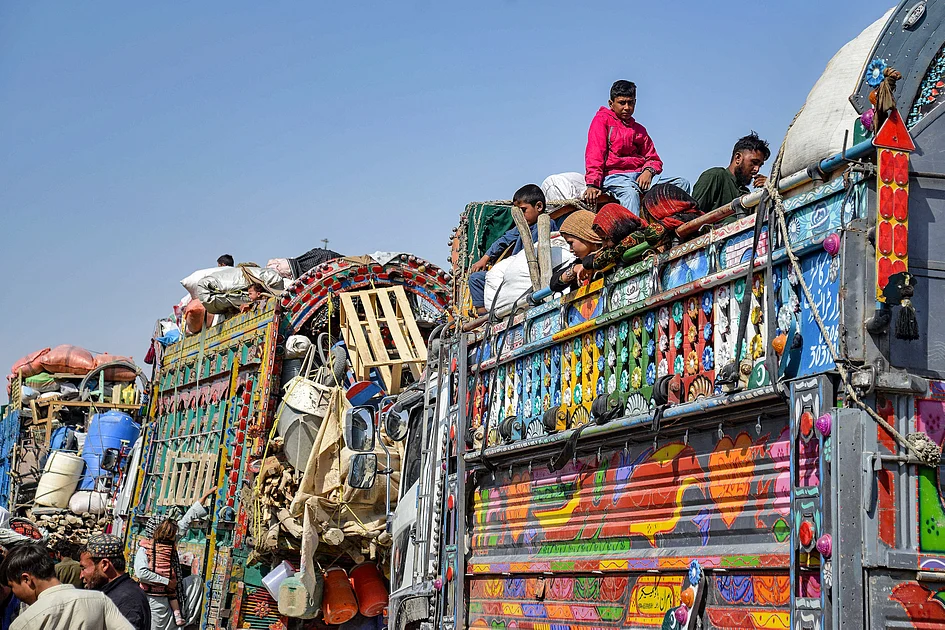
No resolution as Afghanistan, Pakistan end peace talks in Istanbul: Sources
Peace negotiations between Afghanistan and Pakistan, mediated by Turkey and Qatar in Istanbul, concluded without a resolution on Tuesday, October 28, 2025. This development marks a significant setback for regional stability, following deadly border clashes earlier this month. The talks aimed to establish a long-term truce between the two South Asian neighbors, who have been embroiled in escalating violence since the Taliban assumed power in Kabul in 2021. Despite agreeing to a ceasefire brokered in Doha on October 19, the second round of discussions failed to yield common ground, with both sides attributing the impasse to the other. A Pakistani security source claimed that the Afghan Taliban refused to commit to restraining the Pakistani Taliban, a militant group hostile to Pakistan. Conversely, an Afghan source cited “tense exchanges” over the issue, emphasizing that Kabul has no control over the Pakistani Taliban. The breakdown in talks could jeopardize the fragile ceasefire and escalate tensions between the two nations. Over the weekend, clashes near the border resulted in the deaths of five Pakistani soldiers and 25 militants, underscoring the volatility of the situation. Neither the Afghan Taliban government nor Pakistani officials provided immediate comments on the failed negotiations.
-
Sharjah tenants to get full fine exemption, 50% fee relief for expired leases
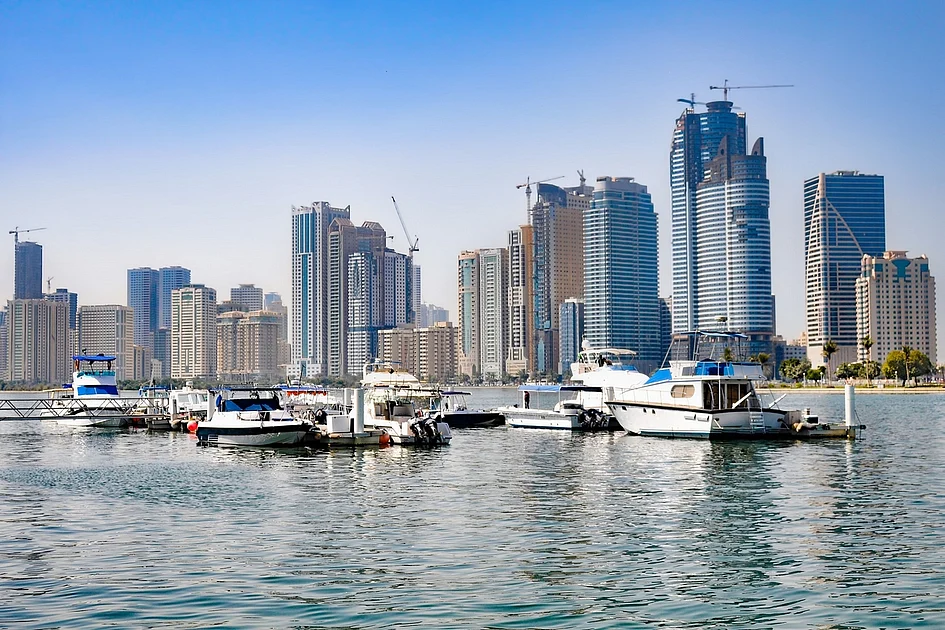
In a significant move to support tenants, the Sharjah Executive Council has approved a comprehensive settlement for unauthorized lease contracts. Effective from November 1, 2025, to December 31, 2025, tenants who regularize expired leases signed before September 19, 2024, will benefit from a 50% reduction in authentication fees and a complete waiver of administrative fines. This initiative applies to all lease types, including residential, commercial, industrial, and investment agreements. The decision aligns with the implementation of Law No. (5) of 2024 on real estate leasing and its executive regulations. Additionally, the Council greenlit the Hasad Center project, aimed at bolstering food security, advancing the agricultural sector, and aiding local farmers. The center will serve as a hub for collecting and distributing fruits and vegetables, streamlining support for producers. The meeting, chaired by Sheikh Sultan bin Mohammed bin Sultan Al Qasimi, Crown Prince and Deputy Ruler of Sharjah, also reviewed plans for the 54th UAE National Day celebrations, emphasizing national unity and cultural heritage. These measures underscore Sharjah’s dedication to fostering economic growth, supporting residents, and celebrating national achievements, in line with the vision of Sheikh Dr Sultan bin Mohammed Al Qasimi, Ruler of Sharjah.
-

Gunman pleads guilty to Japan ex-prime minister’s murder
In a landmark court hearing on Tuesday, Tetsuya Yamagami, the 45-year-old gunman accused of assassinating Japan’s former Prime Minister Shinzo Abe, pleaded guilty to the charges. The shocking murder, which occurred in broad daylight in July 2022, sent ripples across a nation unaccustomed to gun violence and exposed deep-seated issues surrounding the influence of the Unification Church on Japanese politics. Yamagami, handcuffed and with a rope around his waist, appeared in the Nara court, where he admitted to the crime in a barely audible voice. His lawyer indicated plans to contest certain charges, including violations of arms control laws, as Yamagami had allegedly used a handmade weapon. The trial, delayed due to a suspicious item found in 2023, has been a focal point of national attention, particularly for its exploration of Yamagami’s motivations. Prosecutors revealed that Yamagami harbored deep resentment toward the Unification Church, blaming it for derailing his life. He initially sought to target Church executives but, unable to procure a firearm, decided to craft his own. Yamagami believed that killing a figure as influential as Abe would draw public scrutiny to the Church. Abe had faced criticism for his perceived ties to the sect, which has been accused of exploiting its members. Yamagami’s lawyers argued that his life was devastated by the Church, citing his mother’s extreme financial devotion to the sect and the subsequent collapse of their family. The assassination prompted a national reckoning, leading to the resignation of four ministers and the dissolution of the Church’s Japanese arm. It also spurred Japan to further tighten its already stringent gun control laws, introducing penalties for sharing firearm-making tutorials online.
-

‘Football is life’ – The Gambian administrator on a mission
Sainey Sissohore Mboge, a Gambian football administrator, has turned her childhood struggles into a powerful mission to empower young girls through the sport. Growing up, Mboge was unfairly branded a ‘bad influence’ simply for her passion for football. However, she defied societal expectations, representing The Gambia at a youth World Cup and carving out a successful career in the game. Today, she leverages her position to support and inspire young girls who share her love for football. Her story, captured in a video by Joshua Akinyemi and edited by Ian Williams and Isaiah Akinremi, highlights her dedication to breaking barriers and fostering inclusivity in African sports. Published just a day ago, her journey serves as a testament to resilience and the transformative power of football.
-
How do hurricanes form and are they getting stronger?
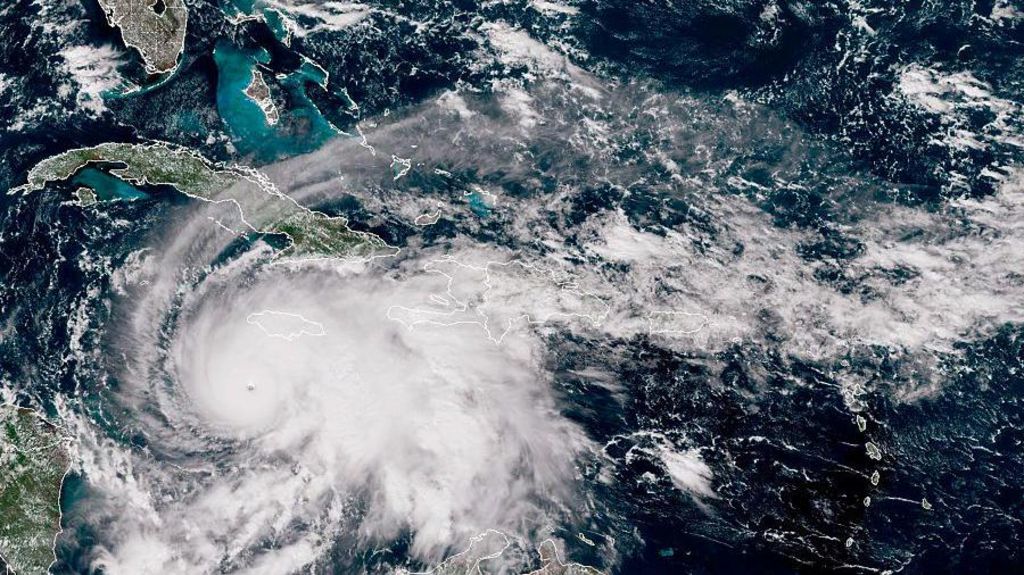
Hurricane Melissa, one of the most powerful Atlantic storms in history, has unleashed catastrophic conditions across Jamaica, prompting urgent warnings from the US National Hurricane Center. While climate change is not directly increasing the frequency of hurricanes, typhoons, and cyclones globally, it is amplifying their intensity. Warmer oceans and a heated atmosphere, both driven by climate change, are fueling higher wind speeds, heavier rainfall, and heightened risks of coastal flooding. This phenomenon is transforming already dangerous storms into even more destructive forces. Tropical cyclones, including hurricanes, are characterized by extreme wind speeds, torrential rains, and storm surges, which often result in widespread devastation. Although the global frequency of these storms has not risen over the past century, a growing proportion are reaching the most severe categories, with wind speeds exceeding 111 mph (178 km/h). The IPCC highlights ‘medium confidence’ in the increased average and peak rainfall rates linked to these storms, as well as a rise in ‘rapid intensification events,’ where wind speeds escalate dramatically. Additionally, tropical cyclones are moving slower across the Earth’s surface, prolonging rainfall and exacerbating flooding. For instance, Hurricane Harvey in 2017 stalled over Houston, dumping 100 cm of rain in just three days. Rising sea levels, driven by melting glaciers and thermal expansion of seawater, are further compounding the risks of coastal flooding. The IPCC concludes with ‘high confidence’ that human activities have contributed to increased precipitation in tropical cyclones and ‘medium confidence’ in their role in intensifying these storms. As global temperatures continue to climb, the proportion of category four and five hurricanes is expected to rise, underscoring the urgent need for climate action.
-

UAE’s first Green Licence explained: What it means for sustainable businesses
The United Arab Emirates has taken a significant step towards fostering sustainable business practices with the introduction of its first-ever Green Licence. This groundbreaking initiative was unveiled during the launch of the Green Innovation District at Expo City Dubai, marking a pivotal moment in the nation’s green transformation journey. The Green Licence aims to attract and empower eco-conscious businesses by offering a range of benefits, including access to an on-site Green Intellectual Property Office designed to support innovation and attract sustainable enterprises globally. Reem Al Hashimy, Minister of State for International Cooperation and CEO of Expo City Dubai Authority, emphasized that the Green Innovation District would serve as a vibrant ecosystem where economic opportunity and ecological responsibility coexist harmoniously. The district will feature light industrial and urban farming spaces, alongside commercial areas, creating a sustainable, interconnected community. Al Hashimy highlighted that Expo City Dubai’s commitment to green standards and innovation provides an ideal environment for businesses to trial, scale, and succeed. The initiative is part of a broader vision to position Expo City Dubai as a global hub for sustainability-driven enterprises, innovation, and research, reinforcing the UAE’s leadership in building a resilient, net-zero future. Al Hashimy expressed gratitude to the Ministry of Economy and Tourism, founding partners, local government departments, and existing members of the Expo City Dubai business community for their commitment to advancing clean energy and decarbonization. Together, they are creating a model for the future—a catalyst for sustainable growth where both business and the environment can thrive.
-

UAE: 2 girls saved from drowning at Mamzar Beach; Sharjah authority honours rescuer
In a dramatic turn of events at Mamzar Beach, two young girls were rescued from drowning on Tuesday, October 28, 2025. The Sharjah Civil Defence Authority swiftly responded to the incident, and the rescuer was subsequently honored for his bravery. The Director General and his deputy personally visited the girls in the hospital to ensure their recovery and well-being. This incident has prompted authorities to reinforce beach safety measures, including increased patrols and new training programs for school students. The community is also encouraged to participate in marine rescue training to enhance public safety during major events. Mamzar Beach, a popular spot shared between Sharjah and Dubai, has seen its share of tragic incidents in the past, including a drowning in November 2024 and a fatal rescue attempt the year before. These events underscore the importance of vigilance and preparedness when enjoying the UAE’s coastal attractions.
-
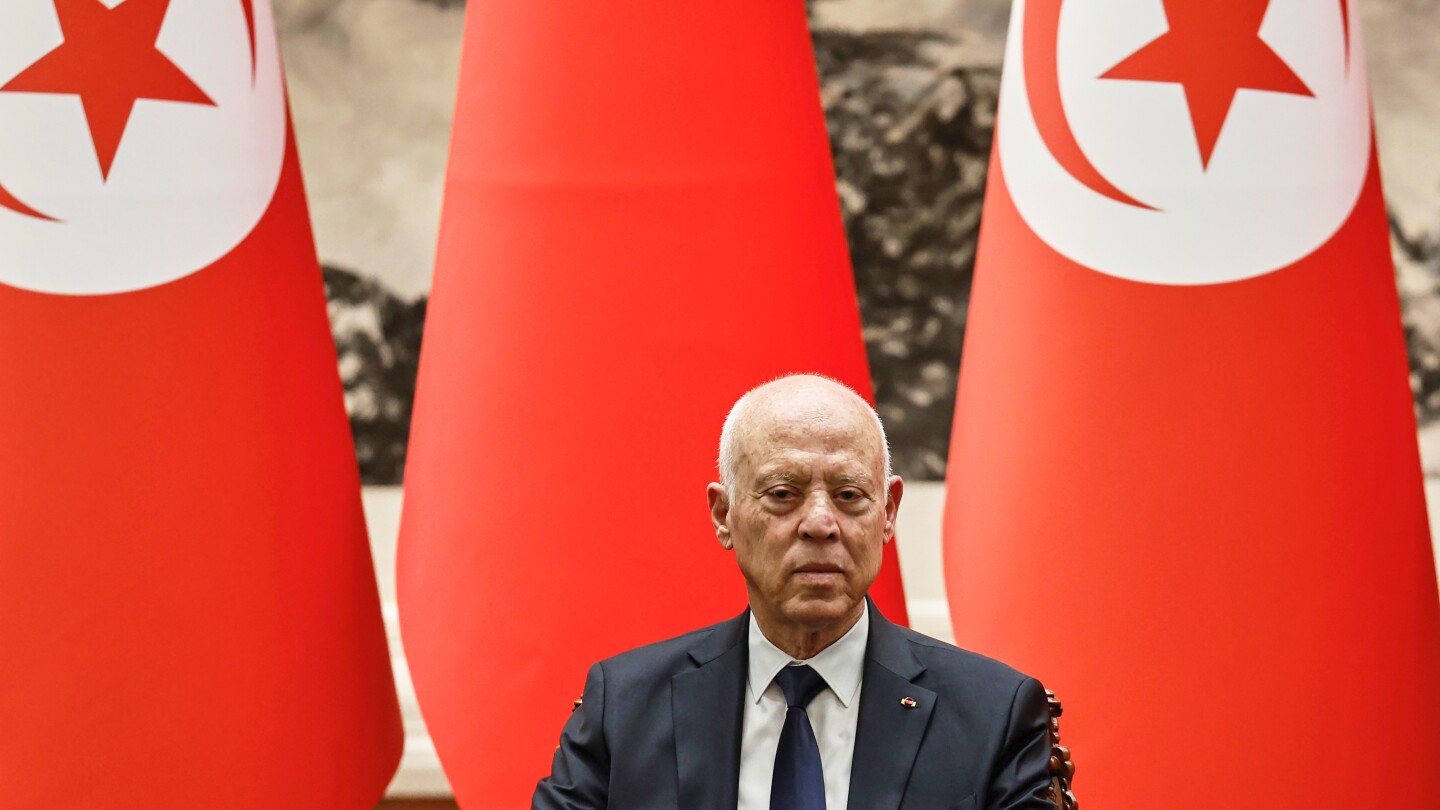
Tunisian court suspends prominent human rights groups as crackdown progresses
In a significant development, a Tunisian court has mandated the suspension of the Tunisian Forum for Economic and Social Rights (FTDES), one of the country’s most prominent human rights organizations, for a period of one month. This decision follows a similar suspension imposed on the Tunisian Association for Democratic Women (ATFD), a leading feminist group, just days prior. The move underscores the escalating pressures faced by civil society organizations under President Kais Saied’s administration, which has been accused of systematically undermining post–Arab Spring democratic freedoms. FTDES spokesperson Romdhan Ben Amor criticized the suspension, describing it as a diversionary tactic to shift focus from pressing national issues, including ongoing environmental protests in Gabes. He further asserted that the organization was targeted for its advocacy on migration and its involvement in high-profile cases related to state security. Ben Amor emphasized FTDES’s commitment to financial transparency and announced plans to appeal the suspension. Critics argue that these measures are part of a broader strategy to stifle the independence of civil society, particularly since Saied’s 2021 consolidation of power. The president has frequently framed foreign funding as a national threat, accusing NGOs of serving foreign interests and destabilizing the country. FTDES is among numerous organizations subjected to rigorous financial and tax audits in recent months, as authorities intensify scrutiny over their operations and funding sources.
-

Gulf nationals get equal treatment as citizens in health facilities across GCC countries
In a landmark development for Gulf Cooperation Council (GCC) nations, citizens of member states now have access to comprehensive healthcare services across the region, regardless of their country of residence or visit. This initiative underscores the GCC’s commitment to fostering unity and equal treatment among its citizens. During 2023, over 204,000 Gulf nationals benefited from government medical services outside their home countries, as revealed by Jasem Mohamed Albudaiwi, Secretary General of the GCC, during a meeting of GCC health ministers. The scope of healthcare services varies based on the duration of stay. Visitors staying up to three months are entitled to primary healthcare, emergency and ambulance services, and hospitalisation for critical cases until the emergency is resolved. For those residing in a GCC country for over three months, with valid residency and property ownership or lease contracts, all health services in hospitals and government health centres are accessible. The GCC region boasts an extensive healthcare infrastructure, with over 863 hospitals and 3,400 health centres and complexes. This initiative reflects the GCC’s vision of a ‘collective homeland,’ where citizens enjoy benefits equivalent to those of nationals in each member state. In the UAE, GCC nationals working in the private sector are treated equally to Emirati nationals in terms of employment and insurance coverage, as per Cabinet Resolution No. 72/5 of 2007. This policy, however, does not impact the Emiratisation quota for UAE citizens in the private sector. The move highlights the GCC’s dedication to enhancing regional integration and improving the quality of life for its citizens.